This Florida Park Has More Wildlife Sightings Than Most Zoos
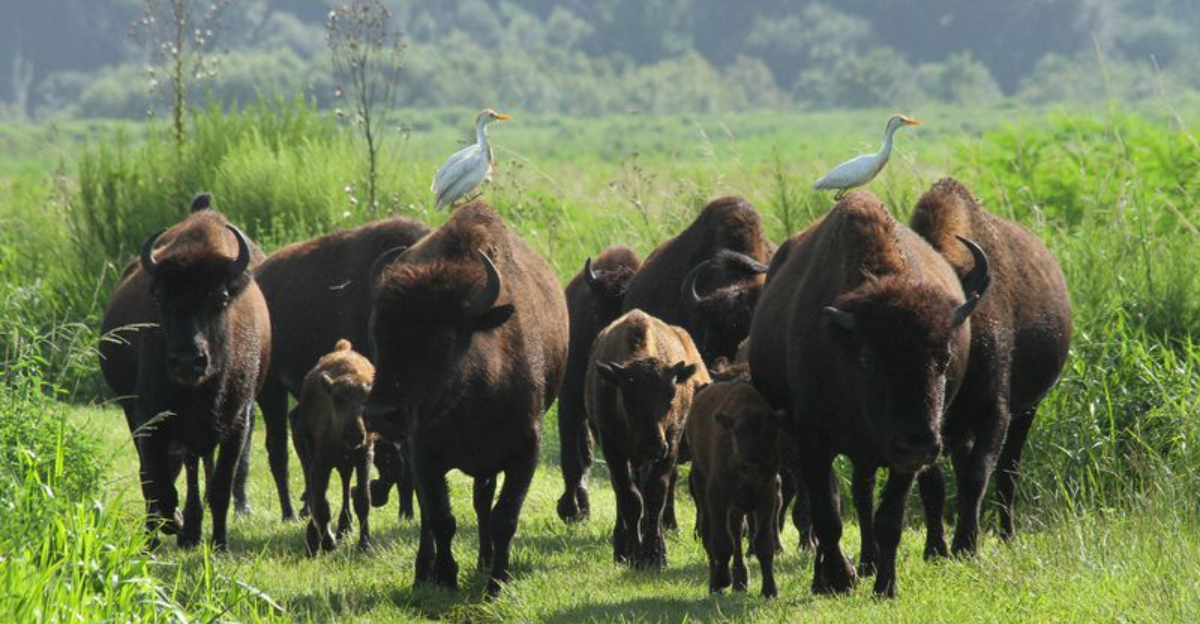
If you think zoos have the best animal encounters, wait until you step onto the open savannas of Paynes Prairie Preserve State Park. Bison, wild horses, and alligators share the same horizon while sandhill cranes trumpet overhead. Trails, boardwalks, and an elevated observation tower make it easy to scan the prairie without disturbing the wildlife.
Come early, stay for golden hour, and you might leave with stories you will not believe.
1. La Chua Trail: Alligator Alley With Big-Sky Views
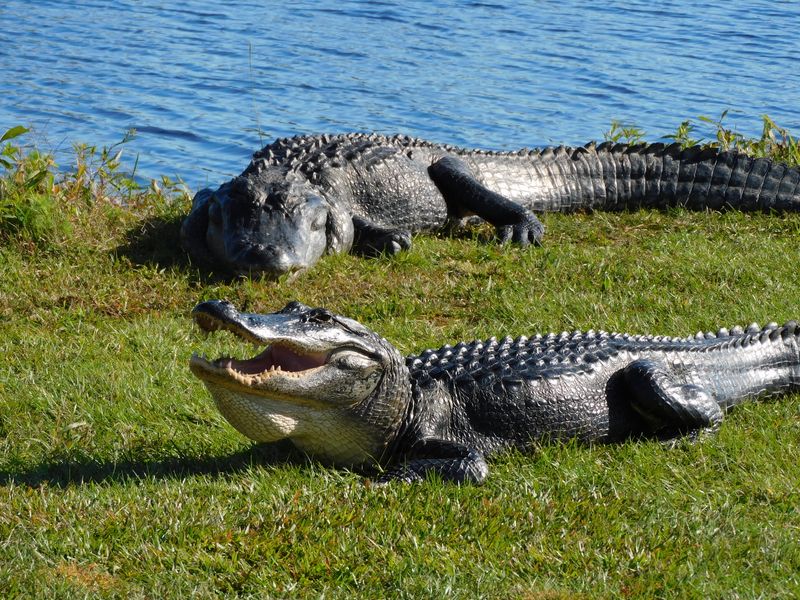
La Chua Trail is where the prairie comes alive under your feet. You will spot alligators sunning on banks, purple gallinules threading lily pads, and herons stalking in the shallows. Keep a respectful distance, bring binoculars, and walk quietly for the best sightings.
The path starts near the historic sink and stretches toward wide, open wetlands where the horizon feels endless. On cooler mornings and just before sunset, activity peaks and cameras click. If water levels are high, parts can close, so check conditions with the visitor center before heading out.
Boardwalk segments provide safe, steady footing and great vantage points for photos. You will leave with shoes dusty, memory card full, and a grin you cannot hide.
2. Bison Spotting From the Observation Tower
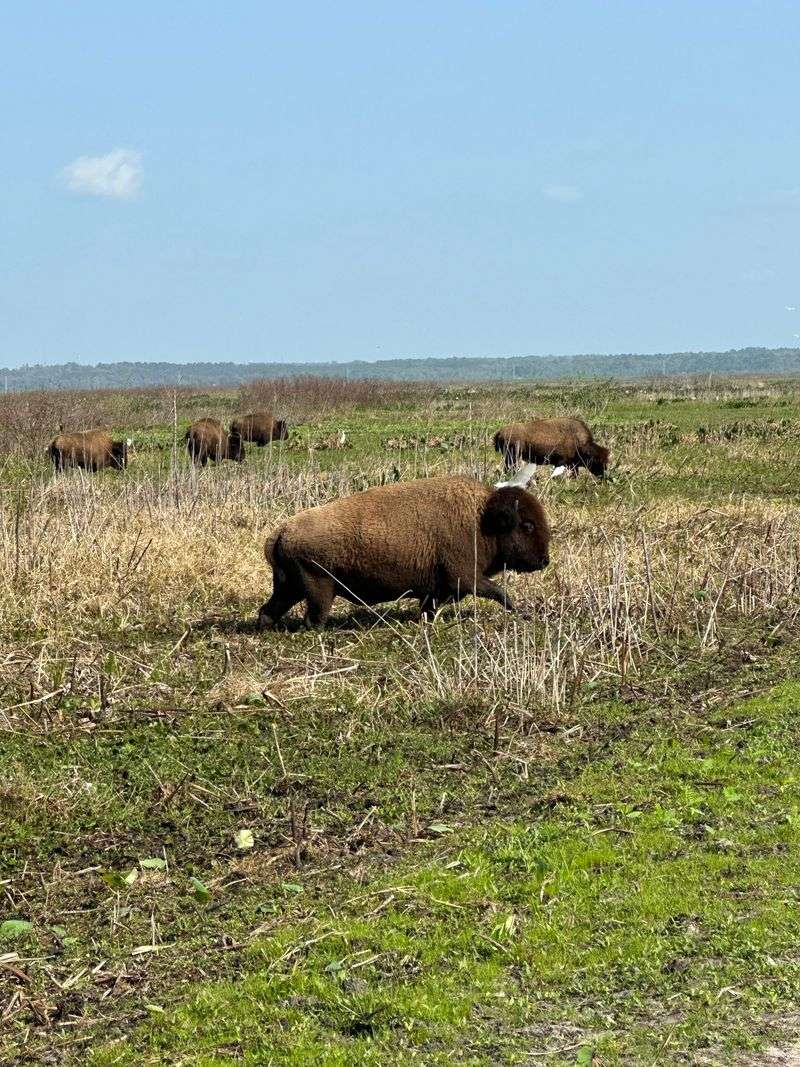
Climb the observation tower behind the visitor center and scan the prairie for hulking, dark silhouettes. Bison sometimes graze in distant herds, especially during cooler parts of the day. You will want good binoculars to pick out calves, dominant bulls, and the slow sway of those massive heads.
The platform offers a steady perch with interpretive panels that explain the prairie ecology. Rangers happily share recent sightings and tips on wind direction and light. When the sun warms the grass, heat shimmer can hide movement, so morning clarity helps your search.
Even if bison stay elusive, the view is breathtaking. Watch raptors ride thermals, horses drift through tall grass, and storms build over Gainesville’s skyline. It feels wild, huge, and humbling.
3. Wild Horses of the Prairie
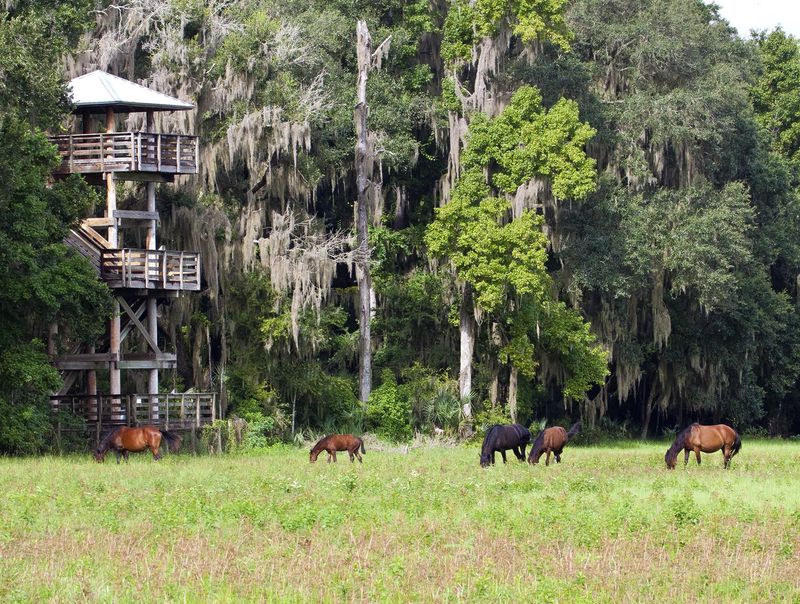
Seeing wild horses at Paynes Prairie never gets old. You might catch them at a distance, heads down in swaying grass, or hear the soft thud of hooves before they appear. Keep quiet, give them space, and let your lens do the walking.
They move in small bands and often browse near wetlands where breezes keep bugs down. Early mornings and cool-season afternoons provide your best chance. From the tower, boardwalks, or Bolen Bluff, scan edges where prairie meets hammock.
Be patient. Horses can melt into the landscape like smoke. When they step into view, the moment feels timeless, like a window into old Florida.
You will remember the smell of grass, the wind, and that flick of a tail.
4. Bolen Bluff Trail: Ridge Walk to Prairie Vistas
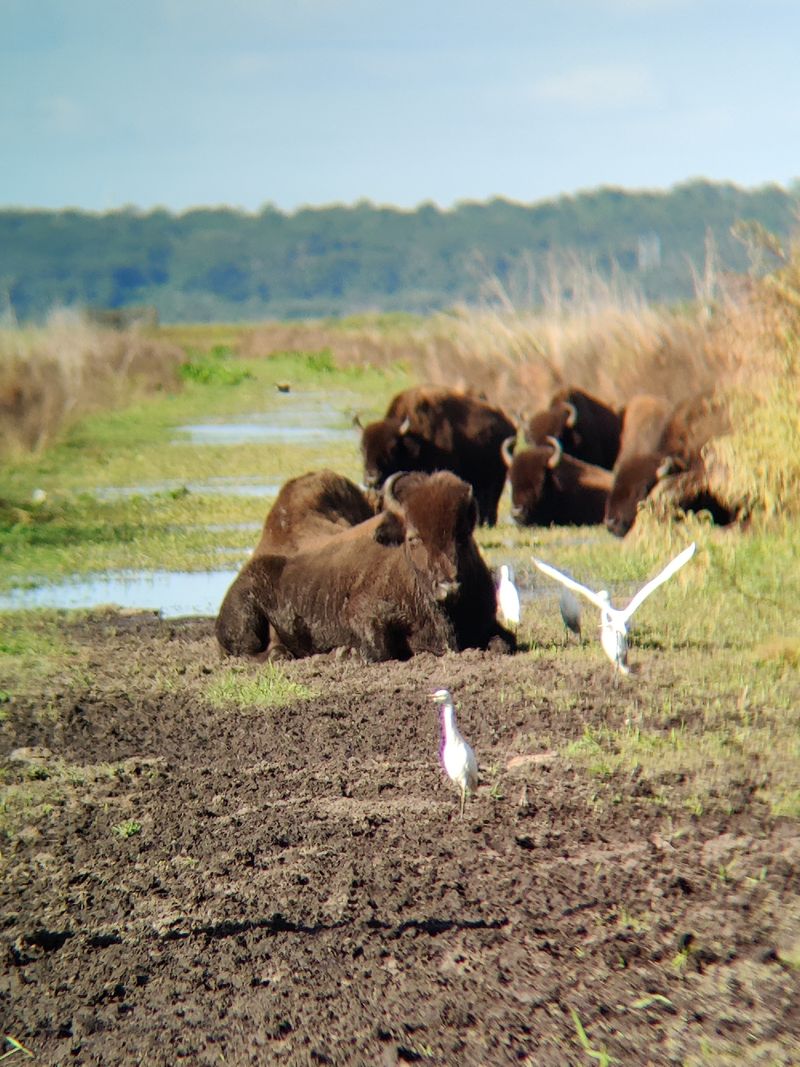
Bolen Bluff feels like a secret: shaded oak hammock, quiet leaf litter, and then the trees open to a prairie overlook. Deer sometimes ghost between trunks while hawks call overhead. The spur to the edge gives a grand, wind-swept view.
Bring water and footwear with decent grip. The loop is moderate and can be sandy or muddy after rain. If you wait, you might spot bison moving like islands in a tawny sea.
The light near sunset is cinematic, throwing long shadows across grass. It is a perfect spot to breathe, watch, and listen. Stay patient, keep voices low, and let the overlook work its magic.
You leave feeling like you borrowed a piece of quiet.
5. Cone’s Dike Trail: Birders’ Long-Haul Paradise
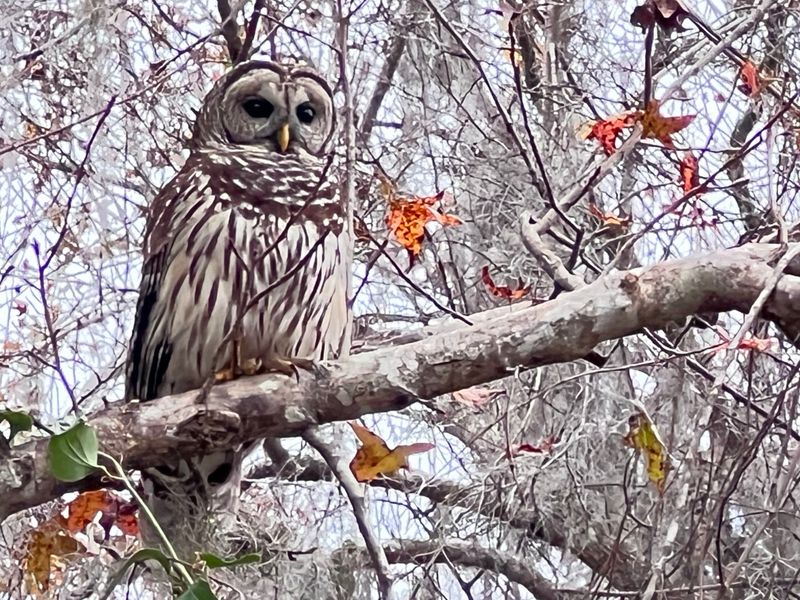
Cone’s Dike is for days when you want to disappear into the prairie and let birds write the soundtrack. Expect sandhill cranes bugling, swallow-tailed kites slicing the sky, and ducks lifting like confetti. The miles add up, so pack snacks, water, and sun protection.
The dike crosses marsh and wet prairie with broad sight lines that reward patient glassing. In winter, numbers swell and identification becomes a fun challenge. Note any trail advisories after heavy rain.
Give yourself time. Sit, scan, and let the landscape reveal secrets: bitterns frozen in reeds, rail calls from shadows, and an alligator snout drifting by. Exhausted and happy, you will hike out full of sightings you did not expect.
6. Visitor Center: Your Wildlife Intel Hub
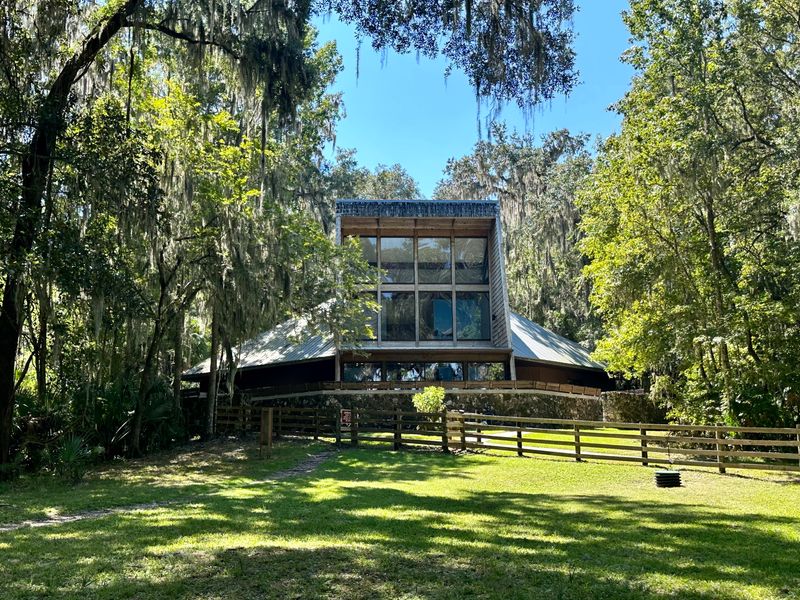
Start at the visitor center for maps, current trail conditions, and whispers about where the bison wandered at dawn. Exhibits explain the prairie’s sinkhole, hydrology, and restoration history. Spotting scopes on the back deck help you practice before hitting the trails.
Friendly staff and rangers can steer you toward the right route for your time and energy. Ask about accessibility, closures, and seasonal highlights. The gift shop is great for field guides and cold drinks.
Step outside to the observation tower for a panoramic survey. You will feel oriented and excited, with a plan in hand. That little bit of prep pays off when clouds shift, cranes call, and the prairie opens like a story you cannot put down.
7. Campground and Group Site: Stars, Quiet, Water Access
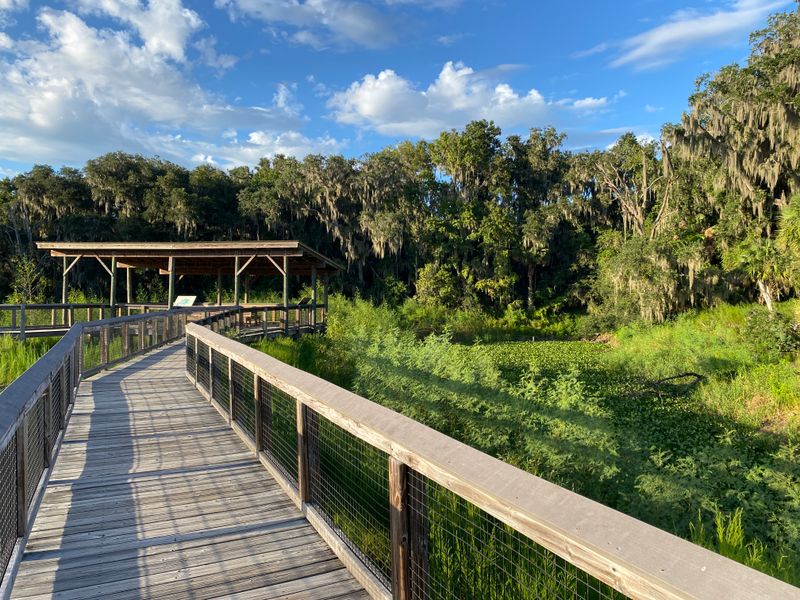
Camp under a dark sky where owls call and the prairie breathes. Sites are shaded, private, and close to clean facilities, with staff that truly cares. At the group site, a covered shelter, picnic tables, and a dedicated port-o-john make planning easy.
Bring paddleboards or kayaks for calm stretches of water when levels allow. Nights are peaceful, mornings crisp with bird song. Expect raccoons, armadillos, and deer slipping past at dusk.
Reserve early on cool-season weekends. Follow wildlife distance guidelines and store food smartly. After a campfire’s last ember fades, look up: the stars feel close and generous.
You will wake rested, pack slowly, and already plot your next return.
8. Safety, Seasons, and Best Times to Go
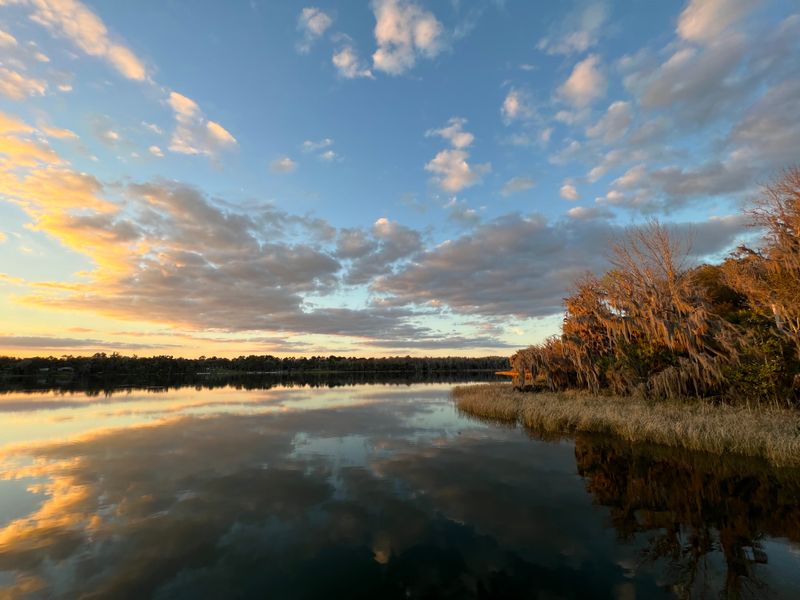
Wildlife is wild here, which is why it is unforgettable. Keep a minimum distance from alligators, bison, and horses, and never feed animals. Mornings and late afternoons are best for sightings and less heat.
Winter brings huge bird numbers and crisp air. Spring shows flowers and active reptiles. Summer storms build fast, so check radar and pack rain gear.
Fall light is gorgeous and crowds thin.
Carry water, sun protection, and bug spray. Closed-toe shoes help on sandy or damp trails. Check the park website for hours and any closures before you go.
If you move slowly and listen, Paynes Prairie rewards you with authentic encounters that feel earned, respectful, and deeply memorable.