9 Miami Restaurant Closures in 2025 That Hurt the Most
Miami’s dining scene took some gut punches in 2025, and if you eat out here, you felt them. Beloved neighborhood fixtures and brand new stars said goodbye, leaving empty storefronts and full hearts you can still taste. These closings were not just about food, they were about milestones, first dates, and the places you told friends to try first.
If you want to understand how quickly a city can change and why these rooms mattered so much, keep reading.
1. Caffe Vialetto (Coral Gables)
Family milestones lived at corner tables here, where servers remembered your aunt’s favorite pasta and birthdays always ended with an extra spoon. Twenty six years is a lifetime in Miami dining, and that longevity built a ritual you could count on. When the lights went out, you could feel a quiet ache spread through Coral Gables.
You did not just lose rigatoni, you lost the comfort of a host who knew your name and saved the banquette. Generations marked confirmations, graduations, and Sunday reunions with red sauce and toasts. Closures like this remind you that hospitality is memory, and memory needs a place.
2. EntreNos (Miami Shores)
It felt like the future of fine dining was right here, rooted in farms and fisherman stories told course by course. Michelin awarded both a star and a Green Star, and still, July arrived with a goodbye note. You left asking how excellence this careful could be so fragile in a city that eats change.
Menus traced tides and seasons, and you tasted smoke, citrus, and quiet discipline. Sustainability was not a slogan, it was the way the room breathed. Losing it made you wonder whether small, principled kitchens can survive Miami’s rising costs and restless appetites without a safety net.
3. Erba (Coral Gables)
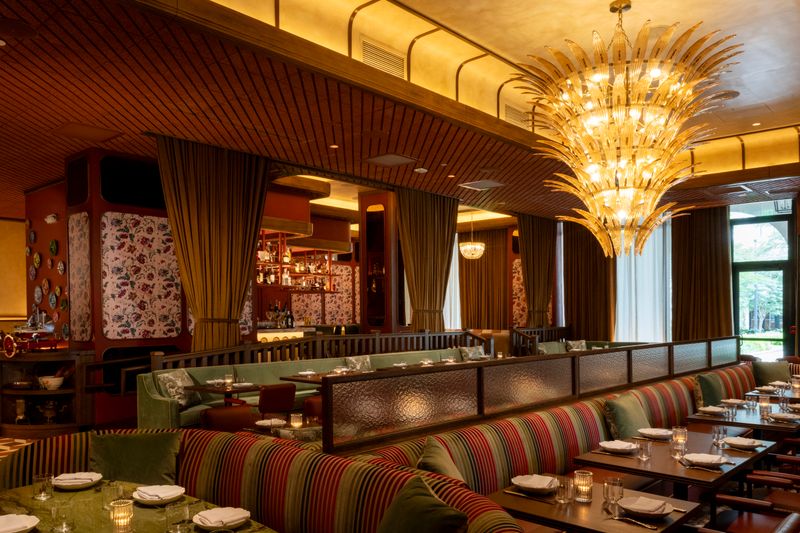
The surprise hurt because momentum felt unstoppable. Here was a room glowing with marble and greenery, pasta that twirled like a promise, and service hitting that sweet exactness you bragged about. Then one day, nothing, just a sudden quiet that echoed through your group chats.
Openings come and go, but this one convinced even skeptical friends that Miami could hold elegance without stiffness. You remember saffron notes, bitter greens, and an amaro nightcap that stretched into stories. The abrupt ending leaves a lingering question about how high ambition and rent realities negotiate behind closed doors.
4. Itamae Ao (Design District)
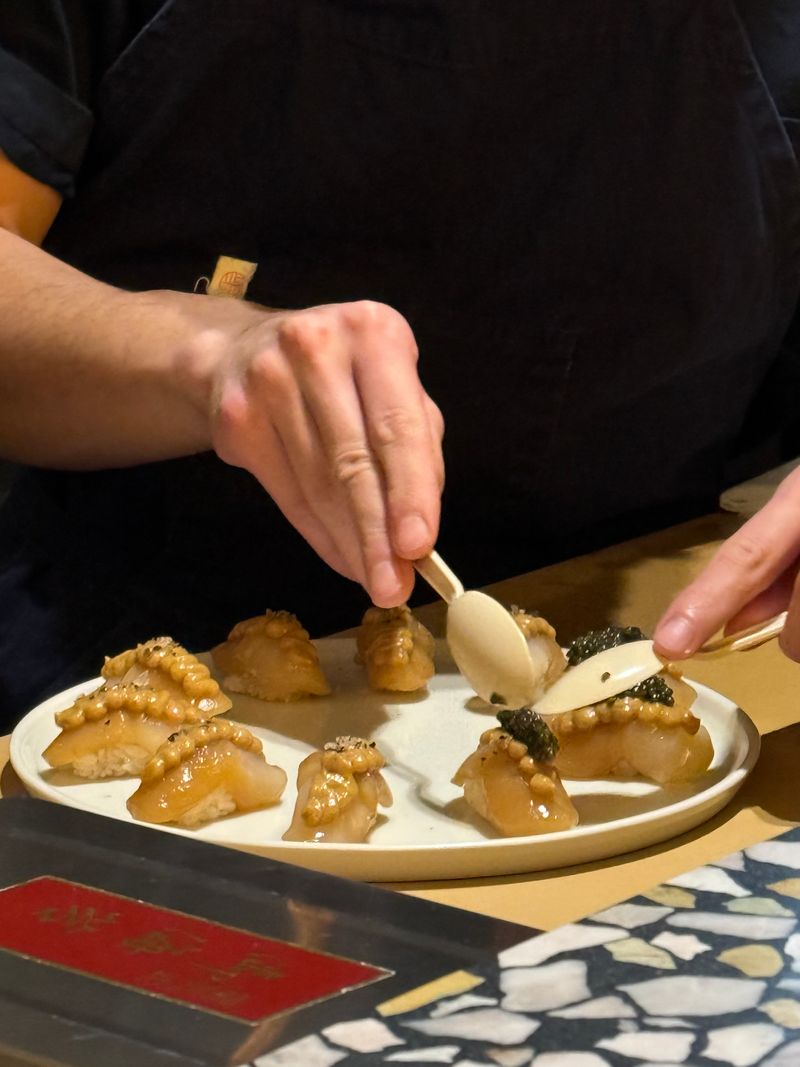
A star arrived and blinked out almost immediately, rare fish kissed by citrus, rice whispering under cool knives. You chased a reservation and finally landed a seat, only to see the lights dim months later when the host restaurant folded. Momentum can be merciless, even when a chef’s touch is undeniable.
Design District sparkle met Nikkei precision, and the counter felt like theater. Each bite balanced brightness and depth, reminding you how Miami translates Peru and Japan into its own dialect. Losing it so fast stung because greatness felt within reach, then vanished, proof that even awards cannot prop up shaky foundations.
5. Sugarcane (Midtown Miami)
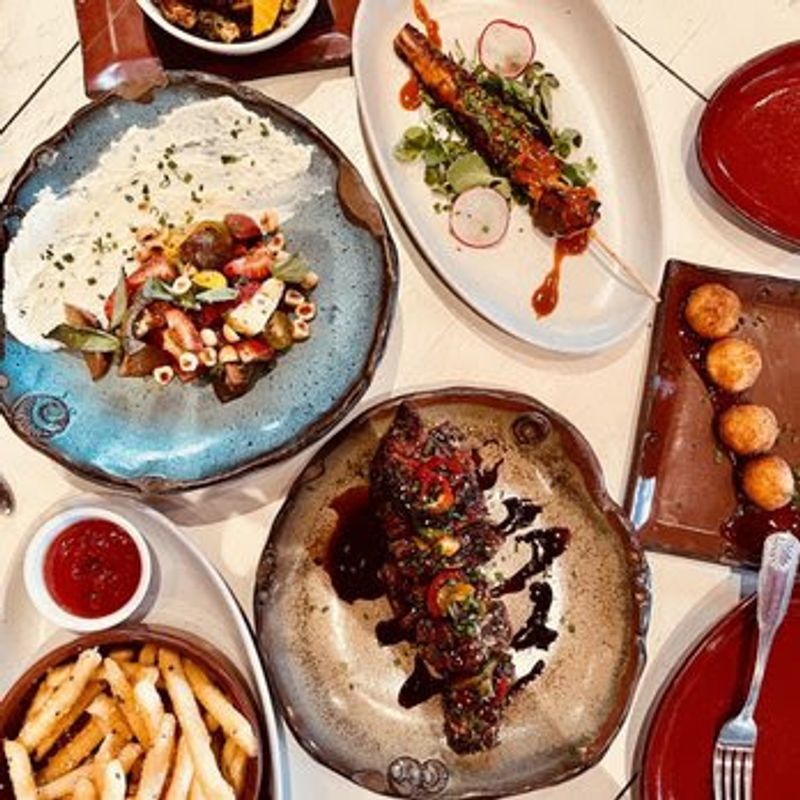
Before Midtown felt inevitable, this place coaxed people to gather around small plates and a wood grill that smelled like weekend plans. Brunch lines, cocktail clinks, and those bacon wrapped dates became a neighborhood soundtrack. January’s abrupt goodbye closed a chapter on a decade that shaped the area’s identity.
You could bring out of town friends and never miss, because menus traveled comfortably from crispy to charred to chilled. The bar energy taught Miami how to linger between bites. When a defining anchor goes, you notice the silence in the plaza and wonder what rises next to claim the crowd.
6. Torno Subito (Downtown Miami)
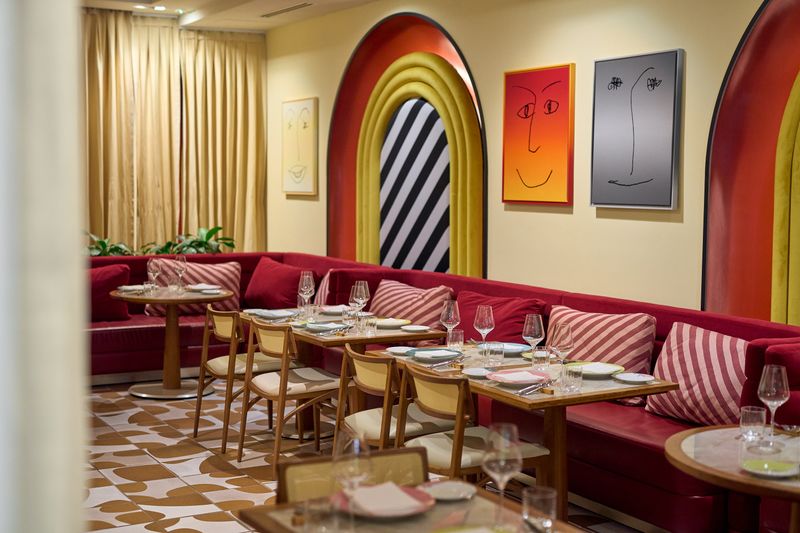
Pop art colors and Bottura’s playful spirit brought whimsy to a food hall corner that suddenly went dark. One week you were snagging a cheeky piadina, the next you were reading goodbye posts and rumors of a move. Closures inside shared spaces hit differently because community buzz evaporates overnight.
Later, the concept resurfaced elsewhere, but you still miss the surprise of stumbling onto great food between escalators and neon. It proved that joy and finesse could live in casual settings without feeling try hard. The Downtown location’s exit reminds you how experimental venues can be temporary by design in this city.
7. Tamourine Room (Miami Beach)
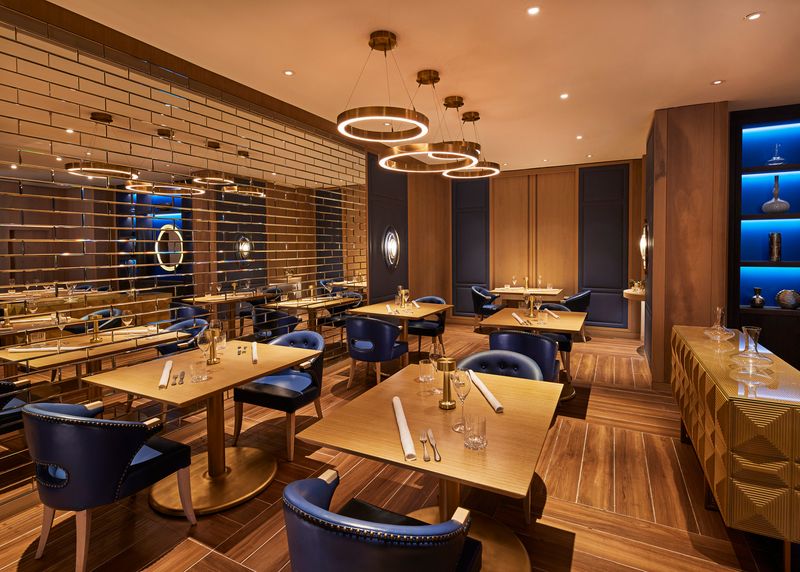
One Michelin star brought attention, but intimacy brought loyalty. Then May arrived and the doors closed, only for the space to transform with a new chef and concept later. You remember the hush of a tight dining room where every course felt handwritten for the table.
Miami Beach can rush you, yet this experience slowed the clock with precise seasoning and kind pacing. The pivot underscores how quickly a brand must evolve to survive tides of cost and trend. Even with the reboot, you still miss the particular cadence of that original tasting, measured like a favorite album.
8. Fiola Miami
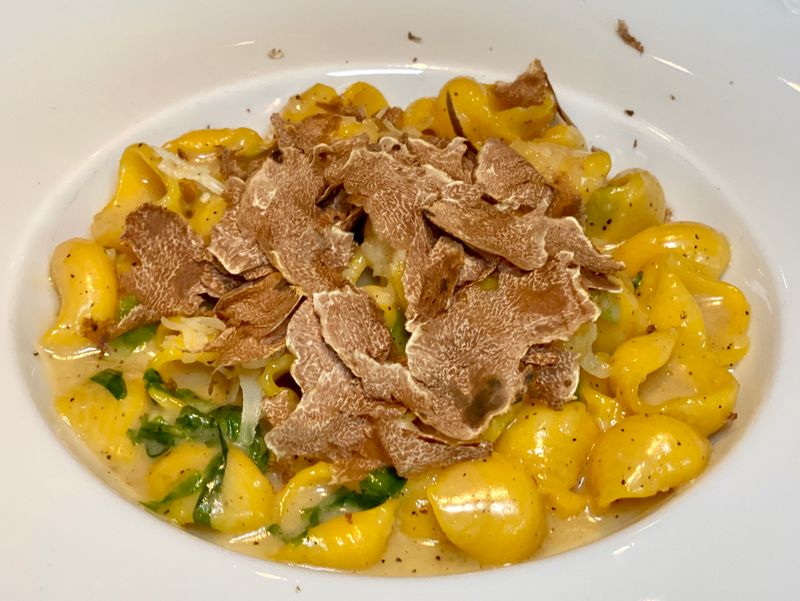
High profile and polished, it felt like a promise that D.C. finesse could make a permanent home here. When the announcement dropped, surprise rippled through group chats, followed by curiosity about what might replace it. Reinvention came quickly as Daniel’s Miami, a reminder that dining rooms can molt without losing heartbeat.
You recall truffle whispers, a confident wine list, and the kind of service that anticipates instead of reacts. Closures at this level show how brand strength can pivot, carrying regulars into a new chapter. Still, the original sign carried weight, and watching it come down pressed pause on a familiar ritual.
9. Maty’s (Midtown Miami)
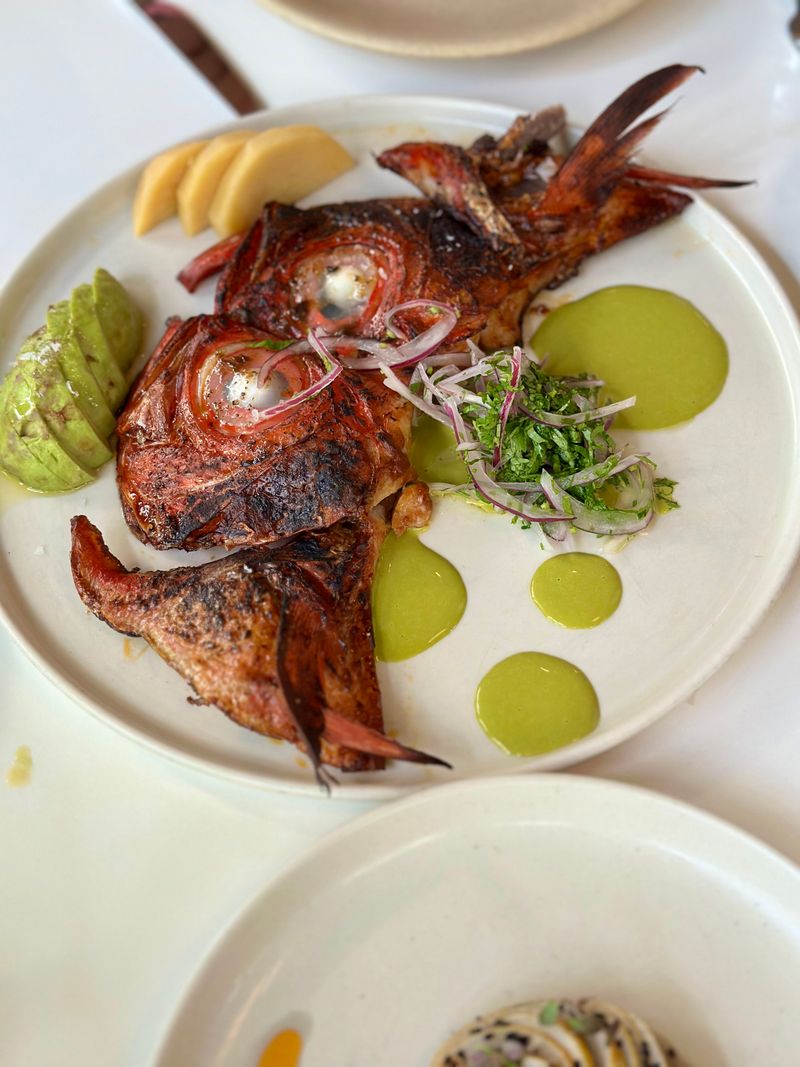
The room smelled like lime and live fire, a Peruvian memory translated for Miami with heart. When it closed, you felt the aftershock beyond one address, because its absence toppled the Michelin starred offshoot that relied on it. Neighborhoods lose more than rent checks when a hub disappears.
Here, ají amarillo warmth met modern restraint, and plates carried stories of family and migration. You tasted home and ambition in the same bite. The shuttering left a gap in Midtown’s rhythm and reminded you how interconnected kitchens are, where one closure can dim another’s star even faster than critics ever could.