Why Florida Is Seeing “Raining Iguanas”—And the Cold Temps Behind the Chaos
Every winter, Florida manages to surprise the rest of the country in new and bizarre ways. One year it’s frozen beaches, another it’s snow flurries no one believes actually happened. But few cold-weather phenomena are as startling—or as viral—as “raining iguanas.”
Yes, it sounds like something out of a movie, but when temperatures dip low enough, Florida’s non-native iguanas really do appear to fall from trees, leaving residents confused, amused, and sometimes dodging reptiles on sidewalks.
This strange event isn’t a sign of the apocalypse or a sudden weather anomaly involving airborne lizards. It’s actually a predictable result of biology colliding with cold snaps. Here’s what’s really going on—and why Floridians have learned to take it all in stride.
What Does “Raining Iguanas” Actually Mean?
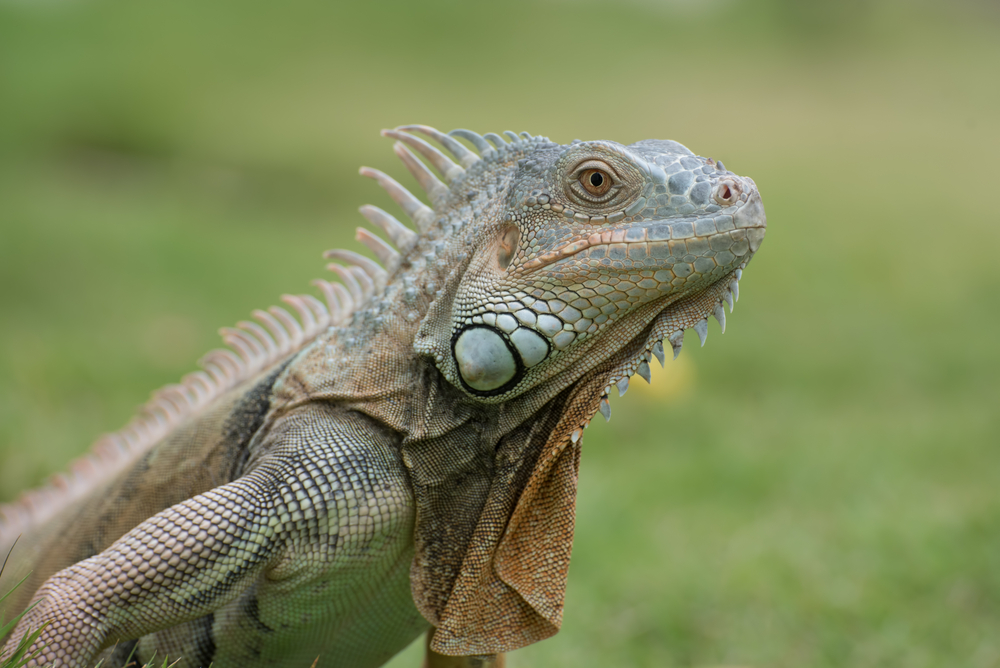
To be clear, iguanas aren’t plummeting from the sky like hailstones. The phrase “raining iguanas” refers to what happens when cold temperatures temporarily immobilize these cold-blooded reptiles while they’re perched in trees.
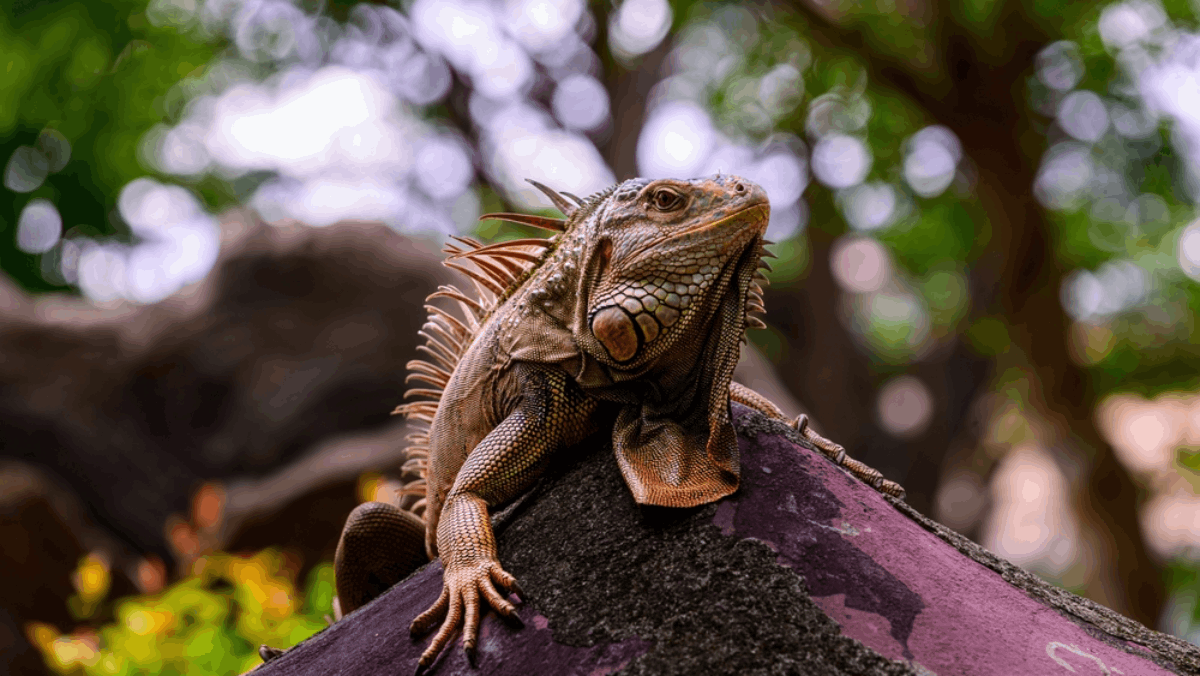
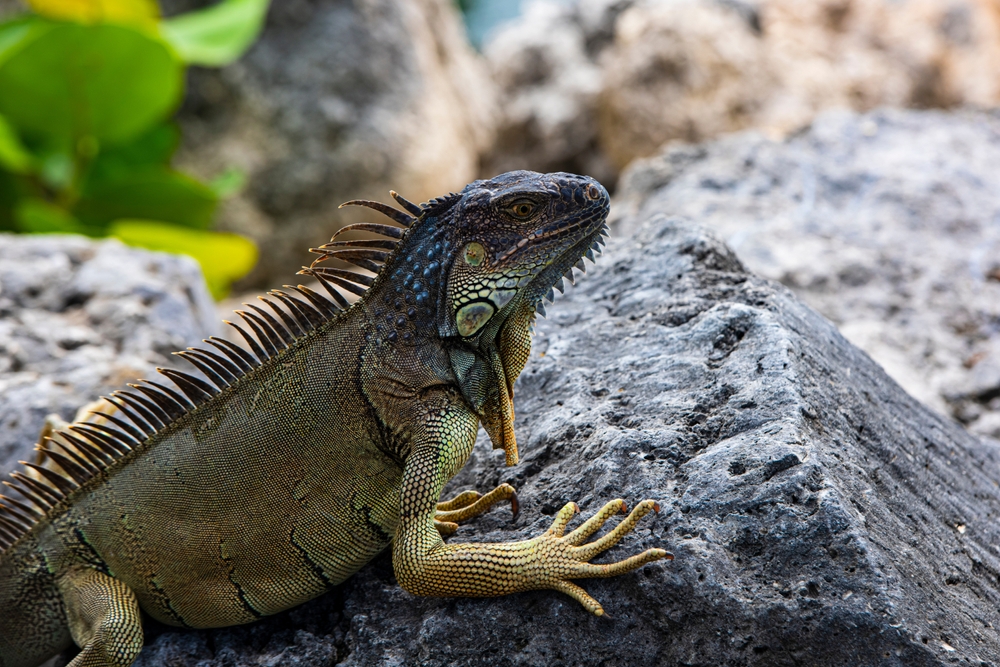
Green iguanas, which are native to Central and South America, thrive in warm, tropical climates. Florida’s subtropical weather makes the state a near-perfect habitat for them—most of the year. But when temperatures drop below about 50 degrees Fahrenheit, iguanas begin to slow down.
When it dips into the 40s, their bodies can go into a state called cold stupor. Essentially, they become so lethargic that they lose their grip on branches and fall to the ground.
Since iguanas often sleep or rest in trees, the result looks dramatic: large lizards suddenly dropping onto lawns, sidewalks, cars, and occasionally unsuspecting passersby. Hence, the nickname “raining iguanas.”
The good news? Most of these iguanas aren’t dead. Once temperatures rise, they often warm up, regain movement, and scurry away as if nothing happened. The bad news? Until that happens, they can look lifeless—and can definitely cause confusion or minor chaos.
Why Cold Snaps Hit Iguanas So Hard
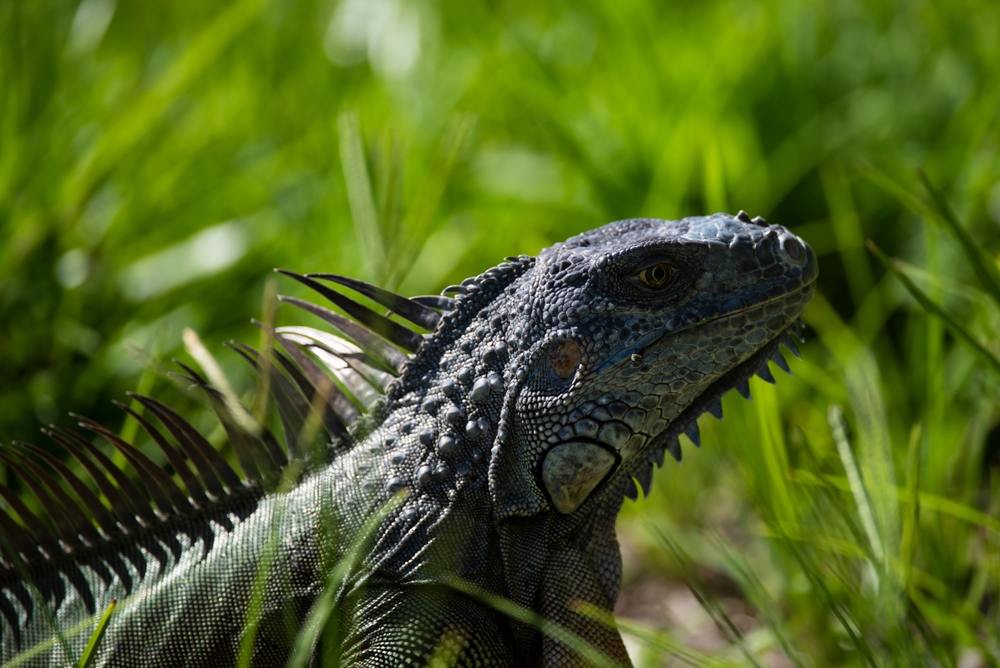
Unlike humans, iguanas can’t regulate their internal body temperature. As cold-blooded animals, they rely entirely on the environment to stay warm. That works beautifully during Florida’s long summers, but it becomes a serious problem during winter cold fronts.
Florida cold snaps are especially tricky because they arrive suddenly. Iguanas don’t have time to migrate or adapt, and many are caught off guard while resting in elevated spots. Trees are normally a safe haven, keeping them away from predators and foot traffic. But during cold weather, those same trees become the reason they fall.
Another reason this phenomenon has become more noticeable is the sheer number of iguanas in Florida. Over the past few decades, their population has exploded, especially in South Florida. With more iguanas perched in the trees, the odds of people witnessing these falls increase dramatically during cold spells.
Wildlife experts often remind residents that this is a temporary and natural response—not a disease outbreak or environmental disaster. Still, seeing a reptile motionless in your driveway can be unsettling, especially if you don’t know what’s happening.
How Floridians Are Dealing With the Chaos
For longtime Florida residents, “raining iguanas” has become almost a seasonal inside joke. Weather forecasters even warn viewers when conditions are right for iguana falls. Newcomers, however, tend to be far less prepared.
The Florida Fish and Wildlife Conservation Commission advises people not to touch fallen iguanas. Even when stunned, they can suddenly wake up and defend themselves with sharp claws and powerful tails. If an iguana is in a dangerous spot—like a road—it’s best to contact wildlife professionals rather than attempt a rescue.
Photos of iguanas sprawled across patios or curled up under bushes circulate quickly, reinforcing Florida’s reputation as a place where nature doesn’t always follow the rules. For many residents, it’s just another reminder that life in Florida comes with unique quirks you won’t find anywhere else.
Interestingly, cold snaps can also act as a population control measure. Some iguanas don’t survive prolonged freezes, which temporarily reduces their numbers. While that may sound harsh, green iguanas are considered an invasive species in Florida, known to damage landscaping, sidewalks, and seawalls. Their presence is a complex environmental issue—one that a few cold nights can partially address.
The Takeaway
“Raining iguanas” may sound absurd, but it’s a perfect example of how Florida’s climate, wildlife, and reputation intersect in unexpected ways. A sudden drop in temperature is all it takes to turn an ordinary winter morning into a spectacle that grabs national attention.
For Floridians, it’s a reminder to look up before heading outside during a cold snap—and to respect the strange balance between nature and weather. For everyone else, it’s proof that no matter how many odd headlines you’ve seen about Florida, there’s always another one waiting to fall out of a tree.