8 Florida Small Museums That Are Way Better Than You’d Expect
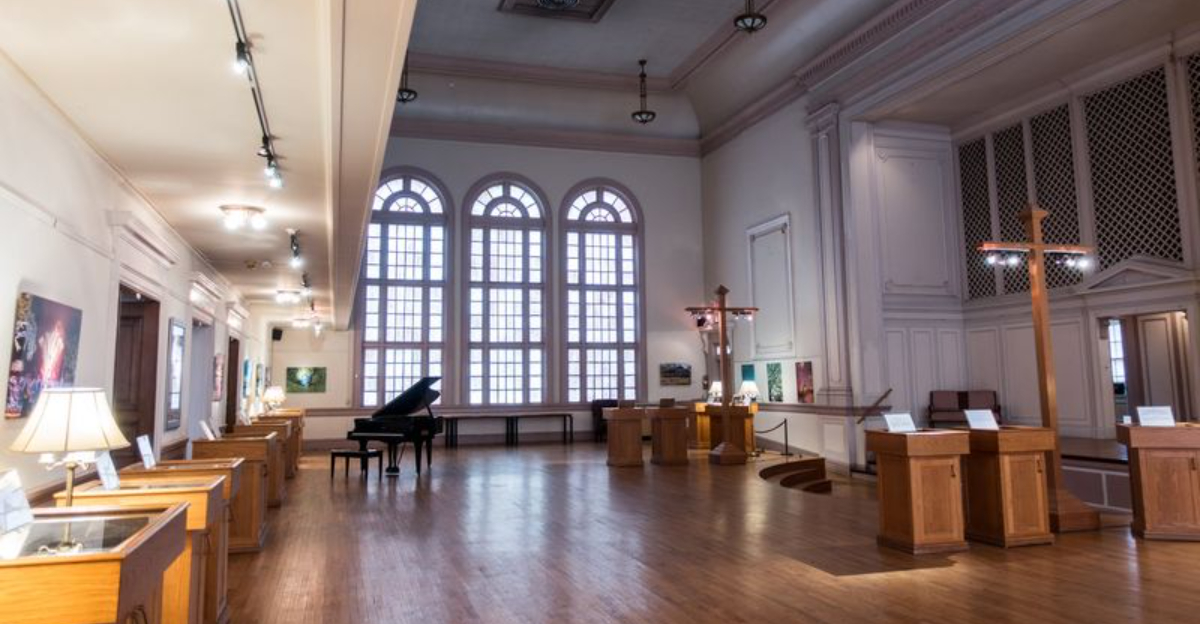
Think you know Florida’s museum scene? These petite gems will change your mind fast. Tucked in historic buildings, old jails, quirky classrooms, and dreamy gardens, they pack more heart and storytelling into a small footprint than you would ever expect.
If you love surprises, hidden history, and places where volunteers still light up to share the good stuff, you are in the right spot. Let this list guide your next road trip, and prepare to leave with fresh appreciation for Florida’s past, culture, and wonderfully odd corners.
1. Karpeles Manuscript Library Museum
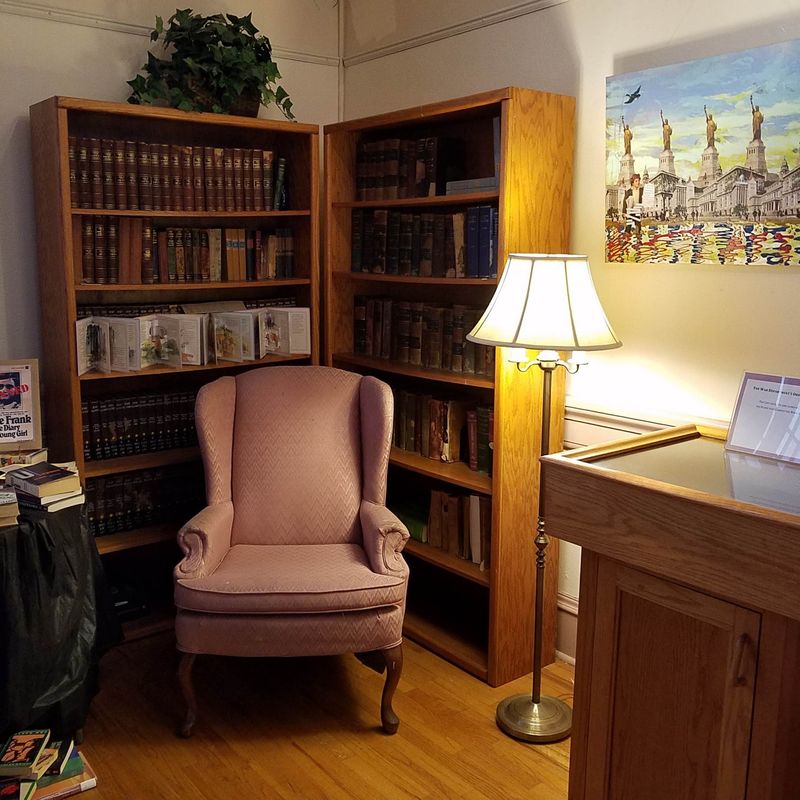
Step through tall columns into a hush that feels almost sacred. Behind the glass, inked lines from scientists, poets, and presidents appear startlingly alive, like voices whispering across centuries. You wander between vitrines, noticing marginal notes, wax seals, and paper textures that modern screens can never match.
Docents share stories that anchor each page in time, so the manuscripts stop being artifacts and start becoming moments. Rotating exhibits keep things fresh and focused, rewarding slow, curious browsing. If you love serendipity, this place offers it in tidy cases.
The building itself adds gravitas, its classical bones framing small rooms where details matter. It is not flashy, just quietly astonishing. Expect to linger far longer than planned.
2. Amelia Island Museum of History
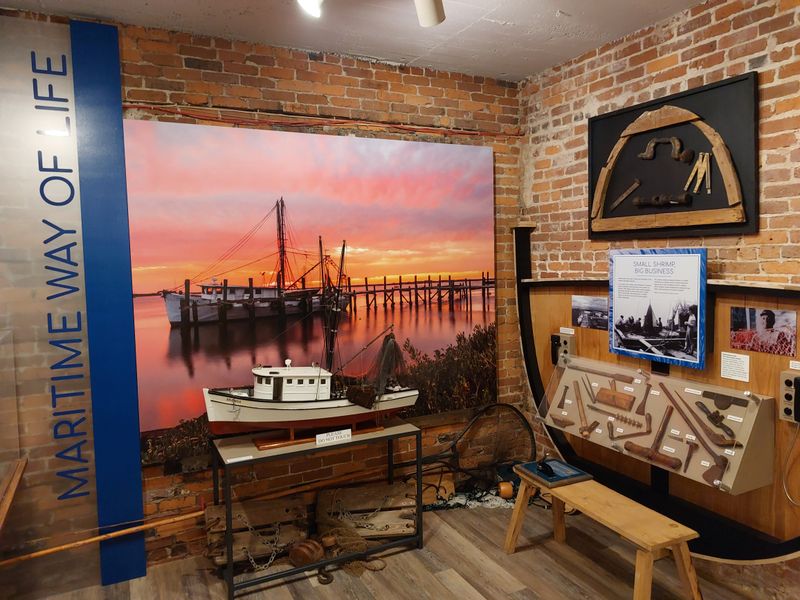
Bars on old windows hint at the building’s past, and somehow that makes every artifact feel even more alive. Inside, rooms unfold into stories of pirates, railroads, shrimpers, and storms that shaped a barrier island’s character. Photos and maps connect names to places you can still walk today.
Guided tours are chatty and generous, filled with local lore you will want to repeat at dinner. Small exhibits weave big themes, from indigenous history to Gilded Age glamour, without ever feeling crowded. Kids find hands-on corners while grownups get juicy context.
Step back outside and the downtown streets look different, layered with meaning. You will notice brickwork, storefronts, and dock lines with new eyes. It is a compact stop that expands your whole visit.
3. Historic Spanish Point
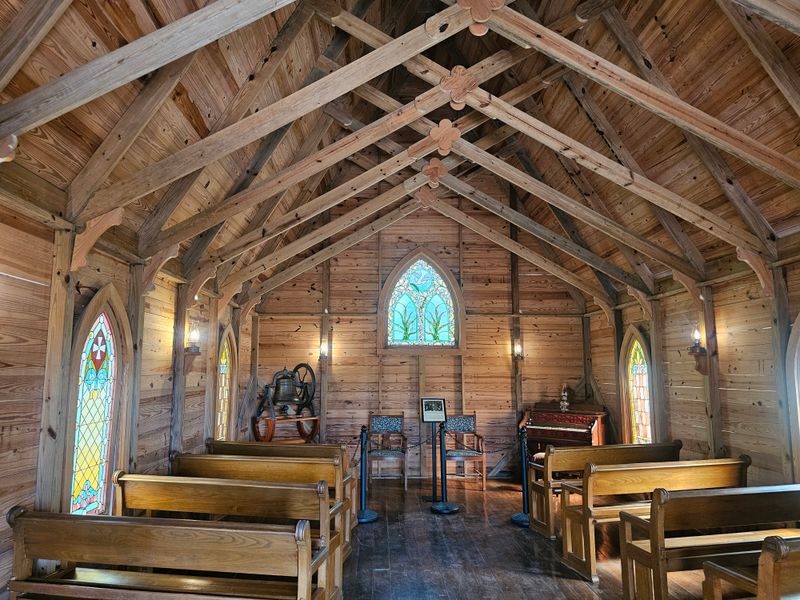
Water shimmers through mangroves while you follow boardwalks that pass shell mounds older than written history. Then, suddenly, a pioneer homestead appears, complete with breezy porches and tools that whisper of tough, practical days. Gardens soften the edges, mixing archaeology with orchids and sea air.
It feels like walking a timeline, each bend introducing another era. Interpretive signs stay refreshingly clear, and the scale invites wandering rather than checking boxes. Bring good shoes and unhurried curiosity, because time moves differently here.
Wildlife chatter competes with distant waves, and you will keep pausing to take photos you did not plan to take. The blend of nature and culture is seamless. You leave with sand on your shoes and stories in your pocket.
4. Toby’s Clown School & Museum
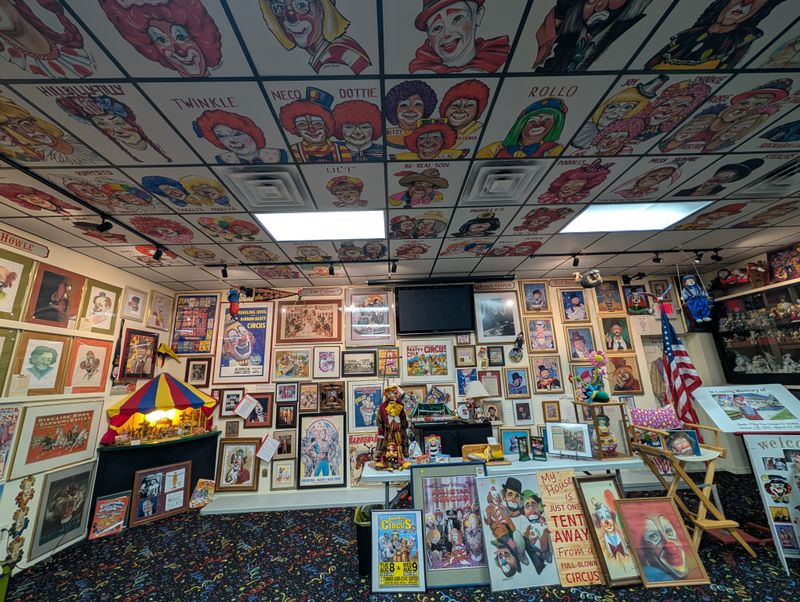
Color explodes the moment you step inside, from sequined costumes to oversized shoes lined up like a parade. Display cases brim with vintage posters, greasepaint kits, and sweet backstories that make clowning feel like a careful craft. You might giggle, but you will also appreciate the artistry.
Volunteer clowns sometimes pop in to demo a trick or share training tales. Photos capture performances from tiny town parades to circus big tops, and the nostalgia is contagious. It is delightfully weird in the best possible way.
If you are traveling with kids or a kid-at-heart, plan extra time. Interactive bits invite you to try a gag or two. You will walk out grinning, maybe practicing a silly wave.
5. Pioneer Village at Shingle Creek
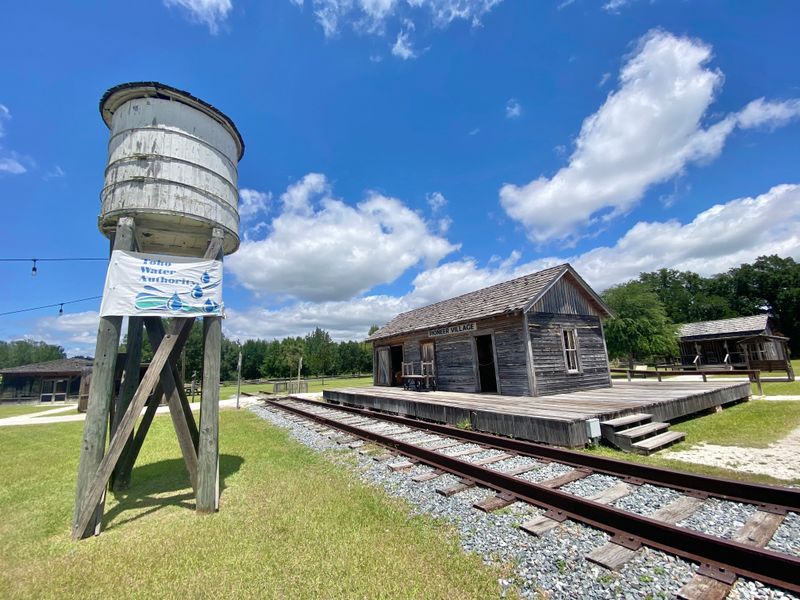
Dirt paths wind past cracker-style cabins and a working blacksmith forge, where sparks fly and stories follow. Costumed interpreters show how people cooked, built, and bartered when Central Florida was scrub and swamp. It is hands-on history that smells like wood smoke and orange blossoms.
You wander freely, peeking into schoolhouses and barns that still echo with everyday chores. Occasional reenactments turn chores into theater, and questions are happily answered. It is approachable and unpretentious, perfect for multigenerational visits.
Pack water and curiosity, because the site sprawls under generous oaks. Benches invite breaks while you imagine life before theme parks. By the time you leave, modern traffic sounds surprisingly strange.
6. Potter’s Wax Museum
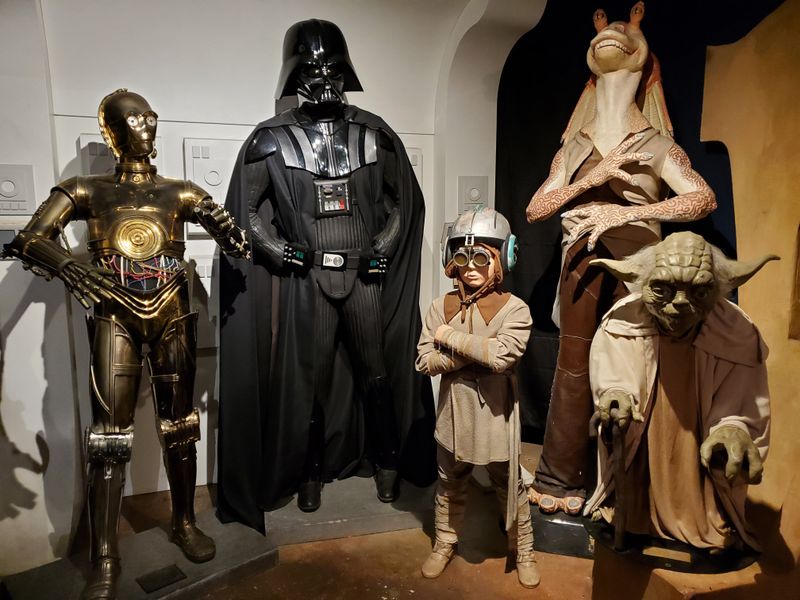
Lifelike faces watch as you round each corner, and the effect is equal parts charming and uncanny. Figures range from conquistadors to movie stars, anchoring St. Augustine’s long timeline in pop culture cameos. You will slow down to admire tiny details like eyelashes, medals, and glove stitching.
Though compact, the layout encourages playful photos and quick history chats. Placards keep things brisk, and staff happily share behind-the-scenes tidbits about mold-making and maintenance. It is a throwback that still lands.
Expect nostalgia to hit hard if you have visited older wax museums. This one leans into local pride and American oddities. You leave with goofy pictures and a soft spot for the craft.
7. Turtle Cannery Museum
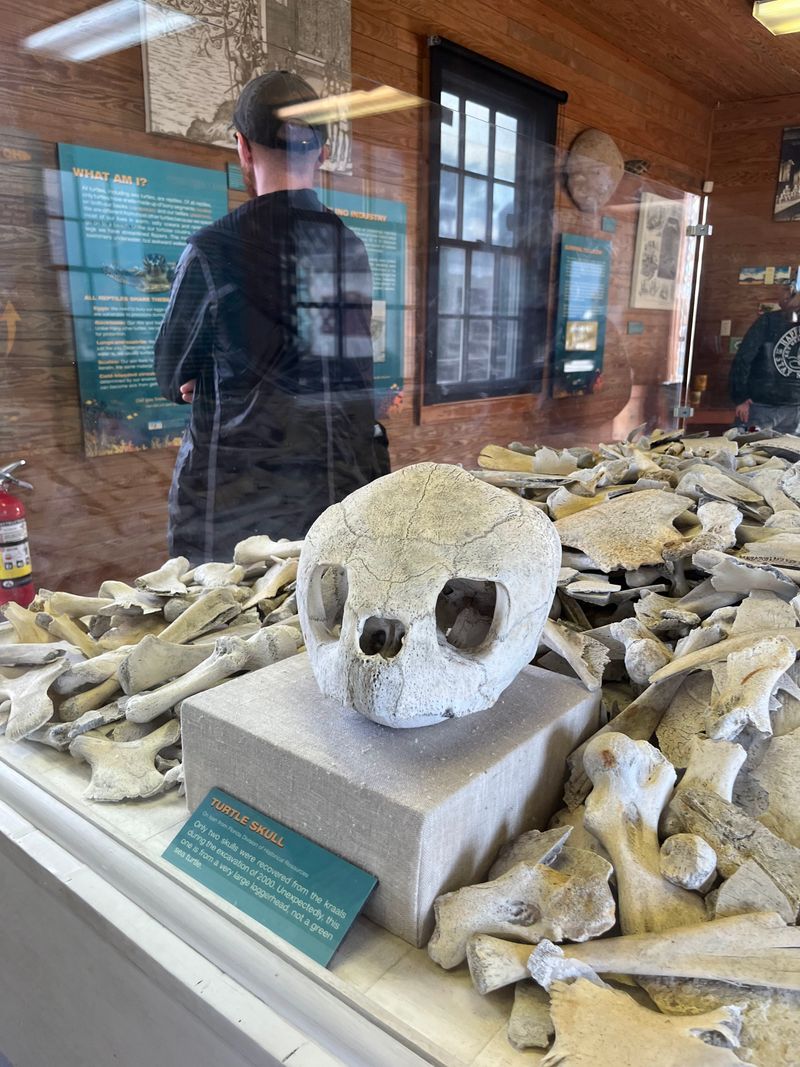
Salt on the breeze carries a complicated story. Inside, you meet the industry that once canned turtles and the activists who helped end it. Old equipment sits beside conservation displays, and the contrast is sobering yet hopeful.
Guides do not sugarcoat the past, which actually makes modern protections feel more meaningful. Archival photos ground the narrative in real workers and families. By the last room, you will be rooting fiercely for hatchlings.
Step outside and the Keys look different, edged with responsibility. The museum is small, so it fits easily into a day of wandering. You will remember it whenever you see a turtle crossing sign or a darkened beachfront.
8. Central Florida Railroad Museum
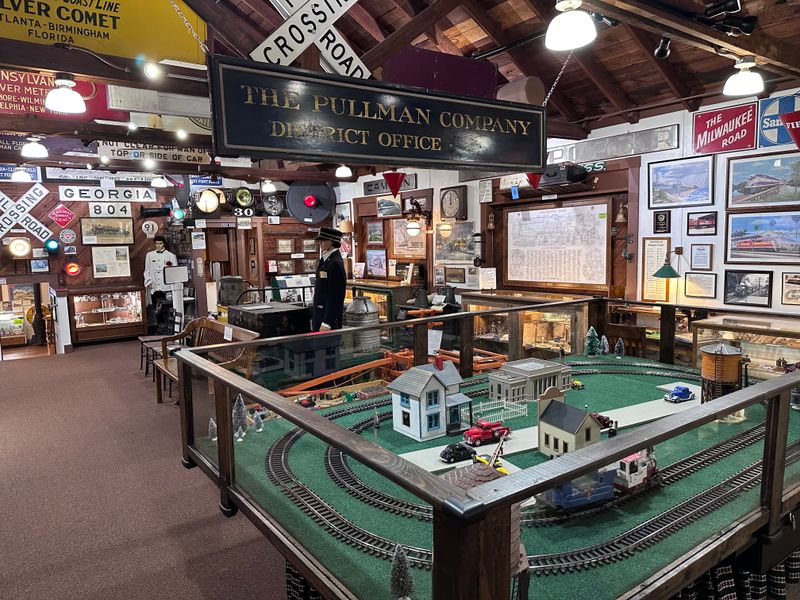
Brass bells, lanterns, and timetables line walls that smell faintly of oil and pine. Volunteers light up when asked about depots, whistles, or the line that used to run right outside. Model layouts click and hum while kids press noses to glass.
The space is small, but the stories are expansive, connecting citrus groves, wartime logistics, and tourism booms. Photos pair with hardware to show how rails stitched Florida together. It is easy to lose an hour without noticing.
When you step back into Winter Garden’s pretty downtown, trains feel present in every brick. Grab coffee, then circle back for one more question. Chances are someone will answer with a grin and a memory.