Coconut Grove Loses a Lunch Legend After 50 Years
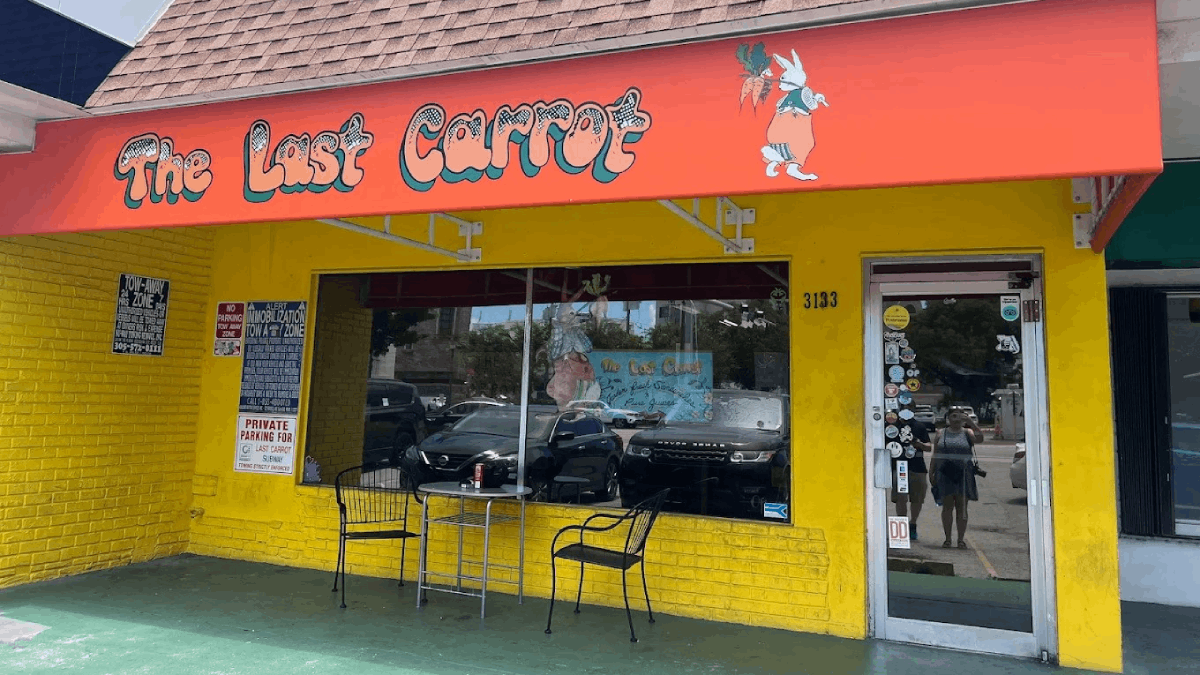
For half a century, The Last Carrot has been serving up fresh juices, veggie sandwiches, and a whole lot of heart to Coconut Grove locals. This beloved health food spot, tucked away on Grand Avenue since 1975, became more than just a lunch counter—it was a daily ritual, a community gathering place, and a slice of old Miami that never changed.
Now, after 50 years of smoothies and spinach pies, The Last Carrot is closing its doors for good, leaving behind generations of memories and a neighborhood wondering what comes next.
Why The Last Carrot Became a Coconut Grove Icon
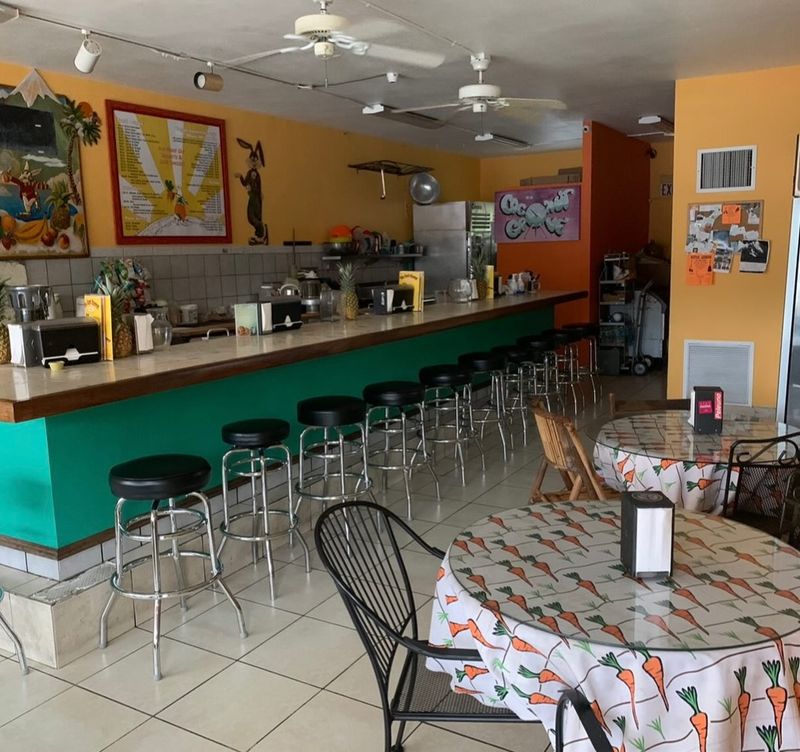
Opening its doors in 1975, The Last Carrot arrived at a time when health food was just starting to gain traction in America. Back then, Coconut Grove was a bohemian enclave filled with artists, hippies, and free spirits who embraced the restaurant’s vegetarian-friendly philosophy. The vibe was relaxed and unpretentious, with natural materials, warm lighting, and the inviting scent of fresh herbs and oven-baked bread greeting every visitor.
Locals fell in love with the authenticity. There was no corporate polish or marketing gimmicks—just honest food made with care. The counter-service setup felt like visiting a friend’s kitchen, and the staff treated everyone like family.
Over the decades, as Miami transformed around it, The Last Carrot remained a constant. While flashy restaurants came and went, this humble spot kept doing what it did best: serving fresh, simple food with a smile. That consistency turned casual customers into lifelong regulars and made The Last Carrot a true Grove institution.
50 Years of Sandwiches, Smoothies, and Community
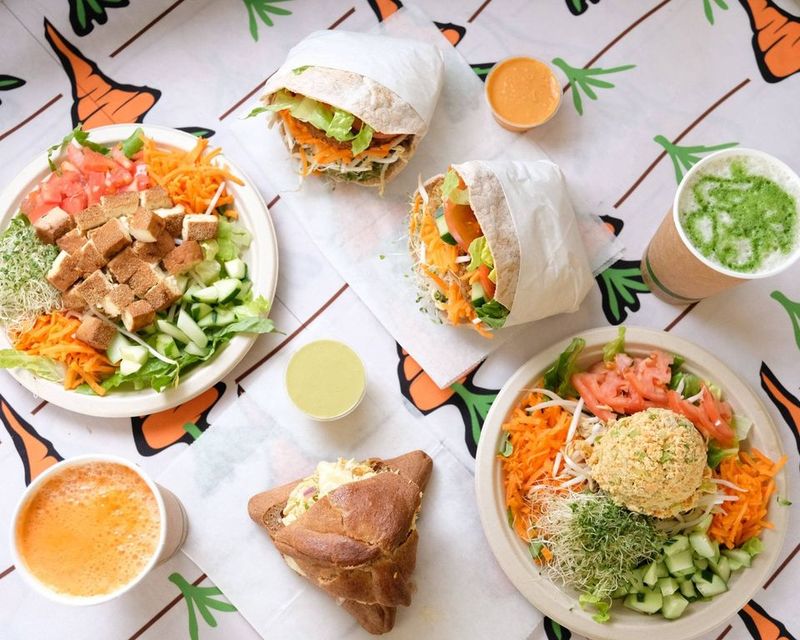
Five decades is an eternity in the restaurant world, but The Last Carrot made it look easy. Their menu became legendary among locals: chicken salad pita sandwiches loaded with fresh ingredients, famous spinach pies that people drove across town for, and freshly squeezed juices made right in front of you. The green goddess dressing earned its own cult following, with customers begging for the recipe.
Every morning, the staff would prep vegetables, bake bread, and mix their signature sauces. Regulars knew exactly what time to arrive to beat the lunch rush. Students grabbed smoothies after class, office workers lined up for their daily salad fix, and families made weekend trips a tradition.
The Last Carrot became woven into the fabric of daily life in the Grove. It was where you celebrated good news with a fresh carrot-orange-ginger juice or found comfort in a familiar wrap after a tough day. That everyday presence, repeated thousands of times over fifty years, created bonds that went far beyond food.
What Made The Last Carrot Different From Every Other Lunch Spot
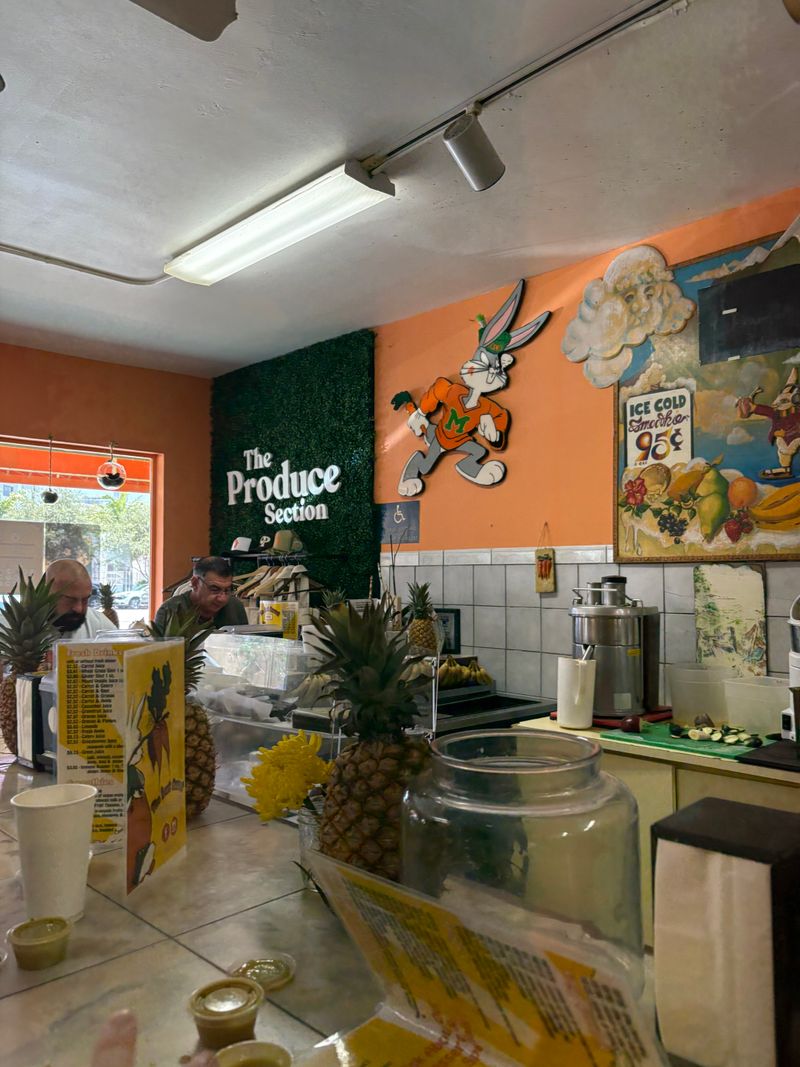
Walking into The Last Carrot felt like stepping back in time—and that was entirely the point. While other restaurants chased trends and remodeled every few years, this place proudly embraced its 1970s roots. The counter service kept things simple and personal.
You ordered directly from the people making your food, watched them prepare it, and chatted while they worked.
The health-forward menu was ahead of its time and stayed relevant for decades. Long before vegan became mainstream, The Last Carrot offered plant-based proteins and fresh-pressed vegetable juices. Everything was made from scratch daily with quality ingredients you could see and taste.
But perhaps the biggest difference was consistency. The same recipes, the same commitment to freshness, the same welcoming atmosphere year after year. In a city obsessed with what’s new and trendy, The Last Carrot proved that doing one thing really well, without compromise, creates something irreplaceable.
Generations of Miamians Who Grew Up Eating Here
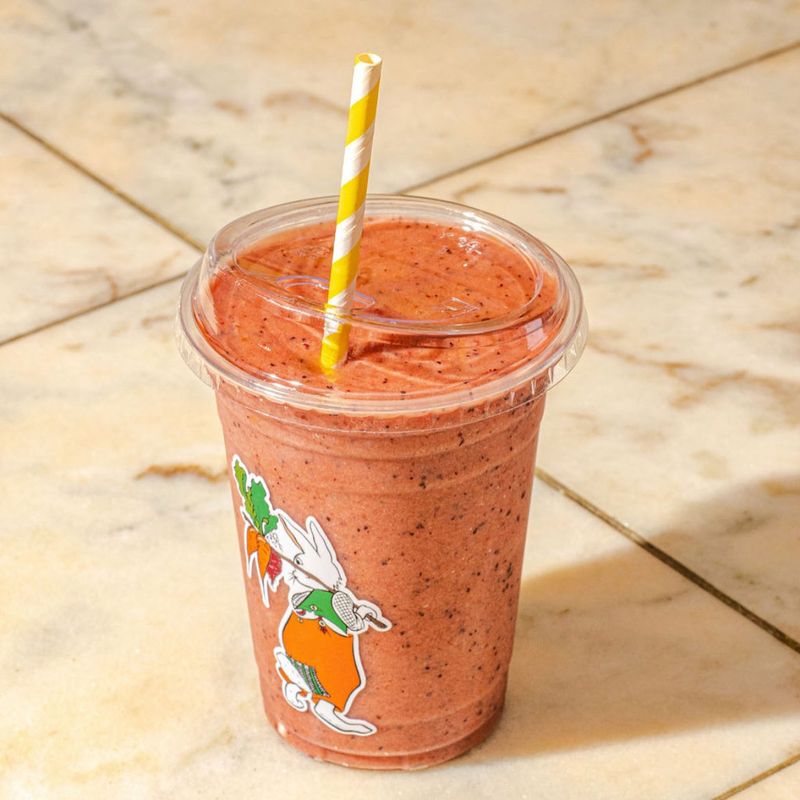
Ask any longtime Grove resident about The Last Carrot, and watch their face light up with memories. Parents who grabbed smoothies there as teenagers now bring their own children. College students who discovered it decades ago still stop by whenever they visit Miami.
The emotional impact runs deep. For many, The Last Carrot represents their youth, their neighborhood, and a version of Miami that felt more personal and less commercial. Losing it means losing a tangible connection to their past.
It’s where they celebrated, refueled, and belonged. That kind of emotional real estate can’t be replaced by another restaurant, no matter how good the food might be.
Why The Last Carrot Is Closing After Five Decades
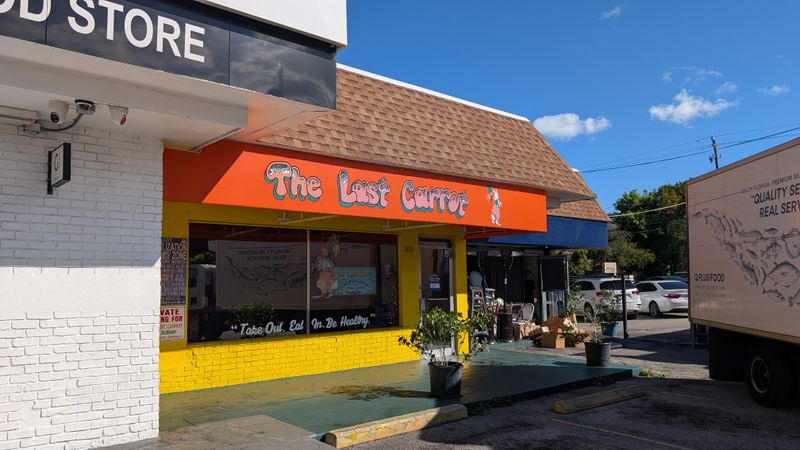
After fifty years of serving Coconut Grove, The Last Carrot’s closure comes down to the realities facing many small, independent businesses in rapidly developing neighborhoods. While the exact details haven’t been publicly disclosed, the pattern is familiar across Miami: rising rents, property redevelopment, and changing economics that make it harder for longtime local spots to survive.
Coconut Grove has undergone a massive transformation in recent years. Luxury condos replace modest buildings, corporate chains move in where family businesses once thrived, and property values skyrocket. For a modest counter-service restaurant operating on reasonable prices, the math eventually stops working.
The timing also matters. After five decades, owners face difficult decisions about whether to fight rising costs, relocate, or simply close this chapter. Sometimes there’s no villain in the story—just the inevitable pressure of a neighborhood becoming something different.
Locals React to the News
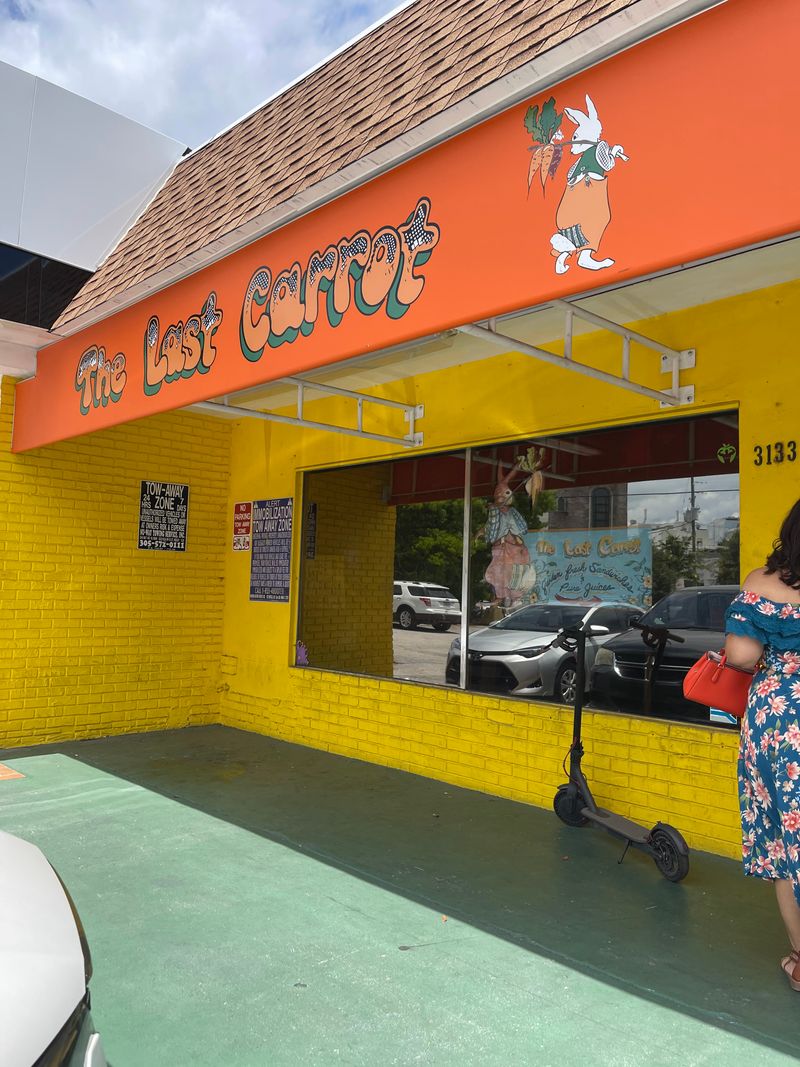
When word spread that The Last Carrot was closing, the community response was immediate and heartfelt. Social media filled with tributes, memories, and expressions of loss. People shared stories of first dates over spinach pies, post-workout smoothie rituals, and the staff members who became friends over years of visits.
Many expressed disbelief—how could something so constant just disappear? Others voiced frustration about losing another piece of authentic Grove culture to development pressures.
Some regulars are making pilgrimage visits to say goodbye properly, ordering their favorite items one last time.
What the Closure Says About Coconut Grove’s Changing Food Scene
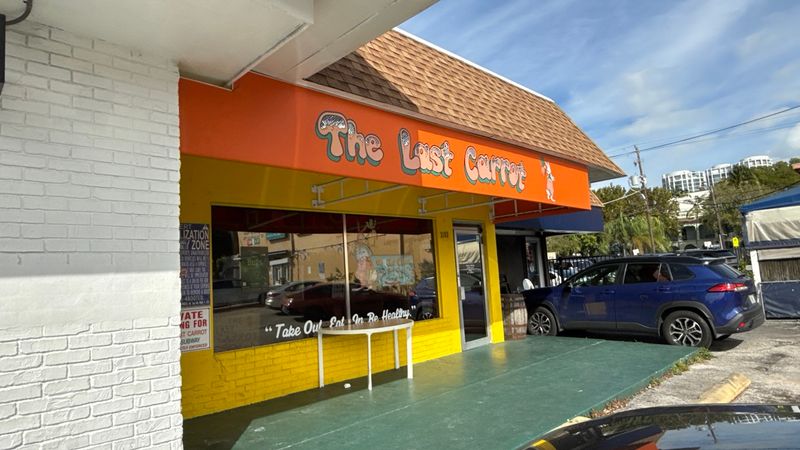
The Last Carrot’s closure is a symptom of something bigger happening across Miami. Coconut Grove, once known for its bohemian character and quirky independent businesses, is rapidly transforming into another upscale neighborhood filled with chains and high-end concepts. The food scene reflects this shift—out go the affordable, unpretentious local spots; in come restaurants designed for Instagram, tourists, and expense accounts.
What’s being lost is harder to quantify than what’s being gained. New restaurants may offer exciting cuisine and modern amenities, but they lack the decades of relationships and community history that places like The Last Carrot provided. You can’t manufacture fifty years of memories or the feeling of being known and welcomed.
This closure forces an uncomfortable question: who is Miami’s development really for? When longtime residents can’t afford to eat in their own neighborhoods and the places they loved disappear, something essential is broken.