6 Best Scuba Diving Spots in Florida, From Reefs to Wrecks
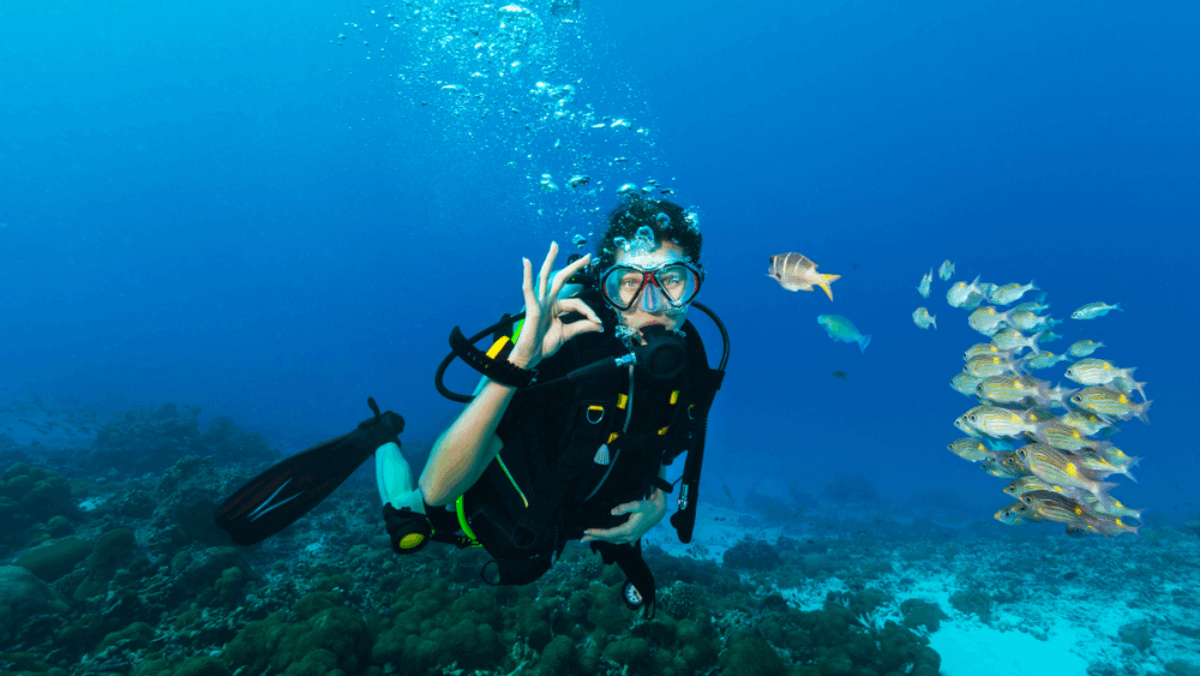
Florida offers some of the most incredible underwater adventures in the world. Whether you’re exploring colorful coral reefs teeming with tropical fish or descending into historic shipwrecks, the Sunshine State has something for every diver.
From crystal-clear freshwater springs to deep ocean dives with sharks and sea turtles, these six spots showcase the best of what Florida’s waters have to offer.
1. Molasses Reef (Florida Keys)
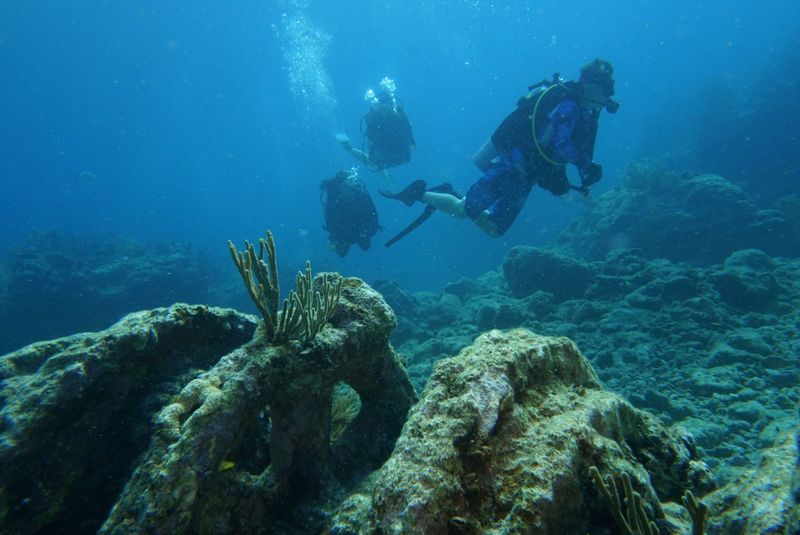
Brightly colored coral gardens stretch as far as the eye can see at this famous Keys destination. Molasses Reef sits in shallow waters with visibility often exceeding 60 feet, making it perfect for newer divers who want to experience the magic of Florida’s underwater world without venturing too deep.
Swim-throughs carved by nature create exciting pathways between coral formations. Massive schools of grunts, snappers, and sergeant majors swirl around you like living clouds. Barracuda patrol the reef edges while friendly angelfish and parrotfish dart between brain corals and sea fans.
Located within the Florida Keys National Marine Sanctuary, this protected site stays healthy and vibrant year-round. The combination of easy access, stunning marine life, and forgiving conditions makes it an absolute must-visit for anyone exploring Keys diving.
2. Blue Heron Bridge (Riviera Beach)
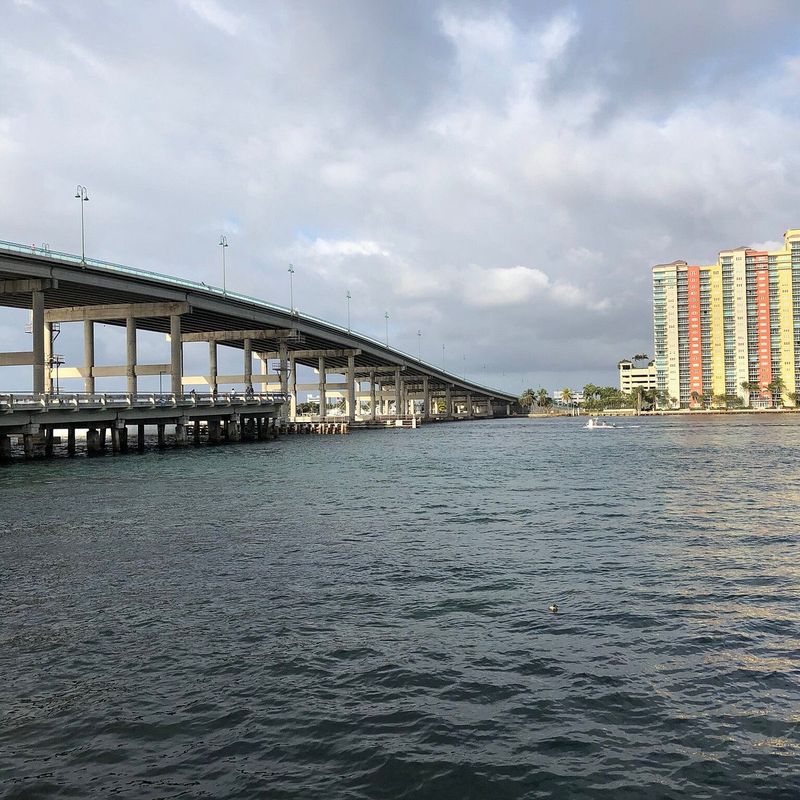
Forget about deep dives and strong currents—this spot is all about the tiny treasures hiding in shallow water. Blue Heron Bridge has earned worldwide fame among underwater photographers and macro enthusiasts who come searching for creatures most divers never notice.
Seahorses cling to sponges while octopuses change colors against the sandy bottom. Frogfish, pipefish, and rare nudibranchs make their homes among the pilings and debris. Time your dive with high tide for the best conditions and calmest waters.
Each visit reveals something different depending on the season and conditions. Patient divers who move slowly and look carefully get rewarded with sightings that fill entire photo albums. Night dives here transform the bridge into an even more magical critter haven with bioluminescent displays.
3. Devil’s Den (Williston)
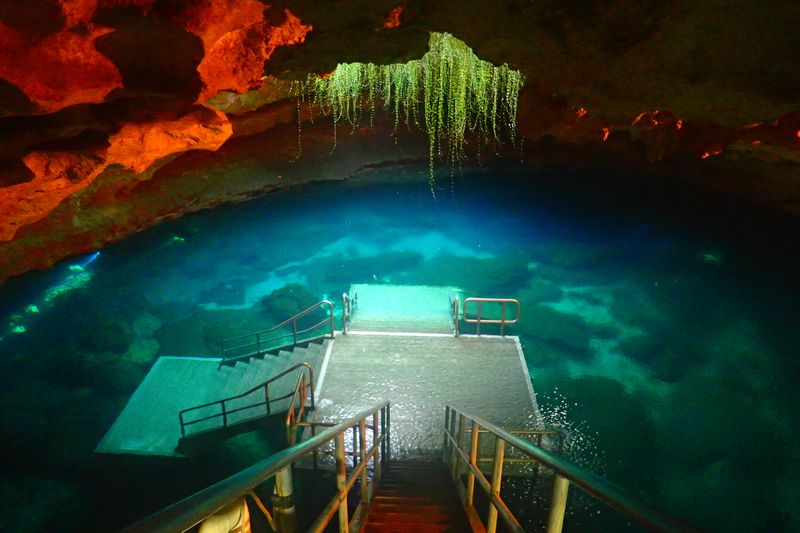
Step back in time at this prehistoric underground spring where ancient rock formations create a magical diving cathedral. Devil’s Den offers a completely different experience from ocean diving, with year-round 72-degree water so clear you can see over 100 feet in any direction.
Sunlight streams through the opening above, creating dramatic light beams that pierce the crystal water. Fossils embedded in the limestone walls remind you that this cavern formed thousands of years ago. The shallow depth and calm conditions make it accessible for newer divers wanting to try something unique.
No ocean creatures swim here, but the geological features provide plenty of interest. The spring stays at a constant temperature each season, making it a popular winter diving destination when ocean conditions turn rough.
4. Dry Tortugas Shipwrecks (Dry Tortugas National Park)
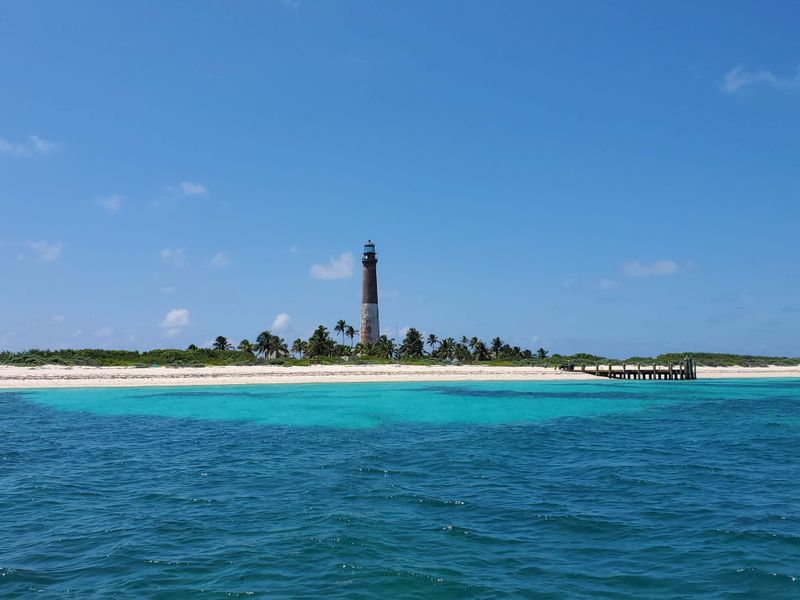
Getting here requires serious commitment—either a long boat ride or seaplane flight—but the reward is diving in some of the most pristine waters in North America. Historic shipwrecks rest among thriving coral reefs, 70 miles west of Key West in waters so clear they seem unreal.
Multiple wrecks from different eras dot the seafloor around this remote national park. The Windjammer Wreck sits in shallow water perfect for snorkeling, while deeper sites challenge advanced divers. Healthy coral coverage and abundant fish populations thrive in these protected, rarely visited waters.
Limited daily visitors mean you might have entire wrecks to yourself. Combine diving with exploring Fort Jefferson and camping on the island for an unforgettable adventure far from mainland crowds and boat traffic.
5. Vandenberg Wreck (Key West)
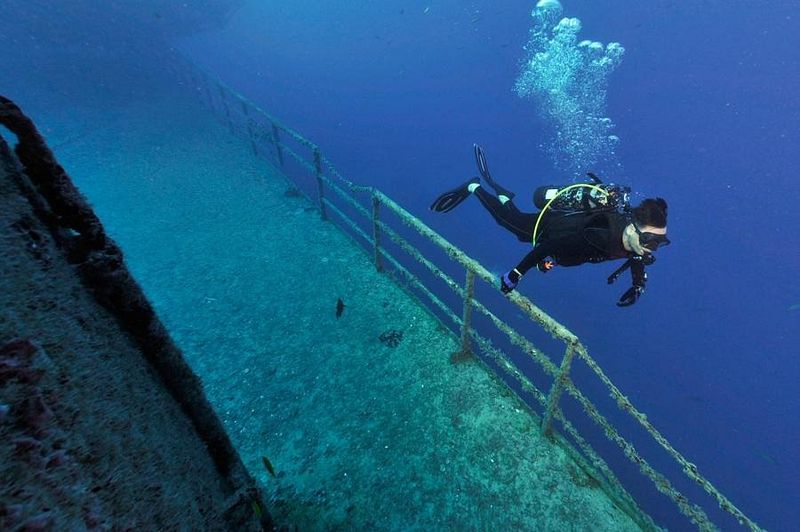
A 523-foot former missile tracking ship now serves as an artificial reef and advanced diving playground off Key West. The Vandenberg rests perfectly upright in 140 feet of water, with its shallowest point at about 45 feet, creating multiple diving options depending on your certification level.
Penetration opportunities abound for properly trained wreck divers, though simply swimming around the outside provides plenty of excitement. Goliath groupers, barracuda, and schools of spadefish have claimed the wreck as home. The ship’s massive radar dishes and communication equipment remain intact, creating an otherworldly underwater landscape.
Plan your dive carefully based on your training and experience level. The wreck’s size means multiple dives are needed to fully explore this impressive artificial reef that gets better with each passing year.
6. Ginnie Springs Devil’s Eye (High Springs)
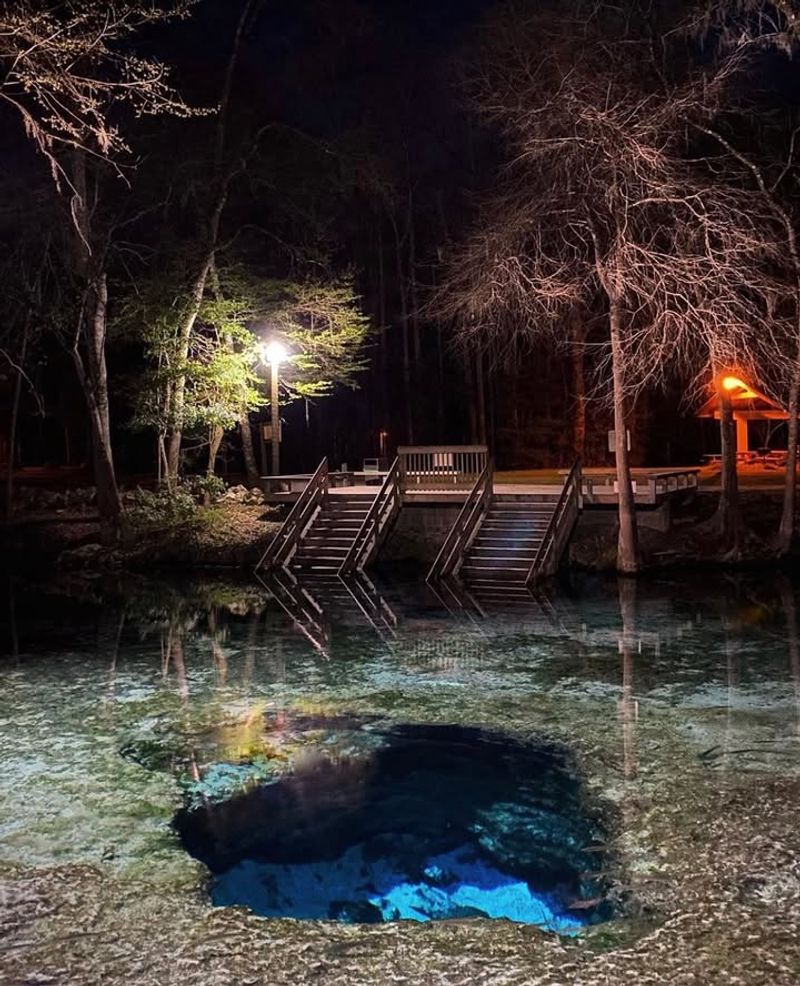
Crystal-clear water rushes from the earth at this legendary spring system that draws cave divers from around the world. Devil’s Eye opens into an extensive cave system requiring advanced training, but even open-water divers can enjoy the spring basin where visibility reaches 100 feet year-round.
Powerful flow creates a unique challenge—you swim against the current going in, then enjoy an effortless drift back out. The main cavern glows electric blue from sunlight filtering through impossibly clear water. Beyond the daylight zone, trained cave divers explore thousands of feet of passages.
Never attempt cave penetration without proper certification and equipment. Stay in the open areas if you lack cave training, where the beauty and clarity still provide an incredible freshwater diving experience unlike anything in the ocean.