This 32-Mile Florida Bike Trail Follows a Historic Railroad Through Four Small Towns
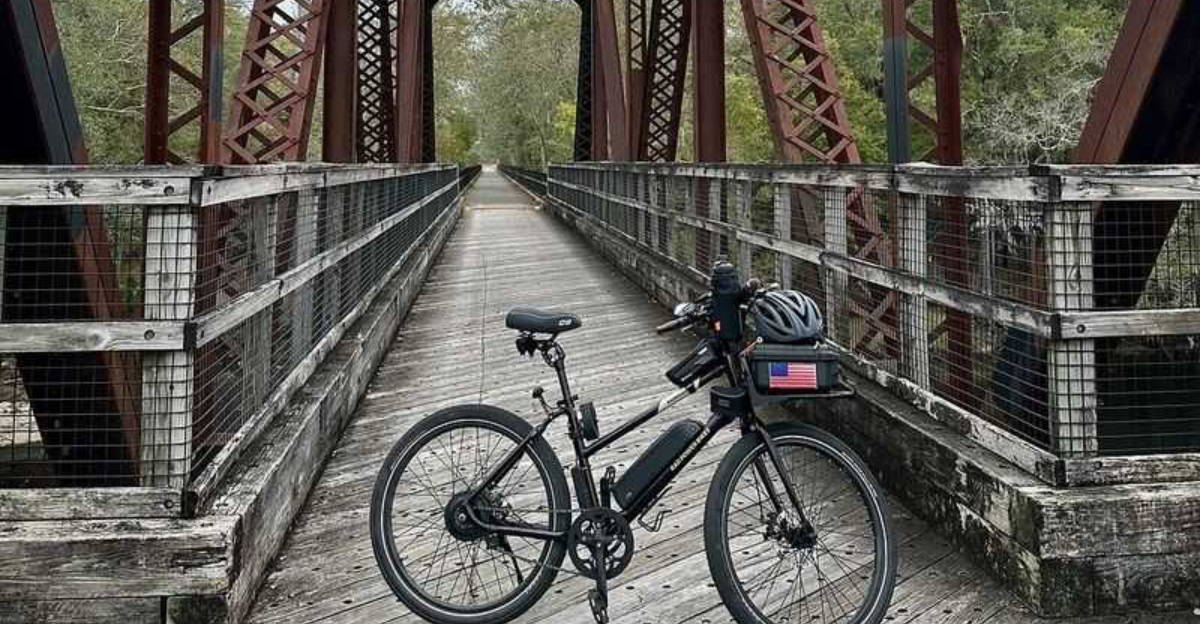
Ready to trade traffic noise for wind in the pines and the echo of a bygone railroad? The Nature Coast State Trail rolls across 32 miles of smooth pavement, connecting charming small towns with quiet rivers and shady forests. Every mile feels like a postcard from Old Florida, filled with springs, trestles, and wildlife.
Grab a bike, and you will find a ride that is easy, scenic, and surprisingly soulful.
1. Trail Overview and Route Map
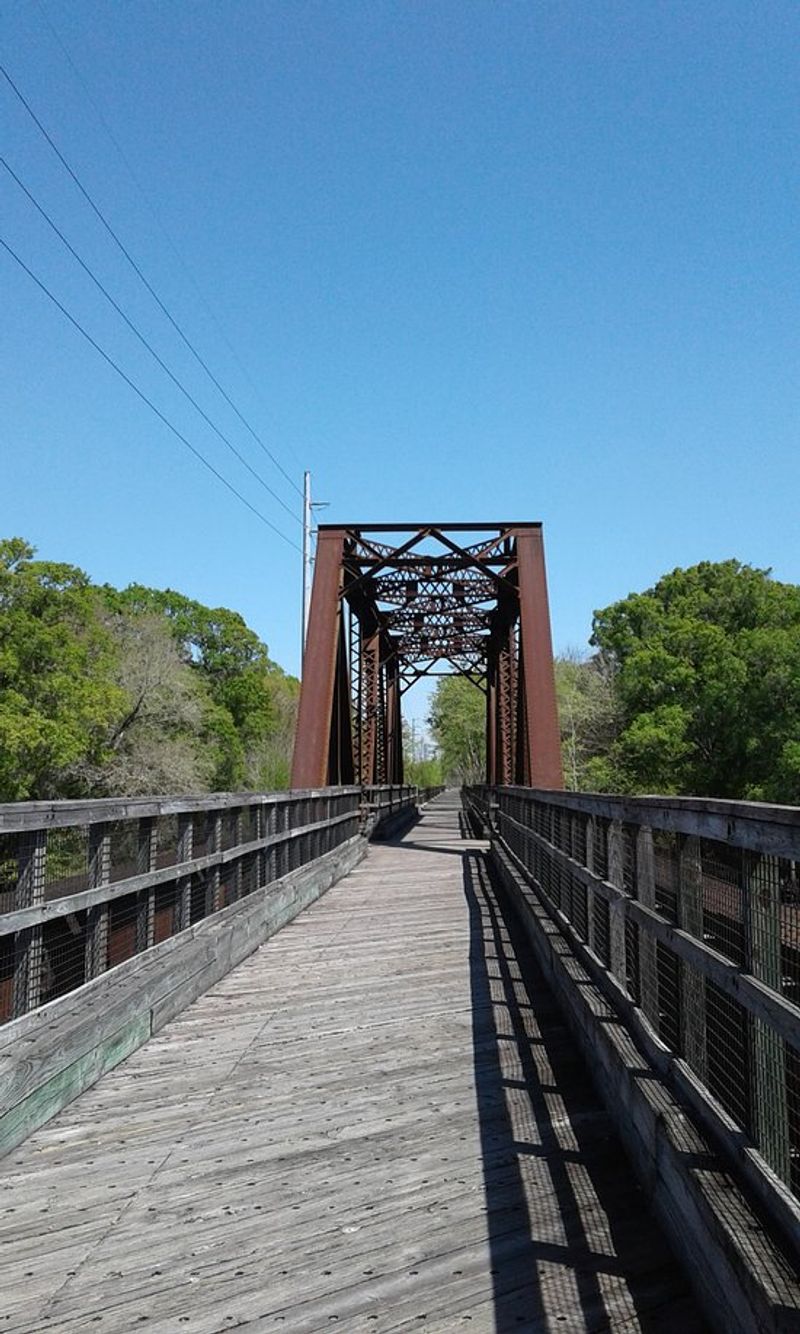
This 32-mile paved trail follows the corridor of a historic railroad, linking small towns with rivers, forests, and open pasture. You get gentle grades, clear mile markers, and frequent access points that make planning simple. Expect wide skies, shady oak tunnels, and the occasional whistle-stop vibe where depots once stood.
The route forms a Y shape, so you can choose branches without repeating too much scenery. Junctions are well signed, letting you stitch together loops that match your energy. Download or print the official map before rolling, since cell service can dip in rural pockets.
You will ride through quiet stretches that feel wonderfully remote, then glide straight into town for snacks. It is approachable for beginners and satisfying for distance riders.
2. Fanning Springs to Old Town Segment
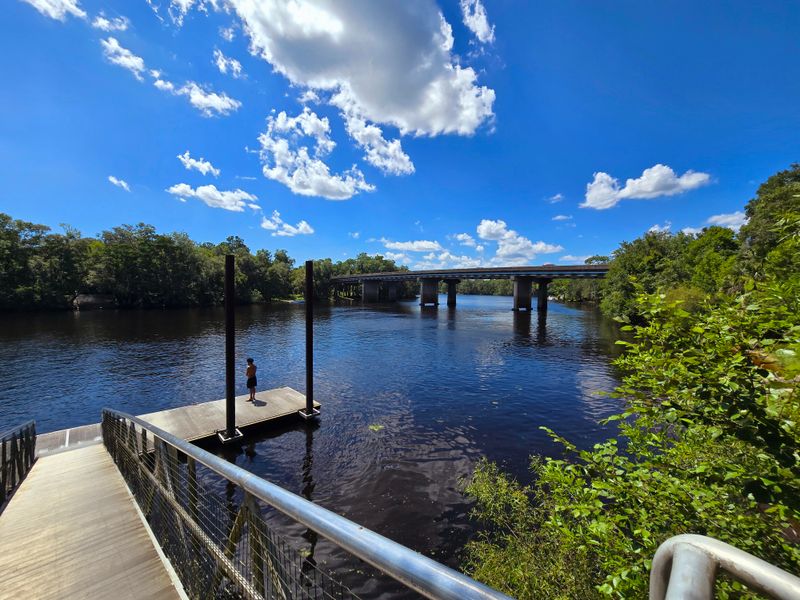
This segment eases you in with flat pavement, birdsong, and the soft shimmer of nearby springs. Start near Fanning Springs State Park to pair your ride with a dip in crystal water. The path runs straight and serene, bordered by longleaf pine and oak, offering steady shade on warm days.
As you approach Old Town, you will notice the rail heritage in subtle berms and leveled cuts. Benches appear at smart intervals, perfect for water breaks. Watch for turtles sunning along drainage swales and red-shouldered hawks scanning the corridor.
Traffic crossings are minimal but stay alert at junctions. Old Town makes an easy resupply, with convenience stores and friendly chatter. Turn around here or continue toward the Suwannee River.
3. Old Town to Cross City Junction
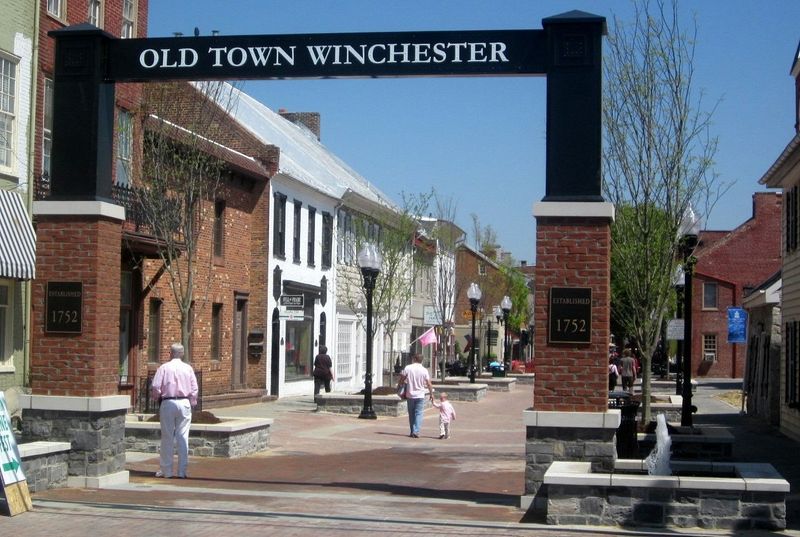
Leaving Old Town, the landscape opens into classic Nature Coast scenery with palmetto flats and pine stands. The railbed keeps grades gentle, so your cadence stays steady. Occasional clearings reveal cattle pastures and big skies that make the miles feel calm and unhurried.
Wayfinding is straightforward, and the approach into Cross City feels like rolling into a railroad town frozen in time. The junction here is key, branching toward Trenton or Steinhatchee Falls. Take a stretch break, refill bottles, and decide your next leg.
Wildlife is plentiful, from swallow-tailed kites circling high to deer slipping through thickets. Morning rides are coolest, with long shadows and cooler breezes. Afternoon winds can pick up across open stretches, so pace yourself thoughtfully.
4. Cross City to Trenton Branch
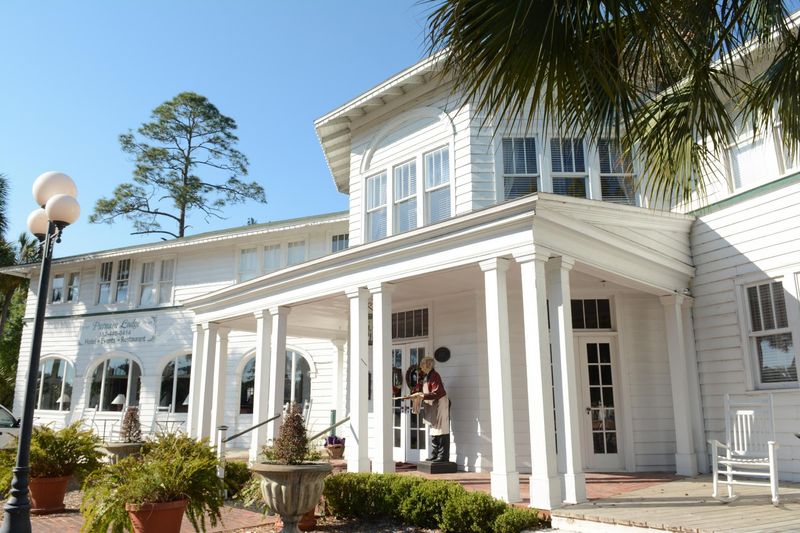
This branch angles southeast toward Trenton, offering wide-open scenes and a gentle, confidence-boosting ride. Expect a tapestry of farms, meadows, and oak hammocks that shift with the light. Spring brings wildflowers along the shoulders, while winter mornings feel crisp and quiet.
Trenton greets you with small-town storefronts and a relaxed courthouse square vibe. The grade is reliably flat, making it ideal for families or anyone dialing in fitness. Trailheads are convenient, with parking and simple amenities.
Bring snacks, sunscreen, and a spare tube since services thin out between towns. You will appreciate the long, uninterrupted miles for conversation or cruising. At day’s end, the return ride glows with sunset colors and an easy descent into evening calm.
5. Cross City to Steinhatchee Falls Spur
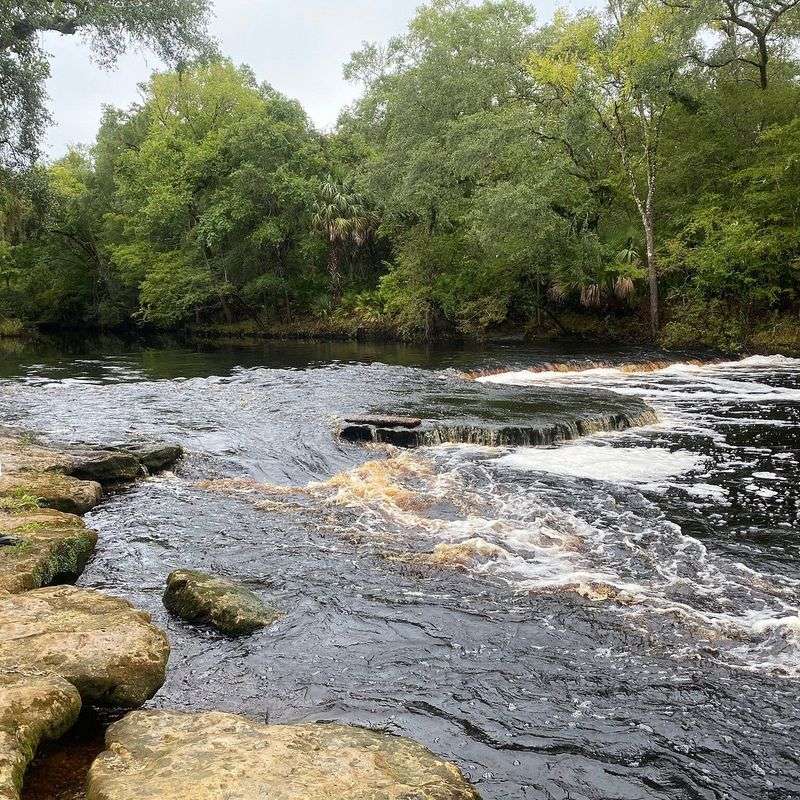
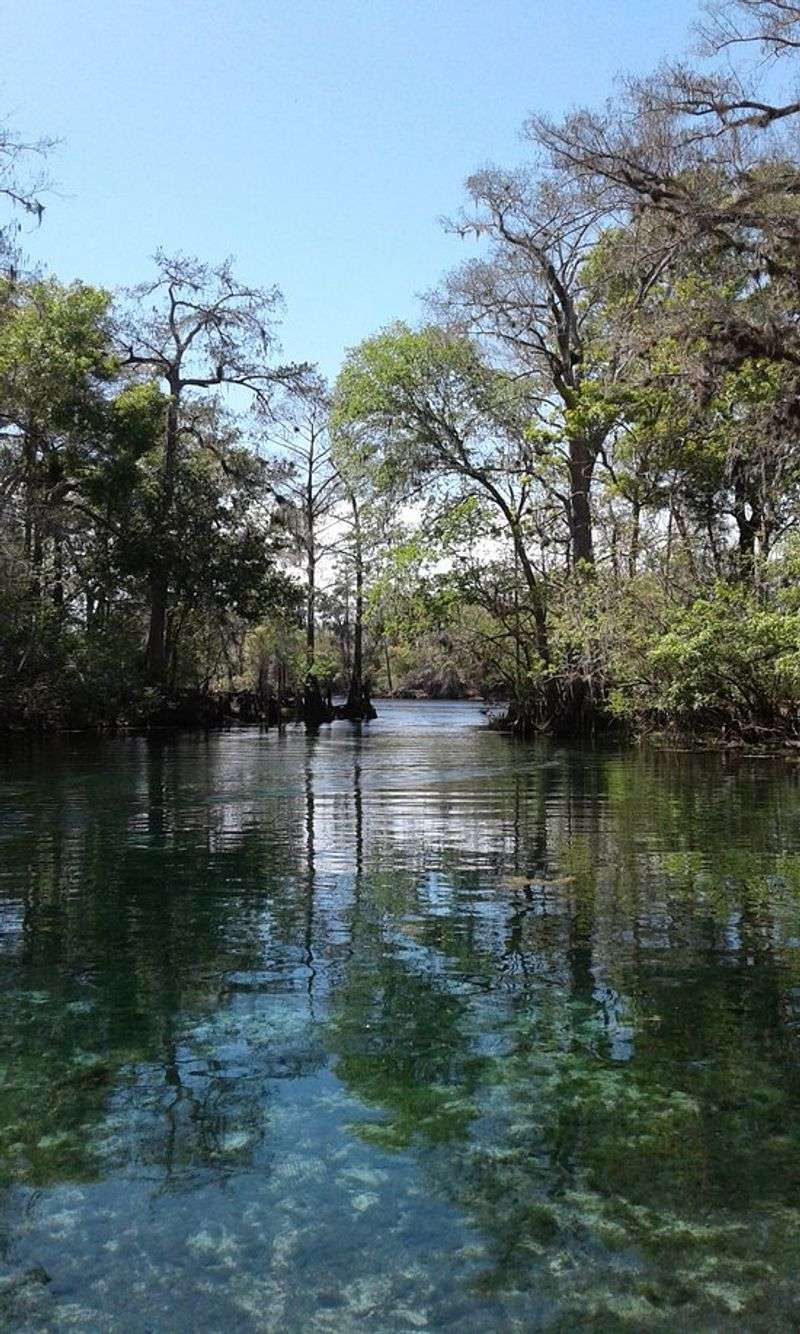
This spur feels like a secret detour into river country, delivering quiet miles and a sense of discovery. The corridor narrows under shady canopies, with glimpses of cypress knees and marsh grasses. Interpretive signs nod to the railroad era and local timber history.
Ride patience pays off as you near Steinhatchee Falls, where tannic water slips over limestone ledges. It is a photogenic turnaround and a peaceful snack stop. Surfaces remain smooth, though fallen leaves can mask sticks after storms.
Carry extra water because services are sparse on this leg. Wildlife watchers should slow down for herons and otters along inlets. You will return the way you came, savoring a fresh angle on the same hushed scenery.
6. Historic Railroad Heritage
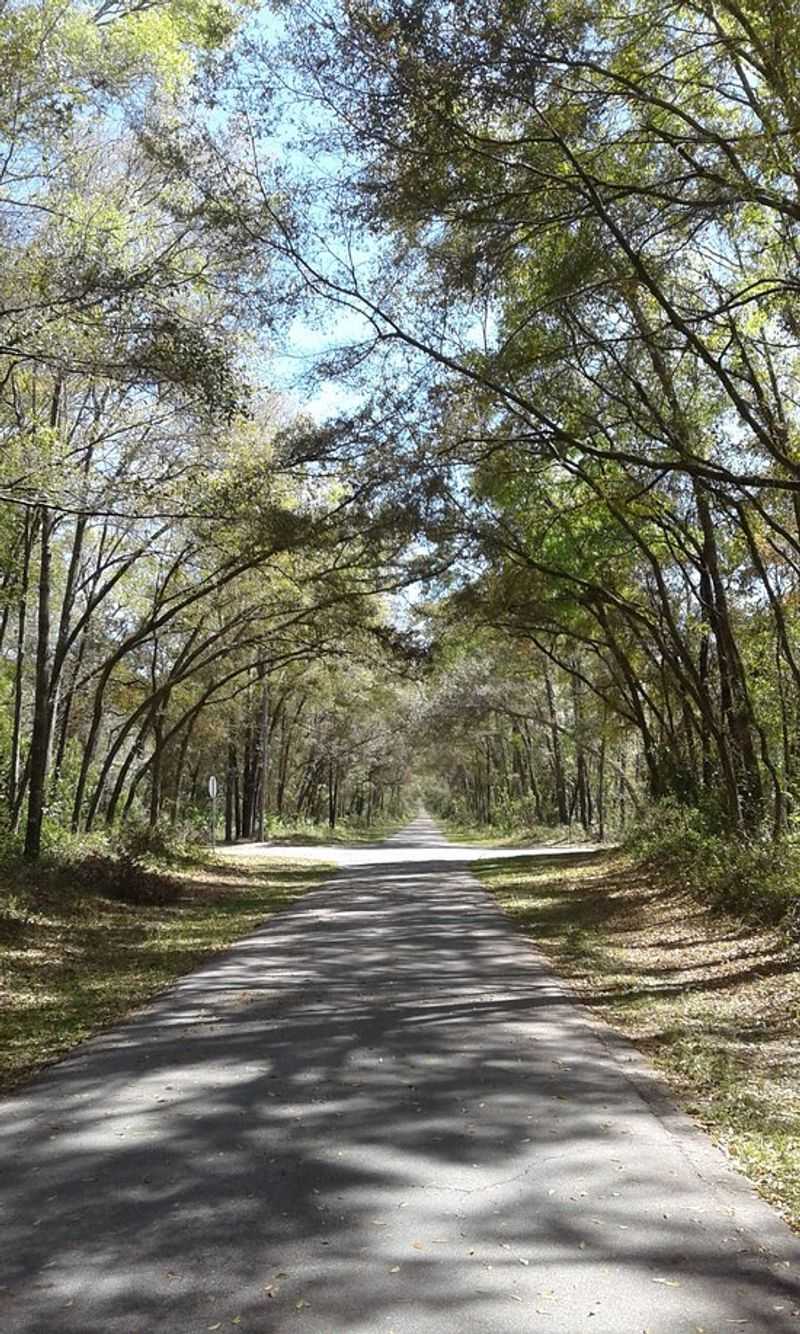
The trail breathes railroad heritage at every bend, even where rails are long gone. Graded beds, trestle approaches, and straight horizons reveal the engineering logic of steam-era routes. Read interpretive panels to picture freight rolling through pine country and towns built on timetables.
Depots once anchored communities, and you still feel that rhythm in today’s trailheads and junctions. The Y-shaped layout mirrors branching lines that linked resources, workers, and markets. When you pause, imagine whistles echoing over flatwoods at dawn.
Photography fans will love weathered signage and utility relics along the corridor. It is story-rich riding, turning simple miles into living museum moments. You learn the place by pedaling, collecting details that make history feel close.
7. Planning Tips, Seasons, and Safety
Start early for cooler temps and quieter paths, especially in late spring and summer. Bring two bottles, sunscreen, and bug spray, since shade and humidity can sneak up on you. A basic repair kit and spare tube turn mishaps into quick pauses instead of long walks.
Winter and shoulder seasons are prime, with crisp mornings and low crowds. Afternoon thunderstorms pop up in summer, so check radar and plan bail points. Trailheads offer parking and restrooms, but services between towns are limited.
Yield with a smile, call your passes, and keep right. Watch for wildlife and debris after storms. With simple prep and a flexible plan, you will enjoy a safe, satisfying ride across Florida’s Nature Coast railroad legacy.