This Under-the-Radar Florida Spring Stays 72 Degrees Year-Round — and It Rarely Gets Crowded

If you have been craving a secret slice of Florida that feels like a time capsule, Ichetucknee Springs is your cue to unplug. The water stays a refreshing 72 degrees all year, so you can float, snorkel, or paddle in any season without the crowds. Picture crystal clear runs under dappled cypress shade, with turtles slipping past and osprey circling overhead.
Keep reading to plan a day that feels like a mini vacation you will want to repeat.
1. Gateway to the Head Spring
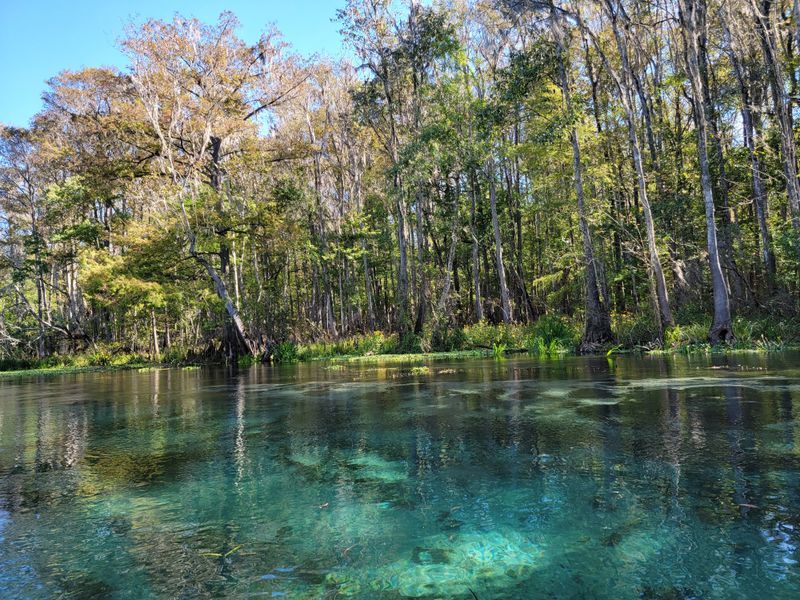
Start at the North Entrance for the purest slice of the Ichetucknee. The Head Spring shimmers a bright turquoise, with visibility so crisp you can count limestone pebbles beneath your toes. Slip in slowly and you will feel that signature 72 degree cool wrap around you like a tonic.
Arrive early to hear woodpeckers tapping and to watch steam ghost off the surface. Lifeguards and info boards keep first timers comfortable, and rangers answer questions with friendly detail. It is an easy launch for tubing or snorkeling, and a calm place to teach kids gentle water etiquette.
You will find restrooms, picnic tables, and shaded pathways right nearby. Pack light, bring reef safe sunscreen, and let the morning unfold.
2. Tubing the Blue Run
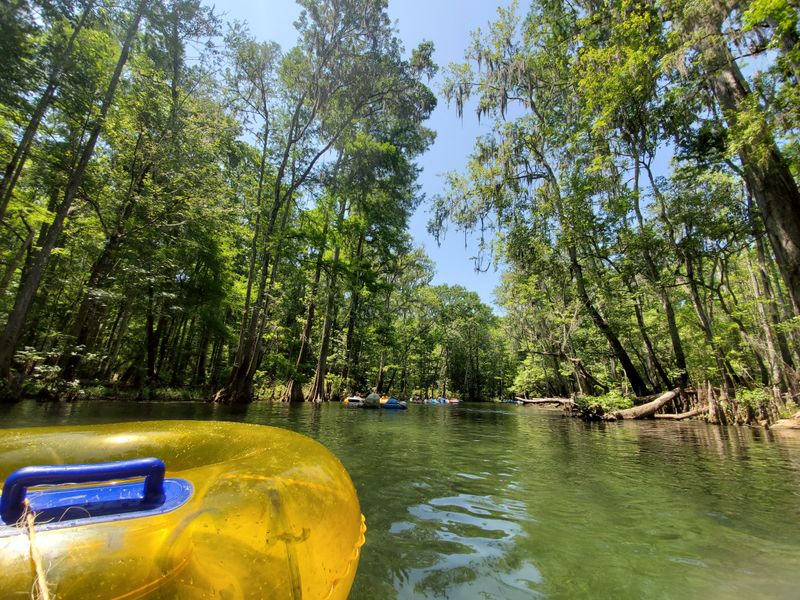
Tubing here feels like drifting through a living aquarium. The current does the work while you watch gar, mullet, and glossy turtles arrow past submerged grasses. Bring your own tube or rent nearby, then follow the marked put in and take out points to keep the flow easy.
The water stays cool, so plan a mid morning float to balance sunshine and shade. Tie on a small dry bag for keys, water, and a snack, and choose a closed heel sandal that will not slip. Most importantly, keep hands off the banks to protect the fragile vegetation.
Even on weekends, it often feels uncrowded compared to other springs. You will finish relaxed, sun kissed, and already plotting a second lap.
3. Snorkeling Over Limestone Vents
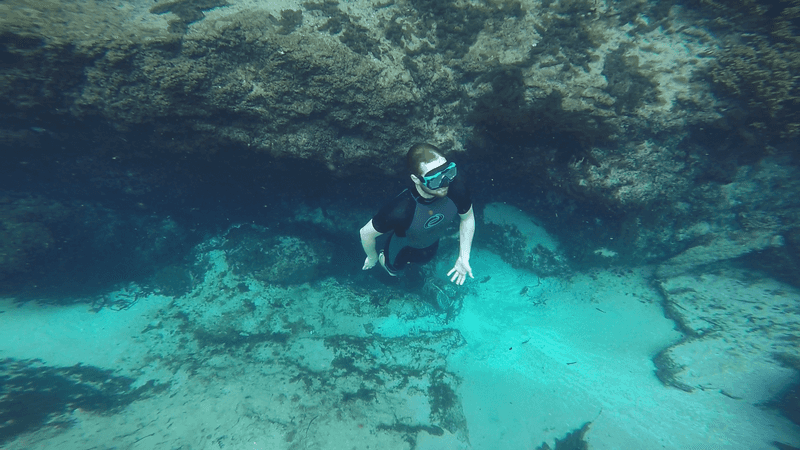
Slip on a mask and you will understand why divers rave about the visibility. Over sandy boils, tiny bubbles fizz from the aquifer, sculpting ripples that look like moving glass. Hover quietly and schools of shiners will part, revealing pale limestone ledges and swaying eelgrass.
Use a simple snorkel set, no need for heavy gear, and avoid standing on vegetation or stirring silt. The constant 72 degree water can chill you, so a thin spring suit helps extend your session. Keep a respectful distance from turtles and manatees if they glide through.
Morning light paints cathedral beams that make photos pop. You will surface grinning, ears full of silence, feeling like you just visited a secret planet.
4. Paddling: Kayaks and Stand Up Paddleboards
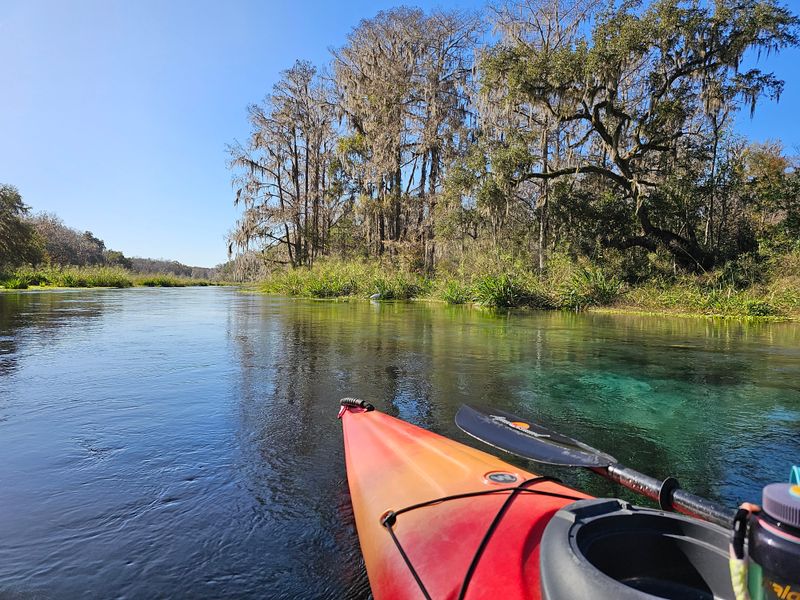
If you prefer a quiet workout, paddling the river is a dream. The current is gentle, turns are wide, and water clarity makes reading depth effortless. Launch from designated areas and point your bow toward the dappled bends where herons stalk and otters sometimes peek.
Lightweight kayaks and stable SUPs are ideal, with a leash, PFD, and sun protection non negotiable. Keep strokes soft to avoid startling fish and to hear birdsong carry along the corridor. You will pass limestone outcrops and sandy shelves perfect for quick breathers.
A midday breeze can ruffle the surface, but mornings are usually mirror calm. Glide, breathe, and let the forest frame your thoughts in patient green.
5. Wildlife Watching Along the Cypress Corridor
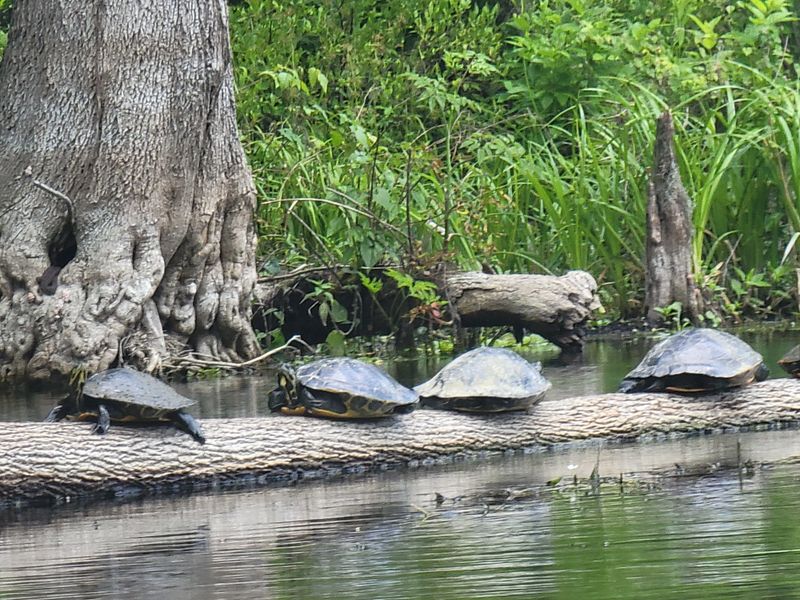
Slow down and the river reveals its regulars. Look for soft ripples that give away otters, arrow straight lines of gar lounging midwater, and turtles stacking like pancakes on half sunk logs. Overhead, you might spot a swallow tailed kite wheeling, or an osprey lifting with a flash of silver.
Binoculars help, but patience is your best tool. Stay quiet, give wide berth to shorelines, and resist feeding wildlife so behaviors remain natural. The payoff is intimate glimpses that feel unscripted and rare.
Even casual observers collect a mental checklist here. You will leave with stories that sound like fisherman tales, except the water is so clear your photos back every word beautifully.
6. Best Seasons, Crowds, and Practical Tips
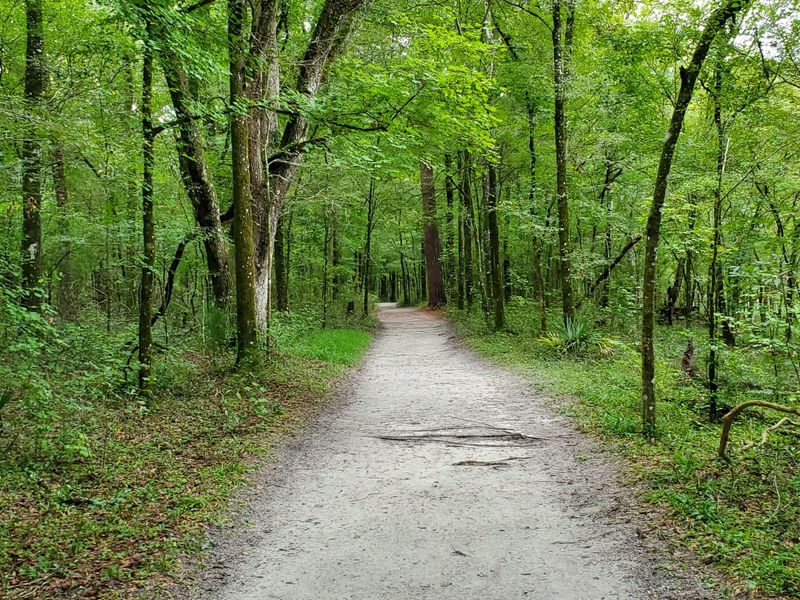
Good news if you dislike crowds: Ichetucknee often stays mellow, especially on weekdays and outside peak summer. Winter mornings bring mist and almost private water. Spring and early fall hit the sweet spot for warmth, clear skies, and fewer tubers.
Arrive early, reserve rentals ahead on busy weekends, and carry a reusable bottle plus reef safe sunscreen. Dry bags, quick dry towels, and strap sandals make life easier. Follow the carry in carry out rule to protect the aquifer and keep the banks pristine.
Cell service can be patchy, so download maps before you roll. With a simple plan, you will spend more time floating than fiddling with logistics, which is exactly the point.
7. How to Get There and What to Expect on Arrival
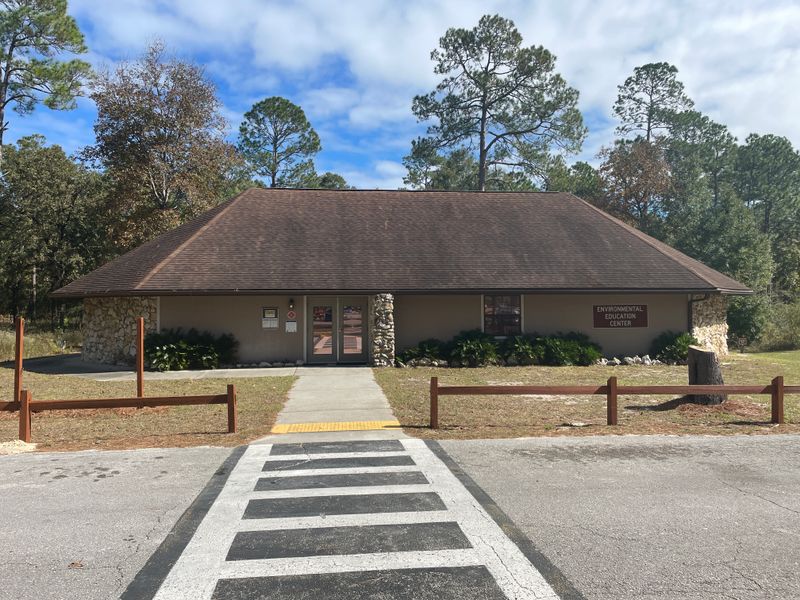
Ichetucknee Springs sits in North Florida near Fort White, tucked off country roads that quickly turn peaceful. Plug the park into your map before signal drops and aim for the North or South Entrance depending on your plan. Parking is straightforward, with rangers guiding cars during busier hours.
Expect clean facilities, shaded picnic nooks, and clear boards detailing launches, closures, and wildlife etiquette. Rentals and shuttles operate seasonally, so check park updates the night before. Cashless payment can speed things up at the gate.
Once you step under those live oaks, the bustle fades. You will hear water whispering through cypress roots and feel stress slide off like a jacket you forgot you were wearing.