8 Places to See Flamingos in Florida in February When It’s Surprisingly Cold
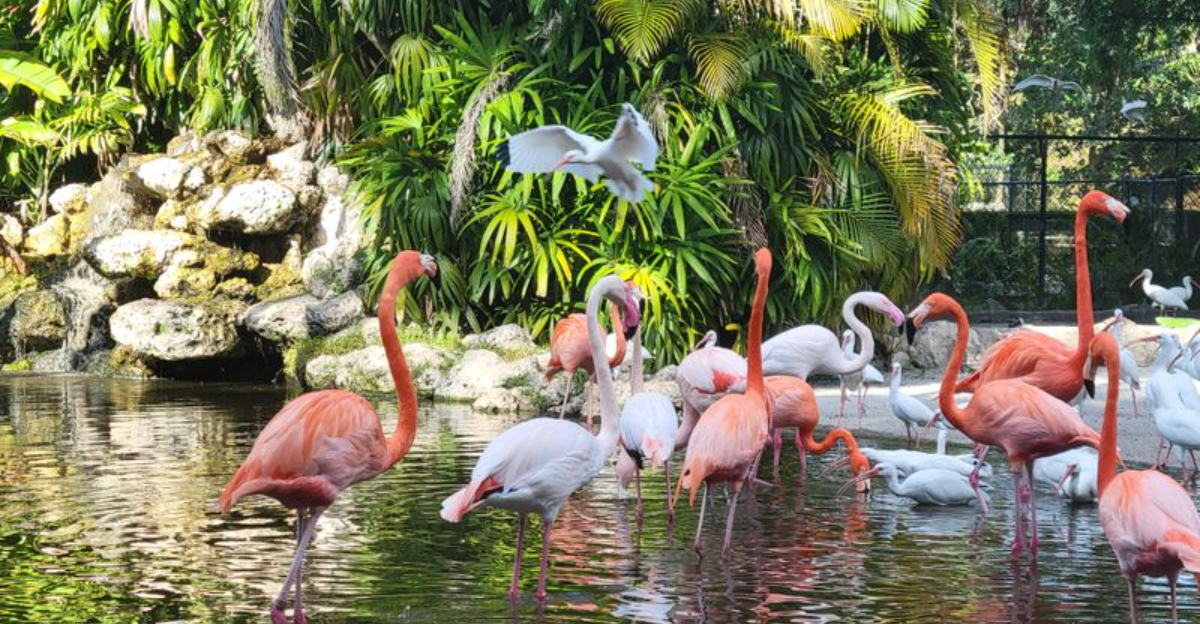
Florida can feel oddly brisk in February, but that chill makes flamingo sightings even more magical. Cooler mornings bring calm light, shallow tides, and quieter trails where you can spot those vivid pink silhouettes. Whether you want wild encounters in remote bays or up close moments in lush gardens, there is a perfect spot waiting.
Bundle up, grab binoculars, and let’s chase winter color across the Sunshine State.
1. Everglades National Park (Florida Bay & Snake Bight)
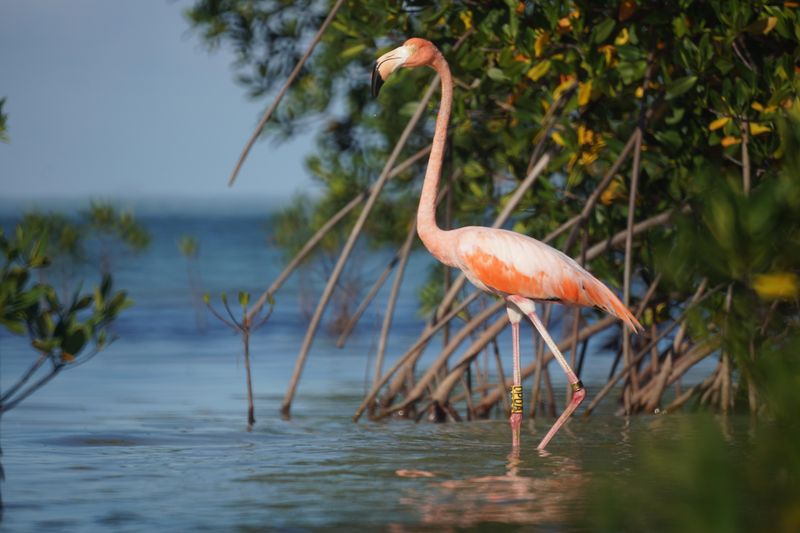
Quiet winter light settles over the flats as the tide slips out, revealing shimmering shallows that draw pink silhouettes into view. Look for long legs threading through seagrass and subtle head dips as birds filter tiny prey. Bring patience, a windbreaker, and binoculars, then scan the horizon for bobbing crimson bills.
Trails toward Snake Bight can feel cooler than expected, so start early and move slowly along the boardwalks. Tide charts are your best friend when hoping for concentrated flocks in skinny water. You might hear soft chattering before you see that neon blush, especially when the breeze calms.
Keep distance and avoid flushing birds. A spotting scope helps confirm field marks, and you might also spot roseate spoonbills gilded by sunrise.
2. Merritt Island National Wildlife Refuge
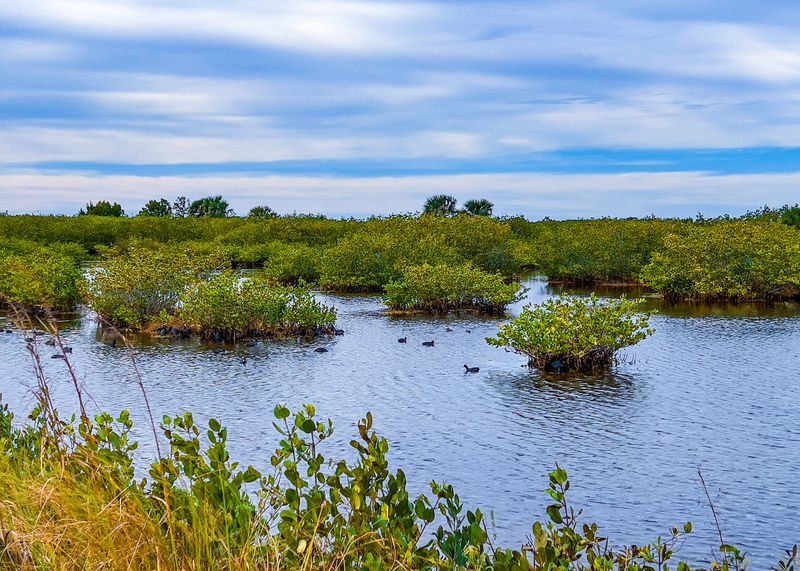
Expansive lagoons here sometimes hide the most exciting surprises, and winter bird lists prove it. Scan the open water edges where shorebirds swirl and egrets pace. When a few taller shapes glow salmon against steel blue, you may have found your prize.
Drive Black Point Wildlife Drive slowly, windows cracked to catch calls and wind changes. Stopping at pullouts lets you glass the flats without spooking anything. If the north breeze bites, layer up and bring a thermos so you can linger when the light turns peach.
Flamingos are occasional visitors, so consider them a thrilling bonus. Meanwhile, watch for reddish egrets, spoonbills, and rafts of ducks. Patience pays off with unforgettable, chilly morning stillness.
3. Biscayne Bay & Coastal Mangroves
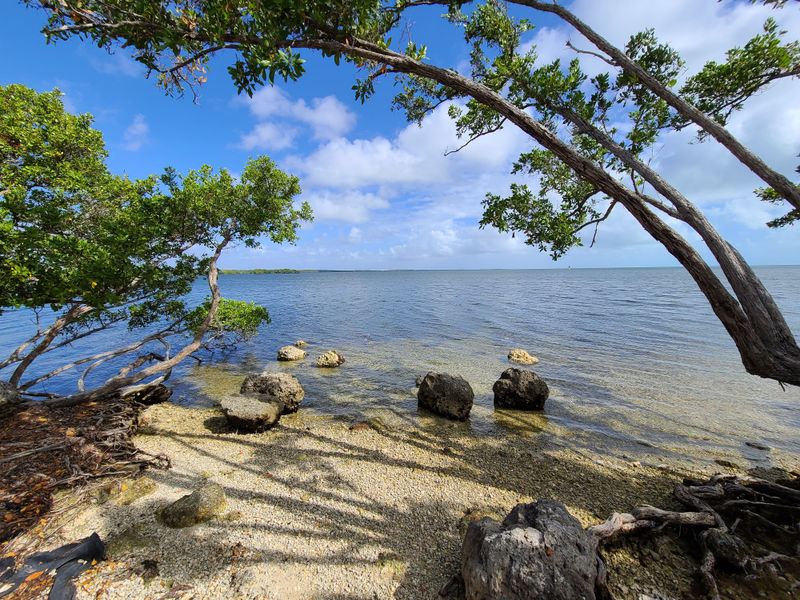
Shallow estuaries here feel like giant mirrors, perfect for spotting long pink reflections at low tide. Work the edges of mangrove keys where baitfish flicker and wading birds congregate. If a flash of coral steps through milky green water, keep your lens ready.
Kayaks let you slip quietly into skinny channels without disturbing wildlife. On cooler mornings, wind can funnel through cuts, so a light jacket helps. Bring polarized sunglasses to cut glare and reveal movement beneath the surface.
Flamingo encounters are never guaranteed, but winter delivers the right mix of calm tides and clear air. Even if luck wavers, you will enjoy ospreys, manatees, and elegant mangrove roots sculpting the shoreline like living architecture.
4. Florida Keys near Key West Coastal Waters
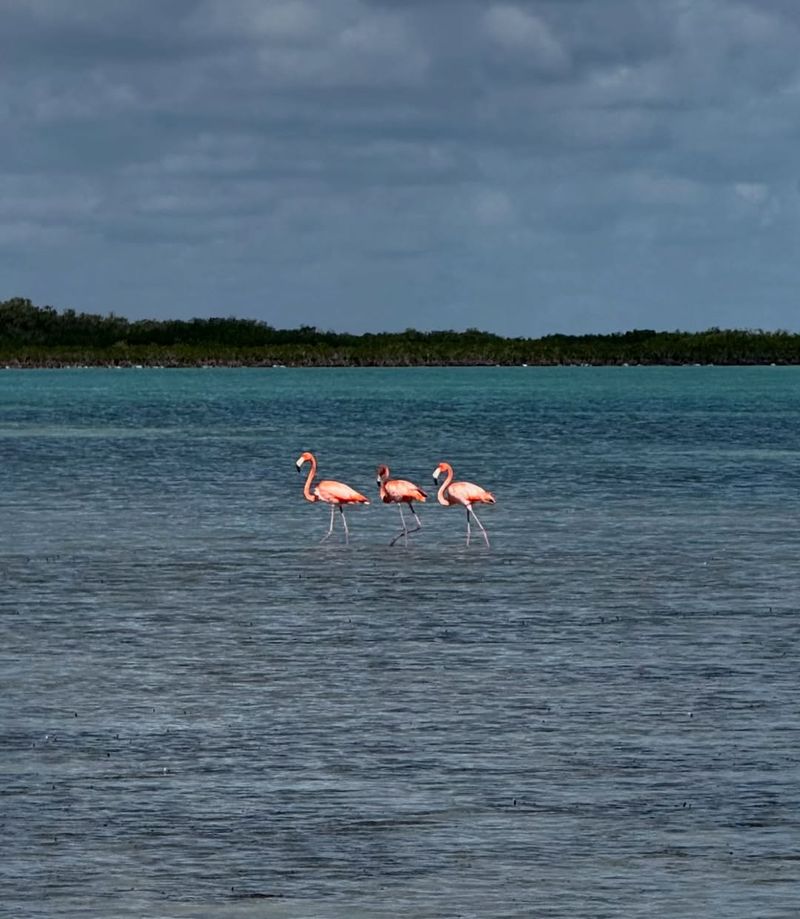
Out on the flats, everything slows down to tide and light. Watch for tall, rosy silhouettes mixed among egrets and pelicans, especially when bait stirs near channels. A soft croak or synchronized head dip can give them away before color does.
Guided skiff trips help find quieter basins where birds avoid boat noise. Bring layers for the run, since February breezes can turn brisk. Polarized lenses and a long lens will make distant shapes snap into focus.
Expect occasional, not constant, sightings. That rarity makes success feel electric, like you unlocked a secret postcard. Even on quiet days, rays, turtles, and impossibly clear water reward every slow drift across the Keys’ winter blues.
5. Flamingo Gardens (Davie / Fort Lauderdale)
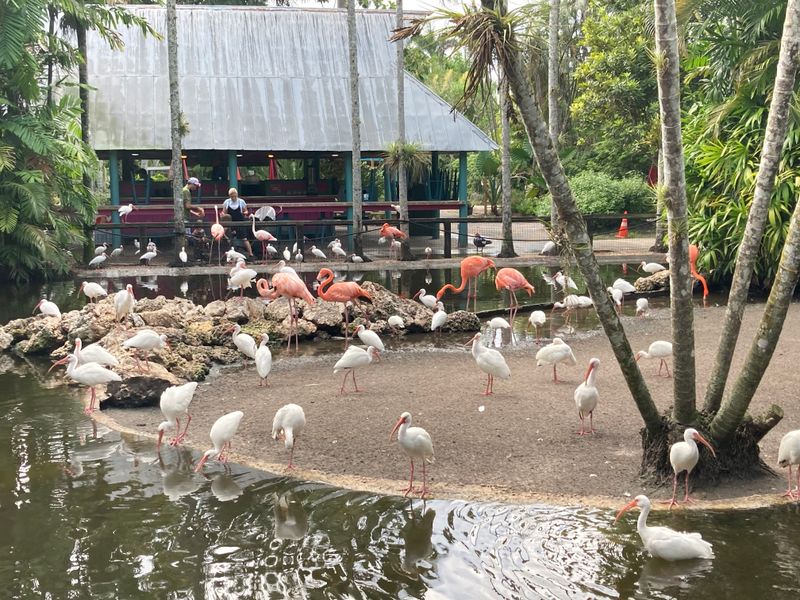
If wild searches come up empty, guaranteed views feel like a warm hug on a chilly morning. Here, flamingos mingle among tropical plantings, perfect for close observation of plumage, feeding behavior, and that graceful S curve. It is a relaxed way to practice photography angles before chasing rarer sightings.
Pathways wind through shady groves, so bring comfortable shoes and a light layer if the breeze sneaks in. Educational signs add context that helps you identify field marks later in the wild. Kids love the splash of color and gentle ambiance.
While not a remote marsh, the experience builds confidence and appreciation. You leave with sharper eyes, better timing, and a camera roll soaked in pink reflections and greenery.
6. Zoo Miami (Miami Dade County)
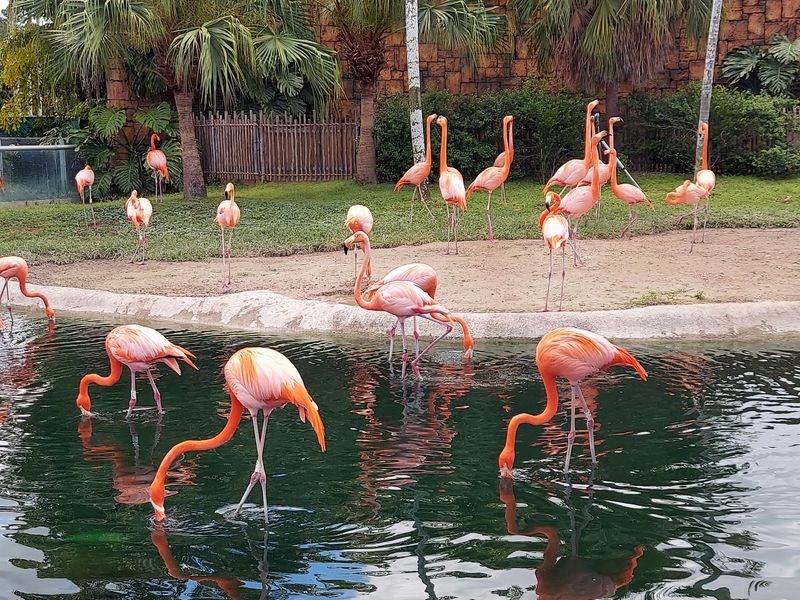
Winter visits here make bright birds pop against clear skies. Exhibits mirror South Florida habitats, letting you study leg bands, bill shapes, and social displays up close. That familiarity sharpens recognition when scanning distant shorelines later.
Plan for early arrival to beat crowds and catch active morning preening. Bring a notebook to jot behaviors you want to spot in the wild. Cooler days mean more comfortable strolling between habitats without overheating.
While curated, the experience still teaches timing, light angles, and patience. You will leave ready to judge distance, track subtle motion, and anticipate feeding dips. Consider it a skill building stop that complements your February road trip perfectly.
7. Sarasota Jungle Gardens
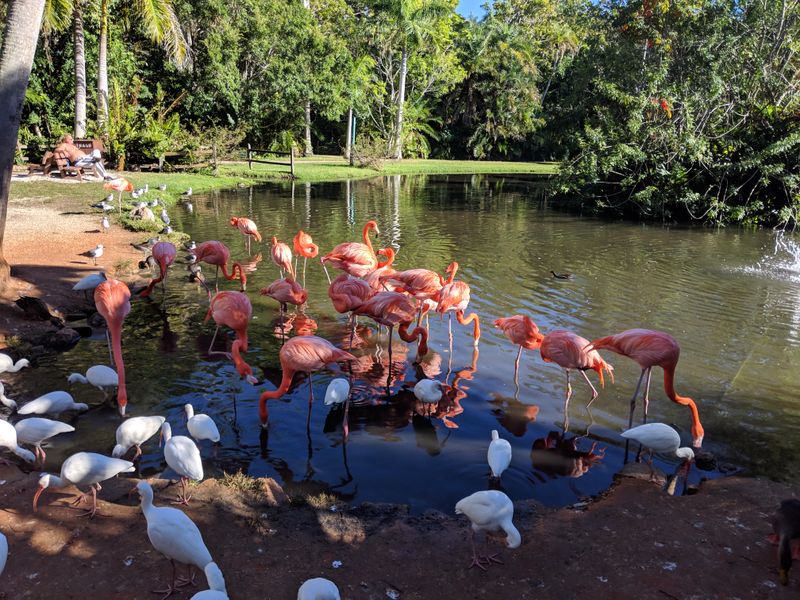
Few places let you stand so close to those elegant birds. Free roaming individuals often stroll near paths, giving an intimate perspective on feathers, gait, and that unmistakable pink wash. It is a delightful way to introduce friends or kids to respectful wildlife watching.
Bring a small pouch of approved feed if available, and keep movements calm and measured. February’s cool snap keeps walks pleasant beneath thick greenery. Photos glow with soft, filtered light over water and stone.
Though not wild, the proximity builds empathy and sharpens observation. Watch subtle foot stirring as birds tease food from shallows. You leave with newfound appreciation for posture, balance, and quiet etiquette around delicate creatures.
8. Sunken Gardens (St. Petersburg)
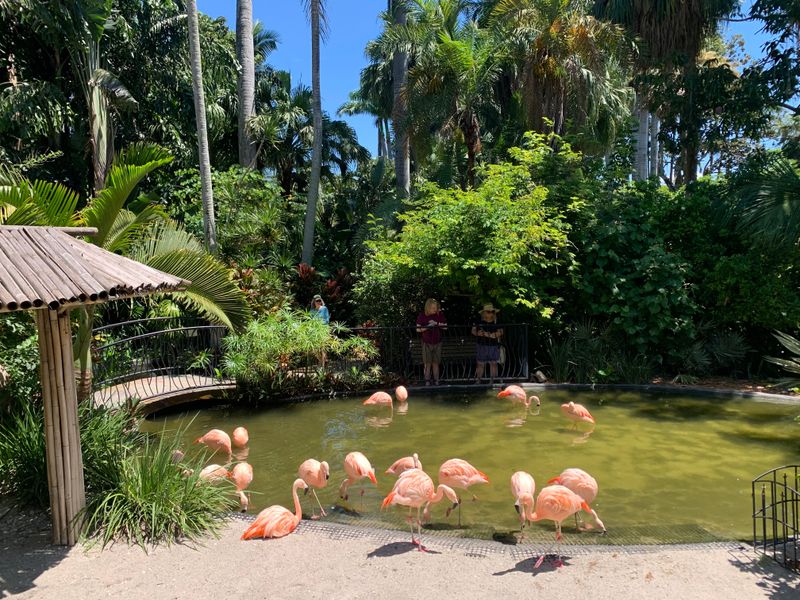
Historic pathways curve through sunken terraces where pink forms punctuate green canopies. Chilean flamingos here offer a different palette, softer blush with gray accents, ideal for practicing identification across species. Cool mornings keep crowds light, so you can linger by reflective pools.
Pack a light sweater and slow down to notice behavior: synchronized steps, gentle vocalizations, and delicate preening. Garden staff share insights that translate beautifully to coastal flats later. Benches provide perfect perches for testing shutter speeds in mixed shade.
Even though these birds are residents, your eye for nuance grows sharper. When a wild silhouette appears elsewhere, you will read posture, bill shape, and rhythm with confidence earned right here.