This Quaint Florida Waterfront Town Has Epic Birding, Kayaking, and Fresh Seafood
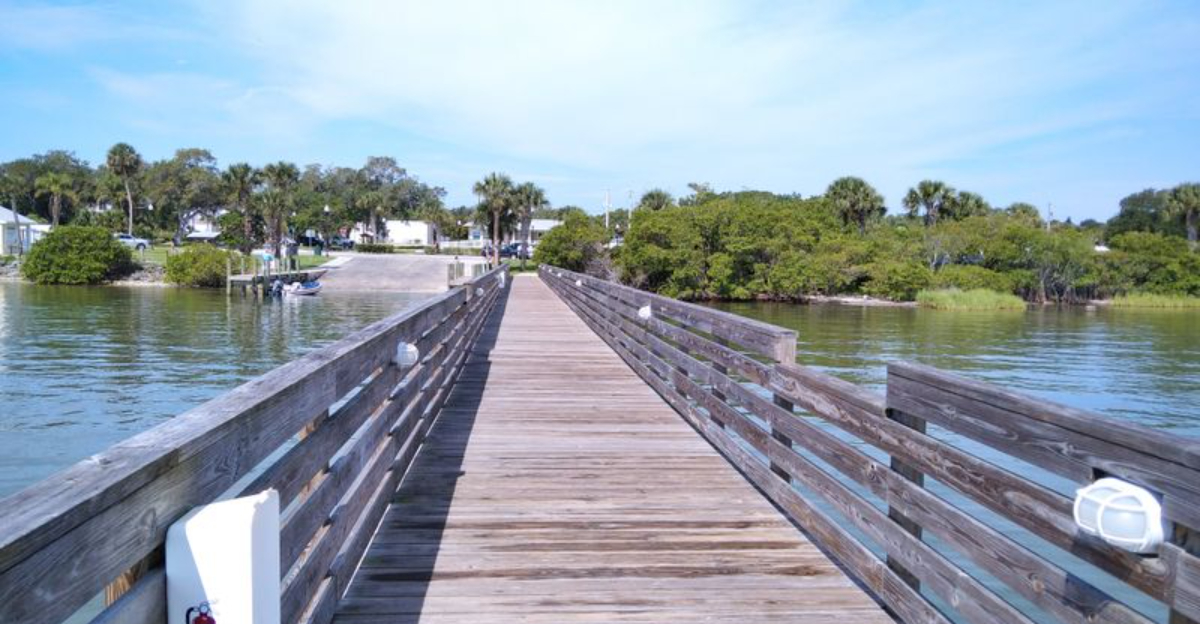
Sebastian feels like the Florida you thought you’d missed—quiet, sun-warmed, and still a little wild.
Tucked between the Sebastian River and the Indian River Lagoon, this low-key fishing village trades crowds for calm water, mangrove edges, and mornings when the only soundtrack is pelicans skimming the surface.
One minute you’re gliding through glassy backwaters in a kayak, the next you’re spotting dolphins in the distance and manatees rolling near the shoreline. And then there’s the seafood.
Not the fussy, “tourist menu” kind—but the come-as-you-are, waterfront, order-what’s-fresh kind that tastes even better when you’ve spent the day outside.
If you’re craving an Old Florida escape with real nature, easy adventures, and a meal that feels earned, Sebastian is the hidden gem you’ll want to keep to yourself.
Why Sebastian Is Worth the Trip
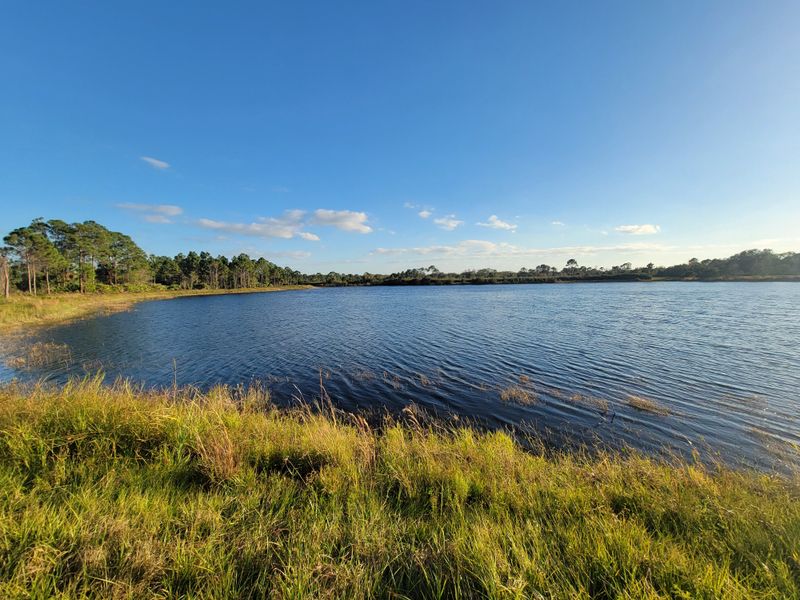
Here is the twist: you are not headed to a flashy beach strip. St. Marks trades high-rise noise for river breezes, oyster bars, and water so calm you can trace clouds on it.
Park by the tiny marina before 9 a.m. and you will stroll right onto the boardwalk without jockeying for space.
The payoff comes fast. Trails lace marsh edges, and the lighthouse sits a short scenic drive away, perfect for golden-hour photos.
You will feel the Gulf breathing in and out, with mullet flicking like rain.
Everything moves at a humane pace. Kayak launches are close to coffee, bait, and bathrooms, so logistics stay easy.
Cell service is decent enough to navigate, but you will not need many plans. Bring sun protection, a light layer for breezes, and curiosity.
St. Marks rewards unhurried wanderers.
Wildlife You Might Spot
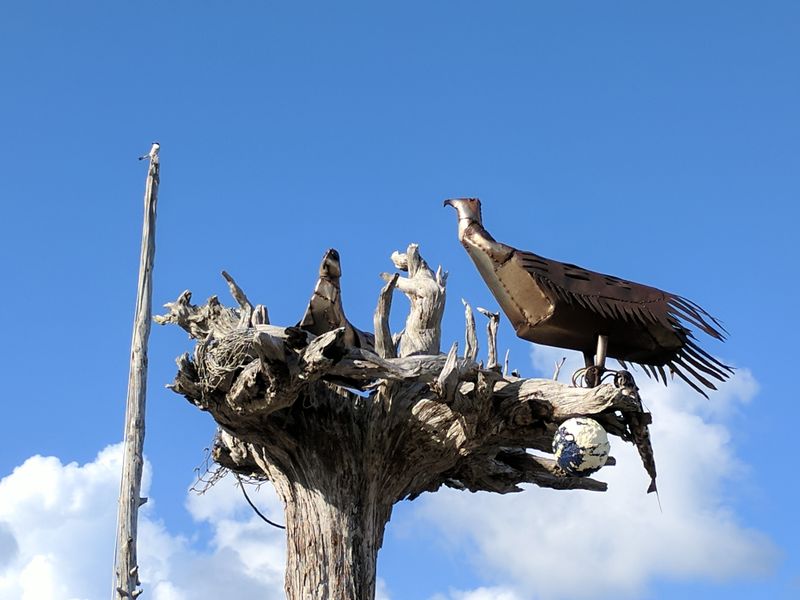
Scan the sky first. Osprey hover and plunge, bald eagles patrol open water, and pelicans draft the breeze like slow blimps.
In winter, look for dabbling ducks and sleek loons sliding along tidal creases.
Shift to shoreline mode. You might catch a roseate spoonbill sweeping its absurdly perfect bill, or a reddish egret dancing the shallows.
Alligators sun like knobby logs, usually unbothered if you give space.
On calm days, dolphins thread the channels, especially around tide changes. Listen for the hush of mullet showers and quick pops of bait.
Fall brings monarchs clouding over saltbush, and swallow-tailed kites loop through late spring.
Bring binoculars, but do not overthink gear. A cheap field guide screenshot saves time.
Keep 15 to 20 feet from gators, and never crowd nesting birds. The best sightings come when you slow down and let the marsh speak first.
Pelican Island Refuge, Up Close
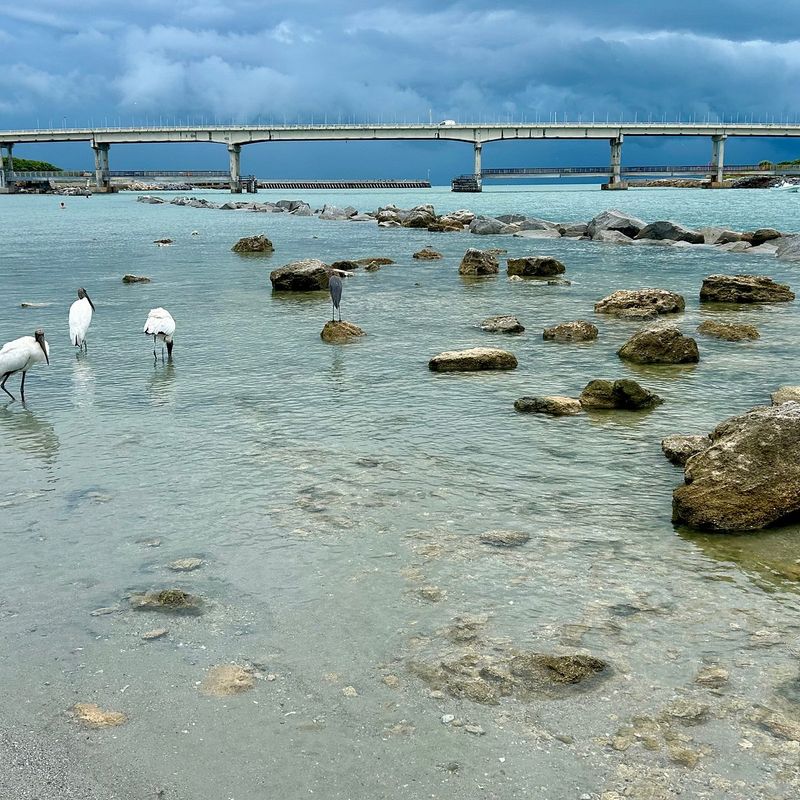
Names can be tricky, but the idea is simple: a quiet bird island near town where you watch without intruding. Bring a long lens or steady binoculars and keep boats well offshore to avoid flushing roosting birds.
The best time is early or late, when heat shimmers fade and birds settle.
You will likely see mixed roosts of brown pelicans, terns, and gulls sharing space like an unbothered committee. Tide matters.
At lower water, exposed bars draw egrets and herons to stab at crabs and small fish.
Approach with etiquette. Cut your motor early, drift, and chat in low voices.
If anything lifts, you are too close. Let the island be the star, and remember that a respectful distance often gives you more natural behavior, better photos, and a calm you can feel in your shoulders.
Get Out on the Water
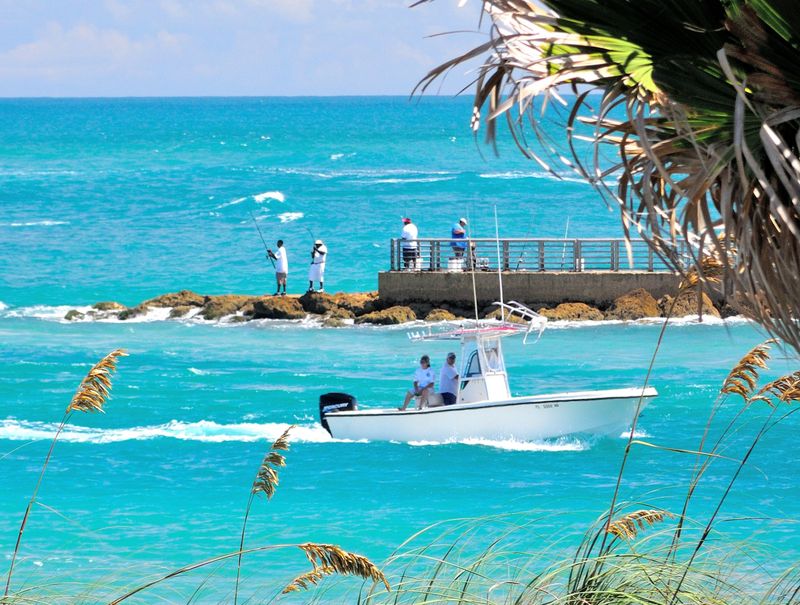
Launch early from town ramps while the water is glass and powerboats are sipping coffee. Hug the shoreline to dodge wind, then slip into side creeks where the current softens.
You will hear kingfishers rattle like tiny maracas, and mullet will keep your bow awake.
Tides rule everything. Paddle out with the last of the incoming, turn around on the first push of ebb, and you will feel like a superhero.
Bring a dry bag, head net in bug season, and a minimalist anchor for photo stops.
Rentals are straightforward in town, and outfitters can point you toward manatee-friendly routes. If the forecast shows afternoon pop-ups, be off the water by two.
Stash a towel in the car, plus flip-flops for oyster-studded landings. The day is better when transitions are easy, and here they are.
Fishing Made Easy
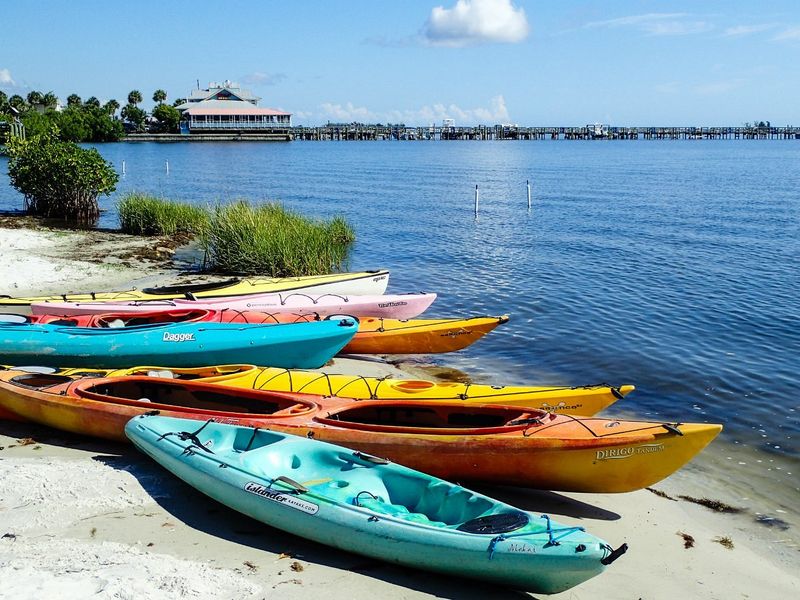
Keep it simple. A medium spinning setup, 10 to 15 pound braid, and a 20 pound fluoro leader will cover trout, redfish, and flounder.
Tie on a jighead with a paddletail in new penny or pearl, and you are fishing within minutes.
Work oyster edges on moving tide. Cast upcurrent, bump the lure along seams, and pause longer than feels normal.
If birds are picking, something is pushing bait. For shorebound days, try public docks and bridge approaches with live shrimp under a popping cork.
Bring long-nose pliers, barbless if you are catch-and-release. Polarized sunglasses turn the marsh into x-ray vision, revealing potholes and tailers.
Check local regs before launching, and ice your catch fast if you are keeping dinner. The bite usually wakes with first light, naps at noon, then perks up near sunset.
A Quick Trip to Sebastian Inlet
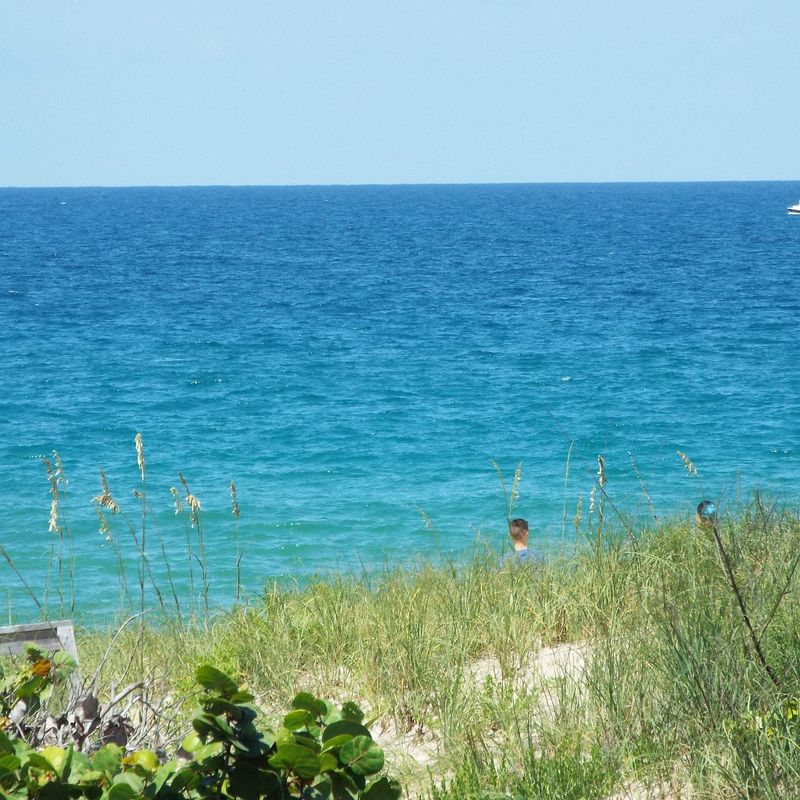
Craving a taste of surf after the quiet rivers. Budget a mini road detour to a Gulf-front jetty vibe for contrast.
Leave early, fuel up in town, and set a hard turnaround so you do not rob St. Marks of golden hour.
Pack a compact cooler, a wind shell, and shoes that will not slip on wet rock. Scan for bait showers on the outside, and watch for pelicans stacking where current pins schools.
Jetty edges can be slick, so move slowly and keep phones leashed.
When the wind lays down, the horizon looks like hammered glass and everything feels farther. Snap your photos, breathe the salt, then steer back for river calm.
The point is not to rush, just to taste a different cadence and return with fresh eyes for the marsh.
Where to Eat Seafood
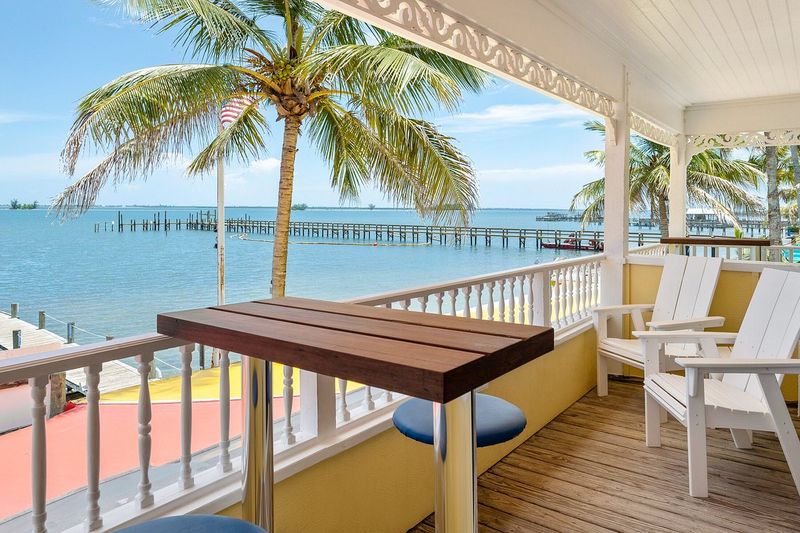
Order like a local. Blackened grouper on toasted bread beats a too-thick fried fillet every time, and peel-and-eat shrimp disappear faster than you expect.
If gumbo is on special, chase it with something cold and citrusy and claim a seat where you can see boats nosing in.
Timing matters. Slide in before the dinner rush to snag patio shade and park without circling.
Ask which fish came off local boats that morning, then skip anything smothered in heavy sauces.
Service is friendly but unhurried, which suits the river’s rhythm. Tip well, linger through sunset, and let the wake slaps set the soundtrack.
Save a pocket of room for key lime pie, tart not cloying. You will walk out smelling like salt and smoke, fully content and already planning a breakfast return.
A Simple One-Day Plan
Start at sunrise by the lighthouse overlook, coffee in hand, and watch the marsh wake. By 8, launch kayaks on a gentle incoming tide for two unhurried hours.
Back in town, rinse gear, switch to dry clothes, and park near the waterfront for lunch.
Afternoon is for birding. Drive slow dike roads, windows cracked, and glass from the car when bugs are feisty.
Stop wherever water pinches tight and bait ripples; that is where action stacks.
Grab an early dinner on the deck, then wander the boardwalk for blue hour photos. If the wind drops, cast a jig a dozen times just for luck.
Be rolling by dark with a sweatshirt handy and the sweet exhaustion that comes from sun, salt, and small-town ease. That is St. Marks done right.