Abandoned Florida: The Haunting Beauty of 11 Places Taken Over By Nature
Florida doesn’t just abandon places—it absorbs them. With humidity, salt air, and fast-growing greenery, forgotten parks, forts, and resorts don’t stay “ruins” for long.
They become overgrown, weathered, and strangely beautiful as nature pulls them back into the landscape. In this guide, you’ll find abandoned places across Florida that are being reclaimed in real time—plus the best ways to see them safely and responsibly.
1. Dade-Collier Training & Transition Airport (Everglades, near Ochopee)
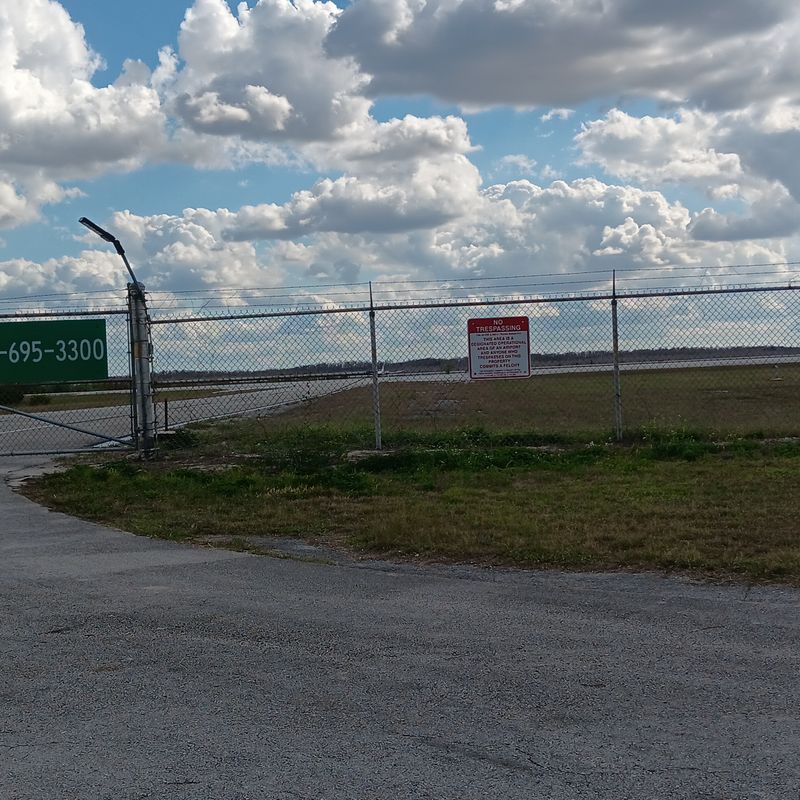
Imagine a runway so long it swallows perspective, then imagine it nearly empty, framed by sawgrass and sky. Dade Collier feels like someone pressed pause on a giant idea.
Heat shimmer dances above the pavement while the Everglades quietly press in from every side.
You come for scale and leave thinking about intent. There is little shade, so plan short visits and hydrate hard.
When traffic is nil, the silence clicks loud, punctuated by distant wading birds and wind drumming across concrete seams.
From legal viewpoints, you grasp how quickly grass explores edges and water stains map the seasons. It is not a spectacle, more a lesson in proportion and patience.
Out here, nature is the busy one and humans are the intermission. The airport exists, mostly, as a line the swamp is already erasing.
2. Miami Marine Stadium (Virginia Key / Key Biscayne area, Miami)
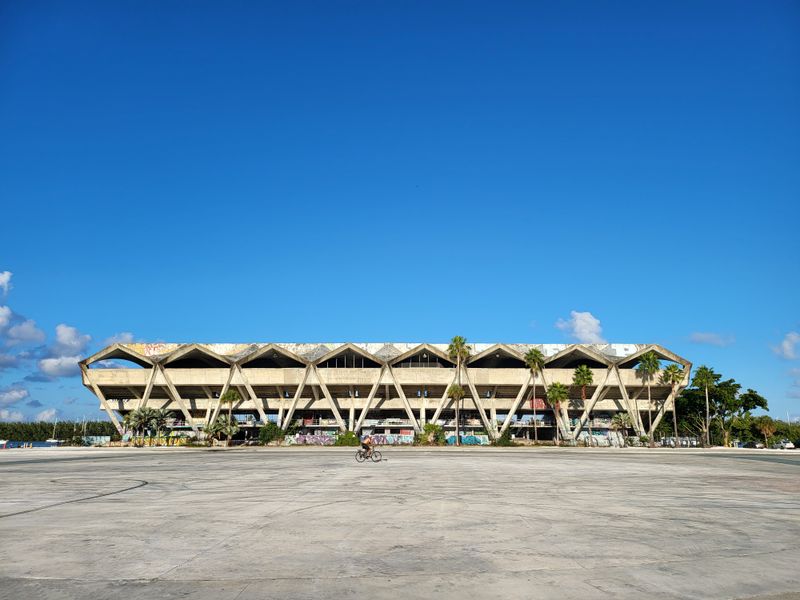
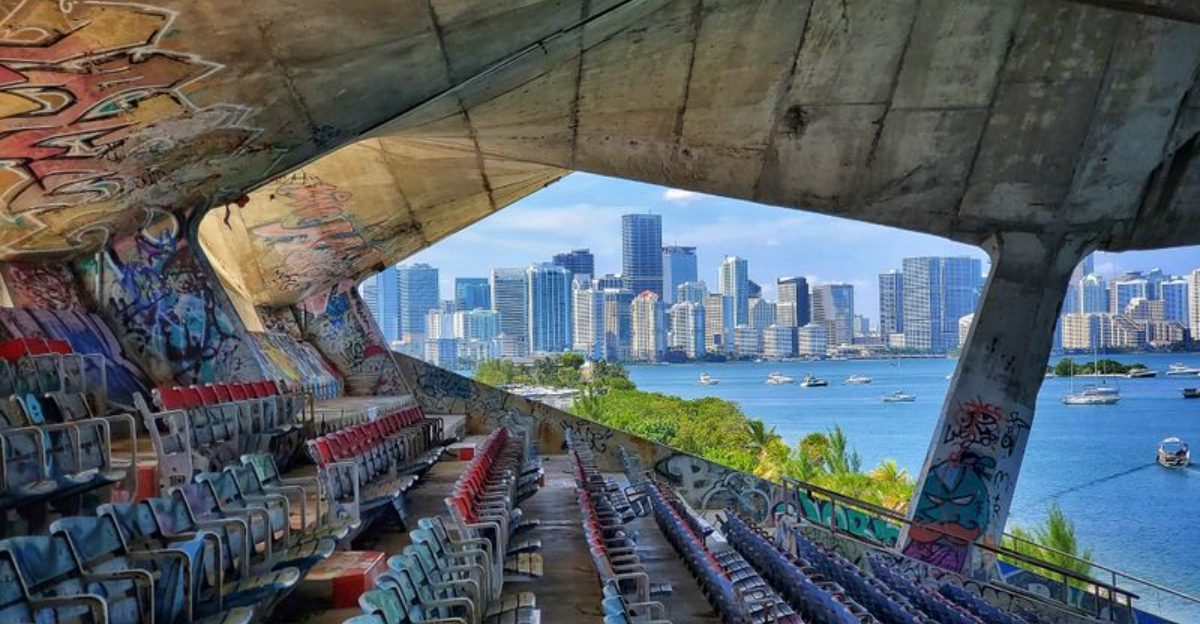
The stadium’s cantilevered roof slices the sky, tagged in color and framed by mangroves edging the basin. Seats sit dusty, paint blooms in wild murals, and pelicans patrol where speedboats once roared.
It is ruin with rhythm, every echo caught by water below.
Arrive early for cooler temps and softer light. From public viewpoints, you see vines threading concrete seams and tide lines marking columns like growth charts.
The contrast is pure Miami: salt, sun, art, and a stubborn structure refusing to quit.
Bring a camera lens that handles deep shadows and bright glare. The reflections can be incredible after rain, turning the place into a neon mirage.
You will leave with shoes scuffed, ears humming, and a fresh respect for how quickly coastal air files concrete down to memory.
3. Fort Dade ruins on Egmont Key (Tampa Bay)
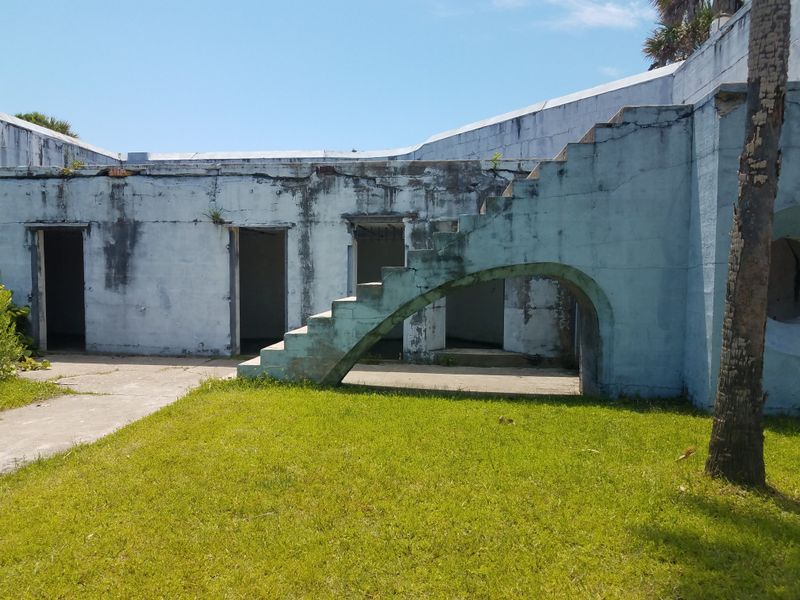
Egmont Key feels like a postcard until you notice the fort’s bones under the dunes. Brick corridors and concrete batteries tuck into sea oats, their edges rounded by salt and wind.
Walk slow and you will spot gopher tortoise tracks stitched between century old footprints.
Ferries from Fort De Soto make the approach a mini adventure. Pack water, sunscreen, and respect closures protecting wildlife.
The best views come near low tide when tidepools mirror crumbling walls and passing tarpon flash silver offshore.
Listen close inside the tunnels and you hear Gulf breath, a low rush threading past sandy thresholds. Vines lace the casemates, and gulls perch on parapets like new sentries.
Here, the island does not fight the fort, it swallows it kindly, one grain at a time.
4. Bulow Plantation Ruins Historic State Park (Flagler Beach area)
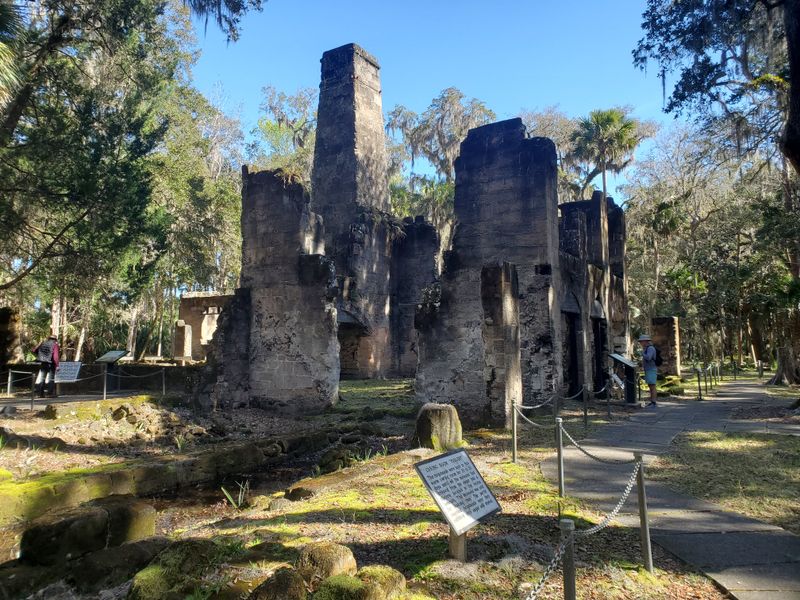
Coquina walls rise like honeycombed cliffs, their seashell grains glowing under filtered forest light. Bulow’s sugar mill feels sturdy yet soft, a geometry of arches and chimneys etched by humidity.
Trails curl through palmettos, and the air smells faintly mineral, like history just rained.
Arrive on weekday mornings for quiet and wildlife. The park’s boardwalks and interpretive signs keep things grounded without breaking the spell.
Photograph textures up close, where shells and roots seem to shake hands.
Shade helps, but summers are sticky, so pace yourself. Notice how moss colonizes mortar lines, and how scarred stones host tiny ferns like victory flags.
You leave with coquina dust on your shoes and the sense that industry never outruns the forest for long in Florida.
5. Cruger-dePeyster Sugar Mill Ruins (New Smyrna Beach area)
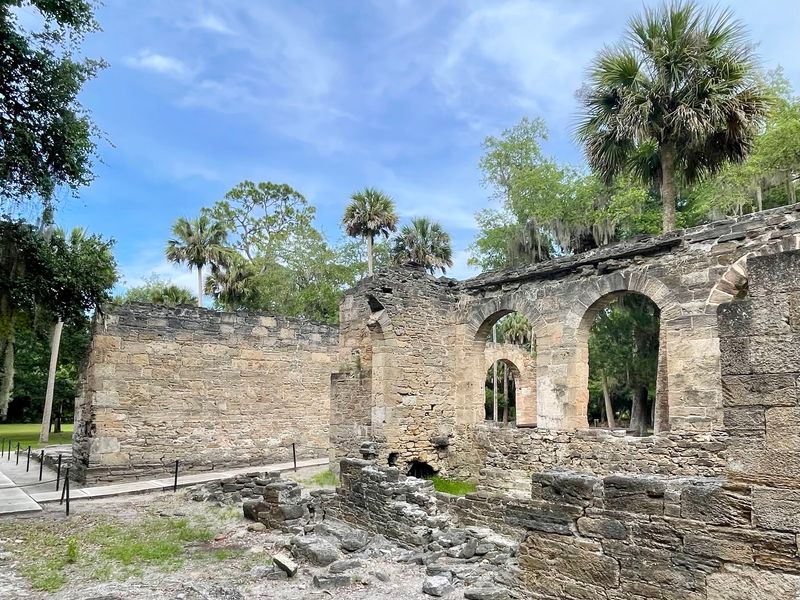
These coquina remnants look stitched from sea and time, their shells fused into pale, pitted blocks. The arches feel provisional, like they could shrug and fall back to sand any day.
Palmettos ring the clearing, and woodpeckers supply the percussion line.
It is compact, so slow down and explore angles. You will find shadows pooling in kiln mouths and vines combing the mortar.
Morning light clarifies every fossil shell, a natural spotlight on craftsmanship that outlived the business that made it.
Parking is straightforward, and a short walk delivers you into quiet. Respect fencing and do not climb the walls.
Standing there, you can imagine wagons and steam, now traded for lizards skittering over stone and a breeze that edits everything down to essentials.
6. White Sulfur Springs Ruins (White Springs)
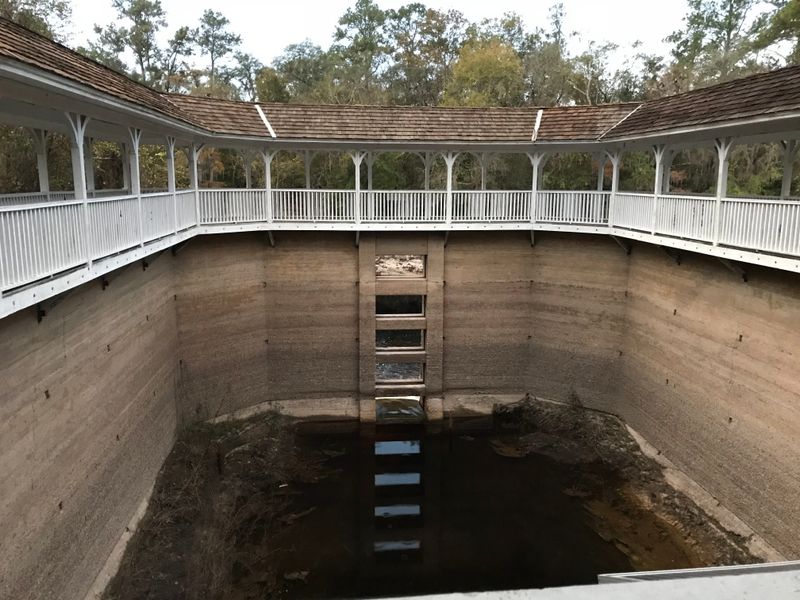
The spring house sits like a half remembered promise, brick ribs curving over green water. You can almost see the old resort bustle, replaced now by birdcall and leaf rustle.
Sunlight flickers through arches, turning the run into a ribbon of moving glass.
Bring a wide angle lens to frame arches and river together. After rain, the smell of limestone and leaf litter deepens, and tiny ferns sparkle on damp mortar.
It is a simple stop, but the mood lingers, equal parts nostalgia and moss.
Respect posted boundaries and watch your footing on uneven ground. The best time is early, when fog threads the canopy and reflections sharpen.
Stand still long enough and you will watch the forest retouch the palette, one patient brushstroke at a time.
7. Ruins of the Hampton Springs Hotel (Perry)
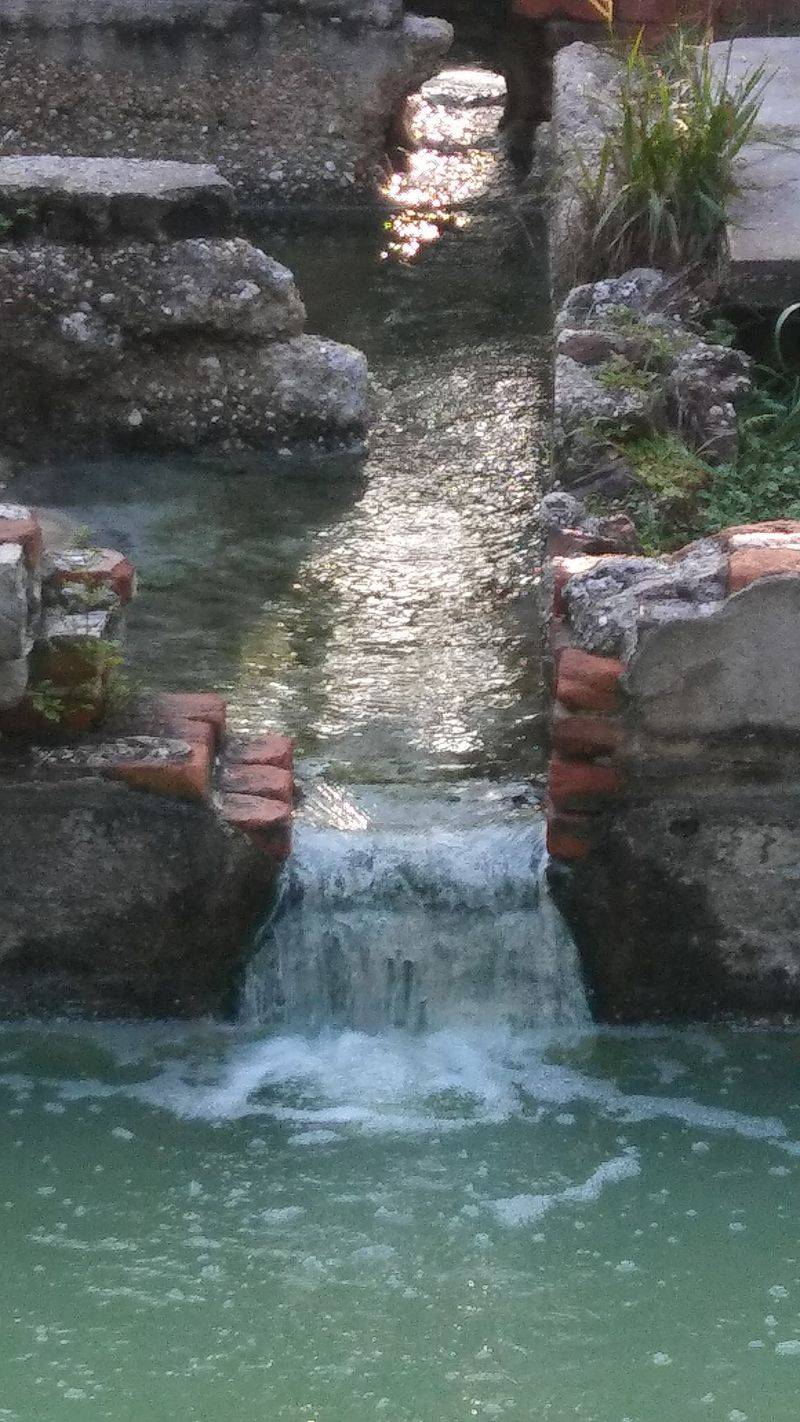
What used to be a miracle spring retreat is now a quiet scatter of foundations and steps wrapped in shade. The woods feel restorative, even without the old spa trappings.
You will find brick outlines, moss lounging on stairs, and a hush that pairs well with cicadas.
Late afternoon gives warm color and long shadows that map the former footprint. Trails are easy but roots sneak up, so watch your ankles.
Read the site signs to frame the story, then let the setting rewrite it in green.
The ruins do not ask for attention, they collect it gently. Bring water, leave no trace, and listen for the creek that still does what it always did.
Nature keeps the reservation here, refilling the calendar one season at a time.
8. Riviera Hotel Arch Ruins (Ormond Beach)
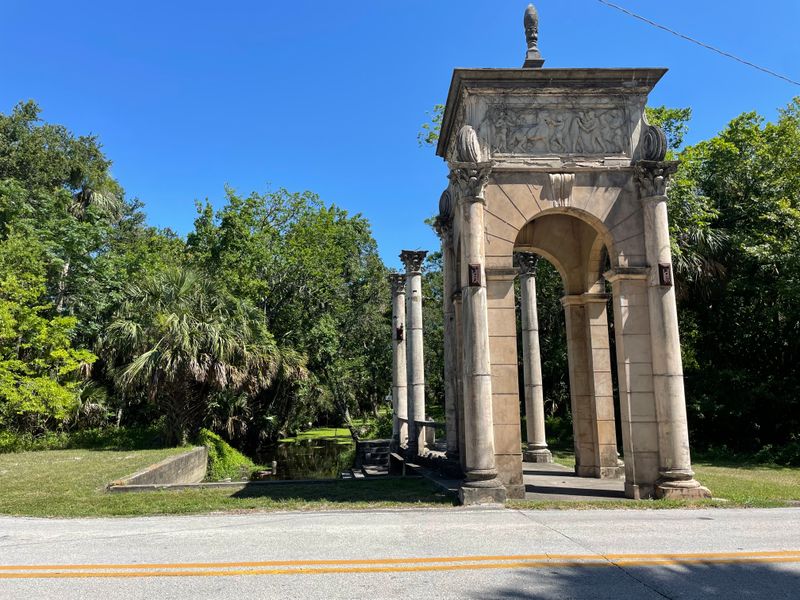
The arch stands like a punctuation mark on a sentence that never got written. Sun bleaches the stucco, and wind carves dust from its edges.
Through the opening, you frame palms, sky, and whatever dreams were penciled here and erased by time.
It is a quick stop with big mood, perfect for photographers who love negative space. Go at golden hour when the arch throws a clean shadow and gulls glide through the frame.
The surrounding scrub is tough and beautiful, a natural border.
There is not much to read, so bring your own caption. Respect the site and the neighborhood, then let the breeze finish the story.
Florida has a talent for turning almosts into icons, and this arch plays the role with effortless poise.
9. Suwannee Springs Bridge “Bridge to Nowhere” (Live Oak)
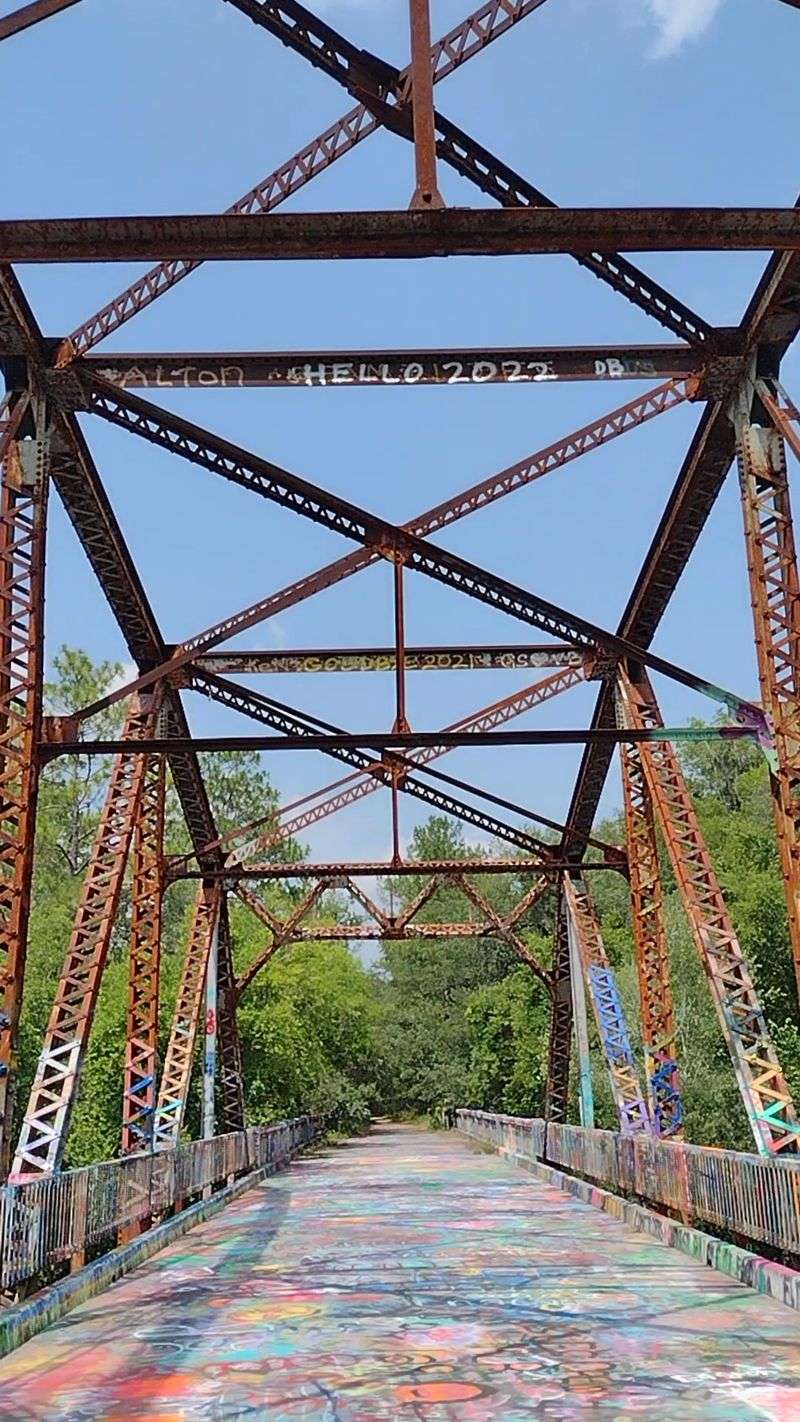
The bridge rises from the Suwannee like a memory trying to connect. Rust patterns bloom across its bones, and vines test the railings with quiet confidence.
Stand upstream and you will see tea dark water threading past limestone and cypress knees.
Morning fog can turn the span cinematic, so set an early alarm. Access varies, so check local guidance before you go.
The best frames happen when the river is calm and reflections double the structure into a ghost twin.
Listen for woodpeckers and watch for turtles sliding off sunlit rocks. The bridge’s nickname fits: it leads mostly to contemplation now.
Nature did not close it with drama, just steady edits, until the road’s sentence faded into ellipses.
10. Ghost Roads of Fallschase (Tallahassee)
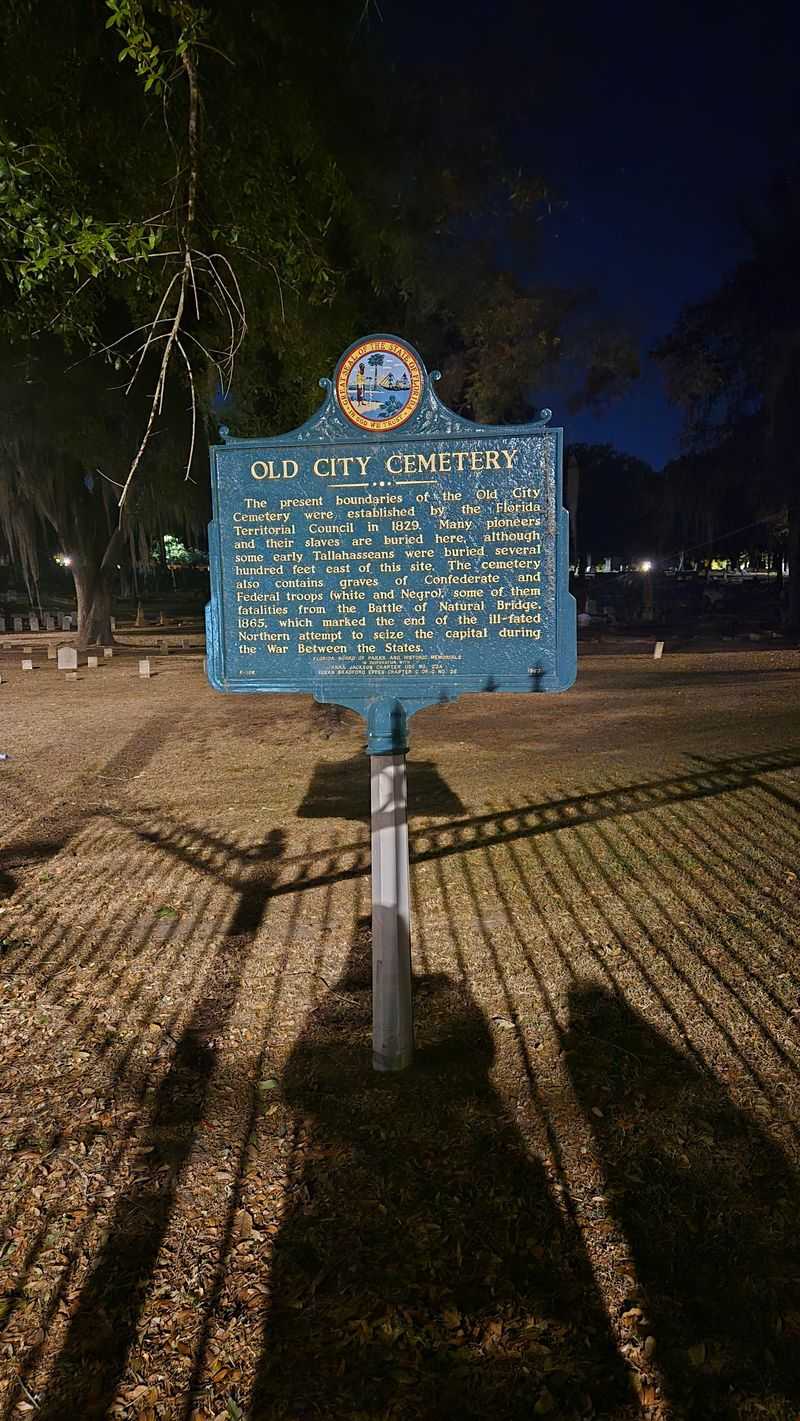
Out by Tallahassee’s edge, you find streets that went nowhere and then let pines answer back. Painted lines still whisper turn here while seedlings split the asphalt.
It is suburban deja vu, minus mailboxes and plus hawks tracing thermals overhead.
Go near sunset when the light warms the pine trunks and long shadows stripe the lanes. Park legally outside and walk in with respect for posted signs.
Bring a curious lens and look for nature’s first responders: lichens, grasses, and ants doing surveys.
The mood is gentle, not spooky, like a rehearsal where the actors bailed and the forest took the stage. You leave hearing crickets over traffic, and that swap feels good.
Here, the map yields gracefully, and the compass points to patience.
11. Cape Romano Dome House site (Ten Thousand Islands, off Marco Island)
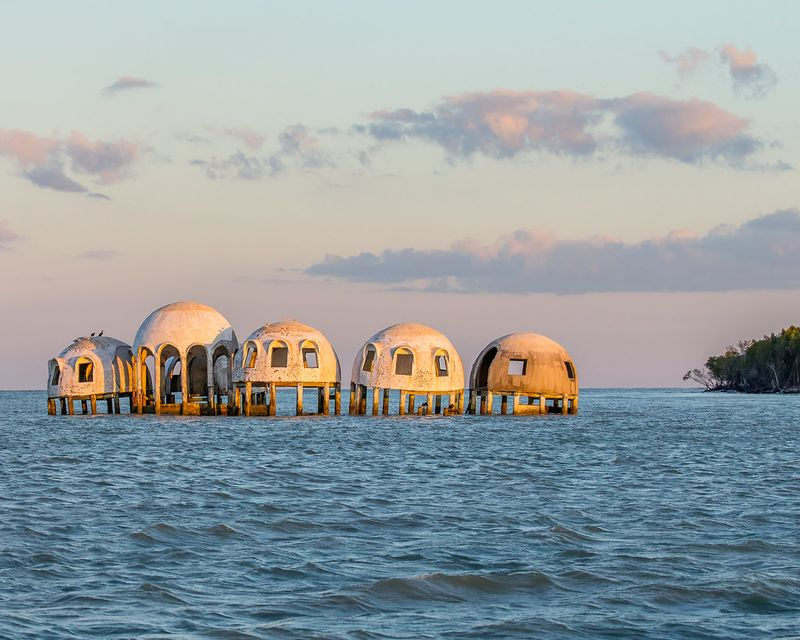
The domes once hovered like moons above the shallows, a sci fi daydream anchored in mangrove country. Storms kept rewriting the shoreline until the Gulf made the final call.
Today, what remains is memory, photos, and a story locals still love to tell.
You can boat past the site, watching seabirds trace where walls met water. The sea wins here with quiet certainty.
Sunsets drape everything in gold, softening the edges of loss and invention.
It is a fitting coda: Florida’s wild coast does not negotiate for long. Designs rise, tides rise higher.
If you chase abandoned places for perspective, this one delivers it clean, a reminder that every blueprint in the Ten Thousand Islands is printed on moving paper.