Half a Million Bats Erupt From This Gainesville Spot Every Night
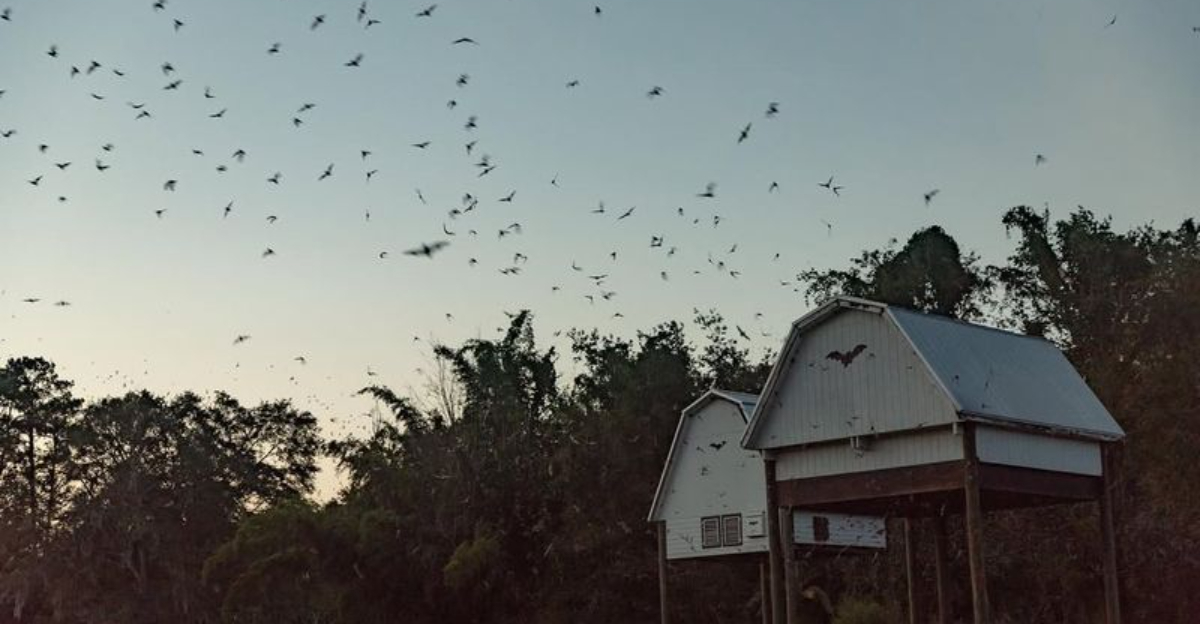
Every warm evening in Gainesville, a living cloud lifts off from Museum Road and rewrites your idea of nightlife. Half a million bats burst from the world’s largest occupied bat houses, free to watch and unforgettable to feel rush overhead. The backstory is pure Florida lore, and the spectacle lasts just minutes if you time it right.
Arrive a little before sunset, bring a blanket, and get ready for magic on the edge of Lake Alice.
1. Where To Stand And When To Arrive
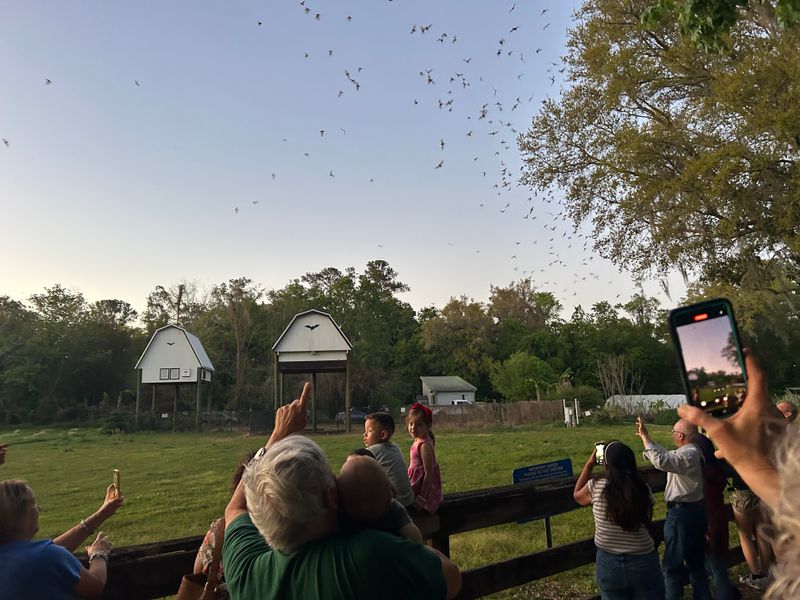
Show up about 15 minutes before sunset to snag a spot by the split-rail fence facing the long wooden bat houses. You will feel a buzz of anticipation as students, families, and researchers gather quietly, watching the sky deepen from gold to violet. If the evening is warm and calm, expect a flood of wings soon after true sundown.
Stand slightly upwind and avoid the direct exit path so you can see the swirling columns without craning. Bring a blanket or light chair, and keep flashlights off until after the emergence. The whole show unfolds in 10 to 15 minutes, a swift wave of motion that somehow feels timeless.
2. The Wild Backstory: From Fire To Bleachers To Bat Houses
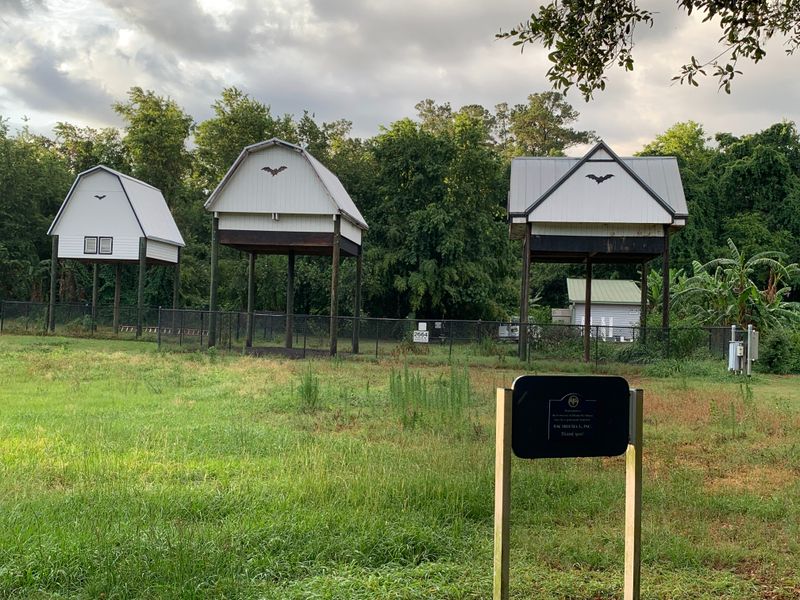
In 1987, a campus building fire displaced thousands of attic-dwelling bats, suddenly homeless and determined. They drifted into Florida Field’s bleachers, and game days got ripe. Legend says the governor complained about the smell, a uniquely Florida catalyst for creative problem-solving.
UF researchers and volunteers proposed a different idea: build the bats a purpose-made home near Lake Alice, away from stadium crowds but close to rich insect habitat. The first house went up in 1991, then more structures followed as the colony exploded in size. Today, the UF Bat Houses are the world’s largest occupied bat houses, a quirky, brilliant fix that became an iconic nightly show.
3. What You Will See During Emergence
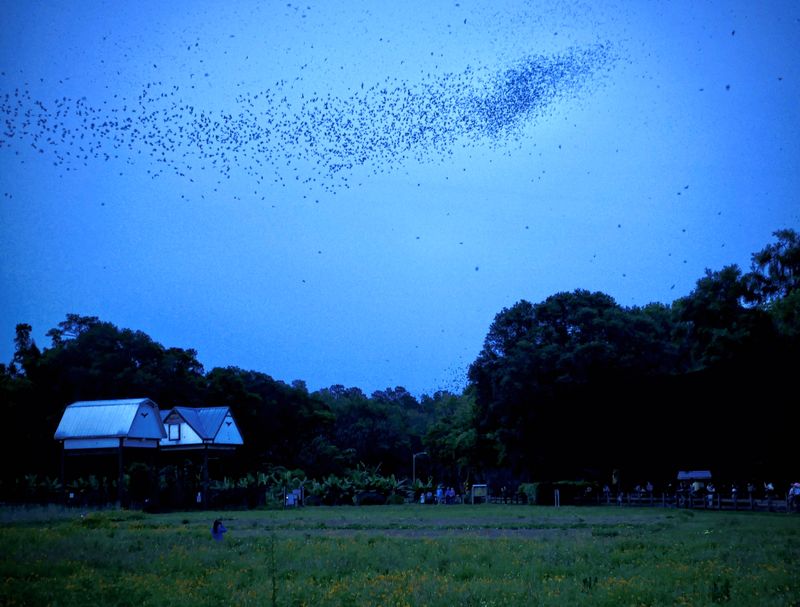
Right after sunset, the air seems to thicken, then the first scouts slip out and test the breeze. Within moments, a river of bats spirals into loops, braids, and arcs, drafting above the treeline. You will hear soft chittering and feel a gentle breeze of wings as they pass overhead.
They form dynamic highways toward Lake Alice and the surrounding fields, hunting mosquitoes and moths. Streetlights wink on, and you watch an organic pattern engine sketch the sky. Then, almost as suddenly, it is over, leaving a hum of conversation and wide eyes among the crowd.
4. Best Seasons, Weather, And Timing Tips
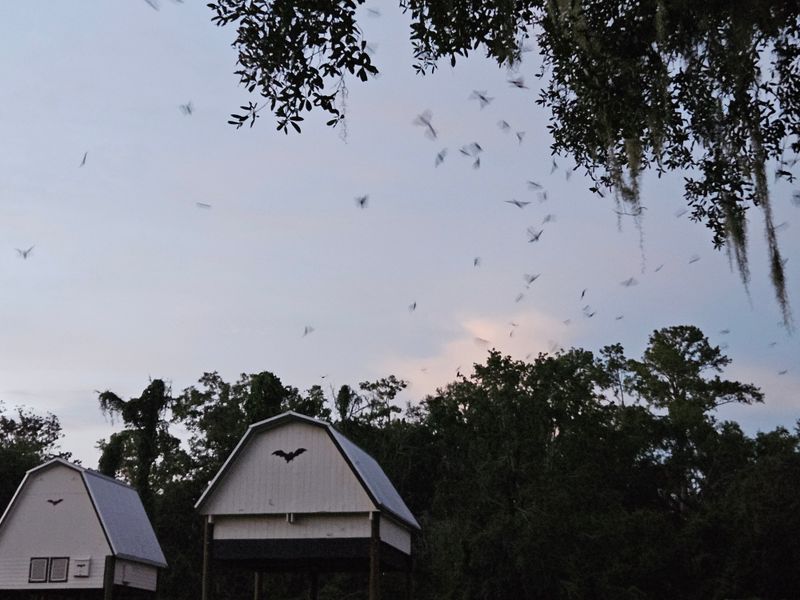
Spring and early summer are prime, when warm evenings invite consistent flights. They still fly year-round on warm nights, but cooler snaps can delay or mute activity. Aim for calm to light winds and dry skies, since blustery or heavy rain conditions reduce insect movement.
Plan to arrive 15 to 30 minutes before local sunset. The main burst usually happens 10 to 15 minutes after sundown, though seasonal shifts tweak the schedule. Check the forecast, dress in layers, and bring patience, because nature sets the clock.
5. Etiquette, Safety, And Respectful Viewing
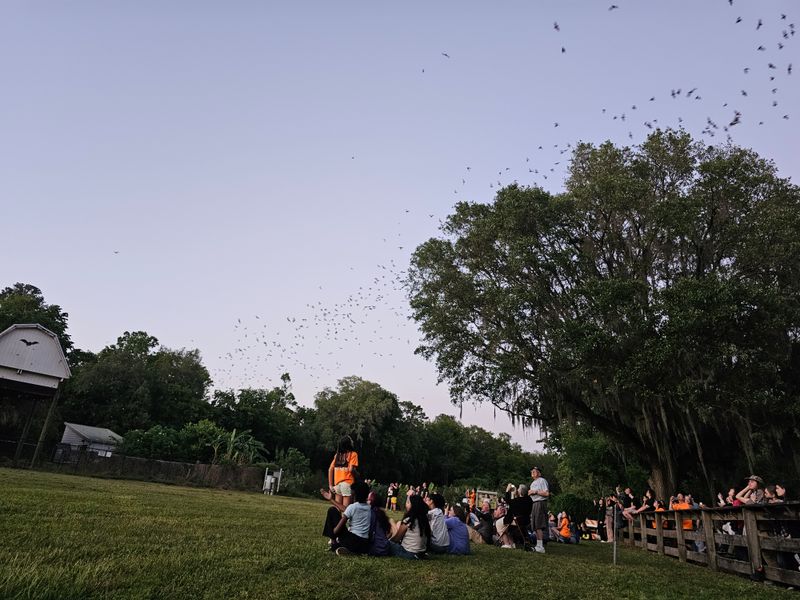
Keep voices low and lights off during emergence. Flash or bright beams disorient bats, and drones are a hard no. Stand outside the roped areas and never touch or handle wildlife, even grounded bats, which require trained care.
Leave dogs at home or keep them leashed far from the houses. Food is fine, but pack out every crumb to protect wildlife. You are visiting a living refuge, not a theme park, and the quiet respect you show helps the colony thrive and the nightly magic continue.
6. Why It Matters: 2,500 Pounds Of Bugs A Night
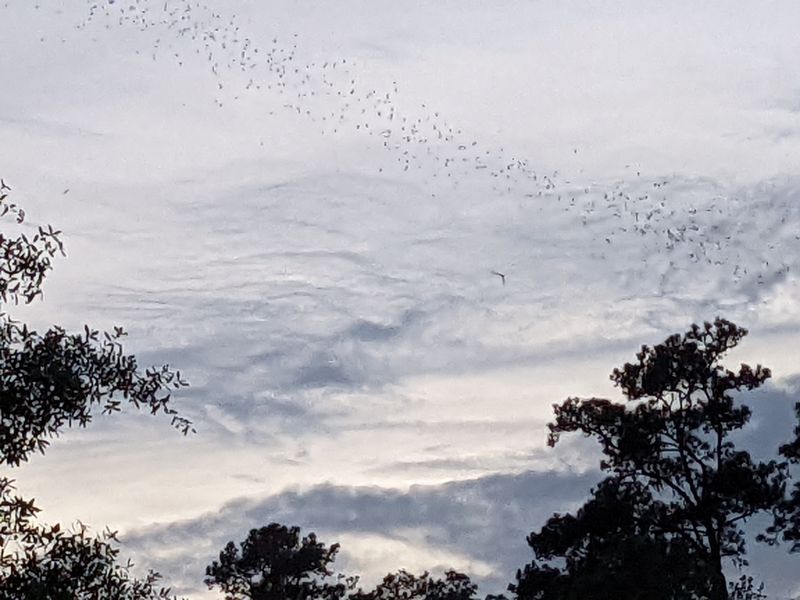
The colony devours an estimated 2,500 pounds of insects each night, roughly 2.5 billion bugs. That is free pest control across Gainesville’s lakes, yards, and gardens, easing pressure on crops and reducing the bite count for everyone outside after dark. Think of the bats as silent neighbors doing serious night shift work.
Watching them turns abstract ecology into a felt experience. You see the system breathing, cycling energy from insects to mammals to the wider web. It is conservation you can cheer for, simply by showing up.
7. Make It A Mini Outing: What To Bring And Nearby Notes
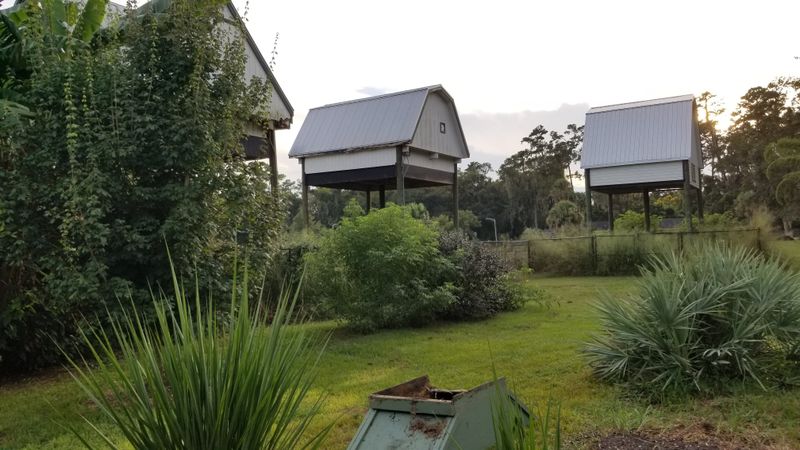
Pack a blanket or folding chairs, light layers, and some water. Bug spray helps, though the bats handle most of the workload soon after takeoff. Small binoculars are fun for pre-dusk birdwatching by Lake Alice, where turtles, herons, and even an alligator sometimes appear.
Parking is along Museum Road and nearby lots after hours, but always check posted signs. The houses are free to visit, and the vibe is communal, curious, and kind. Stay a few minutes after the show to enjoy the night sounds and talk with fellow watchers.