This Is One of the Most Secluded National Parks In the United States
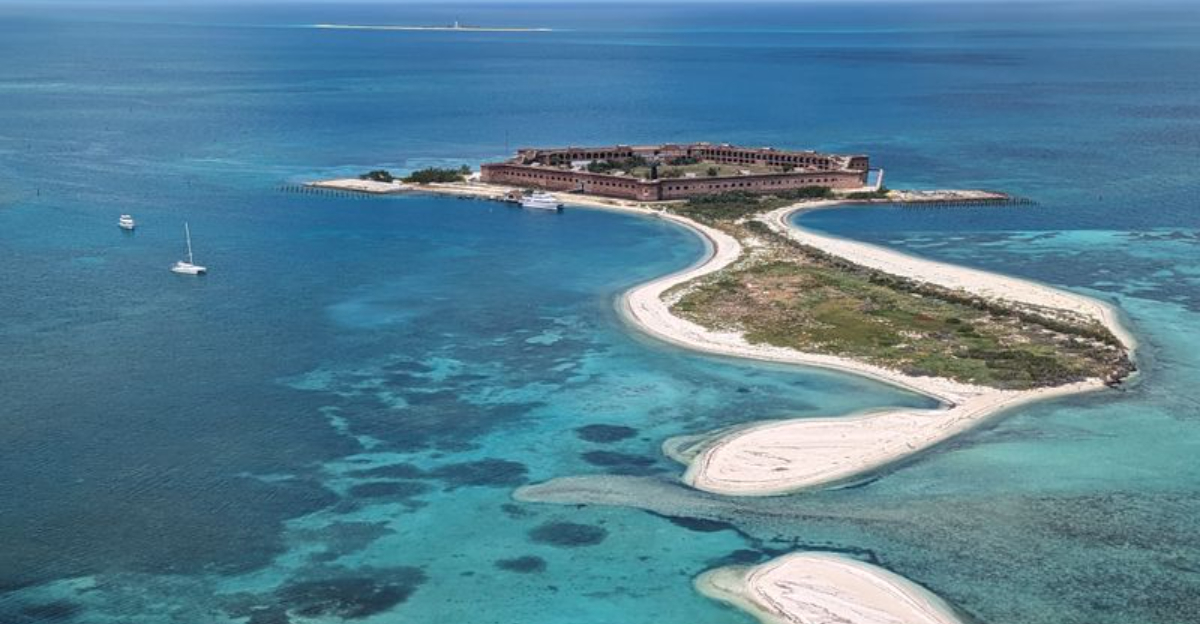
Seventy miles west of Key West, Dry Tortugas National Park feels like a secret you are thrilled to share. Crystal clear water, a colossal brick fort, and reefs teeming with life create a day that feels unreal. Getting there by ferry or seaplane adds to the thrill of remoteness, and the reward is pure serenity.
If you crave history, snorkeling, and postcard views without the crowds, this place delivers.
1. Getting There: Ferry vs Seaplane
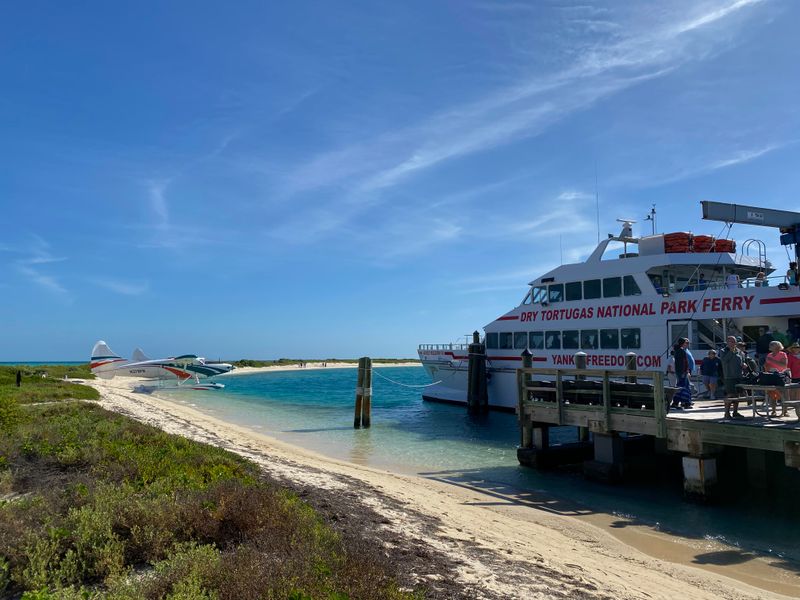
Choosing how to reach Dry Tortugas shapes your day. The Yankee Freedom ferry is budget friendly, includes lunch, snorkel gear, and a ranger tour, but it is a long, rolling 2.5 hour crossing each way. The seaplane is fast and thrilling, with soaring views of reefs and shipwrecks that make arrival unforgettable.
Time matters here. A half day flight offers around 2.5 hours on island, while the ferry grants closer to four. Book months ahead, especially in winter and spring, and pack motion relief, sun layers, a dry bag, and extra snacks.
Either way, you step onto white sand with sapphire water ringing Fort Jefferson. That first breath of ocean air feels like arrival at the edge of everything.
2. Fort Jefferson Highlights
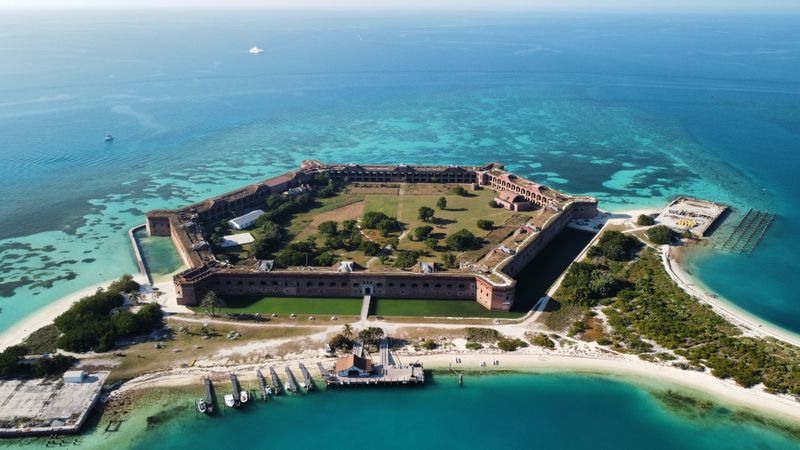
Fort Jefferson dominates Garden Key, a staggering hexagon of more than 16 million bricks. Walking the casemates and parade ground, you feel the breeze funnel through arches while waves shimmer beyond portholes. Climb carefully to the top tier for panoramic views of the moat, beaches, and distant keys.
History comes alive in small details. Peek into Dr. Samuel Mudd’s cell, study rusted hardware, and imagine soldiers enduring heat and hurricanes. Interpretive signs are limited, so download the NPS brochure or join the guided ranger talk when you land.
Bring water and a flashlight for dark corners, and watch your step along unfenced edges. This is the largest brick structure in the United States, and it absolutely feels monumental.
3. Snorkeling the Moat and Reefs
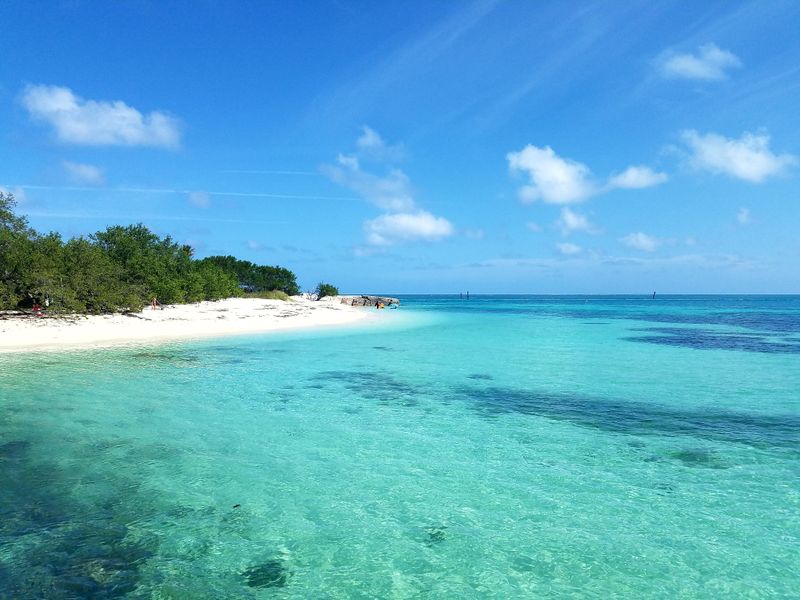
Slip into the water along the designated beaches and you are instantly in another world. Calm, bath warm seas reveal sea grass meadows, patch reefs, and schools of yellowtail flickering like confetti. On clear days, the moat wall shelters parrotfish, snapper, and the occasional barracuda cruising with silver cool.
Bring a snug mask and reef safe sunscreen to protect the fragile corals. Visibility varies with wind and tides, so do not despair if morning looks cloudy. Try the south side later, where many visitors report better clarity.
Rangers provide safety tips, and the ferry lends gear, but your own setup always seals a good fit. Float slowly, breathe steady, and let the quiet erase everything but sunlight and sway.
4. Camping on Garden Key
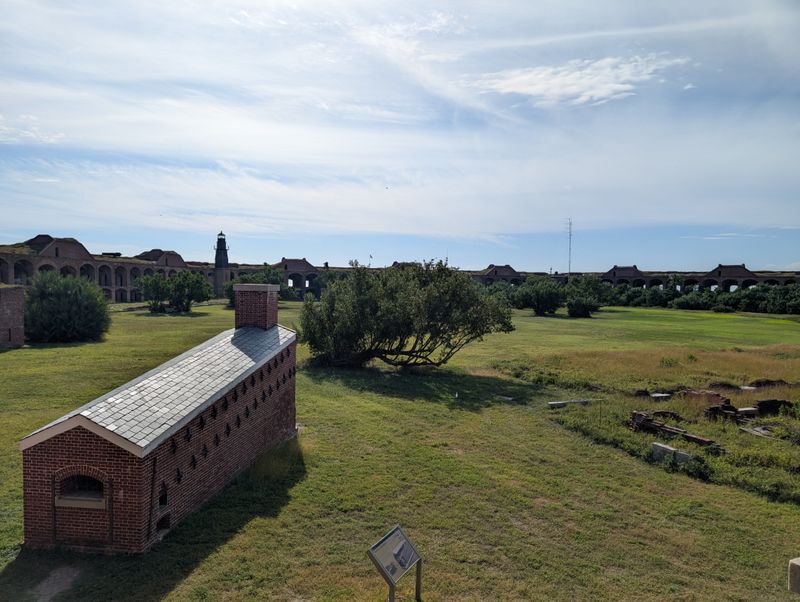
If solitude calls, camping on Garden Key is magic. Only a handful of sites sit steps from the beach, so nights bring starlight, surf, and the fort’s silhouette glowing in moonlight. You haul everything in on the ferry, from water to fuel free meals, and pack it all out again.
Reservations are limited and must be secured early. Expect vault toilets, picnic tables, and no fresh water, power, or ice. Winds can rise quickly, so stake guylines and use sand anchors.
Sunrise over the parade ground feels like a private show. Morning snorkeling before day trip crowds arrive is blissfully calm. If you crave quiet, this is your front row seat to the park’s true character.
5. Birding and Wildlife Encounters
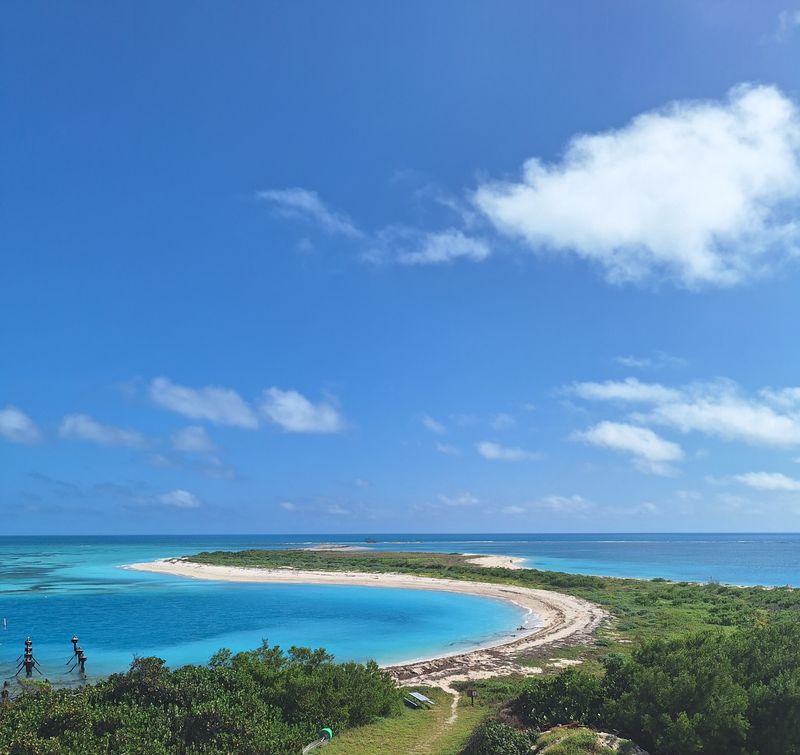
Dry Tortugas sits on a major migration flyway, so birding can be phenomenal. In spring, sooty terns and brown noddies swirl over Bush Key, while frigatebirds soar like kites on invisible strings. On beaches, watch for oystercatchers tiptoeing the tide line and ghost crabs vanishing into tiny holes.
Marine life surprises you too. Rays cruise sandy patches, sea turtles surface with calm certainty, and tarpon flash silver in the shallows. Please keep respectful distance and follow closures to protect nesting colonies.
Bring lightweight binoculars, a long lens, and patience. Early morning and late afternoon produce softer light and gentler winds. A compact field guide downloaded offline helps identify visitors blown in by storms and season.
6. Essential Planning and Permits
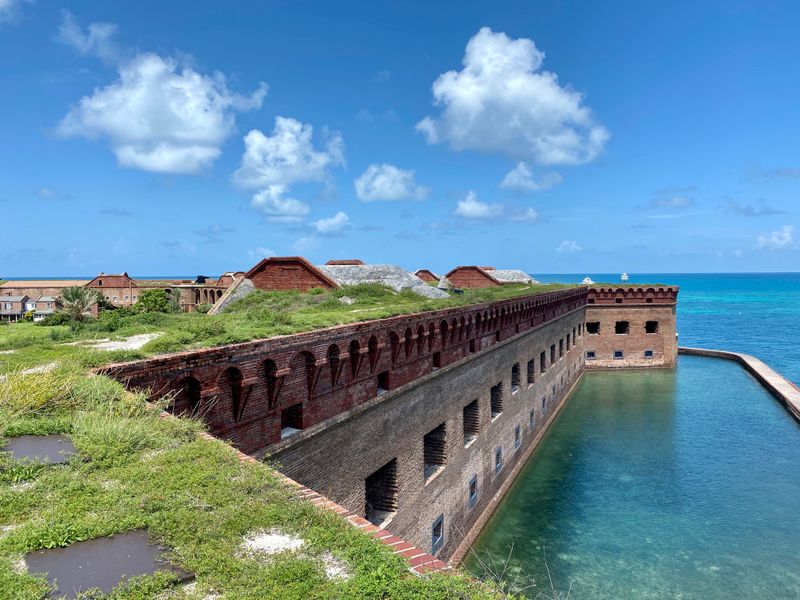
Scarcity rules out here, so preparation pays off. Book ferry or seaplane months ahead, confirm departure times, and arrive early with government ID. Print or download tickets and the NPS map because cell service disappears quickly once you leave Key West.
No stores, fuel, or potable water exist on the islands. Pack at least a gallon of water per person, sun layers, reef safe sunscreen, and sturdy sandals for hot brick and coral rubble. Fishing requires a Florida saltwater license outside protected zones, so check regulations carefully.
Drones are prohibited, and Leave No Trace is more than a slogan. Bring a small first aid kit and motion relief for the crossing. With basics dialed, the day feels effortless.
7. Best Time to Visit and Weather
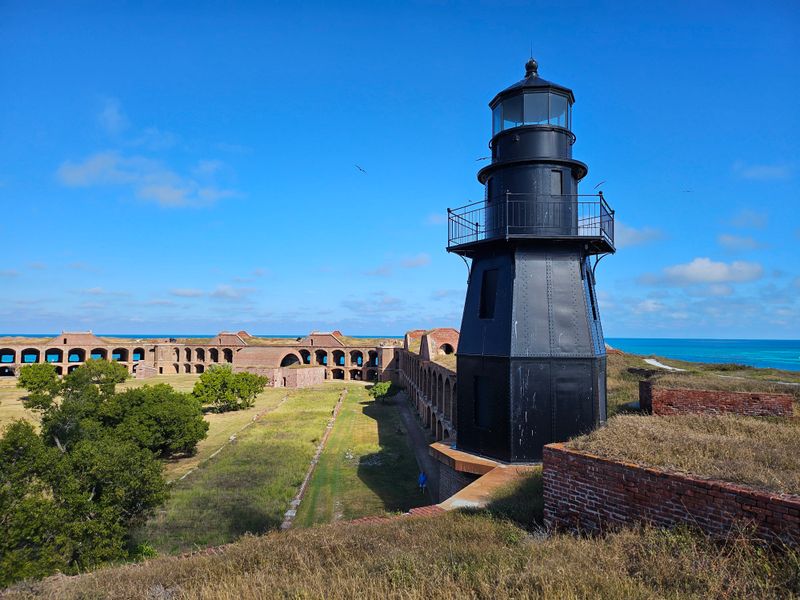
Weather drives everything at Dry Tortugas. Winter and spring often bring the clearest water and gentler humidity, but occasional north winds can bump the ferry. Summer is calmer and hot, with glassy seas perfect for snorkeling, plus afternoon storms that pass like quick curtains.
Hurricane season requires flexibility. Watch forecasts closely and build buffer days into plans. If winds spike, visibility can drop, yet sunshine often returns fast, restoring that surreal turquoise clarity everyone raves about.
Arrive on the earliest transport you can. Mornings feel cooler, beaches are quieter, and birdlife is active. No matter the month, pack sun protection, electrolytes, and lightweight layers so you can roam the ramparts comfortably all day.
8. Respecting the Reef and History
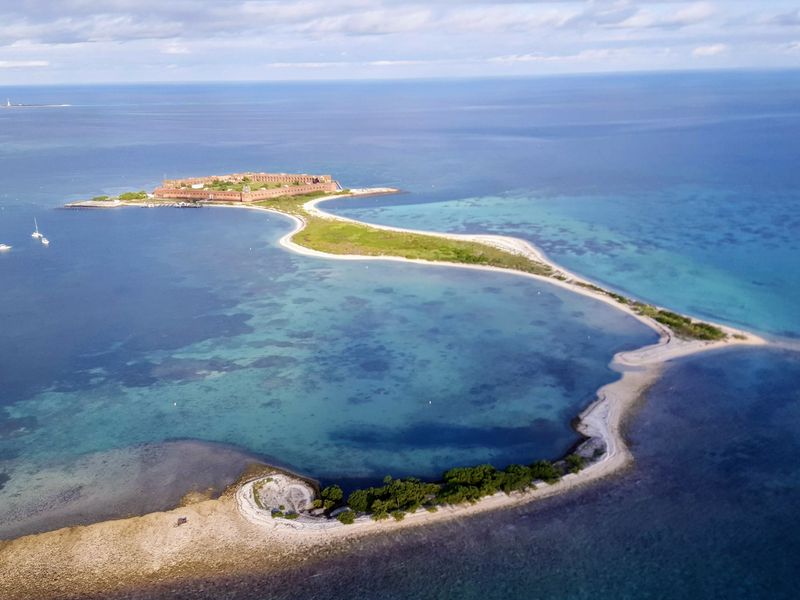
Beauty here is delicate. Corals stress easily, so float, do not stand, and keep fins lifted above the reef. Use mineral based reef safe sunscreen or better, wear a long sleeve rash guard and hat to protect skin and the ecosystem at the same time.
Inside Fort Jefferson, bricks and arches have weathered salt, storms, and time. Please avoid climbing unsafe edges, and do not remove artifacts or shells. The moat wall and coquina stones tell stories that deserve careful footsteps.
Pack out every crumb, even biodegradable scraps, because wildlife quickly associates people with food. Ask rangers questions and join talks when offered. Your respect helps keep this remote paradise wild for the next lucky visitor.