This Hidden Florida Museum Is Home To One Of The World’s Largest Shell Collections
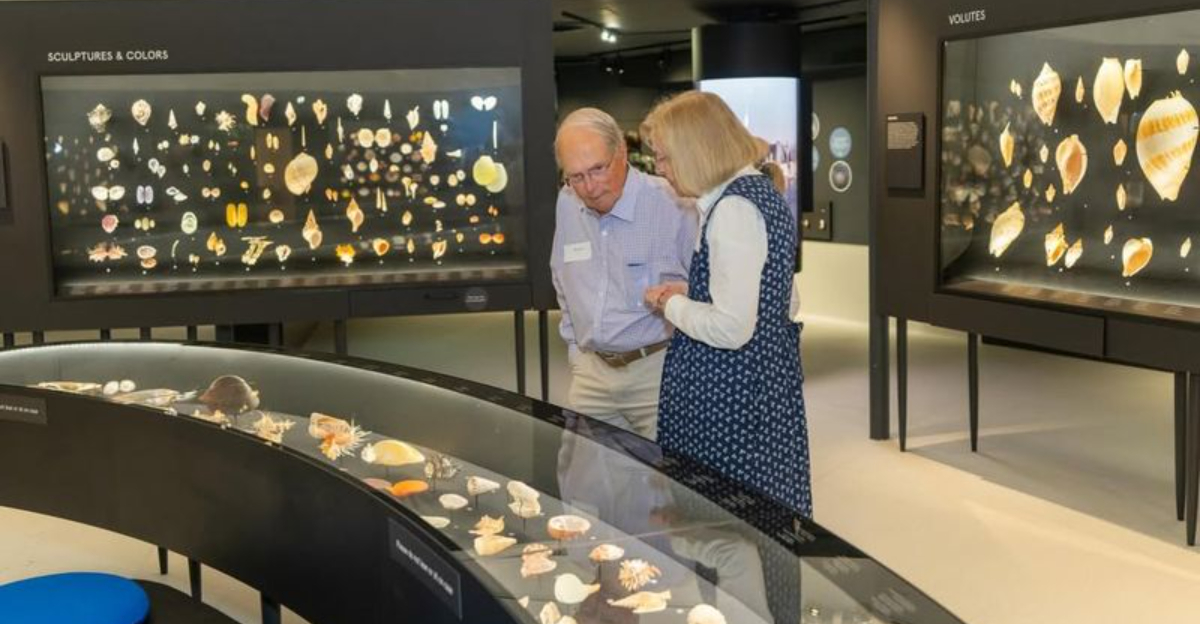
Tucked along Sanibel Captiva Road, this award-winning museum quietly houses one of the largest and most mesmerizing shell collections on Earth. Step inside and you will find world-class exhibits, live aquariums, and hands-on moments that make shells feel alive with story and science. Whether you are a lifelong sheller or simply curious, the displays and docents bring every spiral and pattern into focus.
Ready to see why visitors keep calling it a must-visit treasure?
1. The Great Hall of Shells
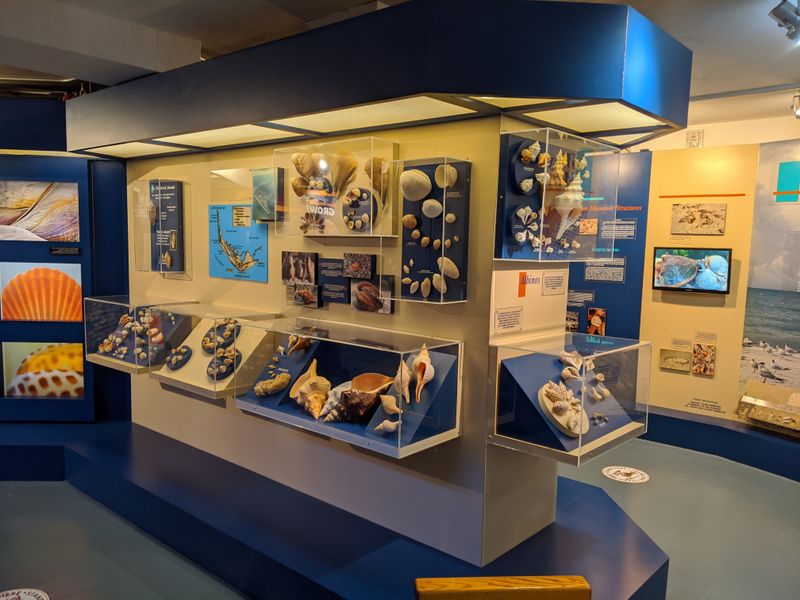
Walk into the Great Hall of Shells and the sheer scale stops you. Rows of gleaming cases stretch across the floor, each packed with exquisite mollusks from Sanibel and around the world. You will notice careful lighting that reveals ridges, spirals, and color bands in breathtaking detail.
Friendly signs explain how shells form, why patterns vary, and which species call local waters home. Docents hover nearby, answering questions with patience and enthusiasm. You can linger at rare specimens, comparing sizes and shapes side by side.
The hall feels both scientific and personal, like a love letter to the sea. You leave understanding why collectors obsess over a single whorl. It is a space made to inspire curiosity.
2. Live Aquariums and Touch Tanks
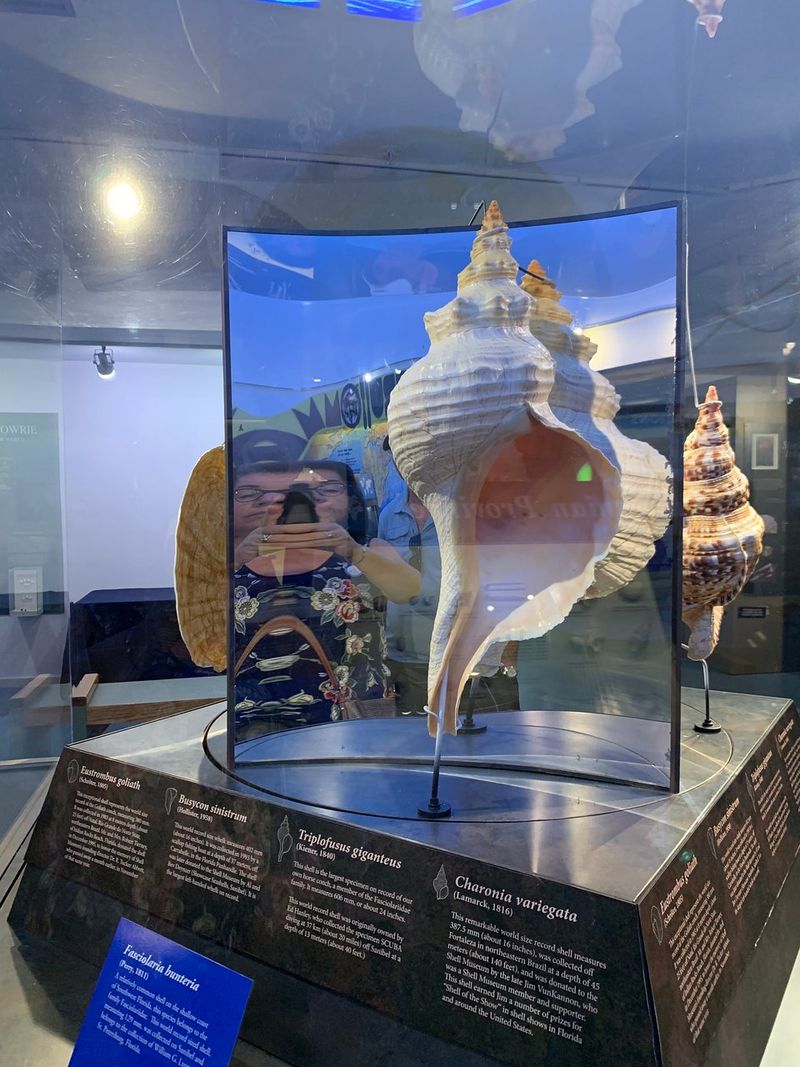
Downstairs, the aquariums pulse with life. Seahorses float like punctuation marks, while snails glide across glass in slow, purposeful arcs. You can watch feedings and see animal behaviors that connect the shell to the living creature inside.
The touch tanks might become your favorite stop. After washing hands, reach in and gently meet sea stars, urchins, and mollusks, guided by attentive staff. They teach you safe handling and share quick facts that stick.
It is rare to be invited to touch museum objects, and that permission makes learning feel immediate. You leave more careful on the beach, seeing shells as homes first. The hands-on experience cements respect for Sanibel’s marine life.
3. Cuban Polymita Showcase
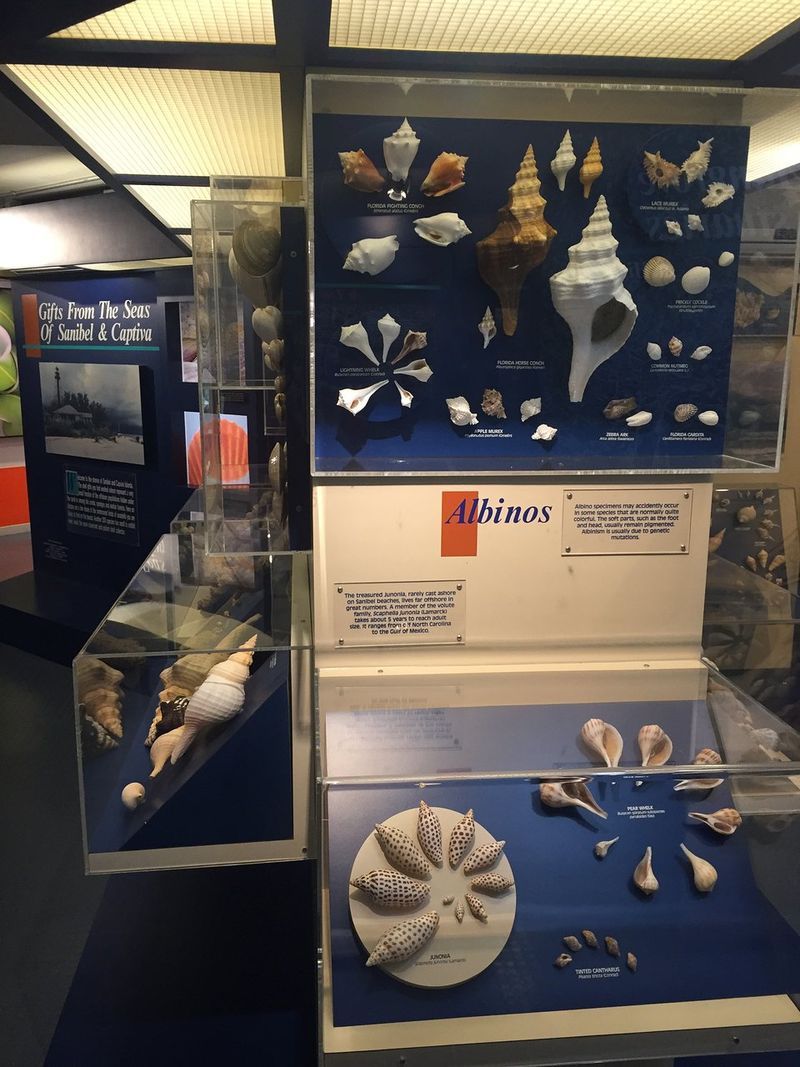
The Cuban Polymita exhibit dazzles with color you would swear was painted. These land snail shells glow in candy stripes and tight spirals, each one a miniature masterpiece. Standing here, you realize nature can outshine any artist’s palette.
Interpretive panels explain the species’ fragile habitats and conservation status. The museum frames beauty with responsibility, reminding visitors that rarity carries obligations. You will likely spend extra minutes comparing striping patterns and noticing tiny imperfections that make each shell unique.
This thoughtful display turns admiration into stewardship. By the time you move on, the lesson lingers. Beauty is not just to be collected, but protected, and the Polymita becomes your unforgettable proof.
4. Seahorse and Octopus Talks
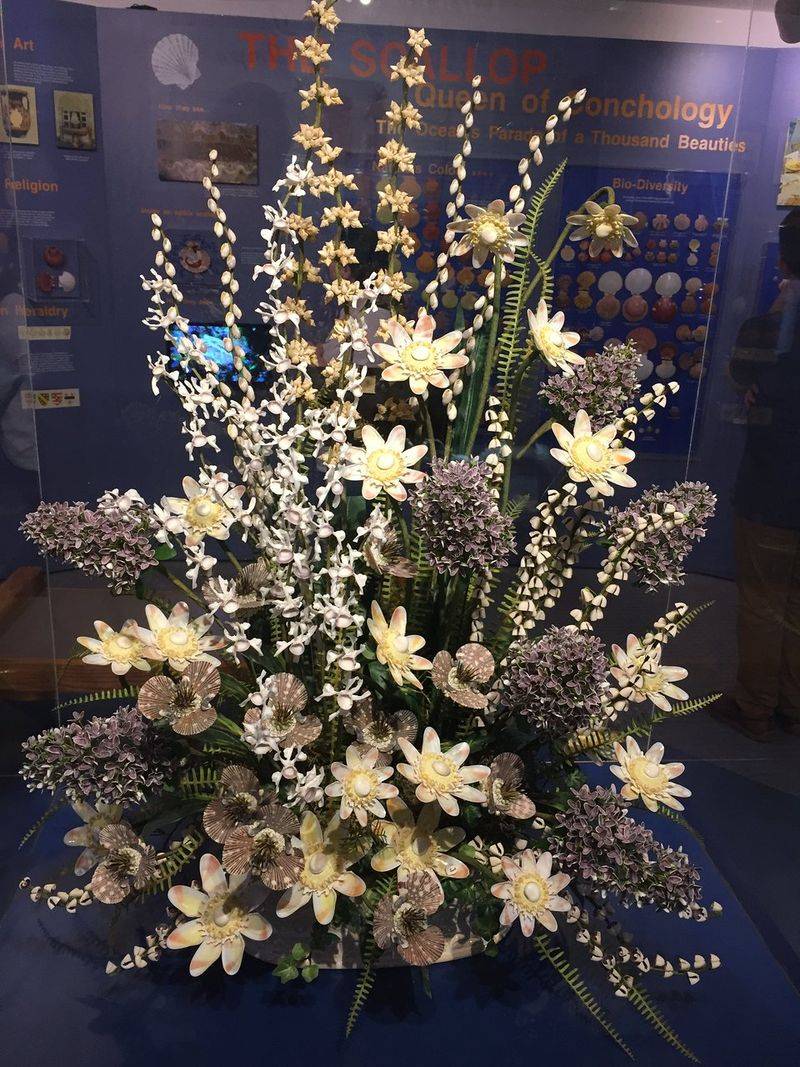
Catch an aquarist session and the exhibits come alive. Seahorses anchor themselves with tails while the octopus rearranges its world, curious and quick. The educator weaves biology with stories, turning complex science into crisp, memorable nuggets.
You will learn how seahorses feed, why they pair, and what makes their camouflage so effective. Then comes the octopus, a puzzle solver that changes color and texture in a blink. These talks feel intimate, like being invited behind the scenes.
Questions are welcomed, and answers arrive with warmth. You leave hearing the exhibits in a new voice. It is a highlight that turns casual interest into lasting fascination.
5. Shells in Culture and Fashion
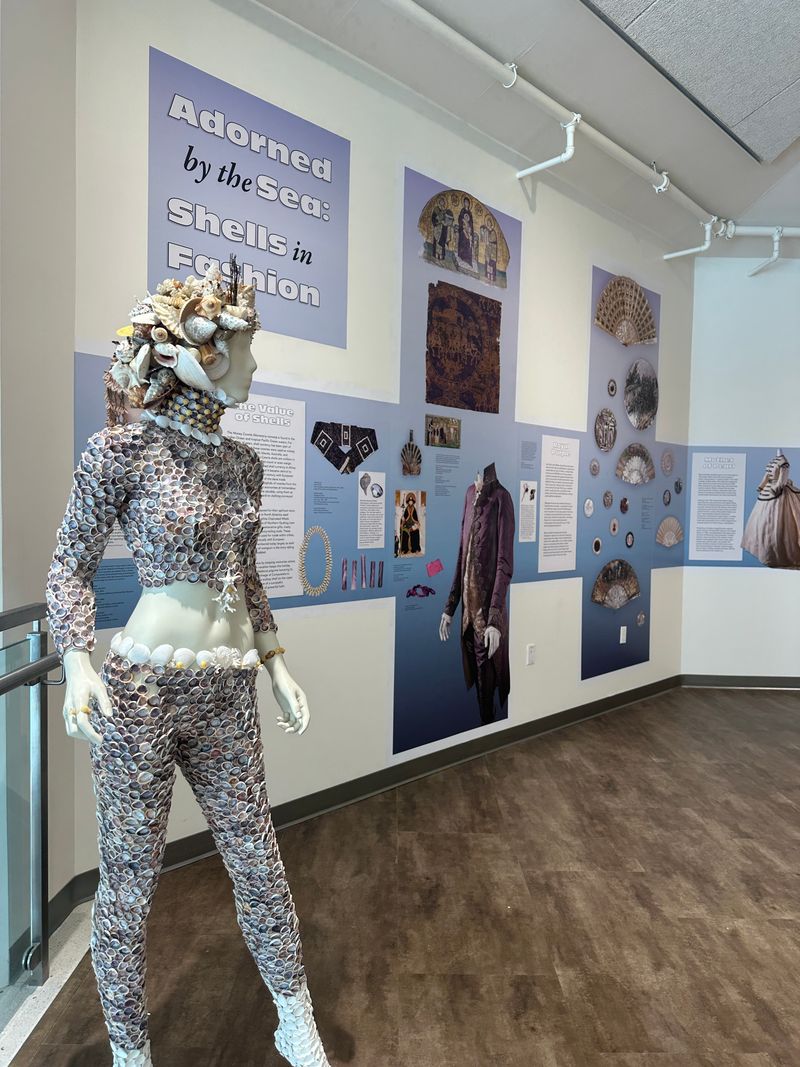
Upstairs, an elegant gallery explores how shells travel from shorelines into human creativity. From ceremonial pieces to runway details, the exhibits trace craftsmanship across cultures and eras. You will see adornments that feel both timeless and surprisingly modern.
Context panels explain symbolism, trade routes, and techniques used to shape fragile material into durable beauty. The narrative connects art with ecology, asking who benefits, who loses, and how sourcing can be ethical. It is thoughtful without feeling heavy.
Standing before these objects, you start noticing shells everywhere in design. The gallery gives you vocabulary for patterns you already love. You step out inspired to look more closely at the details on clothes, jewelry, and keepsakes.
6. Family Fun: Treasure Hunt and Kids Play Zone
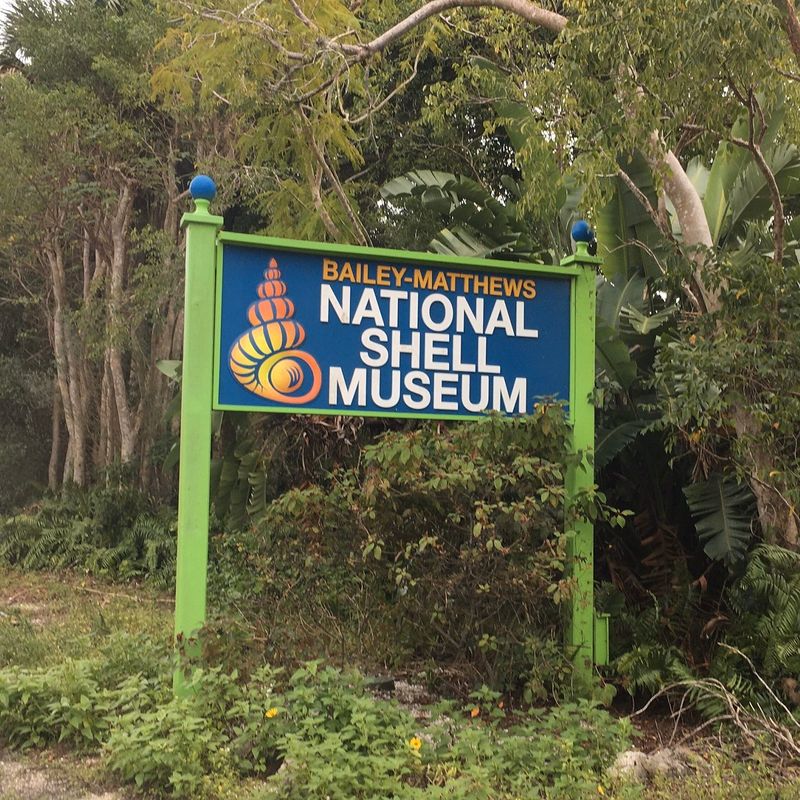
Families light up when they find the museum’s treasure hunt. Kids scan cases for clues, matching shell silhouettes to names and stamps. It keeps little hands busy while building observation skills you will notice later on the beach.
Nearby, the play zone brings shells down to kid height. Interactive stations let children sort by shape, color, and habitat, all with gentle guidance. Staff celebrate curiosity, not perfection, so everyone feels successful.
Parents appreciate how the activities fold learning into movement. Breaks are easy, bathrooms close, and the pace stays gentle. By the end, the whole crew has favorite shells and a plan to spot them outside.
7. Planning Your Visit
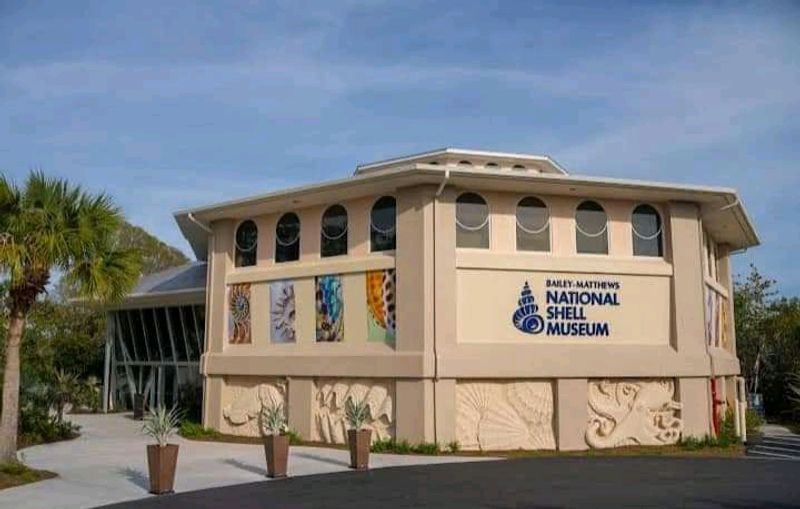
Set your GPS to 3075 Sanibel Captiva Road and watch for the welcoming facade. The museum opens at 10 AM most days, with closing at 5 PM on Wednesdays, so morning arrivals work well. Call +1 239-395-2233 or check shellmuseum.org for updates.
Parking is straightforward, and the lobby flows into ticketing and the gift shop. Grab a map to plan the Great Hall, aquariums, and upstairs galleries. If possible, time your visit to catch an aquarist talk.
Docents make a huge difference, so bring questions. Give yourself two hours minimum, longer with kids or photography. You will leave with sharper eyes for Sanibel’s beaches and a deeper respect for the lives inside every shell.