This Florida Automotive Museum Is a Time Capsule of Drag Racing’s Golden Years
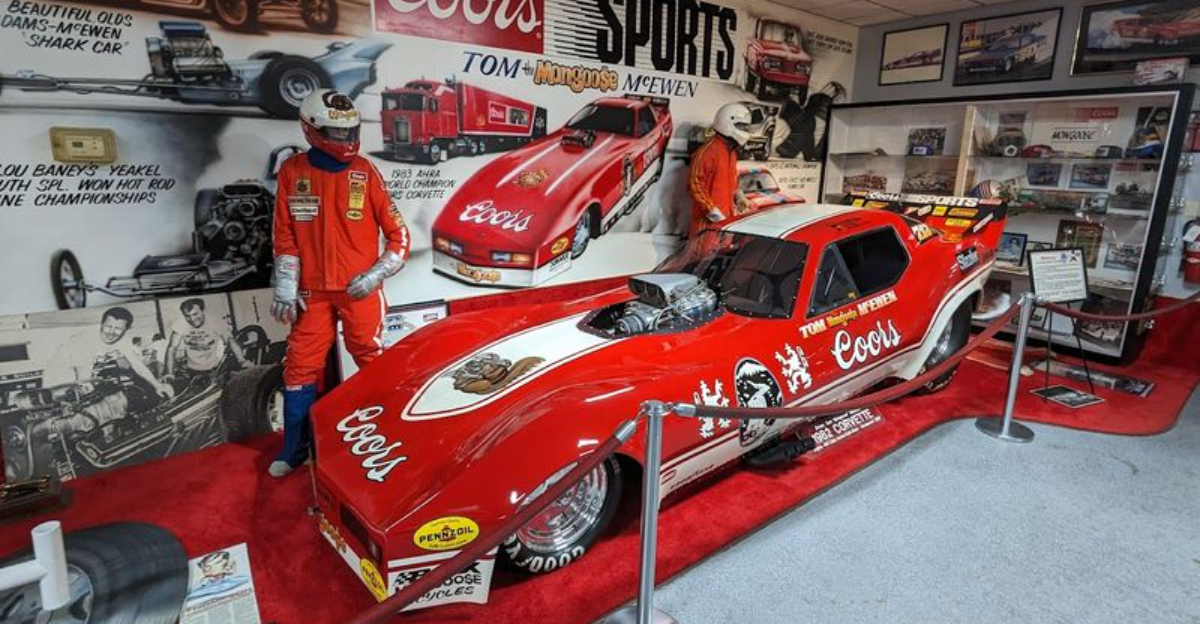
Step inside the Don Garlits Museum of Drag Racing in Ocala and you feel the pulse of America’s fastest era. Legendary machines sit inches away, every panel and weld telling stories of grit, innovation, and fearless speed. Visitors rave it is worth every minute, and you can easily spend hours catching details you missed the first pass.
If horsepower, history, and hands-on craftsmanship move you, this place will hook you fast.
1. Big Daddy’s Swamp Rat Legacy Gallery
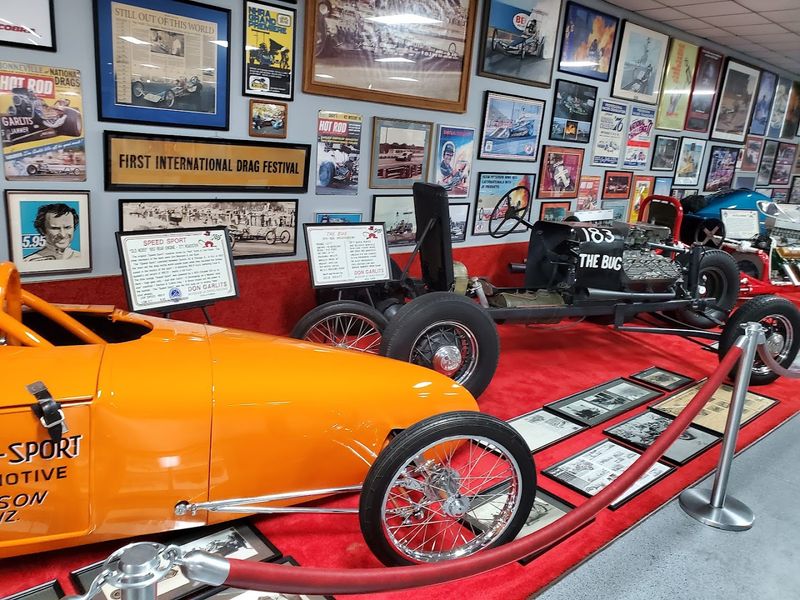
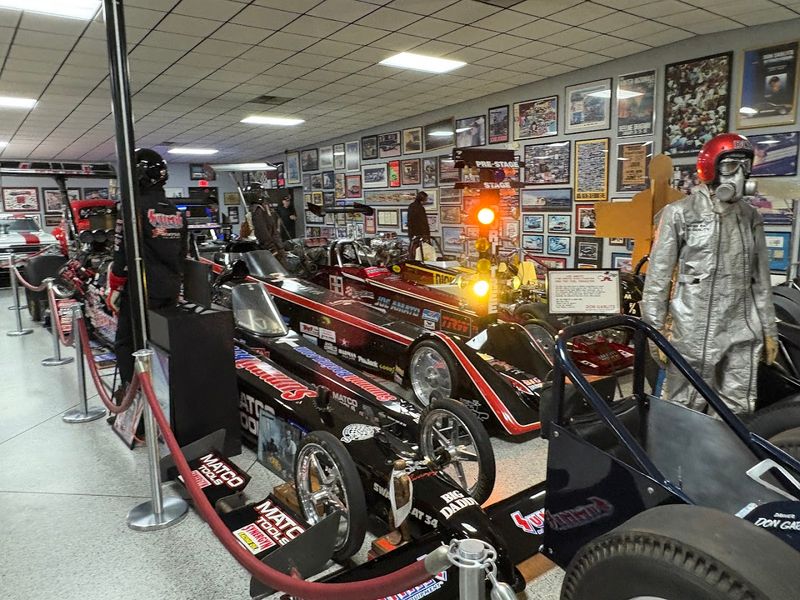
Walk into the Swamp Rat gallery and the story of Don Garlits unfolds in metal and nitro. Each Swamp Rat marks a turning point, from crude rails to wind-tunnel sleek missiles. You will spot clever fixes, broken parts saved as trophies, and engineering leaps that redefined top fuel racing.
Stand close and compare wheelbase changes, canopy experiments, and evolving safety ideas. Photos and trophies surround the cars like a living timeline, making the leaps in speed feel personal. If you love problem solving under pressure, this room is a masterclass.
Visitors whisper like it is a chapel, only for horsepower. The legends are a few feet away, and the craftsmanship rewards slow, curious eyes.
2. The Engine Room: Nitro, Hemis, and Cutaways
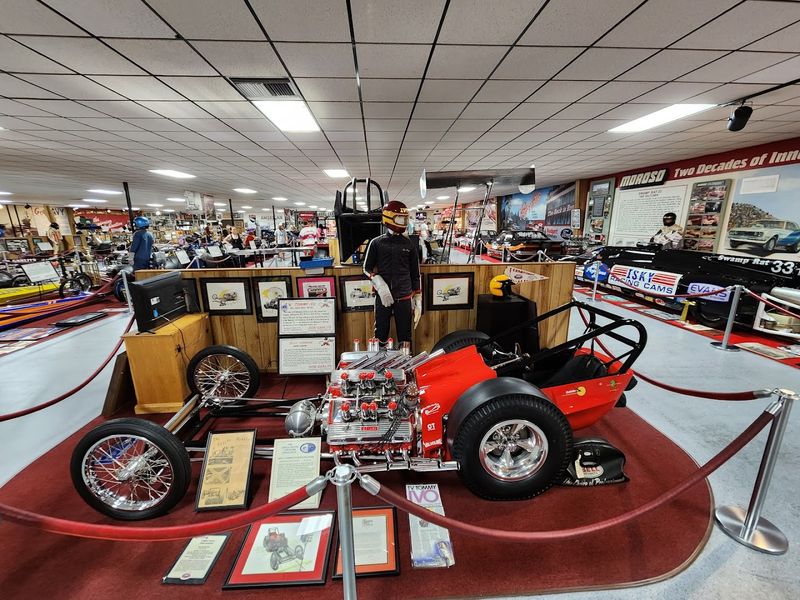
The engine room is where you can practically smell the nitro even on a quiet morning. Hemi blocks sit beside cutaways that reveal pistons, rods, and burly crankshafts. You can trace airflow through polished intake runners and feel how each choice traded durability for speed.
Information cards keep jargon friendly, so you do not need to be a machinist to follow along. Still, if you wrench on weekends, you will linger over cam profiles and safety innovations. It is a treasure hunt of metallurgy and muscle.
Many reviews call this their favorite stop, and it is easy to see why. The exhibits make complex engineering click, turning roaring legend into understandable craft.
3. Hall of Legends: Drivers, Trophies, and Milestones
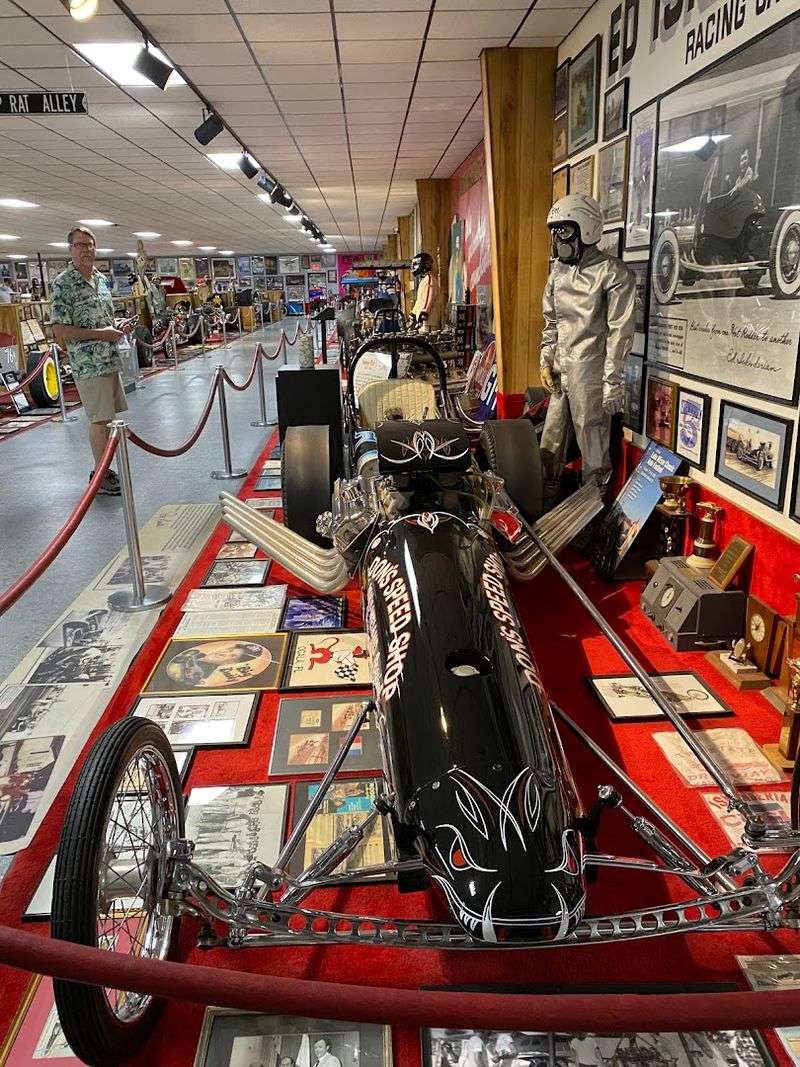
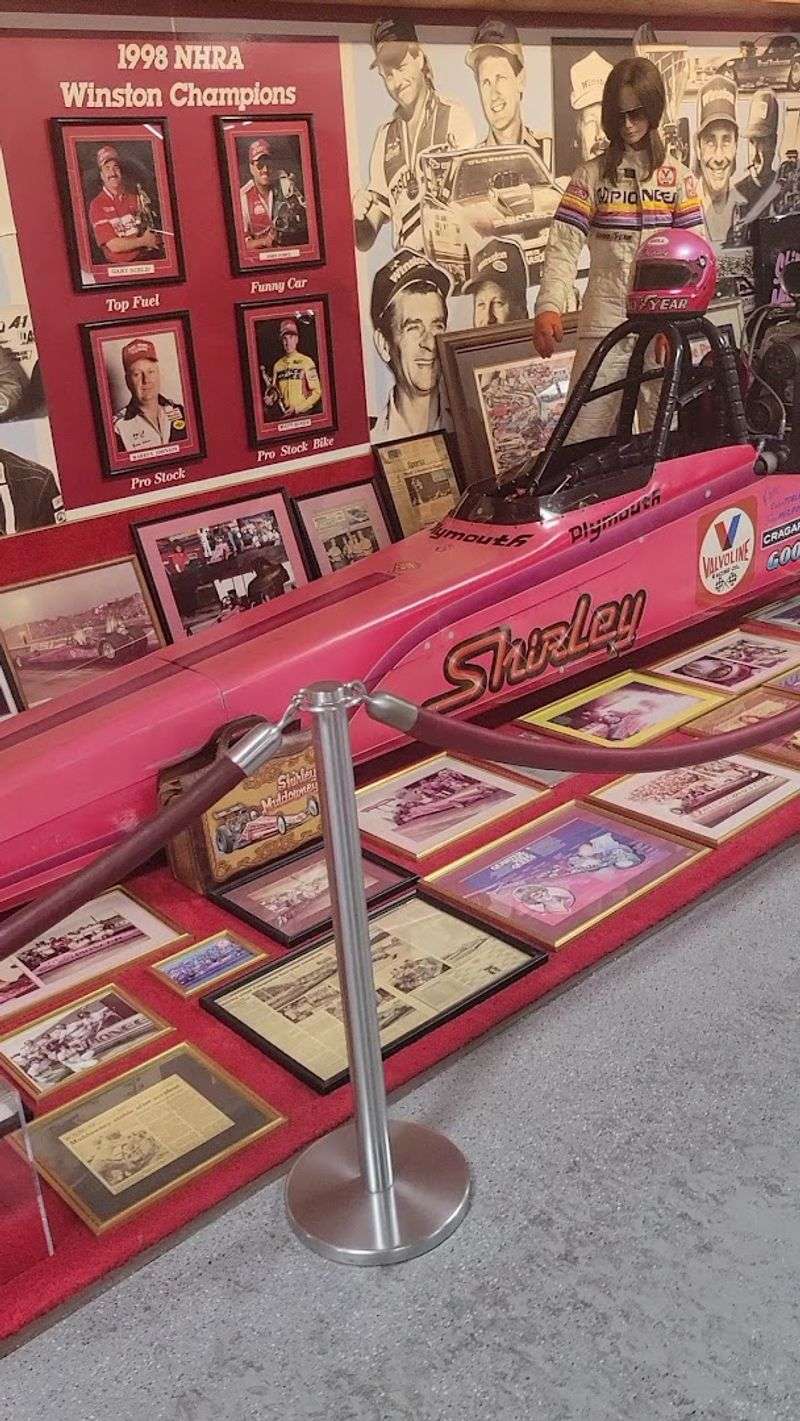
This hall feels like flipping through drag racing’s family album. Trophies glint under soft lights while photos freeze burnouts, holeshots, and hard-won smiles. You will read about rivalries that pushed speeds higher and safety forward, all connected by Don’s relentless curiosity.
Period race suits hang with the scuffs and stains of real battles. The displays balance hero worship with honest context, noting crashes, rebuilds, and breakthroughs. You can sense how the sport matured from backyard bravado into serious innovation.
Plan extra time here, because the captions reward slow reading. If you grew up watching races, you will spot familiar names. If not, the storytelling makes every plaque feel personal and immediate.
4. Antique Car Museum Next Door
Your ticket also covers the antique car museum in a separate building, and it is absolutely worth the steps. Here the pace downshifts to craftsmanship and design, with coachwork curves and gleaming chrome. Even non gearheads smile at the nostalgia tucked in gloveboxes and dashboards.
Expect prewar elegance beside postwar optimism, plus memorabilia that paints a full American road trip. This wing surprises visitors who came only for dragsters and leave charmed by motoring history. Take a breath, slow down, and soak up the details.
The contrast sharpens what makes the drag gallery special. Speed is thrilling, but style is timeless. Together, both buildings deliver a complete story of American car culture.
5. Meet the Man: Don Garlits Sightings and Tours
Visitors often mention spotting Don himself greeting guests or leading tours. At 92, he still shares stories with a sparkle that makes history feel alive. If you are lucky, you will hear firsthand how an idea became the next Swamp Rat.
Check the website or call ahead for special tour dates and events. When he talks, the room falls quiet and everybody leans in. You might leave with a new favorite anecdote, the kind only a pioneer can tell.
It is rare to meet a legend where their life’s work surrounds you. Be respectful, listen closely, and you will carry those minutes for years. Reviews call these moments unforgettable, and they are right.
6. Planning Your Visit: Hours, Flow, and Tips
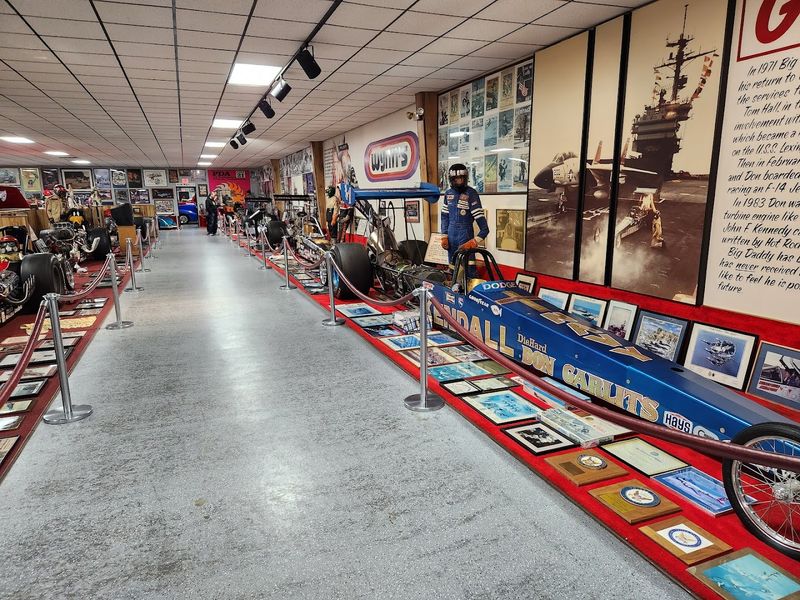
The museum opens at 9 AM, and starting early gives you room to breathe. Budget at least two to three hours, more if you read every placard. Begin with drag racing halls, then stroll to the antique building to reset your senses.
Wear comfy shoes and bring curiosity. Photography is welcome, but slow down and look past shiny paint to see welds and solutions. Staff members are friendly and love questions, so do not be shy.
Weekdays are calmer than weekends. Check the site for events like Mopars at the Museum that can fill the lot. A careful pace means you catch the tiny details collectors and racers obsess over.
7. Why It Matters: Innovation, Safety, and American Grit
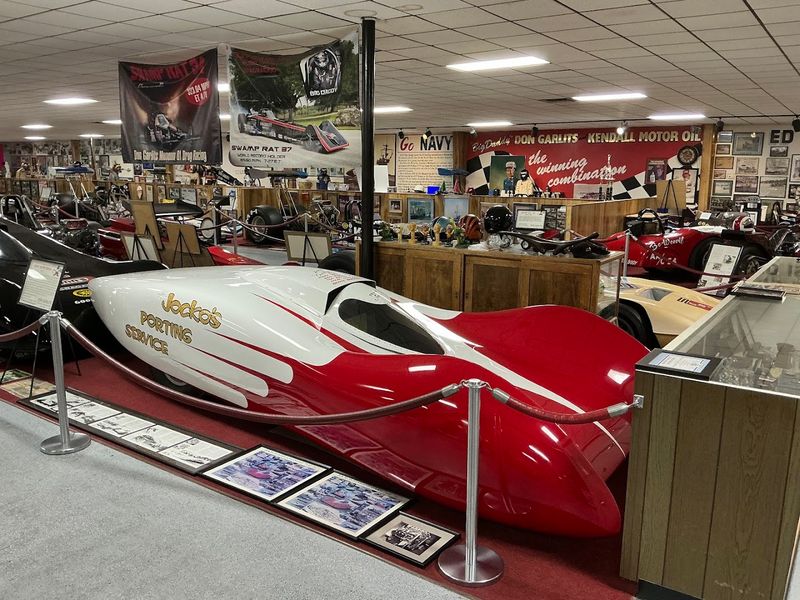
Beyond the spectacle, this museum explains how innovation saved lives and won races. Rear engine breakthroughs, clutch wizardry, and fuel system experiments did not appear by magic. They came from smart risks, failures, and stubborn problem solving baked into every artifact here.
As you walk, patterns emerge. One change reduces danger, another boosts traction, and together they rewrite rulebooks. The result is a sport that grew faster and safer at once, guided by hard lessons.
You leave inspired to tinker, question, and build. That is the museum’s real gift. It reminds you progress is not luck, it is work, and the golden years shine because people kept pushing.