13 Unbelievable Underwater Wonders in Florida (Reefs, Springs & Shipwrecks)
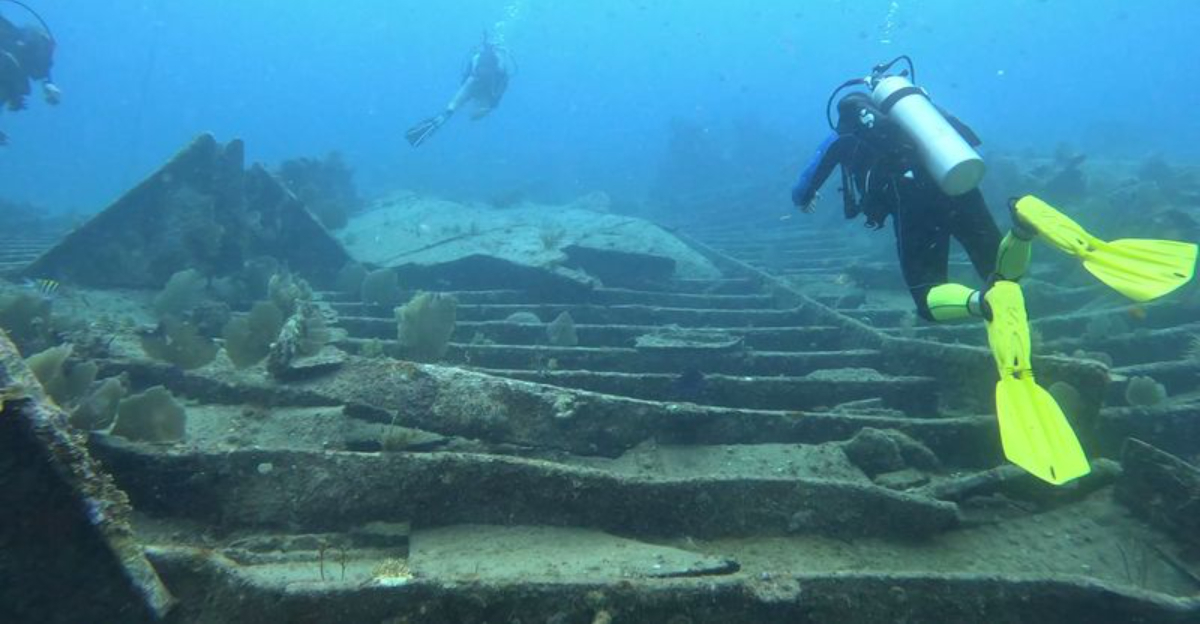
Florida hides an entire world beneath the surface, from coral cities to eerie shipwrecks and aquamarine springs. If you crave glass-clear water, curious manatees, and reef scenes that feel otherworldly, this list is your shortcut.
We are skipping hype and getting straight to places that actually deliver. Ready to dip into the best underwater adventures in the Sunshine State?
1. John Pennekamp Coral Reef State Park (Key Largo)
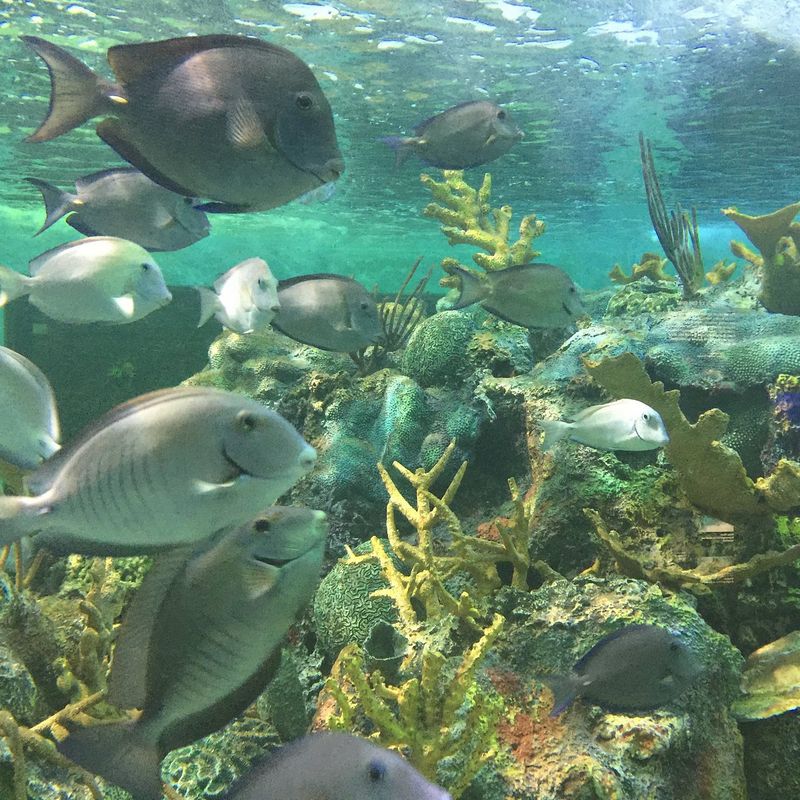
Think of this place as your easiest on-ramp to the Florida Keys reef world. The park’s reef trips are built for regular humans, not just hardcore divers—short boat rides, clear water days that make the ocean look like glass, and shallow coral heads that you can actually see without fighting a current.
Expect parrotfish crunching away like little underwater lawnmowers, neon-blue damselfish guarding their turf, and sea fans waving like they’re trying to get your attention. If you snorkel, the “wow” starts fast: patch reefs close enough to shore that you’ll spend more time looking down than swimming forward.
Locals know to go early for calmer seas and better visibility, then swing back to the mangroves later—those roots hide baby fish, crabs, and the kind of small-scale chaos that’s weirdly addictive to watch.
2. Christ of the Abyss / Christ of the Deep (Key Largo – Dry Rocks Sanctuary Preservation Area)
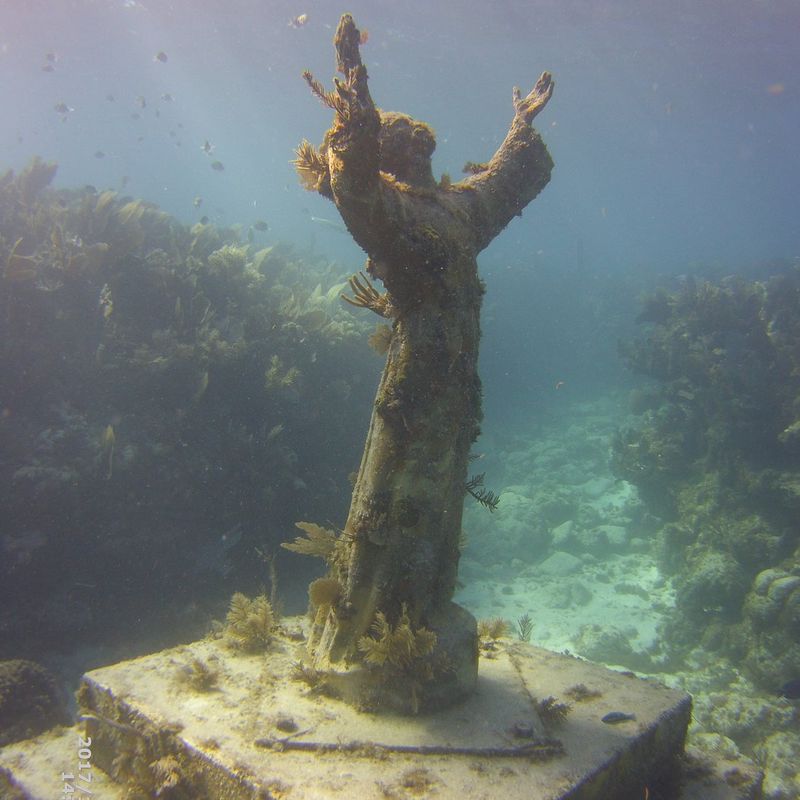
You don’t need to be spiritual to get goosebumps here. Dropping your face into the water and seeing that bronze statue materialize out of reef blues feels like stumbling into a movie set.
The figure sits in relatively shallow water, so on a good visibility day you can float above it and watch the whole scene animate—sergeant majors flickering like little yellow-and-black flags, schools of grunts hovering in place, and the occasional barracuda cruising by as if it owns the tour.
The statue’s outstretched arms draw everyone in, including the fish, which treat the base like prime real estate.
Go on a weekday if you can; weekends get crowded with fins and splashes. When the sun is high, the light rays slice down and turn the whole spot into a glowing underwater spotlight.
3. USS Spiegel Grove (Key Largo)
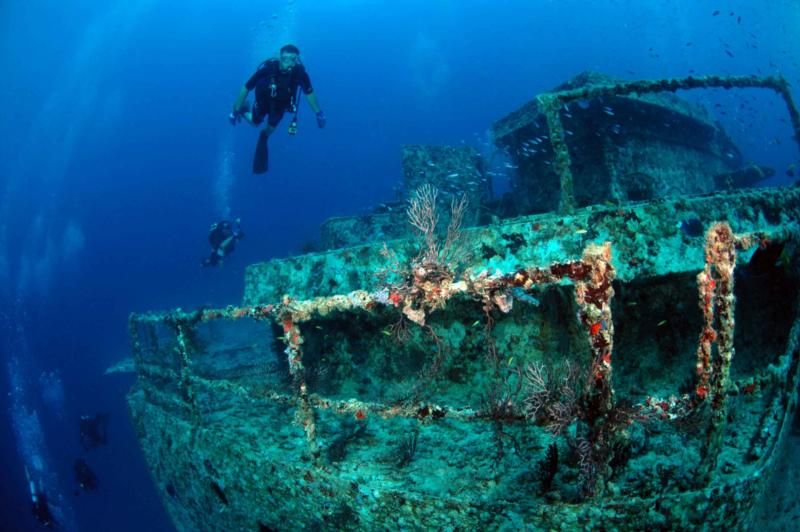
This wreck is big enough to feel like a neighborhood, not a “site.” The ship lies on its side and rises up from the seafloor like a steel cliff, so even before you get close, you’ll see the outline and think, okay, this is the main event.
Divers love it for the sheer scale—towering structures, swim-throughs, and long stretches where you can just cruise and let the ship do the storytelling.
Marine life moved in like it got a group discount: angelfish and grunts around the superstructure, big schools hanging in the lee, and the occasional turtle that looks like it’s casually patrolling the perimeter. Conditions matter here; when the current’s mellow, it’s an easy, grin-inducing ride.
When it’s not, you’ll work for it—and still brag about it later.
4. USNS Vandenberg (Key West)

This one is for divers who want a wreck that feels like it belongs in deep water—because it does.
The Vandenberg is huge, sitting around 140 feet at its deepest, and the scale hits you as soon as you descend: a sprawling profile, tall sections you can circle, and silhouettes that look downright sci-fi when the light fades a bit.
It’s also a magnet for pelagic “drive-bys,” so keep your head on a swivel. One minute you’re admiring coral growth and the next you’re watching a barracuda glide past like a guided missile.
Because it’s Key West, the vibe around the dive is relaxed, but the dive itself is not a casual dip—this is for trained, confident folks with the right plan and gas. Pick a calm-weather window and you’ll get that rare combo: serious depth, clear water, and a wreck that feels alive.
5. Biscayne National Park – Maritime Heritage Trail (near Miami)
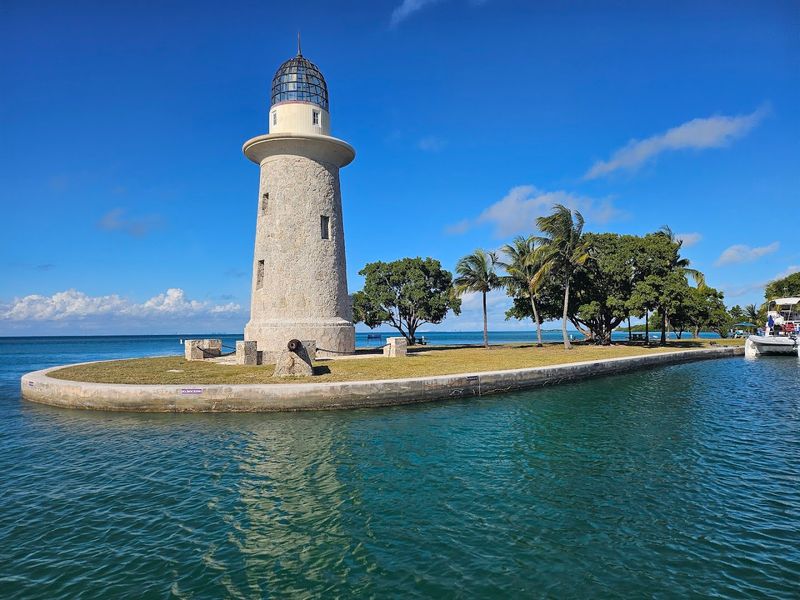
Most people have no idea how much of Biscayne is underwater, and that’s exactly why it’s so good. The Maritime Heritage Trail strings together shipwreck stories you can actually visit, from shallow snorkel-friendly sites to deeper dives that reward you for doing the homework.
One of the best parts is that the setting isn’t a single “wreck = wow” moment—it’s wrecks stitched into seagrass beds, coral patches, and that bright Biscayne water that makes everything look sharper.
The Mandalay is a favorite for a reason: it’s accessible and photogenic, with structure that still reads as a ship, not just scattered debris.
Expect clouds of smaller fish, sponges and corals using the bones as a foundation, and the occasional ray passing over sand like it’s flying. Bonus: you’re ridiculously close to Miami, yet it feels like you teleported.
6. Dry Tortugas National Park (70 miles west of Key West)
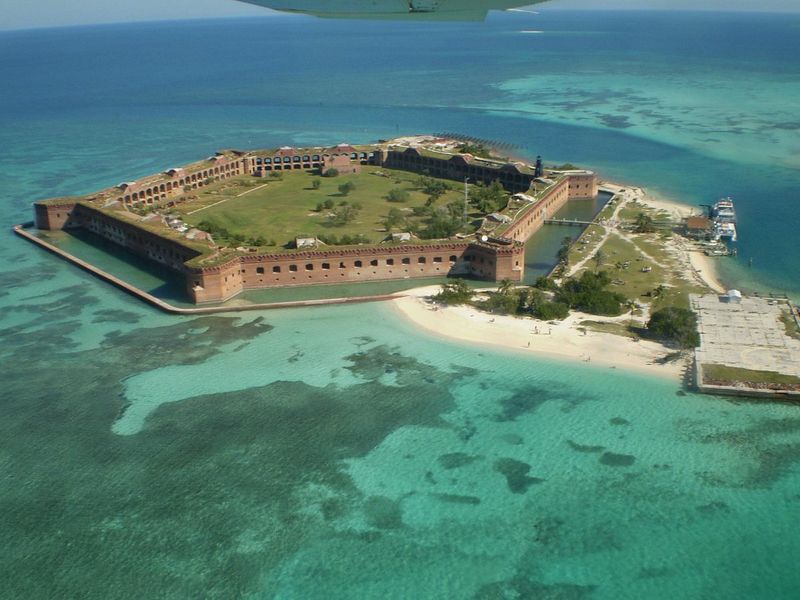
If you’ve ever wanted water so clear it looks fake, this is where Florida shows off. Getting here takes commitment—boat or seaplane, no quick pop-in—but that’s the whole point.
The payoff is snorkeling and diving in a place that feels removed from everything: bright coral, playful reef fish, and visibility that makes you want to keep dunking your mask just to double-check it’s real.
Around Fort Jefferson, the mix of history and underwater color is wild: above water it’s massive brick walls, below it’s reef life doing its thing like the fort is just another backdrop.
On calm days, you can hover over coral heads and watch fish traffic patterns like you’re studying an intersection. Pack for sun and respect the remoteness—there’s no “run to the store.” The Tortugas rewards the people who plan, then slow down.
7. Neptune Memorial Reef (off Key Biscayne)
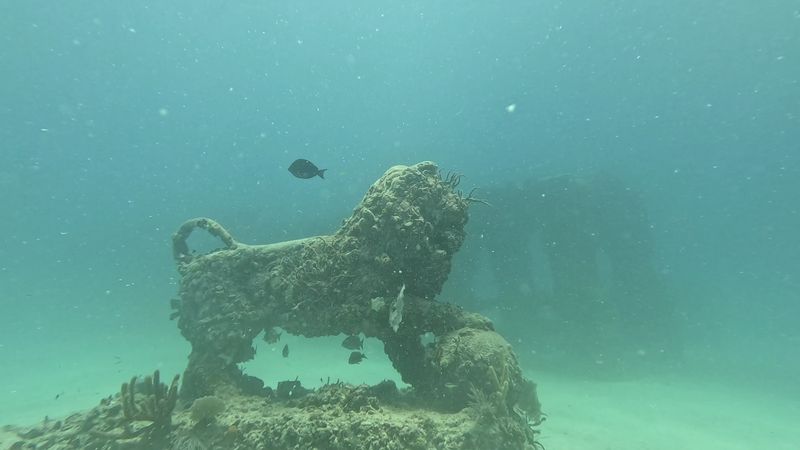
This isn’t your typical reef day, and that’s what makes it memorable. Under the surface sits an art-meets-ocean site that looks like a lost city—columns, archways, and sculptural forms designed to become habitat over time.
Fish weave through the structures like they’re exploring ruins, and the whole place has that quiet, cinematic feel you don’t expect so close to Miami. It’s also a memorial, so the vibe is respectful even when the sea life is busy.
On a good day, you’ll see schools using the columns as cover, plus sponges and corals steadily claiming new territory on the stone-like surfaces.
This is one of those dives where you keep noticing little details: a sea fan tucked behind an arch, a shy fish peeking from a crevice, sunlight striping the “streets.” Bring your curiosity—this spot rewards slow, deliberate looking.
8. Three Sisters Springs (Crystal River)
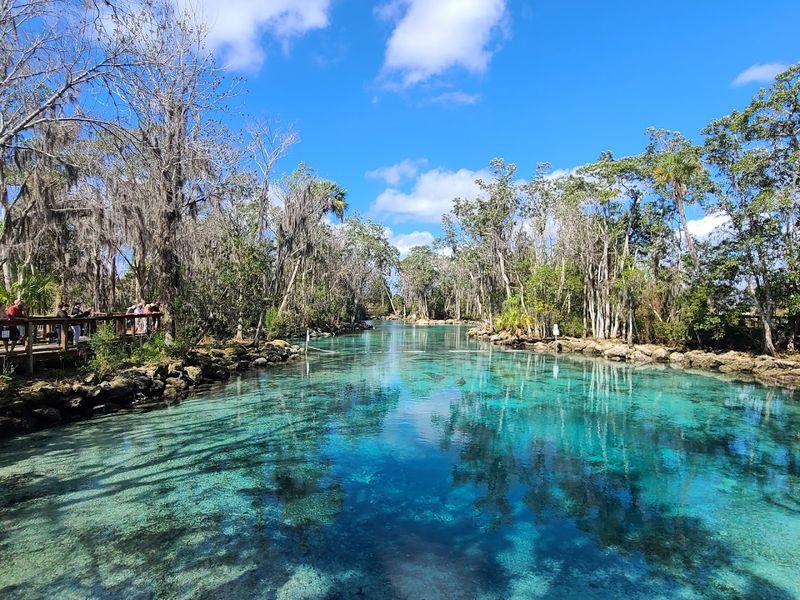
There’s a reason locals get protective about this place: it’s small, fragile, and absolutely unreal when it’s at its best. The spring water is so clear it can make your brain do that “is this even water?” glitch, and in winter the manatees show up because the temperature stays steady.
If you’re lucky and respectful, you’ll watch them glide in like gentle submarines, exhaling bubbles that wobble up through the turquoise. Access and rules can be strict, and honestly, good—this isn’t a free-for-all splash zone.
Timing matters: early mornings are calmer, and colder days tend to bring more manatees. Even when manatees aren’t front and center, the limestone edges, sandy bottom, and swaying vegetation make it feel like a natural aquarium.
Keep your movements slow, your distance generous, and let the scene come to you.
9. Weeki Wachee Springs (Spring Hill)
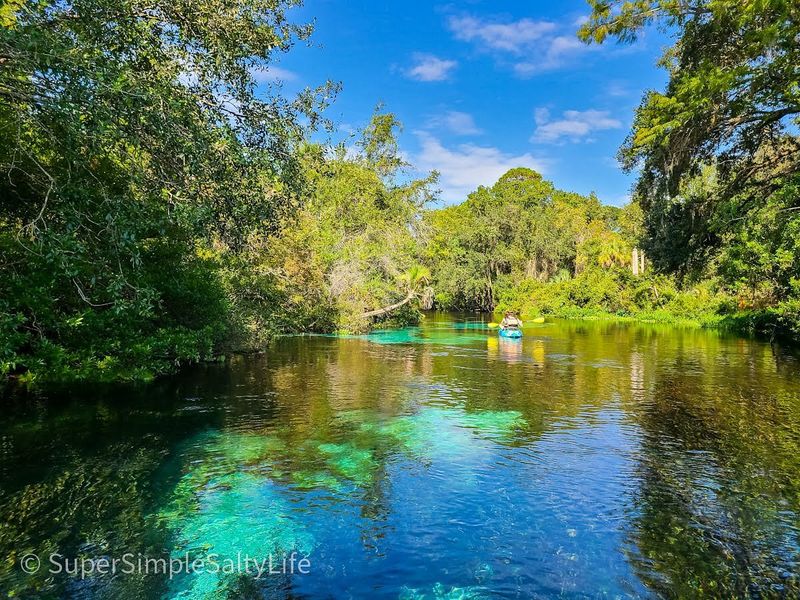
This water has a color that makes people stop mid-sentence. The spring run is that electric, gin-clear blue-green that shows every ripple in the sand and every fish darting through the shadows.
You can kayak or paddle out and peer down into the underwater world like it’s a live feed—schools of mullet cruising in formation, turtles hanging near the edges, and the occasional gar looking prehistoric in the best way.
And then there’s the mermaid history, which is pure Florida weirdness in the most charming sense: performers doing underwater routines in the spring’s clear basin.
Even if you’re not here for the show, it’s part of the local texture. For the best experience, aim for quieter times and bring a mask—snorkeling the run lets you see details from below, like limestone contours and grass beds bending with the current.
10. Ichetucknee Springs State Park (Fort White)
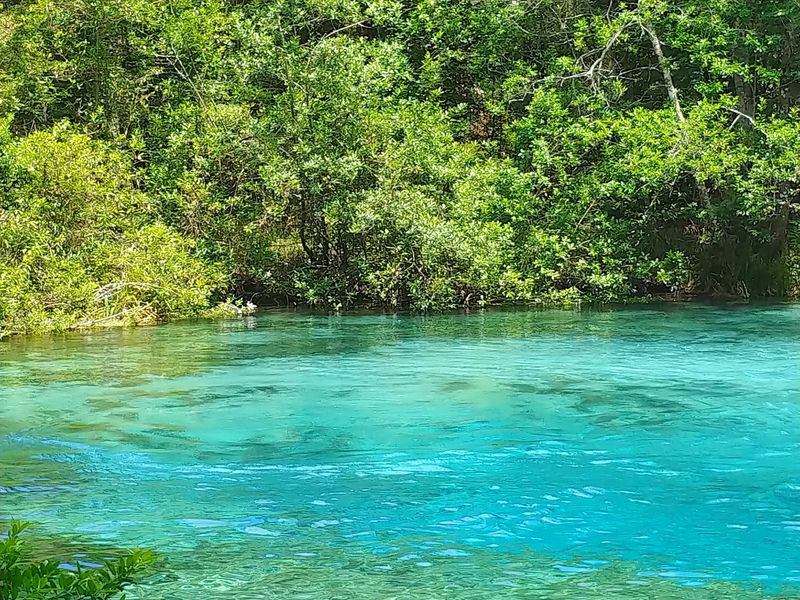
This is one of Florida’s most satisfying “how is it this clear?” places, and the magic is that it keeps delivering mile after mile. The river is fed by multiple springs, so the water stays cool and transparent, with sandy patches that flash bright white under the sun.
Floaters love it, but snorkelers get the secret show: fish hovering over eelgrass, turtles ghosting along the bottom, and freshwater plants swaying like they’re underwater choreography. The current does most of the work, so you’re basically on a slow-moving conveyor belt through a green-and-blue corridor.
On busy days, the people traffic can be a lot, so locals pick shoulder seasons or early entry windows for a calmer drift. Keep your eyes near the edges for wildlife and near the bottom for texture—the riverbed has these subtle ripples and limestone hints that make the whole thing feel alive.
11. Rainbow River / Rainbow Springs area (Dunnellon)
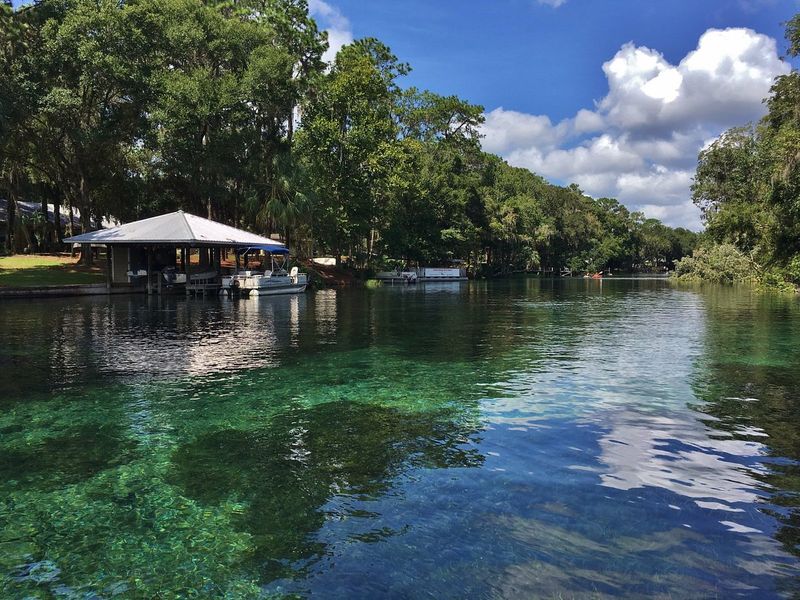
Rainbow River is the kind of place where you’ll catch yourself laughing into your snorkel because it’s so crisp it feels unfair. The water clarity is the headline, but the eelgrass “gardens” are what make it special—long, waving ribbons that shelter fish and create this soft, underwater landscape you don’t see on reefs.
Drifting here is a choose-your-own-adventure: you can float and scan for turtles and bass, or slow down and watch tiny fish zip in and out of the grass like commuters.
The river stays refreshingly cool, which is fantastic until you’ve been in for a while and realize your lips are turning a little blue—classic Rainbow River rite of passage.
Mornings tend to be calmer, and the light hits the bottom in a way that makes every sand patch glow. Bring a mask even if you’re just paddling; the show is below you.
12. Devil’s Den Prehistoric Spring (Williston)
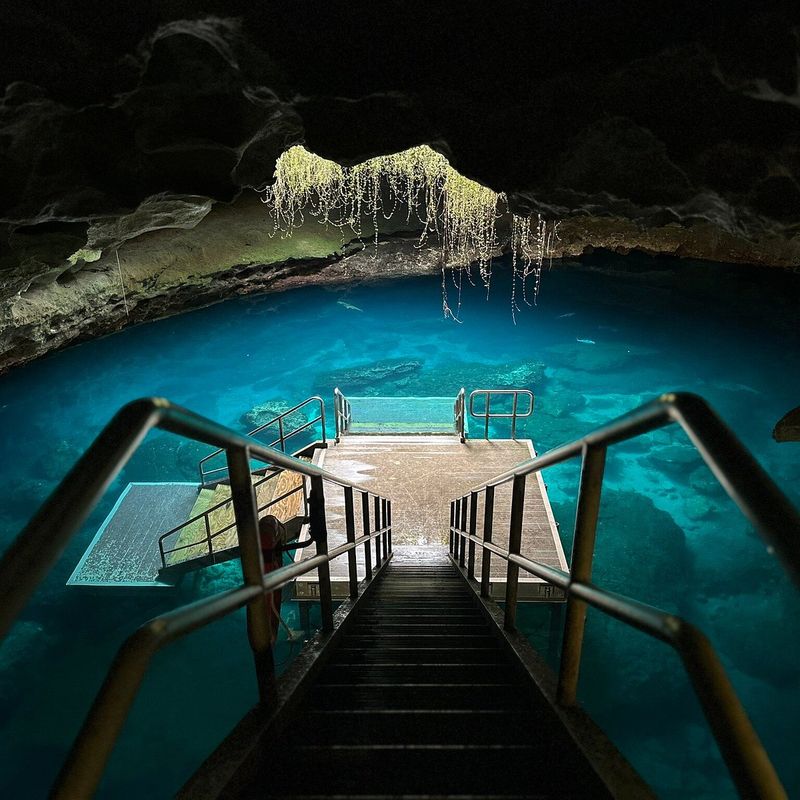
This spot feels like Florida accidentally built a secret level underground. You walk down into a dry cave, then suddenly there’s an open pool of spring water glowing through gaps in the ceiling, with beams of light slicing down like stage lighting.
The first look from the platform is half “wow” and half “how is this real?” Underwater, the vibe shifts again—rock walls, shadowy pockets, and that cave echo that makes every splash sound dramatic.
It’s not a big place, but it’s dense with atmosphere, and photographers love it for those sun rays and the contrast between blue water and dark rock.
Because it’s contained, it can feel busy if you hit peak times, so weekdays are gold. Bring a wetsuit if you run cold; the water stays brisk.
Take it slow and soak in the weirdness—this is one of Florida’s most distinctive swims.
13. Wes Skiles Peacock Springs State Park (North Florida)
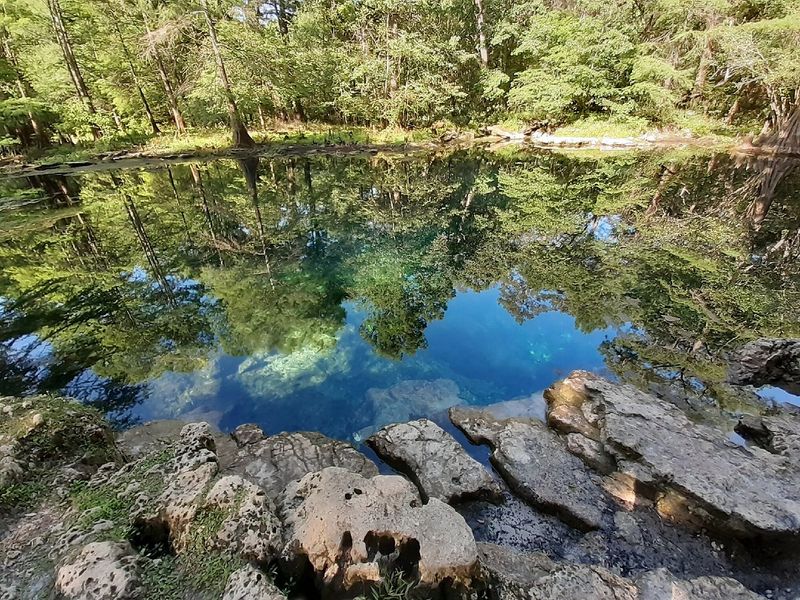
Florida’s cave country doesn’t advertise itself with billboards, but divers around the world know this name. The springs here are a gateway into a massive underwater cave system, with mapped passages that have been explored and documented for decades.
On the surface, it can look deceptively calm—just clear water and a spring basin—but below is a serious environment reserved for trained, properly equipped cave divers.
That said, even non-cave visitors can appreciate the setting above water: clear spring basins, limestone terrain, and a sense that you’re standing on top of a hidden labyrinth.
The area is tied to the legacy of cave diving education and conservation, and the rules reflect that focus on safety and protection. If you’re certified, this is a pilgrimage.
If you’re not, treat it like a fascinating boundary line—an entrance to a world that demands respect, skill, and discipline.