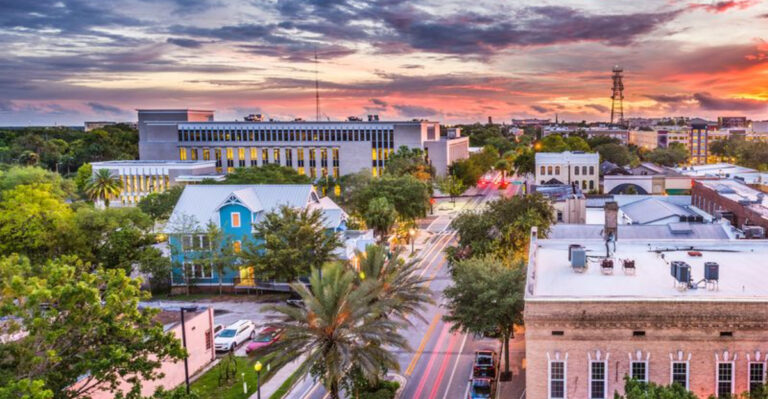
7 Historic Florida Restaurants Where Every Bite Comes With a Backstory
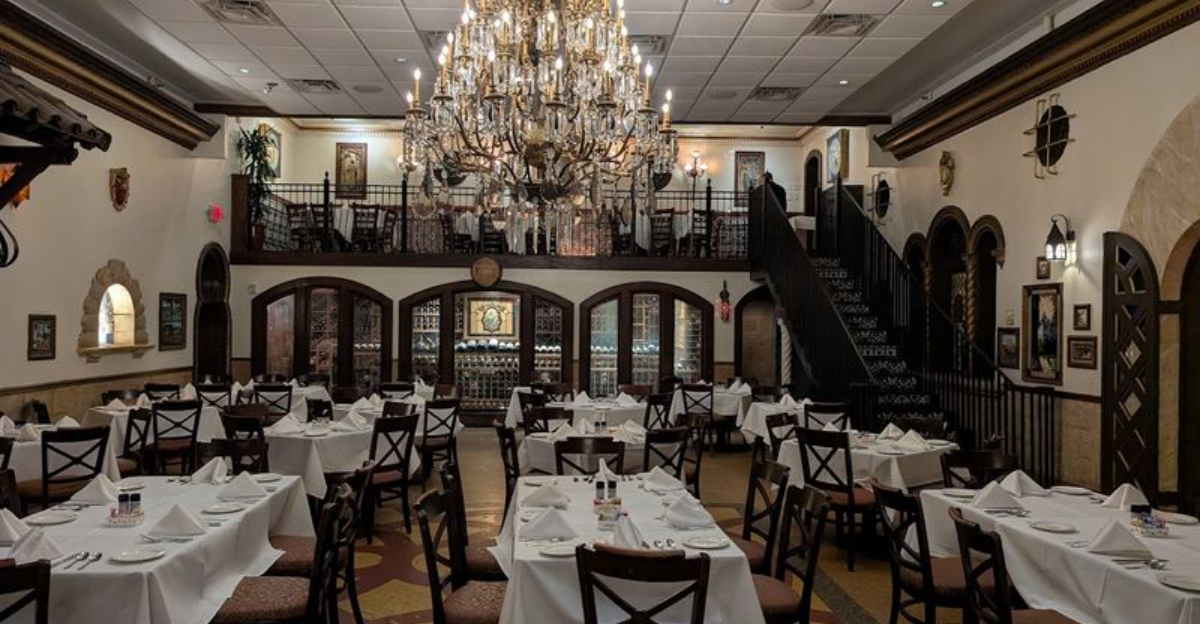
Florida does “historic” differently: it’s not just linen-tablecloth legends and hushed dining rooms. Here, the past shows up in cigar-town tilework, dockside dining rooms you reach by boat, and recipes that survived hurricanes, boom years, and a few questionable fashion decades.
These seven restaurants aren’t museum pieces—they’re working time machines with good food and even better stories. You’ll eat where immigrants built neighborhoods, where Miami learned to wait for stone crab season, where a former Prohibition-era hangout still feels a little secret, and where “Old Florida” isn’t a slogan—it’s the view from your table.
Come hungry, look around, and don’t skip the house specialties.
7. Bern’s Steak House (Tampa) — 1956
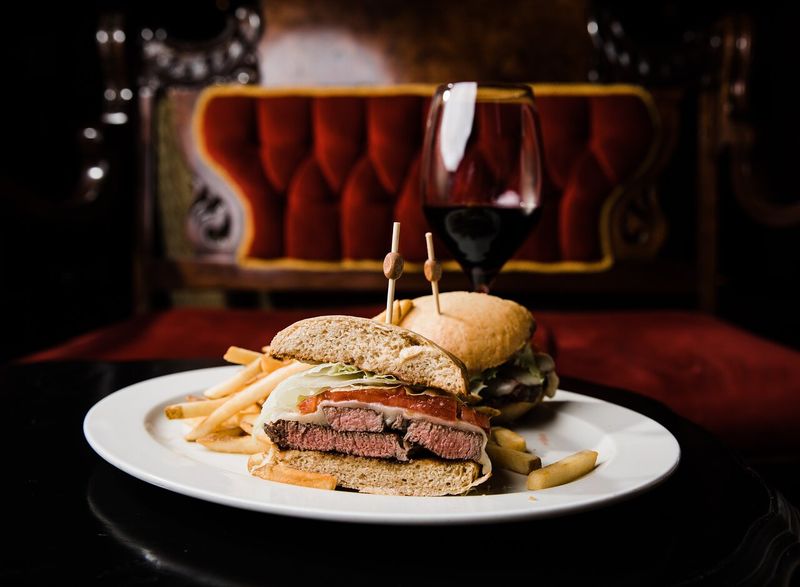
This is Tampa confidence on a plate—classic, slightly theatrical, and proudly over-the-top in the ways that count. Bern’s story starts in 1956, when Bern and Gert Laxer bought a small spot called the Beer Haven, and the legend grew from there into one of Florida’s most talked-about dinners.
The steak is the obvious headline, but the experience is the real hook: dim lighting, serious service, and a sense that you’ve entered a tradition people return to for milestones. If you can, pace yourself and leave room for the dessert room moment—it’s part of the mythology for a reason.
Bern’s isn’t chasing modern minimalism; it’s a fully formed world with its own rules, and it’s been doing that, unapologetically, for decades.
6. The Yearling Restaurant (Cross Creek, near Gainesville/Ocala) — 1952
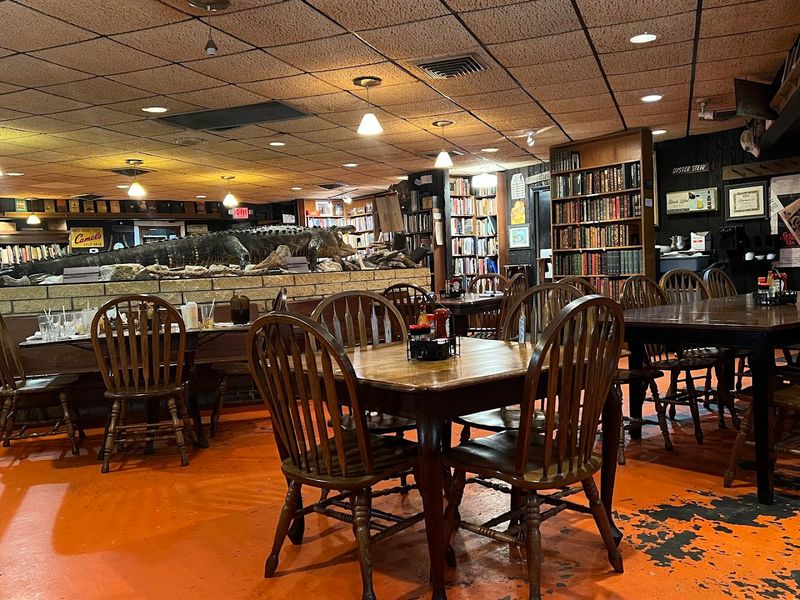
Cross Creek is quiet in a way that feels deliberate, like the landscape is protecting its own stories. The Yearling sits right in that atmosphere, serving Florida Cracker cooking with zero interest in being trendy.
Expect hearty, Southern-leaning plates that make sense after a day outdoors—food built for real appetites, not photo ops. The setting helps: you’re in Marjorie Kinnan Rawlings country, where the piney woods and backroads still feel close to the Florida that existed before theme parks and high-rises.
Come hungry, order something you wouldn’t find in a big-city dining room, and listen to the room around you; you’ll hear families, road-trippers, and locals all meeting in the middle. Established in 1952, it’s a reminder that “old Florida” is still edible.
5. Green Turtle Inn (Islamorada, Florida Keys) — 1950
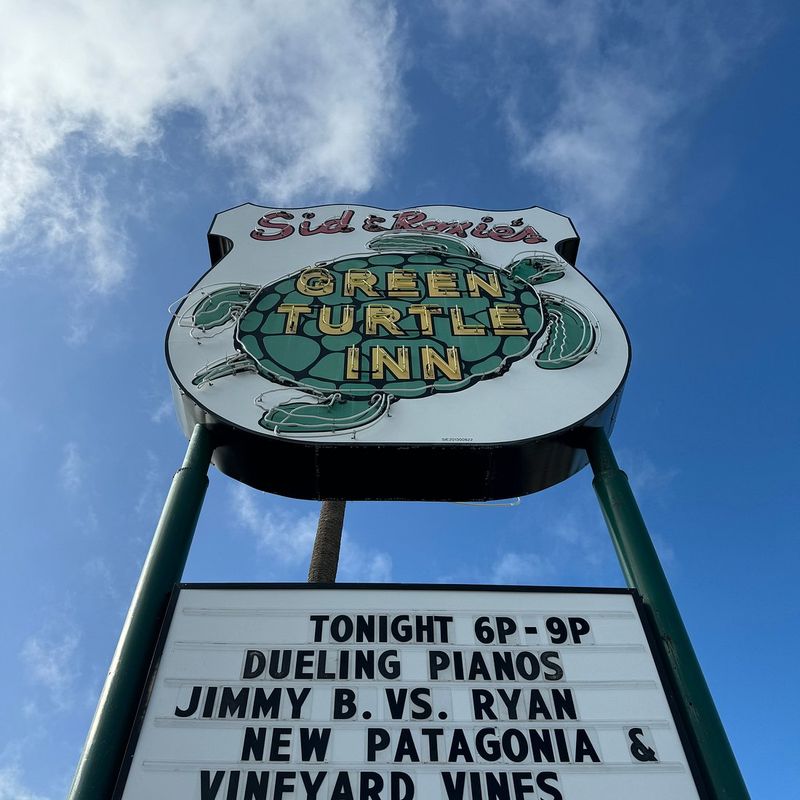
Keys history isn’t always polished—and that’s exactly why it tastes good. The Green Turtle Inn has the kind of lived-in personality you want in Islamorada: a little salty, a little nostalgic, and fully comfortable being itself.
Slide into a booth and you’ll feel the pace drop a notch; it’s an easy spot to imagine old road-trippers and fishing folks doing the same thing decades ago. Lean into the classics here—turtle chowder is a signature for a reason—and don’t be surprised if your meal turns into a long hang.
What keeps it “historic” is the continuity: it’s been feeding the Keys through changing eras while keeping that roadside-inn spirit intact. In a region that can skew flashy, this place stays grounded—and locals notice.
4. Cabbage Key Inn & Restaurant (near Fort Myers/Pine Island Sound) — 1944
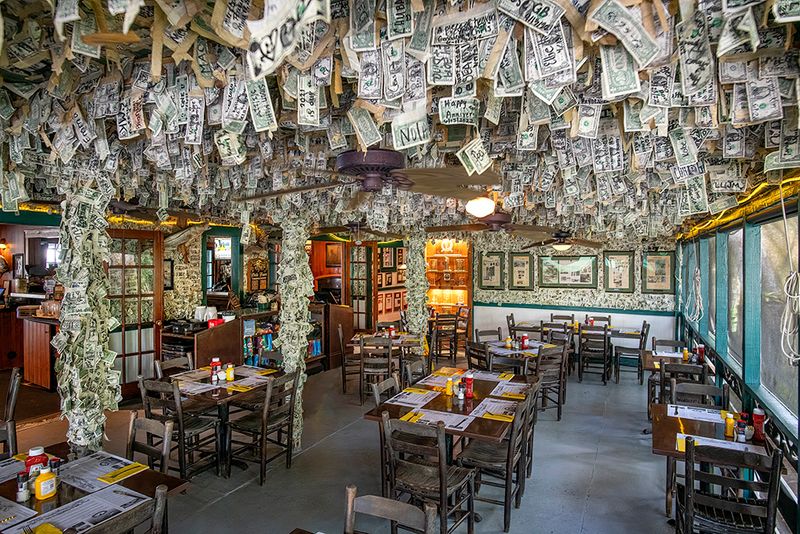
You don’t accidentally end up on Cabbage Key—you choose it, usually by boat, and that choice instantly changes the mood. The island has a worn-in, no-rush feel, and the restaurant leans into it with breezy, Old Florida charm that can’t be faked.
Look around and you’ll notice the signature detail: the walls packed with dollar bills left behind by visitors, turning the place into a collage of scribbled names and tiny stories. Grab a table with a view if you can, order something that fits the setting (seafood always makes sense here), and let the afternoon drift.
Historic doesn’t mean stiff; it means the island has been doing its thing since 1944, and you’re just the latest person lucky enough to eat in the middle of it.
3. Cap’s Place (Lighthouse Point) — 1928
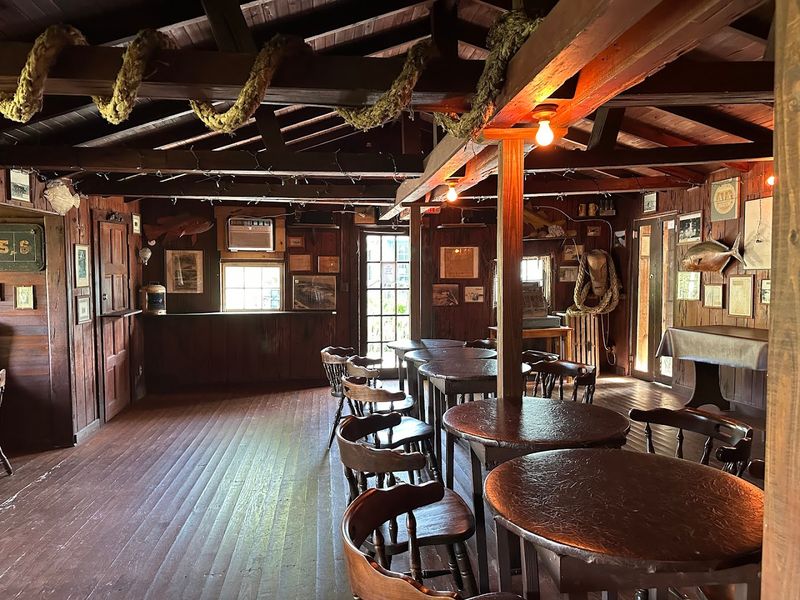
Getting here is half the story, because the “entrance” feels like a little decision to leave the modern world behind. A short boat ride later, you’re stepping into a waterfront hideaway with real Prohibition-era roots—this started life as Club Unique, and it still carries that wink-wink energy.
Inside, it’s intimate and slightly quirky in the best way, with the kind of photos and memorabilia that make you pause mid-sentence. The seafood is the move; order like you’re on the coast (because you are) and give the meal time to unfold.
The setting does a lot of heavy lifting—water lapping nearby, a hush that feels earned—and the whole experience lands like a secret that somehow survived a century.
2. Joe’s Stone Crab (Miami Beach) — 1913
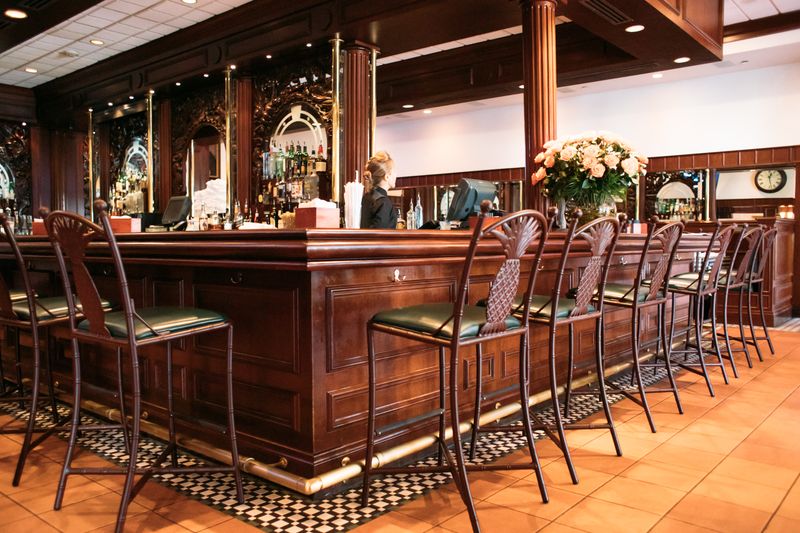
A lot of Miami Beach reinvents itself every few years; this place doesn’t have to. Joe’s runs on a simple seasonal truth: when stone crab is on, the city shows up—locals, regulars, first-timers all playing by the same delicious rules.
The vibe is classic without being precious, with servers who move like they’ve done a thousand perfect laps around the room (because they have). Go straight for the stone crab and don’t overthink it; the ritual is part of the fun, from cracking to dipping to wondering why you ever ordered anything else.
If you want the full time-capsule effect, linger and watch the room: it’s Miami’s history in motion, told through plates, tables, and timing.
1. Columbia Restaurant (Ybor City, Tampa) — 1905
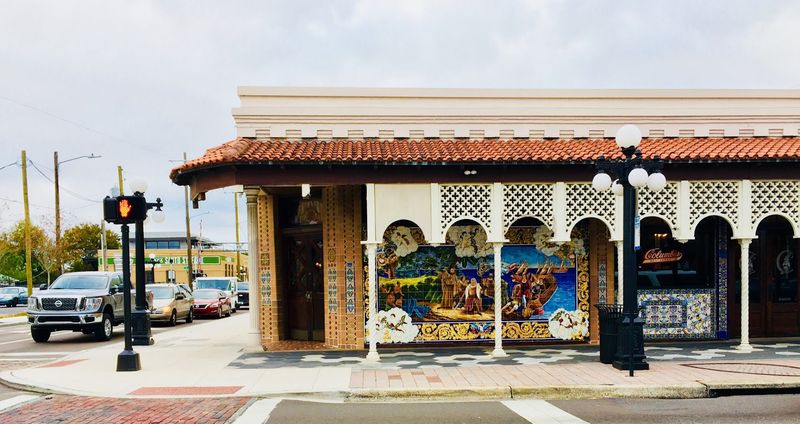
Step into Ybor and you can practically hear the clack of dominoes and the hum of cigar rollers drifting through the neighborhood. Columbia is the kind of place that makes you slow down without asking—dark wood, Spanish tile, family photos, and that lively, old-school dining-room rhythm.
Order something that leans into the house’s Spanish-Cuban roots; the sangria has earned its reputation, and the classic plates taste like they’ve been dialed in over generations, not trends. What makes it historic isn’t just the date on the timeline—it’s the way it still feels stitched into the city around it.
After dinner, wander a few blocks and you’ll see why this spot works so well: it doesn’t “theme” Ybor history, it lives in it.