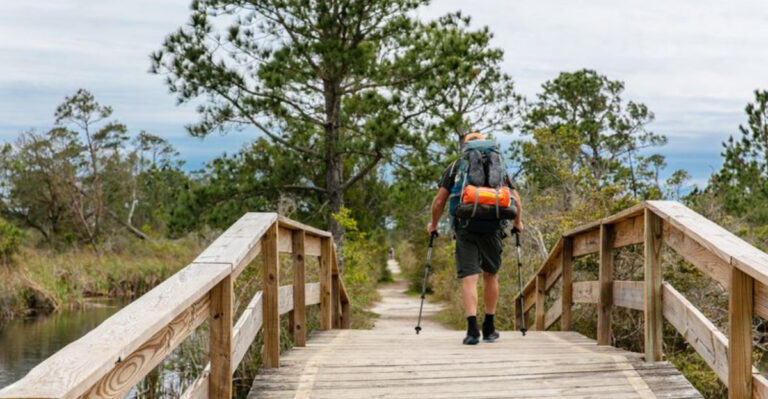
This Easy 2.25-Mile Florida Hike Is One of the State’s Most Rewarding Walks
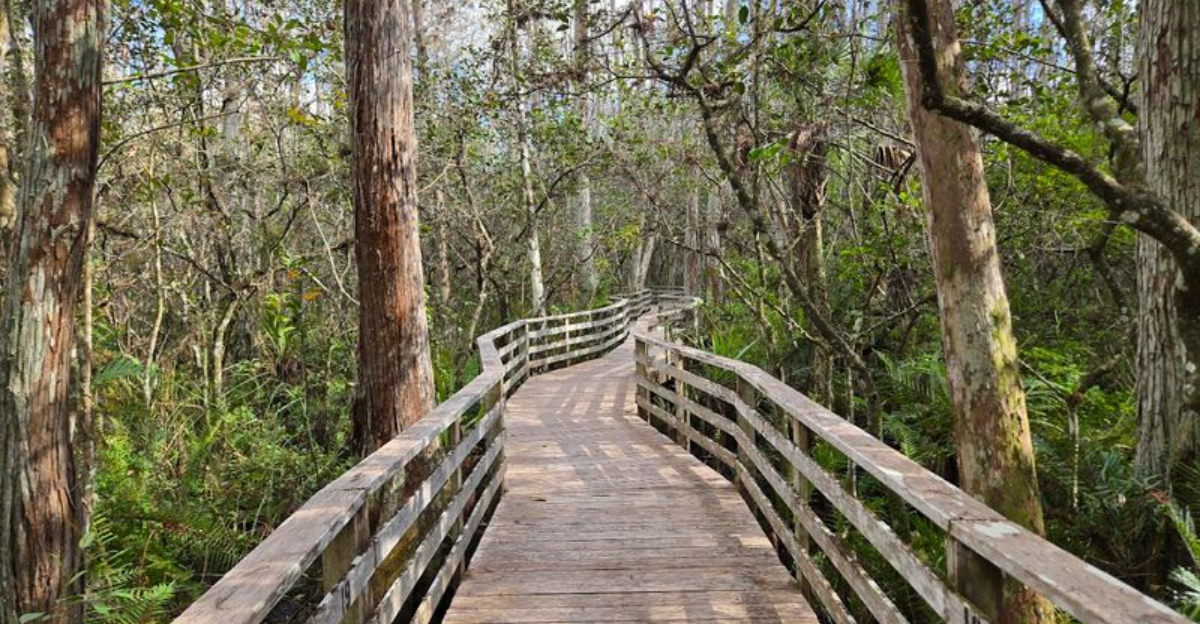
If you think Florida is only about beaches, wait until you step onto this quiet 2.25-mile boardwalk through Corkscrew Swamp Sanctuary. The trail winds across ancient cypress wetlands where birds call, gators sun, and curtains of green make the heat feel softer. It is easy, shaded, and surprisingly immersive, with benches and lookouts that invite you to slow down.
Here is exactly how to make your walk unforgettable, from timing your visit to spotting wildlife like a pro.
1. Start at the Blair Audubon Center
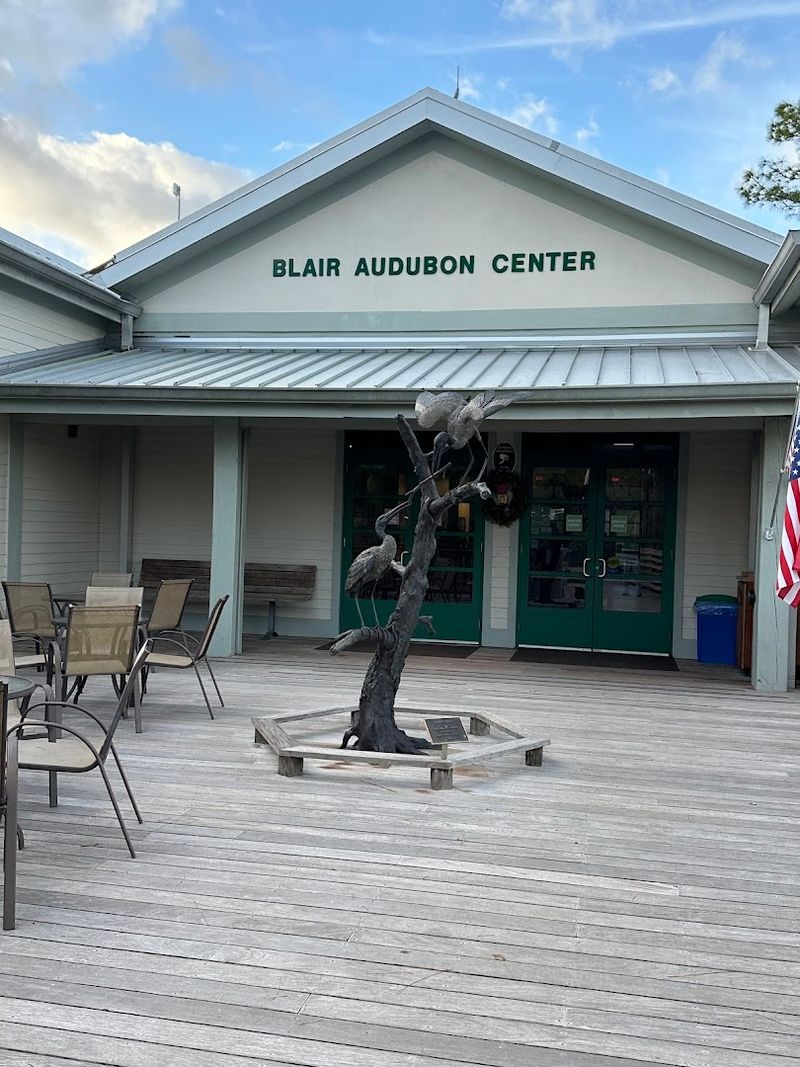
Begin at the Blair Audubon Center, where staff set you up for a smooth walk. Grab a map, check the chalkboard wildlife sightings, and refill your bottle before stepping onto the boardwalk. You will find clean restrooms, snacks, and thoughtful exhibits that frame what you are about to see.
Arrive early to catch cooler temperatures and bird activity. Ask a volunteer about recent owl or wood stork sightings, and note the posted reminders about last admission at 3 PM. The gift shop carries field guides, bug spray, and lightweight rain ponchos.
Before you leave the building, silence your phone and set intentions to move slowly. This hike rewards patience. A few minutes of prep here pays dividends outside.
2. Follow the Boardwalk Through Changing Habitats
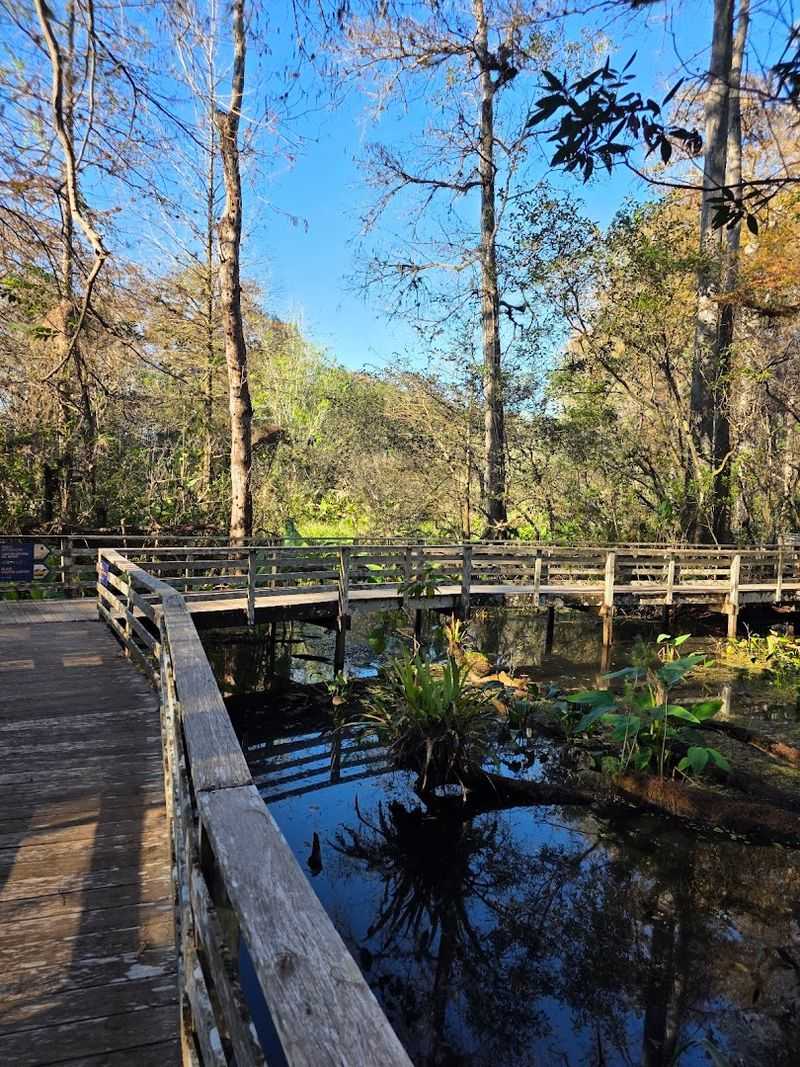
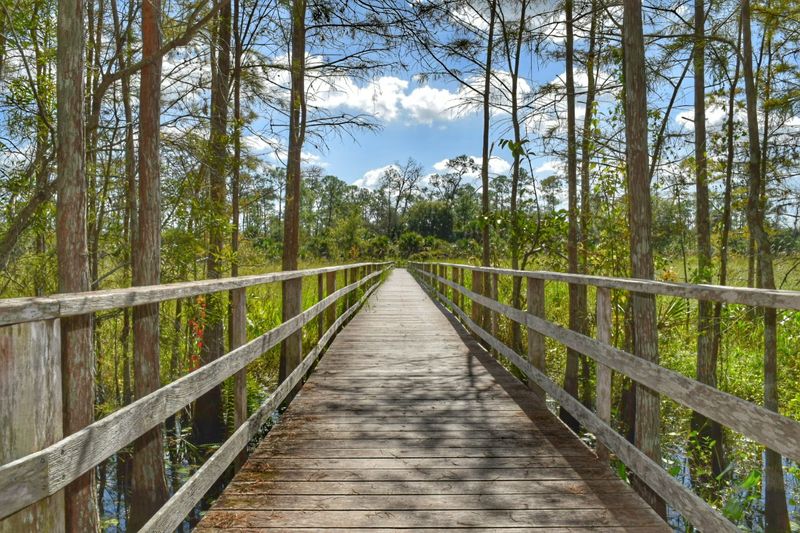
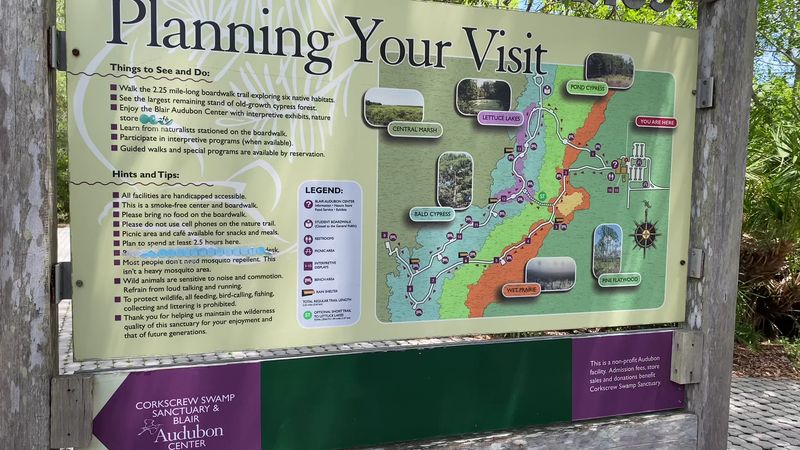
The 2.25-mile boardwalk is the star, guiding you above wetlands without disturbing fragile roots. You will glide from pine flatwoods into wet prairie, then into cypress swamp and lettuce lakes. Each shift feels like a new chapter, with interpretive signs that explain the science in plain language.
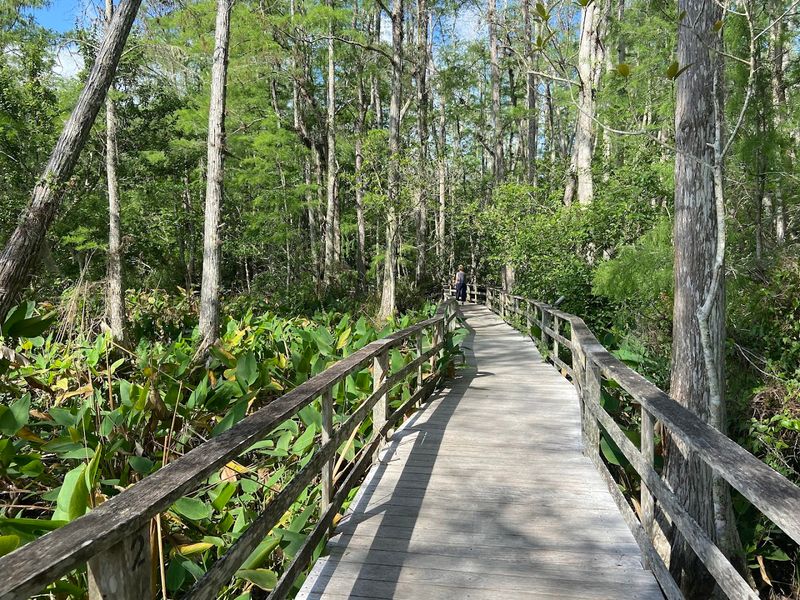
The planks are sturdy, smooth, and well maintained, making the walk accessible for strollers and wheelchairs. Handrails and frequent benches reduce fatigue, while mile markers keep pacing easy. Shade from ancient bald cypress trees cools the Florida sun.
Take the optional shortcut if time or heat demands, or linger at side spurs and overlooks. You cannot get lost. The route is intuitive, safe, and wonderfully immersive.
3. Prime Wildlife: What You Might See
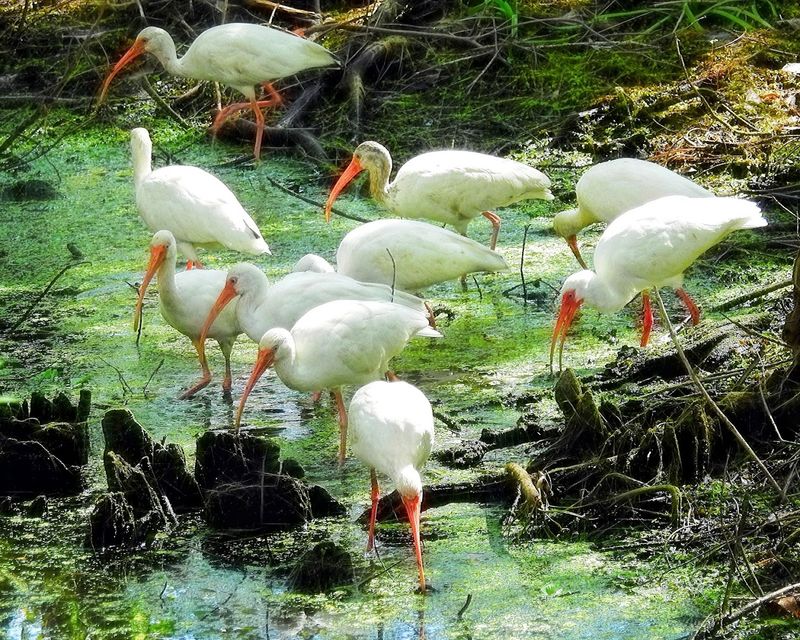
Wildlife here shows up when patience does. Scan for anhingas drying wings, ibises probing mud, and great egrets stalking in glassy water. On quieter limbs, a barred owl may watch with unblinking focus while dragonflies stitch light over the surface.
Look for gators basking near lettuce lakes, turtles on logs, and swallow-tailed kites in spring. In winter, lower water can concentrate birds, creating a breathtaking spectacle. Summer brings frogs calling and thick green drama.
You will not see everything every day, and that is part of the magic. Move slowly, use pullouts, and watch edges where water meets shade. Even one unexpected sighting can make the entire walk unforgettable.
4. When To Go and How Long It Takes
Doors open at 8 AM, and that is your sweet spot for cooler air, softer light, and active birds. Plan 90 minutes for an efficient loop, or up to 3 hours if you love photography and frequent stops. Last admission is 3 PM, so do not cut timing too close.
Weekdays feel calmer than weekends. In warmer months, go early to avoid heat, and bring electrolytes. In winter, expect heavier bird activity and possibly more visitors, but the atmosphere remains peaceful.
Weather swings fast in Florida. A brief shower can clear the boardwalk and deepen reflections for incredible photos. Build a little flexibility into your day, and you will be rewarded with better moments.
5. Comfort, Safety, and Accessibility Tips
Shade helps, but Florida is still Florida. Wear a breathable shirt, sun hat, and comfortable walking shoes. Bring water, insect repellent, and a small snack, then stash trash until the end to protect wildlife.
The boardwalk is secure, with rails and non-slip surfaces, and it is stroller and wheelchair friendly. Stay on the planks, keep respectful distance from alligators, and move quietly so others can listen for birds. If thunderstorms threaten, return to the center promptly.
Benches double as bird blinds, so use them. Photograph from eye level, not through rail gaps, for cleaner compositions. With a few smart choices, your easy walk stays comfortable, safe, and beautifully accessible to everyone in your group.
6. Photography and Listening Spots
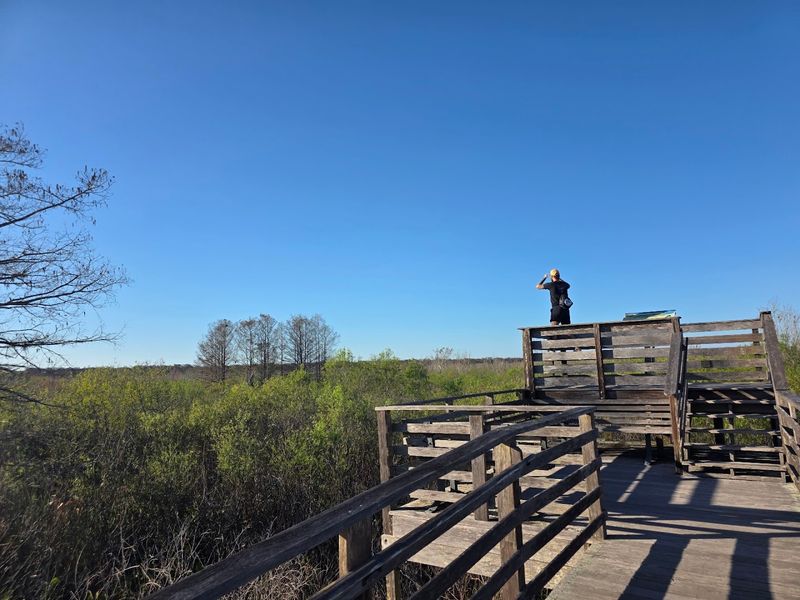
Some of the best shots happen where the boardwalk curves over still water. Watch for mirrored cypress knees, sunlit anhingas, and ripples from surfacing turtles. Use the benches as mini hides, waiting for birds to relax and resume natural behavior.
Turn your phone to airplane mode and listen. Woodpeckers tap, owls call deep, and subtle rustles betray hidden life. Sound will often reveal what your eyes miss, guiding your lens to the right branch.
Keep ISO flexible under shade, and shoot during early golden light for warmth without harsh contrast. Remember to step aside on narrow stretches so everyone enjoys the view. Patience here consistently turns into keeper images.
7. Ticketing, Etiquette, and Making It Count
Buy tickets online if possible, then check in at the center and confirm last entry rules. Prices support habitat protection, research, and trail maintenance you will notice underfoot. Ask for current highlights, like orchids in bloom or active rookeries.
Keep voices low, step aside for families and wheelchairs, and resist the urge to play bird calls. Pack out everything you bring. A quiet boardwalk lets everyone hear wind through cypress and soft wingbeats overhead.
After finishing, linger in the gift shop to support conservation or join as a member if you loved the experience. Your visit leaves a ripple. Treat the sanctuary like a living cathedral, and it will reward you back.