Florida’s Most Mysterious Wonder: 7 Fun Facts About Coral Castle
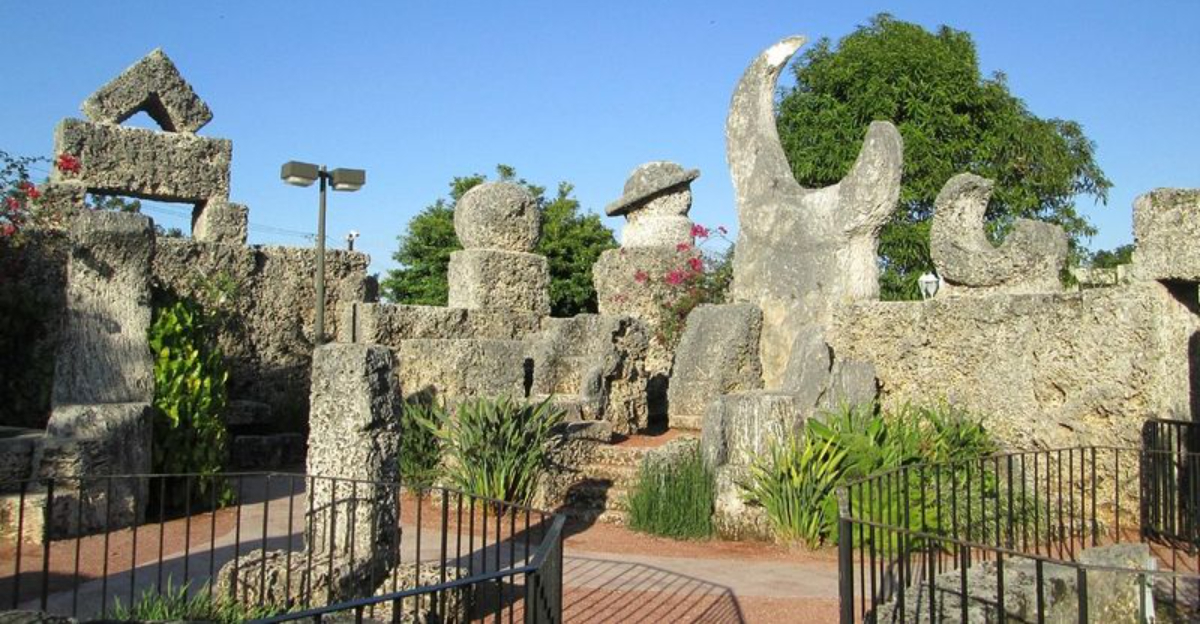
Florida has its share of oddball attractions, but Coral Castle plays in a different league. Tucked down in Homestead, this place feels like someone dropped a stone playground from another century into a suburban corner of Miami-Dade.
The twist? It wasn’t a team of builders.
It was one stubborn guy with simple tools, a secretive work style, and a talent for turning oolite limestone into benches, walls, and sculptures that look way heavier than your brain wants to believe. People still argue about how it happened—physics, folklore, or both.
Either way, you’ll leave with sandy shoes, a camera roll full of “wait…WHAT?” shots, and seven fun facts you’ll be repeating at dinner.
1. One man built it
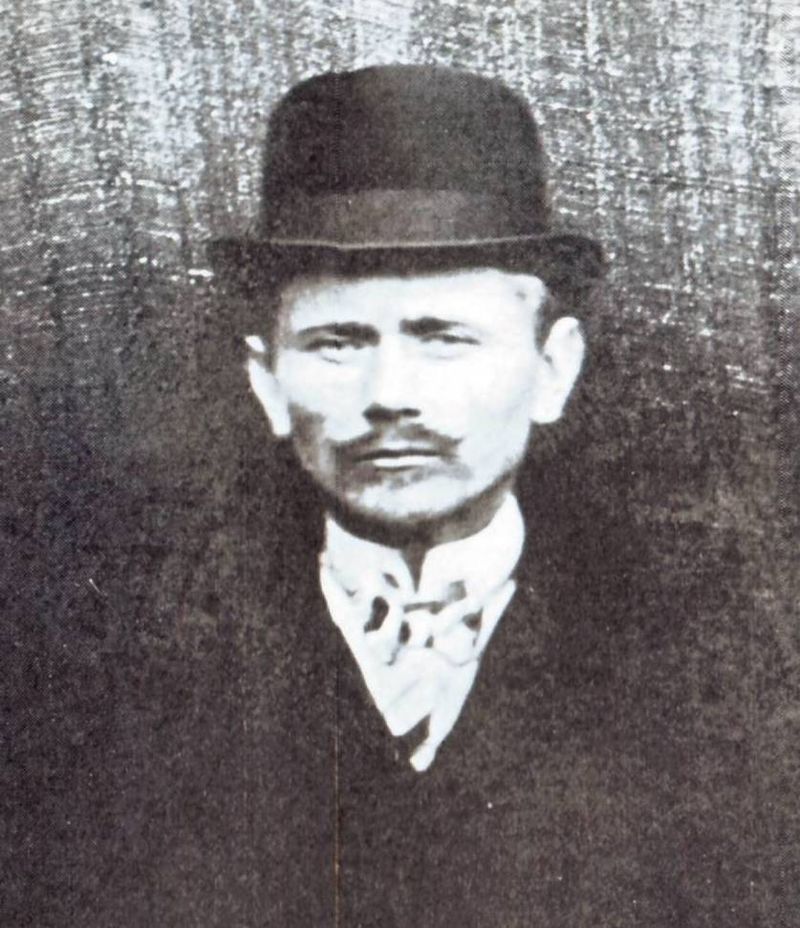
A Latvian immigrant named Edward Leedskalnin is the reason this place exists, and the scale of what he pulled off is still the headline.
He worked on Coral Castle for decades, commonly dated from 1923 until his death in 1951, shaping and setting massive limestone blocks into rooms, walls, furniture-like pieces, and odd little celestial touches.
What makes it stick in your memory isn’t just the “solo build” claim—it’s the vibe of intention. The stones aren’t piled randomly; they’re arranged like someone planned a private world and then patiently carved it into being.
Accounts and photos point to practical methods—pulleys, levers, and stubborn repetition—rather than magic.
Still, standing next to the monolithic slabs, it’s hard not to mutter, “Okay…how?”
2. It started as “Ed’s Place” and was later moved
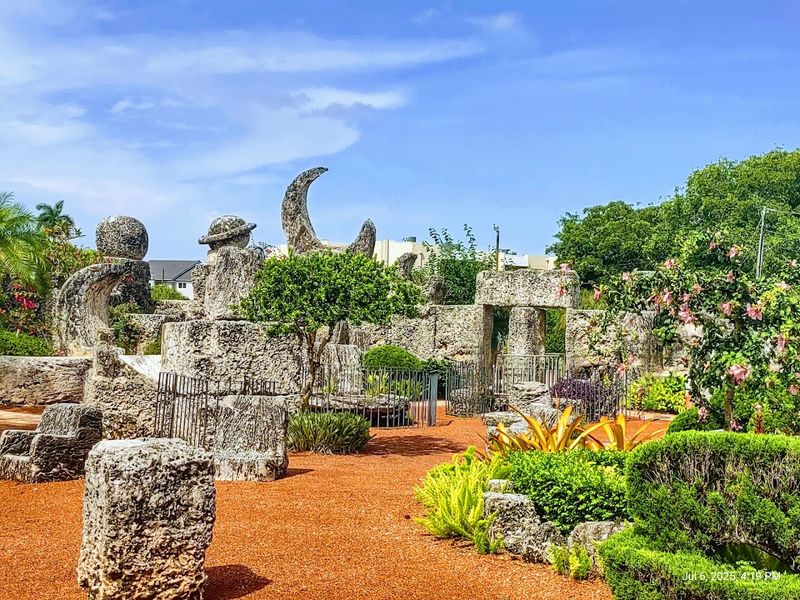
The story gets even wilder when you learn Coral Castle didn’t begin here. Back in the 1920s, Leedskalnin’s stone project sat in Florida City, but by the mid-1930s he decided to relocate—piece by piece—to what’s now Homestead.
The distance is usually described as about 10 miles, which sounds manageable until you remember we’re talking about multi-ton rocks.
According to Visit Florida, he made the move starting around 1936 and took roughly three years to complete it, essentially dismantling his own creation and rebuilding it again.
That detail alone explains why locals talk about Coral Castle like it’s part engineering feat, part neighborhood legend.
3. The heartbreak legend (“Sweet Sixteen”)
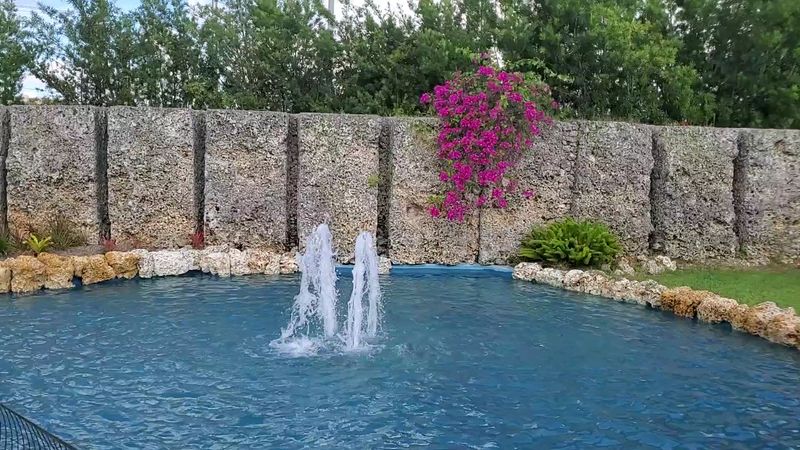
There’s a romance angle that refuses to die, and honestly, it fits the mood. The most repeated version says Leedskalnin built Coral Castle as a tribute to a fiancée who reportedly called off their engagement right before the wedding.
Britannica notes he fell for a 16-year-old named Agnes Skuvst in Latvia, and the “Sweet Sixteen” nickname became part of the lore around his motivation. Whether you treat it as biography or myth-making, it adds a human pulse to all that stone.
You’re not just looking at heavy blocks; you’re looking at decades of obsession, pride, and maybe a little grief, carved into a physical space.
And that’s why the site feels personal instead of purely architectural—like you’re walking through someone’s private language, written in limestone.
4. The massive stones (and the “two-million-pound” scale)
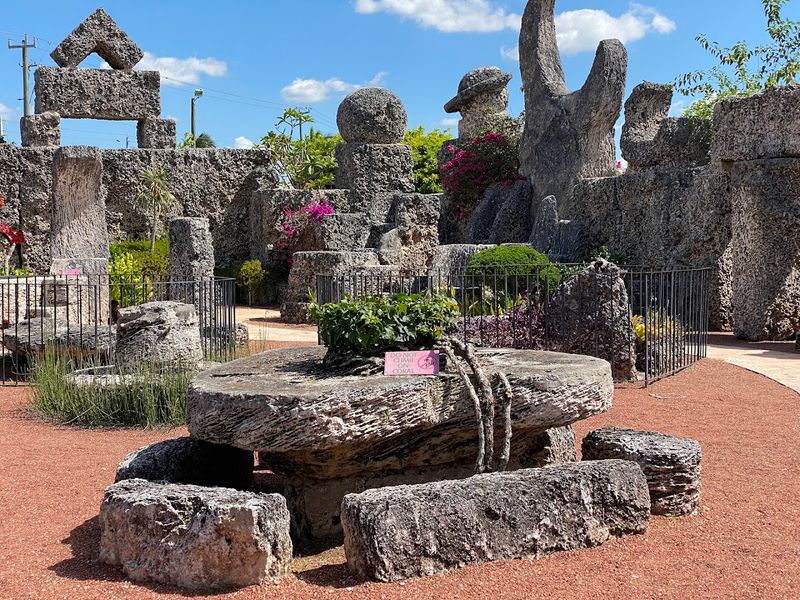
Your eyes will tell you “big,” but the numbers make it land. Coral Castle is often described as being built from roughly 2.2 million pounds of stone.
This isn’t a single sculpture or a novelty arch—it’s an entire environment made from oolite limestone, with individual pieces weighing several tons. The fun part is how casually the place mixes the enormous with the delicate.
You’ll spot chunky walls and then, right nearby, a carved shape that looks like it belongs in a quiet garden. It’s also why Coral Castle photographs weirdly: without a person for scale, the stones can look like props.
Step up close and you realize the “props” could flatten a car.
5. The famous gate
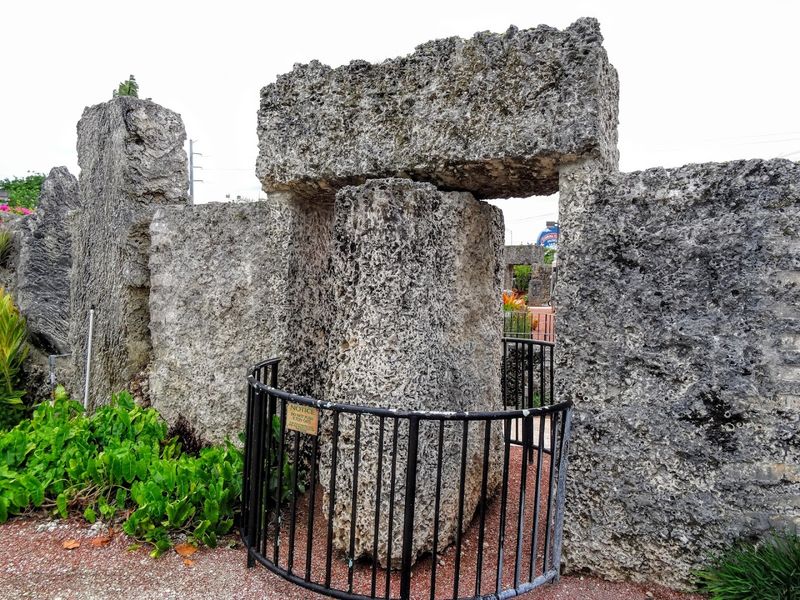
One of the most-talked-about features is the heavy stone gate that became a signature “no way” moment. Stories say it once swung with a light push thanks to surprisingly precise balancing, which helped turn Coral Castle into an engineering rumor mill.
Over time, the original gate mechanism reportedly needed major repair, and accounts describe modern equipment being involved—an ironic contrast to the one-man legend.
Even if you’re not an engineering nerd, it’s easy to appreciate what the gate represents: friction, balance, and careful drilling can look like magic when they’re done well.
When you’re there, pay attention to how many visitors drift toward that spot first. It’s the universal reaction—people want to test the myth with their own hands.
6. The night-work secrecy + “how did he do it?” theories
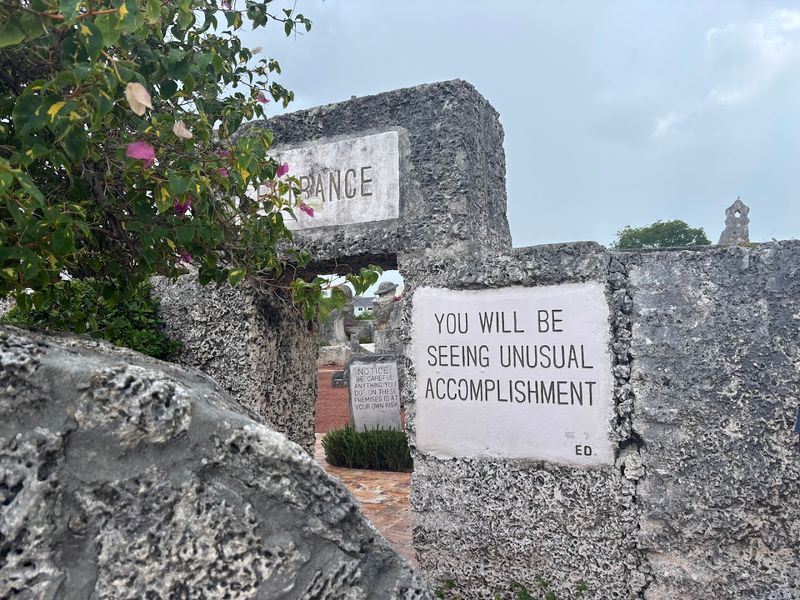
Leedskalnin didn’t exactly invite a crowd to watch him work. The mystery fuel comes from how private he was about the process, plus the fact that a lot of the heavy moving allegedly happened when fewer people were around.
That gap—limited witnesses, huge results—left space for theories to multiply. Some versions lean into “reverse magnetism,” ancient pyramid secrets, or other esoteric explanations.
But the evidence-friendly take is refreshingly unromantic: pulleys, levers, ramps, wedges, and patience. Coral Castle sits right at that fun intersection where practical mechanics and good storytelling overlap.
If you want to enjoy it like a local, do both: admire the craftsmanship, then let yourself savor the gossip-grade mystery while you wander.
7. It’s officially recognized history
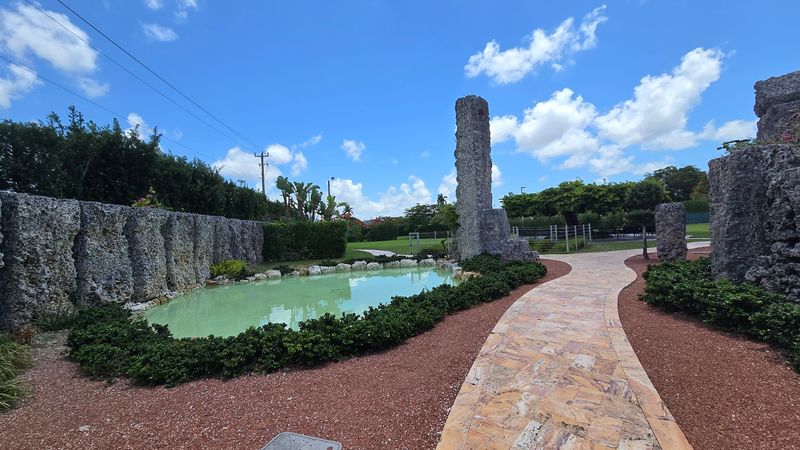
Here’s the part that grounds the legend: Coral Castle isn’t just a quirky attraction people stumbled into—it’s officially listed on the National Register of Historic Places. The site was added on May 10, 1984, and it was listed under its original name, Rock Gate Park.
That designation matters because it frames Coral Castle as more than a curiosity. It’s recognized for its cultural and historical value, not just its “how did he do it” mystique.
So when you’re walking through the carved chairs, tables, and strange stone shapes, you’re not only chasing a Florida mystery—you’re standing inside a preserved piece of local history that outlived its creator.
The official stamp doesn’t solve the puzzle, but it confirms the place is the real deal.