This Florida Town Is About to Become the New Hotspot—Here’s What You Need to Know
Lakeland used to be the city you waved at from I-4—somewhere between Tampa plans and Orlando chaos. Now it’s the stop people are intentionally building weekends around.
Downtown has more buzz without feeling hectic, lakefront views sneak up on you, and the city’s “new stuff” isn’t trying too hard. It still reads as real Florida: locals doing their routines, students heading to class, families out for sunset walks.
If you want an under-the-radar trip with walkable pockets, standout architecture, and a food scene that’s quietly leveling up, Lakeland hits the sweet spot. Here’s the boomtown story—told the way it actually feels on the ground.
1. The fastest-growing boomtown
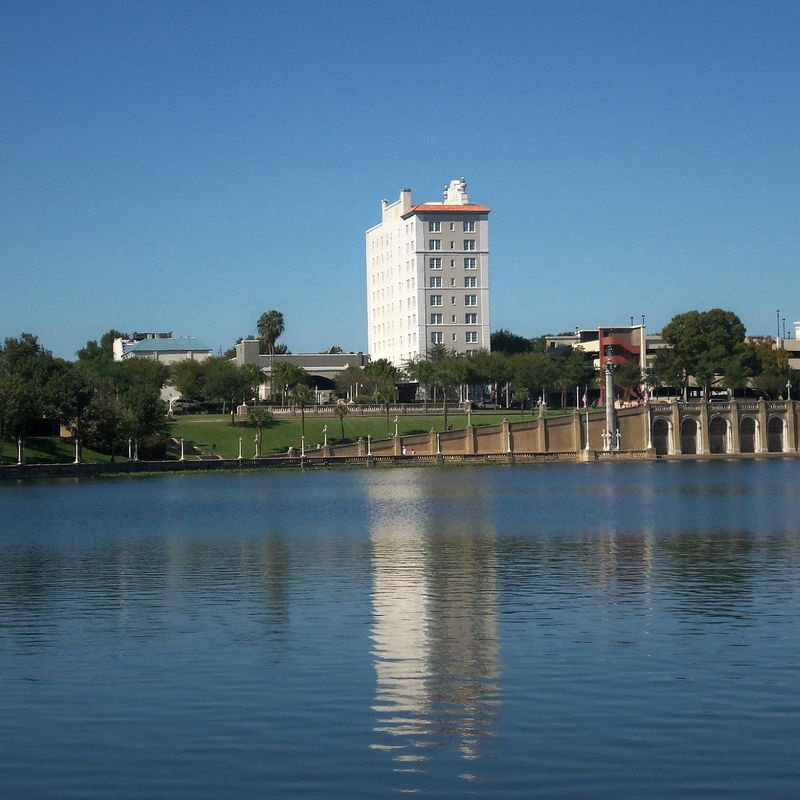
Data people, this is your moment. Recent boomtown rankings put Lakeland at the top of the list, citing strong population growth over the last decade and the kind of move-in momentum that doesn’t happen by accident.
Numbers alone aren’t the story, though—they’re the explanation for what you’ll notice fast: new builds where scrubby lots used to be, fresh signage downtown, and more weekday energy than a “small city” is supposed to have.
You’ll hear it in conversation, too, especially at cafés and breweries—someone’s always “just moved here,” and they’re weirdly excited about it.
2. Why people are choosing Lakeland now
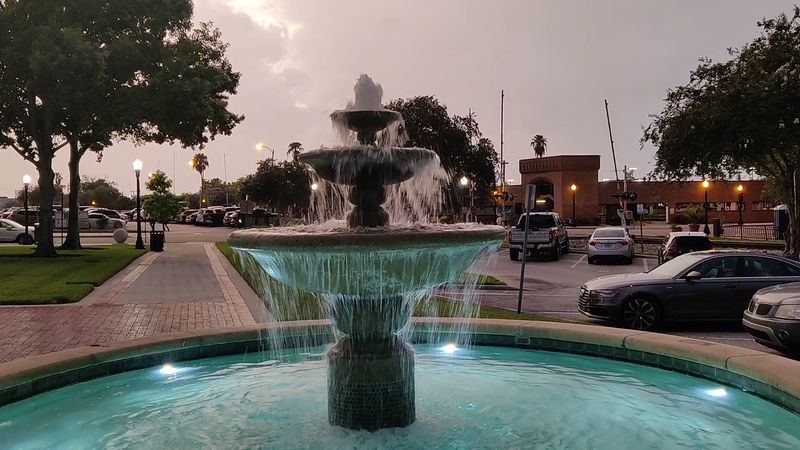
The appeal isn’t a single attraction—it’s the setup. Lakeland sits in the rare sweet spot where Tampa and Orlando are both within reach, but your day doesn’t feel like a traffic endurance test.
You can run a morning lake loop, grab lunch downtown, and still make an afternoon plan in either direction if you want. That “connected without being swallowed” vibe is exactly what’s pulling people in, especially remote workers and families looking for breathing room.
Neighborhoods still have front porches and actual trees, parking downtown isn’t a competitive sport, and the pace is lively without getting loud.
For travelers, that translates into a more relaxed Florida weekend: you can bounce between coffee, gardens, architecture, and a solid dinner without spending half your day in a car.
It’s convenient, but it still feels like a place people live.
3. Lakeland by the numbers
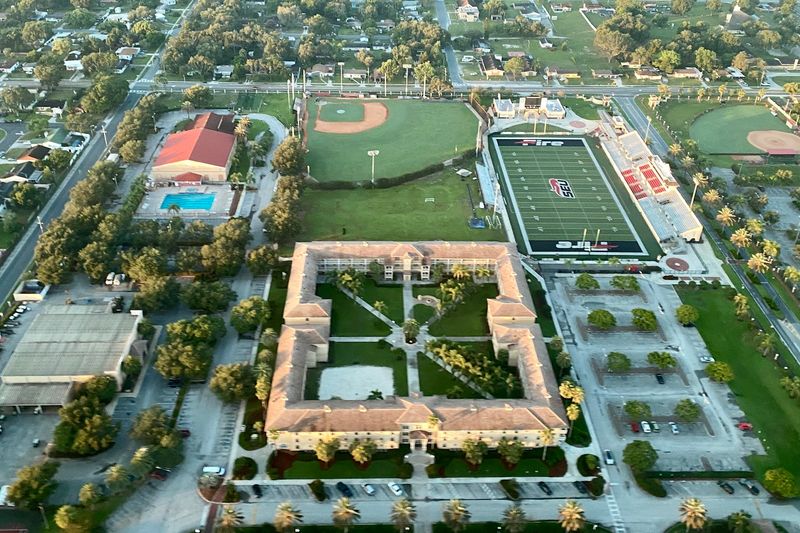
Here’s the snapshot that turns “boomtown” from a vibe into a fact. Lakeland’s population estimate was 124,990 as of July 1, 2024, up 11.0% from the 2020 base—fast enough that the city feels busier year over year, not just season to season.
Zoom out a decade and the growth story gets louder: moveBuddha calculates 34.39% population growth over 10 years and a 2025 move-in-to-out ratio of 1.33, meaning more people are arriving than leaving.
Money-wise, QuickFacts lists a median household income of $64,185 (2020–2024, in 2024 dollars)—one reason new restaurants, coffee counters, and downtown upgrades keep sticking.
For the cost-of-living pulse, the median owner-occupied home value is $249,400 and median gross rent is $1,395 (2020–2024).
4. What to do: a “Perfect Day” in Lakeland
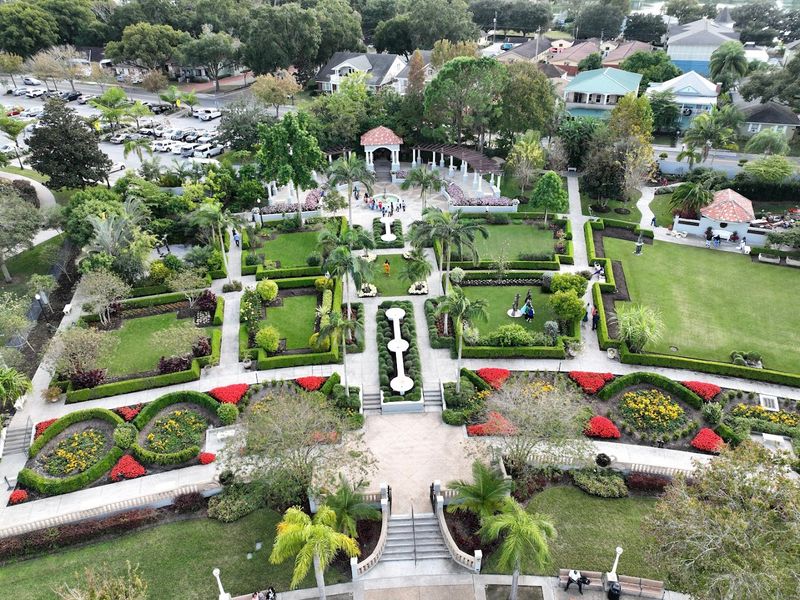
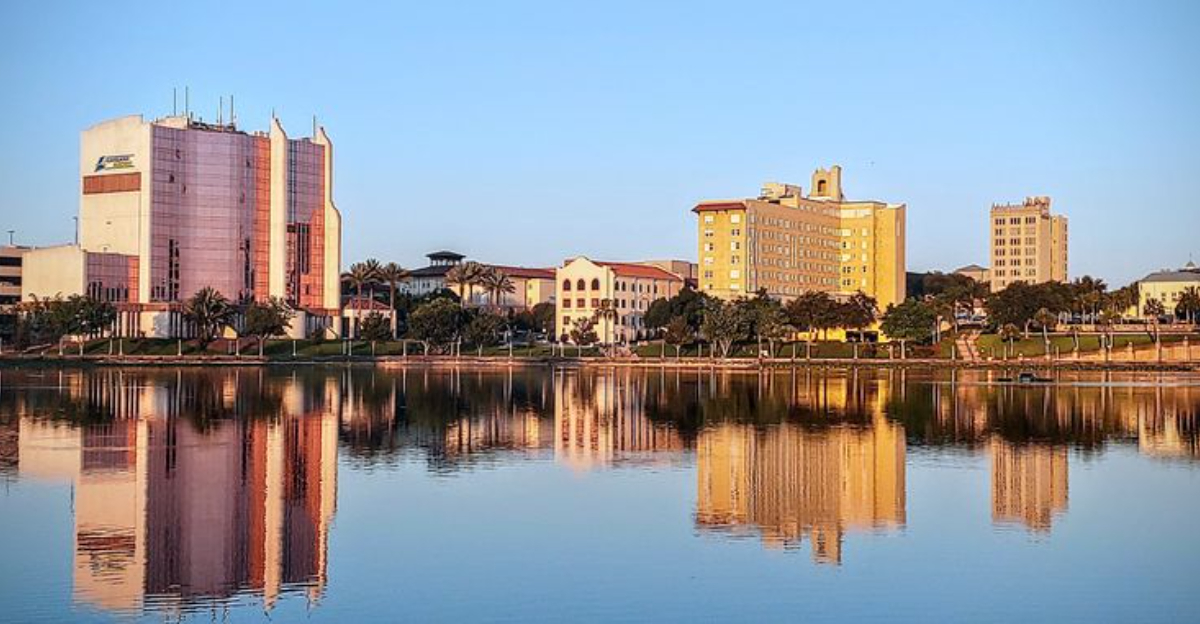
Start the day where Lakeland feels most like itself—by the water. Go early around Lake Mirror when the air is cooler and the surface is glassy, then drift into downtown while storefronts are waking up.
Hollis Garden is the mid-morning reset: manicured, colorful, and surprisingly close to everything, so you can pop in without turning it into a whole mission.
From there, keep it simple—lunch downtown at a local spot, then a slow wander through shops and side streets that still have personality.
In the afternoon, pivot to something distinctly Lakeland: an easy cultural stop, a café break, or a short drive to a park if you want more green. Save your second lake moment for golden hour, when the light makes the city look better than it has any right to.
End with a drink somewhere you can people-watch without yelling across the table.
5. Culture and architecture that set Lakeland apart
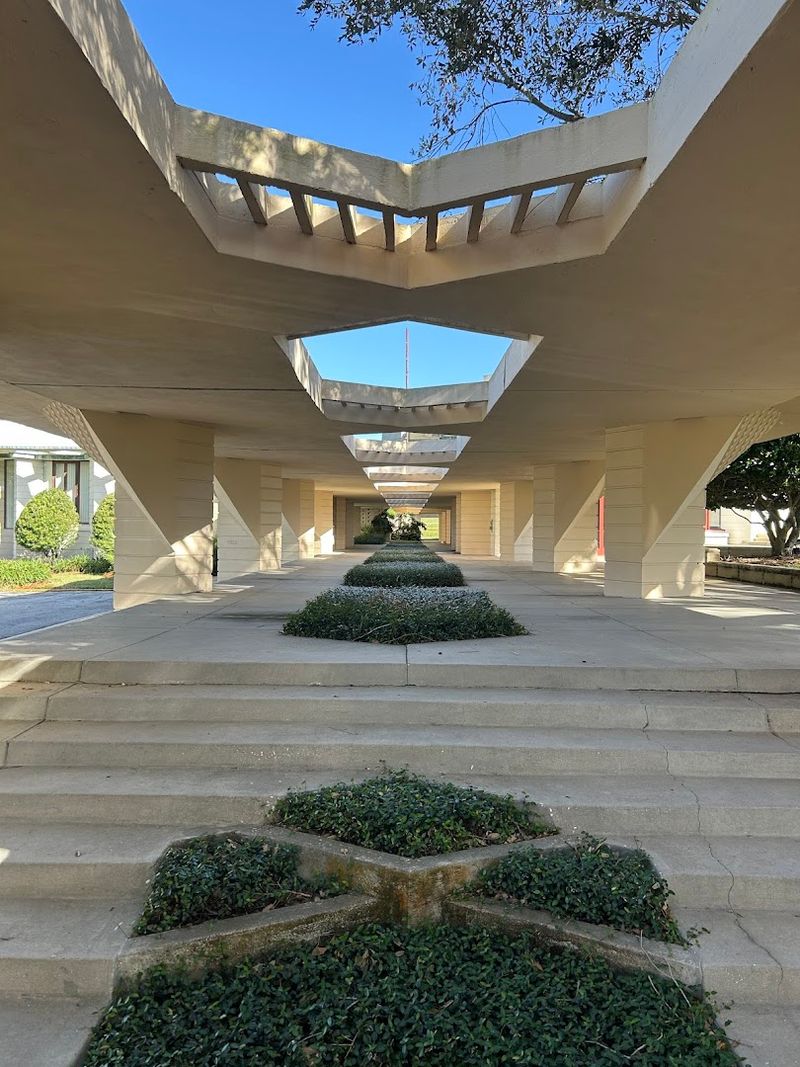
Lakeland’s coolest flex is hiding in plain sight at Florida Southern College. The campus is home to the world’s largest single-site collection of Frank Lloyd Wright-designed buildings, and seeing it in person feels like accidentally stumbling into a design landmark while everyone else is just heading to class.
The lines are clean, the spaces feel intentional, and it adds a “wait, this is here?” layer that separates Lakeland from other fast-growing Florida cities.
You don’t need to overthink it—walk the grounds, look up, notice the way the buildings frame light and shade, then head back downtown feeling slightly smarter than you did an hour ago.
It’s the perfect counterbalance to lakes and brunch because it’s genuinely unique, not manufactured.
6. Food, drink, and the newcomer energy
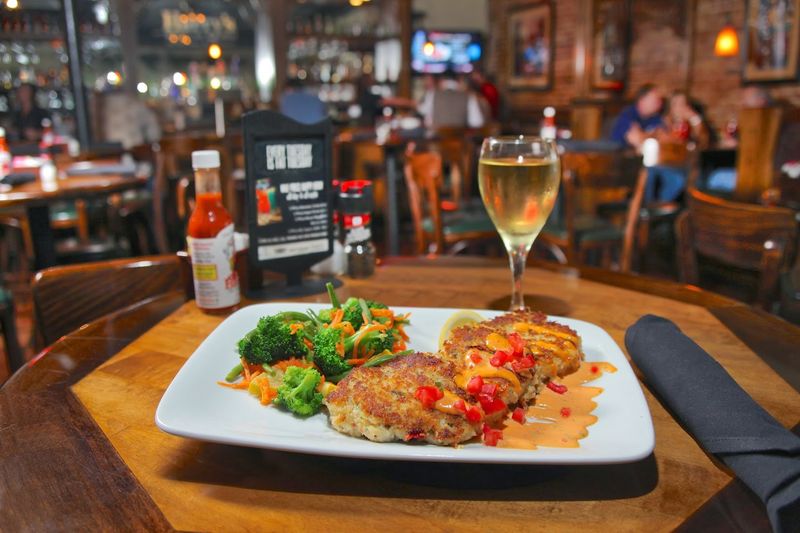
You can track Lakeland’s growth by watching where people congregate.
Coffee shops are busy beyond weekend mornings, brunch tables turn with a steady hum, and breweries double as neighborhood living rooms—laptops in one corner, families in another, and at least one dog collecting compliments like it’s on payroll.
The fun part is how quickly new spots get folded into routine. Something opens, locals try it, and suddenly it’s the default meet-up before a lake walk or the “let’s grab one drink” place that turns into two hours.
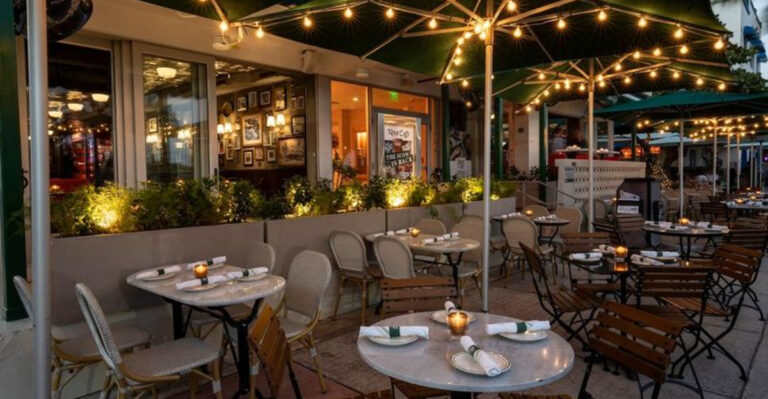
Downtown evenings feel especially alive: patios fill early, the sidewalks stay active, and the vibe leans social without getting scene-y.
7. Reality check: what growth means for visitors (and residents)
Hotspot energy comes with trade-offs, and Lakeland isn’t immune. Traffic can thicken at peak times—especially along main routes and anything tied to I-4—so timing matters if you hate sitting in your car watching your ETA change its mind.
Popular spots fill faster now, too, which is funny for a city people still call “underrated,” until you try to walk into dinner at prime time on a Saturday.
Housing pressure is part of the story as well, and you’ll see it in pockets where older neighborhoods are being renovated and new builds are moving outward.
For travelers, the practical move is simple: book stays a little earlier, plan key meals, and build your day around walkable clusters so you’re not constantly hopping across town.