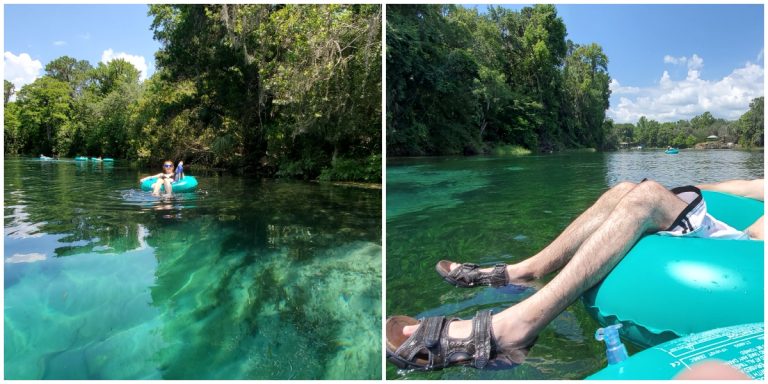
Florida Springs Etiquette: How to Have an Epic Day Without Harming the Spring
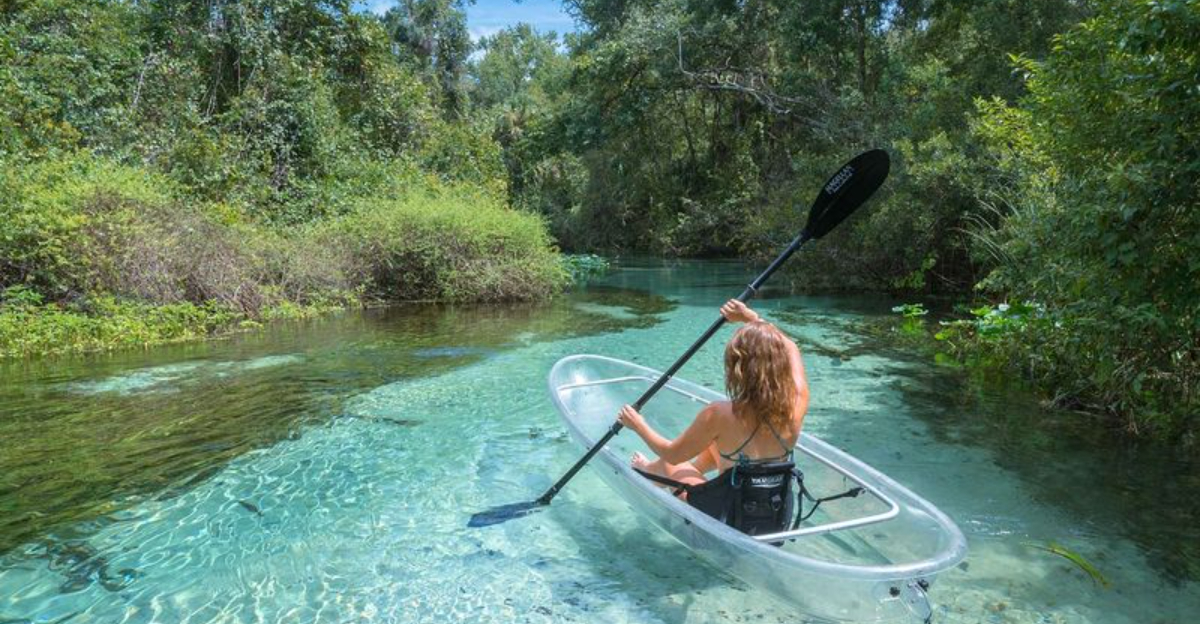
Florida springs are the kind of place that makes you forget your phone exists—until you look down and realize the “snow globe” cloud in the water is coming from someone’s feet.
These parks are stunning, but they’re also picky: one careless day can mean trampled plants, stressed wildlife, and water that stays murky long after the coolers leave.
The good news? Having an epic spring day doesn’t require expert-level outdoor skills—just a few local-style habits that keep the water clear and the vibe relaxed.
Think of this as the unspoken code: how to float, snorkel, picnic, and people-share without turning a magical spot into a mess. Do it right, and the springs stay wild, clean, and worth the drive.
1. Follow the posted rules (they’re not optional)
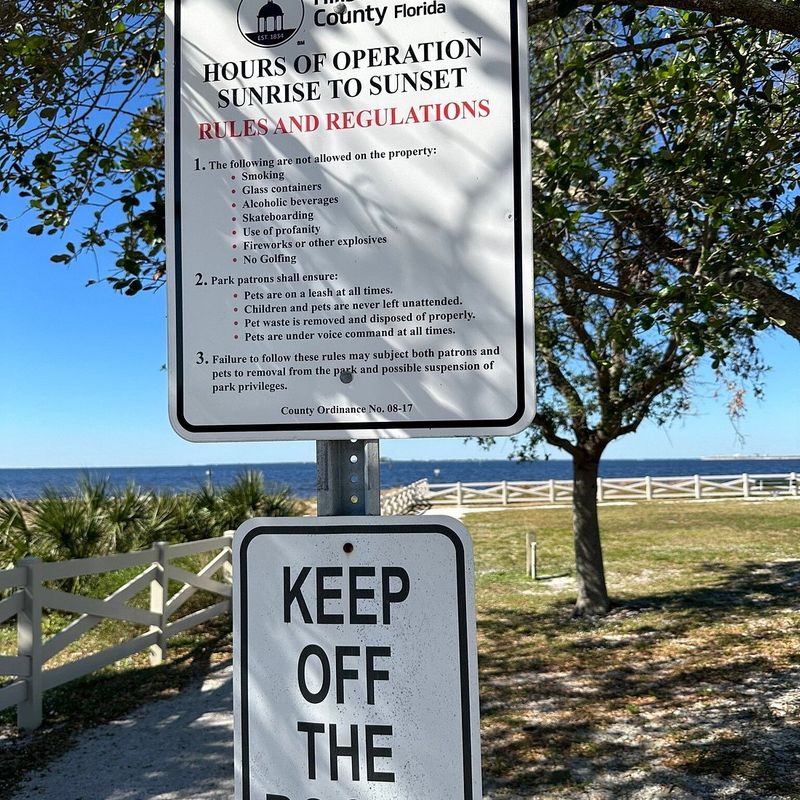
Signs at springs aren’t there for decoration or to ruin your fun—they’re there because the site has already been loved a little too hard.
One park might be strict about swim zones near vents, another might limit floats, and manatee season rules can change how you enter the water and where you can linger.
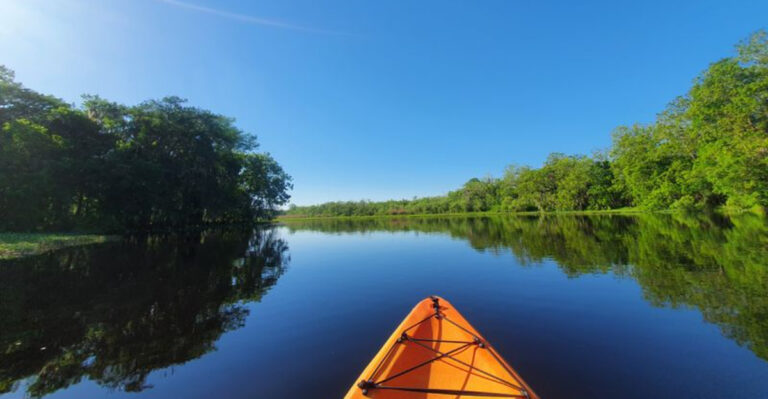
Glass bans are common for a reason: one shattered bottle turns a sandy beach into a hazard zone for months. You’ll also see specific launch areas for kayaks and boards, plus no-go sections to protect vegetation or sensitive banks.
Don’t treat rules like suggestions you can negotiate. Scan the board at the entrance, check for ranger updates, and assume the spring knows its own weak spots.
The smoothest days always start with two minutes of reading.
2. Arrive early + plan for crowds without wrecking the vibe
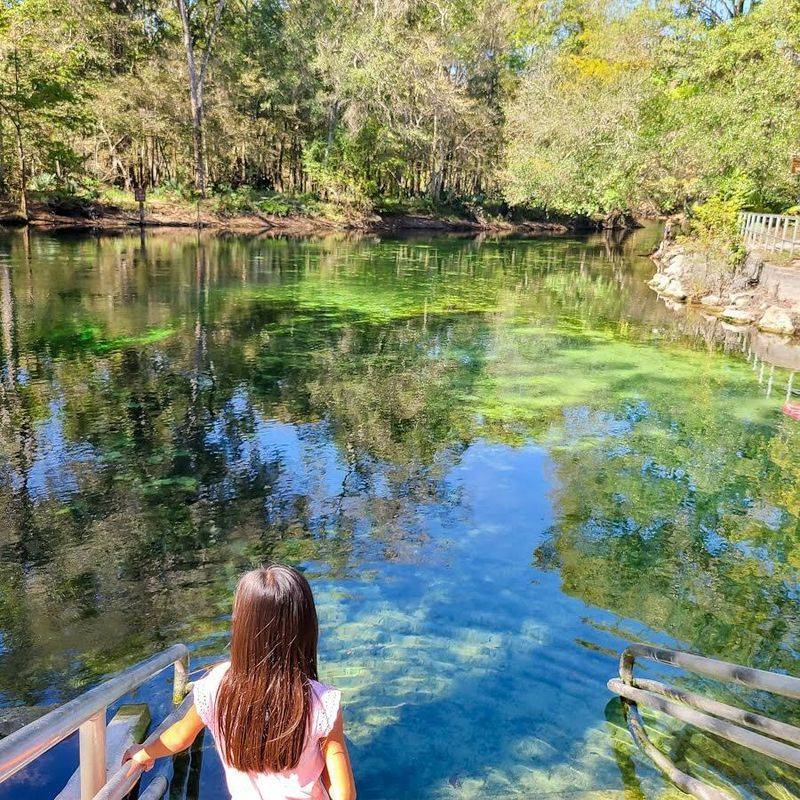
Nothing spikes the chaos like rolling in at peak time with no plan and a trunk full of stuff. Popular springs hit capacity fast, and once the lot is full, your “quick dip” turns into a scavenger hunt for parking that doesn’t exist.
Early arrival buys you calmer water, easier entry, and less of that shoulder-to-shoulder shoreline shuffle. When you do park, keep it clean—don’t block gates, sidewalks, ramps, or those narrow paths people use to carry strollers and coolers.
Set up your gear off the main flow so folks aren’t doing obstacle courses around your chairs. The vibe matters, too: loud speakers echo across water like a megaphone.
If you want a soundtrack, keep it personal. The springs already have one—bubbling, birds, and the occasional happy squeal.
3. Pack like a protector
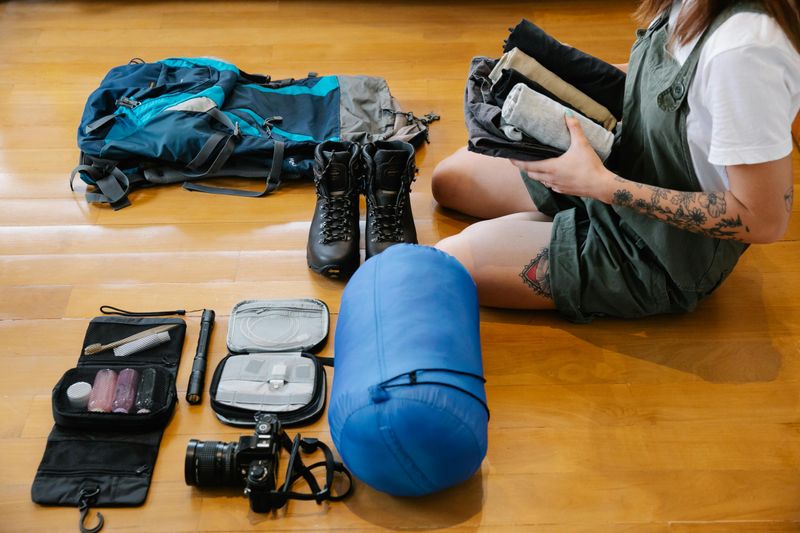
Think minimalist, not messy. Bring a reusable bottle, sturdy containers, and a tiny trash pouch so every cap, peel, and tag leaves with you.
If coolers are allowed, pick a soft-sided one that will not gouge the boardwalks or raft into seagrass when bumped.
A rash guard and UPF clothing do heavy lifting so you rely less on sunscreen. Pack a microfiber towel, reef-friendly toiletries for after you leave the water, and a dry bag that seals.
Label your stuff. Lost and found piles grow into micro-landfills by afternoon.
Skip glass entirely and decant snacks at home to cut crinkly litter. If you paddle, add a spare bungee and a short length of rope to secure gear away from vegetation.
A compact first-aid kit and a small whistle round out the pro kit. You will look dialed, and the spring will thank you.
4. Keep chemicals out of the water

You can protect your skin without turning the water into a chemistry experiment. The easiest move is coverage: a long-sleeve rash guard, a hat for the banks, and shade breaks during the brightest hours.
If you do use sunscreen, put it on well before you get wet so it has time to set instead of floating off as an oily shimmer. The shoreline is a bad place for aerosols—spraying clouds of bug repellent while you’re standing at the edge is basically aim-assist into the spring.
Step away from the water, apply, and wash hands if you can before swimming. Avoid “reapply every five minutes” habits by planning your day: swim first, sun second, then swim again later.
The goal is simple—your protection stays on you, not in the basin. Clear water is the flex.
5. Don’t touch or stand where it harms the spring
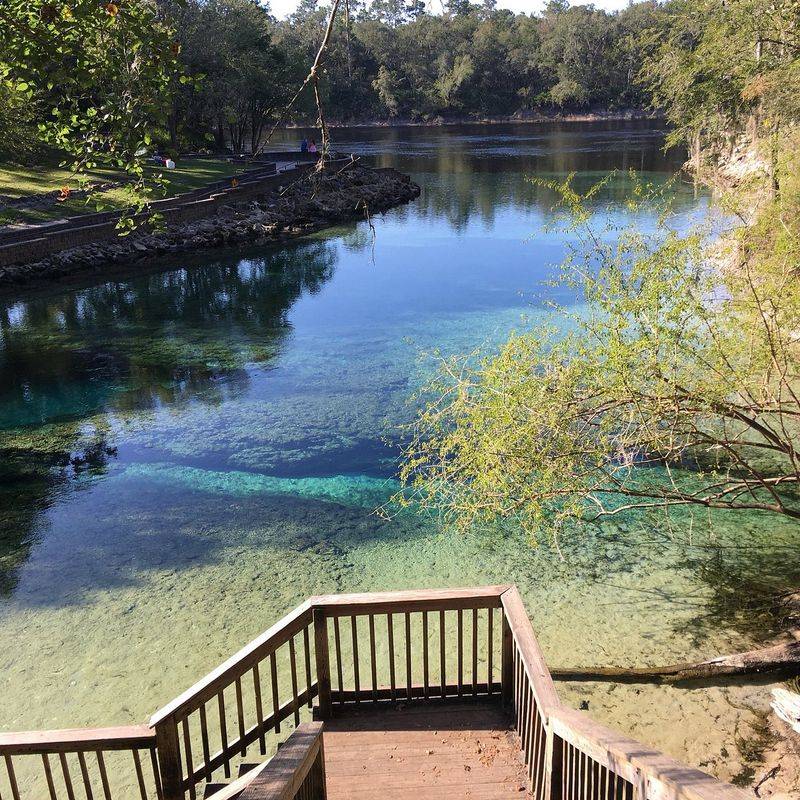
There are spots in a spring that look sturdy and inviting, but they’re the most delicate parts of the whole system.
Vents, boils, and the bright headspring area are not places for standing, posing, or “just resting for a second.” Plant beds along the edges are equally off-limits, even if they’re shallow and easy to step on.
The fastest way to ruin clarity is “walking the bottom” like you’re in a pool—each step kicks up sediment that drifts through the run and hangs there.
If you need a break, float to the side in deeper water or head to the bank where entry is designed for people traffic.
When you’re entering, move smoothly and commit to swimming instead of tiptoeing. Think of the bottom like wet paint: if you can avoid touching it, you should.
Your photos will look better anyway—no beige haze.
6. Swim/snorkel etiquette that prevents cloudy water
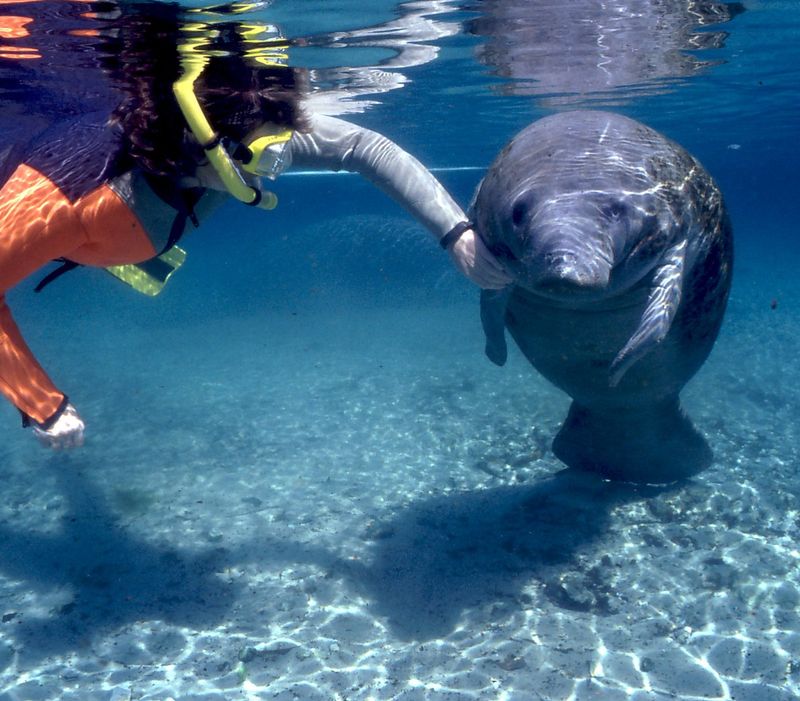
Good spring swimmers look like they’re gliding, not fighting the water. Keep your kicks small and controlled, especially in shallow zones where one fin swipe can create a sandstorm.
If you snorkel, resist the urge to grab rocks or plants for balance—use buoyancy and slow movements instead. In busy areas, take turns at the prettiest spots rather than parking yourself front-and-center for ten minutes of filming.
The headspring isn’t a stage; it’s a shared view. If you’re drifting in a tube, steer with your hands and stay in open water, not over plant beds.
When passing others in a narrow run, go wide and gentle, like you’re on a quiet street instead of merging on the highway. And if you notice you’re leaving a cloudy trail, adjust immediately—higher in the water, slower kicks, fewer bottom taps.
Clear water is earned.
7. Wildlife etiquette (especially manatees)
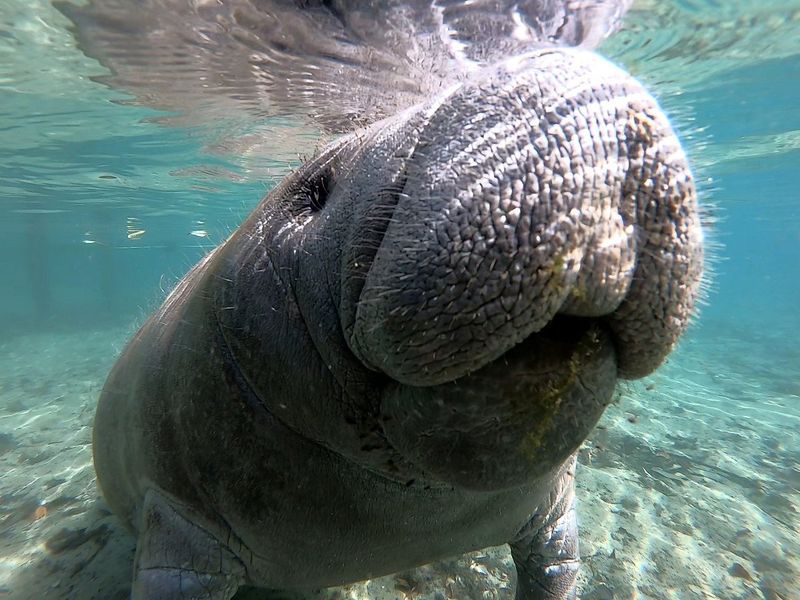
Seeing wildlife in a spring feels personal—like you got invited into someone else’s living room. Act like it.
Give animals space, don’t block their path to the surface, and never chase for a better photo. With manatees, the rules go from “be respectful” to “absolutely don’t mess around.” If signs say keep distance or no interaction, that’s the whole story.
Even when manatees are nearby, your job is to stay calm, float quietly, and let them decide where to go.
Touching, grabbing, holding, riding—hard no. Feeding is also a big problem because it teaches animals to associate people with food and changes their behavior.
The same respect applies to turtles, fish, birds, and otters: look, enjoy, and keep your hands to yourself. The best wildlife moment is the one you didn’t force.
Let it happen naturally.
8. Leave no trace
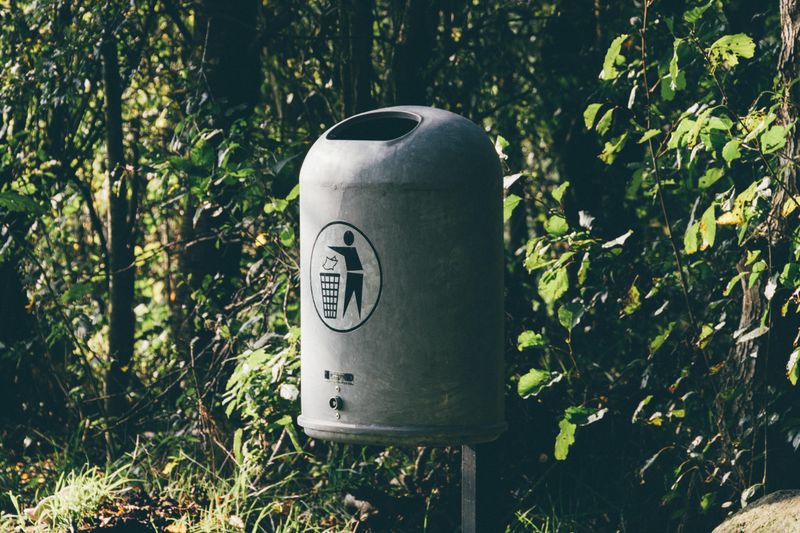
Pack it all out, every time. Bottle caps, orange peels, fishing line, cigarette butts, and stray bandaids count.
A tiny trash pouch on your bag makes leaving zero trace easy and weirdly satisfying.
No soap or shampoo in the water, period. Glitter, confetti, and dye bombs are out, too.
Glass is a hard no. Keep food out of the water so crumbs do not train fish and turtles to swarm swimmers. Clean gear away from the shoreline so rinse water does not carry residues.
Respect bathrooms and rinse stations if provided, and shut off taps quickly to conserve aquifer water. Secure napkins and wraps on breezy days so they do not take a ride downstream.
Your future self will thank you when the spring looks the same on your next visit.
9. What to do if you see bad behavior
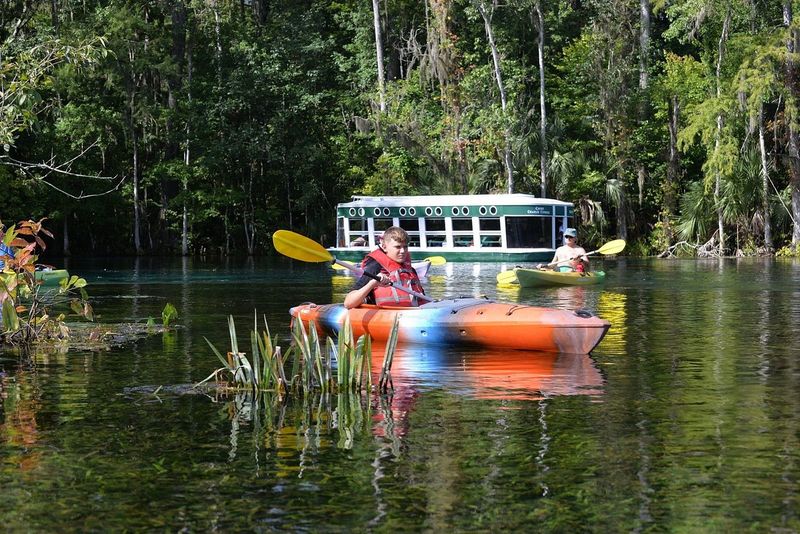
The easiest way to protect a spring is to make good behavior look normal. Move gently, pack out trash, give wildlife space—people copy what they see, especially when it’s calm and confident.
If someone’s doing something clearly harmful, a simple, friendly heads-up often works better than a lecture.
Keep it light: “Hey, the bottom’s super sensitive here—if you float a bit higher the water stays clear.” If they’re ignoring rules, harassing wildlife, or creating a safety issue, don’t escalate—flag a ranger or staff member.
They’re the ones with authority, and they’d rather know early than after damage is done. Want to go a step further?
Join a local cleanup, donate to spring-focused conservation groups, or share your photos with etiquette tips instead of “secret spot” geotags. Springs aren’t fragile because they’re weak—they’re fragile because they’re rare.
Treat them like it.