A 3-Day Florida Black Heritage Trail Road Trip (With 5 Stops You Can Actually Visit)
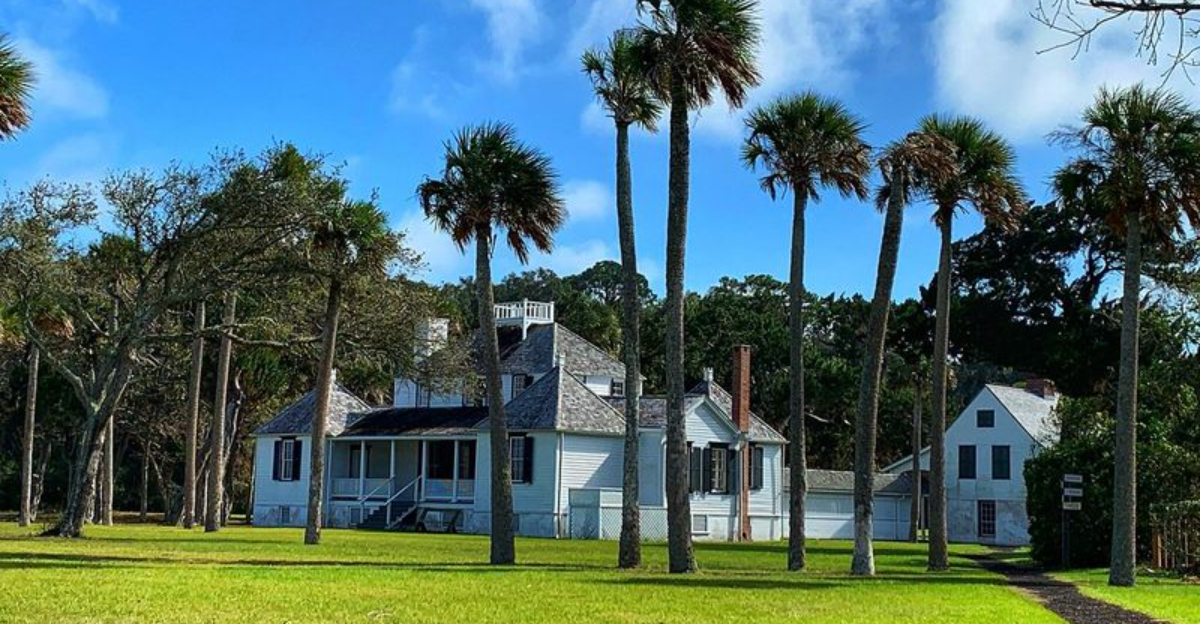
Florida’s Black history isn’t tucked behind velvet ropes—you can pull right up, walk in, and feel the stories in real places.
This 3-day road trip threads together a coastal plantation site, a downtown neighborhood that once pulsed like a music district, the first legally sanctioned free Black settlement in what’s now the U.S., and two Central Florida museums that make the past feel sharply present.
The best part: every stop here is visit-ready, with real hours, real addresses, and enough on-the-ground detail to keep you from doing the “closed sign” shuffle. Bring comfortable shoes, a curious brain, and a little room in your schedule for detours you’ll be glad you took.
1. Kingsley Plantation (Timucuan Ecological & Historic Preserve)
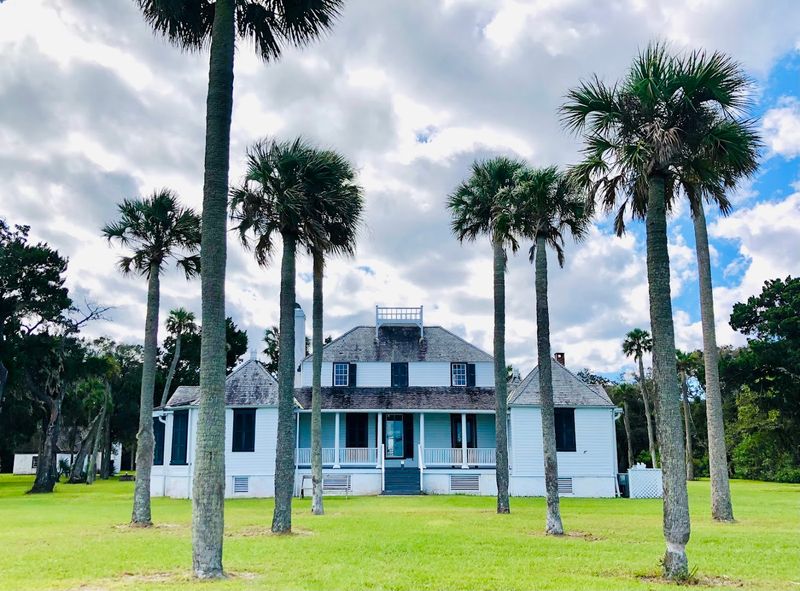
A slow drive out to Fort George Island sets the mood: marsh views, big sky, and then—suddenly—history you can stand inside of.
Kingsley Plantation is one of the most sobering, most specific stops on this whole route, especially when you’re walking past the tabby slave cabin remains and up to the plantation house.
Give yourself time to read, not just glance; the details here matter. It’s also refreshingly practical: there’s no fee for parking or access, so you can linger without watching the clock.
The NPS notes the site runs Wednesday through Sunday, with the visitor contact station typically open in the day and gates locked at 5 p.m., so aim for late morning.
If you’re into quiet wildlife moments, the riverfront setting delivers—bring water and bug spray and take it slow.
2. Ritz Theatre & Museum (LaVilla, Jacksonville)
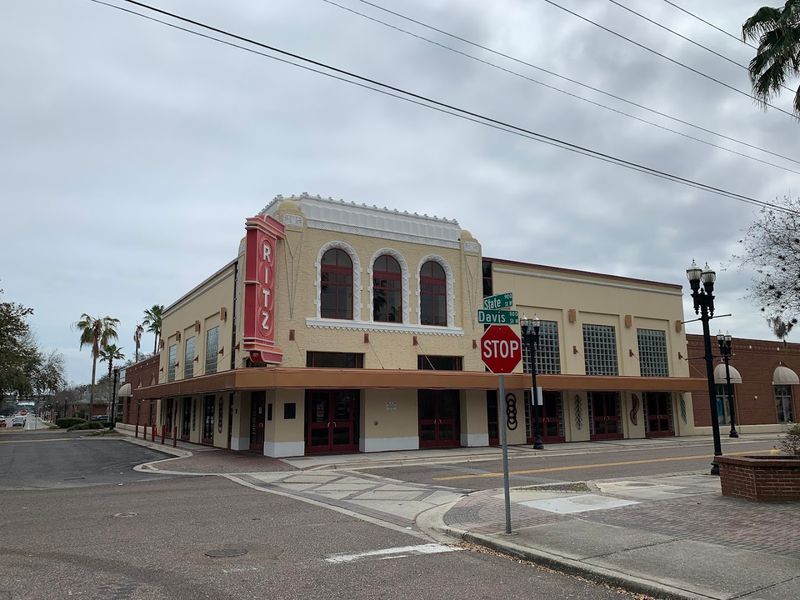
Step into LaVilla and you’re standing in a neighborhood once nicknamed the “Harlem of the South,” and the Ritz is the easiest way to get your bearings fast.
Inside, the museum’s permanent exhibit hits you with Northeast Florida stories that feel personal—music, community life, civil rights, and the city’s cultural heavy-hitters—without turning into a textbook.
Plan it like a smart local: go midweek and show up earlier than you think you need, because ticket sales cut off before closing. Tuesday through Friday it runs 10 a.m. to 4 p.m., and on Thursdays it stays open until 8 p.m.
Weekends are appointment-only, so don’t gamble on a casual Saturday drop-in. If you like your history with a side of vibe, this place nails it—then walk the area with fresh context.
3. Fort Mose Historic State Park
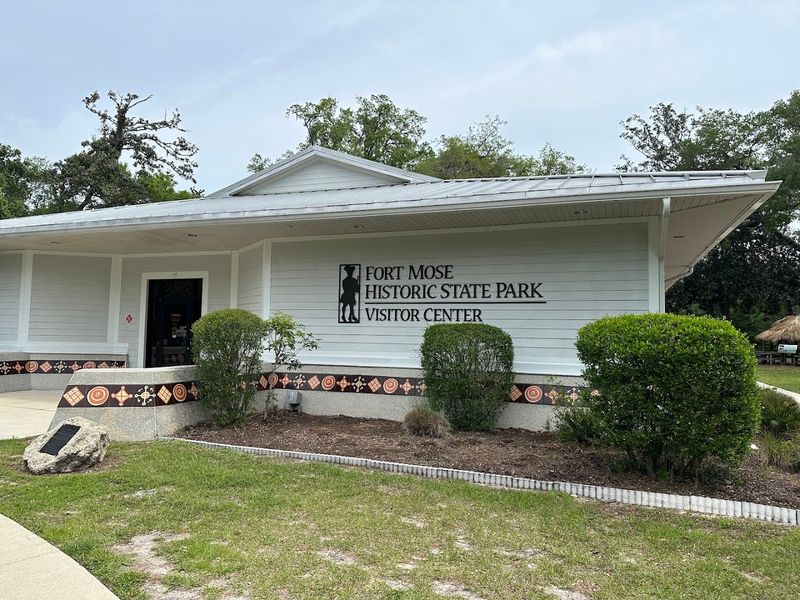
Before you even get to the exhibits, the setting does work: boardwalk edges, marsh air, and that feeling that something important happened right here.
Fort Mose is the headline stop for early Black freedom in Florida, and visiting it is surprisingly easy—if you follow the rules of the place.
The grounds are open daily 9 a.m. to 5 p.m., and they’re free, which makes it perfect for a linger-and-reflect loop.
The visitor center and museum are Thursday through Monday, 9 a.m. to 5 p.m., and they’re closed Tuesday and Wednesday—so don’t roll in midweek expecting indoor time.
The museum fee is a low $2 per adult (kids under 6 free). If you want the fort area “open,” time it with the tours: typically 10 a.m. and 1 p.m., about an hour each.
4. Wells’Built Museum (Orlando)
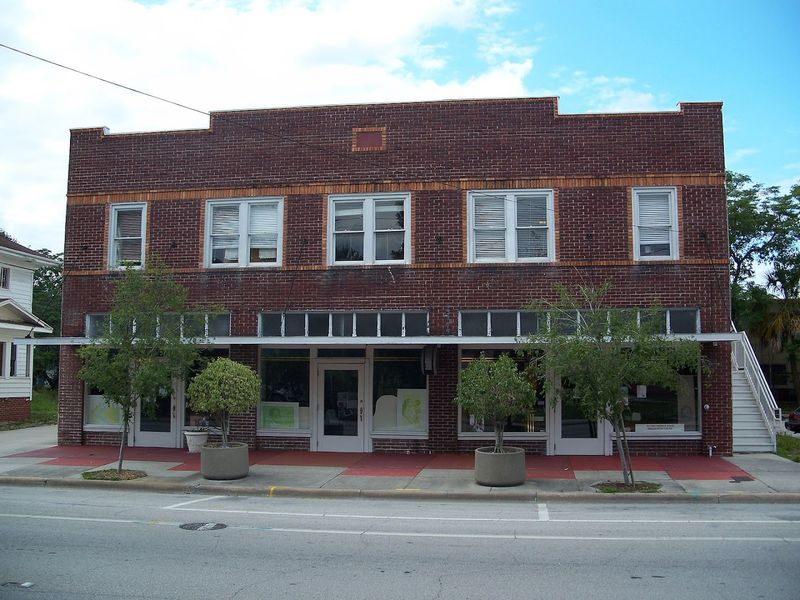
Downtown Orlando’s past gets real on South Street, where the Wells’Built Museum preserves the kind of history you can picture instantly—travel, music, and civil rights-era life told through a building that actually lived it.
The museum is small enough to do in a focused visit, but dense enough that you’ll keep stopping mid-step to read one more placard.
The big practical note: hours can be limited. The museum lists itself as open Monday, Wednesday, and Friday from 9 a.m. to 5 p.m., with the address at 511 W.
South St. If you’re road-tripping, that’s perfect for a weekday Day 3 start before you jump over to Eatonville. Call ahead if you’re coming from out of town, especially if your timing is tight, because the site notes limited operations.
Give it about 60–90 minutes, and don’t rush the stories about Black travelers—Florida roads used to be a very different experience.
5. The Hurston Museum (Eatonville)
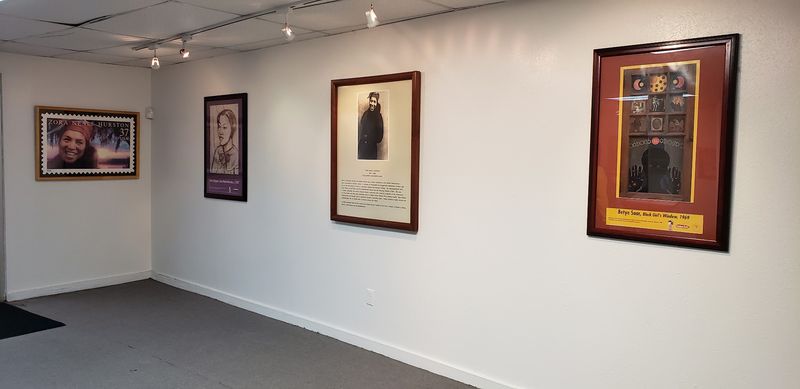
You don’t come to Eatonville for a giant campus—you come for a small town with outsized cultural gravity.
The Hurston (Zora Neale Hurston National Museum of Fine Arts) sits right in the community and rotates exhibitions of artists of African ancestry, so there’s a good chance you’ll see something new even if you’ve visited before.
For planning, treat the hours like your golden ticket: the museum lists Monday–Friday, 9 a.m.–4 p.m.; Saturday is a short window (11 a.m.–1 p.m., except holiday weekends), and Sunday is closed.
Once you’re there, ask about the Zora Neale Hurston Trail—Visit Florida notes it links historic sites and markers tied to Hurston’s writing, and the brochure is available at the museum.
This is a great last stop: art, place, and story all in one compact, memorable finish.