6 of Florida’s Coastal Dune Lake Stops That Feel Like a Nature Documentary
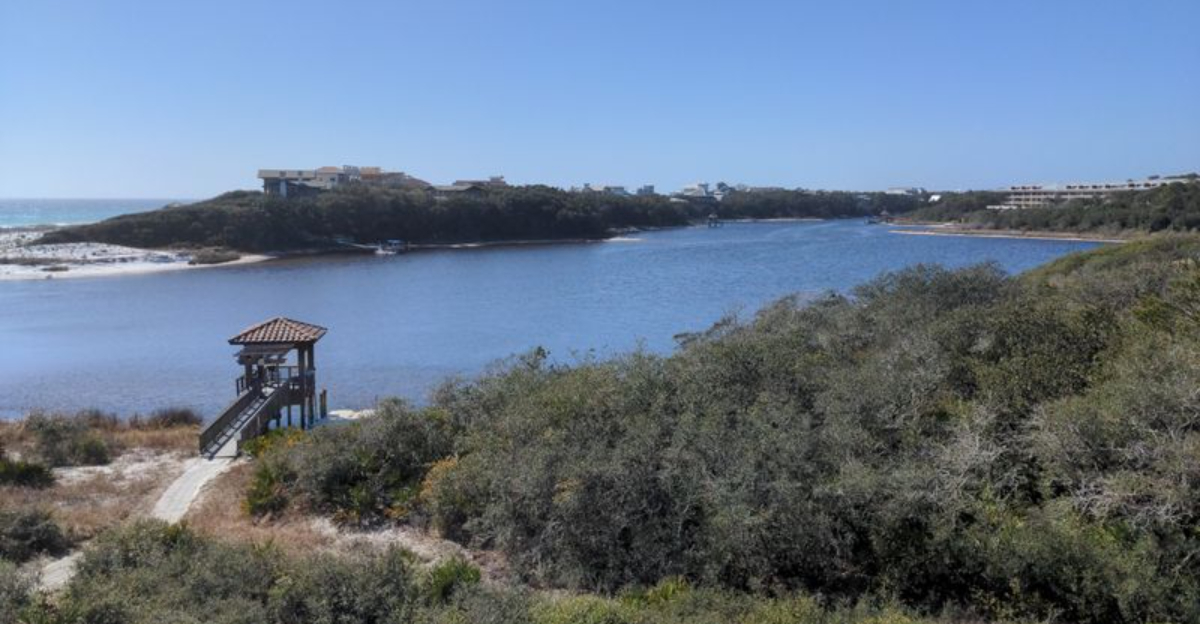
Florida’s panhandle has a weird little superpower: lakes that live behind sand dunes… and occasionally shake hands with the Gulf.
When the timing’s right, a ribbon of water slices through the beach, brackish currents swirl, and everything from baitfish to birds shows up like the crew got a call time.
These are coastal dune lakes—rare, moody, and constantly changing. One day you’re staring at tea-dark stillness framed by sea oats; the next, the outfall is running like a mini river.
If you like places that feel alive (and never exactly the same twice), these six stops along 30A and nearby are your best “nature documentary” scenes—no narration required.
1. Grayton Beach State Park — Western Lake + outfall
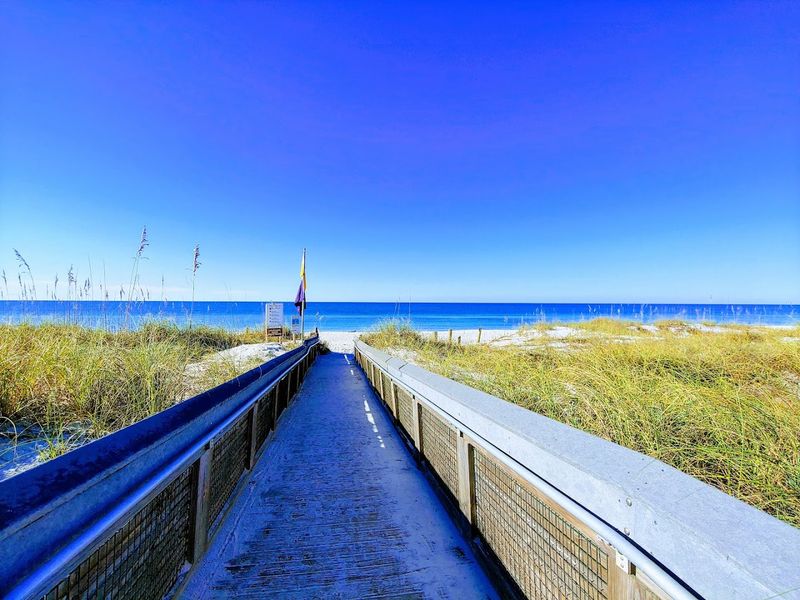
You can feel Western Lake’s scale the second you step near it—wide water, low hush, and that glossy surface that makes birds look like they’re floating in midair.
The fun twist is the outfall: when conditions line up, a winding channel opens through the sand and suddenly the lake and Gulf are trading water, salt, and surprise visitors.
Start early for the calmest paddle; the lake tends to act like a mirror before the beach crowds wake up. Keep an eye on the edges for wading birds working the shallows and quick flashes of fish near the brackish mix.
If you’re on foot, wander toward the beach side and watch the channel’s curves—this is one of those spots where the landscape can look noticeably different from last week.
2. Grayton Beach State Park — Alligator Lake + Little Redfish Lake
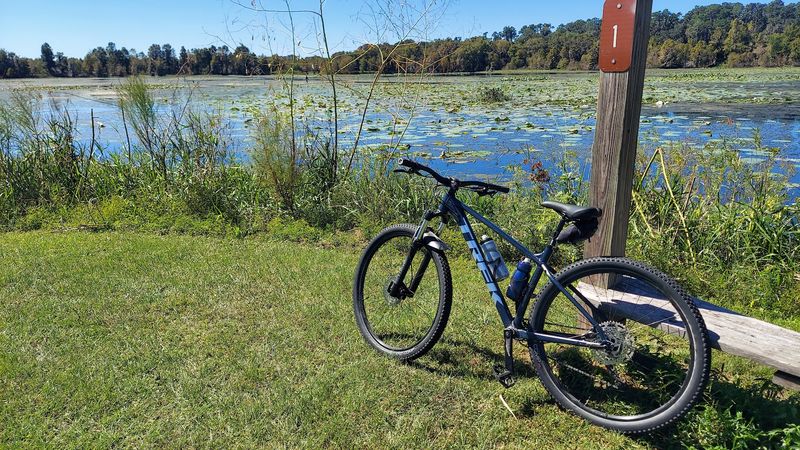
Slip away from the big, showy scenery and the park gets quieter in the best way. These smaller lakes sit tucked into scrub and dunes, and the vibe shifts from “open-water epic” to “close-up wildlife scene.”
The water often carries that tannin tint—more tea than turquoise—so shadows and ripples pop in a dramatic way.
Dragonflies patrol like tiny helicopters, and birds seem to work on a schedule, hopping from perch to perch along the shoreline.
The soundtrack here is subtle: wind in the grasses, the occasional splash, and that distant Gulf roar reminding you you’re still steps from the beach.
Come mid-morning if you want light for photos, or late afternoon when the air cools and everything gets active again without turning into a circus.
3. Deer Lake State Park — Deer Lake + the iconic dune boardwalk
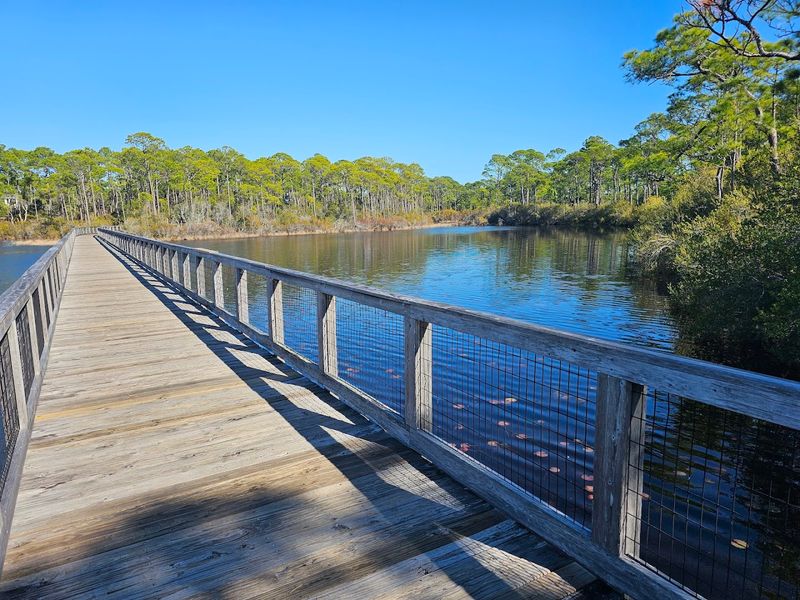
Walk the boardwalk and you’ll get that instant “how is this real?” contrast—bright dunes, scrubby green, and a lake sitting improbably close to the Gulf.
The path is the star for a reason: it carries you over fragile habitat without trampling it, and the view lines are clean and cinematic.
Deer Lake itself is part of a rare club—coastal dune lakes are a Gulf Coast oddity—and you can see why scientists get excited about them.
Look for plants that like it harsh and sandy, and watch how the dunes shape everything: wind-scoured ridges, pockets of shade, and suddenly the beach opens up like a stage reveal.
This is a great stop when the sun is high and you want that crisp, high-contrast look without needing to do a long hike.
4. Seagrove — Eastern Lake outfall beach access
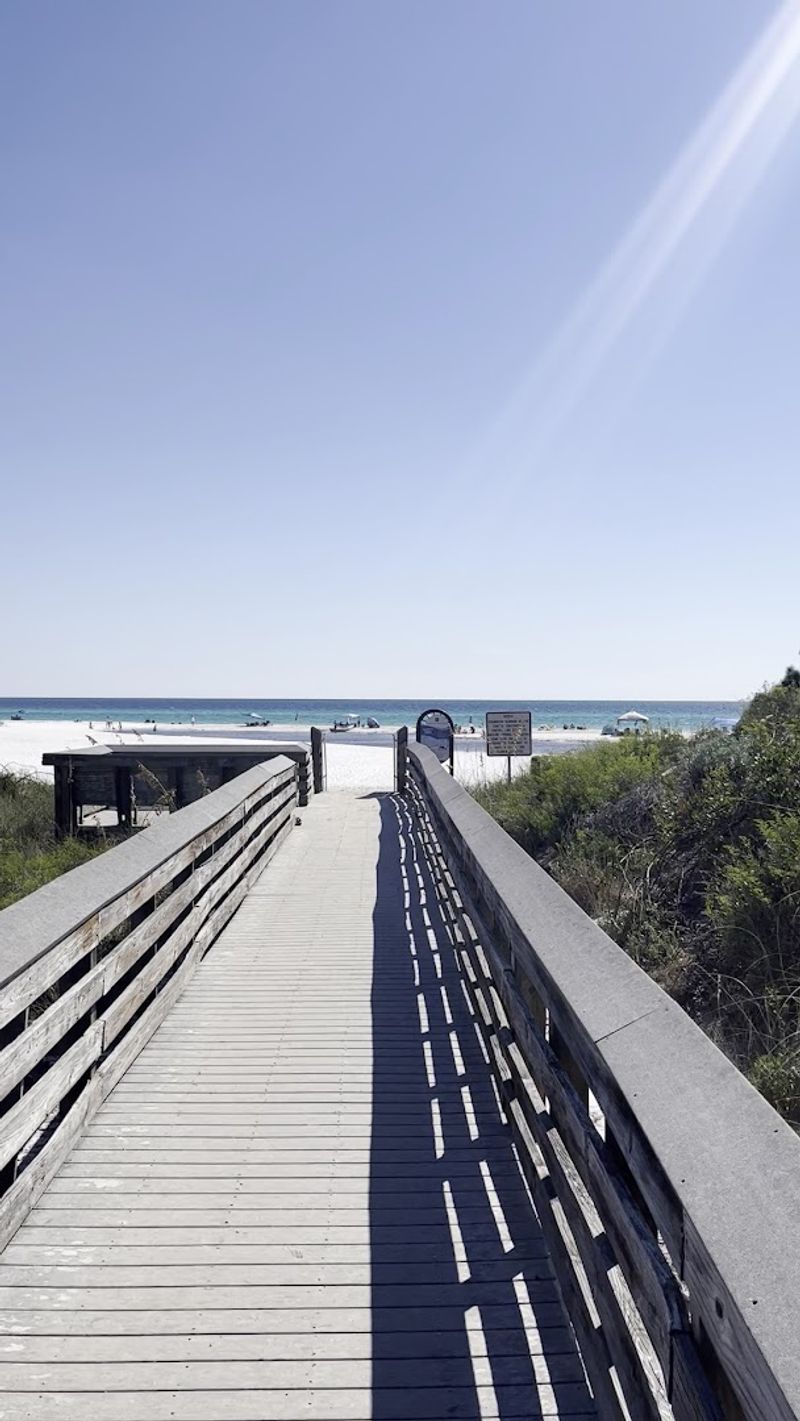
Stand near the outfall and you’ll understand why people linger here longer than they planned. The scene is simple—lake water meeting Gulf water—but the details keep changing: current speed, sandbars, water color, and who’s feeding where.
Sometimes the channel is narrow and quick, sometimes wider and lazy, and either way it feels like you’re watching a live experiment. You’ll spot anglers, kayaks slipping through, and birds posted up like they’ve claimed the best table in the restaurant.
The trick is to treat it like a shoreline, not a shortcut—stay mindful of the dunes and give wildlife space to do their thing. If you time it around softer light, the water goes glassy and reflective, and the whole place looks like it’s been color-graded for TV.
5. Blue Mountain Beach area — Draper Lake (viewpoints + nearby public access areas)
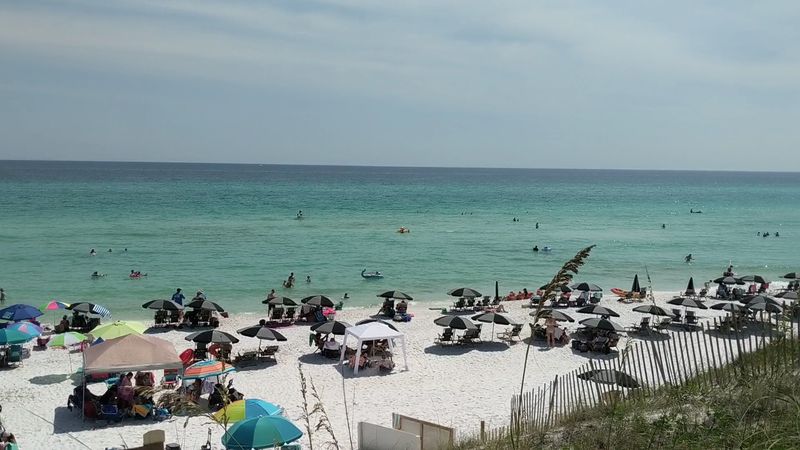
This one leans “hidden ecosystem” more than “big panorama,” which is exactly why it works. Draper Lake feels tucked in—wooded edges, quieter water, and that sheltered look that makes you scan for movement.
When access lines up for a calm paddle or a quick look from nearby public spots, you’ll notice the contrast fast: foresty shade near the lake, then bright dunes and Gulf light just a short distance away.
Wildlife here tends to be the blink-and-you-miss-it kind—little surface flickers, birds cutting low, ripples that show something’s hunting.
It’s a great stop when you want a break from the open beach and you’re craving the “what’s living in here?” feeling. Bring patience, not volume, and the place pays you back with small, sharp moments.
6. Camp Helen State Park — Lake Powell
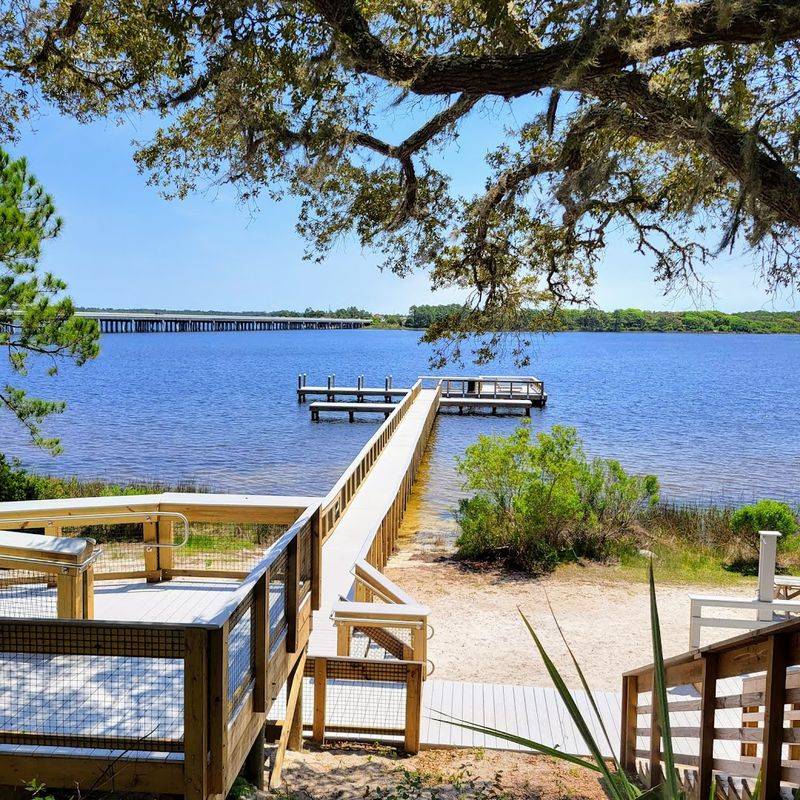
Big water energy, but with a wild twist—Lake Powell is one of the largest coastal dune lakes in Florida, and it feels like an establishing shot the moment you catch your first view.
You’ve got trails, dunes, and the Gulf nearby, so the scenery flips fast from inland calm to coastal drama.
The brackish element is part of the magic here too; depending on conditions, the lake and Gulf can connect, and that exchange influences the life you’ll notice around the margins.
Take a slow walk and watch the edges: still pockets, sudden movement, birds working shallows, and the occasional “something just rolled under the surface” mystery.
This is a strong late-day stop—warm light, long shadows, and fewer people—when you want the landscape to feel huge without feeling hectic.