This Surreal Underwater Art Park in Palm Beach Has Florida Divers Buzzing
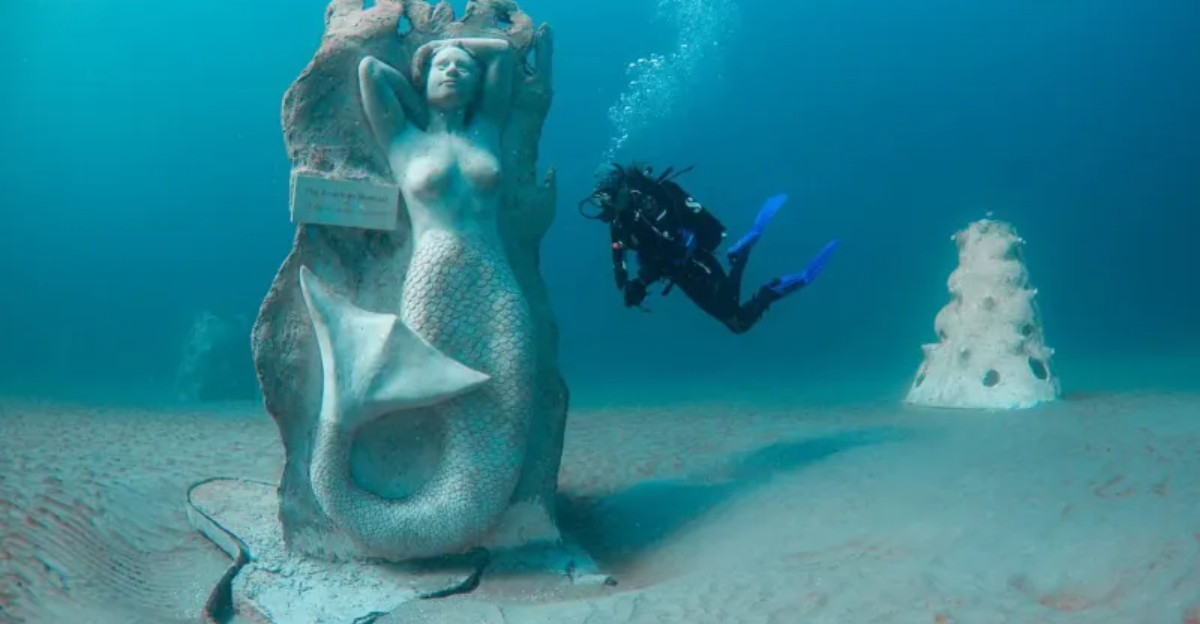
Off the coast of Palm Beach, an underwater art park is turning dive days into pure magic. The 1,000 Mermaids Artificial Reef blends sculpture and science, giving marine life a thriving home and you a gallery unlike any on land. Glide past graceful figures and coral colonies as sunlight shimmers over textured concrete.
If you have ever wanted a dive that feels like a dream, this is your next splash.
1. What Exactly Is the 1,000 Mermaids Artificial Reef
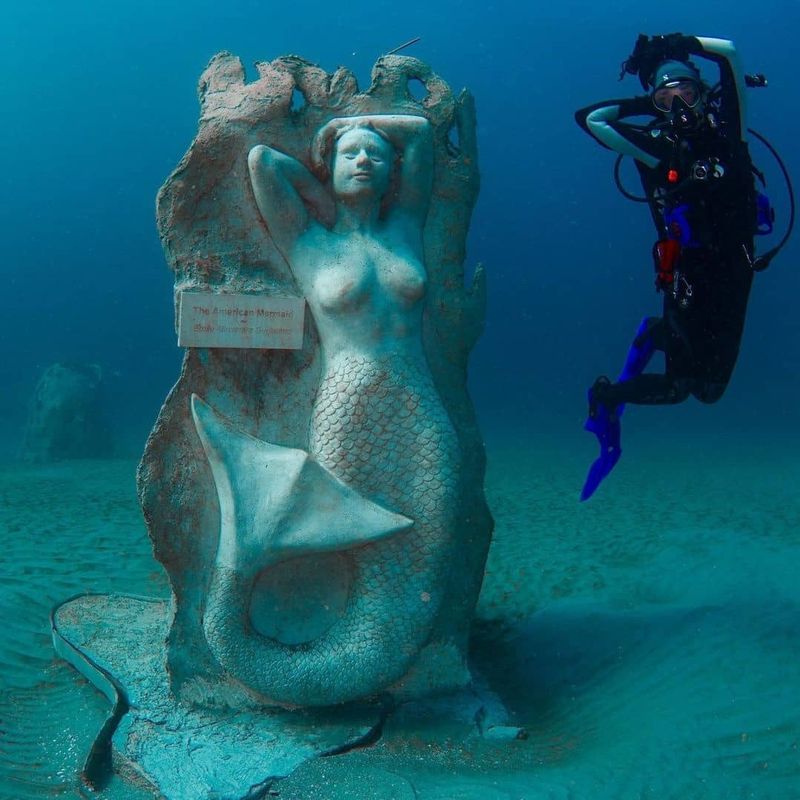
The 1,000 Mermaids Artificial Reef is an underwater gallery and living habitat off Palm Beach that merges public art with marine restoration. Artists and ocean engineers cast sculptures in marine-safe concrete, then deploy them to seed coral growth and attract marine life. You explore an evolving museum that literally comes to life.
Dive down and you will find mermaids, sea guardians, and reef modules that provide nooks for fish, octopus, and crustaceans. The surface textures are deliberately rough, helping corals and sponges attach. Over time, the artwork transforms into colorful, living reefs.
It is accessible by boat with local charters offering guided trips. Visibility can be fantastic on calm days, revealing a surreal, shimmering seascape.
2. How To Dive It Like A Local
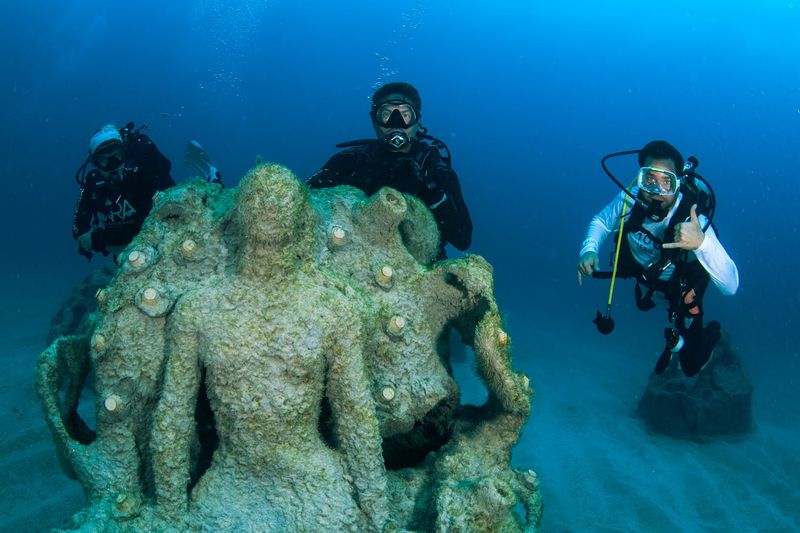
Plan your dive around tide and wind forecasts to catch calmer seas and clear visibility. Local operators in Palm Beach run charters to the reef, often scheduling morning departures when conditions are friendliest. Bring a reef-safe sunscreen for surface time and a surface marker buoy for safety.
Depths typically sit within recreational limits, but check the boat briefing for exact profiles. A good underwater light helps reveal textures and marine life tucked into shadows. Keep neutral buoyancy dialed to avoid finning up sand or bumping sculptures.
Pack a wide-angle camera rig and a lanyard to secure accessories. Listen to your captain, follow your buddy plan, and savor slow, careful passes to spot camouflaged residents.
3. Art Meets Ecology Design Details
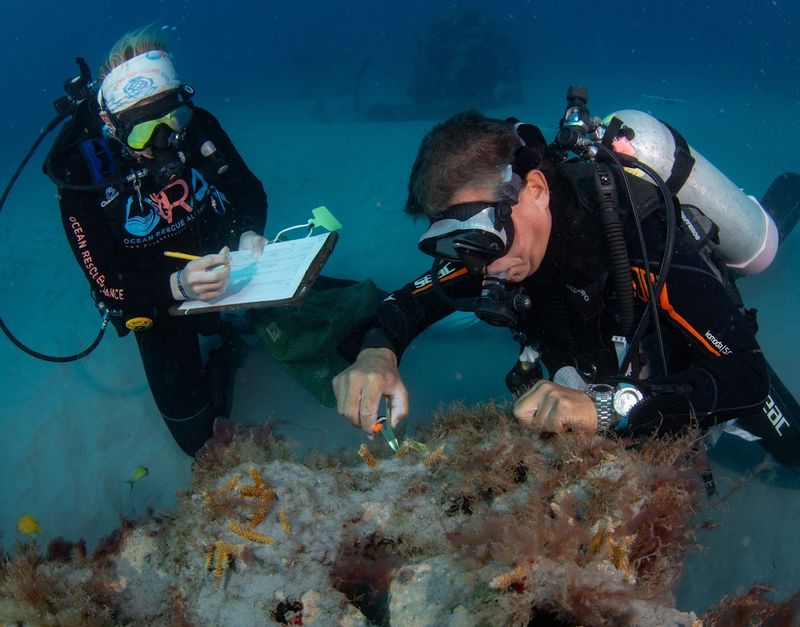
These sculptures are not just pretty faces. They use pH-balanced, marine-grade concrete with complex textures, holes, and ledges that mimic natural reef features. That means shelter for juveniles, attachment points for corals, and a microtopography that fosters biodiversity.
Designers collaborate with biologists to ensure flow, light, and spacing encourage settlement and growth. Modules are arranged to reduce scour and encourage larval recruitment. Even the placement considers currents and sand movement.
Over months, biofilm forms, then algae and invertebrates follow, building a living patina. Fish colonize, predators patrol, and a full food web takes shape. The art becomes habitat, turning a blank seafloor into a thriving neighborhood.
4. Iconic Mermaid Figures And Photo Spots
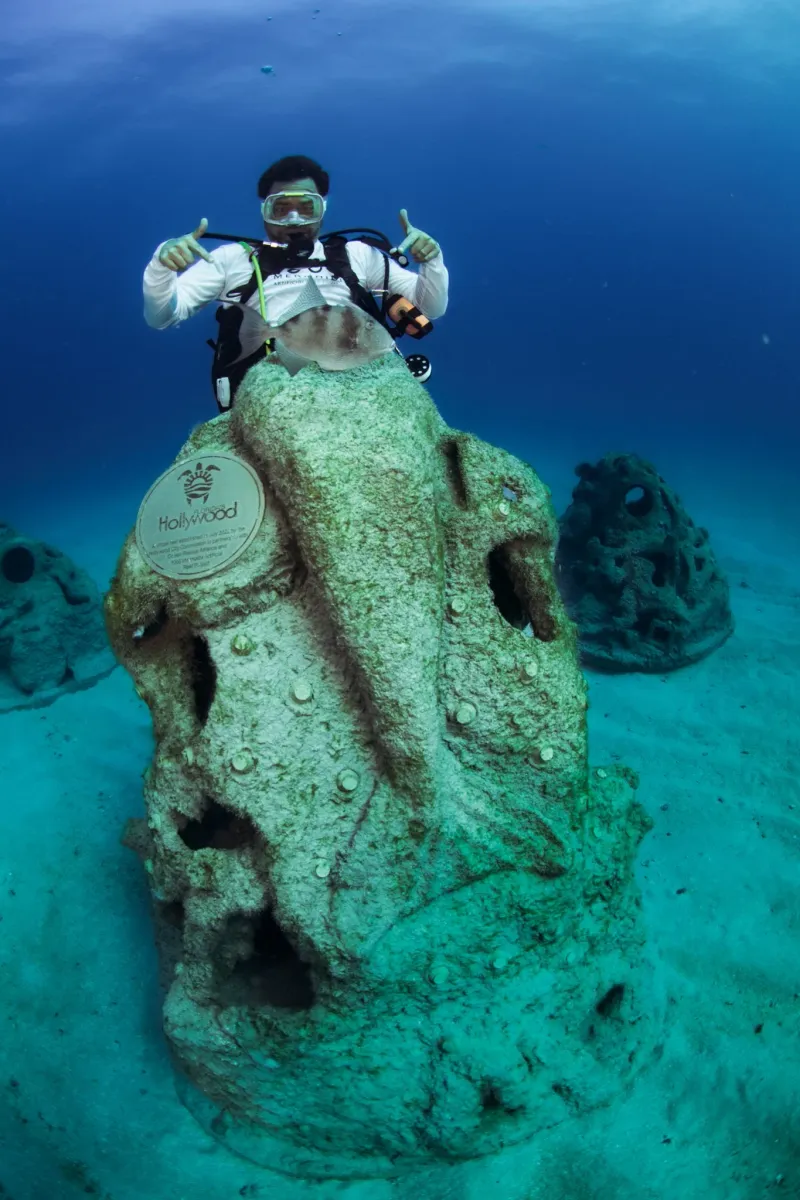
You will find signature mermaid figures posed in graceful arcs, perfect for framing a buddy portrait. Some sculptures feature outstretched arms or swirling hair that creates dramatic silhouettes against sunbeams. Swim slow and watch for schooling snapper that add movement to your shot.
Position yourself slightly below and shoot upward to capture light rays. A gentle flutter kick helps hold framing without stirring sand. For color, time your visit when the sun is high and bring a strobe to pop details.
Do not touch or sit on statues. Let your buoyancy do the posing. The best images come from patient moments when fish drift into your scene naturally.
5. Responsible Diving And Reef Etiquette
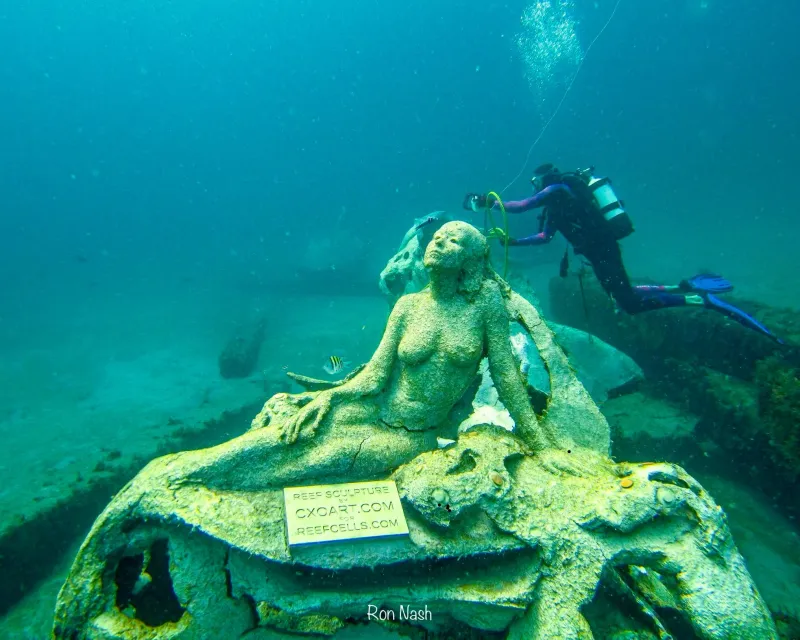
Good buoyancy is everything here. Hover a foot off the artwork, keep fins up, and move slowly to avoid contact. Secure gauges and octos so they do not drag, and use frog kicks around sandy patches.
Never touch or stand on sculptures. The living layer is fragile and easily damaged by a careless tap. Choose reef-safe sunscreen topside and avoid single-use plastics on the boat.
Follow local regulations, respect boat briefings, and use a surface marker buoy when ascending. Take only photos, leave only bubbles, and report any entanglement hazards to your captain. Responsible habits protect the reef and make every dive look and feel better.
6. Planning Your Trip To Palm Beach
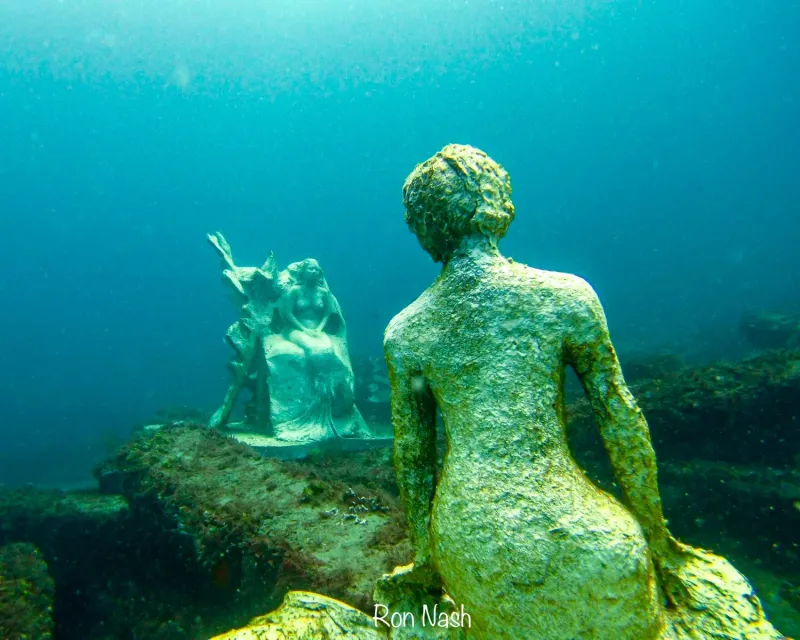
Base yourself near West Palm Beach or Riviera Beach for easy access to charters that visit the 1,000 Mermaids sites. Morning trips often pair the art park with nearby reefs or wrecks, giving you a full underwater sampler. Book early during peak season and confirm gear rental needs.
Water temps swing with seasons, so pack a 3 mm suit in summer and a 5 mm when winter currents chill. Seas can build quickly, so keep an eye on marine forecasts. Non-divers can snorkel select areas when conditions allow.
After diving, explore vibrant Clematis Street eats or decompress on the beach. Hydrate, log your dives, and back up photos. You will want to remember every surreal statue.