9 Tourist Spots In Florida That I Avoid Like the Plague

Florida’s amazing—until it isn’t. After enough weekends dodging bumper-to-bumper beach traffic, paying $40 to park near nothing, and watching “relaxing” plans collapse under crowds, I started keeping a personal do-not-enter list.
These aren’t secret locals-only hideouts. They’re famous tourist magnets that can turn into a headache factory if you show up at the wrong time, in the wrong season, or with the wrong expectations.
I’m not here to shame anyone’s bucket list. I’m here to save your vacation days.
If you want sunshine without the chaos, read this like a friendly warning from someone who’s already made the mistakes—so you don’t have to.
1. South Beach (Miami Beach) on peak Spring Break weekends
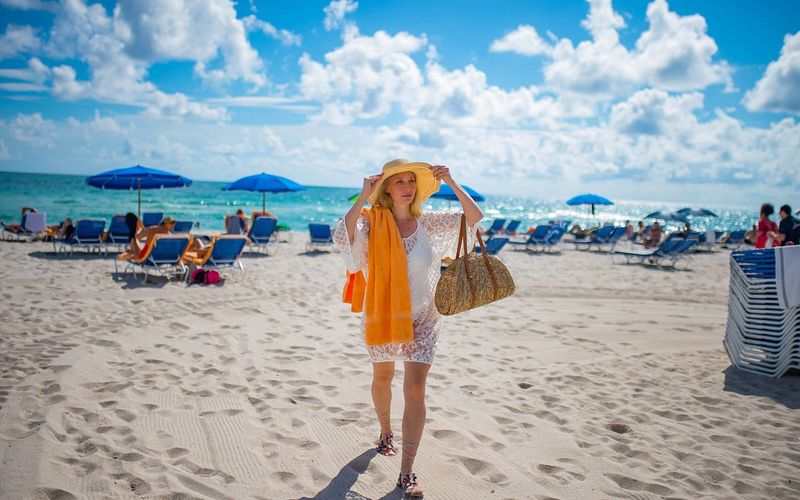
Walk onto Ocean Drive expecting a breezy beach day and you’ll quickly realize you’ve entered a full-contact sport.
The sidewalks clog up, the music competes with sirens, and every block feels like it’s being managed, monitored, and micromanaged.
Parking turns into a scavenger hunt with a price tag, and rideshares crawl like they’re stuck in molasses.
The vibe changes, too—less “vacation” and more “everyone’s on edge.” You’ll see lines for basic food, long waits for restrooms, and people trying to squeeze a whole party into a tiny patch of sand.
The beach itself can still be beautiful, but you’ll spend more time navigating humans than enjoying ocean. If you’re after Miami energy, come on a calmer weekend and let South Beach be fun instead of a stress test.
2. Panama City Beach in March
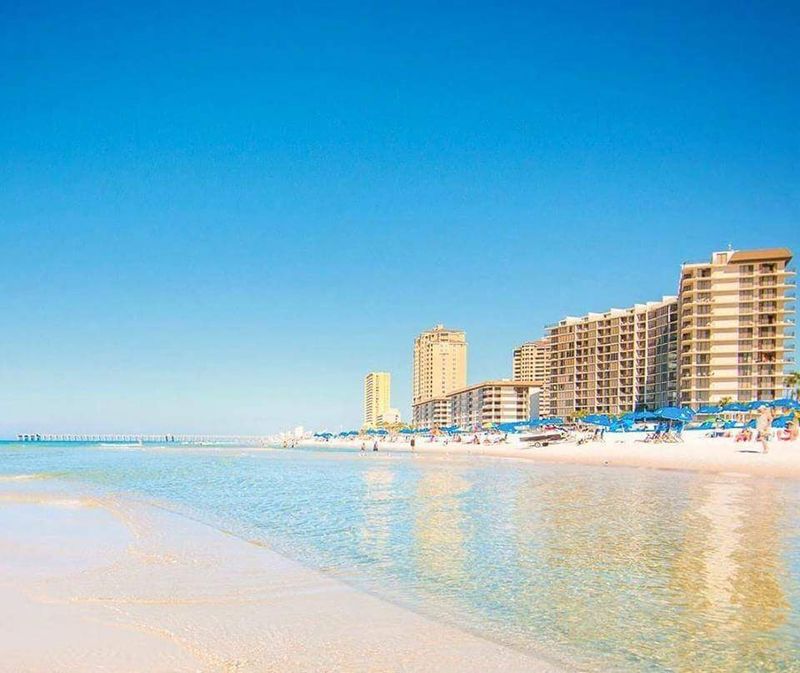
Show up thinking it’s an easygoing spring beach scene and you may be surprised by how rule-heavy it gets.
March can bring extra restrictions, more enforcement, and a “don’t even try it” mood that clashes with the party reputation people bring with them.
Expect a lot of eyes on the sand, a lot of reminders posted everywhere, and a lot of visitors learning the hard way that what flew last summer won’t fly now.
Even if you’re not there to rage, the sheer number of people changes everything—traffic into town, packed restaurants, and the kind of crowded shoreline where you’re basically sunbathing in a human quilt.
It’s not that Panama City Beach is automatically miserable; it’s that March can turn it into a high-stakes group project. Visit outside peak spring break weeks and it’s a different planet.
3. I-4 through Orlando’s tourism corridor at the worst possible time
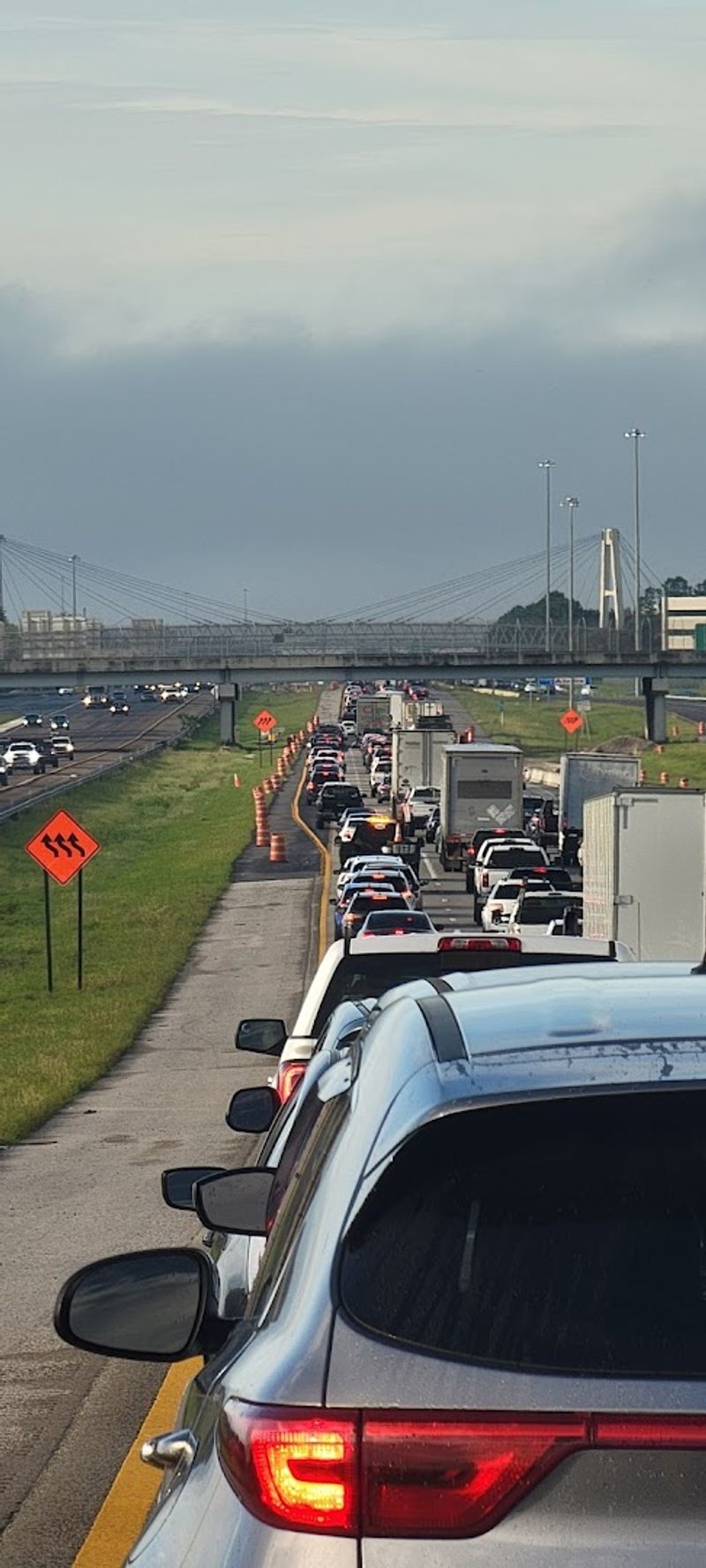
A short drive can turn into a life lesson somewhere between “why is everyone braking?” and “why is that exit a mile long?”
The tourism corridor of I-4 is where vacation schedules go to die—especially around commute hours, weekend arrivals, and any hint of rain. One fender-bender can ripple out and trap you in stop-and-go for an hour while you stare at the same billboard like it’s your new roommate.
Lane shifts and construction zones don’t help, and neither does the constant weaving from people who suddenly remember they need that exit…right now. If you’re trying to make a dinner reservation, forget it.
The smartest move is timing: travel mid-morning or after evening, use navigation apps, and don’t assume “ten miles” means anything in Orlando. I-4 isn’t a road; it’s a mood swing with asphalt.
4. International Drive (Orlando) when you expected ‘local flavor’
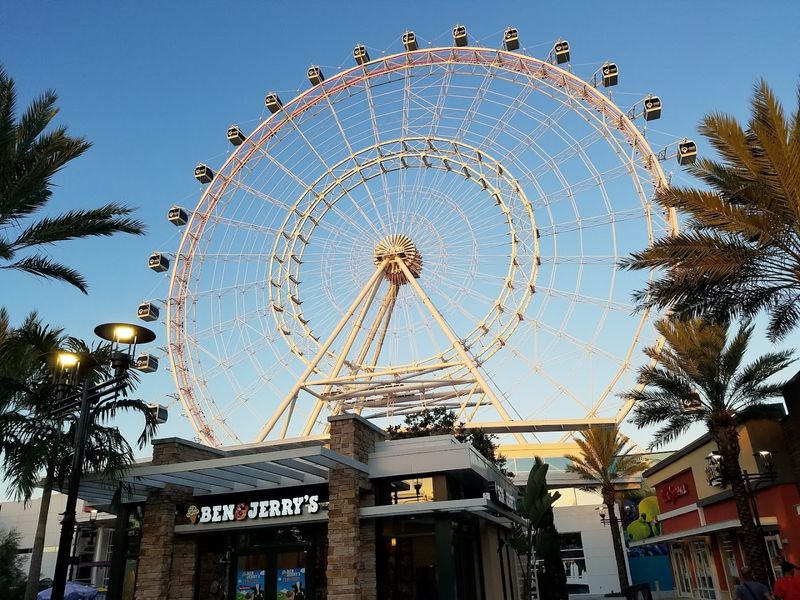
If your dream is “Florida charm,” International Drive will hand you a neon receipt and ask for your credit card.
The strip is loud, bright, and endlessly busy, with chain restaurants stacked like dominoes and attractions competing to out-flash each other.
Sidewalks get crowded with families, stroller traffic, and people trying to cross six lanes like it’s an Olympic event. Prices can feel inflated simply because you’re in the tourist funnel, and parking fees pop up in places that have no business charging for parking.
You can absolutely have fun here—especially if you like quick entertainment, big portions, and easy logistics—but it’s not the Orlando people picture when they imagine “hidden gems.”
The worst part is that it can eat your whole day without giving you much to remember besides noise. If you want local Orlando, hop to a neighborhood district and breathe again.
5. Theme parks during the “holiday crush”
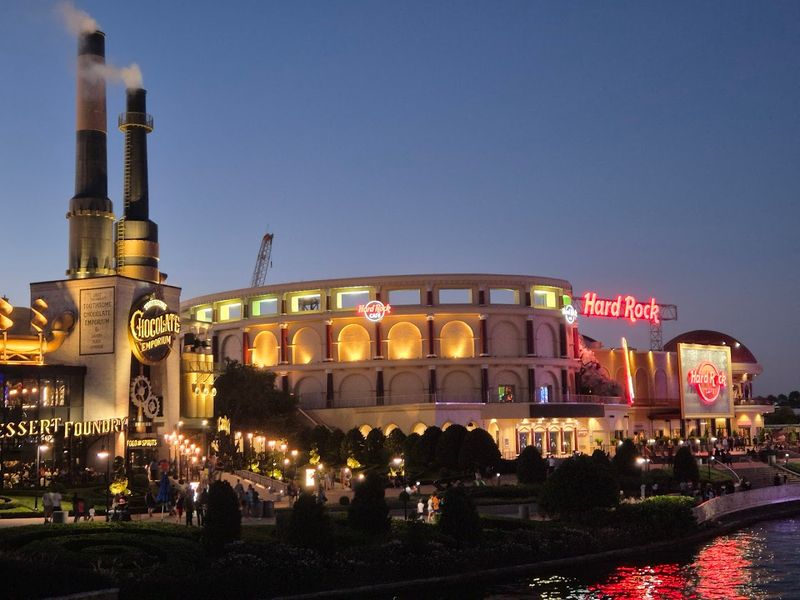
Holiday season at the parks is like trying to shop on Black Friday while carrying a churro and wearing sunscreen.
Crowds swell, lines stretch, and even “simple” things—finding a table, using a restroom, walking from one land to another—turn into mini missions.
You’ll see people speed-walking with purpose, staring at apps, negotiating like diplomats over which ride is worth the wait.
The festive decor can be gorgeous, but it comes with peak pricing, packed hotels, and the kind of shoulder-to-shoulder movement that drains the fun fast.
If you’re traveling with kids, patience becomes your main souvenir. The biggest trap is thinking you can casually pop in for a few highlights; the crowd level turns everything into a commitment.
If you want the magic without the madness, aim for less intense weeks and treat the holidays like the special event they are—not a casual Tuesday.
6. Lake Okeechobee shoreline during blue-green algae health alerts
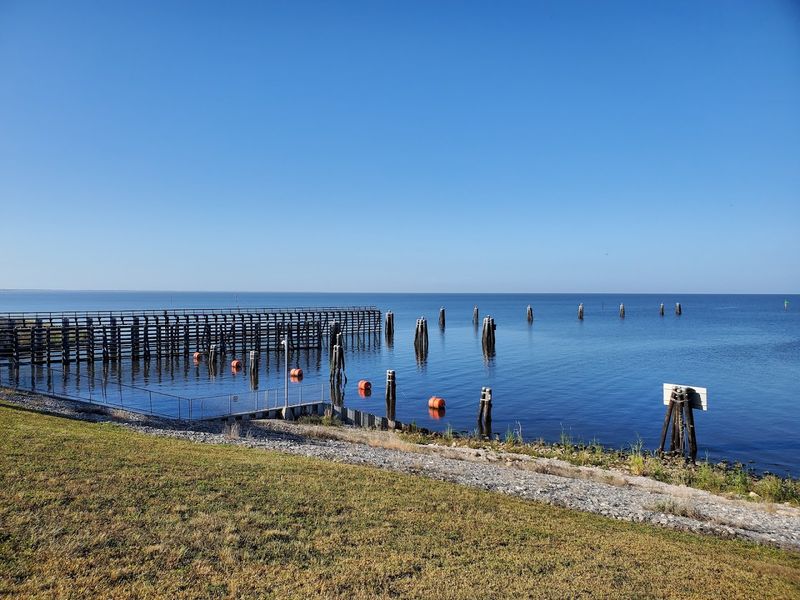
When the water looks like pea soup and the shoreline smells “off,” that’s your cue to back away—not lean in for a cute photo. During blue-green algae health alerts, the lake can shift from outdoorsy to downright sketchy, and it’s not just a visual problem.
Wind can push scummy mats toward the shore, and you’ll see thick streaks collecting along edges where people might normally fish, wade, or let dogs splash.
The worst part is how deceptive it can be: one area looks fine, the next looks like it belongs in a science experiment.
If you’re traveling with kids or pets, this is an instant no. Even for adults, it turns a lake day into a “hands in pockets, don’t touch anything” experience.
Lake Okeechobee has plenty of great moments, but when alerts are active, choose a different day—or a different body of water.
7. Gulf Coast beaches when red tide is active
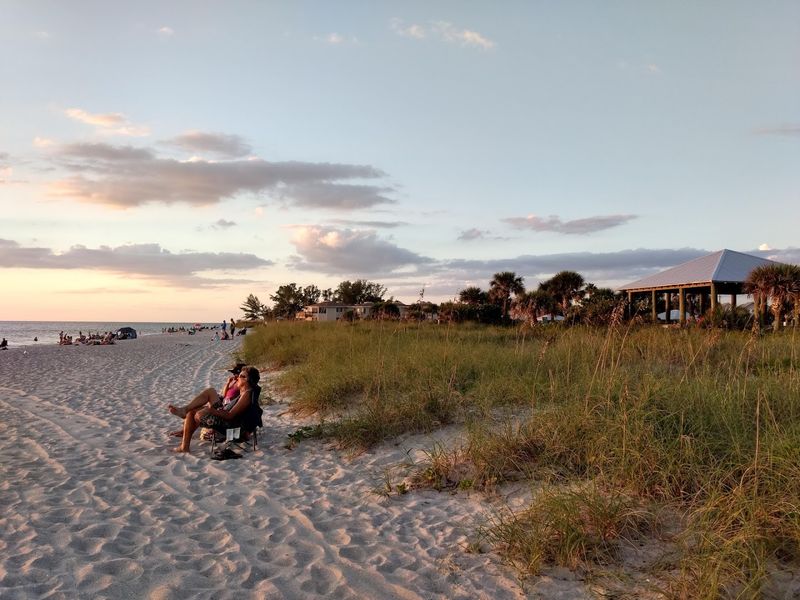
Nothing kills a beach mood faster than the ocean smelling like a bad seafood dumpster. When red tide is active, the air can irritate your throat and eyes, and the shoreline can be littered with dead fish that nobody wants to step around.
Some days it’s mild, other days it’s brutal—and that unpredictability is exactly why it’s a trip-risk. You can plan everything perfectly, then wake up to strong onshore wind and realize your “relaxing beach day” just turned into a coughing fit.
Even if you can tolerate it, the vibe shifts because people are constantly scanning the sand, debating whether to stay, and trying to outrun a smell that clings.
The frustrating part is that it can change quickly from beach to beach, so your friend in another town might be having a great day while you’re trapped in a stinky one.
If you want the Gulf at its best, check conditions and be ready to pivot.
8. Everglades National Park in the wet season without serious bug prep
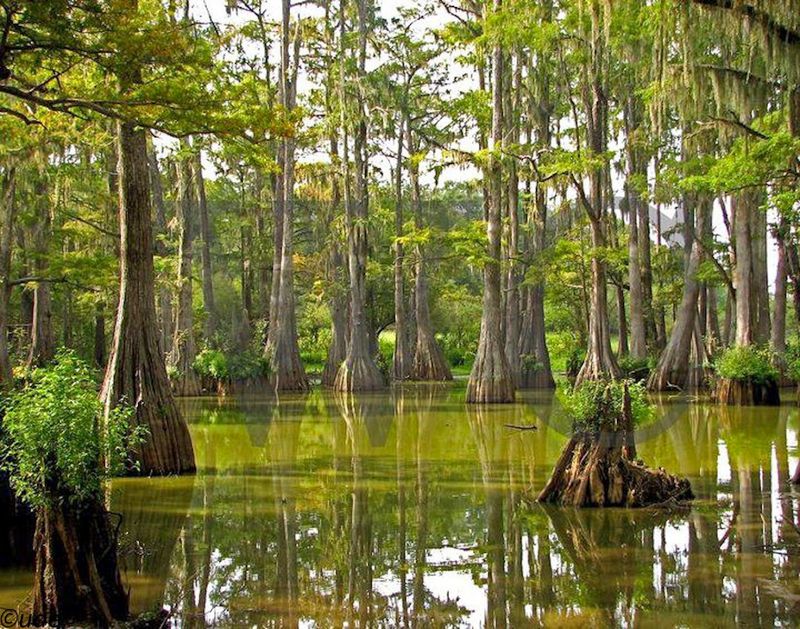
The Everglades is incredible…right up until the insects declare you the main course. Wet season brings heat, humidity, sudden downpours, and a mosquito population that acts like it’s been training for this moment.
If you arrive unprepared, you’ll spend more time swatting than sightseeing, and it’s hard to appreciate wildlife when you’re doing the itchy two-step.
Trails can feel steamy, clothes stick, and the calm, quiet vibe people expect can get replaced by a constant buzz in your ear.
Biting flies can join the party, too, and they don’t care how scenic the view is. With the right strategy—repellent, long sleeves, netting, and timing—you can absolutely do it, but “winging it” is the mistake.
The Everglades shines brightest in the drier months when the air is calmer, the bugs ease up, and you can actually focus on gators, birds, and those big, open skies.
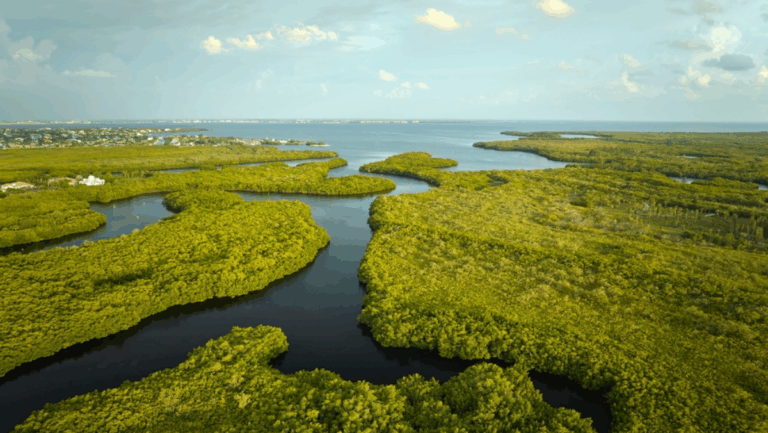
9. The Florida Keys mangroves at dusk in summer
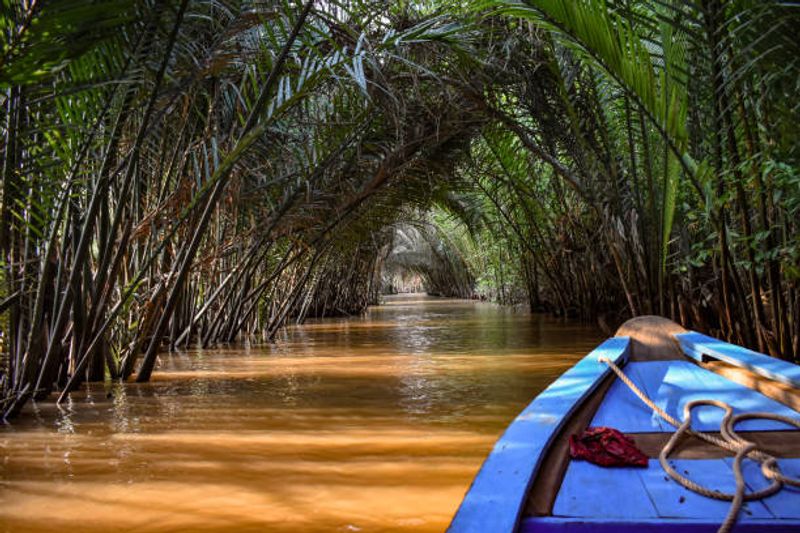
That dreamy sunset stroll can turn into an itchy regret the second the wind dies. Near mangroves in the Keys, dusk in summer is prime time for no-see-ums and other tiny biters that make mosquitoes feel like amateurs.
You won’t always notice them right away; you’ll just feel a weird prickly sensation, then later wonder why your ankles look like they got into a fight.
The worst scenario is standing still—fishing, chatting, waiting for the “perfect” golden-hour photo—because that’s when the swarm realizes you’re not moving.
Some spots are more brutal than others, especially sheltered areas with warm, still air. If you’re set on mangroves at sunset, come armed: cover skin, use strong repellent, and pick breezier locations where insects struggle.
Otherwise, save the mangrove exploring for daytime and let dusk happen from a patio with a fan and a cold drink.