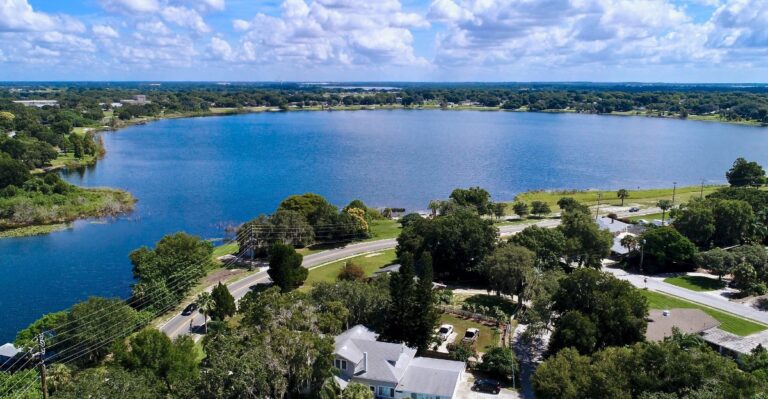
There’s A Magical Florida Lagoon That Mysteriously Glows Electric Blue After Dark
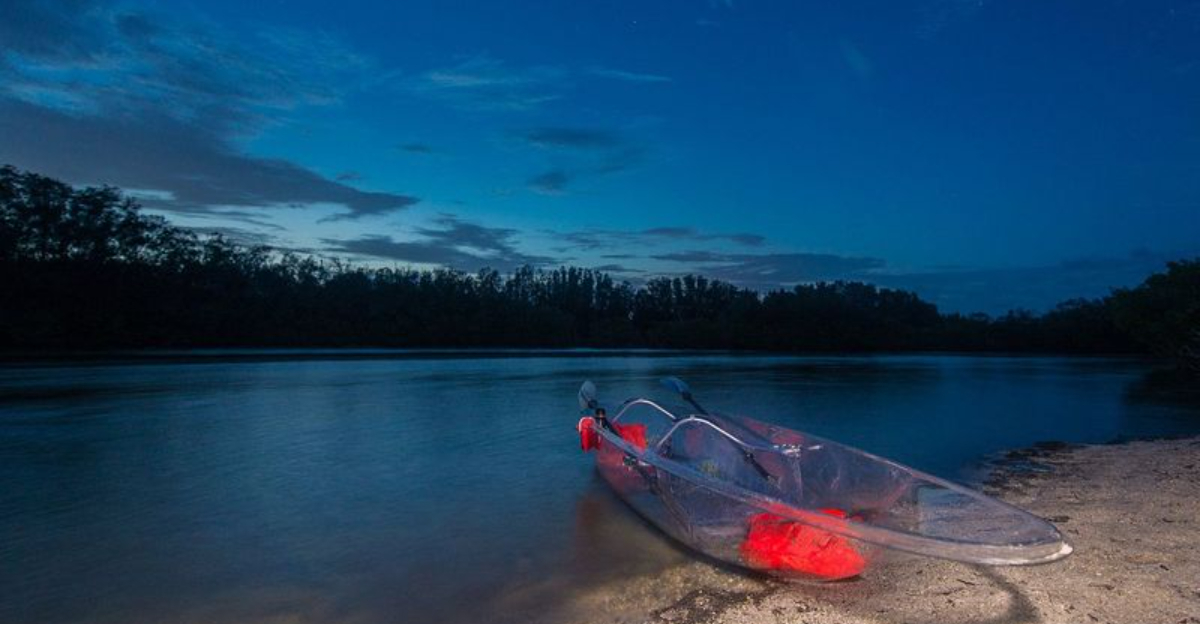
Ready for a Florida night that feels a little supernatural? Along the Indian River Lagoon, warm summer darkness sometimes erupts in electric blue sparkles, like stars scattering beneath your paddle. This glow is real, rare, and absolutely unforgettable when conditions align.
Here is how to see it, what it means, and how to explore responsibly so the magic keeps returning.
1. Why the Lagoon Glows at Night
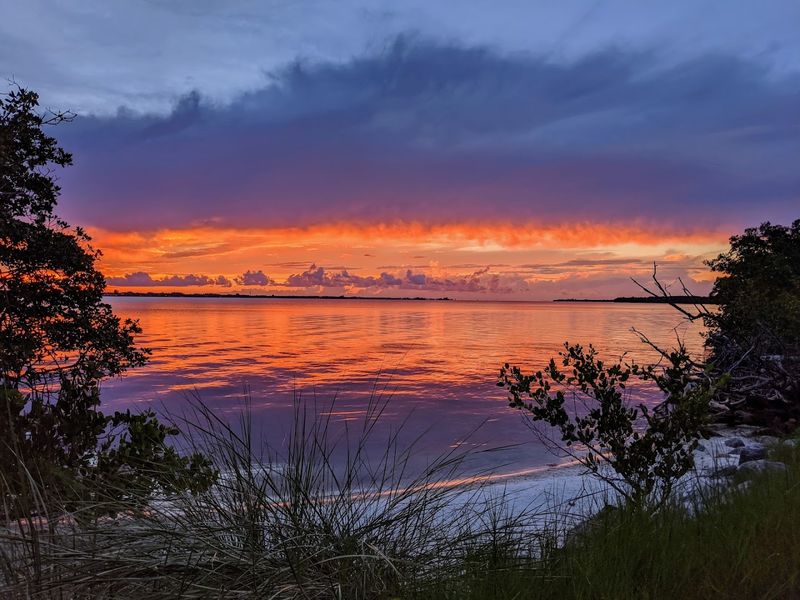
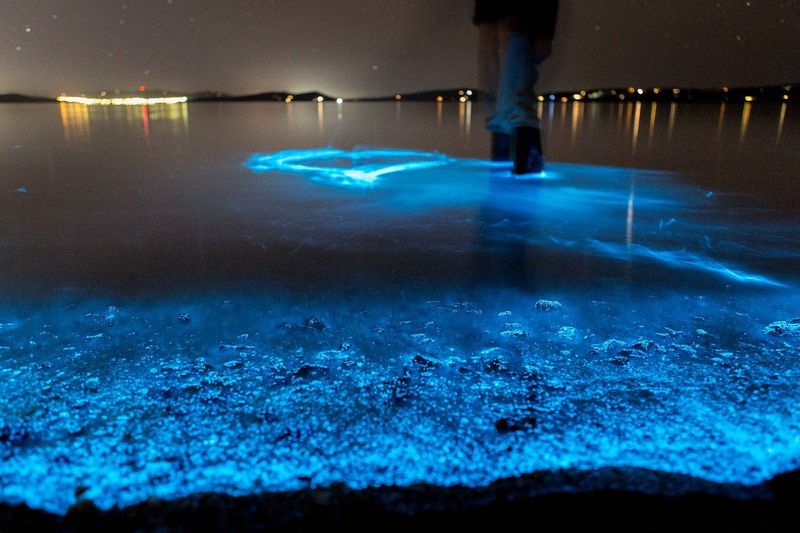
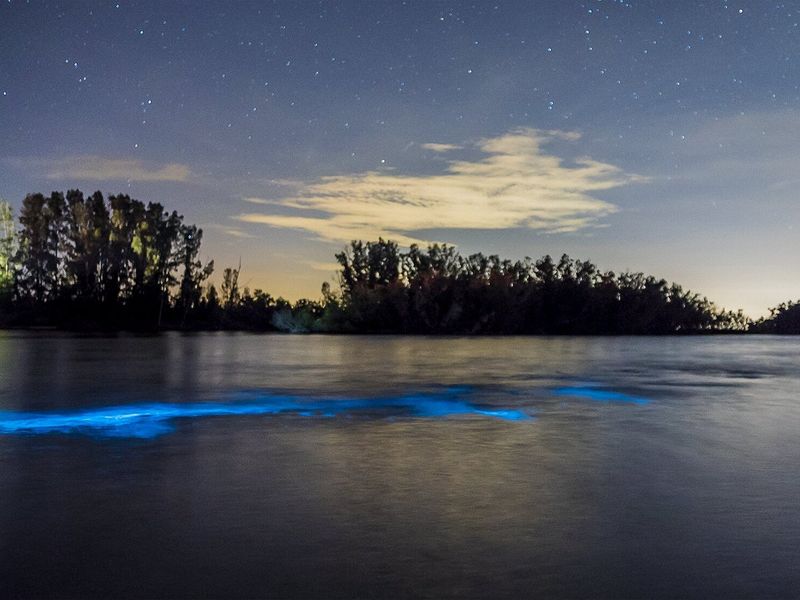
On the right summer nights, microscopic dinoflagellates bloom in the Indian River Lagoon and flash when disturbed. Every paddle stroke, mullet jump, or dolphin sweep triggers a quick electric blue spark. It is chemistry meeting motion, a living light switch flipped by your touch.
Warm water, light winds, and dark skies boost the glow. Too much moonlight or choppy water can wash it out. After storms, nutrient pulses sometimes supercharge blooms, but clarity and temperature still matter.
You do not need special gear, just patience and respect. Keep strokes gentle, avoid sunscreen slicks, and never chase wildlife. Let the lagoon show off on its terms, and the dark will answer in neon whispers.
2. Best Season and Timing for Electric Blue Tours
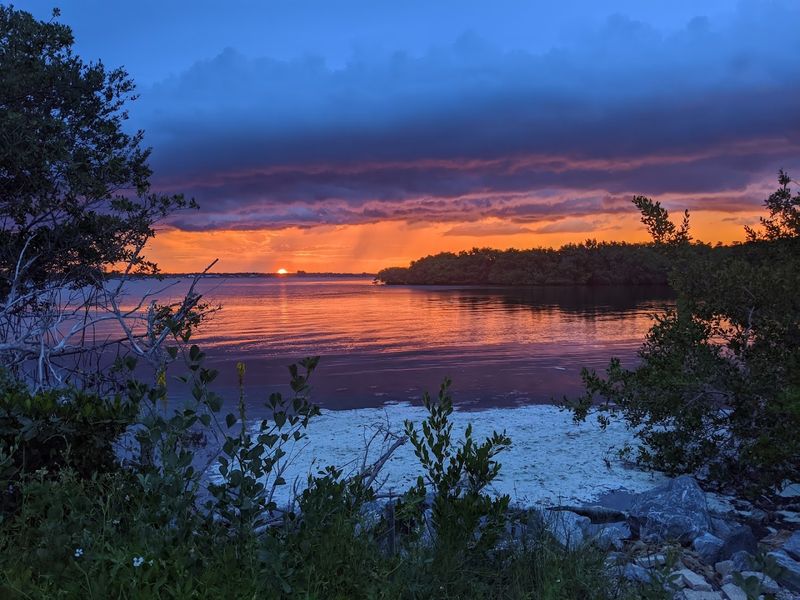
Bioluminescence peaks in the Indian River Lagoon from late June through early October, when water is warm and winds are light. Aim for a new moon or the darkest part of the month, and launch just after sunset. By full dark, gentle strokes can ignite those blue streaks.
Check wind forecasts for under 10 knots and go midweek if possible. Crowds stir up sediment and reduce magic. If a storm just cleared, give the water a night to settle.
Book early with reputable guides who understand the ecosystem. They time departures and choose sheltered coves that protect both paddlers and plankton. You bring curiosity, bug spray, and water.
The lagoon supplies the show and a hush you will not forget.
3. Launch Spots Near Indian River Lagoon Preserve State Park
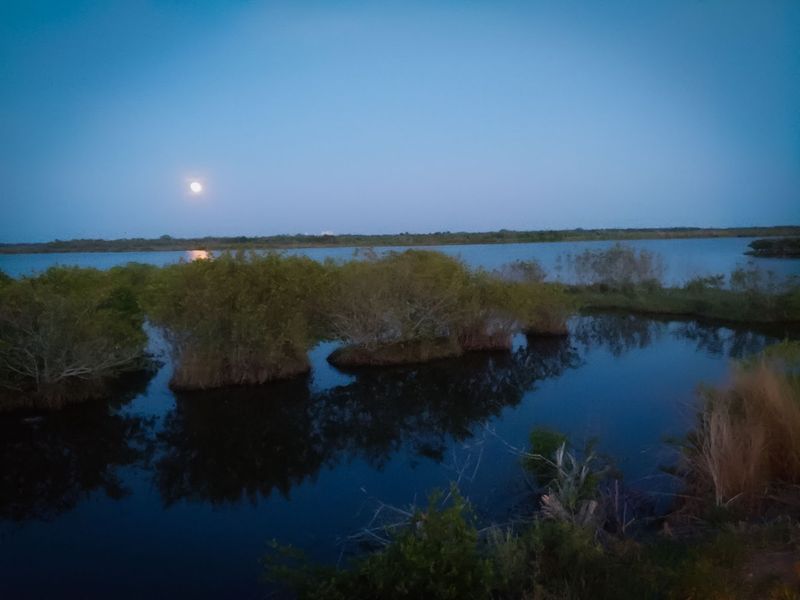
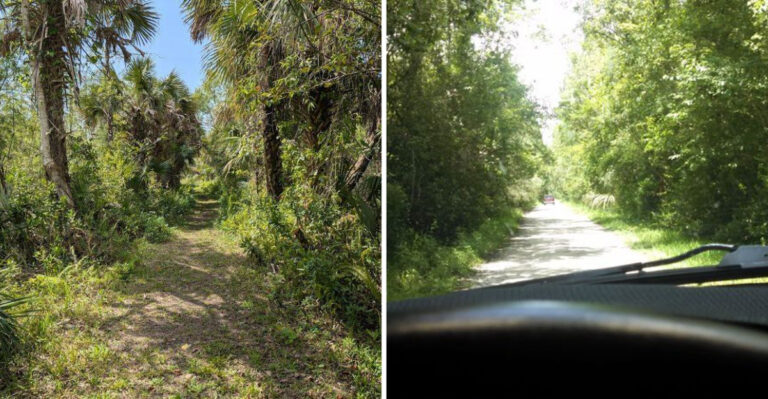
Indian River Lagoon Preserve State Park near Melbourne Beach puts you close to quiet mangrove edges. Expect hard packed dirt and crushed shell access, limited shade, and few amenities. It is simple but perfectly positioned for calm-water entries when winds are light.
Arrive before dusk to scout routes, since trail markers are minimal. Use offline maps and mind private property lines. Park respectfully, leave room for trailers, and carry everything out.
Once on the water, keep lights low to preserve night vision, but carry a white light for safety. Stick to protected coves to find the strongest pop. When your paddle bites the water and it flares blue, you will know you chose well.
4. Wildlife You Might See After Dark
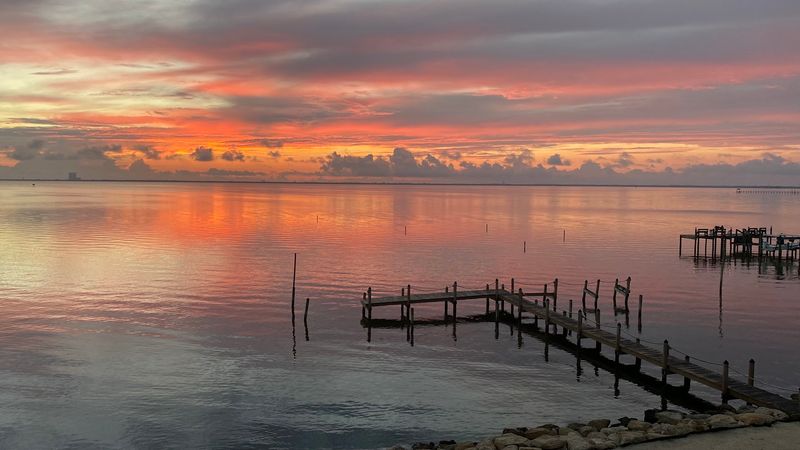
Night belongs to subtle movement out here. Mullet leap and paint quick blue commas. Dolphins cruise like quiet shadows, their fins briefly traced in neon when they slice through dense blooms.
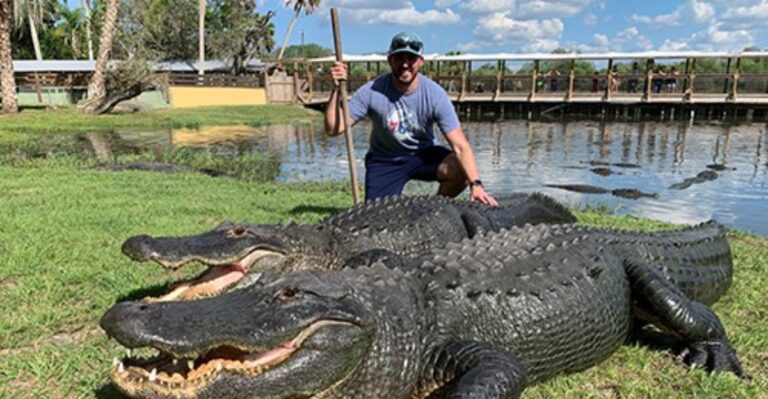
Look for wading birds along mangrove edges, and listen for their calls more than you stare. Alligators can inhabit the lagoon, so maintain distance, never shine lights directly at eyes, and avoid tight corners in dense vegetation. Stingrays rest shallow, so shuffle feet if you wade.
Lights disrupt hunting and stress animals. Keep voices low, give wide berth, and let the water tell you who is near. When life writes in light, it is your cue to slow down and witness.
5. Essential Gear and Comfort Tips
Pack a Coast Guard approved PFD, a white light, and a red mode headlamp to protect night vision. Long sleeves, quick-dry pants, and water shoes keep you comfortable. Stash a small towel for drips, plus water and a snack.
In summer, mosquitoes and no-see-ums can be brutal near sunset. Use fragrance-free repellent, avoid heavy perfumes, and consider a bug jacket if you are sensitive. Bring a small trash bag and leave the launch cleaner than you found it.
Choose a stable kayak or SUP and keep deck clutter minimal. Dry bag your keys and phone. If winds rise or lightning threatens, turn back early.
Comfort and caution leave more bandwidth to savor that impossibly blue glow.
6. Safety, Stewardship, and Local Etiquette
Safety here is simple: wear a PFD, carry a whistle, and show a white light for boat traffic. Paddle with a buddy, check tides and radar, and set a turnaround time. Share your plan with someone onshore.
Stewardship matters even more. Avoid dragging kayaks over seagrass, keep paddles light near manatees, and never collect glowing water in jars. Sunscreens and soaps can harm plankton, so rinse beforehand and use mineral formulas sparingly.
Local etiquette is quiet, low light, slow wakes, and leave no trace. Respect anglers and give motorboats room. If you see a nesting bird or alligator, back off immediately.
A gentle presence keeps this phenomenon thriving for the next night’s explorers.
7. Daylight Explorations Before the Night Show
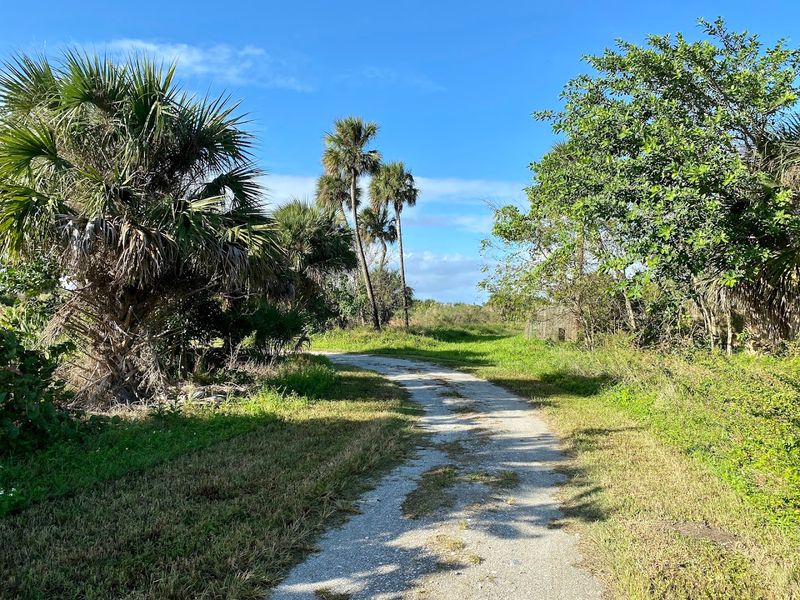
Arrive early and ease into the landscape before the glow. The preserve offers flat dirt and crushed limestone paths, light on signage but rich in birds, butterflies, and quiet. Bring binoculars, a field guide, and patience for subtle beauty.
Scan for ospreys, herons, and the occasional eagle. Watch mangrove roots host juvenile fish and crabs. Note where wind lays down by afternoon, since those same coves often sparkle brightest later.
There are minimal facilities, so pack water, sun protection, and a simple picnic. Pick up litter when you see it, even if it is not yours. When dusk arrives, you already know the turns, and the lagoon is ready to answer in electric blue.