10 Best Places for Beach Camping in Florida (From the Keys to the Panhandle)
Food in Dunedin works best when you treat it like punctuation, not a marathon. Grab something casual downtown, then wander a bit so your next stop feels earned—maybe a sweet treat after a shop stroll, or a late lunch that turns into a patio linger.
The town’s brewery scene is part of the texture here, but you don’t have to make it the whole storyline; think one well-chosen pint, then a walk to reset before you drive again.
Mix in seafood when you’re feeling coastal, and don’t skip the simple wins: a great Cuban sandwich, a fresh salad that actually tastes bright, fries you steal off someone’s plate while pretending you’re not.
The best “crawl” is the one with gaps in it—little walks, water views, and a few “let’s stop here too” pivots along the way.
1. Bahia Honda State Park (Florida Keys)
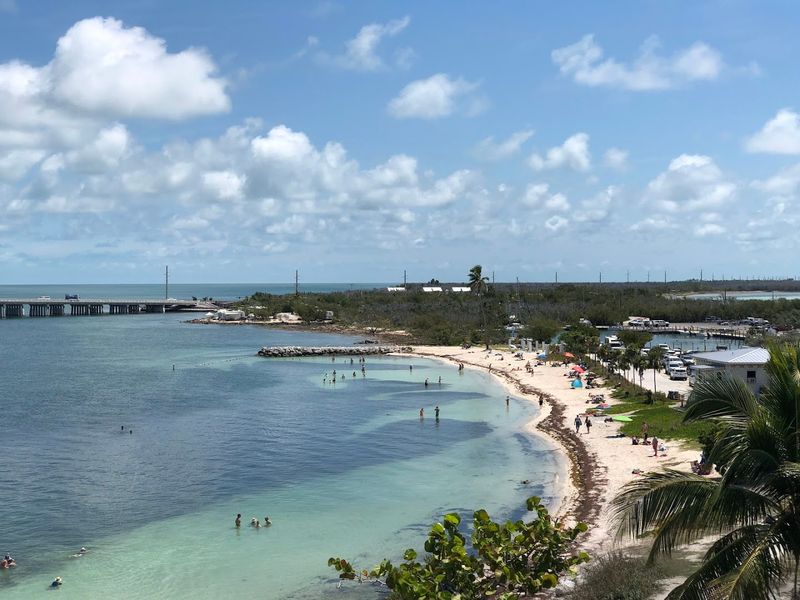
Step into that postcard-water without leaving your campsite area. Bahia Honda is the Keys at full volume: bright shallows, breezy palm edges, and sunsets that make you forget what time zone you’re in.
The campground sits close enough to the beaches that you can bounce between morning snorkeling and afternoon hammock time without making it a production. Bring water shoes—some spots are coral-rub and shell-heavy—and expect steady wind that’s great for cooling off, less great for flimsy tent stakes.
The historic bridge views are a built-in evening activity, and the park’s beaches have a “how is this real?” color gradient on calm days. If you’re tent camping, aim for a site with a little extra shelter and stake everything like you mean it.
This is one of those places where “early reservations” isn’t advice, it’s survival.
2. Cayo Costa State Park (Gulf Coast, boat-access only)
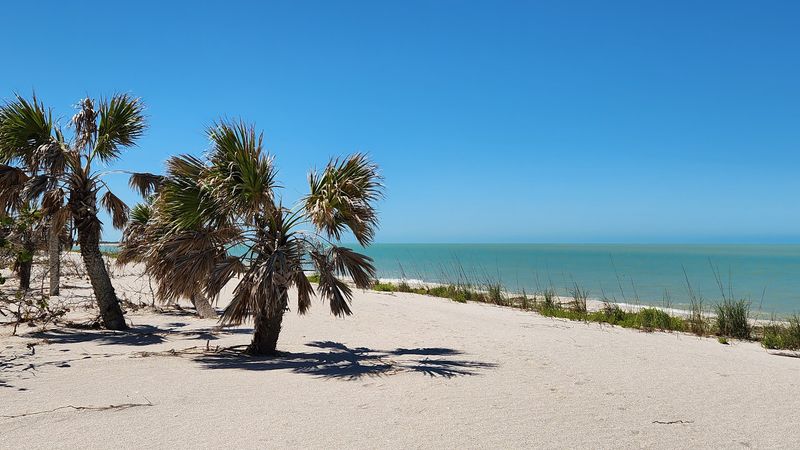
Getting here is part of the flex: no bridge, no quick drive, just a boat ride to an island that still feels properly untamed. Cayo Costa delivers miles of beachcombing, shallow Gulf water, and that quiet you only hear when cars aren’t invited.
The camping is rustic by design—think simple, bring-your-own-comfort vibes—so pack light but smart: shade, bug protection, and dry bags for anything you like. The beach is the main event, with shells that look curated and sunsets that turn the water into molten copper.
Mornings are for long walks and dolphin-spotting from the shore; afternoons are for cooling off in the Gulf before the no-see-ums get bold. Treat the schedule like island time: plan your transport, watch the weather, and don’t count on last-minute fixes once you’re out there.
3. Fort De Soto Park Campground (Pinellas County)
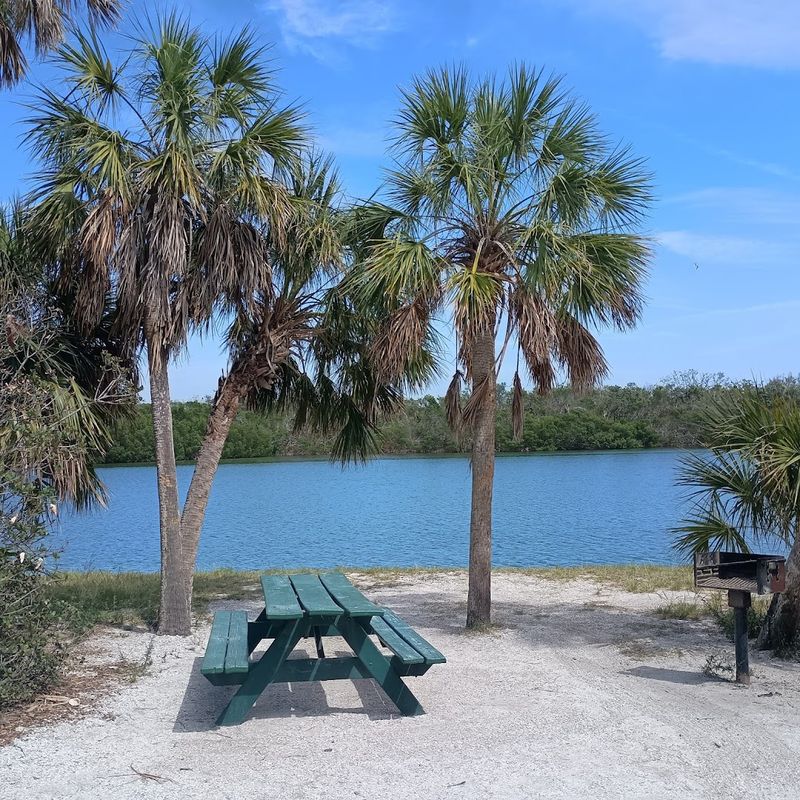
This one feels like Florida showing off its “county park, but make it excellent” side. Fort De Soto’s campground is big, organized, and surprisingly scenic, with water on multiple sides and beaches that are legitimately worth the hype.
You can bike from your site to the sand, swing by the historic fort, then roll back for a shower that doesn’t feel like a compromise. It’s a great pick if your crew has mixed camping styles—RVs, tents, kids, the friend who “doesn’t do bugs” but somehow came anyway.
The beach access is flexible, too: calmer water on one side, more open Gulf energy on the other. Wind is common, so secure your gear, and keep an eye on tide and weather if you’re planning a long shoreline wander.
Bonus: sunsets here feel cinematic, especially with the sky lit up over the Gulf.
4. Grayton Beach State Park (30A / Emerald Coast)
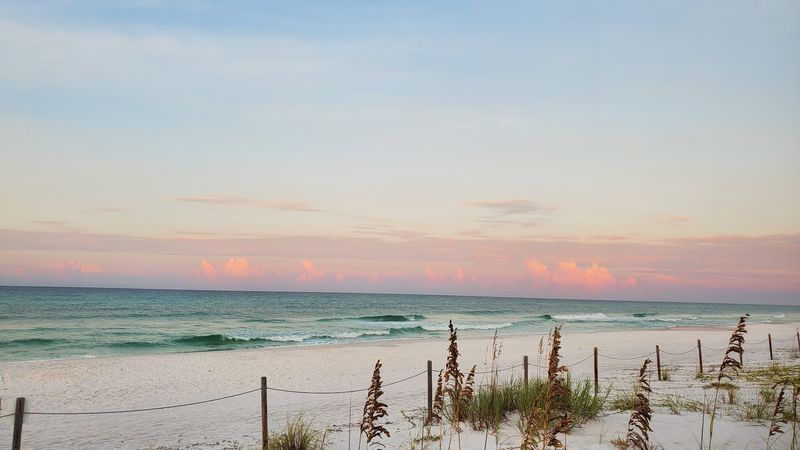
If you want beach camping with a side of “wow, the sand really is that white,” Grayton delivers. The campground sits in a piney pocket near coastal dunes and a rare coastal dune lake, which makes the scenery feel layered instead of one-note.
Beach time is an easy walk or ride away, and the shoreline here has that Emerald Coast clarity when conditions line up. Expect a campground that feels calm at night, then wakes up early with walkers, cyclists, and people quietly chasing sunrise photos.
It’s a solid basecamp for 30A exploring without being stuck in the traffic swirl all day—go beach-first in the morning, then grab your food or errands later. Bring something for shade at your site and something for wind at the beach.
And don’t skip a paddle on the lake if you can; it’s a different kind of Florida pretty.
5. St. Andrews State Park (Panama City Beach)
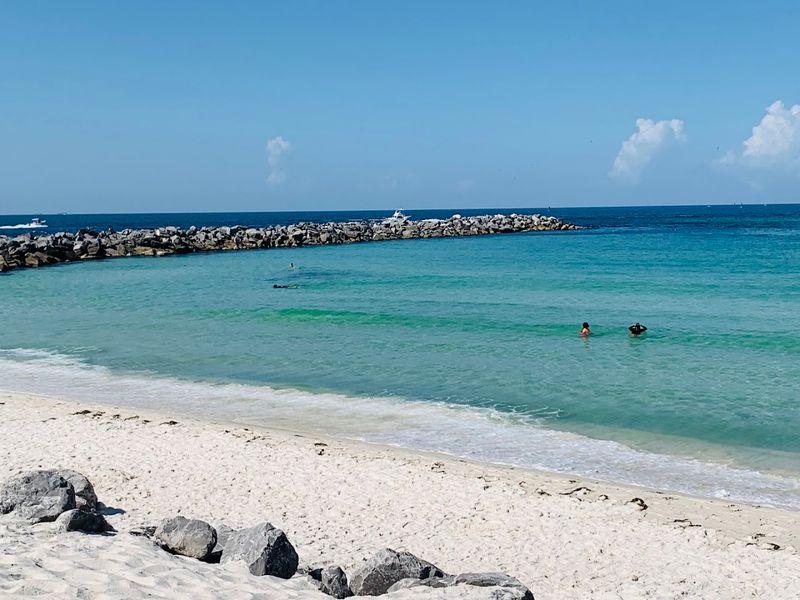
This is the kind of place where you can do a full beach day without ever leaving the park boundary. The camping feels close to the action, but not chaotic—more “easy access” than “party zone.” You’ve got Gulf shoreline for swimming, plus calmer water areas that are a lifesaver when the surf is rowdy or you’re camping with smaller kids.
The park’s jetties are a magnet for anglers and for anyone who likes watching boats thread the pass, and the water around the rocks can be surprisingly clear. Campsites tend to fill fast in peak season, and weekends can be lively, so plan accordingly if you’re craving quiet.
When the sun drops, stroll the beach and look for that moment when the sky flips from peach to purple over the Gulf. Pack layers for the evening breeze—it can sneak up on you even after a hot day.
6. Topsail Hill Preserve State Park (near Destin/Santa Rosa Beach)
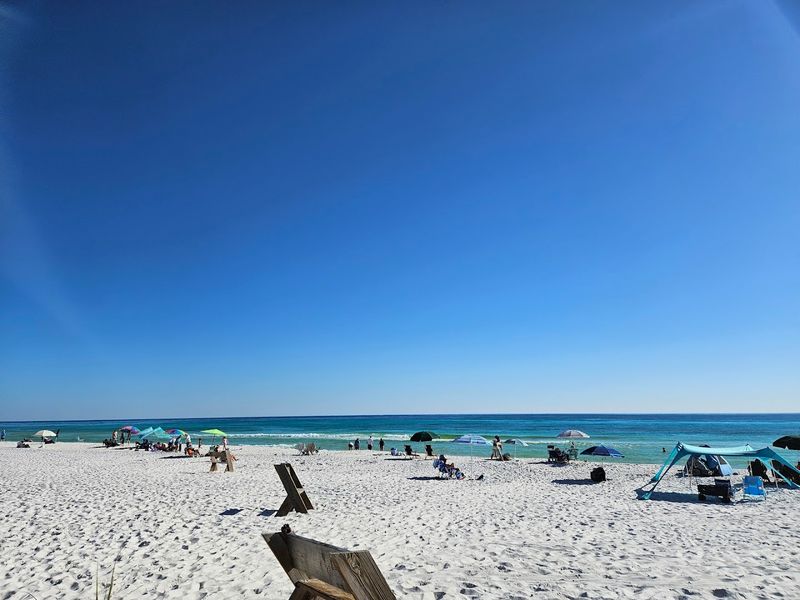
Those dunes aren’t subtle—Topsail’s famous white hills rise up like Florida trying on a desert costume. The campground is set back from the beach, which means you get more shelter and less salt spray, then you commute to the shore by foot, bike, or park shuttle depending on the day.
The reward is a beach that feels wide, bright, and less claustrophobic than some nearby stretches, especially outside peak hours. This spot is great if you like mixing beach time with quieter nature moments: pine flatwoods, wetlands, and trails that feel a world away from the condos down the road.
Bring a solid beach cart if you’re hauling chairs and a cooler—sand plus distance can humble you fast. Nights here are wonderfully sleepy, and mornings are made for coffee, a quick trail walk, then straight to the shoreline before the sun gets bossy.
7. Anastasia State Park (St. Augustine)
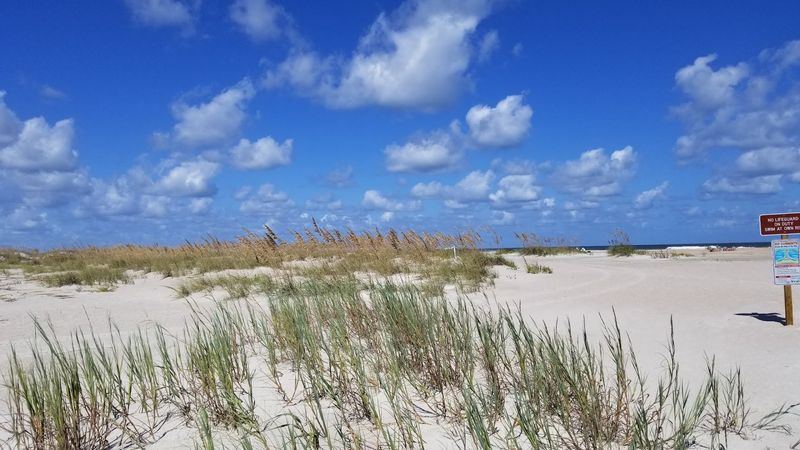
You can do beach camping and still grab a killer meal in a historic city the same day—Anastasia makes that combo ridiculously easy. The campground tucks into a shady coastal setting, and the beach is close enough for spontaneous “let’s go see the waves” breaks between naps and snack runs.
The shoreline here is classic Atlantic: sometimes calm, sometimes dramatic, always breezy. It’s also one of the best picks if you like variety—bike paths, paddling in the salt marsh, and plenty of wildlife watching without feeling like you’re roughing it.
After a beach morning, you can swing into St. Augustine for late-afternoon exploring, then come back for a quieter evening under the trees. Humidity is real, so airy bedding helps, and a headlamp is handy for those after-dark campground walks.
This one feels like a vacation that happens to include camping.
8. Gamble Rogers Memorial State Recreation Area (Flagler Beach)
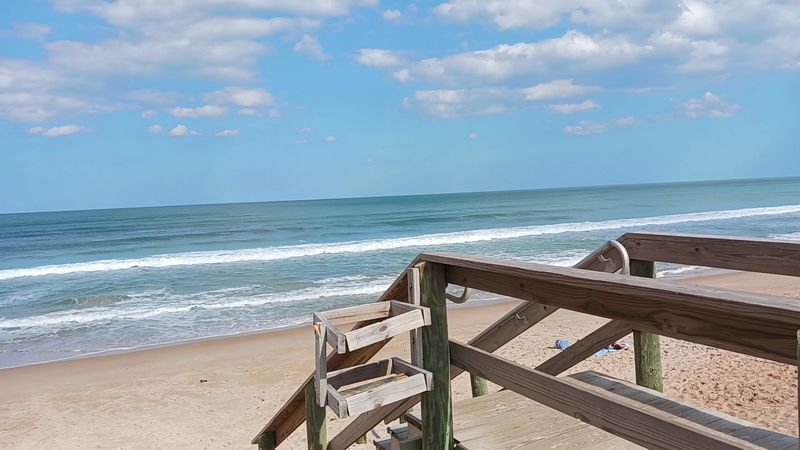
This is beach camping with a fun twist: you’re wedged between the Atlantic and the Intracoastal, so water is basically your neighbor. Depending on your site, you’ll watch sunrise over the ocean and sunset over the calmer inland water without moving your chair much.
The park is compact, which keeps everything simple—no long internal drives, no “wait, where’s the bathhouse?” confusion. The vibe is breezy and front-row, but that also means you should expect wind and salt air; pack corrosion-proof everything and stake tents like a pro.
Flagler Beach itself has a laid-back, lived-in feel, and it’s easy to pop out for a casual meal or a grocery run. Nights can be surprisingly loud with surf and wind, so light sleepers might want earplugs.
If you love falling asleep to real ocean sound, though, this place understands the assignment.
9. Sebastian Inlet State Park (Space Coast/Treasure Coast)
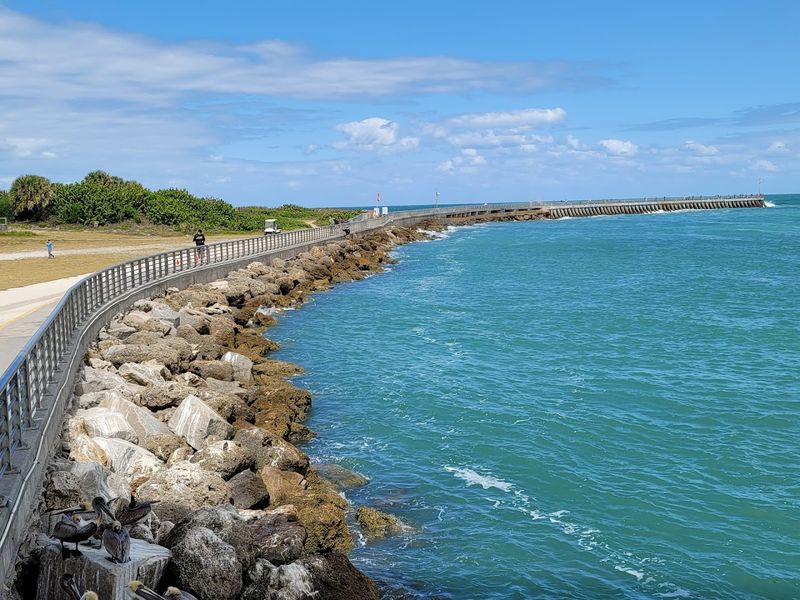
This is a surfer-and-fisherman kind of park—high-energy water, strong currents, and a constant sense that something interesting is happening right offshore. Camp here if you like watching people chase waves at first light or if you’re the type who gets excited about jetties, tide changes, and “look at that current” conversations.
The inlet itself is the star: boats come and go, anglers work the rocks, and the water can shift from glassy to wild depending on wind and tide. Beach access is easy, but swimming requires common sense; this isn’t a “float wherever” shoreline.
The camping area gives you a home base for sunrise beach walks, then mid-day shade breaks when the sun gets intense. Bring binoculars for birds and passing dolphins, and don’t underestimate the wind—your hat will try to relocate.
It’s Florida’s coast with a little edge.
10. Canaveral National Seashore (backcountry island camping)
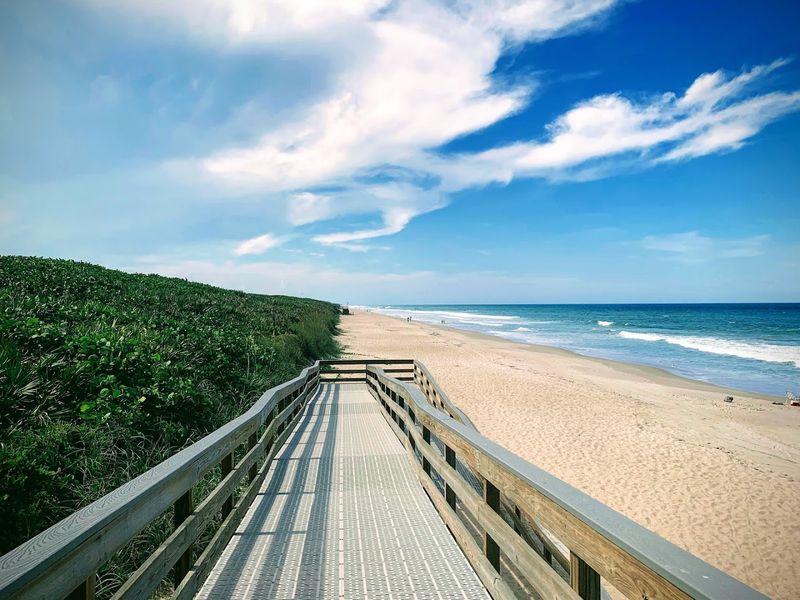
If your ideal campground has zero streetlights and maximum wild coastline, this is the move. Backcountry camping in Canaveral is primitive, quiet, and wonderfully removed—no RV generators, no snack bar, just dunes, sea oats, and the steady Atlantic.
You’ll need to handle logistics like permits and access, and you should pack as if nobody’s coming to rescue your forgotten essentials, because… nobody is. Expect soft sand, big skies, and nights where the stars actually show up.
The beach here feels undeveloped in the best way, and wildlife sightings are part of the deal, not a bonus feature. Keep your campsite tidy and food secured; this is their neighborhood.
Plan for wind, bring plenty of water, and embrace the fact that you’re trading convenience for solitude. The payoff is waking up to an uncrowded shoreline that looks like Florida before everything got built.