Florida’s Richest Small Town Is Right Next Door To The Everglades
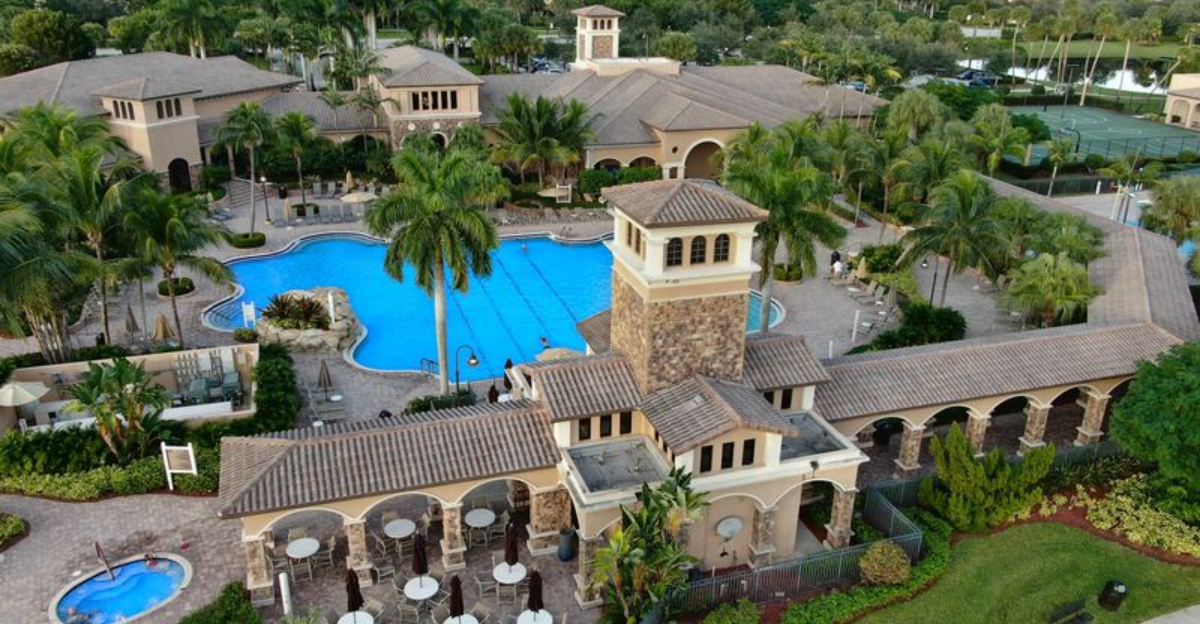
Florida’s richest small town isn’t hiding behind velvet ropes—it’s tucked in Broward County with a straight shot to wide-open sawgrass. Parkland feels like someone turned the volume down on South Florida… without turning off the good stuff.
Think manicured neighborhoods, everyday green space, and the kind of “weekend plans” that can pivot from a farmers market to spotting gators before lunch. It’s polished, yes, but not precious.
And the best part? The Everglades are right there to the west, so you can swap traffic noise for bird calls fast.
If you’re curious how Parkland earned its money-meets-nature reputation—and what it’s actually like on the ground—let’s get into it.
1. The Numbers Behind Parkland’s “Richest” Label
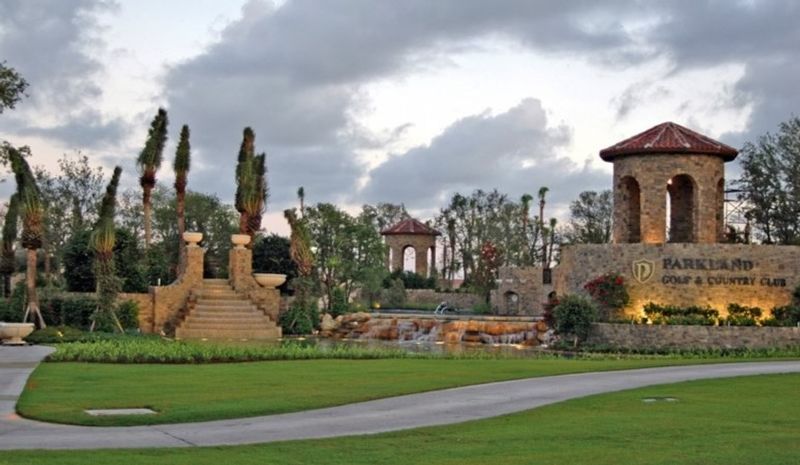
Numbers don’t usually feel like travel writing, but Parkland’s stats read like a mic drop. The town landed Florida’s “richest small town” spotlight thanks to a GoBankingRates-style approach that compares household income and home values among communities with a small-town household count, then folds in livability context.
Reported figures tied to the ranking put Parkland at 10,828 households and a population around 35,799, with a median household income of $200,156 and an average home value of $1,073,143.
That combo explains the vibe you’ll notice immediately: big, well-kept homes, wide streets, and retail that’s more “nice errand run” than “tourist circus.” This isn’t wealth that screams—it’s wealth that shows up as space, landscaping, and an unusually calm daily rhythm for South Florida.
2. Is Parkland Actually Livable, or Just Expensive?
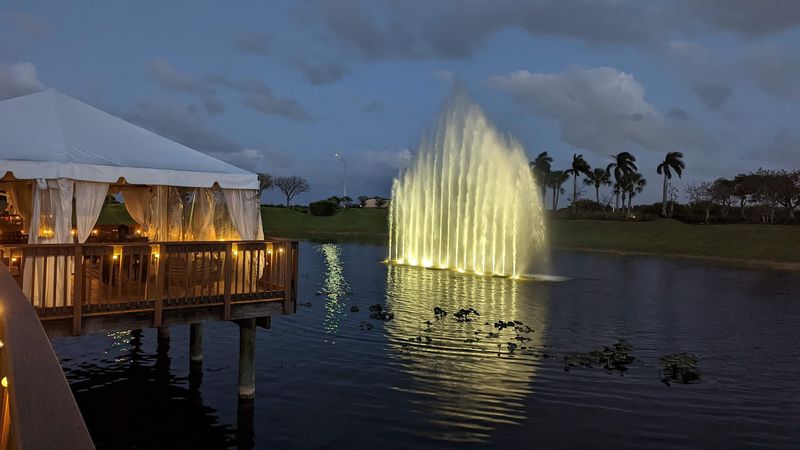
Livability can be a fuzzy word until you pin it down. One widely cited snapshot gives Parkland a livability score of 68/100, ranking it #443 in Florida (and #8,025 nationally).
Drill into the category grades and the story gets even more specific: crime, education, and housing show up as strengths, while amenities and cost of living drag the score down.
Parkland tends to feel safe and well-resourced, but you’ll pay for the privilege—and you’re not coming here for a packed downtown of bargain eats and late-night chaos.
It’s a “drive ten minutes for more options” kind of place, with day-to-day comfort doing most of the heavy lifting.
3. The Sweet Spot Between City Access and Quiet Streets
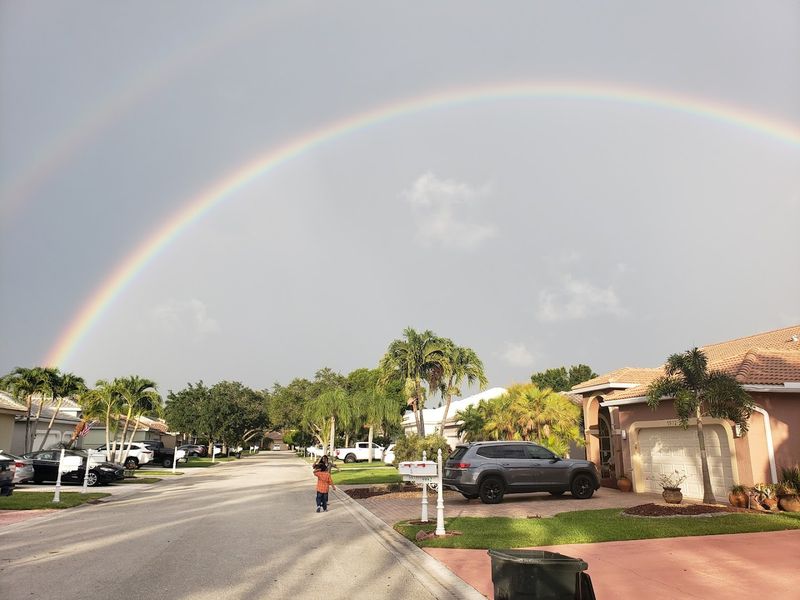
Call it the sweet spot between polished suburb and wild Florida. Parkland sits in Broward County, just outside the Miami-area orbit, and it’s framed by the Everglades to the west—meaning you can go from gate codes to gator habitat without a major production.
The geography matters because it shapes the town’s personality: more space, more green, fewer “look at me” hotspots. You’ll also hear Parkland mentioned alongside nearby big-name neighbors like Boca Raton, which makes sense if you’re tracking the overall affluent corridor up and down this part of South Florida.
Parkland is not a beach town, not a nightclub town, and not a theme-park town. It’s a calm home base with quick access to nature—perfect for people who like their weekends outdoors and their weekdays quiet.
4. Where Locals Actually Spend Their Time
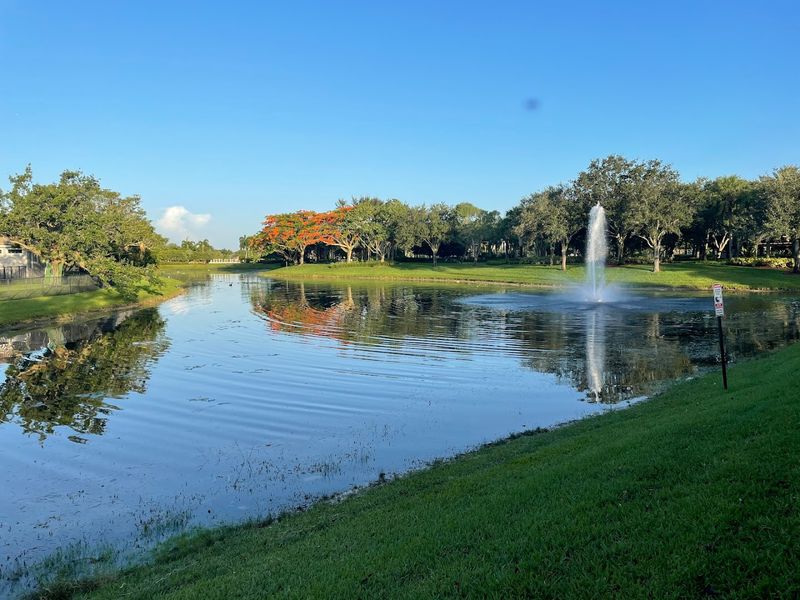
Here’s what makes Parkland feel “nice” in a way you can actually describe: it’s park-rich. Travel coverage of the town points to nine parks and calls out community-friendly amenities like playgrounds, an equestrian center, a farmers market, and an amphitheater.
Visit Lauderdale frames Parkland as “nestled against the Florida Everglades,” spotlighting public spaces like Pine Trails Park. That’s the heartbeat of the town—green spaces that aren’t an afterthought.
On a normal weekend, you’ll see the rhythm: families doing sports runs, people walking loops before the sun turns brutal, and community events that feel genuinely local instead of staged for visitors.
5. The Cutest Flex in Town: Barkland
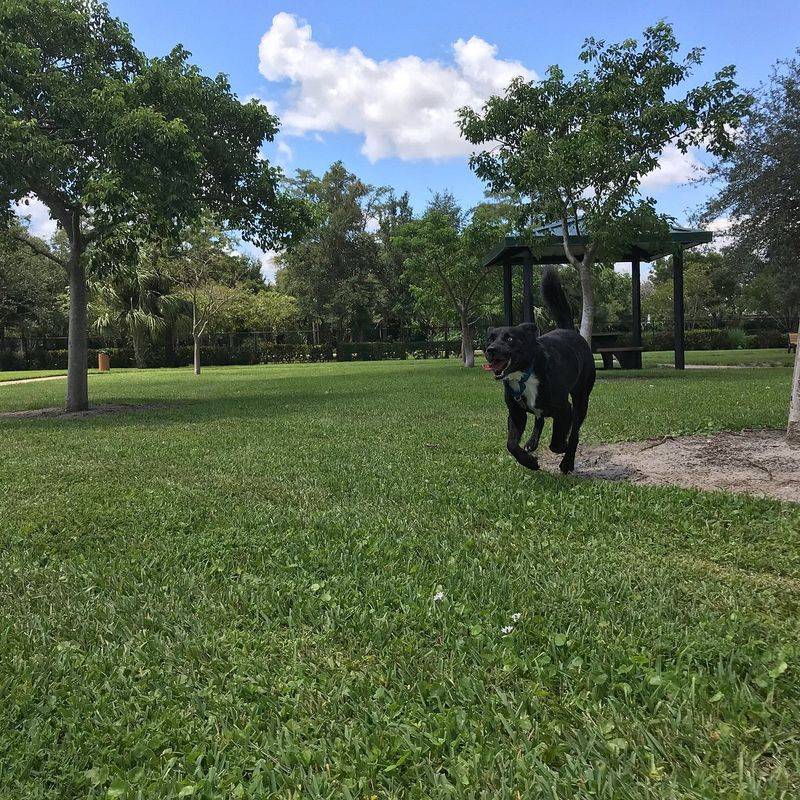
Most towns have a dog park. Parkland has one with a name that sounds like a joke—until you show up and realize it’s legit.
Barkland is just over two acres, with separate sections for large and small dogs, plus a dog-washing station, water fountains for pets and people, covered pavilions, walking trails, benches, and picnic tables.
The city notes it opened back in 2012, and it still feels like a community staple rather than a forgotten corner of a bigger park.
6. Your Easy On-Ramp to the Everglades
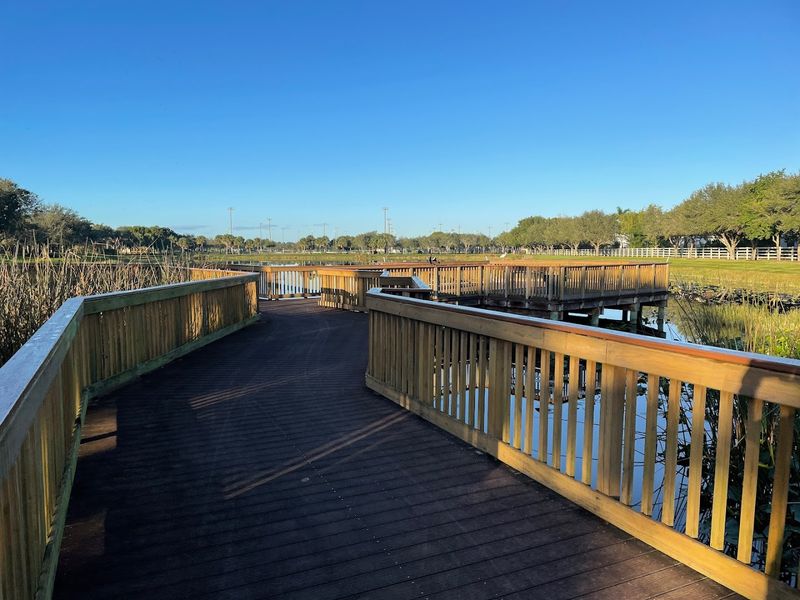
You don’t have to plan a full Everglades National Park expedition to get a real Everglades day. Parkland’s edge-of-the-Glades location makes it easy to chase a wilder Florida mood fast, since the Everglades sit right to the west.
The best move is to go early, when the air is cooler and wildlife activity is higher—then pick your style: a guided airboat ride for adrenaline and wide views, or a slower boardwalk/trail stop where you can actually listen (frogs, birds, wind through sawgrass). Visit Lauderdale’s Parkland page leans into that “nestled against the Everglades” identity for a reason.
Keep it practical: bring water, sun protection, and bug spray; expect wetland scenery, not mountain vistas; and treat the Everglades like what it is—an ecosystem, not a backdrop.