This Tampa Science Museum Has America’s Second-Largest Planetarium And a Moon Mission Simulator
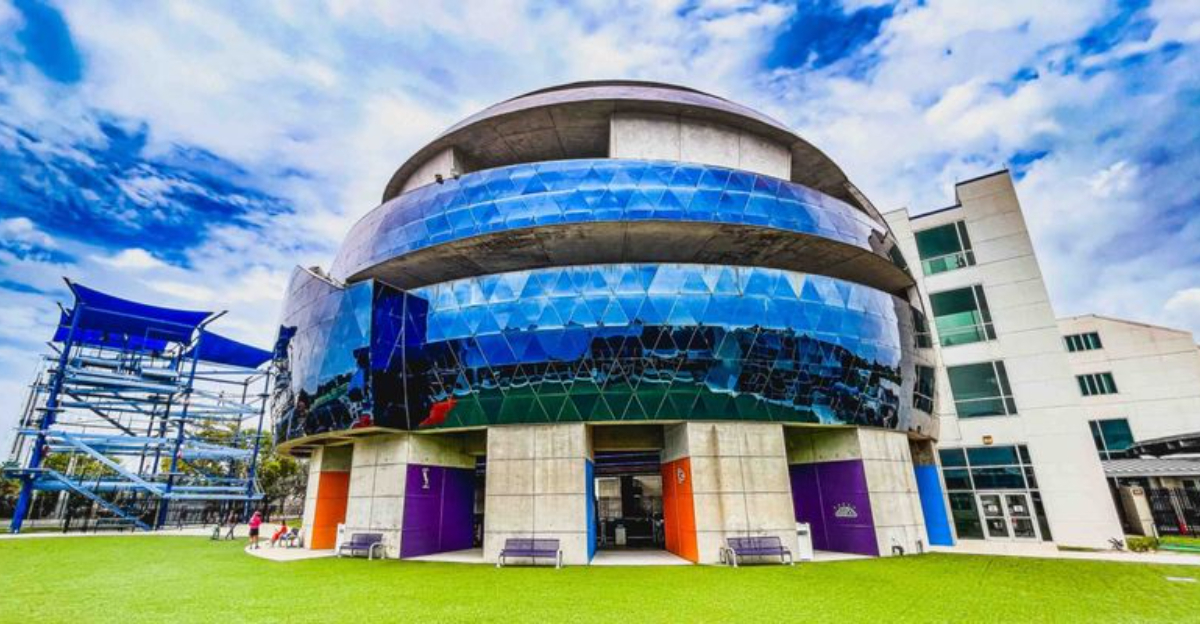
Ready for a science day that feels like launch countdown? At MOSI on E Fowler Ave in Tampa, you get hands-on exhibits, a massive 82-foot planetarium dome, and a mission to the moon without leaving the city. Shows, labs, and interactive zones make learning feel like play for both kids and grownups.
Plan a visit at 10 AM and see why locals call it a Tampa classic.
1. Saunders Planetarium: America’s Second-Largest Dome
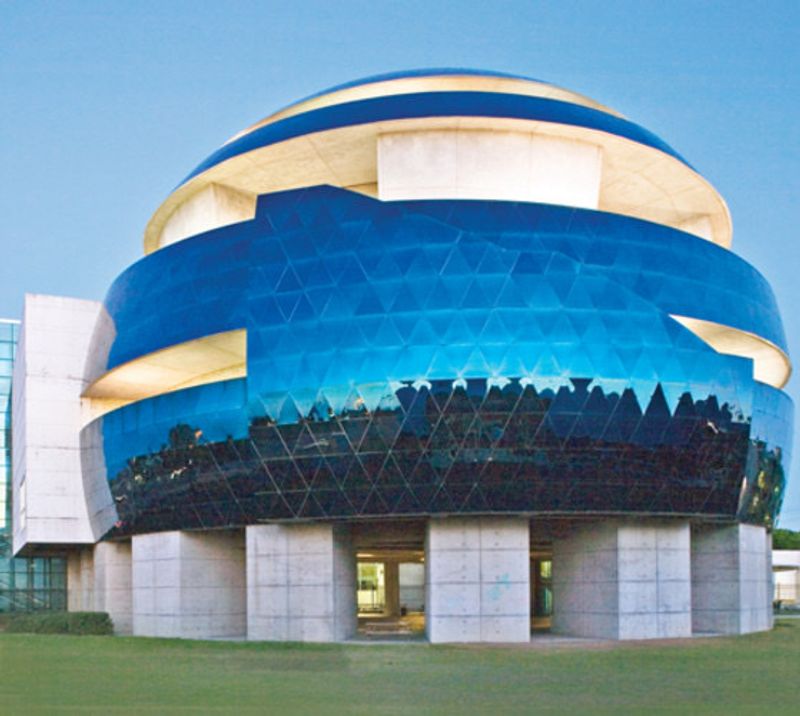
Step into the Saunders Planetarium and look up. The 82-foot digital dome wraps your view in galaxies, auroras, and live-narrated tours that make the night sky feel close enough to touch. General admission typically includes one show, so plan your day around a favorite theme like solar storms or seasonal constellations.
You will notice the crisp audio and smooth visuals that reviewers rave about. Even short guests see perfectly thanks to the dome’s sightlines, so there is no tall-row frustration. Bring a light jacket, since the theater can feel chilly during longer shows.
Ask staff about special features, like Mesmerica or Alan Watts experiences, which rotate in. You will leave energized, curious, and ready to step outside and stargaze for real.
2. Mission Moonbase: Your Tampa Moon Mission Simulator
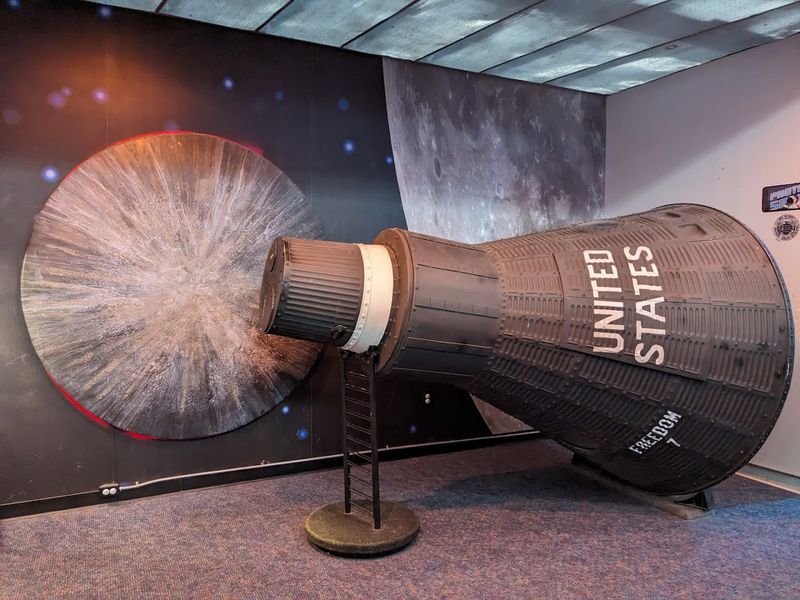
Ready to go lunar? Mission Moonbase invites you to coordinate a simulated journey with roles, tasks, and problem-solving challenges. Expect glowing consoles, mission briefings, and a team vibe that makes kids feel like flight controllers while adults rediscover their inner astronaut.
You will troubleshoot communications, track telemetry, and celebrate a smooth touchdown. It is playful but also grounded in real space science, so you pick up authentic terms and concepts. Staff are happy to explain the tech behind the scenes, and you will find plenty of photo-worthy moments.
This is a must for families who love collaboration over competition. If your crew enjoys Kerbal-style thinking, you will adore it. Schedule around a planetarium show for the perfect space double feature.
3. Idea Zone: Hands-On Maker Science
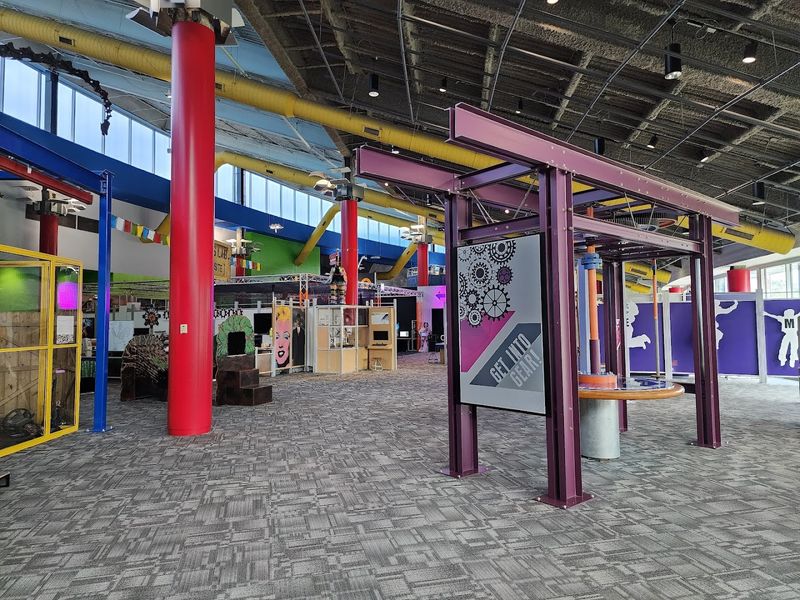
In the Idea Zone, you do not just read about science, you build it. Tinker with circuits, test physics in wind tunnels, prototype solutions, and watch curiosity snowball into experiments. The space favors messy creativity, so wear comfortable clothes and expect to touch, try, and iterate.
Staff mentors float through with friendly nudges that keep projects moving. You will see eyes light up when a design finally works, and yes, failures are part of the fun. Younger kids get quick wins while teens chase more complex builds.
If you like maker culture, plan extra time here. Ask about pop-up activities, since themes rotate. Pair this stop with a planetarium show and you will balance engineering with cosmic wonder perfectly.
4. Life and Earth Science Galleries
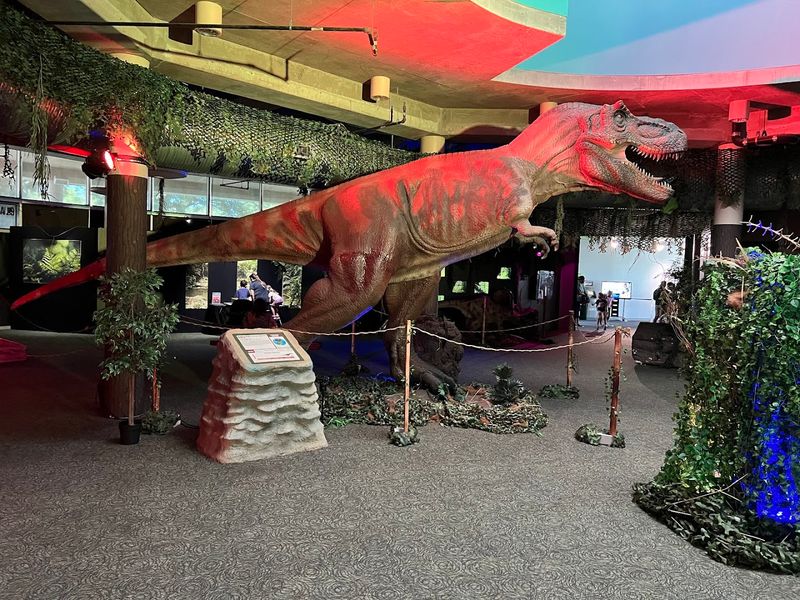
MOSI’s life and earth science exhibits deliver tactile biology and geology that feel alive. Turn wheels, lift panels, and test your knowledge on touchscreens as you move from human anatomy to coastal ecosystems. Younger visitors appreciate clear visuals, while adults enjoy deeper context and data.
You will trace Florida’s landscapes, compare fossils, and connect everyday experiences to bigger environmental systems. Exhibits aim for accessibility without dumbing things down. When pieces are under repair, staff can often suggest swaps to keep your momentum strong.
Bring questions and you will get thoughtful, friendly answers. The galleries balance color, light, and sound for a calm but engaging vibe. It is a smart reset between adrenaline exhibits like Mission Moonbase and the massive dome theater.
5. Plan Your Visit: Hours, Access, and Tips
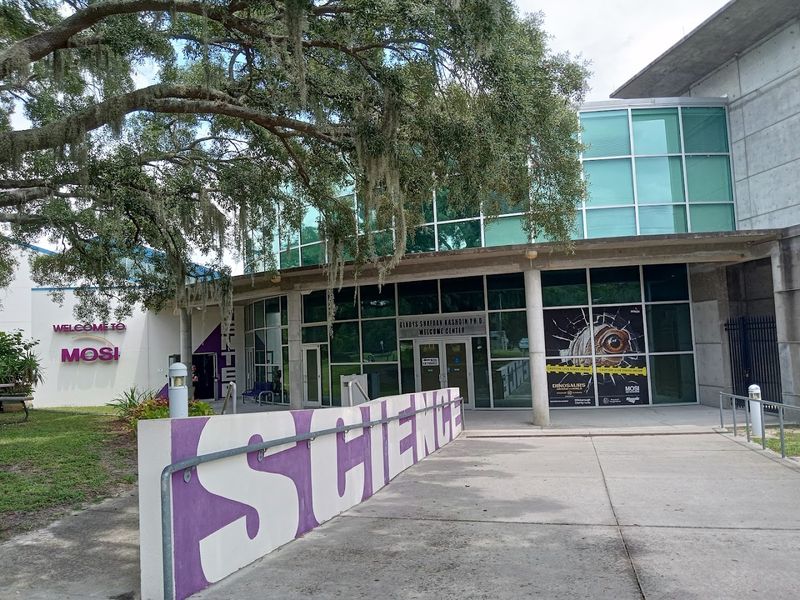
MOSI opens daily from 10 AM to 5 PM, making it easy to stack a show, hands-on time, and lunch. It sits across from USF at 4801 E Fowler Ave, with parking on-site. Check the website for current showtimes and rotating programs to avoid missing limited-run experiences.
Accessibility matters here. Elevators reach the planetarium and exhibit floors, and staff readily assist. If you like it cool, bring a light jacket for the dome.
Snacks and drinks are available, with rotating food trucks outdoors.
Tickets can bundle a planetarium show, so plan your schedule first, then add galleries. Arrive a little early on weekends. With thoughtful pacing, you will easily fill a few hours without feeling rushed.
6. Special Programs: Scouts, Schools, and After-Hours Shows
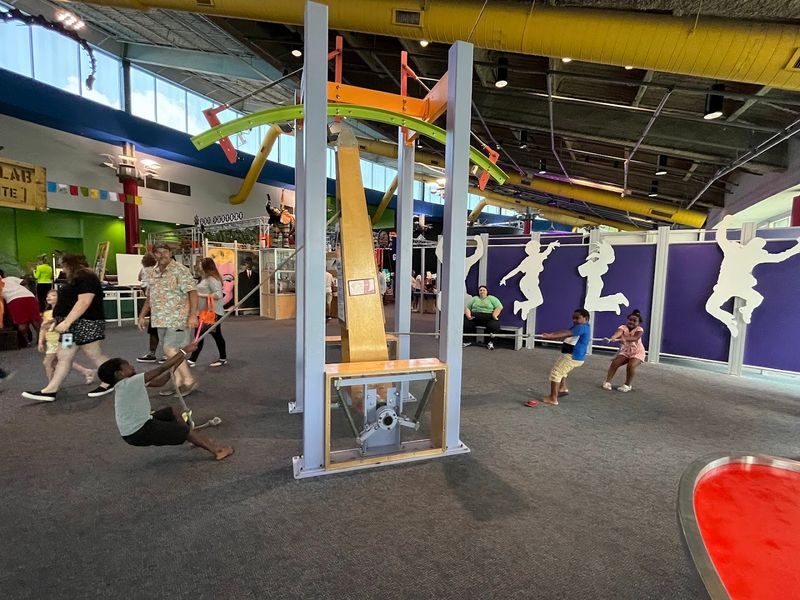
MOSI shines after hours with scout overnights, themed shows, and special dome programming. If you are working on an astronomy badge, staff-led sessions make requirements engaging. Groups appreciate structured time, clear guidance, and room to explore with purpose.
School visits feel lively but organized, and educators get helpful materials. Adults are not left out either, thanks to occasional immersive art-science shows that turn the dome into a kaleidoscope of sound and light. Check calendars early because these events can sell out fast.
Ask about discounted access through community programs like Museums for All. It keeps science open to more families. Whether you are wrangling a troop or planning date night with stars overhead, these programs level up your MOSI experience.