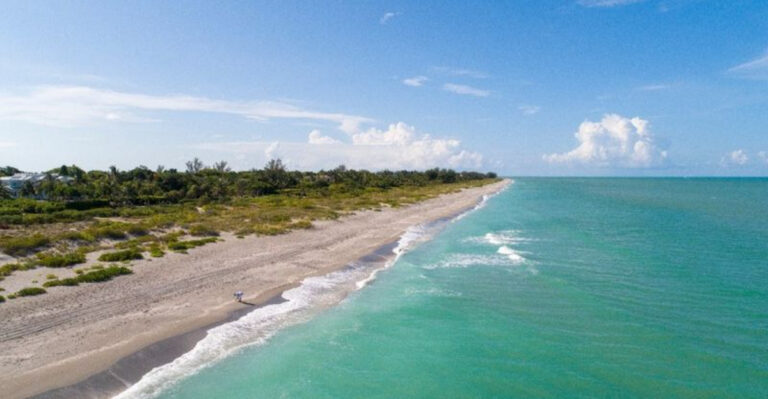
Spring Migration Is Underway – 7 Florida Places to Spot Beautiful Songbirds

Spring in Florida feels electric, and not just because the days run longer and brighter under warm Gulf and Atlantic breezes. Right now, dazzling songbirds are funneling through beaches, swamps, and pine islands, turning quiet mornings into surprise concerts for anyone willing to look up. Whether you are a binocular-toting newbie or a seasoned eBirder chasing lifers, these seven places make spring migration feel close enough to touch and celebrate.
Pack water, watch the wind, follow the tides, and give birds space, then let color, song, and pure movement lead you to unforgettable Florida moments today out there waiting patiently.
1. Fort De Soto Park (Tierra Verde)
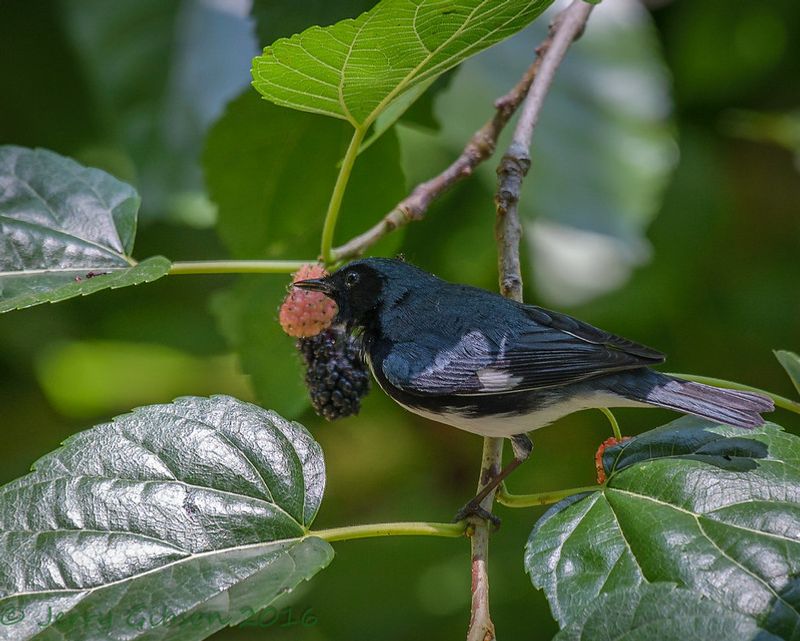
Arrive at dawn when the oaks and hammocks seem to hum with possibility. Gulf breezes push migrants toward shelter, so every shaded edge can burst with color. Warblers sparkle in low light while tanagers and buntings flash from treetop to parking lot.
Work the East Beach woods, then scan the North Beach trees after a passing shower.
If time is tight, drift between the Arrowhead picnic area and the mulberry trees near the historic fort. You will share paths with friendly locals, but keep listening for sharp chip notes that reveal birds you might otherwise miss. After fronts, fallout mornings can feel unreal, so move slowly, rest often, and let the spectacle build right before the sun warms everything nicely.
2. Merritt Island National Wildlife Refuge (Titusville)

Start along Black Point Wildlife Drive, then pause at any willow clump that seems alive with whispers. Fresh migrants thread through marsh edges and oak scrub, riding tailwinds from the Atlantic. Vireos chatter invisibly at eye level while warblers glean midges from mangrove leaves.
When clouds stack inland, movement often concentrates along sheltered creeks and ditches.
Stop at the visitor center for updated sightings, then adjust your loop to match northbound flow. You will hear soft seet calls by the bathrooms, and sometimes a surprise cuckoo shimmies through the canopy. Bring bug spray, sun protection, and patience for traffic pauses at promising pullouts.
With luck and a light north breeze, every bend delivers color at just the right moments too.
3. Corkscrew Swamp Sanctuary (Naples)
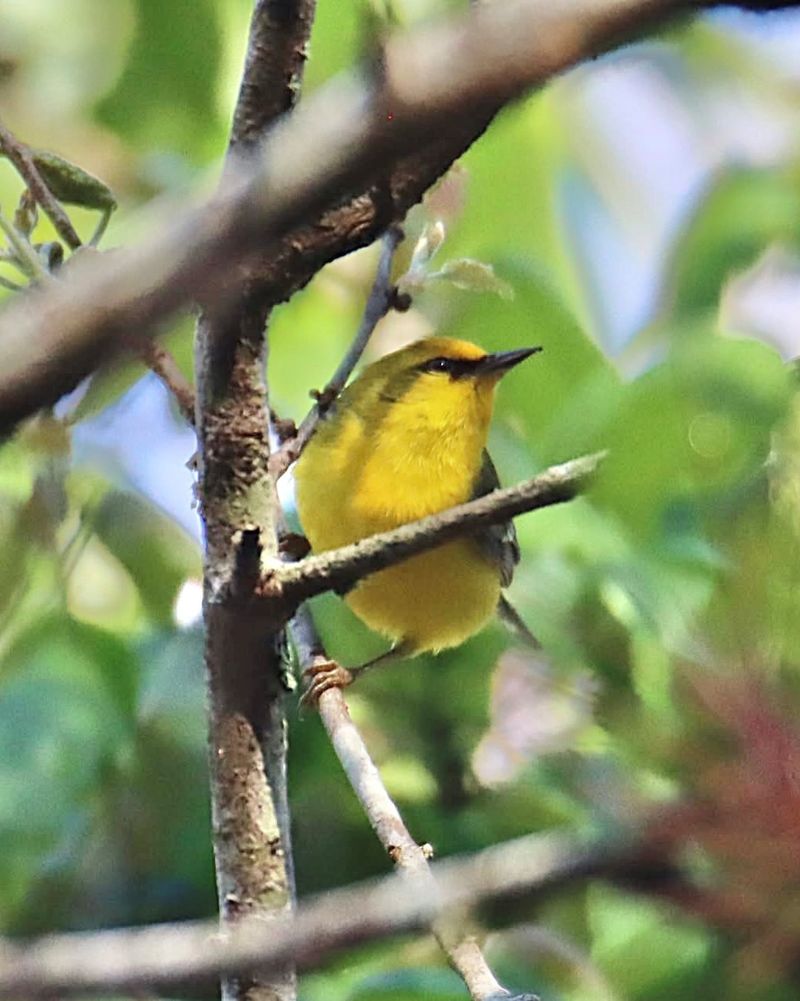
Step onto the boardwalk and the world narrows beautifully to cypress, epiphytes, and water. Migrants tuck into the understory after night flights, feeding methodically along the edges. Warblers hop eye level near lettuce lakes while gnatcatchers scold from swaying limbs.
Pause where sun fingers reach the railings, because insects rise and birds materialize almost magically.
Listen for faint chips near the lettuce lakes spur, then scan every cypress knee and vine tangle. You will share the walkway with photographers, so step aside and keep your ears open while lenses click. A passing shower cools the air and pulls movement downward, perfect for slow, careful looks.
Bring water, hydrate often, and savor the hush before the woods brighten fully around you.
4. Dry Tortugas National Park (Florida Keys)
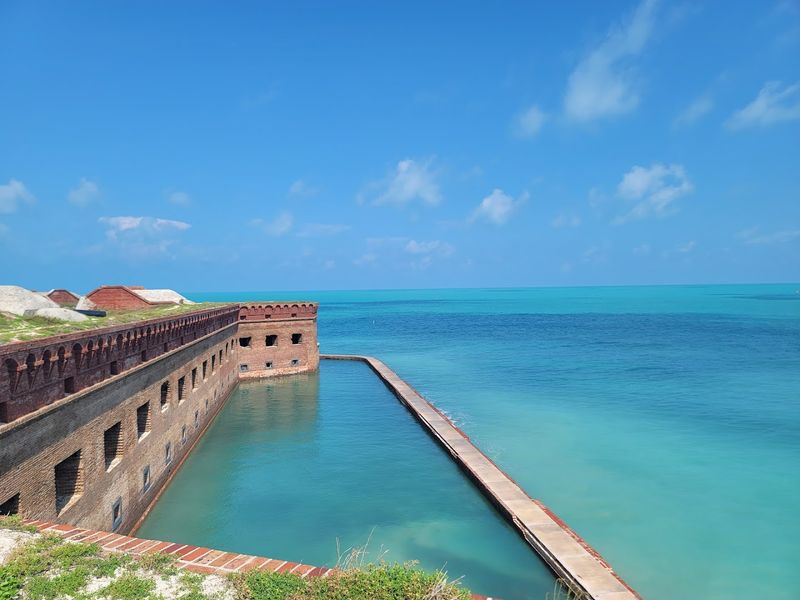
After a blue-water crossing, the first trees feel like an oasis for everything with wings. Birds arrive exhausted from the Gulf, dropping into courtyard shade and fortress corners. Sit quietly with your back to the brick and watch the parade unwind.
Scarlet tanagers glitter, thrushes tiptoe along the moat, and warblers stitch color between sea and sky.
Flights can stall during fog or north wind, creating unreal density in tiny patches. You will want water, sunscreen, and a hat, and you should give tired birds wide space. Ferries and seaplanes book up, so plan early and stay flexible with weather.
When the breeze softens and insects rise, everything feeds at eye level together right along the moat walkway at midday.
5. J.N. “Ding” Darling National Wildlife Refuge (Sanibel Island)

Tides and mangroves shape everything here, so time your visit with falling water. As crabs scatter, warblers and flycatchers work branches above feeding herons, egrets, and spoonbills. Pull over at shady bends and listen for buzzy notes tucked behind leaves.
When breezes ease, gnats lift and tree canopies shimmer with motion, especially along Wildlife Drive.
Stop at the observation tower to reset your ears and eyes, then scan slowly. You will notice faint chips by buttonwoods and surprising color bursts at eye level where shelter collects insects. Give fishing folks room at pullouts, then float between overlooks until something calls you closer.
On lucky mornings, tanagers sparkle like ornaments beside bouncing, hungry warblers near the shell-crusted roadside edges at dawn.
6. St. Marks National Wildlife Refuge (Near Tallahassee)

Here, forest fingers meet shining marsh, and migration threads both spaces elegantly. Follow tree lines near impoundments to find mixed flocks riding the breeze between hunts. Sparrows skitter below while warblers forage above, and a harrier might drift across your view.
When fronts push through, songbirds pack into lee corners that feel suddenly, wonderfully alive.
Stop by the lighthouse road edges and listen where cattails meet pine. You will hear thin seeps and sharp ticks that give away hidden movement inside cover. Scan sky holes for kettling raptors as the morning warms, then return to shade for close looks.
With patience, a quiet bench becomes your best blind for luminous passerines when the wind finally relaxes after cool dawns too.
7. Everglades National Park (South Florida)

Vast sawgrass prairies stretch to the horizon, but small tree islands and roadside hammocks hold the action. Migrants weave through hardwood pockets between local residents, turning quiet pullouts into master classes. Listen for sweet chips by gumbo-limbo and willow, and watch for birds tracking dragonflies over culverts.
Early and late light set the stage for magic.
Work Anhinga Trail at dawn, then loop Shark Valley or check Mahogany Hammock when winds swing north. You will juggle mosquitoes, sun, and distance, so pace yourself and hydrate constantly. Stand still whenever swallows thicken or cloud shadows cool the road, because movement gathers quickly.
On many spring mornings, color pours past like a river of birds flowing just inches from you at times.