We Found the Key West Home That Lets You Walk Through a Literary Legend’s Life
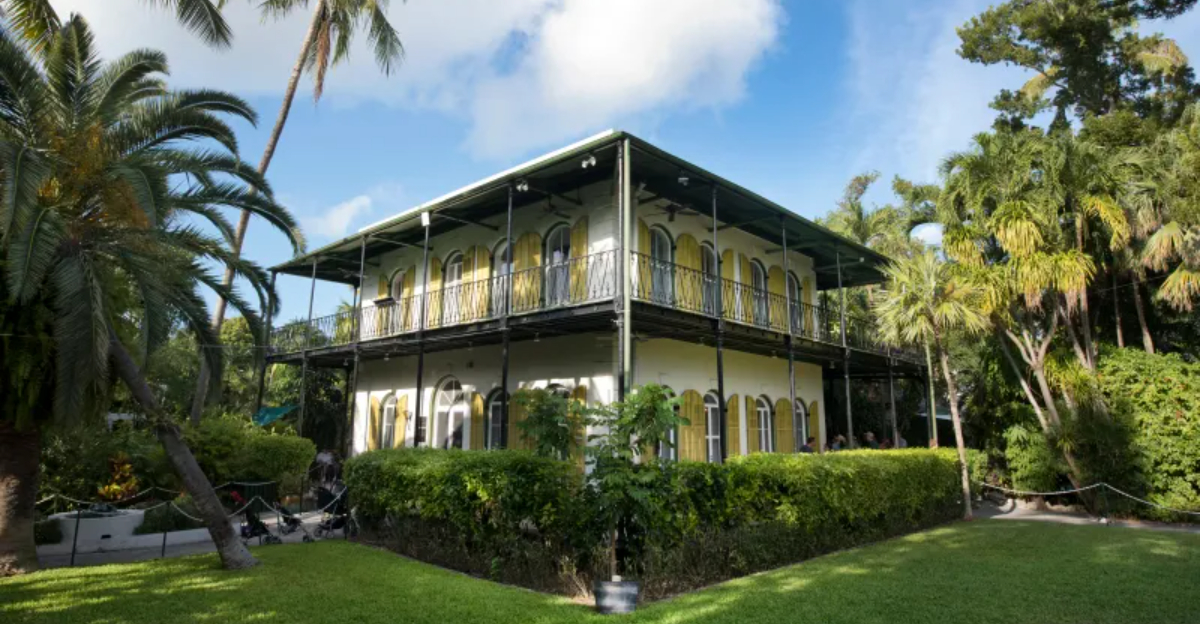
Step through the gates in Key West and it feels like walking into a writer’s morning routine. The Hemingway Home and Museum blends history, stories, and tropical calm in a way that pulls you closer to the man behind the myth. You will meet polydactyl cats, see the studio, and learn the habits that shaped sharp sentences.
Come curious, leave inspired, and carry a little Key West clarity with you.
1. First Impressions at 907 Whitehead Street
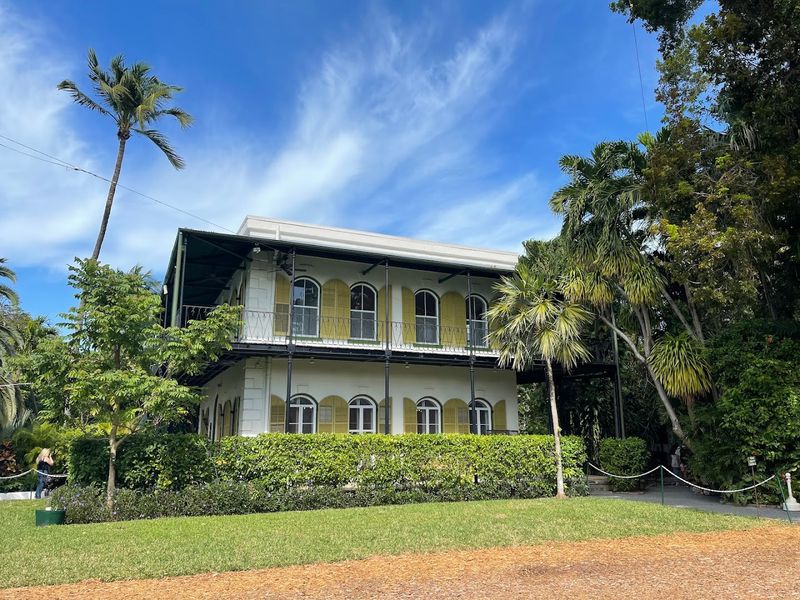
Walk up Whitehead Street, and the estate rises from the coral rock like a sunlit secret. You pay at the gate, then a shaded courtyard leads you into Old Town history made tangible. Tours depart every fifteen minutes, and the included guide quickly turns facts into stories that feel close and human.
Arrive early to beat heat and crowds, especially if you want quiet moments in the rooms. Admission is worth it for the context alone, yet wandering after the tour helps details settle. Bring water, wear light clothing, and expect to stand while listening, because the best parts happen right where Hemingway worked and rested.
Hours run daily nine to five, so morning slots feel wonderfully calm and unrushed.
2. The Six-Toed Cats of Key West
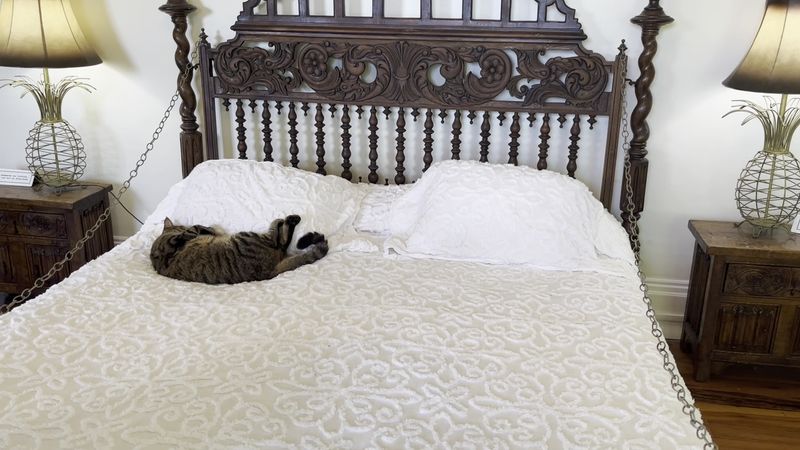
The six-toed cats are the estate’s quiet royalty, padding across limestone paths like they own time. They descend from Snow White, a sailor’s gift, and their polydactyl paws look like tiny mittens. You will spot them napping beneath bougainvillea, blinking on verandas, and supervising benches with effortless, photogenic composure.
Respect their space, and you will be rewarded with purrs and slow blinks. Staff care for them lovingly, with vet checks and cozy shelters tucked among the gardens. If you are allergic, most cats lounge outdoors, so breezes help, but you should still keep distance, wash hands, and avoid touching your face.
Please do not pick them up, and let them choose the interaction’s pace. They always remember house rules well.
3. Hemingway’s Writing Studio Above the Gift Shop
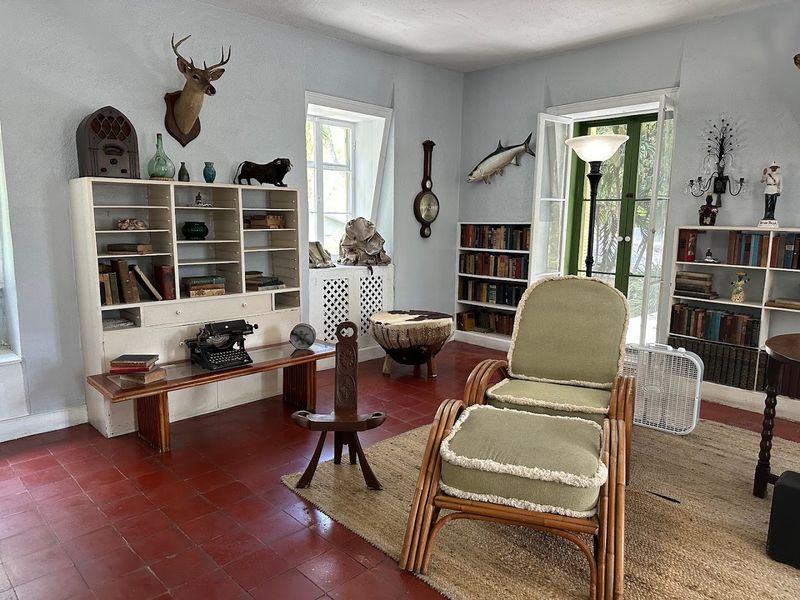
Climb the steps above the gift shop and you reach the small writing studio, compact and electric. The typewriter waits on a table, surrounded by books, photos, and the kind of order that invites work. Light pours through shutters, and you can almost hear morning pages forming, clear and spare.
Guides explain routines that shaped the sentences: early starts, limited distractions, and honest revision. The space is humbly sized, which makes achievement feel startlingly human and possible for you too. Stand quietly, breathe, and imagine choosing action verbs over adjectives until a clean line clicks into place.
Look down toward the pool and garden, and the day suddenly organizes itself around effort, sunlight, and earned rest for the afternoon ahead.
4. Rooms, Artifacts, and Everyday Discipline
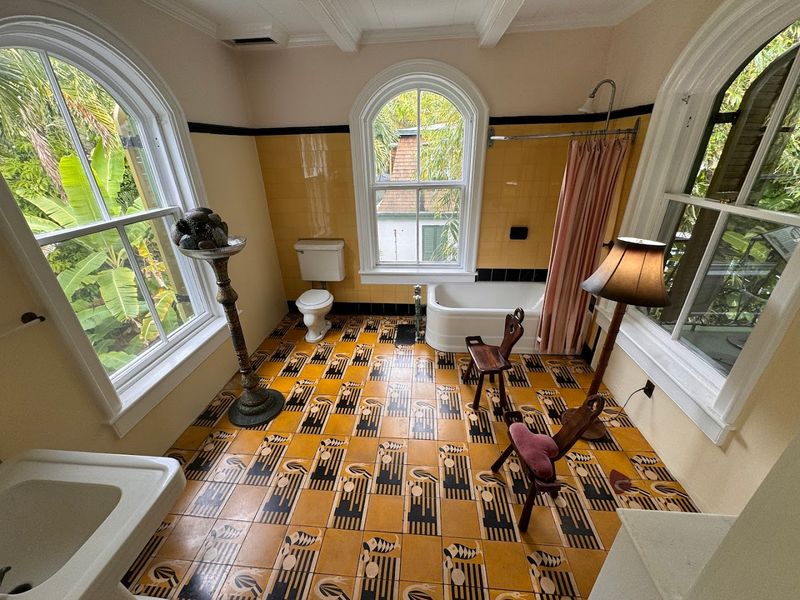
Inside the main house, rooms feel spare, confident, and bright, with shutters framing Key West light. Original furnishings, family photos, and hunting trophies sit beside well-thumbed books, creating a lived-in sense of discipline. You move from bedroom to parlor to bath, noticing how practicality and comfort kept company.
Docents point out small details that anchor the myth: a boxing glove here, a worn chair there. The library invites lingering, and the staircase delivers you to balconies that breathe. Walk slowly, read the interpretive signs, and let the house suggest how routine, limits, and clear mornings shaped the work.
Photography without flash is allowed, so capture shutters, tile, and light before stepping back to simply look, then notice silence becoming focus.
5. Gardens, Pool, and the Last Cent
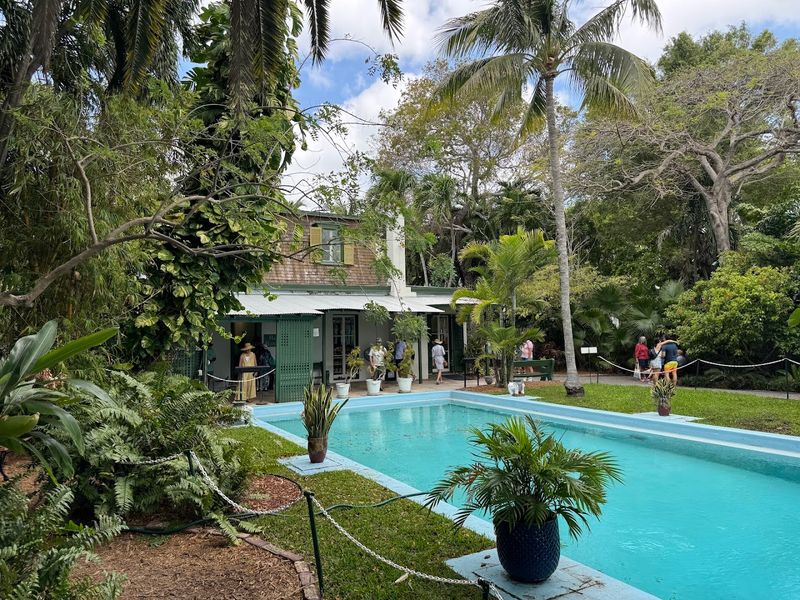
The gardens wrap you in palms, jasmine, and shade, with koi ponds smoothing the soundtrack. Paths curve past orchids and benches, offering quiet corners for catching breath or jotting a sentence. At the pool, turquoise water mirrors sky, and the surrounding coral deck glows like warm bone.
Guides recount the famous penny pressed upside down into the pool surround, his claimed last cent. The joke still lands, because extravagance met discipline here every day. Rest by the water, feel the breeze off Whitehead Street, and let the island’s tempo slow you enough to notice details.
Look for cats sunning nearby, gardeners tending quietly, and light shifting so subtly that minutes blur into usefulness, and you start breathing like a local.
6. Taking the Guided Tour
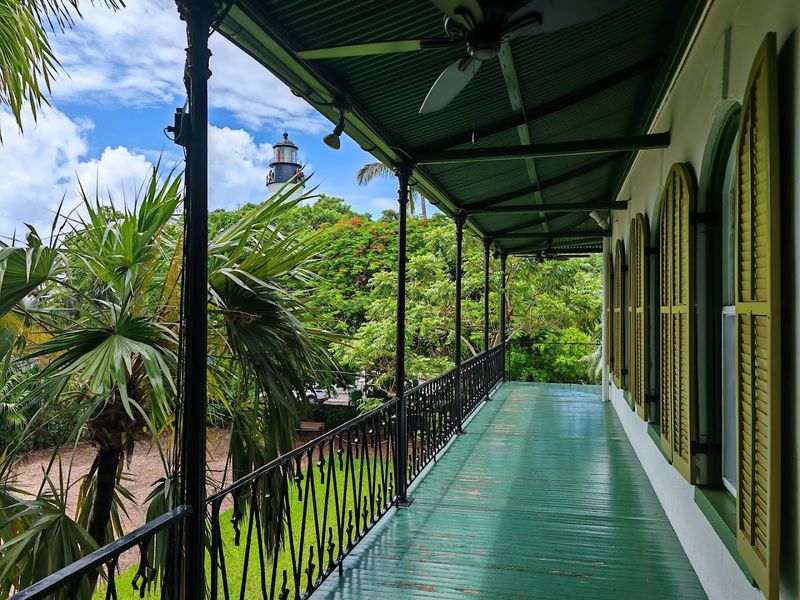
The guided tour turns biography into lived place, thirty minutes of story that feels brisk and generous. A good guide balances myth with habit, explaining where he wrote, why mornings mattered, and how Key West sharpened attention. Questions are welcome, and humor keeps the crowd relaxed while details land.
Arrive early, listen close, then loop back afterward to revisit rooms at your pace. The script covers history, architecture, and marriages without drift, so you always feel grounded. When the group moves on, linger a minute, take another photograph, and let a sentence from memory click into clearer focus.
If you are lucky, you will meet a raconteur who threads wit through facts until the rooms begin speaking to you directly.
7. Smart Tips for a Smooth Visit
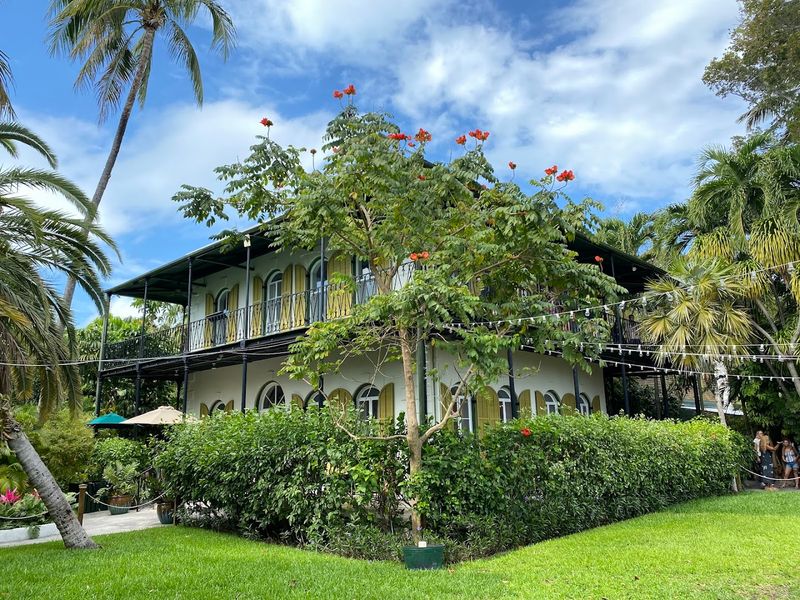
Plan your visit around the island’s rhythm: mornings offer gentler heat, lighter crowds, and softer light for photos. Street parking can be scarce, so arrive on foot, by bike, or a bit early with patience. Tickets are sold at the gate, and the line usually moves quickly when tours cycle.
Photography is allowed without flash, which suits those shutters and the pale floors beautifully. Families with teens often love the stories, while younger kids enjoy counting cats and spotting paw prints. Bring water, wear comfortable shoes, and remember the museum is a home first, so move kindly and let the place teach restraint.
Afterward, walk Duval Street for lunch, then circle back past the lighthouse for a final photograph together.