12 Florida Wildlife Rescues Where You Can See Animals Up Close
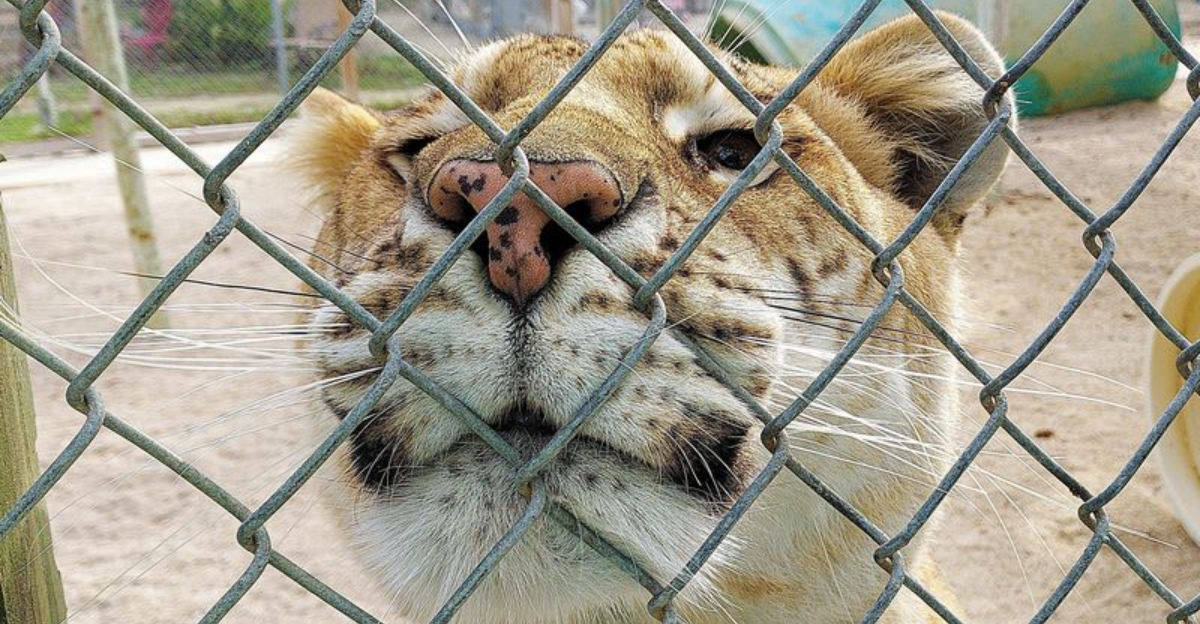
Florida is packed with wildlife rescues and rehabilitation centers that let you get far closer to native animals than a typical zoo visit ever could. These places do real conservation work, and that makes every encounter feel more meaningful.
If you want sea turtles, raptors, manatees, big cats, and rescued birds all in one unforgettable travel list, you are in the right spot.
Busch Wildlife Sanctuary – Jupiter, FL
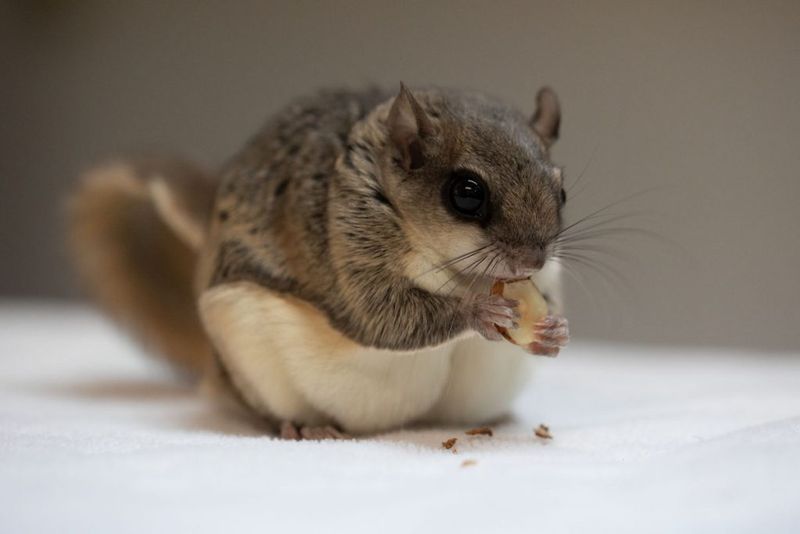
If you want a rescue experience that feels personal, Busch Wildlife Sanctuary in Jupiter is an easy place to love. This longtime South Florida nonprofit focuses on native wildlife rehabilitation, so your visit supports animals that truly need expert care.
You can walk shaded paths and see residents like owls, foxes, alligators, turtles, and sometimes bobcats while learning why each species ended up here.
What makes this stop stand out is the balance between education and accessibility. The enclosures are designed to help you get a good look without feeling like a loud, crowded theme park, and the staff messaging keeps the focus on conservation.
I like that you leave with practical knowledge too, especially about what to do if you find injured wildlife or disturb a nest in your own neighborhood.
Families do especially well here because the sanctuary feels manageable, calm, and welcoming rather than overwhelming. Plan to spend at least an hour or two, read the signs carefully, and check ahead for feeding times or special programs that add more context to what you are seeing.
If you are near Palm Beach County and want an up close encounter with Florida wildlife that still feels ethical and grounded in rescue work, this is one of the best picks on the list.
The Turtle Hospital – Marathon, FL
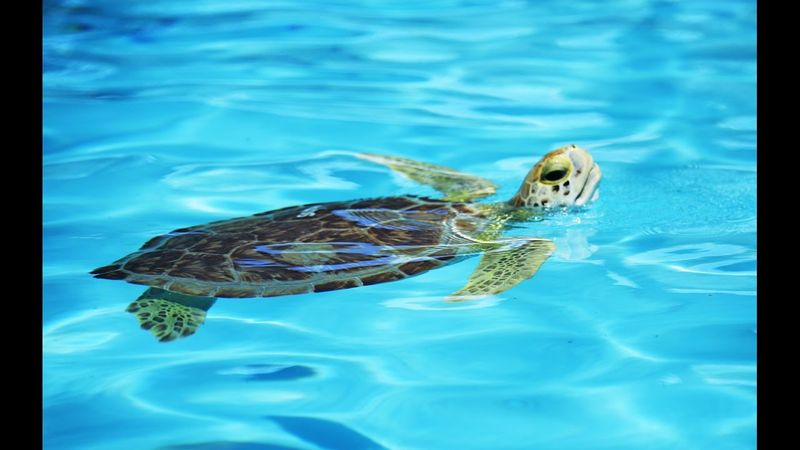
The Turtle Hospital in Marathon is one of those places that stays with you long after the tour ends. Instead of offering a generic aquarium experience, it gives you a close look at sea turtle rescue, surgery, rehabilitation, and release in a way that feels deeply human and surprisingly hopeful.
You will see resident turtles and recovering patients while guides explain injuries caused by boat strikes, fishing gear, floating debris, and other threats in Florida waters.
Because visits are tour based, the experience feels focused and informative from start to finish. You are not just wandering past tanks and guessing what you are looking at, since the staff clearly connects each turtle to a real rescue story and a bigger conservation lesson.
That structure makes this stop especially strong for older kids, adults, and anyone who wants more substance than spectacle.
I would absolutely reserve in advance, because this is a popular Florida Keys activity with limited capacity. Bring your curiosity, ask questions, and pay attention to the small medical details because they reveal how much work goes into giving each turtle another chance.
If seeing sea turtles up close is high on your Florida wish list, this is easily one of the most meaningful and memorable places you can go.
Clearwater Marine Aquarium – Clearwater, FL
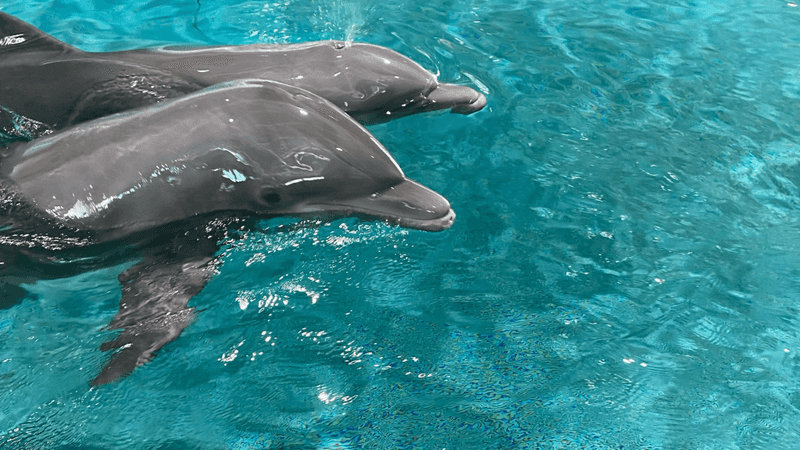
Best known for rescued dolphins, this facility tells a much bigger story about marine rehabilitation. It cares for animals that cannot always be returned to the wild, which gives the entire experience a more thoughtful atmosphere than a typical entertainment attraction.
Visitors can get close to dolphins, sea turtles, otters, and rescued seabirds while learning how each animal plays a role in the rescue and recovery process.
The layout makes it easy to move at your own pace, which is helpful if you are traveling with kids or mixed age groups. Viewing areas often let you see animals from different angles, and the educational displays explain why some residents stay permanently while others are treated and released.
That behind the scenes context adds weight to what might otherwise feel like a quick photo opportunity.
Because Clearwater is such a busy beach destination, I would pair this stop with a morning visit before the day gets too hectic. Give yourself time to attend talks or presentations, since they add details you will miss if you just walk through.
If you want a place where you can see rescued marine animals up close while still feeling connected to real conservation work on Florida’s Gulf Coast, this aquarium absolutely belongs on your list.
Loggerhead Marinelife Center – Juno Beach, FL
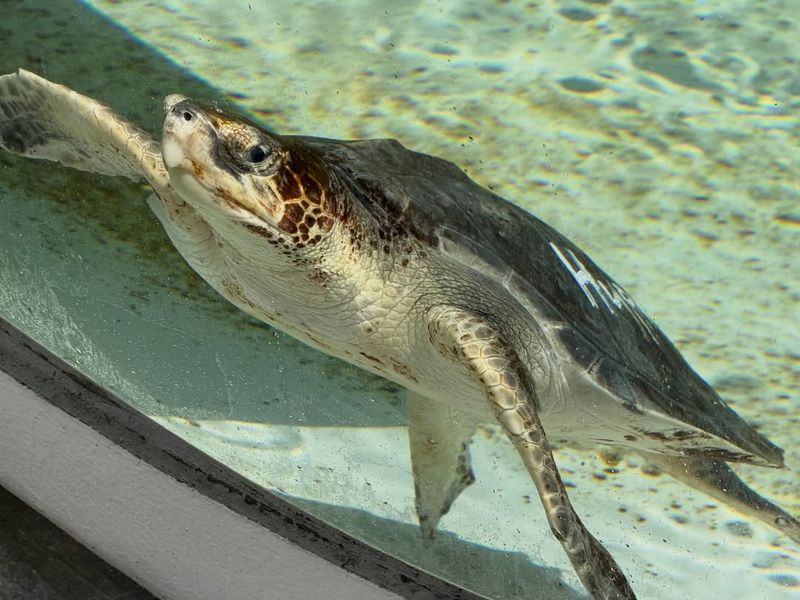
Loggerhead Marinelife Center in Juno Beach is a must if you are fascinated by sea turtles and want a visit that feels both educational and inspiring. The center focuses heavily on turtle rehabilitation, research, and public outreach, so every exhibit connects back to real conservation work happening on Florida beaches and in nearby waters.
You can often see recovering patients in outdoor tanks and get a much better understanding of the hazards sea turtles face year round.
One thing I appreciate here is how easy it is to combine your visit with the surrounding coastline. After learning about nesting behavior, hatchlings, and rehabilitation challenges, walking nearby beaches suddenly feels different because you notice tracks, dunes, and lighting issues in a new way.
That connection between rescue center and natural habitat gives the experience more depth than a typical indoor attraction.
This is also a great stop for travelers who do not want to commit a full day to one site. You can move through exhibits fairly comfortably, but if you linger for talks, gift shop browsing, and outdoor viewing areas, it becomes a richer visit.
If you are heading through Palm Beach County and want to see sea turtles up close while supporting science based conservation, Loggerhead Marinelife Center is an easy and rewarding choice.
Pelican Harbor Seabird Station – Miami, FL
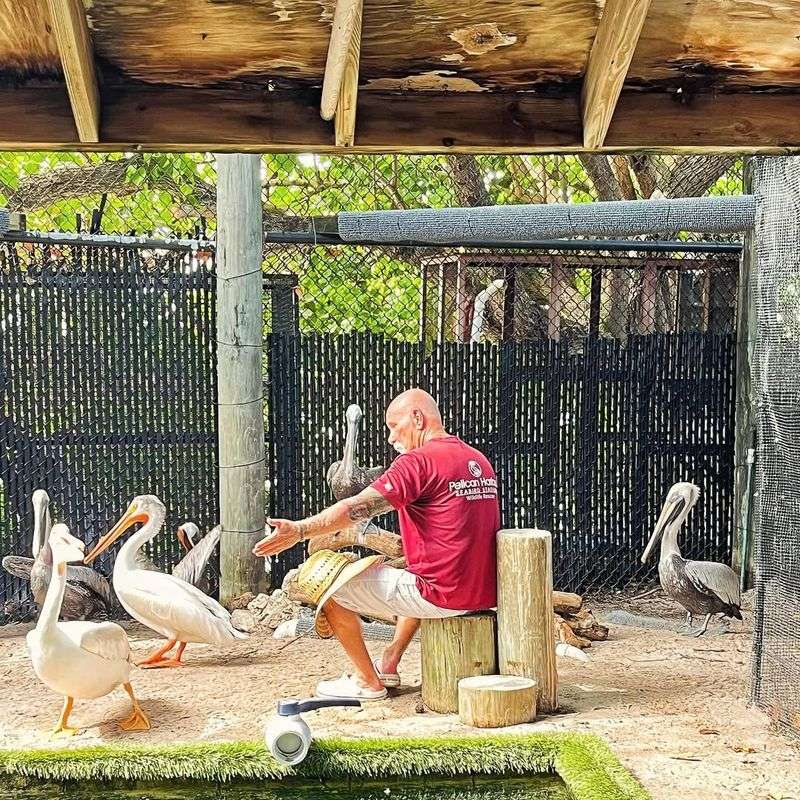
For a rescue visit that feels intimate, local, and deeply mission driven, this Miami nonprofit stands out. Pelican Harbor Seabird Station specializes in caring for injured and orphaned native birds and wildlife, so the animals you see are directly connected to South Florida’s urban coast, waterways, and storm-affected habitats.
Pelicans are the obvious stars, but visitors may also spot owls, hawks, vultures, water birds, and other species that reflect the broader story of living alongside wildlife in a busy city.
The setting near Biscayne Bay gives the experience a strong sense of place. You are not just seeing birds in enclosures, because the surrounding environment constantly reminds you why these rescues matter and how quickly habitat pressures can affect wild populations.
I like that the station feels grounded and practical rather than polished for spectacle, which makes the educational message land even harder.
This is a smart stop if you want something meaningful without leaving the Miami area for a full nature excursion. Keep expectations centered on rescue and rehabilitation instead of entertainment, and you will appreciate the work being done here much more.
For travelers who want to see Florida seabirds up close, support a nonprofit, and come away more aware of coastal conservation challenges, Pelican Harbor Seabird Station is absolutely worth your time.
Audubon Center for Birds of Prey – Maitland, FL
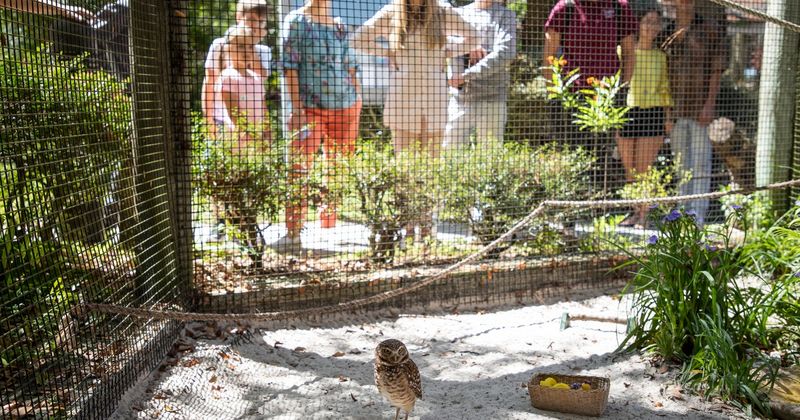
If you are drawn to raptors, the Audubon Center for Birds of Prey in Maitland is one of the most compelling rescue stops in Florida. This center focuses on injured eagles, hawks, falcons, owls, and other birds of prey, combining rehabilitation with strong public education about the threats these birds face.
Seeing a bald eagle or great horned owl up close in a setting centered on recovery rather than display is unforgettable.
What makes this place so effective is the way it turns admiration into understanding. The staff and exhibits explain collisions, poisoning, habitat loss, and other dangers in a direct way that makes these powerful birds feel vulnerable and worth protecting.
You do not need to be a serious birder to connect with that message, because the birds themselves are striking enough to draw anyone in.
I would recommend taking your time here and reading every sign instead of rushing for photos. The stories behind the resident birds and the rehabilitation work give the visit its emotional weight, and that is what separates this center from a typical animal outing.
If you are looking for a Central Florida stop where you can see majestic rescued raptors up close while supporting expert wildlife care, this one deserves a place near the top of your itinerary.
Sawgrass Nature Center & Wildlife Hospital – Coral Springs, FL
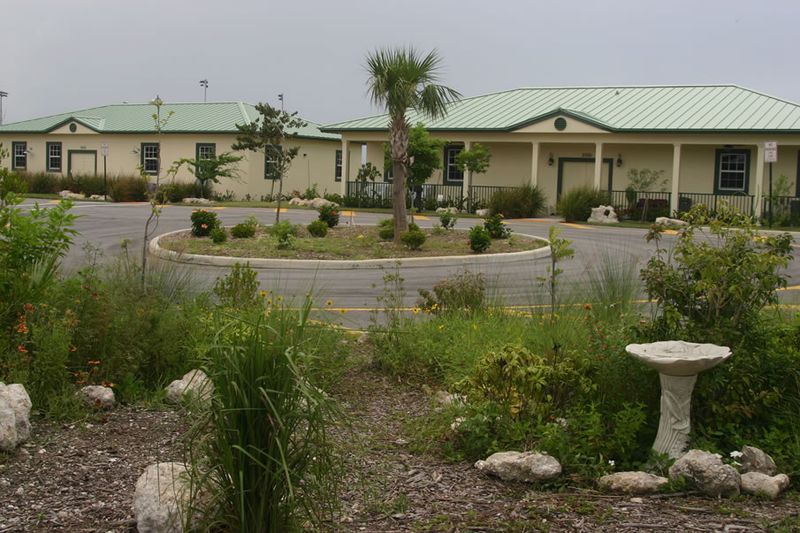
Sawgrass Nature Center & Wildlife Hospital in Coral Springs is a great choice if you want a rescue visit that feels community centered and easy to explore. The organization rehabilitates injured wildlife and cares for nonreleasable animals, with a focus on Florida species that are often overlooked until people encounter them in backyards, canals, and roadsides.
You might see birds, reptiles, small mammals, and educational ambassadors that make local conservation feel close to home.
The atmosphere is gentler and less commercial than many larger animal attractions, which can be a real advantage. Instead of rushing from one major exhibit to the next, you get a quieter experience where signs, volunteers, and habitats encourage you to slow down and notice details.
That pace works especially well for families with younger kids who do better in calmer, more manageable settings.
I like this stop because it reminds you that wildlife rescue is not only about famous species. Everyday Florida animals need treatment, patience, and informed neighbors too, and this center makes that point without losing the sense of fun that keeps visitors engaged.
If you are in Broward County and want an affordable, meaningful way to see rescued native animals up close while supporting rehabilitation work, Sawgrass Nature Center & Wildlife Hospital is an excellent pick.
Navarre Beach Sea Turtle Conservation Center – Navarre, FL
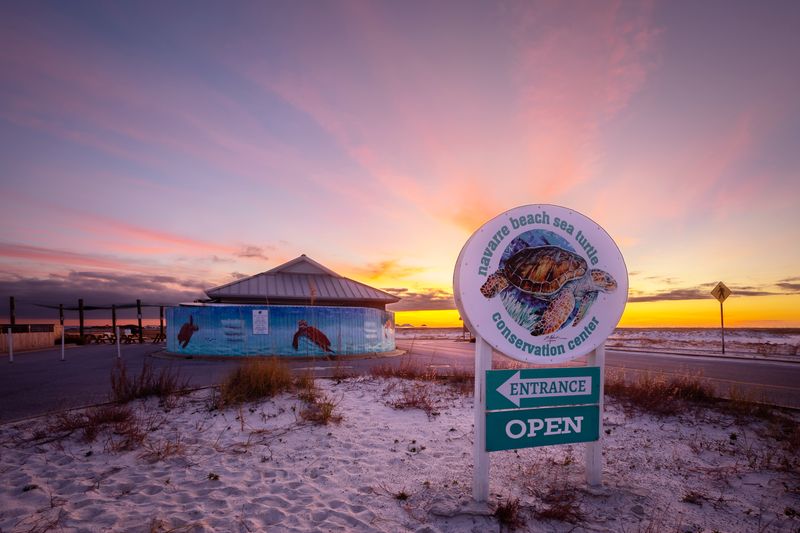
With its smaller scale and quieter atmosphere, this nonprofit offers an experience that feels especially personal. Navarre Beach Sea Turtle Conservation Center focuses on education and conservation tied to sea turtles and the local marine environment, giving visitors an accessible way to understand how these animals survive and struggle along Florida’s Panhandle beaches.
Depending on the current exhibits and resident animals, you may get a close look at sea turtle care while learning more about nesting, rescue, and shoreline stewardship.
What I like most here is how strongly the center ties wildlife education to the beach just outside. After spending time inside, the dunes, sand, and Gulf water feel more significant because you understand how easy it is for lighting, litter, and human traffic to create problems for nesting turtles.
That makes this a smart stop before or after a beach walk, especially if you want your vacation to include something meaningful.
Because the center is not massive, it works well for a shorter visit and does not demand a whole day. Read the exhibits closely, ask questions, and consider making a donation if the mission speaks to you.
If you are traveling through the Florida Panhandle and want a rescue focused wildlife stop where you can learn a lot and still see marine life up close, this center is well worth adding to your route.
Key West Wildlife Center – Key West, FL
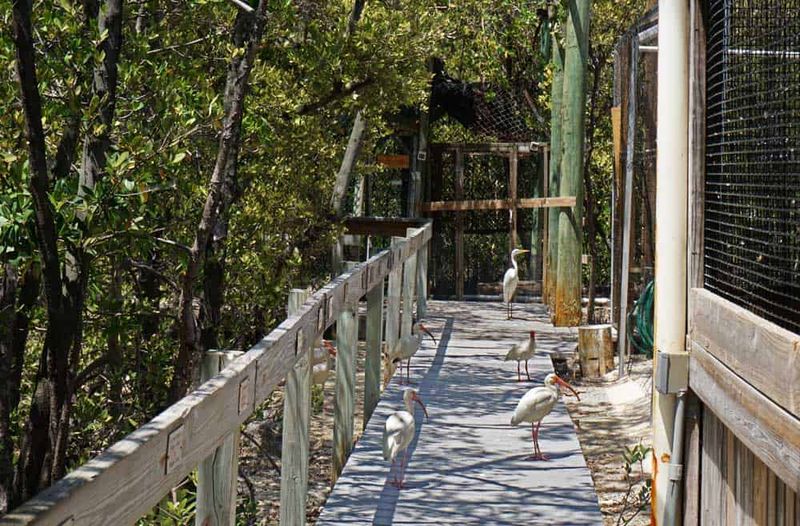
Key West Wildlife Center is a memorable stop if you want to see how rescue work operates in a unique island environment. The center rehabilitates native birds and other wildlife affected by storms, traffic, fishing line, human activity, and the constant pressures of life in the Keys.
Visiting gives you a closer look at species that are part of everyday Key West life, but often only noticed when something has gone wrong.
The grounds are not flashy, and that is exactly why the experience feels genuine. You can observe birds up close, absorb the quiet rhythm of the place, and appreciate the fact that a small local organization is doing the difficult work of giving injured wildlife another chance.
In a destination known for bars, sunsets, and tourism, this stop offers a more grounded side of Key West that many visitors miss.
I would recommend it to travelers who want a break from the usual island itinerary without sacrificing something distinctly local. It will not replace a big aquarium or zoo, but it offers the kind of authenticity that can end up being more memorable.
If you care about seeing rescued wildlife up close, supporting rehabilitation efforts, and understanding the ecological side of the Keys beyond postcard beaches, Key West Wildlife Center is absolutely worth your attention.
Flamingo Gardens – Davie, FL
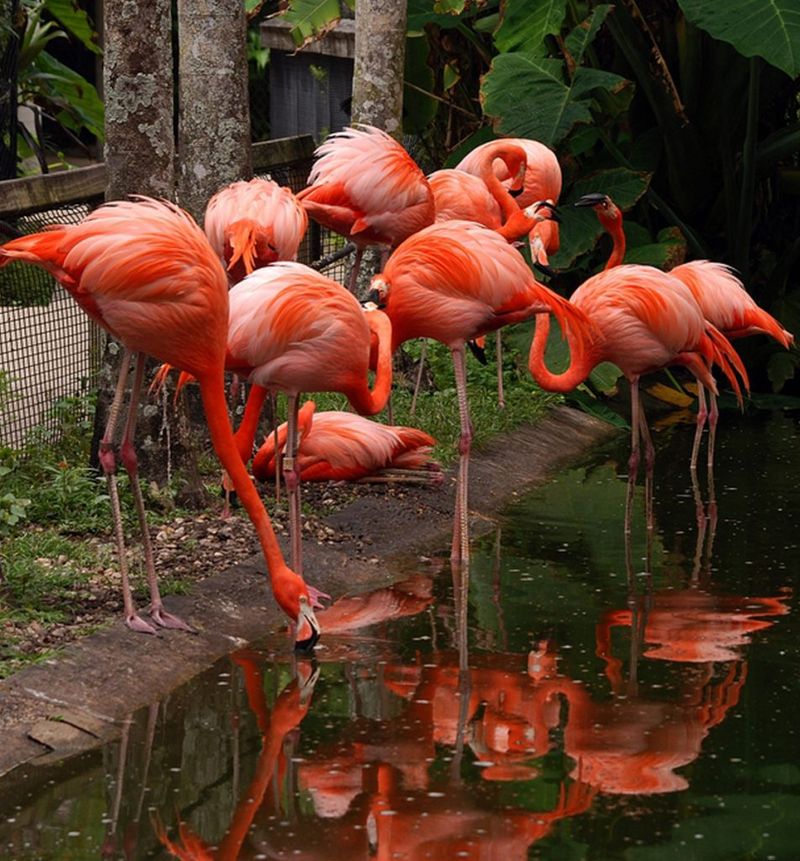
More than just a rescue center, this South Florida destination combines a wildlife sanctuary with the beauty of a botanical garden. Flamingo Gardens is home to permanently injured or nonreleasable native Florida wildlife, including black bears, bobcats, panthers, otters, alligators, and of course flamingos.
That combination makes the visit especially rewarding, blending scenic grounds with meaningful animal encounters rooted in rescue and long-term care.
The habitats are spread across lush grounds, so the whole experience feels more scenic and relaxed than many animal attractions. You can take your time, enjoy the tropical landscape, and still get impressive close views of animals that represent Florida’s wild side.
I especially like this spot for visitors who want a gentler pace without giving up the chance to see charismatic species.
Because Flamingo Gardens appeals to plant lovers, photographers, families, and wildlife fans all at once, it works well for mixed groups. You can focus on the sanctuary exhibits, but the gardens add enough variety that everyone usually finds something memorable.
If you are near Fort Lauderdale and want a place where rescued native animals are part of a larger, beautifully landscaped experience, Flamingo Gardens is an easy recommendation and one of the most enjoyable stops on this list.
Octagon Wildlife Sanctuary – Punta Gorda, FL
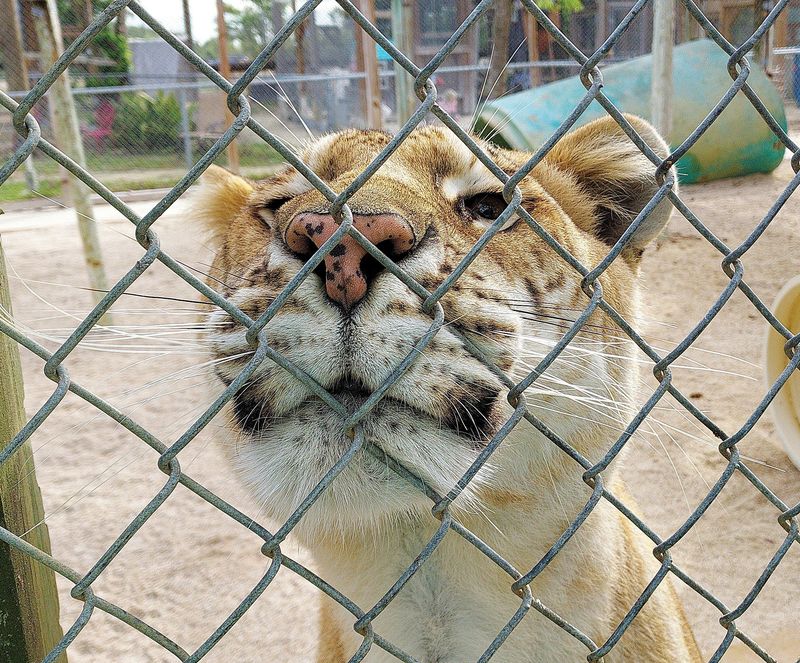
Octagon Wildlife Sanctuary offers a very different kind of rescue experience from the native wildlife centers on this list. Here, the focus is on exotic animals that have been rescued from private ownership, entertainment settings, or other situations where they could not be properly cared for, including big cats, bears, wolves, reptiles, and primates.
That gives you the rare chance to see powerful animals up close while hearing why responsible sanctuary work matters so much.
Because tours are guided, the visit feels more intentional and educational than wandering through a standard animal park. You learn the backstory behind the residents, the challenges of long term sanctuary care, and the serious consequences of treating wild animals like pets or status symbols.
Those stories can be sobering, but they also make the experience much more meaningful than a simple look at impressive species.
I would go in with the mindset that this is a rescue sanctuary first and a visitor attraction second. If you approach it that way, the encounter becomes less about spectacle and more about understanding how these animals ended up here and what ethical care looks like now.
For travelers near Punta Gorda who want a memorable, close range look at rescued exotic wildlife with a strong educational message, Octagon Wildlife Sanctuary is a standout stop.
Peace River Wildlife Center – Punta Gorda, FL
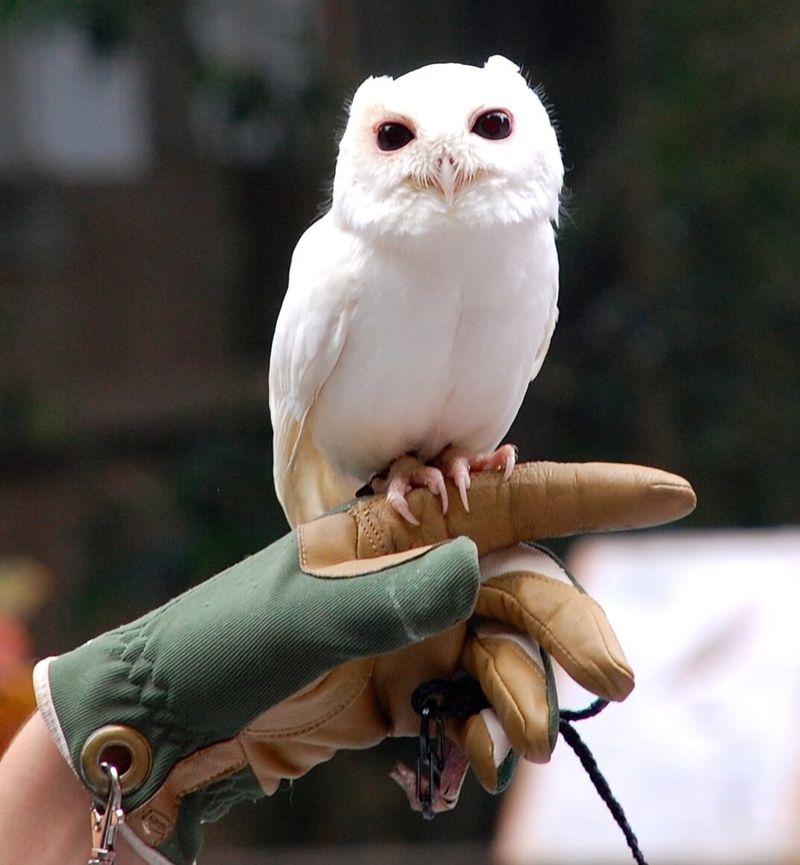
For an up-close look at rescued native birds and small wildlife, this Gulf Coast center is one of Florida’s standout stops. Peace River Wildlife Center rehabilitates injured animals and provides long-term care for those that cannot return to the wild, with a strong emphasis on public education and coexistence.
Visitors may see pelicans, owls, hawks, vultures, shorebirds, and other residents that reflect the ecosystems around Charlotte Harbor.
The waterfront Punta Gorda setting adds a lot to the experience. When you look at a recovering seabird and then glance out toward the coast, the connection between rescue work and real habitat becomes immediate and clear.
I think that sense of place makes the visit especially memorable, because it never feels separated from the environment these animals actually belong to.
This is a good stop for travelers who want something heartfelt, manageable, and rooted in local conservation rather than entertainment. Spend time with the signage, support the center if you can, and keep your expectations focused on rehabilitation stories instead of polished showmanship.
If you are exploring Southwest Florida and want a close look at rescued birds and other native animals in a setting that feels genuinely mission driven, Peace River Wildlife Center is a wonderful place to include.