15 Florida Spots to Add to Your 2026 List If You Think You’ve Seen It All
Florida is often reduced to a familiar checklist: theme parks, crowded beaches, and well-known coastal cities. While those places have their appeal, they only represent a fraction of what the state offers. Beyond the usual tourist corridors lies a more nuanced Florida—one shaped by working waterfronts, protected ecosystems, small historic towns, and landscapes that surprise even frequent visitors. From spring-fed rivers with some of the clearest water in North America to barrier islands that limit development by design, these destinations reflect both the state’s natural diversity and its layered cultural history.
This guide focuses on 15 locations across Florida that provide a more grounded, less commercial experience.
1. Cedar Key
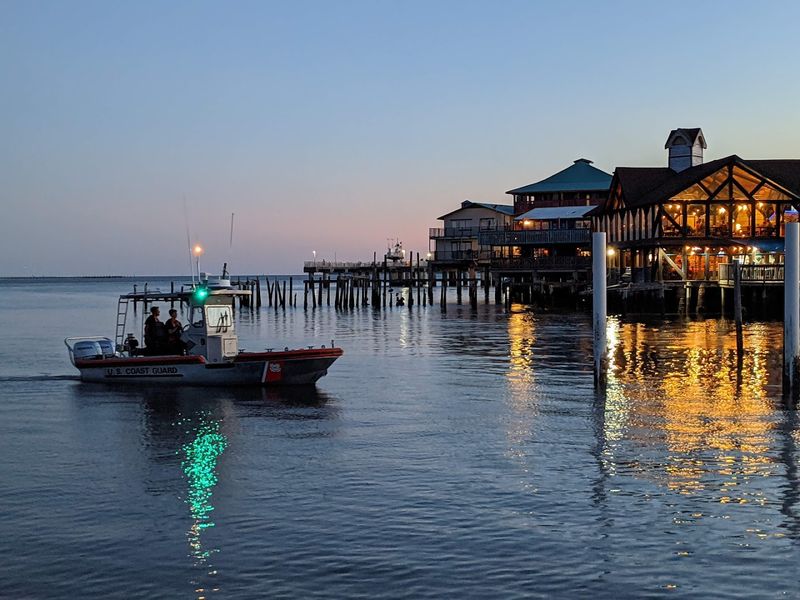
Cedar Key is a small Gulf Coast community located about 60 miles southwest of Gainesville, known for its historic fishing industry and relatively undeveloped shoreline. Unlike much of Florida’s coast, Cedar Key has resisted large-scale tourism development, maintaining a working waterfront and a population of just a few hundred residents.
The town has long been associated with seafood harvesting, particularly farmed clams, which now make up a significant portion of the local economy. Restaurants in the area typically serve locally sourced oysters, mullet, and shrimp, reflecting the region’s reliance on the Gulf. The Cedar Key Historical Society Museum provides context on the town’s past as a 19th-century shipping hub, especially during the pencil manufacturing era when cedar wood was exported nationwide.
Outdoor activities are central to the Cedar Key experience. Kayaking through nearby salt marshes offers opportunities to observe dolphins, wading birds, and other coastal wildlife. The surrounding Cedar Keys National Wildlife Refuge protects a network of small islands that serve as nesting grounds for birds.
2. Apalachicola
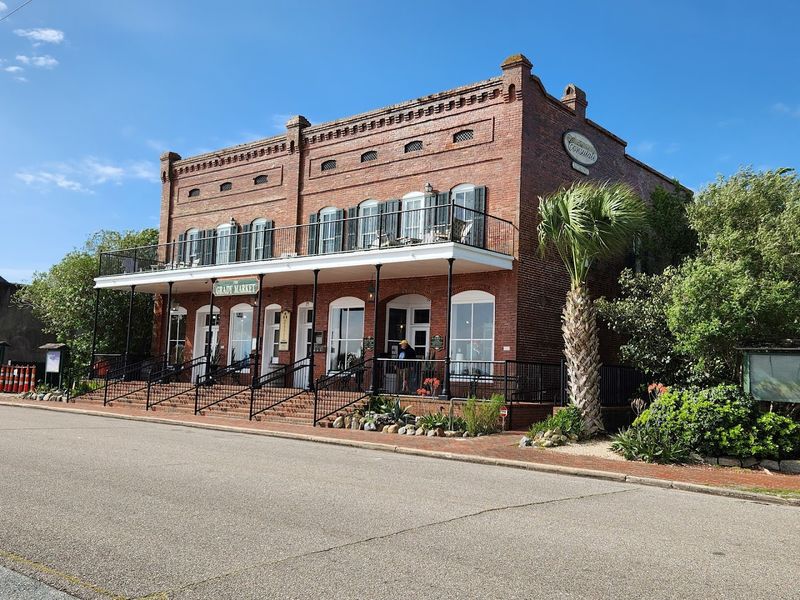
Apalachicola sits at the mouth of the Apalachicola River in Florida’s Panhandle and has historically been one of the most important oyster-producing regions in the United States. Although oyster harvesting has fluctuated due to environmental and regulatory challenges, the town remains closely tied to the seafood industry.
The downtown area features well-preserved 19th-century architecture, reflecting its past as a major port. Many of the buildings now house restaurants, galleries, and small businesses. The Apalachicola Maritime Museum and the Raney House Museum provide insight into the town’s commercial and cultural development.
The surrounding ecosystem is one of the most biodiverse estuarine systems in North America, where freshwater from the river mixes with Gulf saltwater. This creates ideal conditions for oysters and other marine life. Visitors can take boat tours along the river or into the bay, where dolphins are commonly seen.
3. Weeki Wachee Springs
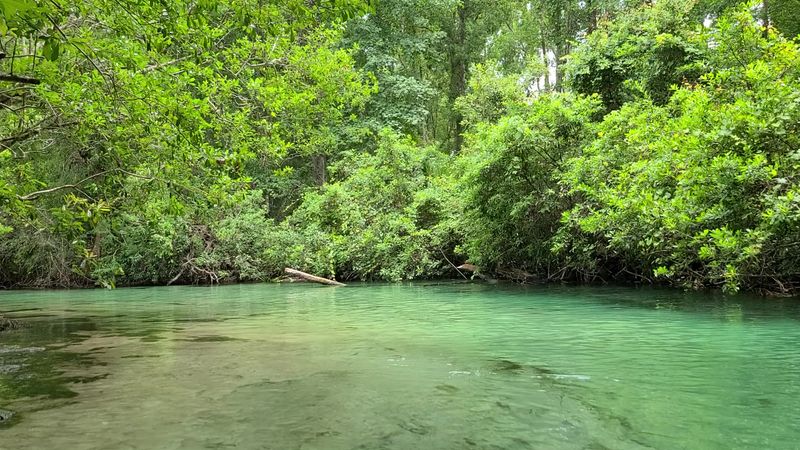
Weeki Wachee Springs State Park is best known for its live mermaid performances, a tradition that dates back to 1947. While the shows remain a popular attraction, the park is equally significant for its natural spring system.
The Weeki Wachee River originates from a first-magnitude spring, discharging millions of gallons of clear freshwater daily. The water maintains a constant temperature of approximately 72°F (22°C), making it suitable for year-round swimming and paddling.
Kayaking or canoeing down the river is one of the most effective ways to experience the area. The clarity of the water allows visibility of fish, turtles, and submerged vegetation. Manatees are occasionally present, particularly during cooler months when they seek warm-water refuges.
4. Caladesi Island State Park
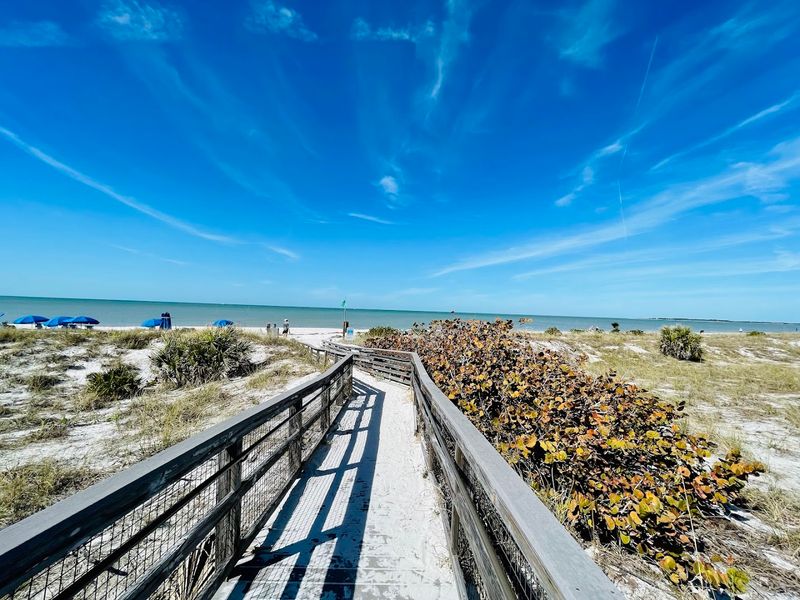
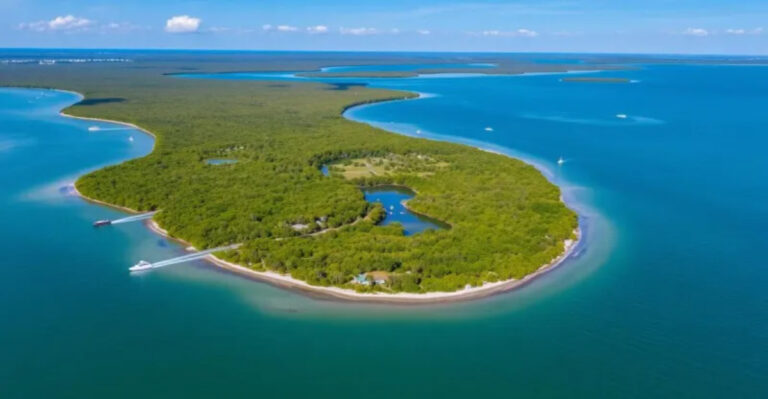
Accessible only by boat or ferry, Caladesi Island State Park is one of the few remaining undeveloped barrier islands along Florida’s Gulf Coast. The park consistently ranks among the top beaches in the United States due to its natural condition and limited infrastructure.
The island features white quartz sand beaches, coastal dunes, and maritime hammocks. A designated nature trail provides access to inland habitats, while a mangrove-lined paddling trail allows exploration of sheltered waters.
Because development is restricted, amenities are minimal. Visitors are encouraged to bring necessary supplies, including water and sun protection. Shelling is a common activity, although live shells must be left in place to support the ecosystem.
5. Mount Dora
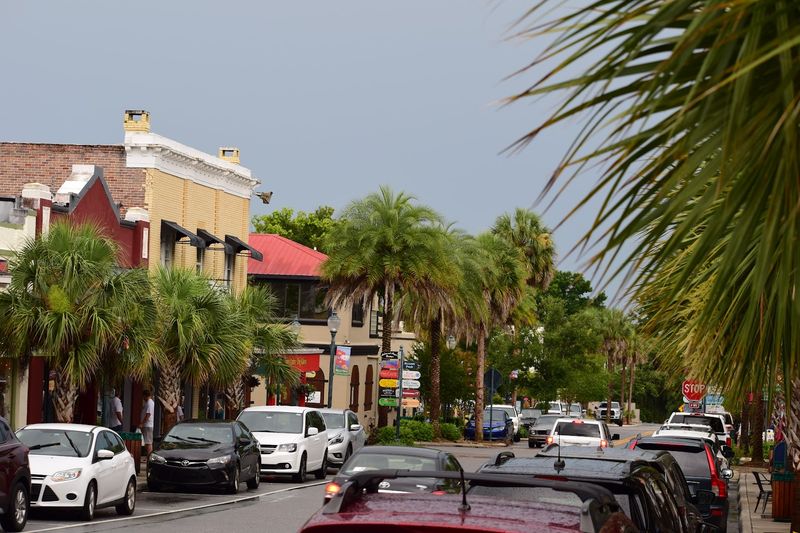
Mount Dora is located in central Florida, about 30 miles northwest of Orlando, and is known for its historic downtown and elevated terrain—unusual in a state largely characterized by flat landscapes.
The town has developed a reputation as an antiques destination, with numerous shops specializing in vintage furniture, collectibles, and art. It also hosts several annual festivals, including the Mount Dora Arts Festival, which attracts national attention.
Lake Dora plays a central role in the town’s identity. Boat tours and sunset cruises provide views of the surrounding wetlands, which are home to birds and alligators. Cultural institutions such as the Modernism Museum highlight mid-century design and contribute to the town’s distinct character.
6. Bok Tower Gardens (Lake Wales)
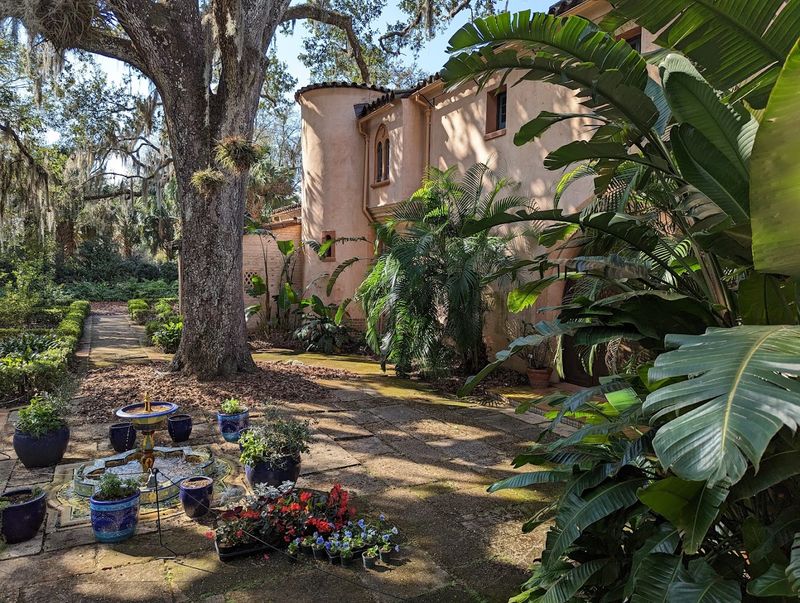
Bok Tower Gardens is a 250-acre landscaped garden and bird sanctuary located in Lake Wales. It was established in 1929 by Edward W. Bok and is centered around a 205-foot Singing Tower, which houses a carillon of 60 bells.
The gardens are designed to emphasize seasonal plantings, including camellias, azaleas, and native Florida species. Walking paths guide visitors through a variety of curated landscapes, while interpretive signage provides botanical and historical context.
The site is also significant for its elevation. Iron Mountain, where the tower stands, is one of the highest natural points in Florida. The gardens function both as a cultural landmark and a conservation area supporting bird populations.
7. Anna Maria Island
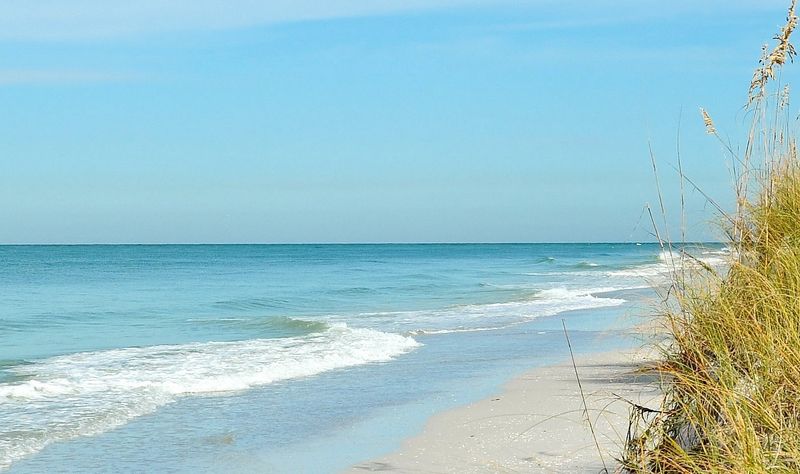
Breathlessly beautiful, Anna Maria Island is a barrier island on Florida’s Gulf Coast known for its strict building regulations, which limit high-rise construction. This has preserved a low-density, residential atmosphere that contrasts with more developed coastal destinations.
Transportation on the island is intentionally simple, with a free trolley system connecting key areas. Beaches feature fine, white sand and relatively calm waters, making them suitable for swimming and shoreline activities.
Local businesses, including restaurants and markets, emphasize a small-town approach. Seafood remains a central feature of the cuisine, often sourced from nearby waters.
8. St. George Island
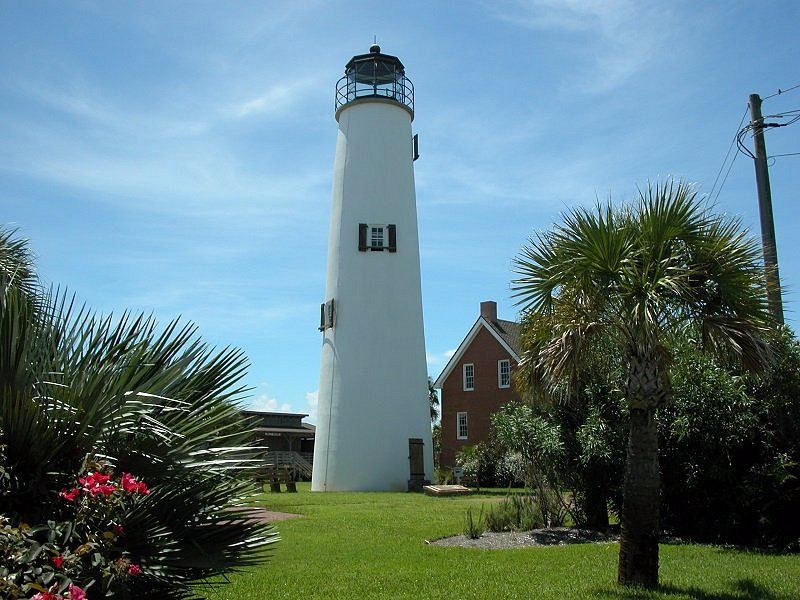
St. George Island is a 28-mile barrier island in the Florida Panhandle, much of which is protected within Dr. Julian G. Bruce St. George Island State Park. Development is limited, contributing to its reputation for quiet, uncrowded beaches.
The island is a nesting site for sea turtles and a habitat for migratory birds. Fishing, biking, and wildlife observation are common activities. The St. George Island Lighthouse serves as a historical landmark and viewing point.
Due to its remote location, visitors are advised to plan ahead with supplies and accommodations.
9. Devil’s Den Prehistoric Spring (Williston)
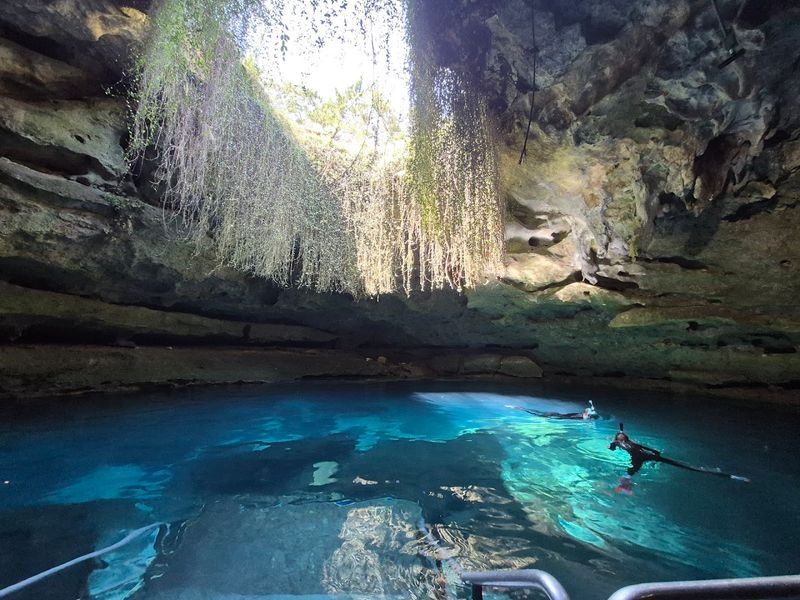
Devil’s Den is an underground spring located within a collapsed karst formation near Williston. The site is privately owned and operates as a snorkeling and diving facility.
The spring is accessed through a surface opening, with stairs leading down into a cavern. Sunlight enters through the opening, illuminating the water and creating varying color tones depending on the time of day.
The site is named for the steam-like effect created when warm air meets cooler water in colder months. Fossils have been discovered in the area, adding to its geological significance.
10. Tarpon Springs
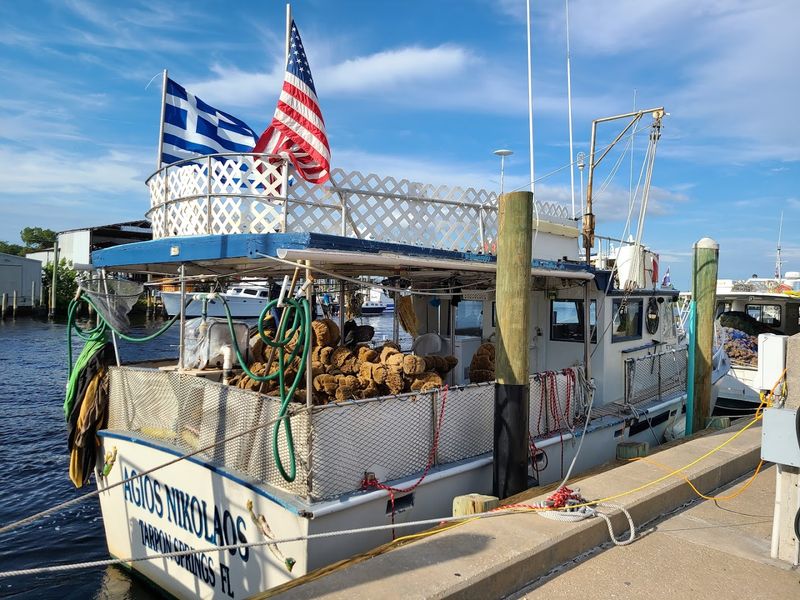
We can’t forget about this one! Tarpon Springs has one of the largest Greek-American populations in the United States, largely due to its historic sponge diving industry. Greek immigrants arrived in the early 20th century to work in sponge harvesting, shaping the town’s cultural identity.
The Sponge Docks area remains active, with shops selling natural sponges and Greek goods. Restaurants serve traditional dishes such as saganaki and baklava.
Museums and exhibits document the history of sponge diving, including the use of traditional diving equipment.
11. Gasparilla Island (Boca Grande)
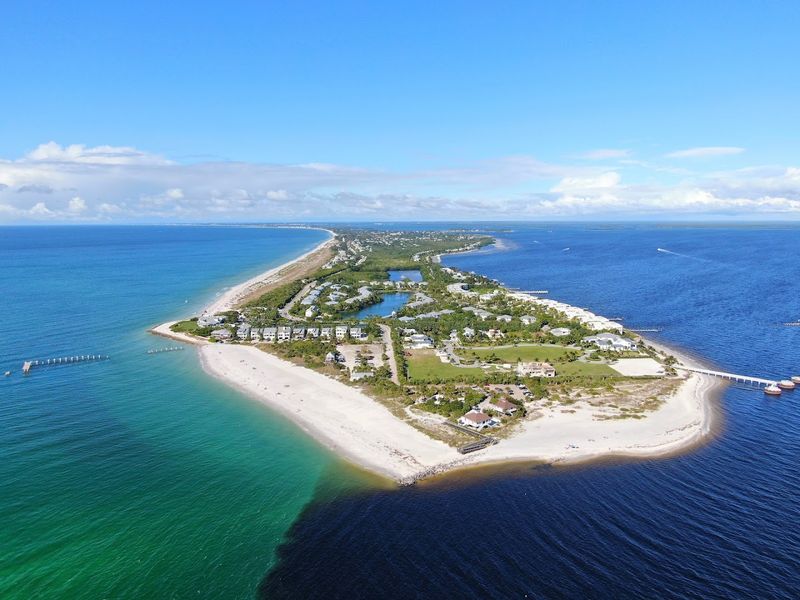
Gasparilla Island, home to the community of Boca Grande, is known for its controlled development and historic preservation. The island has long been associated with seasonal residents and a quieter form of tourism.
Fishing, particularly for tarpon, is a major activity and has contributed to the island’s reputation among anglers. The Boca Grande Lighthouse, located within a state park, provides historical context and scenic views.
Transportation is often limited to bicycles and golf carts, reinforcing the area’s low-impact environment.
12. Falling Waters State Park
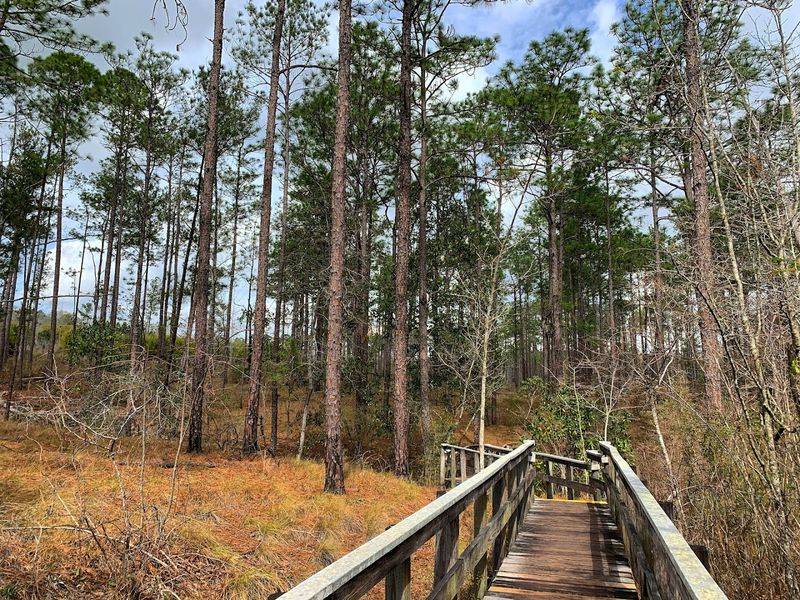
Falling Waters State Park, located in the Florida Panhandle, contains the state’s tallest waterfall, which drops approximately 73 feet into a sinkhole.
The park features a network of trails through pine forests and karst landscapes, including additional sinkholes and small caves. Interpretive programs provide information on the geology and ecology of the region.
Camping facilities are available, making it a suitable destination for extended visits.
13. Matlacha
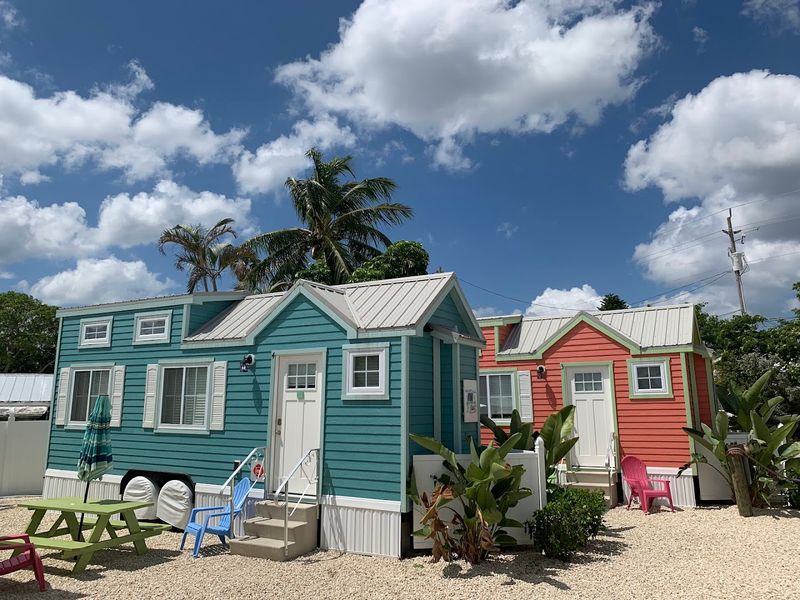
Colors go louder here, and so do smiles. Matlacha is a small fishing village in southwest Florida known for its colorful buildings and artistic community. The town is situated along Matlacha Pass, an important estuarine habitat.
Fishing and kayaking are common activities, supported by access to mangrove waterways. Local galleries and shops reflect the town’s creative identity, often featuring work by resident artists.
The area has also faced challenges from hurricanes, contributing to a strong sense of community resilience.
14. Blowing Rocks Preserve (Jupiter Island)
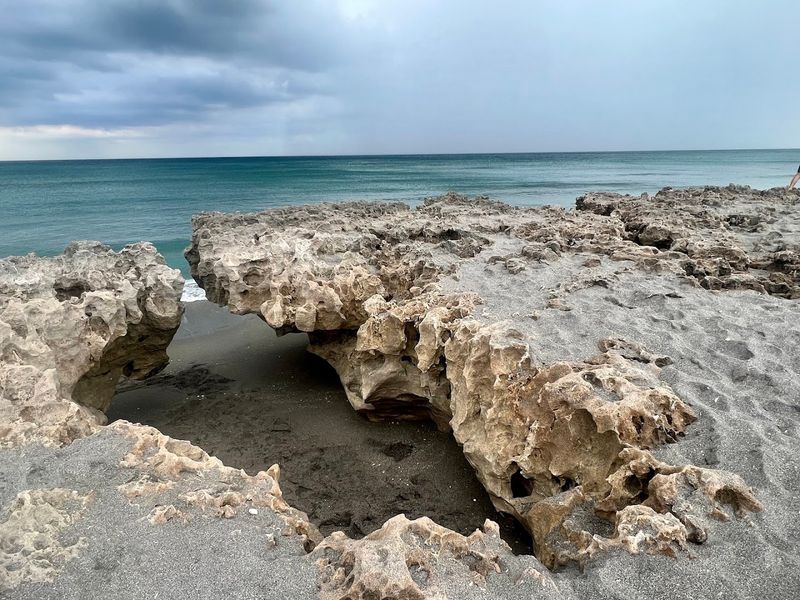
Blowing Rocks Preserve is a coastal conservation area managed by The Nature Conservancy. It is known for its Anastasia limestone shoreline, where waves can force water upward through natural openings in the rock.
This phenomenon is most visible during high tide and strong onshore winds. The preserve also includes dune and coastal habitats that support native plants and wildlife.
Educational signage explains the geological processes that formed the limestone and the importance of coastal conservation.
15. Micanopy
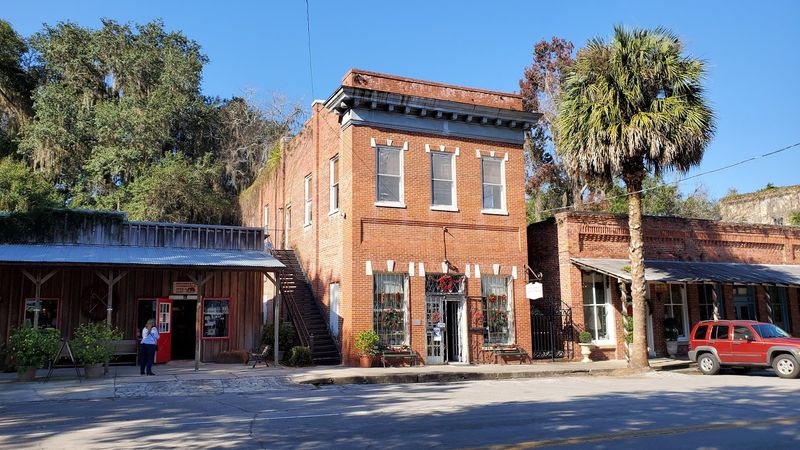
Live oaks drape the streets like theater curtains, and the town whispers older than statehood. Micanopy is one of Florida’s oldest inland towns, located south of Gainesville. It is known for its historic district, which includes antique shops, small museums, and preserved buildings.
The town has served as a filming location for movies such as Doc Hollywood, contributing to its recognizable appearance. Nearby natural areas provide opportunities to observe wildlife, including sandhill cranes.
Micanopy’s slow pace and preserved architecture make it a representative example of Old Florida culture.