14 Hidden Gems in Florida You’ll Wish You Knew About Sooner
Florida’s best surprises are often tucked beyond the big-name parks and beaches, where quiet trails, strange rock formations, and hush-quiet springs still feel undiscovered. This guide highlights places where you can actually hear the wind, see wildlife without elbowing a crowd, and find views that look nothing like postcards. You will get clear directions on what to expect, the best times to go, and how to experience each spot respectfully.
If you have been craving authentic Florida beyond the usual stops, these 14 picks will change your map.
1. Big Shoals State Park (White Springs)
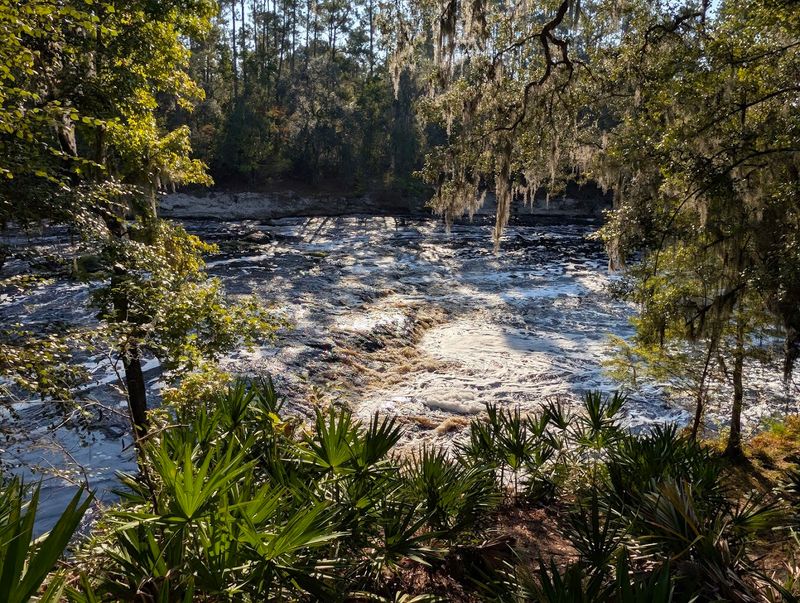
Roaring water on the Suwannee catches you off guard here, especially after heavy rain swells the river into Florida’s only Class III rapids. Trails skirt the limestone bluffs, offering several safe overlooks where you can feel the thunder underfoot. Timing matters, so check recent rainfall and river gauges for the best show.
Safety is nonnegotiable, because the shoreline can be slick and deceptively unstable near drop-offs. You can hike the Big Shoals and Little Shoals trails, bike sandy forest roads, or paddle calmer segments upstream when flows ease. Bring sturdy footwear, bug protection, and water, and expect limited facilities compared to busier parks.
2. Blowing Rocks Preserve (Jupiter Island)
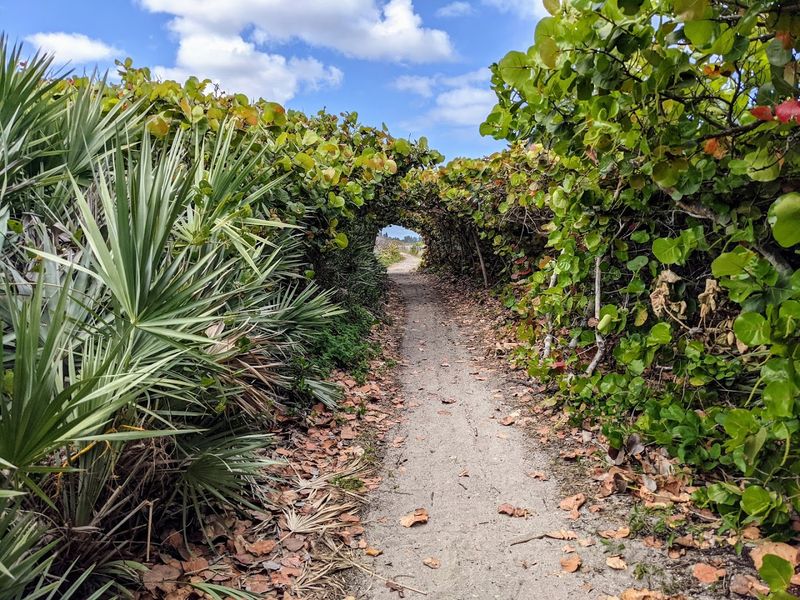
Crashing surf forces seawater through jagged limestone, launching plumes that can tower overhead during high tide and strong swells. The preserve protects one of Florida’s rarest rocky shorelines, a stark contrast to typical sand beaches. Visit at mid to high tide for the most dramatic action, and always keep a respectful distance.
Boardwalks and short trails connect the oceanfront to coastal hammocks and educational displays about habitat restoration. You will find limited parking and no lifeguards, so plan a quick, focused visit around the tides. Wear sturdy sandals, watch slippery edges, and avoid climbing the sharp rock.
Photography thrives here, but pack light and keep gear dry.
3. Falling Waters State Park (Chipley)
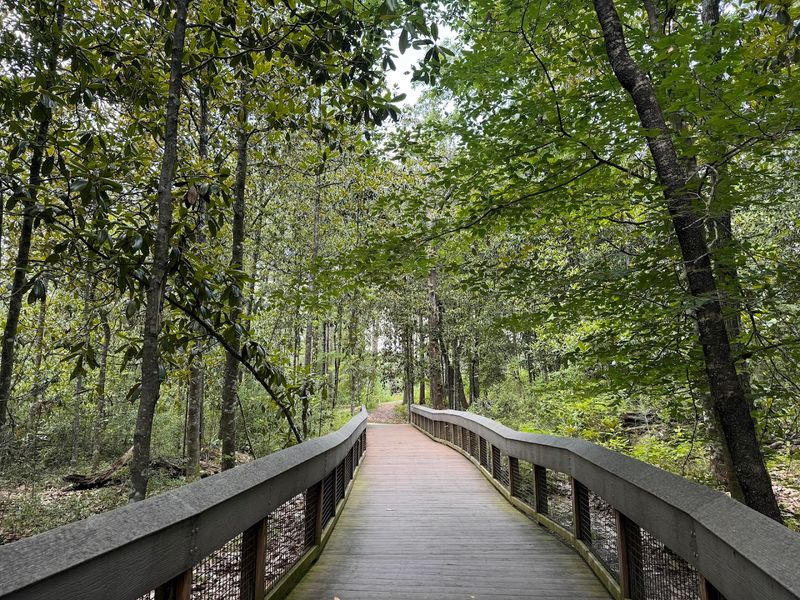
Water disappears into a cylindrical sinkhole here, dropping more than a hundred feet when rains are generous. Boardwalks lead to overlooks where you can peer into the abyss and feel cool spray drifting upward. Flow varies seasonally, so plan after sustained rain for the fullest curtain.
Short trails pass ancient sinkholes, longleaf pines, and sandy uplands that smell of resin after storms. A small campground makes sunrise visits easy, and the day-use area includes picnic shelters and a lake for swimming. Bring sturdy shoes and expect humidity in the bowl.
You will leave understanding how Florida’s karst geology shapes these strange, vanishing waters.
4. Caspersen Beach (Venice)
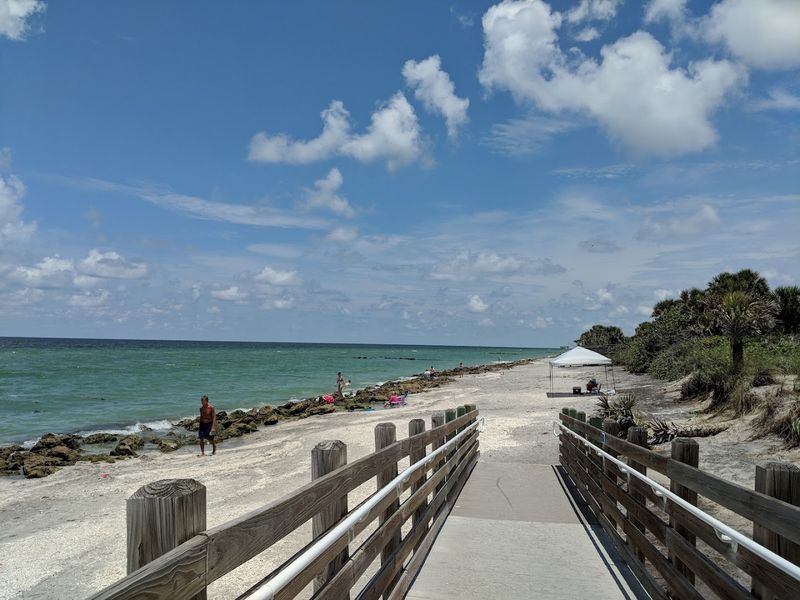
Wave-washed gravel lines gather ancient fossils here, including the prized black triangles from prehistoric sharks. Arrive early with a simple sifter or small scoop, and work the swash zone where waves churn fresh deposits. Patience pays, and even beginners usually pocket a few by morning’s end.
Compared with nearby manicured beaches, this shoreline feels raw and lightly developed. Facilities are modest, so bring water, sunscreen, and a dry bag for finds. Watch for stingrays in warmer months and shuffle feet in shallow water.
You will leave sandy, satisfied, and likely grinning over a tiny relic millions of years old.
5. Lake Apopka Wildlife Drive
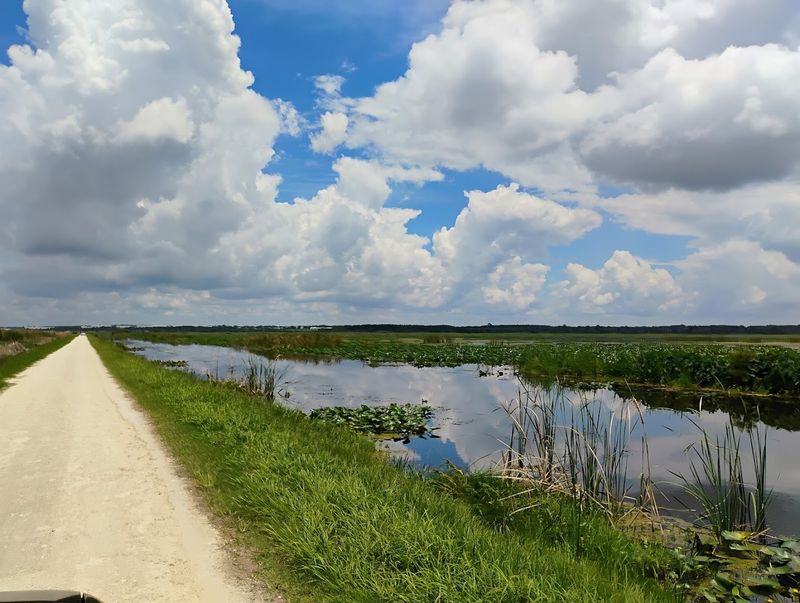
A slow, one-way road winds through restored wetlands, turning your car into a quiet blind for birding and gator watching. Windows down, you will hear pig frogs, marsh wrens, and the occasional alligator bellow across open water cells. Pullouts and kiosks mark hotspots, but traffic stays light outside peak migration.
Binoculars are essential and a telephoto lens helps with distant raptors. Go early for calmer wildlife and cooler temps, and keep hands inside when reptiles sun along the berms. Facilities are minimal, and the gate has set hours, so time your loop carefully.
Respect closures, yield to cyclists, and leave the herons to hunt in peace.
6. Devil’s Den Prehistoric Spring (Williston)
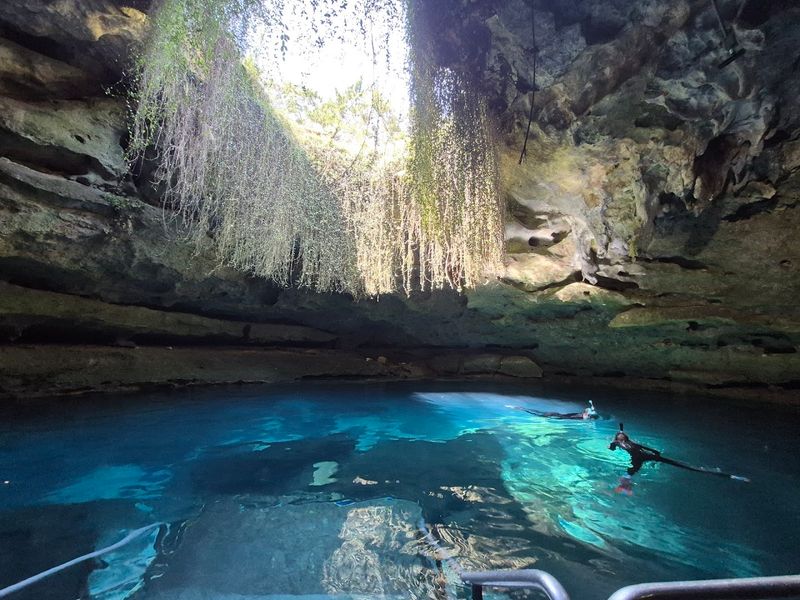
A collapsed roof reveals a blue spring inside a dome-like cavern, where a staircase leads to clear, chilly water. Snorkelers and divers drift over ancient rock ledges while beams of sunlight angle through the skylight. Reservations are recommended on weekends, and wetsuits help with the constant cool temperature.
Surface facilities are simple, with gear rentals and rules focused on safety and conservation. You will want a waterproof light for exploring contours without disturbing others. Arrive early to avoid crowds and to secure parking near the entrance.
It feels surreal under there, like stepping into a prehistoric room humming with filtered light.
7. Egmont Key State Park
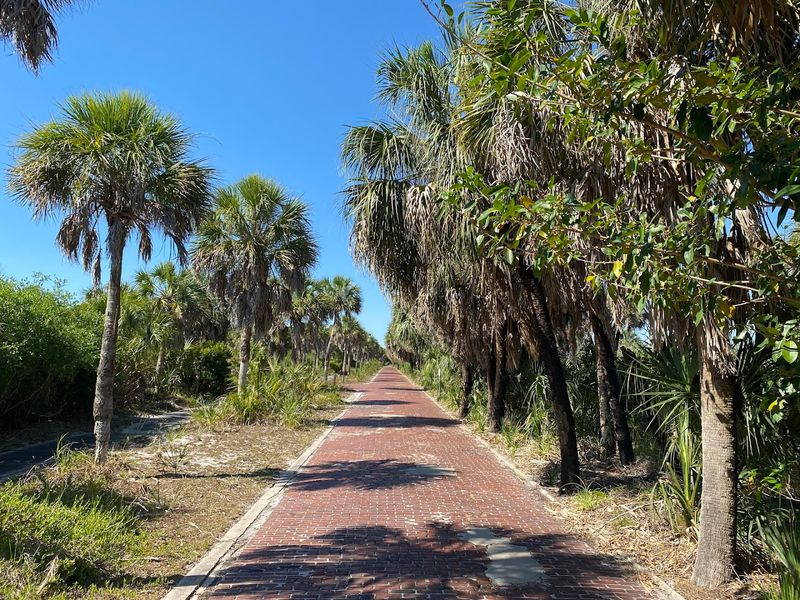
Only boats reach this island, which keeps the beaches quiet and the lighthouse standing almost alone against the horizon. Old fortifications crumble under sea grapes and sand, and gopher tortoises graze near sandy paths. Bring everything you need, because services are limited to basic restrooms.
Snorkeling around shallow ruins can reveal schooling fish on clear days. Tides and weather affect visibility, so ask your ferry about conditions. Pack out every scrap and respect posted wildlife areas, especially during seabird nesting season.
You will feel far from the mainland, even though downtown skylines sometimes shimmer on the edge of sight.
8. Highlands Hammock State Park (Sebring)
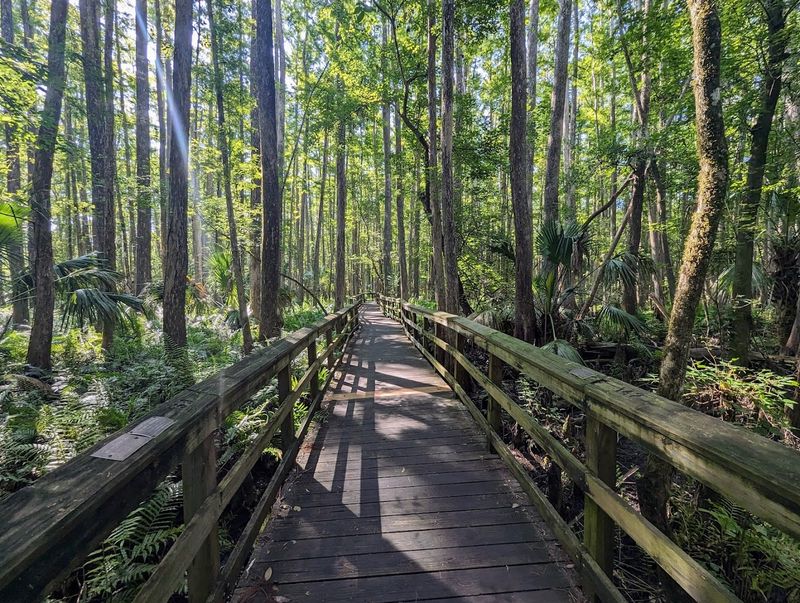
Boardwalks thread through a primeval cypress swamp where knees and buttresses rise like sculptures from tea-colored water. This is one of Florida’s oldest parks, with Civilian Conservation Corps history visible in stonework and historic structures. Early mornings deliver birdsong, filtered light, and cooler air under massive canopies.
A short tram tour operates seasonally, handy for spotting deer and barred owls without much walking. Trails vary from boardwalk to sandy loops, so closed-toed shoes make sense. Bring bug spray and a lens cloth for humidity.
You will leave calmer, coated in that quiet damp that only deep hammocks seem to hold.
9. Washington Oaks Gardens State Park
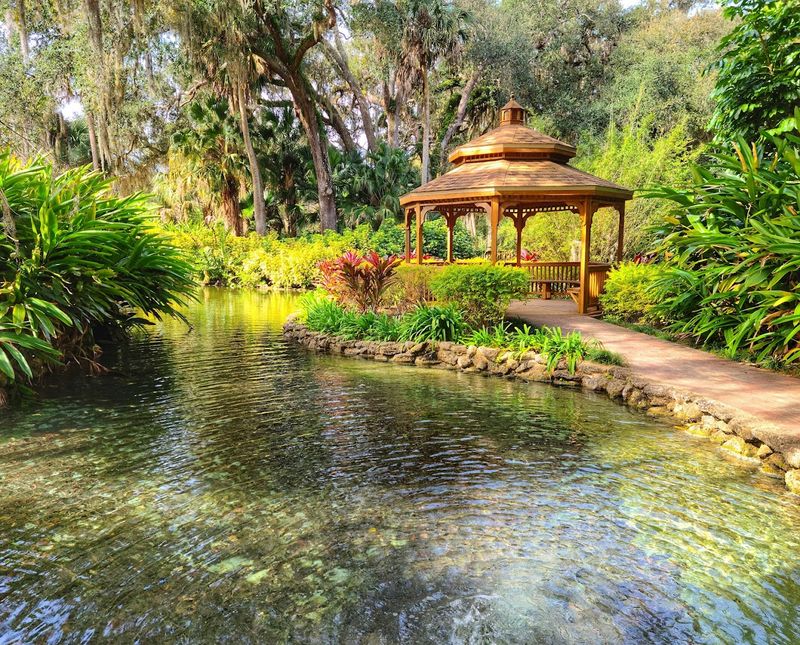
Rugged coquina rocks bite into the surf on one side, while manicured gardens spread under live oaks across the road. Timing a visit for low tide reveals tidepools and the stone’s shell-flecked texture. The juxtaposition feels unlikely, but that is the charm here.
Garden paths wind past camellias, azaleas, and a reflection pond that calms the mind. Photographers bounce between ocean drama and quiet symmetry in minutes. Pack shoes that handle rock edges and soft garden paths alike.
You will want extra time, because the light changes quickly along this small but varied stretch of coast.
10. Weeki Wachee River (beyond the mermaid show)
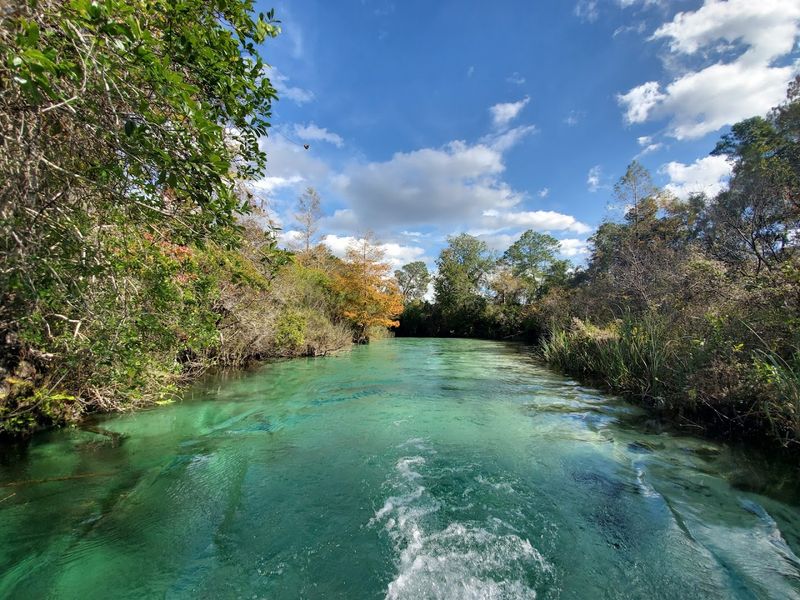
Past the famous theater, clear water slides over pale sand and eelgrass, inviting a slow paddle away from noise. Launch early to beat rentals and motorboats, and keep strokes quiet for wildlife. Winter can bring manatees, while summer offers shaded bends that feel far from highways.
Current flows steadily, so plan a shuttle or out-and-back based on strength and time. Wear polarized sunglasses to spot fish and avoid grazing seagrass with paddles. Pack water and reef-safe sunscreen, and respect private docks along the route.
You will finish salty, sun-dazed, and grateful for the river’s glassy windows into another world.
11. Bok Tower Gardens (Lake Wales)
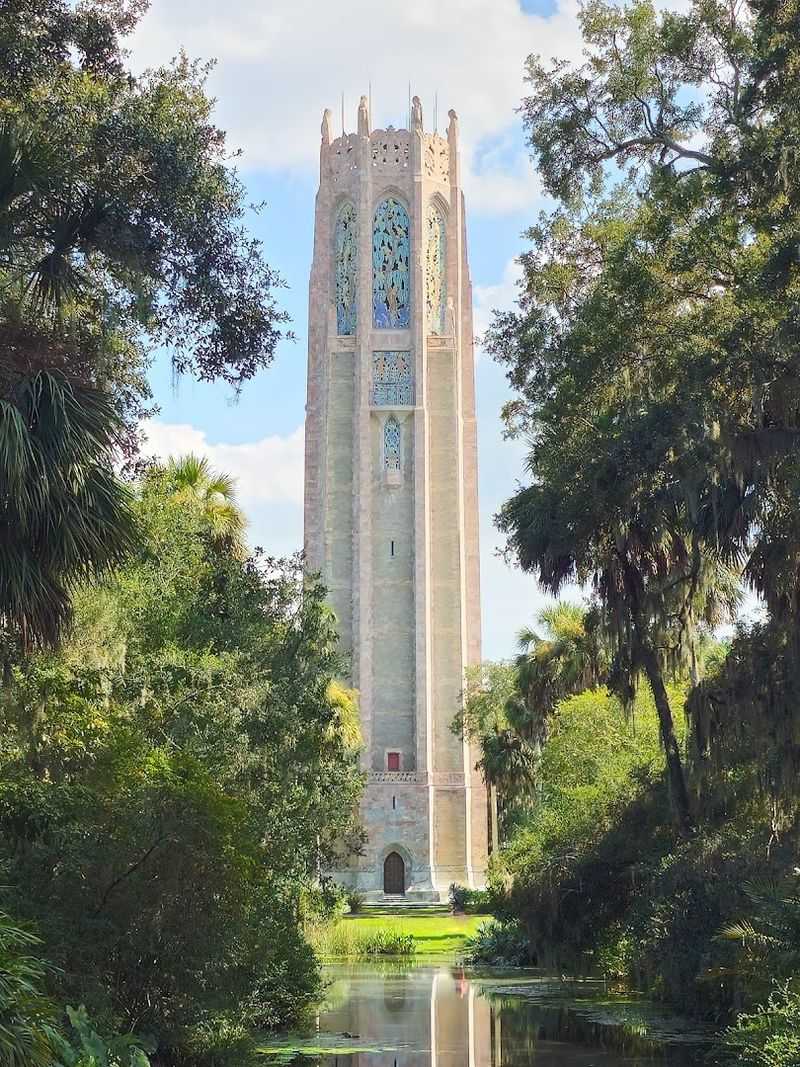
A stone carillon tower lifts above landscaped grounds, sending music across the Ridge at scheduled times. Paths wander through quiet groves, pollinator plantings, and shady lawns dotted with benches. The mood is contemplative, encouraging slow conversation or none at all.
Arrive for a carillon performance, then linger to explore the Pine Ridge nature trail and seasonal blooms. Comfortable shoes and water are all you need, plus a camera for reflections in the long pool. Facilities are excellent, with a visitor center and cafe.
You will walk out rested, the tower’s notes still humming somewhere behind your thoughts.
12. Cedar Lakes Woods and Gardens (Williston)
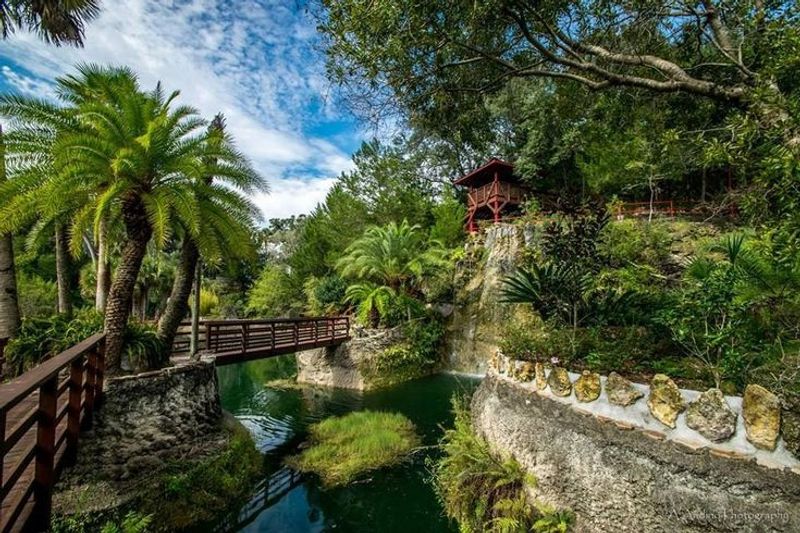
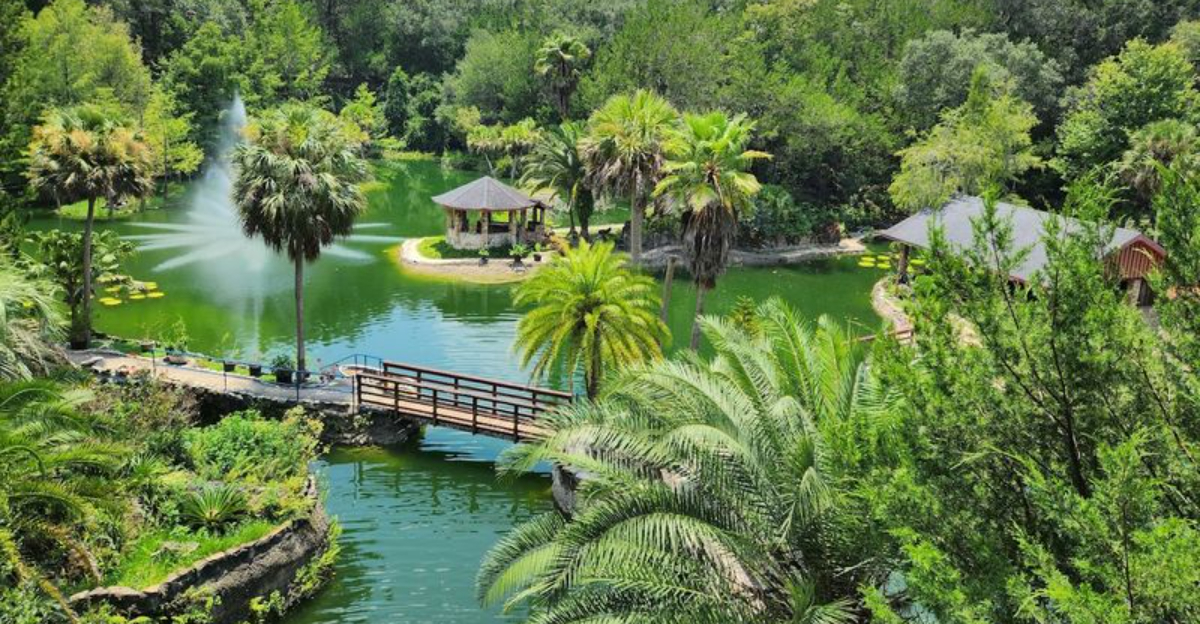
An abandoned quarry became a terraced garden stitched with bridges, waterfalls, and improbably blue ponds. Paths climb and dip like a maze, revealing koi, orchids, and little overlooks perfect for photos. It feels handcrafted, because it is, and the surprises come quickly at each turn.
Expect uneven steps and narrow paths, so wear stable shoes. Crowds stay light on weekdays, making the experience more meditative. Bring water, move slowly, and give yourself time to loop back for missed corners.
You will leave impressed that such an elaborate landscape hides behind rural fences.
13. Ravine Gardens State Park (Palatka)
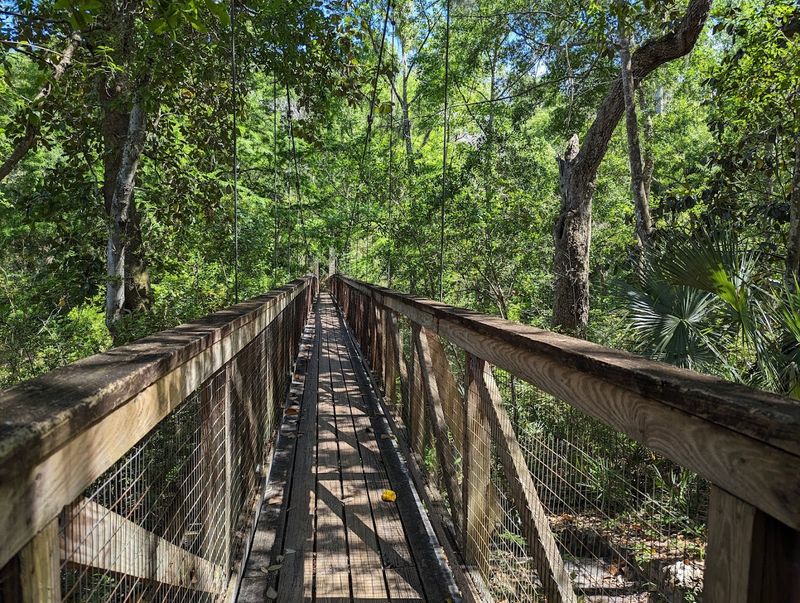
Steep-sided ravines carve unexpected depth into the landscape, crossed by suspension bridges that sway just enough to wake the senses. Trails descend into cool shade, then climb past stonework built during the 1930s. Azaleas explode in late winter and early spring, painting slopes in saturated color.
Trail maps help choose loops that match your fitness, because grades can surprise flatland legs. Wear grippy shoes, bring water, and expect humidity at the bottom. Facilities include picnic spots and scenic drives, but the footpaths reveal the most texture.
You will find real elevation here, proof that Florida still keeps secrets.
14. St. Marks National Wildlife Refuge
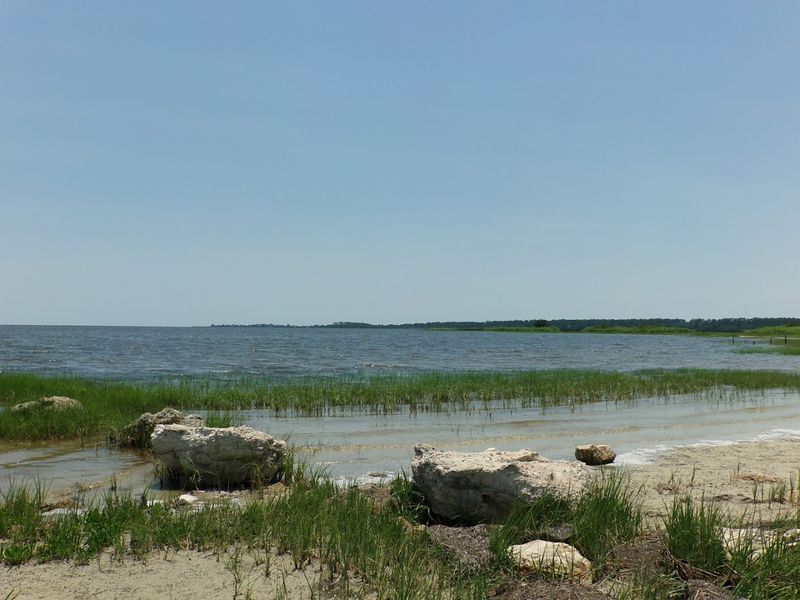
Marsh and Gulf meet at a quiet point of light where a historic lighthouse watches over flats and shallows. Shorebirds feed across tidal pools while ospreys circle, and human noise fades to wind. The refuge road feels like a ribbon to solitude, especially at dawn or dusk.
Binoculars, bug spray, and patience turn minutes into sightings. Tides shape access and photography, so check charts before heading out. Facilities are limited, and storms roll quickly across the coast.
You will leave with salt on your lips and a camera full of understated scenes that linger.