You Haven’t Really Explored Florida Until You’ve Seen These 12 Stunning Spots
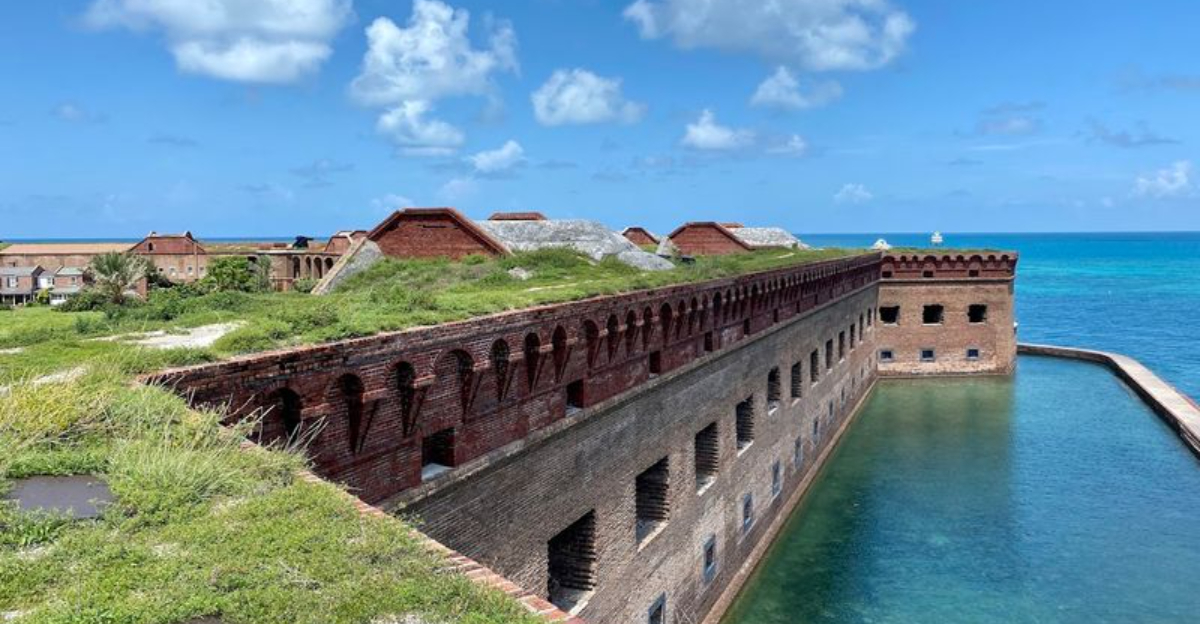
Florida is more than theme parks and traffic. It is a state of quiet wetlands, offshore fortresses, and beaches that feel almost Caribbean, if you know where to look. This guide highlights twelve places that reveal the real range of the peninsula, from the River of Grass to shell-stacked shores and an underwater national park.
You will get practical context for timing, access, and etiquette, so you can step into clear water, catch a Gulf sunset, and leave every site better than you found it. Bring curiosity, patience, and a plan, and you will see why locals never run out of weekend ideas.
1. Dry Tortugas National Park
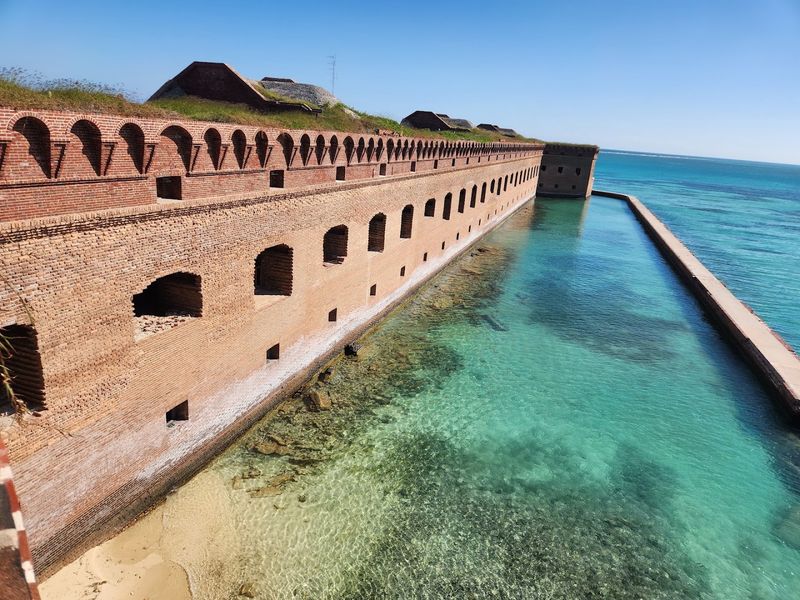
Reaching this remote cluster of islands feels like stepping off the grid. Turquoise water surrounds a massive brick fortress, and visibility often lets you see fish from the pier. Snorkeling along the moat wall reveals living coral, sponges, and the occasional sea turtle gliding past.
Planning ahead matters because access is by seaplane or ferry with limited space. Pack reef-safe sunscreen, plenty of water, and a wide-brim hat for the unshaded ramparts. If you love photography, morning light paints Fort Jefferson in warm tones, while afternoons explode with blues.
Staying on the day-use beaches keeps impact low, and you will likely spot frigatebirds riding the wind.
History adds context to every view, from Civil War-era cannons to the lighthouse on Garden Key. Rangers share concise interpretations without fluff, and the brickwork scale is impossible to appreciate until you walk the casemates. Kayakers get calm conditions on many days, but afternoon chop can build quickly.
Consider the primitive campground if you want stars without city glow and quiet surf at night. Bring mask, fins, and curiosity for healthy reefs in Florida.
2. Everglades National Park (Shark Valley or Ten Thousand Islands)
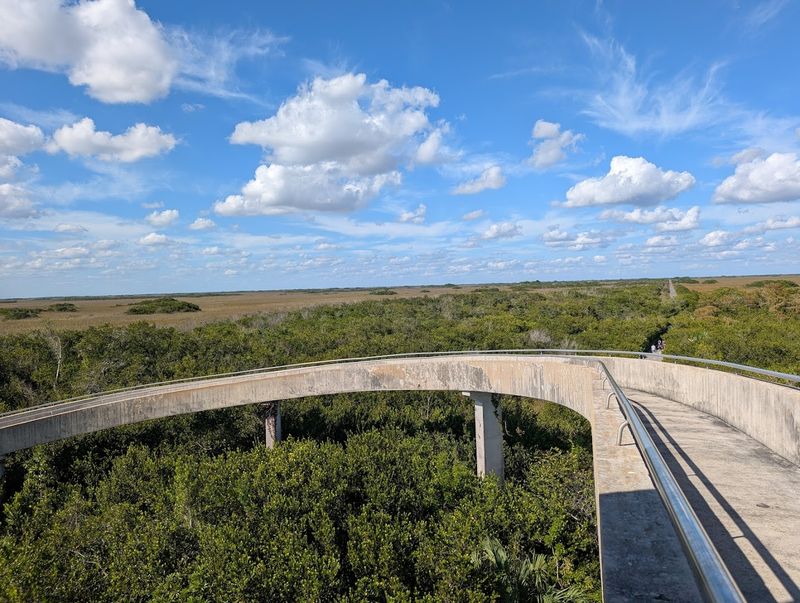
First impressions are wide horizons, slow water, and sky that seems to stretch forever. Boardwalks and levee trails make it simple to scan for alligators, anhingas, and wading birds. At Shark Valley, the observation tower gives a sweeping look at the River of Grass from a safe perch.
Choose a guided tram, rent a bike, or paddle mangrove tunnels in Ten Thousand Islands for tidal silence. Bug protection is essential in warm months, and light-colored clothing helps. Sunrise and late afternoon deliver active wildlife and balanced light for photos.
You will hear pig frogs and see gar rolling near the surface.
Respect distance from all wildlife and never feed anything, including birds. Water levels shape what you witness, so check current conditions before you go. Rangers provide updated maps for routes, closures, and seasonal highlights.
If you want solitude, midweek visits and starting early usually mean empty parking lots and quiet trails. Airboats operate outside the park interior, and quieter options protect wildlife while giving you better listening conditions. Carry water, hat, and a map to manage heat safely year-round.
3. Siesta Key Beach
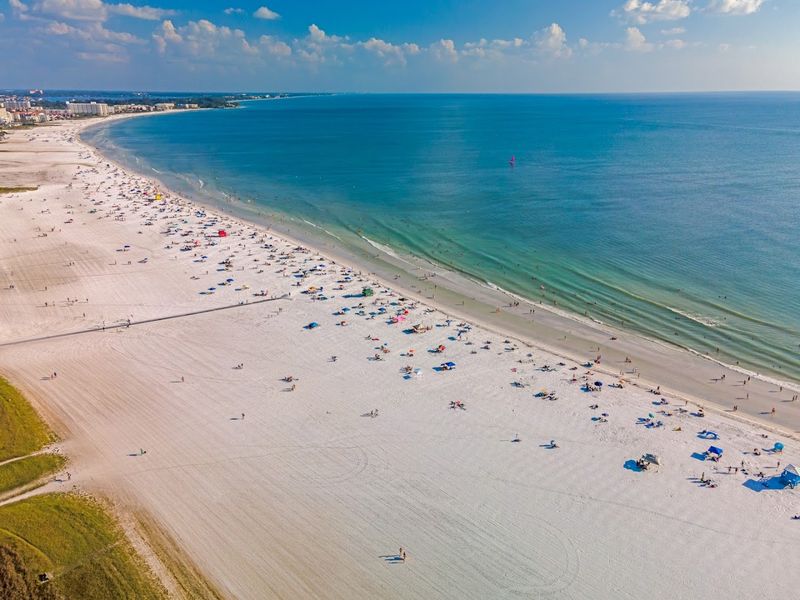
First step onto the sand and you notice the cool, powdery texture that never burns your feet. Quartz grains reflect light, making the shoreline bright even on cloudy days. Gentle Gulf waves usually keep swimming easy for families and relaxed float time.
Parking fills fast on weekends, so arrive early or use the trolley. Beach rules prohibit glass, and shade is limited without an umbrella. Lifeguards watch the main sections, and flag colors indicate conditions.
You can rent chairs, grab casual seafood, and stay for soft sunset color.
Active visitors walk to Point of Rocks for snorkeling when visibility is good. Sandbars shift after storms, so check for drop-offs before wading with kids. Photographers get pastel skies about 20 minutes after the sun goes down.
If you collect shells, bring a mesh bag and follow local limits to keep the beach healthy. Parking sensors in the village show availability, and side streets can save time when lots are full. Finish with ice cream, then walk the promenade as live music starts up.
Night air stays warm and breezy most evenings.
4. Biscayne National Park
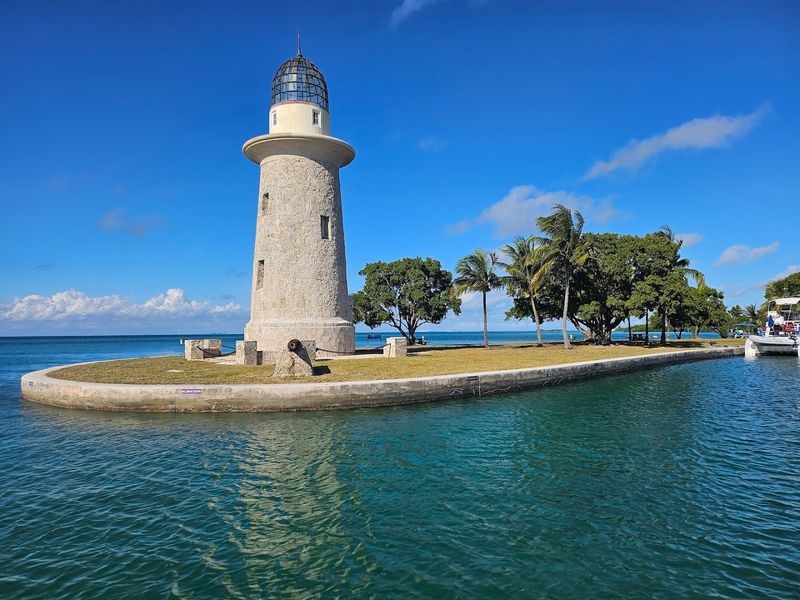
Unlike most parks, nearly all of this one is water. Clear shallows, patch reefs, and shipwrecks make exploration best by boat or snorkel. On calm days you can see schooling fish and corals from above without jumping in.
Start at the Dante Fascell Visitor Center for weather, tours, and the Maritime Heritage Trail map. Guided trips run to reefs and historic sites, and glass-bottom boats are available when conditions cooperate. Protection rules are strict, so no touching coral and no collecting.
Sun protection, water, and a snug mask fit will improve your day dramatically.
Kayakers hug mangrove edges for shade and birdlife, but tides and wind can change fast. Winter usually brings clearest visibility, while summer offers warmer water but afternoon storms. If you want photographs, polarization cuts glare and reveals reef color.
Staying flexible with backup plans keeps the experience smooth whenever weather shifts. For beginners, guided snorkeling from a stable catamaran reduces seasickness and helps you learn gentle fin kicks. Look for rays on sand patches and parrotfish crunching coral during quiet moments near the reef edge daily.
5. St. Augustine Historic District
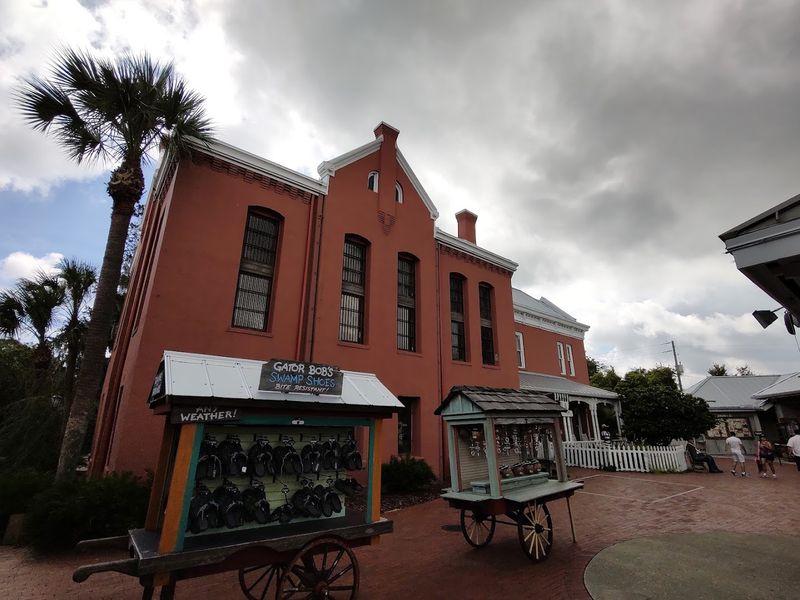
Walking these streets introduces layered timelines in a few blocks. Coquina walls, plazas, and balconies show Spanish influence that predates the United States. Museums and forts interpret sieges, trade, and daily life with clear, concise exhibits.
Start early to avoid midday heat and crowds, then circle back for lunch. The Castillo de San Marcos offers commanding water views and well-run ranger talks. Brick alleys photograph well in soft morning light, and evening brings lantern-lit tours.
Parking is tight, so use the garage or park once and walk.
Respect private property when taking photos, and step inside churches quietly if services are active. If you want a broader perspective, climb the lighthouse for coastline views. Food highlights include Minorcan chowder and fresh seafood just off the docks.
You will leave with a better grasp of early colonial history in North America. Trolley routes help orient first-time visitors, but walking allows slower details and spontaneous stops. Consider a weekday visit outside holiday seasons to keep lines short and room rates reasonable.
Sunrise along the bayfront rewards anyone who shows up early consistently.
6. Devil’s Den Spring (Williston)
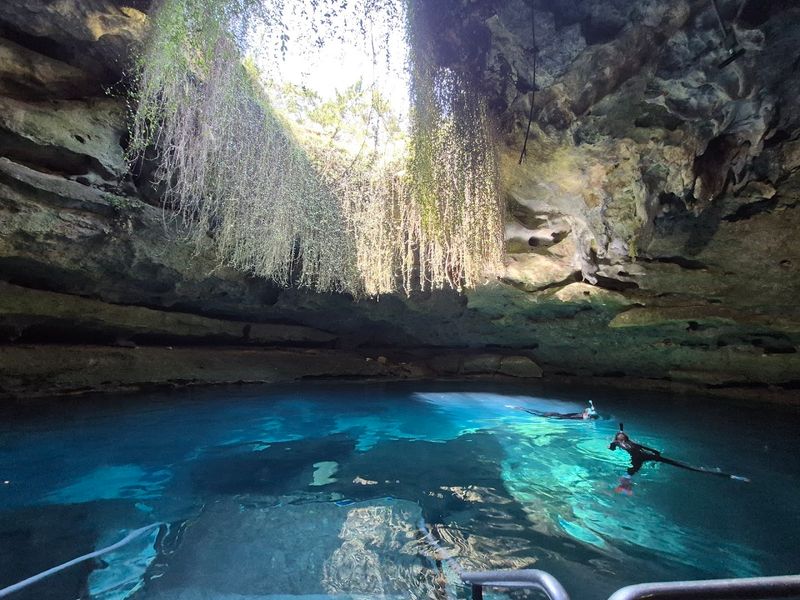
From the parking lot, the entrance looks like a sinkhole with steam on cool mornings. Steps lead into a cavern where a clear spring pools beneath an opening to the sky. Divers and snorkelers enter from platforms and follow lines around prehistoric rock formations.
Reservations are required for scuba and recommended for snorkeling on weekends. Visibility depends on crowds, so earlier slots often feel calmer. Wetsuits help with the constant spring temperature, and lights improve color under ledges.
Staff review safety rules before you descend, and depth stays manageable for beginners.
Surface facilities are simple but well maintained, including restrooms, gear rentals, and picnic tables. If you want photos, keep lenses dry and take a quick shot upward through the skylight. Non-swimmers can watch from above and still appreciate the geologic setting.
It feels otherworldly yet controlled, making an excellent introduction to Florida springs. Arrive with a mask that seals well, and practice relaxed breathing to avoid stirring silt. Afterward, explore nearby trails and small towns for food, fuel, and a slower pace on an easy Central Florida drive homeward.
7. Naples Pier at Sunset
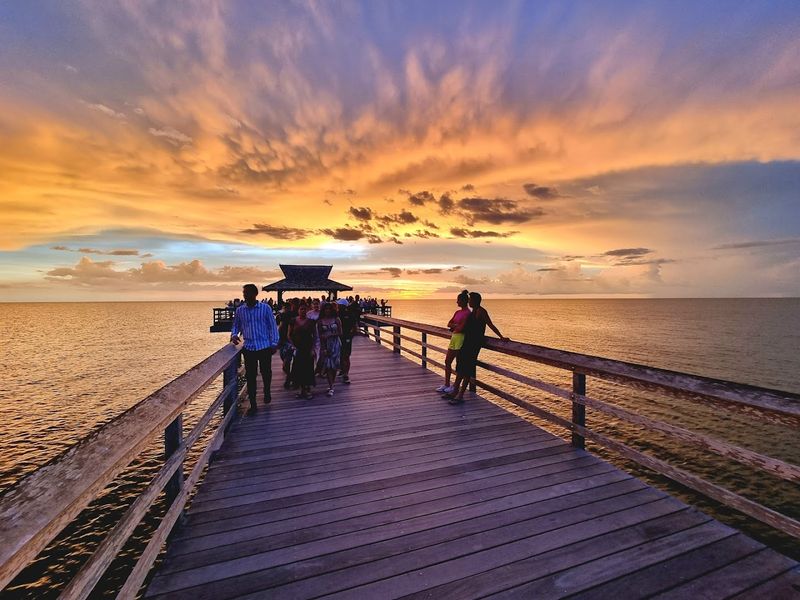
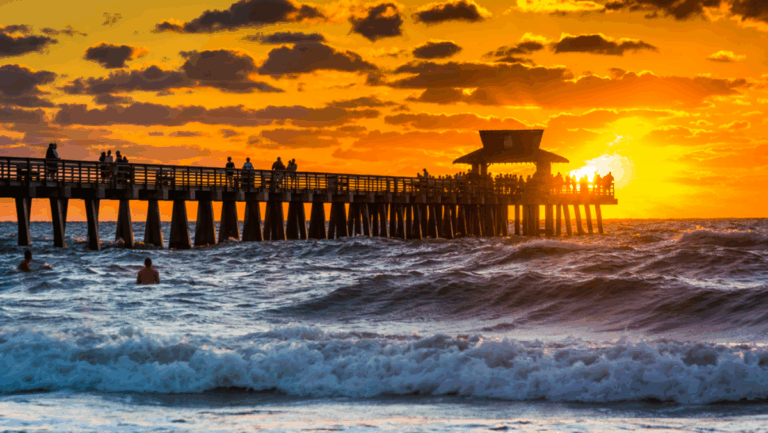
Late afternoon brings soft light across the Gulf and a steady breeze. Anglers line the railings while pelicans wait for scraps, and dolphins frequently arc just beyond the breakers. The pier stretches far enough to frame the sun as it drops to the horizon.
Parking fills quickly near beach access points, so plan time to walk. Sunset times shift through the year, and clouds can deliver dramatic color after the sun slips away. Bring a light jacket on breezy evenings and a tripod if you shoot long exposures.
Fishing regulations apply on the pier, and bait is sold nearby.
Families often stay for the last glow, then head to Third Street or Fifth Avenue for dinner. Respect turtle nesting season rules, which limit lights and keep dunes protected. You will leave with salt on your skin and a calm sense of Florida’s west coast rhythm.
It is a simple scene done perfectly. Arrive early for parking, and consider weekday visits outside peak holidays to keep crowds manageable. Stay a few minutes after sunset for alpenglow and reflected color over water.
8. Silver Springs State Park
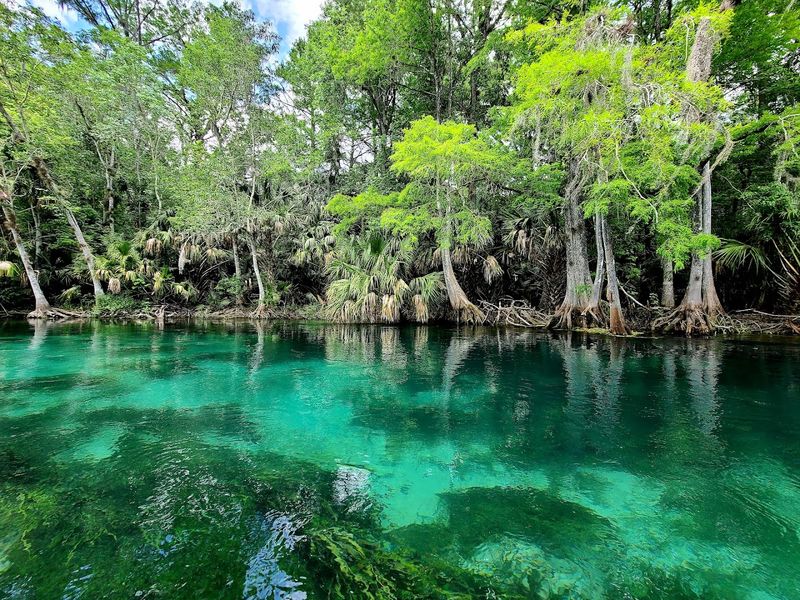
Glass-bottom boats glide over remarkably clear water where fish, turtles, and ancient artifacts are visible. The springs push tremendous flow, creating gentle currents that keep the river crisp. Trails skirt the banks, and boardwalks offer shade with steady wildlife sightings.
Tour operators explain history, from early tourism to filming locations, while steering around vegetation. Visibility varies with sun angle, so late morning often works best. If you kayak, follow the current downstream and arrange a shuttle back.
Paddlers should maintain space from manatees and switch to passive observation when they appear.
Facilities include rentals, restrooms, and picnic spots, plus a campground for longer stays. Photographers will appreciate reflections under cypress and the slight blue tint of the main vent. Filters help manage glare, and a towel keeps gear dry after boat spray.
You will come for the clarity and leave with a deeper respect for Florida springs. Arrive early on weekends, secure a boat reservation, and avoid single-use plastics to keep the water pristine. Quiet voices carry farther over water, so keep noise low to enhance wildlife encounters for everyone.
9. Key West (Old Town & Sunset Celebration)
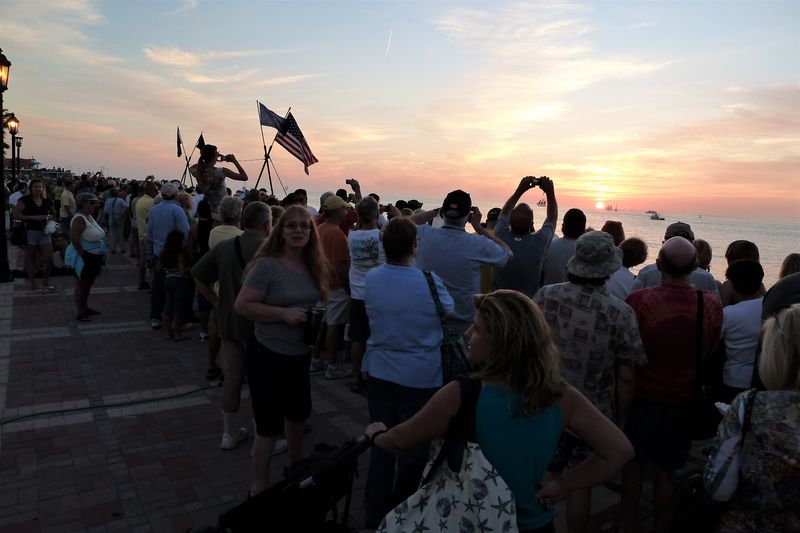
Colorful streets mix conch houses, palms, and roosters that patrol sidewalks like locals. Old Town invites slow wandering past galleries, historic homes, and working marinas. Around sunset, performers gather at Mallory Square and the sky shifts through orange, pink, and purple.
Daylight hours reward visits to the lighthouse, the Hemingway Home, and Fort Zachary Taylor for swimming. Bikes work well for short distances, and ride-share fills gaps. Heat and humidity build fast, so water and breaks in shade matter.
If a cruise ship is in port, plan around crowds downtown.
Evenings bring live music, Key lime pie, and a breeze along the harbor walk. Respect residential blocks by keeping noise down after dark and using bike lights. You will remember the sunsets, but the clear water and maritime history anchor the experience.
It feels like a compact Caribbean gateway still rooted in the United States. Catch the first ferry to Dry Tortugas for a day trip if seas are calm, then return for sunset. Book lodging early in peak season to avoid high rates and limited availability across the island.
10. Amelia Island (Fernandina Beach)
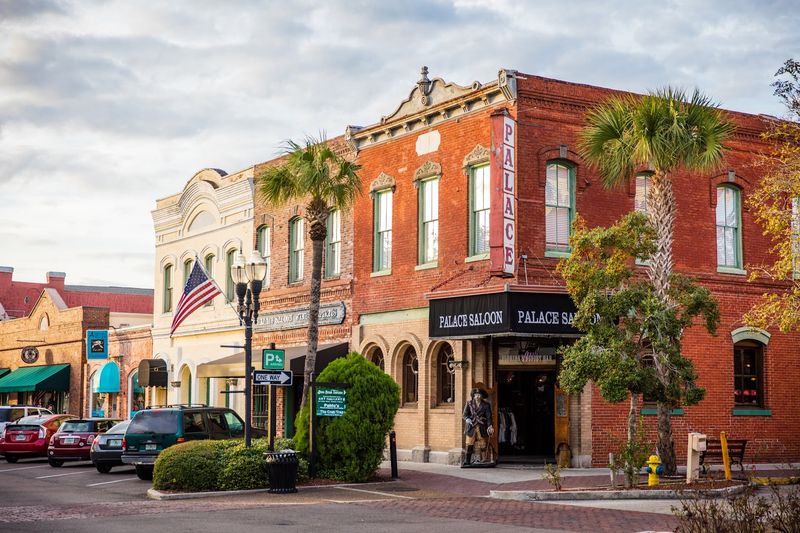
North Florida’s barrier island offers broad beaches, dune systems, and a historic downtown with brick storefronts. Fort Clinch State Park preserves coastal habitats and a remarkably intact 1800s fort. The pace is slower than many resorts, and mornings feel peaceful.
Explorers walk the pier, rent cruisers, or paddle salt marshes where dolphins and shorebirds hunt. Horseback rides are permitted on sections of beach with reservations. Shelling is strong after storms, though fragile dunes require staying on designated paths.
Restaurants focus on shrimp, and the working port underlines that history.
Cumberland Island lies just north, and wild horses there contribute to the region’s mystique. Ferry logistics require planning, but the day trip delivers quiet beaches and live oaks. If you prefer privacy, shoulder season dates offer mild weather and fewer visitors.
Sunsets over the river give photographers soft reflections and reliable color. Book lodging near downtown to walk to cafes, or stay near the state park for nature access. Historic tours explain timber, phosphate, and shrimping eras that shaped Fernandina Beach during the past two centuries of growth and change together.
11. Rainbow Springs State Park
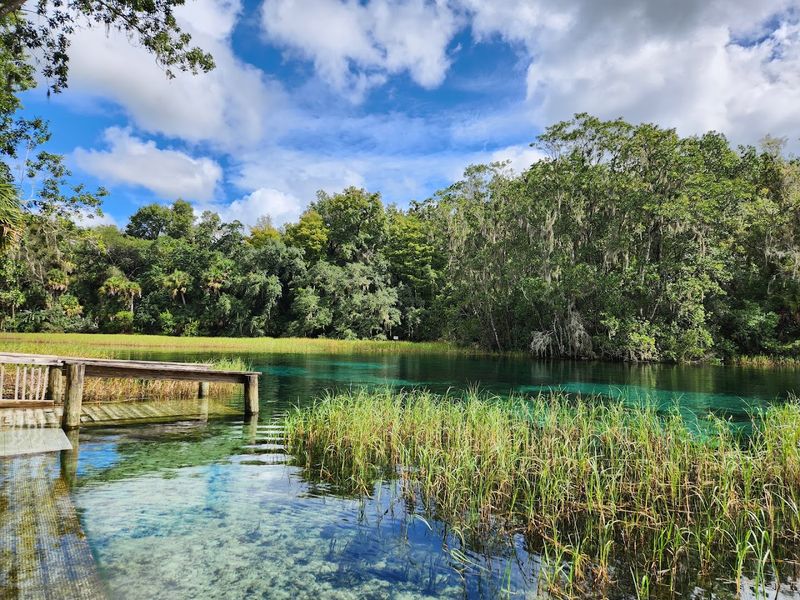
Water clarity here rivals any spring in the state, showing aquatic grass and fish in bright detail. The main headsprings form a wide swimming area with constant cool temperatures. Trails lead to small man-made waterfalls framed by lush vegetation.
Arrive early on weekends because capacity limits close the gates when lots fill. Snorkeling is permitted in designated areas, and tube rentals run seasonally on the river. Paddlers should maintain distance from turtles and shorebirds.
If you want photos, look for sun rays piercing the water in late morning.
Facilities include bathrooms, picnic tables, and shaded lawns for breaks between swims. Leave no trace by packing out everything and skipping disposable plastics. You will appreciate the natural color palette, which shifts with clouds and wind ripples.
The experience is refreshing, affordable, and representative of Central Florida’s freshwater systems. Check current conditions for flow, algae, and closures, and bring water shoes for slick rocks near shore. Respect private property along the river by staying within marked public corridors during paddles at all times for safety and courtesy and compliance.
Bring a hat.
12. Sanibel Island (shell-covered beaches)
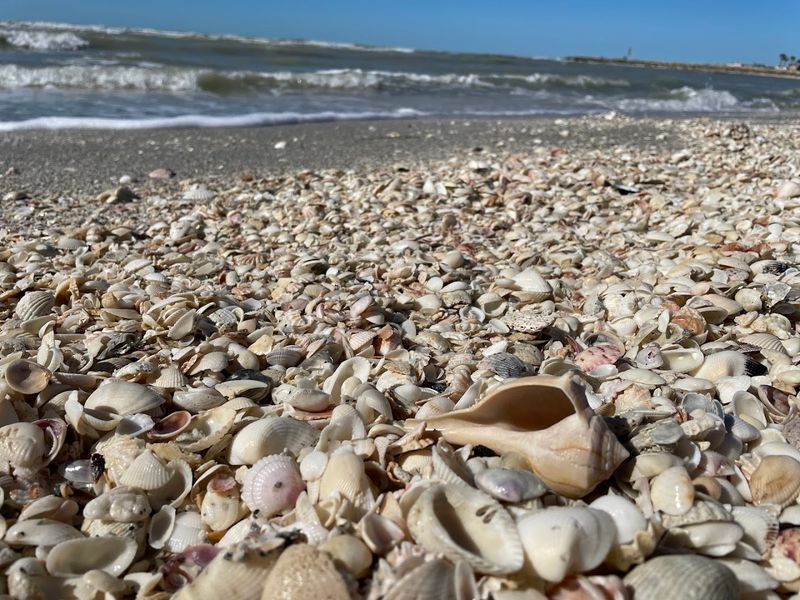
Visitors arrive with shell bags and leave with a new habit called the Sanibel stoop. Beaches face southwest, catching currents that stack shells after storms and winter fronts. Biking paths connect preserves, boutiques, and quiet neighborhoods in a low-rise, nature-focused setting.
Collecting rules are strict, so take only empty shells and never disturb live creatures. Early morning offers the best finds and mild temperatures. If you prefer birding, visit the refuge for spoonbills, herons, and ospreys.
Tides shape access to sandbars, so check charts and plan your window.
Storms have changed infrastructure, so confirm bridge status and lodging options before you go. Pack water, sun protection, and patience on busy weekends. You will appreciate how calm the island feels once you get on a bike.
Respect dunes and sea grasses to keep the ecosystem resilient for future seasons. Beach parking is limited, so arrive early or use the shared-use paths from your accommodations. Local shops sell shell guides, mesh bags, and sandals that will hold up on rougher fragments without cutting feet, which keeps the day comfortable and safe overall.