This Mystical Florida Lake Feels Like Stepping Into Another Dimension
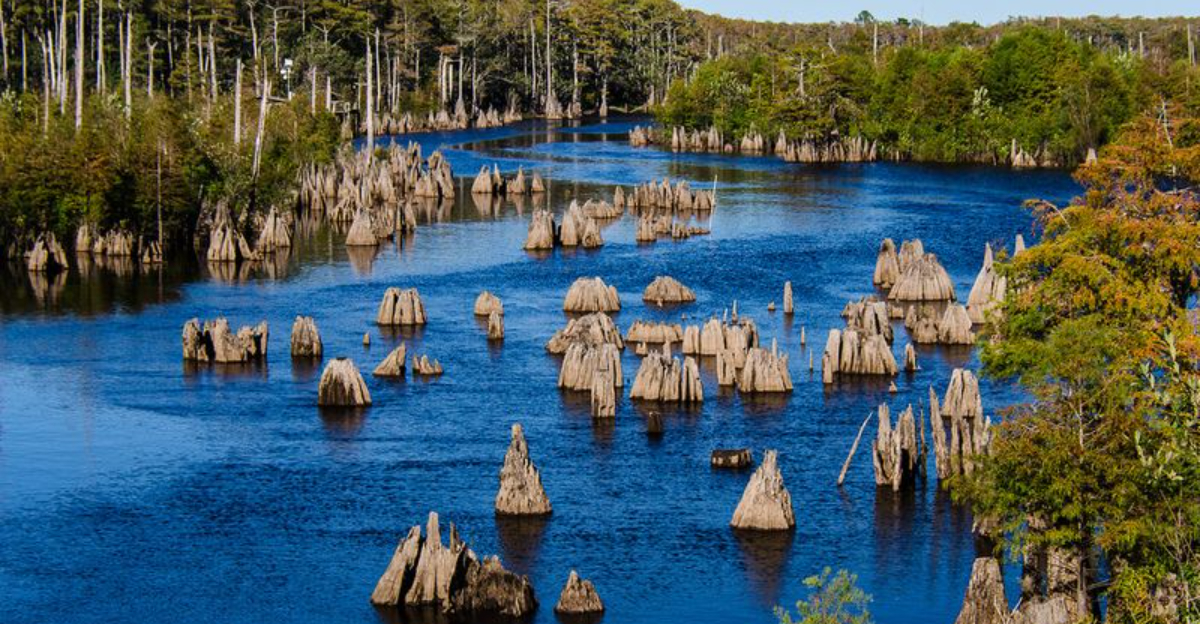
Tucked in Florida’s Panhandle, Dead Lakes looks like nature pressed pause and invited you to wander the in-between. Cypress skeletons rise from tea-colored water, and fog drifts like a curtain revealing scene after scene. It is quiet, but never empty, and every sound feels amplified in the best way.
Come with patience and a sense of wonder, and this place will absolutely get under your skin.
1. Why Dead Lakes Look Otherworldly
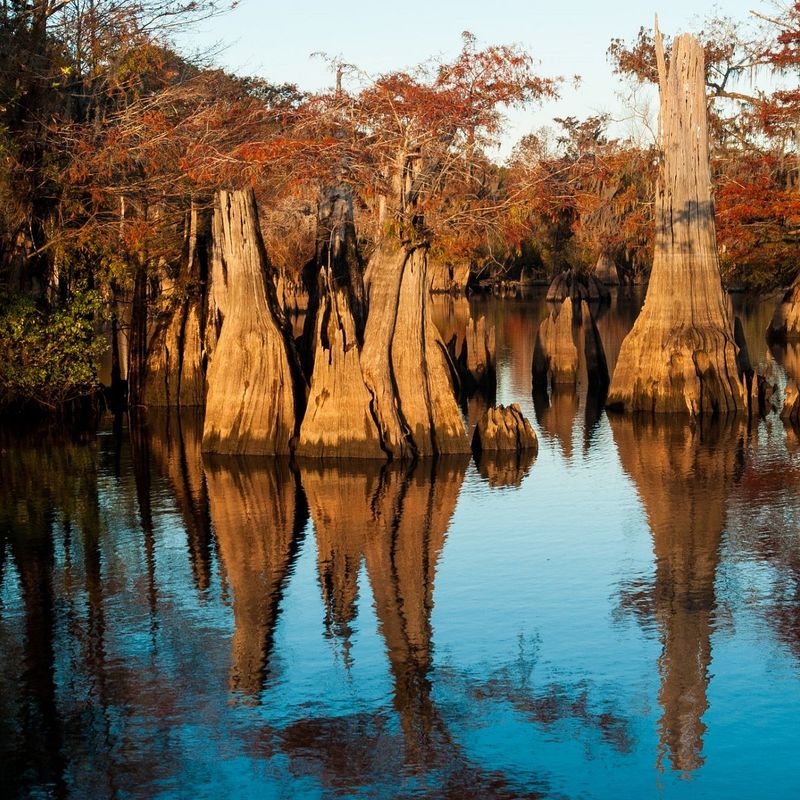
They call it Dead Lakes, but nothing here feels lifeless. You glide between pale cypress skeletons rising from tea colored water, and the world suddenly hushes. According to local lore, a natural sandbar once choked the Chipola River, flooding this forest and preserving the trunks like time capsules.
Morning fog drifts low, and every ripple sounds amplified, like you are trespassing in someone else’s dream. The stillness is not empty, it is charged, and your senses tune to every bird call and distant splash. You notice how light threads through broken crowns, stitching silver paths you want to follow.
That first sight can give you goosebumps.
Stand still and you will swear the landscape rearranges itself. Trees lean at impossible angles, Spanish moss combs the air, and reflections draw double horizons that scramble your bearings. It is easy to see why visitors call it beautiful and a paradise for bass.
Even skeptics soften once they leave the road and step onto a dock. The name might feel like a warning, but it is really a promise of quiet drama. Come ready to slow down, breathe deeper, and let your imagination steer.
Out here, time just unspools.
2. Getting There and First Impressions
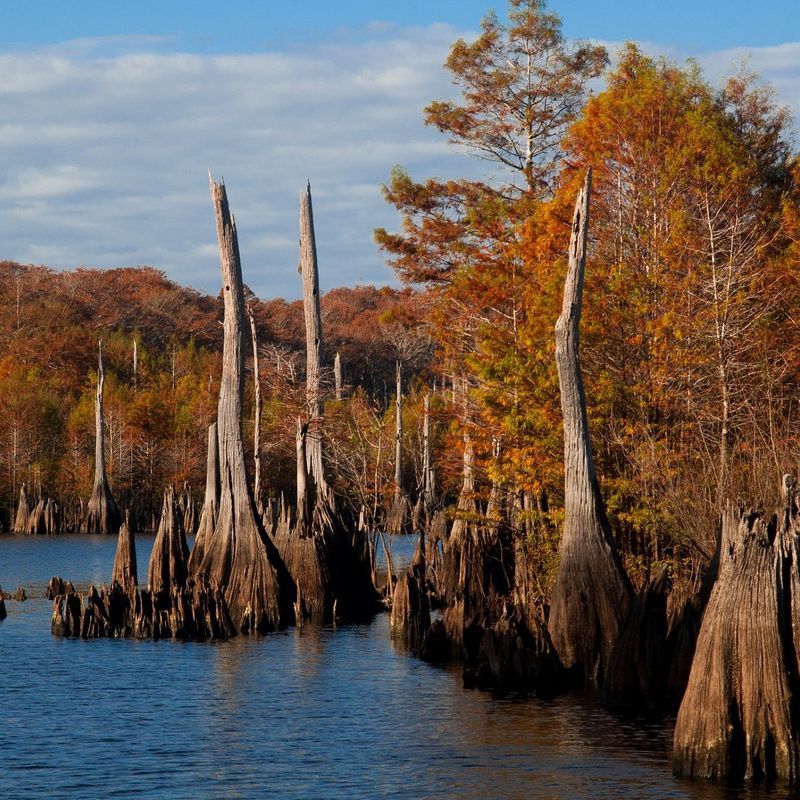
Dead Lakes sits at the meeting of the Chipola and the Apalachicola, tucked near Wewahitchka in Florida’s quiet Panhandle. Plug the recreation area or established boat ramps into your map, not a random drop pin, or you might end up at a dead end with no trespassing signs. The proper turn offs bring you to sandy lots, weathered docks, and a sigh of relief as the water finally spreads out before you.
Step from sun into shade and the air cools a notch. You notice the resin scent of pine and the low gurgle of unseen bubbles.
First impressions arrive in layers. A woodpecker taps, a gar rolls, a breeze braids moss into gray ribbons. Somewhere behind you, a truck door thunks, then the world goes soft again.
Even if a gate is closed for maintenance, views from roadside pullouts still hint at the lake’s strange charisma. When access is open, launch slowly, mind the stumps, and take a wide arc from shore. Give yourself permission to wander without a plan.
That is how this place works best, with time stretching, and your curiosity steering each quiet turn. Soon, the silence starts to feel like friendly company.
3. Paddling Through the Cypress Maze
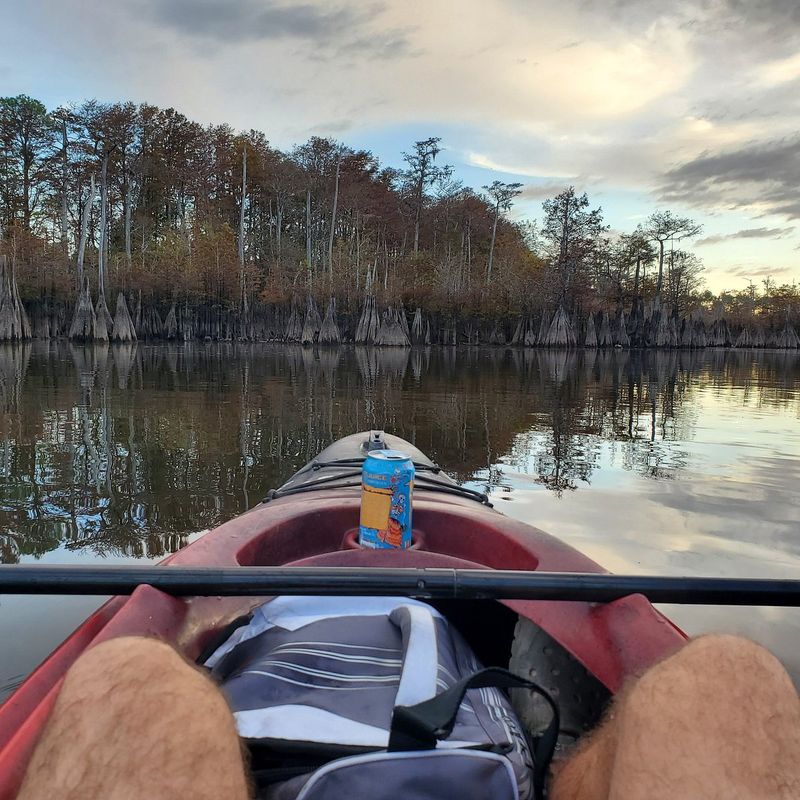
Bring a kayak or canoe if you can, because paddling is the most intimate way to explore the Dead Lakes maze. The channels weave like secret hallways between cypress knees and bleached trunks, offering new angles every few yards. Move at idle speed and keep your paddle strokes soft, so wildlife does not spook before you notice it.
Turtles plop off logs, herons step like ballerinas, and dragonflies patrol your bow. Follow light, not landmarks, because reflections play tricks all afternoon. A handheld GPS or offline map can help, but trust your instincts too.
Mark unusual trees or bends with mental notes so your return feels simple.
There is no rush out here. I like to drift, nudge the boat against a stump, and just listen. Sometimes a bass blows up on bait behind me and I cannot help grinning.
Other times, fog slides in and the lake feels suspended between worlds. If a breeze kicks up, tuck into a lee behind the trees and wait. The water will settle, the sky will open again, and you will remember why you came.
Paddling turns this place from curiosity into connection. Carry water, sunscreen, and a whistle, because comfort matters out here.
4. Fishing the Dead Lakes
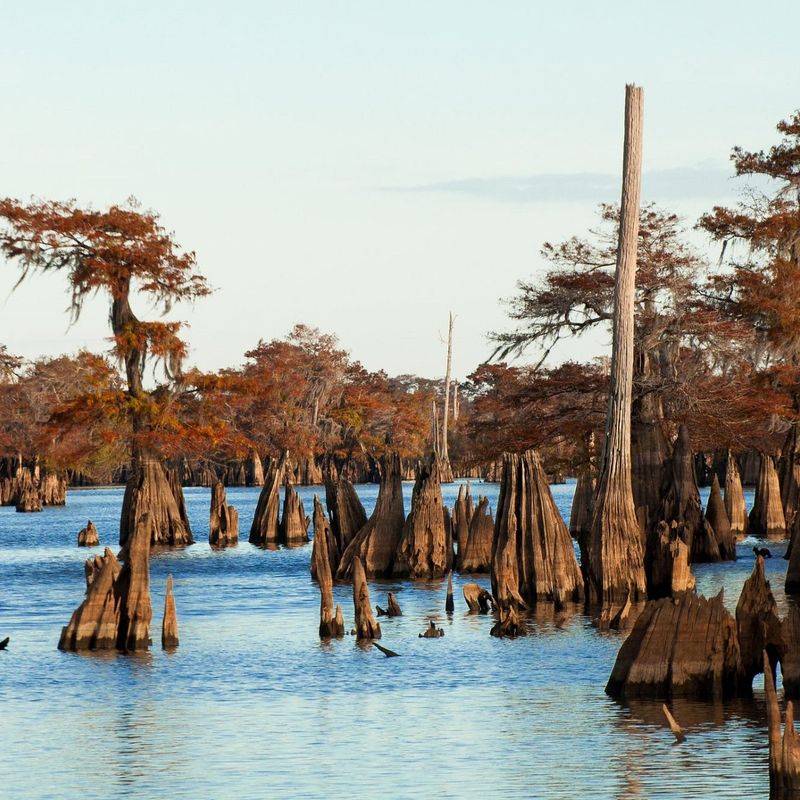
If you fish, this is your playground. Locals swear the bass here grow broad shouldered from ambushing bait along the cypress edges, and the reviews call it a favorite fishery. At first light, work topwater plugs across shaded pockets, then switch to soft plastics as the sun climbs.
Pitch jigs beside knees, crawl spinnerbaits through lanes, and pause longer than feels natural. Strikes often come after the bait hangs still and the rings fade. Keep hooks sharp, because timber will test every knot and angle.
Circle bends where current whispers, because bait stacks subtly there.
Panfish fans should bring crickets, small jigs, and patience. Bluegill tuck into little coves, while shellcracker prowl along sandy patches when the water warms. If the bite slows, move fifty yards and try again, because tiny changes matter on this lake.
Watch for rolling gar and adjust your retrieve to avoid snags. A simple jon boat works fine, but a kayak can sneak quietly into hidden cuts. Respect bag limits, pack out line, and leave spots cleaner than you found them.
With a steady rhythm and an open mind, you might land your personal best. Bring a small net and grippy gloves for safe handling.
5. Wildlife and Quiet Surprises
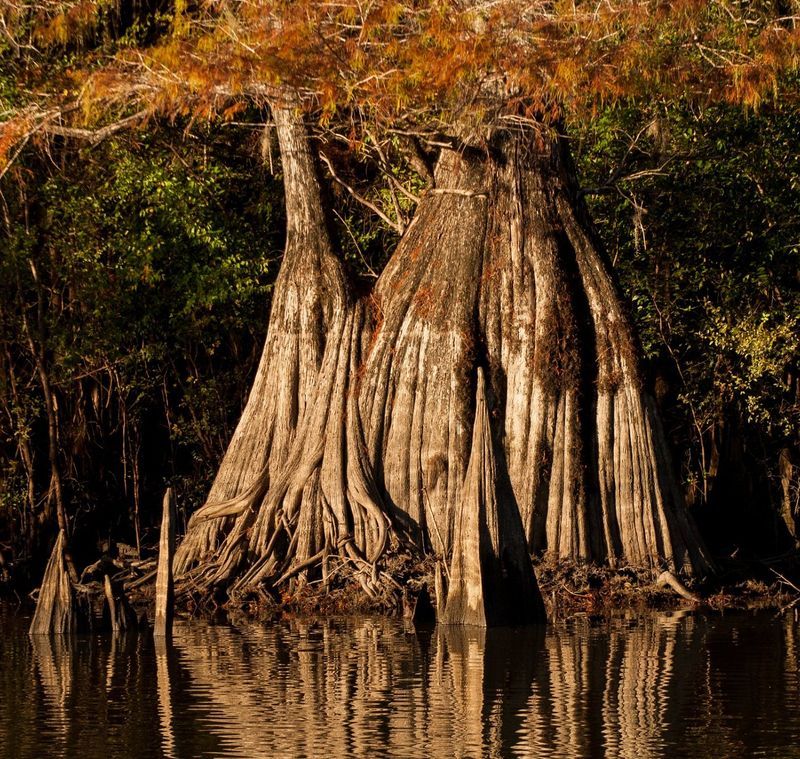
Dead Lakes proves that a place can feel haunted and still overflow with life. Look up and you might spot ospreys circling, kingfishers rattling, or a swallow tailed kite slicing the sky. Down low, alligators sun on mud shelves, usually unmoved by boats that pass politely.
Give them space and you will both relax. Otters sometimes porpoise across channels like mischievous shadows, and raccoon prints stitch damp sand. Even the insects put on a show, with jewel green damselflies escorting you like tiny guides.
Woodpeckers drum on hollow trunks that sound like distant signals, guiding your ears.
Listen and patterns emerge. Frogs start their engines at dusk, then night herons clock in for graveyard shift. In cooler months, migratory ducks raft up in protected pockets, chattering softly.
Spring explodes with nesting calls, while fall brings a calmer, golden tone. Bring binoculars, but also bring patience, because the best moments arrive when you stop trying to force them. Drift, drift again, then sit still.
The longer you linger, the more the lake reveals itself. When the wind pauses, you can even hear minnows flip at the surface, a glittering whisper. Moments like that stay with you long after the drive home.
6. Photography Tips for the Surreal Light
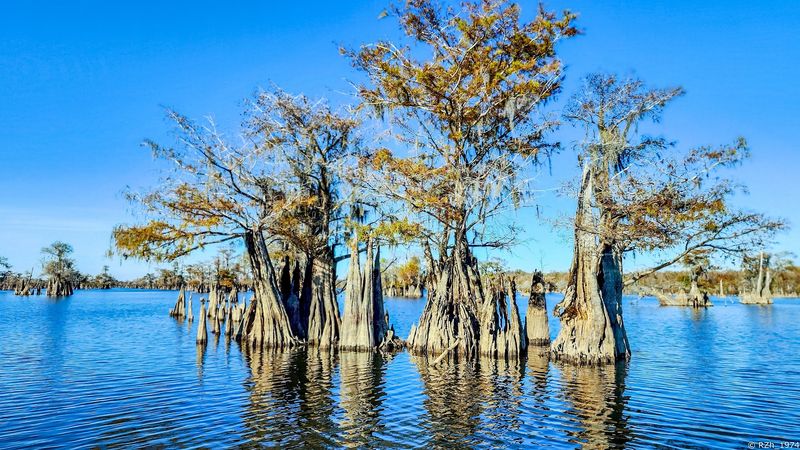
This lake makes photographers giddy. Dawn slides across the stumps, fog braids with sunbeams, and the water acts like polished glass. Arrive early enough to set your tripod before colors peak, and watch how the first rays pick out textures on the bark.
A polarizer helps tame surface glare and deepen skies. Expose for highlights if the mist is bright, then lift shadows later. Move your feet, because a two step shift can turn clutter into clean geometry.
Midday still offers drama if you lean into silhouettes and reflections. Frame lone trees against high clouds, or shoot straight down to capture copper tones and drifting leaves. In the evening, bring bug spray and wait for the sky to burn.
Long exposures smooth ripples and turn insects into comet streaks. Keep gear simple so you can react fast when an egret lifts. Wipe lenses often, guard batteries from humidity, and pack a dry cloth.
Your best image might be the quiet one you almost walked past. If a breeze ruffles the surface, crouch low and use logs as windbreaks for calmer frames. Most of all, slow down until the scene arranges itself around your breathing.
Patience always pays out here.
7. Camping and Simple Basecamps
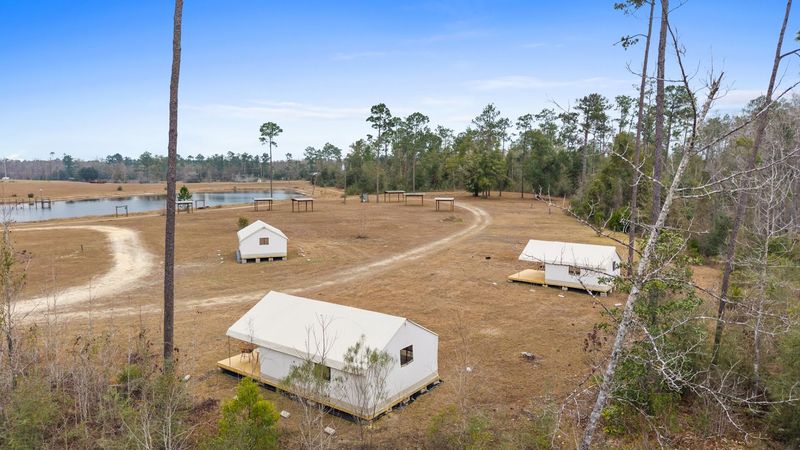
Set up a simple basecamp and you will fall into Dead Lakes rhythm. When the recreation area is open, sites sit close to the water, with tall pines for shade and an easy stroll to the boat ramp. Always check current conditions, because storms or maintenance can temporarily close facilities.
Either way, nearby towns have motels and tiny diners ready with catfish plates. A hammock and a screened shelter keep bugs honest, while a soft lantern sets the mood. Reserve ahead on busy weekends, and bring extra rope for tarp lines.
Evenings are the magic hour. Cook something uncomplicated, sip cold sweet tea, and let night sounds rise like a tide. Stars appear between needles, and the lake turns into a mirror edged with crickets.
Keep food sealed, respect quiet hours, and leave no trace. Morning comes early, so lay out paddles, lures, and coffee before you sleep. You will wake ready, step into dew cooled grass, and breathe pine before the first cast.
Basecamp life makes every day feel wider. If a shower is not available, a swim can reset your mood. Silence becomes the best entertainment, and it costs nothing.
Bring marshmallows, obviously.
8. Seasonal Swings and Safety Smarts
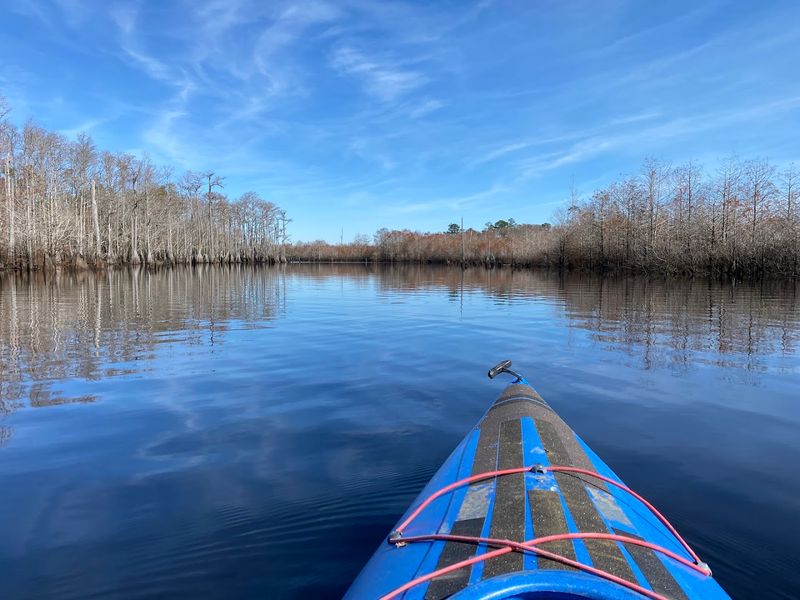
Dead Lakes changes personality with the seasons, so plan with flexibility. Spring brings fresh greens, higher water, and nesting birds, while summer piles on heat, bugs, and booming afternoon storms. Fall cools the edges and paints the light honey gold.
Winter can drop the water and unwrap hidden stumps, revealing quiet channels few boats visit. Whatever the month, check forecasts, water levels, and access updates before you go. If a road pins you at a dead end, do not push it.
Backtrack, breathe, and aim for signed public access instead.
On the water, wear a life jacket and keep a tidy deck. Pack more water than you think you need, plus snacks, a small first aid kit, and a dry bag. Tell someone your plan and paddle route, then text when you are back.
Respect alligators, give snakes room, and never chase wildlife for photos. In thick fog, use a headlamp and blow a whistle at blind corners. Cell service can wobble, so download maps.
With a little care, your day stays wild in the good way. Stash a spare paddle if you can, and check your plugs. Mark your launch on GPS to help tired brains later.