Florida’s O’Leno State Park Is So Mysterious, It Feels Like the Twilight Zone
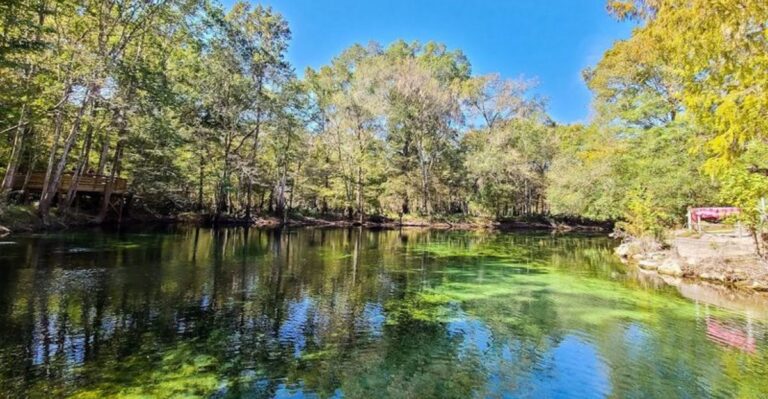
Hidden in the pines near High Springs, O’Leno State Park can feel downright uncanny. Rivers disappear underground, bridges creak with history, and the woods hush up like they are keeping secrets. Spend a day here and you will swear time slows to a crawl.
Ready to step into Florida’s gentle Twilight Zone and see what it reveals?
1. The Suspension Bridge and CCC Echoes
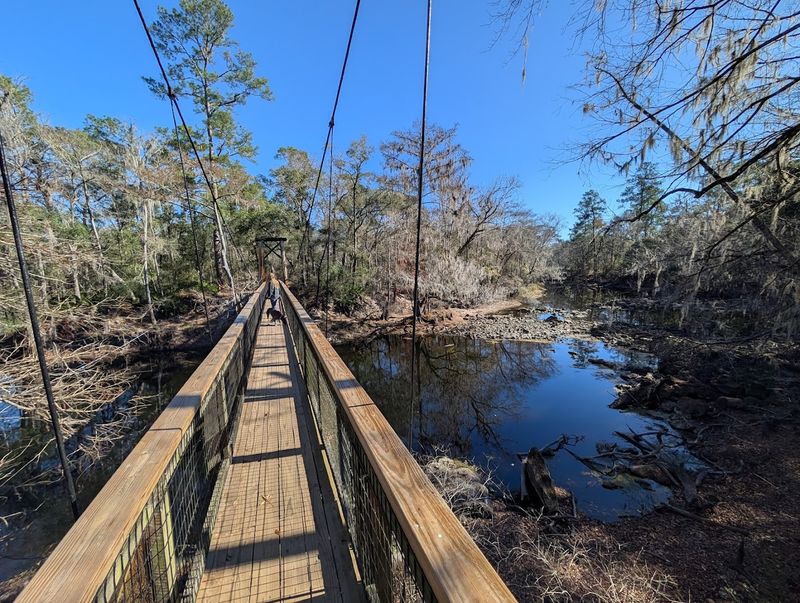
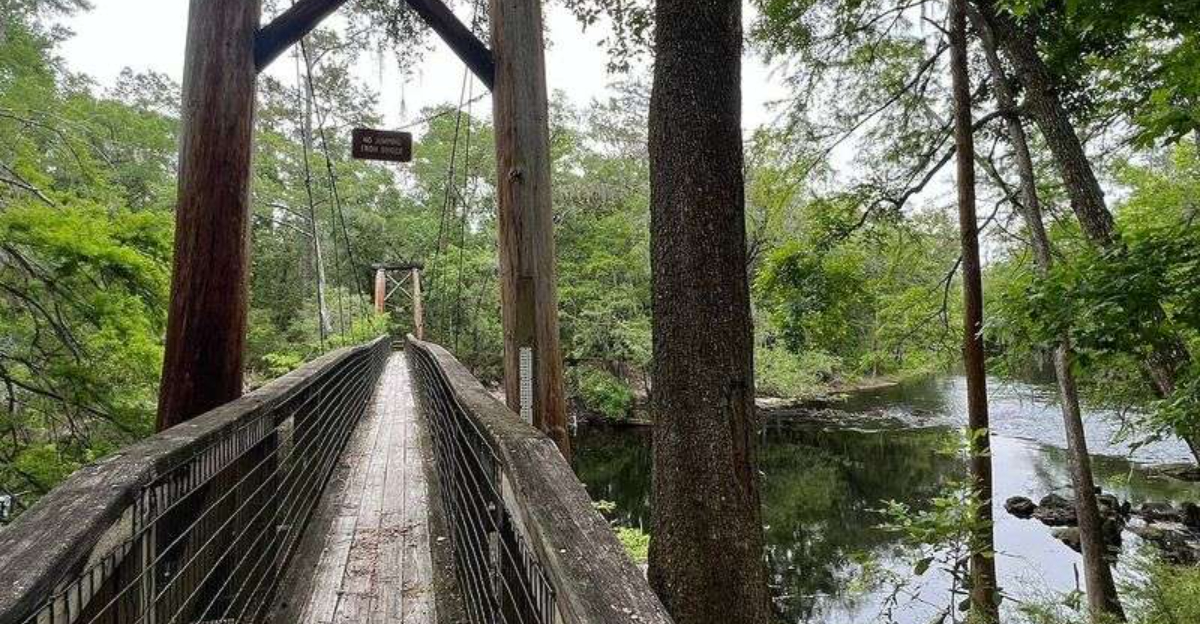
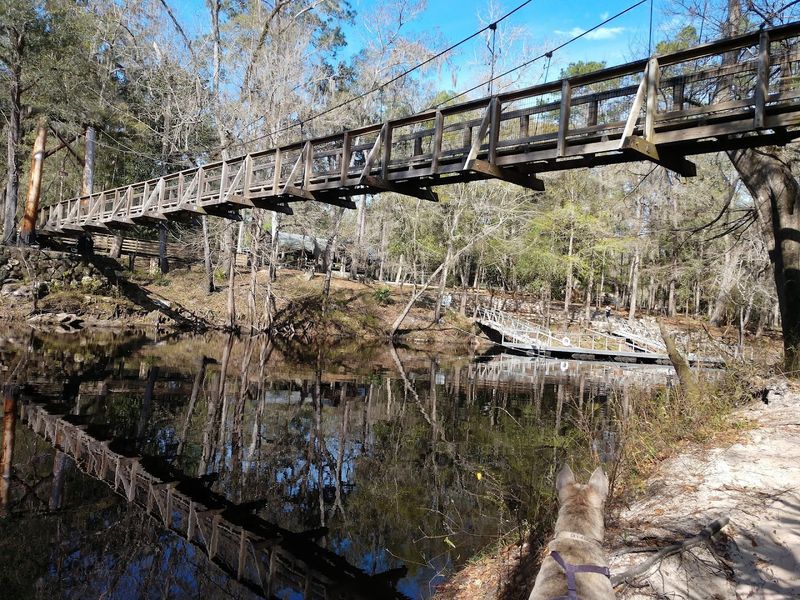
Step onto the historic suspension bridge and you feel the whisper of the past tugging at your sleeve. Built by the Civilian Conservation Corps, its timber and cables frame mossy water, cypress knees, and a hush that belongs to another era. Sometimes the bridge is closed for repairs, yet even from the bank the scene invites you to pause, breathe, and imagine the crews who shaped this park.
You can follow the River Trail, watch turtles surface, and listen as the Santa Fe slides past like a secret being kept. Early morning light turns the boards gold, and late afternoon shadows stack like chapters in a dusty novel. Bring a camera, but also bring patience, because this spot rewards stillness.
When the breeze rattles the leaves, it sounds like footsteps from long ago, and you may glance back, smiling at nothing but wind.
If you find it roped off, do not worry. Trails still lead to river overlooks, sinkhole views, and quiet benches where the bridge remains a character in the story, even offstage. Read the kiosk panels, notice the CCC stonework, and picture camp lights glowing through pine trunks.
You will leave feeling oddly refreshed, as if time stretched and then snapped gently back.
2. Where the Santa Fe Vanishes Underground
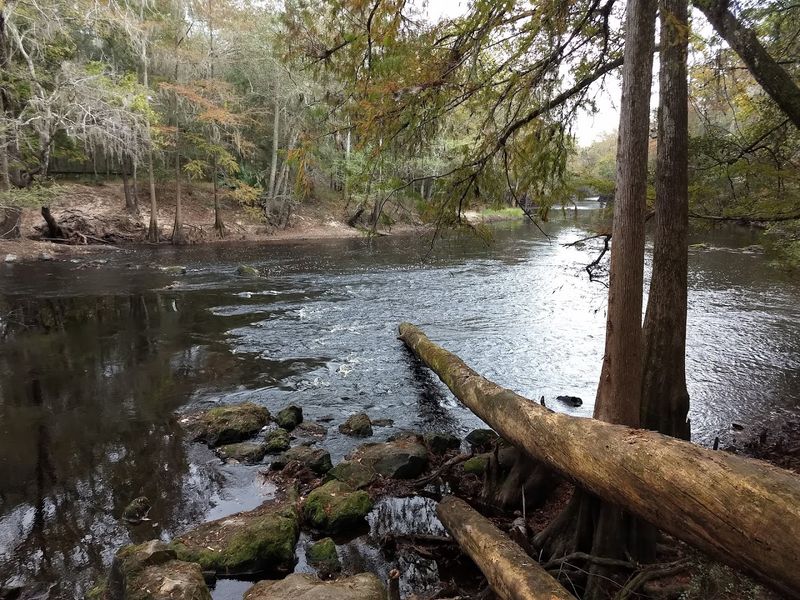
Here, the Santa Fe River does a magic trick that never gets old. It vanishes underground into the limestone, sliding into Florida’s aquifer for miles before reappearing downstream at River Rise. Stand at the sink and you feel a tug, like the landscape just took a deep breath and held it.
Follow the interpretive signs to learn how water travels through caves, how drought lowers levels, and how rains can change everything overnight. On dry days the riverbed looks exposed and otherworldly, with polished rock and stranded roots. After storms, tannin stained water swirls like tea, and fish slip between shadows while you listen to the soft clink of stones.
Stay on marked paths and give the ledges respect. The sink is beautiful but it is also real geology at work, with hidden currents and fragile edges that deserve care. Take a slow lap, then close your eyes for ten seconds.
You will hear wind, distant birds, and the low hush of a river traveling beneath your feet.
When you open them, the woods look crisper, as if the colors just clicked into focus. That is the park’s gift. It turns science into wonder, and it lets you carry the feeling home.
3. Walking the River Trail Today
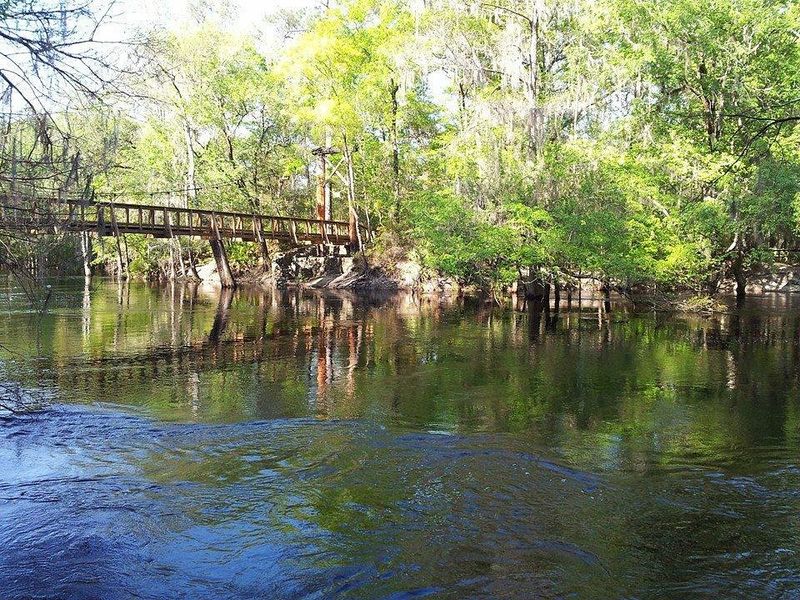
The River Trail is the park’s heartbeat, looping past bluffs, boardwalks, and sandy bends. Recent storms and droughts can change conditions, so expect occasional detours, muddy pockets, or a closed footbridge. Wear sturdy shoes, bring bug spray, and keep an easy pace that lets you spot deer prints, spider silk, and those knobby cypress knees poking up like periscopes.
You will hug the river, then climb into pine flats where sunlight drips through needles like honey. Benches appear at just the right time, and interpretive panels share quick hits of history, perfect for a water break. If you hike with kids or new hikers, turn around whenever it feels right.
The out and back style works, and there is no prize for suffering.
Listen for woodpeckers and watch for air plants clinging to bark like tiny chandeliers. In wet seasons, the trail can feel swampy and primeval. In dry spells, it crunches underfoot and the river pulls away from its banks, revealing sculpted limestone shelves.
Either way, you get that Twilight Zone vibe, like the forest bends time a little while you pass through. Bring water, tell someone your plan, and finish before dusk when the woods feel extra secret.
4. Camping Under the Pines on Magnolia Loop
Camping here feels like stepping into a well kept story. Sites on the Magnolia loop are tucked among tall pines and oaks, with privacy that lets morning birdsong be your alarm clock. Electric and water hookups keep things easy, and bathhouses are tidy, which matters a lot after sweaty miles or a surprise rainstorm.
At night, the wind threads through the trees and campfires pop like tiny fireworks. You might hear deer moving quietly or an owl laying down a soft question from the dark. Whether you bring an RV or a small tent, the pads are straightforward, the roads are simple, and the whole loop encourages slow evenings.
Book ahead during spring and fall, and always shake out gear for ticks. Keep food sealed, follow quiet hours, and leave your site cleaner than you found it. Morning coffee on the picnic table with mist rising off the river will make you think about adding one more night.
That is how this park works, with gentle nudges that keep you lingering. If rain moves in, the screened pavilion near the river becomes a friendly refuge for board games, maps, and swapping trail stories with neighbors. It feels like summer camp.
5. Wildlife, Seasons, and Staying Comfortable
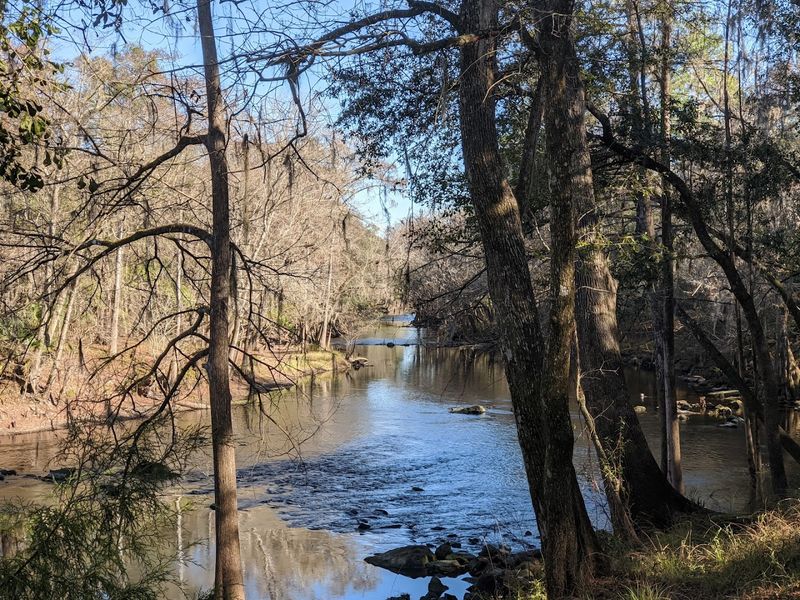
Wildlife watching at O’Leno is a slow burn that rewards quiet steps. You might spot white tailed deer slipping between pines, turtles sunning on logs, and anhingas drying wings like cloaked statues. On lucky mornings, otters stitch ripples across the water and pileated woodpeckers hammer out a bass line for your walk.
Remember this is real Florida. Ticks can be active, mosquitoes vote for dusk, and spiders build masterpieces across narrow paths before breakfast. Wear long socks, treat clothing if you like, and check ankles after hikes.
None of it ruins the magic, it just reminds you to be prepared so the forest can stay wild and you can stay comfortable.
Seasons shift the soundtrack. Winter skies go crystalline, birds migrate through, and campfires taste even better. Spring lays down wildflowers and fat clouds of shade.
Summer explodes with green, thunderheads, and dramatic river moods. By fall, the light turns mellow and the crowds thin, giving you space to meet the park on its own quiet terms. Keep your distance from any wildlife, pack out trash, and resist feeding animals, because the best encounter is one where they act natural and you feel like a respectful guest.
Every visit matters.
6. Paddling and Swimming the Santa Fe
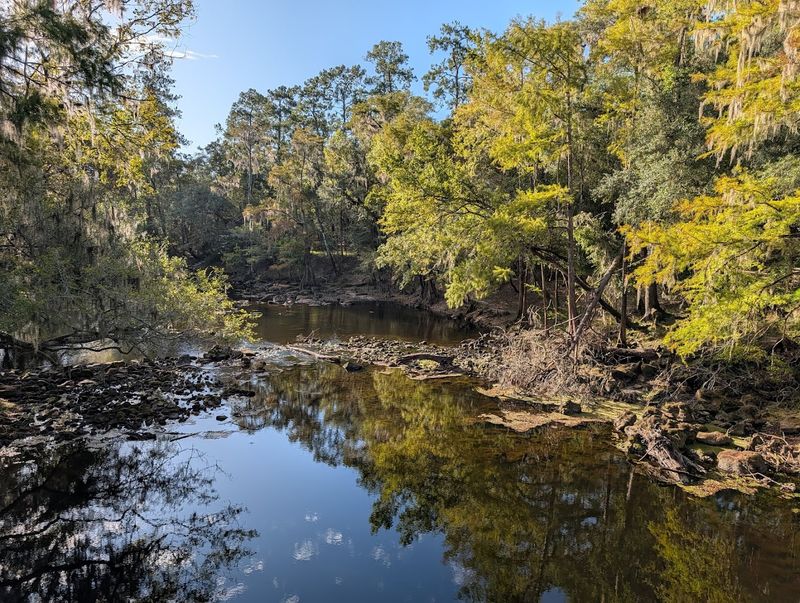
When river levels cooperate, paddling the Santa Fe from the park feels like sliding through a green hallway. The current is easy, the bends are photogenic, and herons lift like umbrellas as you approach. Outfitters in nearby High Springs can arrange shuttles, or you can launch from the park’s access and make an out and back.
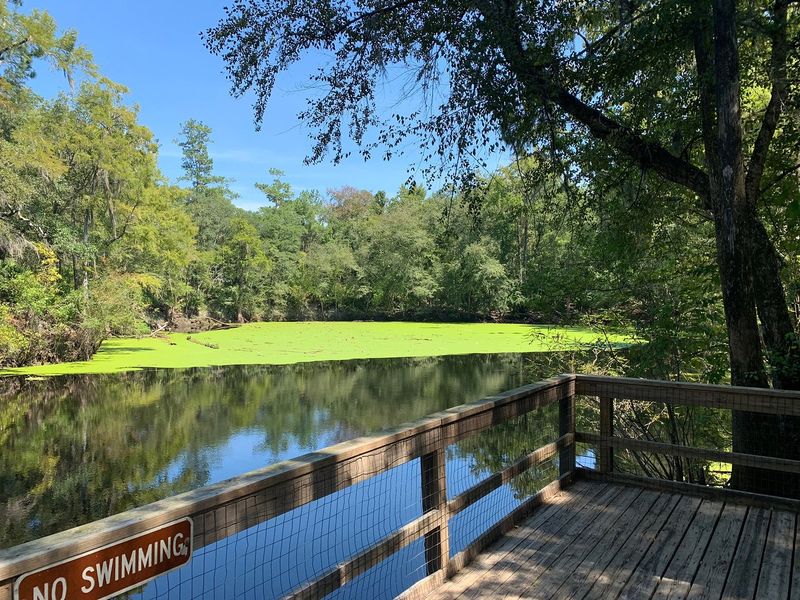
There is also a designated swimming area, but it depends on water depth, flow, and debris. In drought, bars appear and the water pulls away. After heavy rain, visibility drops and currents pick up.
Check conditions at the ranger station, and never underestimate tannin stained water that hides logs and sudden drops.
On calm mornings, the river turns to glass and every paddle stroke writes a sentence that fades behind you. Keep a dry bag for keys and phone, wear a life vest, and give wildlife space. Drift under the bridge, listen to the wind, and let the day smooth out the edges you brought with you.
If you prefer shore, claim a shady spot, dangle your feet, and watch paddlers slide past like scenes in a peaceful movie while minnows tickle your ankles. Either way, water time resets moods better than coffee today.
7. CCC Museum and the Ghost Town of Leno
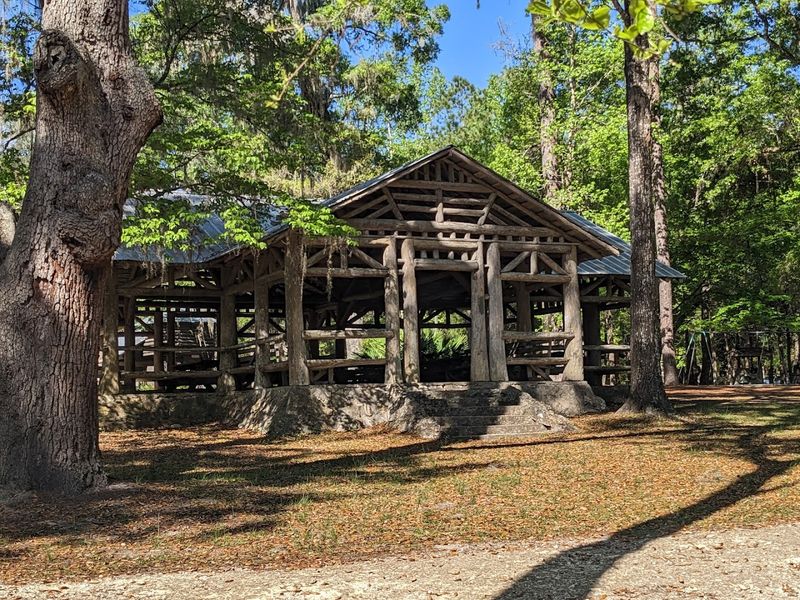
Before it was a park, this place held the town of Leno, a riverside community that faded and left whispers behind. The CCC arrived in the 1930s and turned those whispers into trails, pavilions, and that photogenic bridge. Step into the small museum for air conditioning and stories, including ration books and tools that feel heavy with work.
You can stroll the old town site and imagine storefronts facing the river, wagons rattling, and the long arc of change that converted industry into conservation. Rangers sometimes host talks that make the timeline click. Even if you breeze through in ten minutes, you come away with a fresh lens for everything you see outside.
Look for CCC stonework near the picnic areas and along the paths. Those details draw a clean line from hard labor to modern shade on a hot day. It is humbling and hopeful at once.
You feel connected to a chain of care, and that is a pretty great souvenir to carry home. If the heat is sharp, linger on the porch and listen to rainfall on the roof, a simple soundtrack that makes the era feel close enough to touch. History breathes easier in the shade.
8. Practical Tips for a Smooth Visit
O’Leno keeps things simple, which makes planning easy. The park opens at 8 AM daily and typically closes around early evening, with slight seasonal shifts, so aim for morning arrivals. Entry is budget friendly, usually by vehicle, and the ranger station is your best stop for current trail conditions and river levels.
Map to 410 SE Oleno Park Rd in High Springs and save the website for updates. Cell service can wobble under the trees, so download maps. Facilities include picnic areas, playgrounds, a small swim zone, and roomy parking.
The vibe is low key and family friendly, but it still feels wild enough to wake up your senses.
Bring water, snacks, and sun protection. Wear closed shoes, check for ticks, and do not shortcut switchbacks. Respect closures, even when they tempt you, and pack out every crumb.
If something feels a little eerie in the best way, lean into it. That mysterious hush is exactly why you came. Call +1 386-454-1853 with questions, wave to the rangers, and sign up for programs when you see the bulletin board.
Show up curious, leave generous, and let the river write the ending to your day. The map pin rarely steers wrong.