10 Longest Hiking Trails In Florida Worth Exploring In 2026
Florida might be famous for beaches and theme parks, but it’s also home to some seriously impressive hiking trails that stretch for miles through wild terrain. From swampy wetlands to sandy pine forests, these long-distance routes offer adventures that most people don’t expect to find in the Sunshine State. Whether you’re looking to tackle a multi-day backpacking trip or just want to experience a challenging day hike, Florida’s longest trails deliver landscapes and wildlife encounters you won’t forget.
1. Florida National Scenic Trail (FNST)
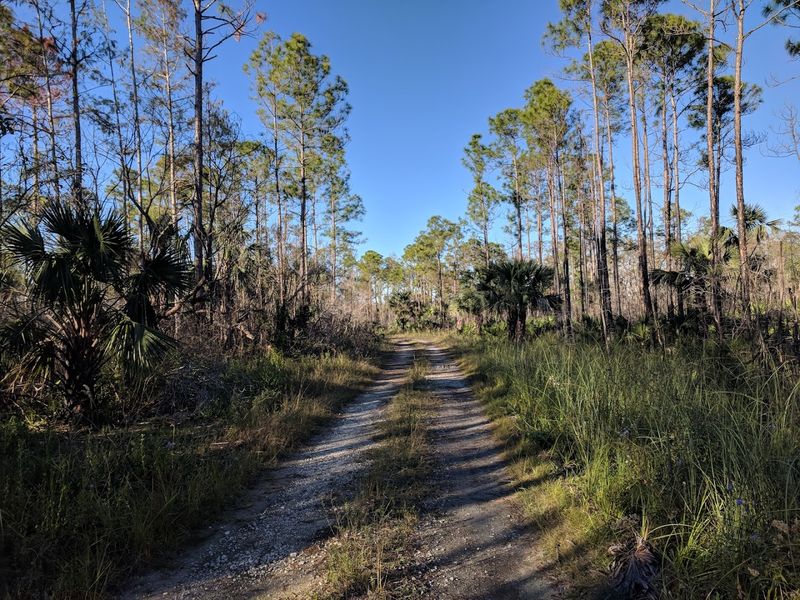
Stretching roughly 1,500 miles from Big Cypress National Preserve clear up to the Panhandle, the Florida National Scenic Trail stands as the state’s ultimate hiking achievement. This isn’t just Florida’s longest trail—it’s one of only eleven National Scenic Trails in the entire country. The route takes you through an astonishing variety of ecosystems, from soggy cypress domes to rolling sandhills, prairies dotted with wildflowers, and hardwood hammocks thick with Spanish moss.
Most hikers tackle sections rather than the whole thing, which makes sense when you’re talking about a trail that could take three to four months to complete end-to-end. Popular segments include the Big Cypress stretch for its wild, watery character and the Ocala section for its sandy, forested beauty. You’ll encounter alligators, black bears, wild turkeys, and countless bird species along the way.
The trail is maintained largely by volunteers, and conditions vary widely depending on season and recent weather. Winter and early spring offer the best hiking, with cooler temperatures and lower water levels. Summer means bugs, heat, and frequent afternoon thunderstorms.
If you’re planning a thru-hike, prepare for serious logistical challenges including water resupply, unpredictable trail conditions, and long stretches without services.
2. Ocean to Lake Hiking Trail
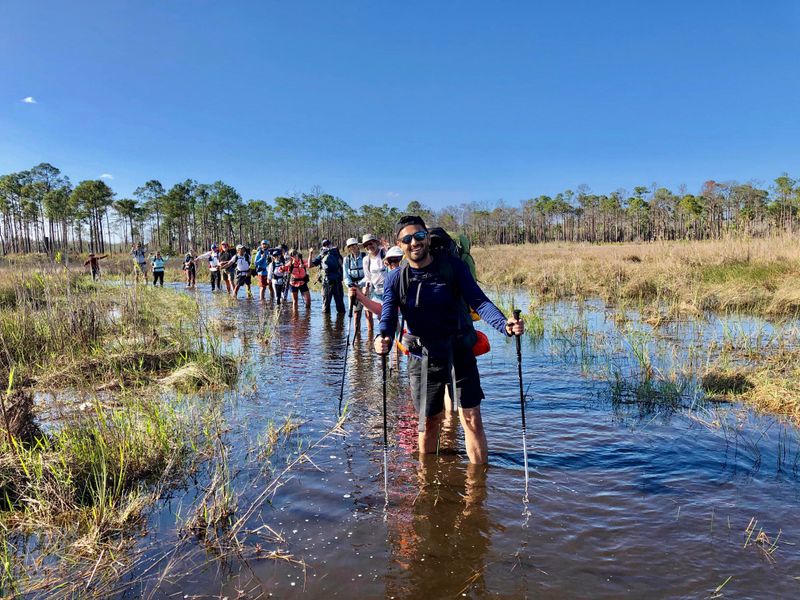
Running about 61 miles from Hobe Sound on the Atlantic coast all the way to Lake Okeechobee, the Ocean to Lake Hiking Trail holds a special place in Florida hiking history as one of the state’s oldest long-distance routes. Originally blazed back in the 1960s, this trail offers a genuine cross-section of South Florida’s diverse landscape. You’ll pass through wet prairies, pine flatwoods, cypress strands, and palmetto thickets that feel like stepping back in time.
The western portions near the lake tend to be flatter and more open, while the eastern segments closer to the coast wind through denser vegetation. Wildlife sightings are common—expect to see wading birds, deer, wild hogs, and possibly even a Florida panther if you’re exceptionally lucky. The trail connects several wildlife management areas and preserves, meaning you’re hiking through genuinely protected wilderness.
Water can be a challenge here, especially during dry months when natural sources dry up. Plan your resupply points carefully and consider caching water if you’re doing a multi-day trek. The trail sees moderate use compared to some other Florida routes, so you’ll likely enjoy plenty of solitude.
Just watch for muddy conditions after rain—parts of this trail can turn into boot-sucking muck when wet.
3. Florida Trail (Big Cypress Section)
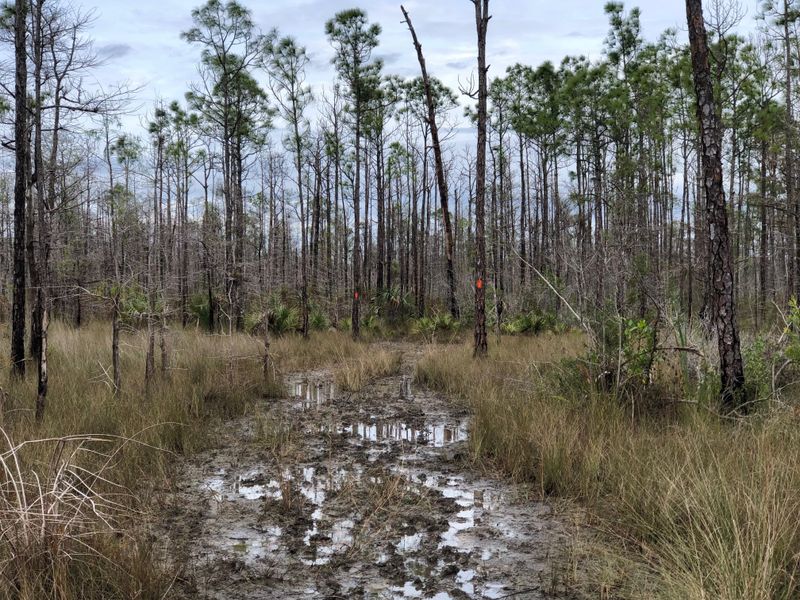
At roughly 110 miles through Big Cypress National Preserve, this section of the Florida Trail delivers an experience unlike anything else in the state. Famous for what hikers call “slough slogging,” this stretch requires you to wade through water that can range from ankle-deep to waist-high depending on the season and recent rainfall. It’s not for everyone, but those who tackle it often describe it as the most memorable hiking they’ve ever done.
Cypress trees rise from dark, tannin-stained water, creating an otherworldly atmosphere. Alligators are practically guaranteed sightings here—you’ll learn to spot their eyes and snouts poking above the surface. The preserve also protects Florida panthers, though actually seeing one remains extremely rare.
Wading birds, otters, and countless fish populate these wetlands.
Timing matters enormously for this section. Winter offers the driest conditions and fewer bugs, though you might still get wet. Summer means high water, oppressive heat, humidity that feels like a wet blanket, and mosquitoes that arrive in biblical swarms.
Proper footwear is essential—your feet will be wet constantly, so choose shoes that drain well and won’t cause blisters. Many experienced hikers recommend lightweight trail runners over boots for wet sections.
4. Florida Trail (Ocala National Forest Section)
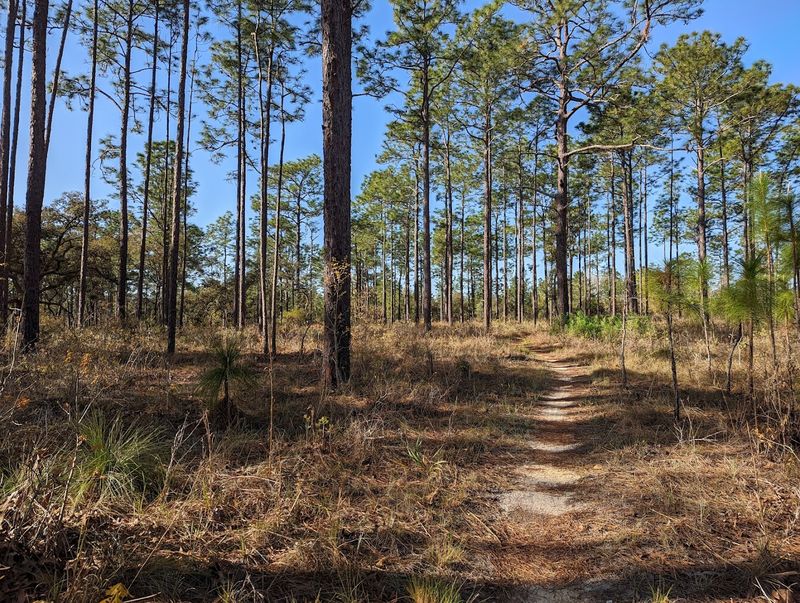
Covering more than 70 miles through Central Florida’s Ocala National Forest, this section offers a completely different character from the swampy routes farther south. Sandy terrain dominates here, making for easier walking but also creating its own challenges when the sand gets deep and loose. Longleaf pine ecosystems stretch in every direction, punctuated by clear lakes, bubbling springs, and patches of scrub habitat.
The forest itself is Florida’s oldest national forest and one of the last remaining strongholds for the endangered Florida scrub-jay. You’ll also encounter deer, wild turkeys, black bears, and the occasional gopher tortoise ambling across the trail. Several pristine springs lie near the trail, offering incredible opportunities for a refreshing swim after miles of hiking.
Because of the sandy soil, this section drains quickly after rain, making it hikeable year-round compared to wetter trails. However, summer heat can be brutal with limited shade in some stretches. Water sources exist but aren’t always reliable, so plan carefully.
The terrain might look flat, but the constant give of deep sand can be surprisingly exhausting. Many hikers find this section more physically demanding than they expected, despite the lack of elevation change. Camping is allowed in designated areas, and several established campsites provide convenient stopping points.
5. Florida Trail (Apalachicola Section)
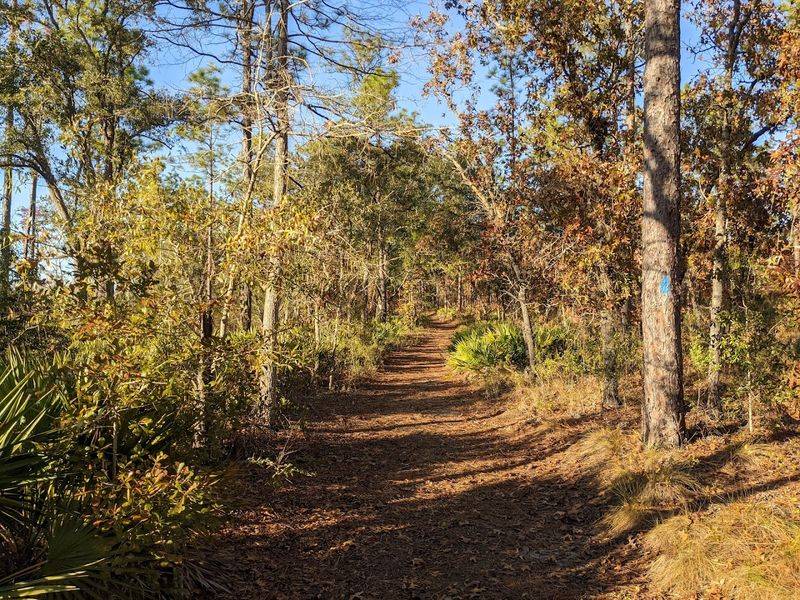
Spanning roughly 100 miles through the Florida Panhandle, the Apalachicola section takes you into some of the state’s most remote and wild territory. This area sees fewer hikers than more accessible sections, which means you’ll likely have long stretches entirely to yourself. Rivers, swamps, and tupelo forests create a landscape that feels more like the Deep South than typical Florida terrain.
The Apalachicola National Forest protects rare wildlife including red-cockaded woodpeckers and eastern indigo snakes. Black bears roam freely here, so proper food storage becomes essential when camping. The Sopchoppy River and other waterways provide scenic crossings and occasional swimming opportunities.
Hardwood swamps glow with ethereal beauty when flooded, reflecting trees in mirror-still water.
This section requires serious preparation and self-sufficiency. Services are sparse, and cell phone coverage is unreliable at best. Water sources can be questionable, so filtration or purification is mandatory.
The remoteness adds to the appeal for experienced backpackers seeking true wilderness immersion. Spring brings spectacular wildflower displays, while fall offers cooler temperatures and stunning foliage colors. Hunting season requires caution—wear bright orange and check dates before planning your trip.
The solitude and untamed character make this section particularly rewarding for those willing to embrace the challenges.
6. Florida Trail (Kissimmee Section)
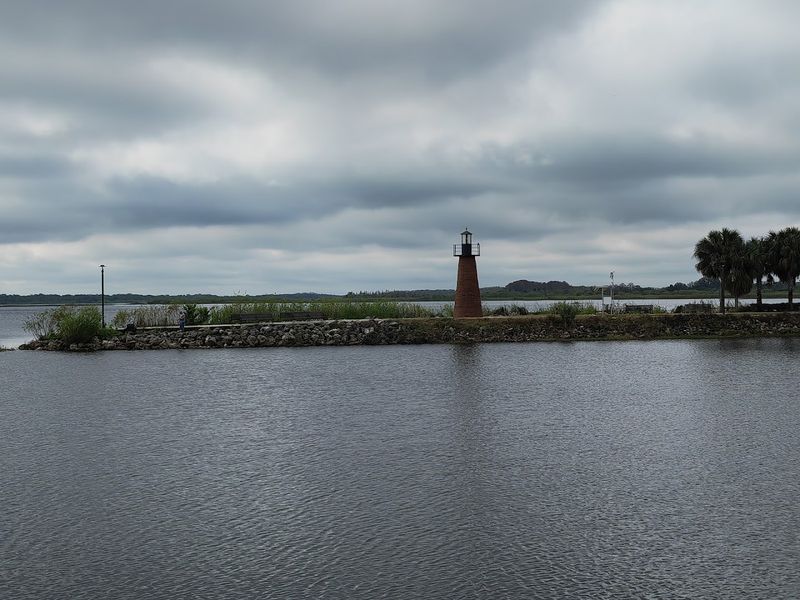
Approximately 60 miles of the Florida Trail wind through Central Florida’s prairie region near Kissimmee, offering landscapes that surprise people who think Florida is all beaches and swamps. Huge open skies dominate the scenery here, stretching endlessly above grasslands dotted with palmetto clumps and occasional tree islands. It’s a stark contrast to the enclosed feeling of forest trails, and the sense of space can be either liberating or unsettling depending on your perspective.
Wildlife viewing reaches exceptional levels in this section. White-tailed deer graze openly in the prairies, while sandhill cranes stalk through the grass on impossibly long legs. Bald eagles nest in the area, and during winter months, you might spot migrating waterfowl.
The openness means you can often see animals from considerable distances, making this section popular with nature photographers and birders.
Shade becomes a precious commodity on sunny days, so plan accordingly with sun protection and plenty of water. The lack of tree cover means you’re fully exposed to weather—both the blazing sun and any approaching thunderstorms. Lightning poses a real danger in these open areas during summer afternoons.
Conversely, winter hiking here can be absolutely perfect, with comfortable temperatures and dramatic cloud formations rolling across those big prairie skies. The flat terrain makes for easy walking, though standing water after heavy rains can force detours.
7. Black Bear Wilderness Loop Trail
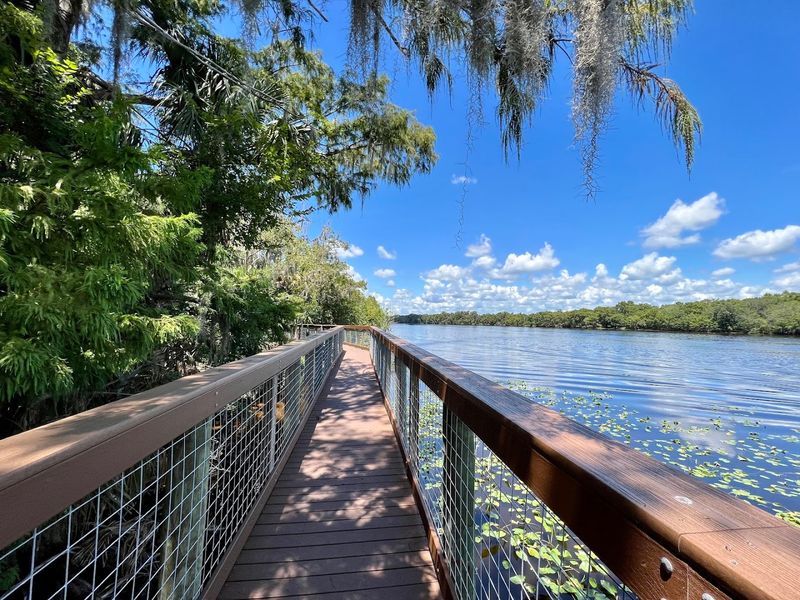
Don’t let the relatively short 7.1-mile length fool you—the Black Bear Wilderness Loop Trail in Seminole County punches way above its weight class in terms of difficulty. This loop has earned a reputation as one of Florida’s toughest hikes, not because of distance but due to the consistently challenging terrain. Thick mud, exposed roots, and constantly changing conditions create an obstacle course that tests even experienced hikers.
The trail winds through classic Florida wilderness with a mix of hardwood hammocks, palm forests, and wetland areas. True to its name, black bears do inhabit this area, though sightings remain relatively uncommon. You’ll definitely encounter plenty of other wildlife including deer, armadillos, and numerous bird species.
The dense vegetation creates an enclosed, almost primeval atmosphere that feels miles away from civilization despite being relatively close to Orlando.
Timing your hike matters significantly here. After heavy rains, sections can become nearly impassable with boot-sucking mud that makes progress exhausting. Drier periods improve conditions but don’t eliminate the challenge entirely.
The constant need to watch your footing, navigate roots, and sometimes push through overgrown sections means this loop takes much longer than the distance suggests. Many hikers report taking three to four hours to complete what would normally be a two-hour walk. It’s an excellent training ground for longer Florida trails.
8. Myakka Trail (Deep Hole / Backcountry Routes)
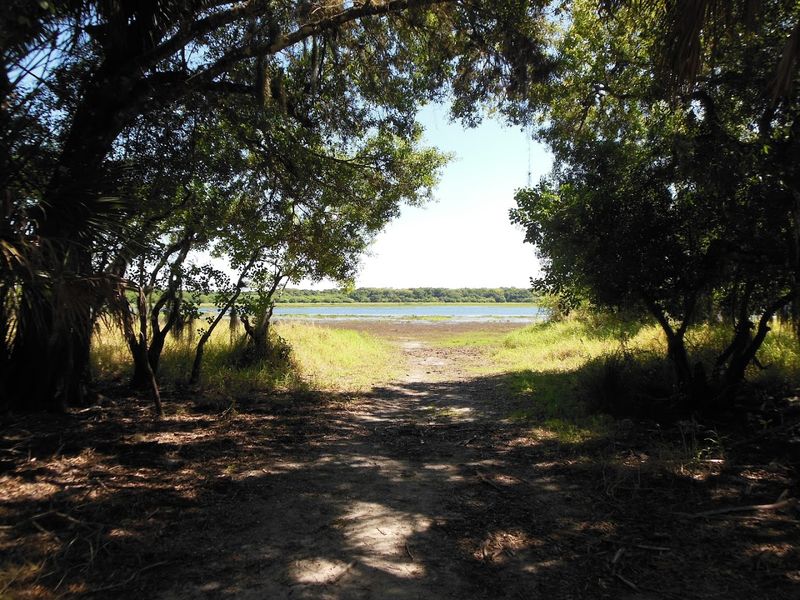
Myakka River State Park contains more than 40 miles of combined backcountry routes that offer a genuinely wild hiking experience just an hour from Sarasota. These trails feel less developed and more adventurous than many Florida routes, taking you through terrain that remains largely unchanged from centuries ago. The Deep Hole area and various backcountry paths create opportunities for multi-day trips through authentic wilderness.
The Myakka River itself provides the park’s centerpiece, with dark water flowing past ancient oaks draped in Spanish moss. Alligators are abundant—you’ll see them basking on banks and floating in the river. The park also protects one of only two virgin prairies left in Florida, offering a glimpse of what much of the state looked like before development.
Wading birds, wild pigs, deer, and occasionally even bobcats inhabit these lands.
Backcountry camping requires permits and advance planning, but rewards you with solitude and incredible night skies far from city lights. The trails vary in difficulty, with some sections prone to flooding during wet season. Water treatment is essential—the tannic river water looks dark but is safe when properly filtered.
Mosquitoes can be ferocious during summer months, so insect protection becomes critical. Winter and early spring offer the best hiking conditions with comfortable temperatures and lower bug populations. The less-maintained character of these routes appeals to hikers seeking authentic wilderness immersion.
9. Timucuan Trail System (Jacksonville Area)
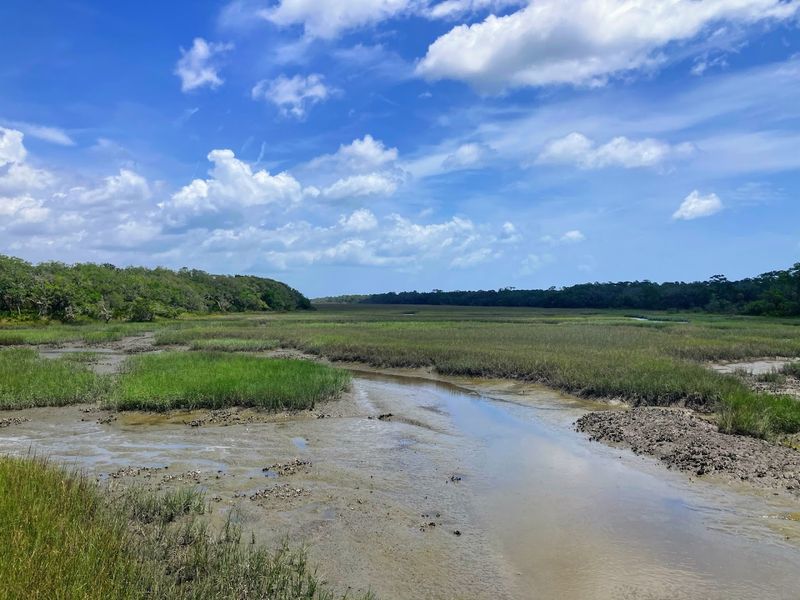
Stretching more than 30 miles through combined trails in Northeast Florida, the Timucuan Trail System offers a unique blend of coastal ecosystems and historical significance. Named for the indigenous Timucuan people who inhabited this region for thousands of years, these trails wind through salt marshes, maritime forests, and along waterways that witnessed centuries of human history. The proximity to Jacksonville makes these trails accessible while still providing genuine natural experiences.
Coastal and marsh landscapes dominate the scenery, creating environments distinctly different from inland Florida trails. Shorebirds and wading birds are everywhere—herons, egrets, ibis, and countless others. Dolphins sometimes appear in the waterways, and manatees occasionally visit during warmer months.
The historic Fort Caroline area adds cultural depth to your hike, connecting natural beauty with stories of Spanish and French colonial struggles.
Flat terrain makes these trails accessible to hikers of varying abilities, though heat and humidity can still pose challenges during summer. The coastal location means you’ll often have breezes that make hiking more pleasant than inland routes. Tides affect some sections, so timing matters if you want to avoid wet feet.
Multiple access points and interconnecting trails let you customize your distance and experience. The combination of natural beauty, wildlife viewing, and historical context makes this system particularly appealing for hikers interested in more than just covering miles.
10. St. Marks National Wildlife Refuge Trails
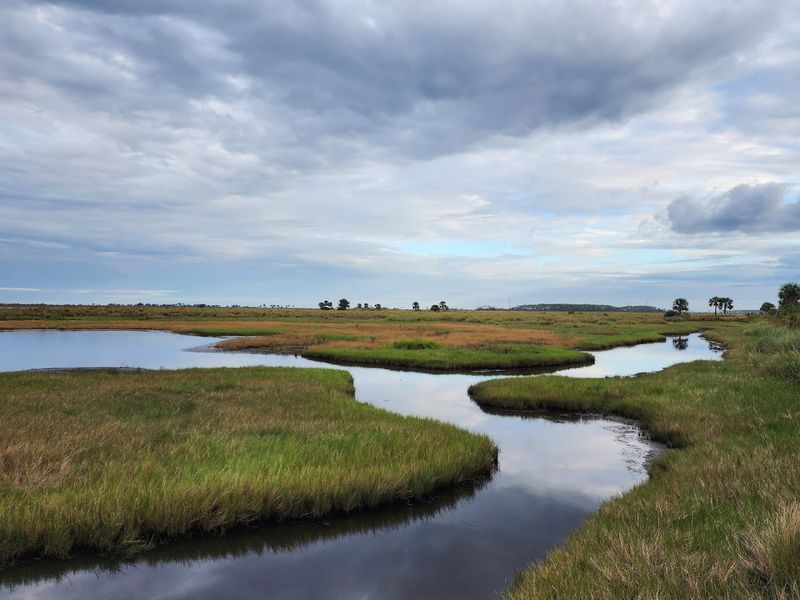
The St. Marks National Wildlife Refuge in Florida’s Panhandle contains a network of trails totaling 20 to 25 miles that showcase coastal environments and exceptional birdwatching opportunities. While individual trails might not rank among Florida’s longest, the combined system offers substantial hiking through landscapes where land meets sea. Flat terrain characterizes the entire refuge, making these routes accessible while still providing distance for serious walkers.
Established primarily for wildlife protection, the refuge delivers spectacular birding year-round. During migration seasons, the variety becomes almost overwhelming—warblers, tanagers, buntings, and countless other species pass through. Winter brings waterfowl in impressive numbers.
The historic St. Marks Lighthouse stands as a picturesque destination, marking the point where the St. Marks River flows into Apalachee Bay. Coastal views, salt marshes, and pine flatwoods create varied scenery despite the flat topography.
The refuge’s trails work well for both short day hikes and longer outings when you combine multiple routes. The Lighthouse Road provides a popular paved route suitable for bikes as well as hiking, while other trails offer more rugged experiences. Wildlife viewing extends beyond birds—alligators, deer, and even black bears inhabit the refuge.
Mosquitoes and other biting insects can be intense during warmer months, so plan accordingly. The coastal location means weather can change quickly, with afternoon thunderstorms common in summer. The combination of accessibility, wildlife abundance, and coastal beauty makes this network particularly rewarding for nature-focused hikers.