Tucked Into 60 Acres of Untouched Everglades, This Florida Museum Safeguards 5,000 Years of Seminole History
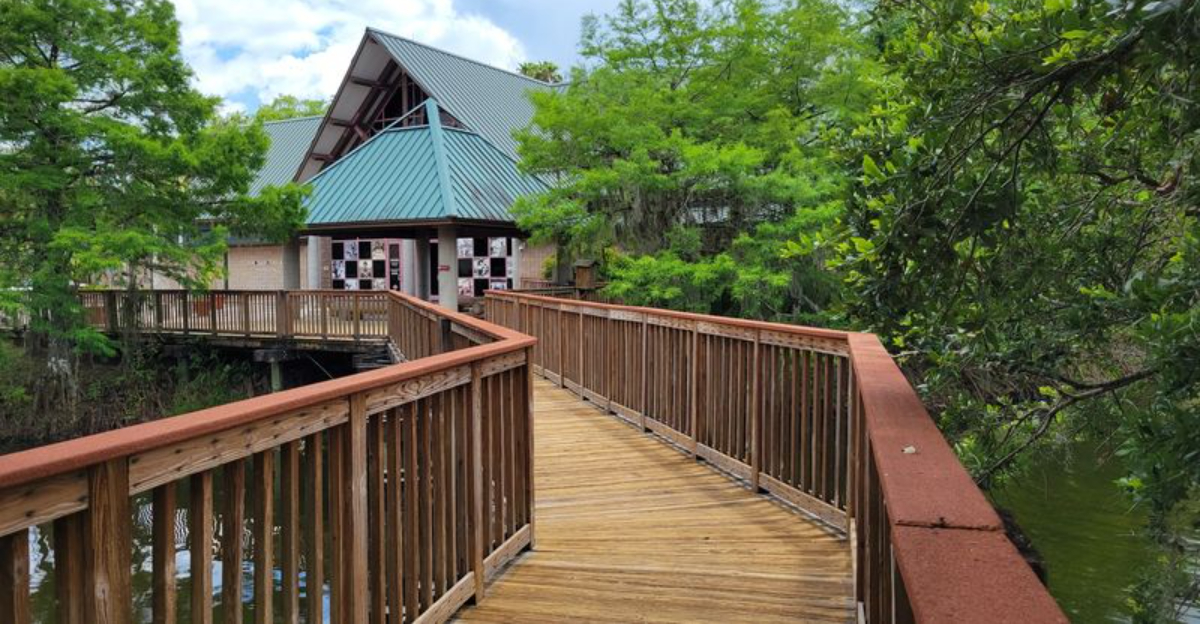
Deep in the Big Cypress Seminole Reservation, about an hour west of Fort Lauderdale, sits a museum that tells stories most Floridians have never heard. The Ah-Tah-Thi-Ki Museum protects thousands of years of Seminole history through artifacts, art, and living traditions that bring the past into vivid focus. Whether you’re a history buff, nature lover, or just looking for something genuinely different to do in South Florida, this hidden gem delivers an experience that’s equal parts educational and unforgettable.
1. An Introductory Film That Sets the Stage
Before you even step into the exhibit halls, you’ll settle into a comfortable auditorium for an 18-minute film that introduces you to the Seminole people and their incredible journey through Florida history. Four large screens simultaneously show different footage, creating an immersive experience that traces the tribe from ancient times through modern day.
The film covers the Seminole Wars, forced relocations, and how the tribe survived and thrived despite overwhelming challenges. It’s not your typical boring documentary either. The storytelling feels personal and genuine, with tribal members sharing their own perspectives and memories.
Visitors consistently mention this film as a highlight that completely changed how they viewed the rest of the museum. Kids stay engaged, and adults find themselves emotionally connected to stories they’d never learned in school.
Starting here gives you essential context for everything else you’ll see. You’ll understand why certain artifacts matter, how traditions evolved, and what makes Seminole culture so resilient and unique in American history.
2. Exhibit Halls Filled With Authentic Artifacts
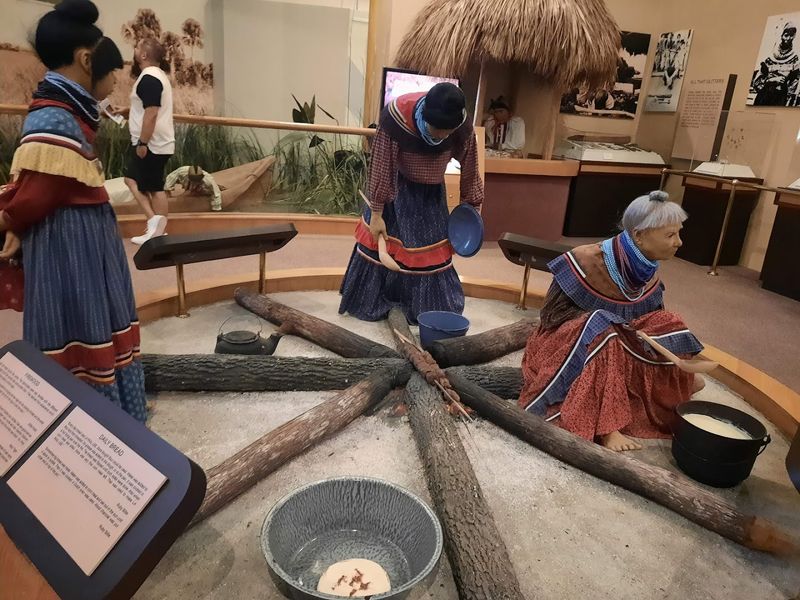
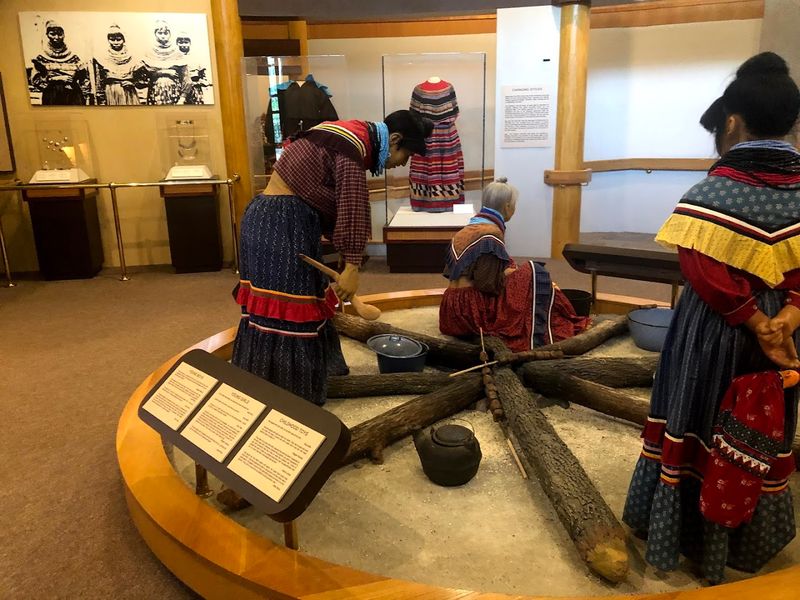
Walking through the exhibit halls feels like stepping back in time, except everything is beautifully preserved and thoughtfully presented. You’ll find realistic mannequins dressed in traditional Seminole clothing, complete with the intricate patchwork designs the tribe is famous for creating.
The displays showcase daily life in Seminole villages through carefully arranged artifacts like cooking tools, hunting equipment, and handcrafted items used for ceremonies. Each piece tells part of a larger story about survival, creativity, and maintaining cultural identity.
Unlike stuffy museums where you squint at tiny labels, the information here is accessible and interesting. You learn practical things like how Seminoles used specific plants for medicine or why certain colors held spiritual significance in their textiles.
Photography isn’t allowed inside out of respect for sacred objects and tribal wishes, which actually makes the experience more meaningful. Instead of viewing everything through your phone screen, you’re forced to really look and absorb what you’re seeing in the moment, creating memories that stick with you long after you leave.
3. A Mile-Long Boardwalk Through Cypress Swamp
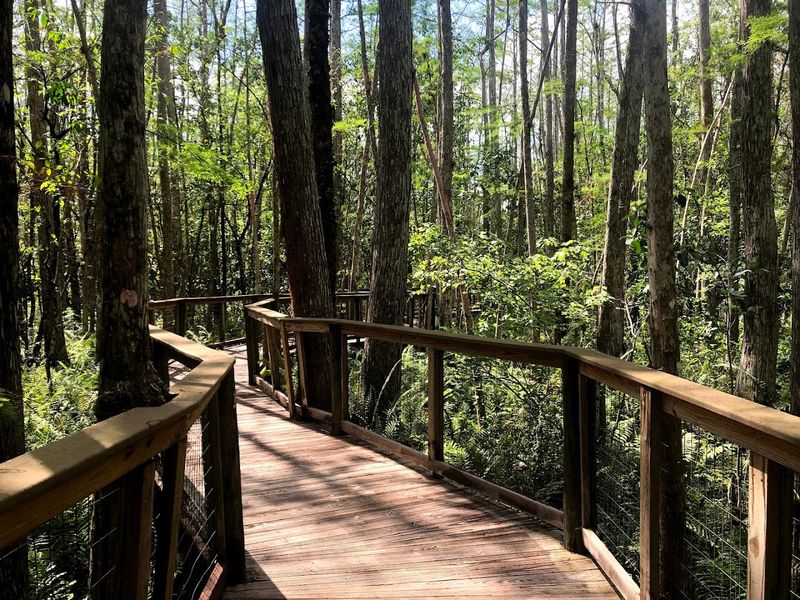
After exploring inside, the museum experience continues outdoors with a spectacular mile-long boardwalk that loops through pristine Everglades habitat. This isn’t just a nature walk—it’s an essential part of understanding how the Seminole people lived in harmony with this challenging environment for thousands of years.
The elevated boardwalk keeps you dry while you wind through cypress domes, sawgrass marshes, and hardwood hammocks. Interpretive signs along the route explain which plants were used for food, medicine, or building materials, connecting nature directly to Seminole survival skills.
Wildlife sightings are common if you walk quietly and keep your eyes open. Visitors report seeing wading birds, turtles, alligators, and countless plant species that thrive in this protected wetland ecosystem.
The boardwalk is fully accessible and well-maintained, making it perfect for families with young kids, older adults, or anyone with mobility concerns. Most people take about 30-45 minutes to complete the loop, though you could easily spend longer if you’re a nature enthusiast or photographer.
4. Living Village and Ceremonial Grounds
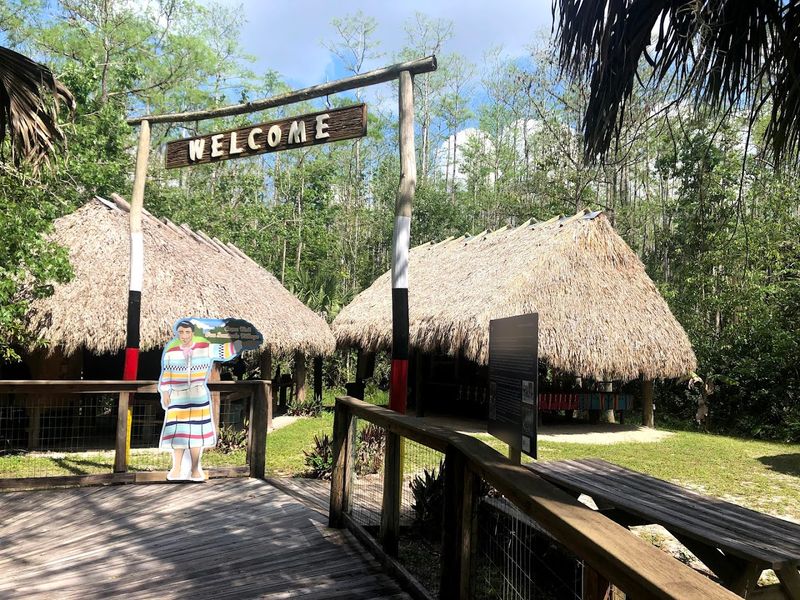
Along the boardwalk, you’ll encounter reconstructed Seminole structures that show exactly how families lived before modern conveniences. Traditional chickee huts with palmetto-thatched roofs and open sides demonstrate ingenious adaptations to Florida’s hot, humid climate and frequent flooding.
The ceremonial grounds offer a glimpse into spiritual practices and community gatherings that remain important to Seminole culture today. Standing in these spaces, you get a visceral sense of connection between past and present that photos in textbooks simply can’t convey.
A hunting camp display shows tools, techniques, and strategies Seminole hunters used to feed their families from the abundant but challenging Everglades environment. You’ll see how they tracked animals, preserved meat in the heat, and used every part of their harvest.
These living history elements make abstract concepts concrete, especially for younger visitors who learn better through visual and spatial experiences. Rather than just reading about Seminole ingenuity, you’re standing inside examples of it, surrounded by the same landscape that shaped these innovations over millennia.
5. Educational Signage About Native Flora and Fauna
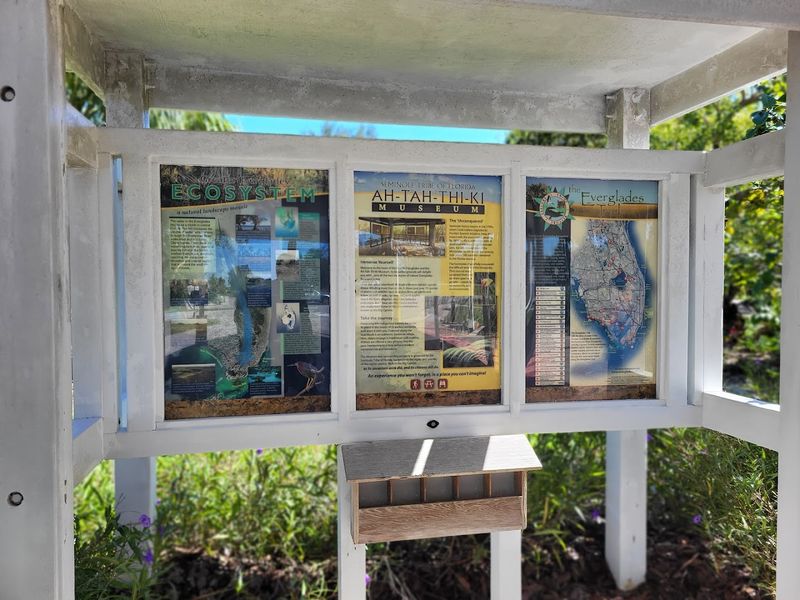
Throughout the boardwalk experience, you’ll find dozens of informative plaques that transform a pleasant nature walk into a comprehensive ecology lesson. These signs identify specific plants, explain their traditional uses, and describe the animals that depend on them for survival.
You’ll learn fascinating details like how Seminoles extracted oil from coonti plants to make flour, or why certain trees provided the best materials for canoe construction. The information connects botanical facts to cultural practices in ways that make both more interesting.
Bird identification guides help you spot species like wood storks, herons, and ibises that wade through the shallow waters. Reptile information prepares you for possible alligator sightings without causing unnecessary alarm—just healthy respect.
Kids especially enjoy the scavenger hunt aspect of spotting plants and animals mentioned on the signs. Parents appreciate how the educational content aligns with school science standards while feeling like an adventure rather than a classroom.
The signs are weatherproof and regularly maintained, so the information stays readable and accurate year-round despite Florida’s harsh outdoor conditions.
6. Affordable Admission and Welcoming Staff
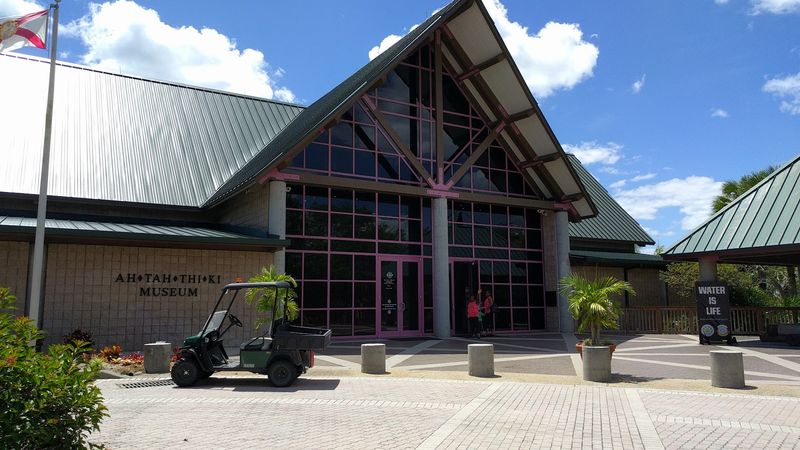
At just $10 for adults and even less for children, the Ah-Tah-Thi-Ki Museum offers incredible value compared to many South Florida attractions that charge triple that amount for half the experience. The reasonable pricing makes it accessible for families and budget-conscious travelers who still want meaningful cultural experiences.
The front desk staff consistently receive glowing reviews for their warmth, knowledge, and genuine enthusiasm for sharing Seminole history. They’ll answer questions, provide recommendations for how to make the most of your visit, and offer insights you won’t find on any sign.
Special mentions in reviews often highlight staff members by name, which tells you something about the personal connections formed during visits. These aren’t just employees clocking in—they’re cultural ambassadors who care deeply about the stories being told.
The museum sometimes offers free admission during special events like eclipses or cultural celebrations, so checking their website before visiting might score you an even better deal. Either way, every visitor seems to agree the experience is worth far more than the modest ticket price suggests.
7. A Gift Shop With Authentic Seminole Crafts
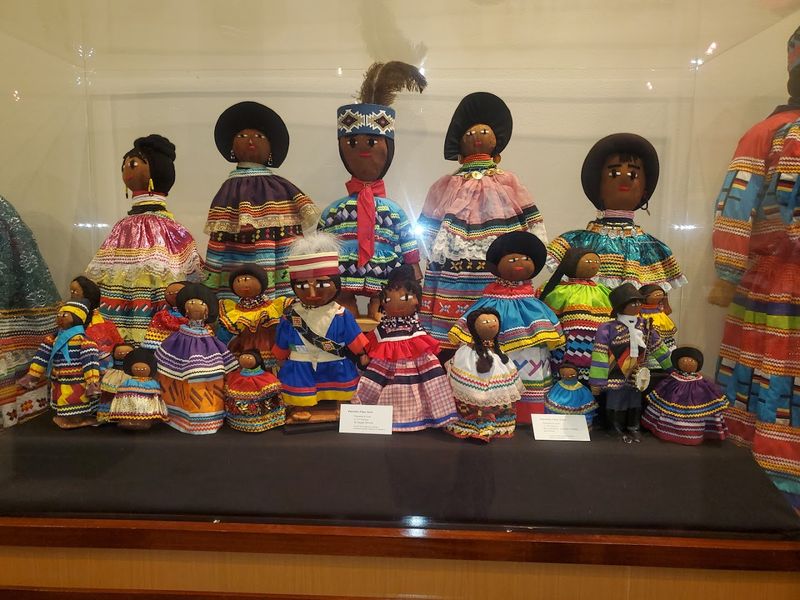
Before you leave, the museum gift shop offers a chance to take home something genuinely special rather than mass-produced tourist junk. You’ll find authentic Seminole crafts including patchwork items, beadwork, baskets, and artwork created by tribal members.
The book selection is particularly impressive, with titles covering Seminole history, Florida ecology, Native American issues, and children’s books that teach cultural lessons through engaging stories. These make excellent educational resources for homeschoolers or anyone wanting to learn more after their visit.
Purchasing items here directly supports Seminole artists and the museum’s preservation efforts, making your souvenir shopping feel meaningful rather than frivolous. You’re not just buying a pretty object—you’re helping sustain living traditions and cultural practices.
Staff can often explain the significance of different designs and techniques, adding context that increases your appreciation for the craftsmanship involved. That beautifully patterned bag isn’t just attractive; it represents skills passed down through generations and patterns with specific cultural meanings.
Prices range from affordable small items perfect for kids to investment-quality art pieces that become family treasures.
8. Remote Location That Feels Like a Discovery
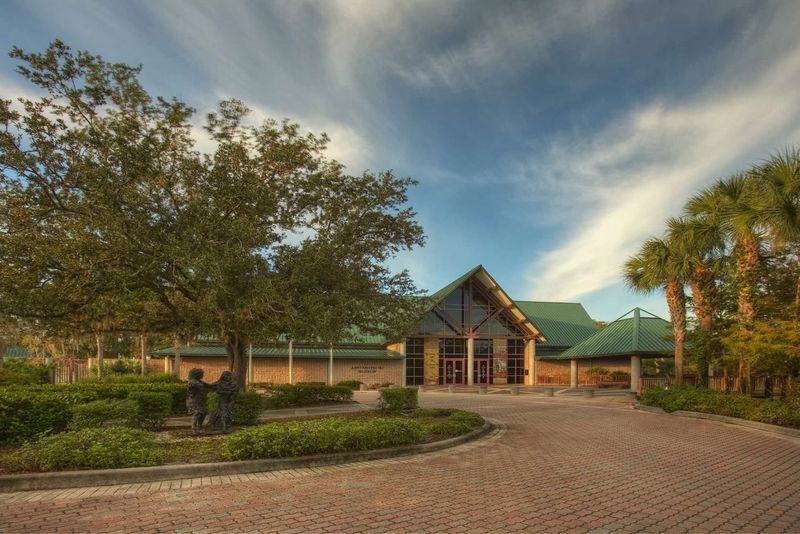
Getting to Ah-Tah-Thi-Ki requires a deliberate journey rather than a casual stopover, which somehow makes arriving feel more rewarding. Located deep in the Big Cypress Seminole Reservation near Clewiston, the museum sits far from typical tourist corridors and crowded attractions.
The drive takes you through landscapes most Florida visitors never see—vast stretches of preserved wetlands, working cattle ranches, and ecosystems that look much like they did centuries ago. This remoteness is part of the point, helping visitors understand the environment that shaped Seminole culture.
Many reviewers mention stumbling across the museum while scrolling through maps or driving across the state, then being amazed they’d never heard of it before. That sense of discovery adds to the experience, making you feel like you’ve found something special rather than following a tourist checklist.
The isolation also means crowds are rare, even on weekends. You’ll likely have galleries and boardwalk sections virtually to yourself, allowing for contemplative, unhurried exploration that’s impossible at more popular destinations.
Plan for about two to three hours total to do the museum justice, plus extra time if you want to visit the nearby Swamp Water Cafe that locals recommend.