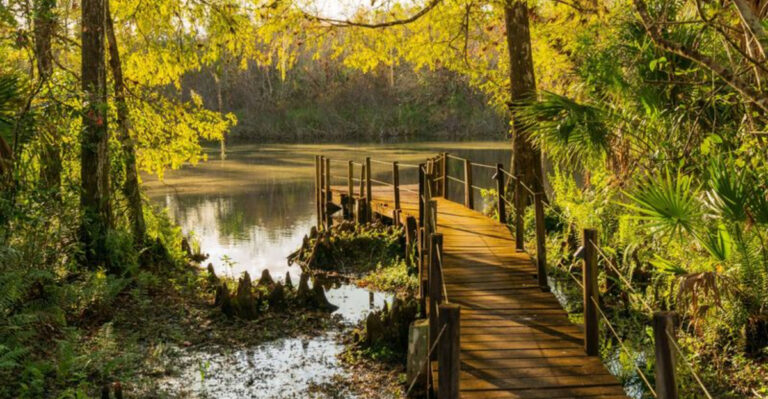
This Scenic Florida Hike Takes You to 5 Crystal-Clear Natural Spring Pools
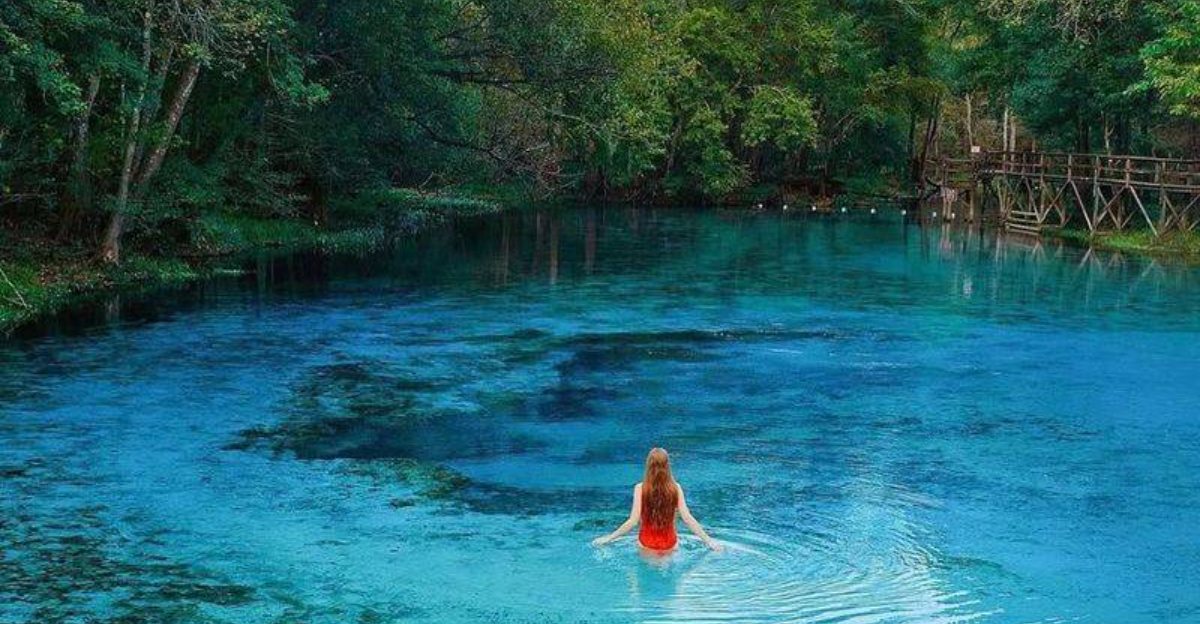
Hidden in High Springs, Florida, Ruth B. Kirby Gilchrist Blue Springs State Park offers something most hiking trails can’t match—a journey that connects you to five natural spring pools bursting with crystal-clear water. The park’s trail system winds through lush Florida woodlands and opens up to stunning spring-fed pools where the water stays a refreshing 72 degrees year-round.
Whether you’re looking to cool off after your hike, spot underwater wildlife, or simply experience some of the most pristine water in the state, this adventure delivers an unforgettable combination of forest exploration and aquatic beauty.
1. The Main Spring Pool – Your Starting Point
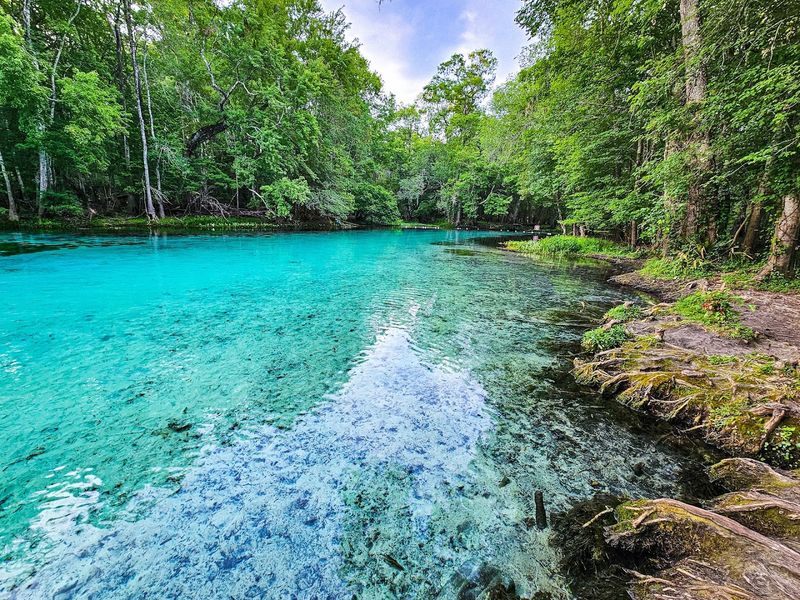
Right when you enter the swimming area, the main spring pool grabs your attention immediately. The water clarity here is absolutely unreal—you can see straight down to the sandy bottom even where the spring head drops into deeper water.
Most of the swimming zone stays shallow enough for younger kids to enjoy safely. The spring head itself plunges down pretty deep, so if you’re a confident swimmer, you can explore that section and feel the cooler water pushing up from below.
Families love setting up near the grassy banks where shade trees provide relief from the Florida sun. You’ll find picnic pavilions scattered around, plus restrooms with showers for rinsing off after your swim.
The park gets busy on weekends, so arriving right when gates open at 8 AM gives you the best chance at parking and finding a good spot. Once the lot fills up, rangers stop letting cars in until people start leaving later in the day.
Bring goggles because the underwater scenery is half the fun—little fish dart around, and the vegetation creates gorgeous color contrasts against that signature blue. Water shoes help too since you’ll be walking on natural surfaces.
2. Naked Spring Along the Nature Trail
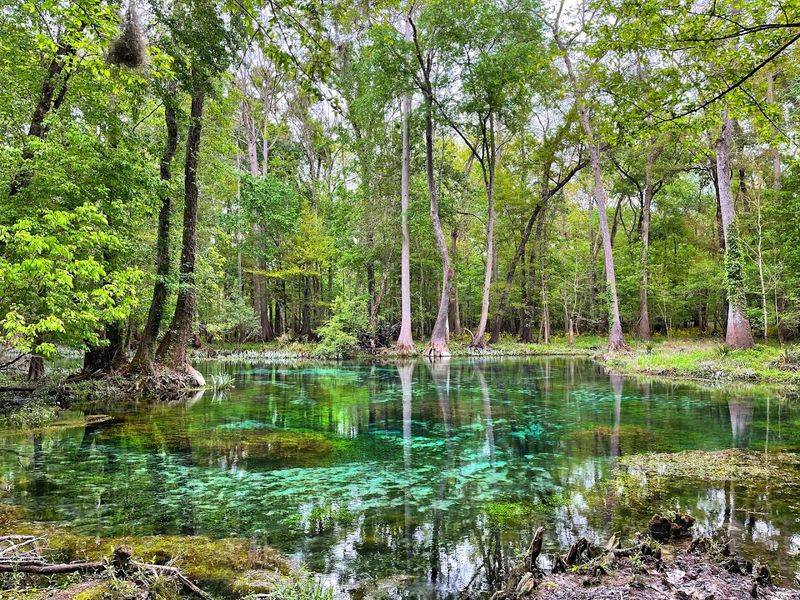
Follow the nature trail that loops through the park and you’ll discover Naked Spring, one of the smaller pools currently roped off for environmental protection. Rangers are working hard to restore this gem to its natural state, which means you can view it but swimming isn’t allowed right now.
The spring sits tucked into the forest, creating an almost secret-garden vibe. Even without getting in the water, watching how light filters through the canopy and dances across the spring surface makes for incredible photos.
This part of the trail stays quieter than the main swimming area, offering a peaceful escape if you want some solitude. The path itself is well-marked and easy to follow, making it perfect for families with kids who can handle a moderate walk.
Wildlife spotting opportunities increase along this section—keep your eyes open for birds, turtles, and maybe even a deer if you’re lucky. The vegetation grows thick here, showing off Florida’s natural beauty in full force.
Plan to spend about 20 minutes exploring this area before moving on to the next spring. Bring water and bug spray because the forest can get warm and mosquitoes sometimes show up, especially during summer months.
3. Spring Run Paddling Route
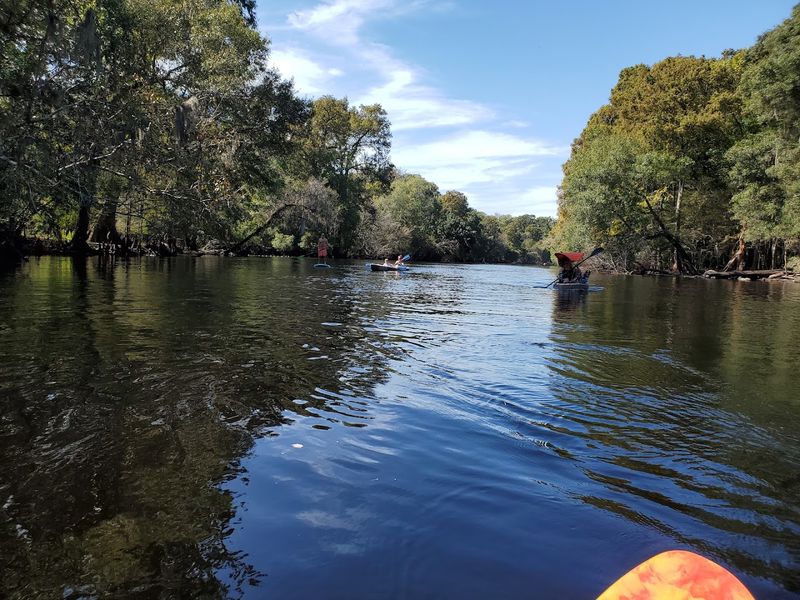
Launching a kayak or paddleboard opens up an entirely different way to experience the springs. The spring run flows from the main pool toward the Santa Fe River, creating a paddling route that feels like gliding over liquid glass.
Water clarity on this route is mind-blowing—you’ll see every detail of the underwater plant life creating natural gardens below your boat. The colors shift from emerald green to deep blue depending on depth and vegetation, making the whole journey feel almost surreal.
Buoys mark a designated kayak lane around the swimming area, keeping paddlers separated from swimmers for everyone’s safety. Once you pass that section, the run opens up and you can really enjoy the scenery at your own pace.
Rentals are available at the park if you don’t have your own gear, running about $70 for kayaks. Some visitors paddle all the way to Jennie Springs and back, which takes a few hours but rewards you with even more spring-fed pools along the way.
Early morning paddling offers the best conditions—calmer water, fewer people, and better wildlife viewing. The 72-degree spring water keeps things comfortable even on hot Florida days.
4. Hidden Springs on the Hiking Loop
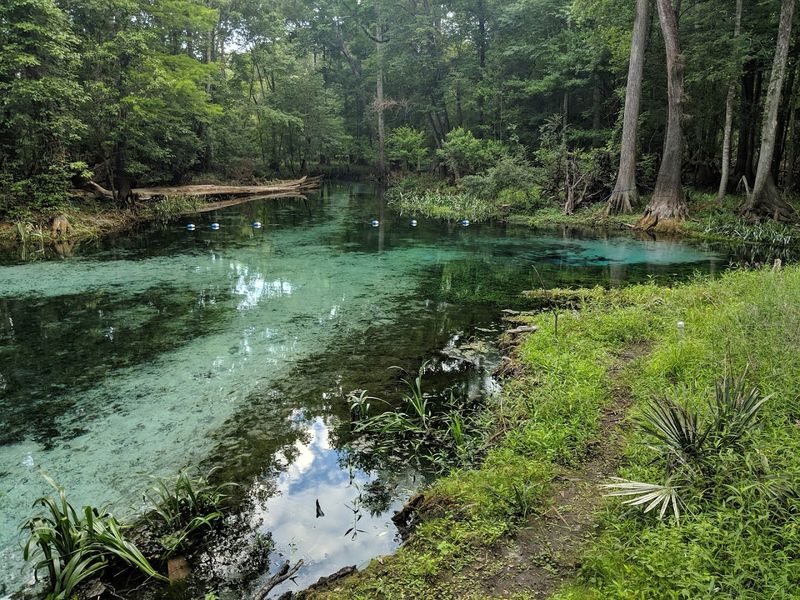
Beyond Naked Spring, the hiking trail reveals several smaller spring pools that most day-trippers never see. These hidden spots are part of the park’s ongoing restoration efforts, bringing back springs that had been forgotten or degraded over time.
You won’t find developed swimming areas at these locations, but that’s part of their charm. They represent Florida springs in their most natural state—untouched, wild, and beautiful in a completely different way than the main pool.
The trail itself covers about two miles of varied terrain through hardwood forests and wetland edges. You’ll walk on packed dirt paths, cross small wooden bridges, and navigate around tree roots that add character to the journey.
Photography enthusiasts go crazy for these springs because they capture that authentic Old Florida feeling. The way sunlight breaks through the forest canopy and illuminates the water creates magical lighting conditions, especially in early morning or late afternoon.
Wear proper hiking shoes because the trail can get muddy after rain, and roots or uneven ground might trip you up if you’re not paying attention. The whole loop takes about an hour at a leisurely pace, longer if you stop to appreciate each spring.
5. Santa Fe River Connection Pool
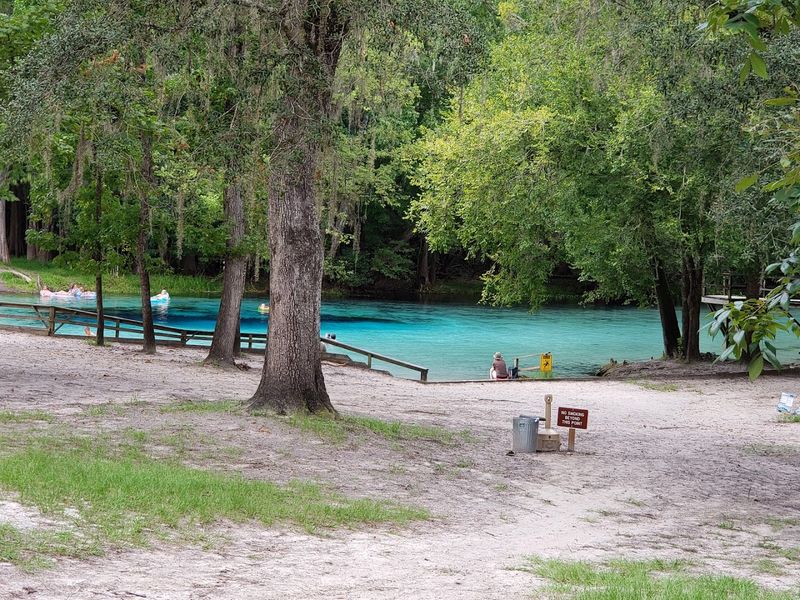
Where the spring run finally meets the Santa Fe River, another beautiful pool forms at the confluence. Paddlers especially love this spot because it marks the transition from spring-fed clarity to the darker tannin-stained river water, creating a striking visual contrast.
The mixing waters produce unique conditions where you can actually see the boundary between cold spring water and warmer river water. Fish congregate here too, taking advantage of the temperature differences and increased food sources.
Many kayakers use this as a turnaround point, though some continue exploring the Santa Fe River itself. The river opens up different scenery—wider channels, more wildlife, and a completely different Florida ecosystem to discover.
If you’re hiking rather than paddling, you can still reach viewing areas near this confluence by following trail extensions. The walk takes you through some of the park’s most scenic forest sections with massive oak trees and thick understory plants.
Bring binoculars because bird watching opportunities explode in this zone. Herons, egrets, and various waterfowl frequent the area, plus you might spot turtles sunning themselves on logs or banks. The natural diversity here shows why Florida’s spring systems are so ecologically important and worth protecting.
6. Deep Spring Head Diving Area
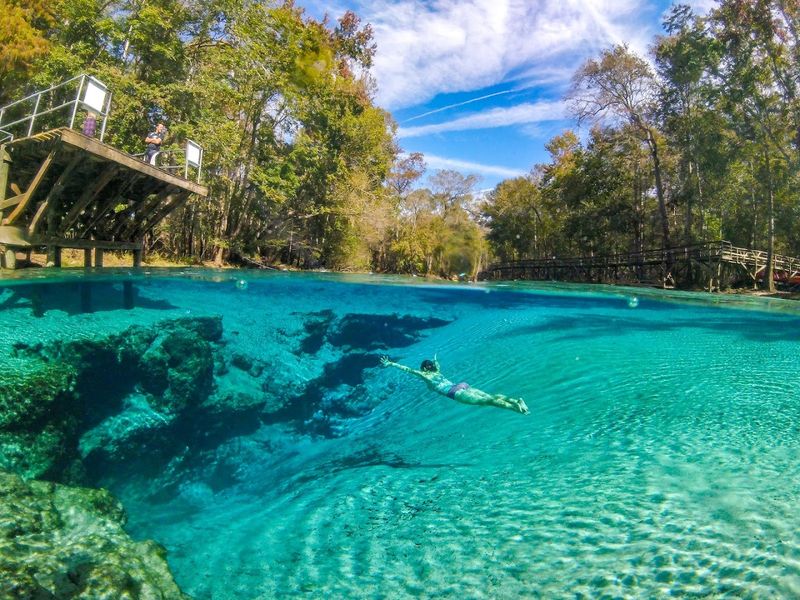
Back at the main spring, the spring head itself deserves its own attention as a distinct feature. This is where water pushes up from underground aquifers, creating the deepest section of the swimming area and the most intense blue color you’ll see anywhere in the park.
Strong swimmers can dive down and feel the pressure of water flowing upward from the limestone caverns below. The temperature drops noticeably as you descend, with the coldest water staying near the bottom where it first emerges.
Looking down into the spring head feels like peering into another world—the depth creates an almost hypnotic effect with that brilliant blue color intensifying as it goes deeper. Snorkelers love hovering over this section because fish often hang out near the edges where the current isn’t as strong.
Safety matters here since the depth can surprise people who aren’t expecting it. Kids should stay in the shallower sections unless they’re very comfortable swimming, and even adults should be aware of their limits before attempting deep dives.
The spring head pumps out millions of gallons daily, which is why the water stays so incredibly clear—it’s constantly being refreshed. That constant flow also means you’re swimming in some of the purest natural water Florida has to offer.
7. Camping Area Spring Access
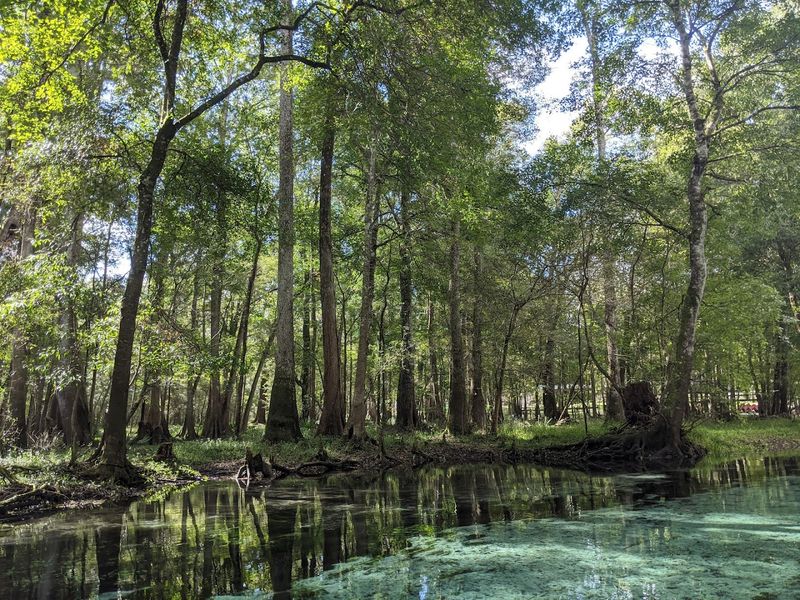
Overnight campers get a completely different spring experience than day visitors. Staying at one of the park’s camping sites means you can hit the springs at sunrise before anyone else arrives, which is absolutely magical.
The campground offers both tent sites and RV spots with 30-amp hookups. Sites stay pretty basic but clean, and you’re just a short walk from both the main spring and the trailheads leading to the other pools.
Early morning swims in perfectly still water with mist rising off the surface create memories that day-trippers simply can’t access. You’ll have the spring practically to yourself for an hour or two before the parking lot starts filling up.
Facilities include restrooms with showers, though some campers mention they could use updates. The trade-off is worth it for that exclusive early access and the chance to experience the park at night when different wildlife emerges.
Camping costs run about $26 after taxes, which is incredibly reasonable considering what you get. Volunteers run the park, giving it a friendly community feel that’s missing from more commercialized destinations. Book ahead for weekends since sites fill up fast during peak season.
8. Restoration Springs Project Areas
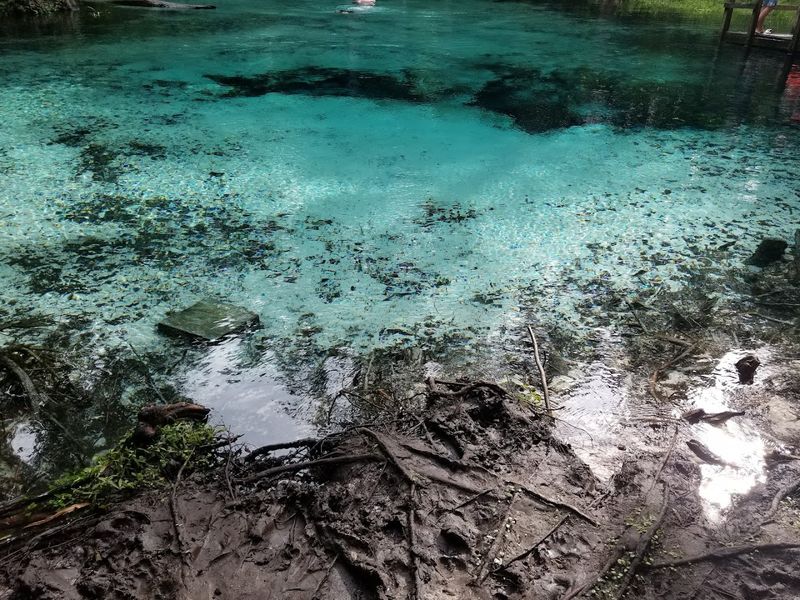
Perhaps the most exciting development at Gilchrist involves the ongoing restoration of springs that had been lost or degraded. Park staff and volunteers are actively working to bring these natural features back to life, giving visitors a chance to witness conservation in action.
Several small springs along the trail system are in various stages of restoration. You’ll see areas where vegetation has been cleared, water flow is being re-established, and the natural spring ecology is slowly recovering.
Educational signage explains what’s happening and why it matters, turning your hike into a learning experience about Florida’s fragile spring ecosystems. Kids especially find this interesting because they can see real environmental work happening, not just read about it in books.
These restoration efforts mean the park will only get better over time. Springs that are roped off now will eventually reopen for viewing or possibly swimming once they’ve recovered sufficiently.
Supporting parks like Gilchrist through your entrance fees directly funds this important work. The $6 parking fee might seem small, but it adds up to make real conservation possible. Watching these springs come back to life reminds us why protecting Florida’s natural water resources matters so much for future generations.