Florida Has Its Own Whitewater Rapids and Almost No One Knows They’re There
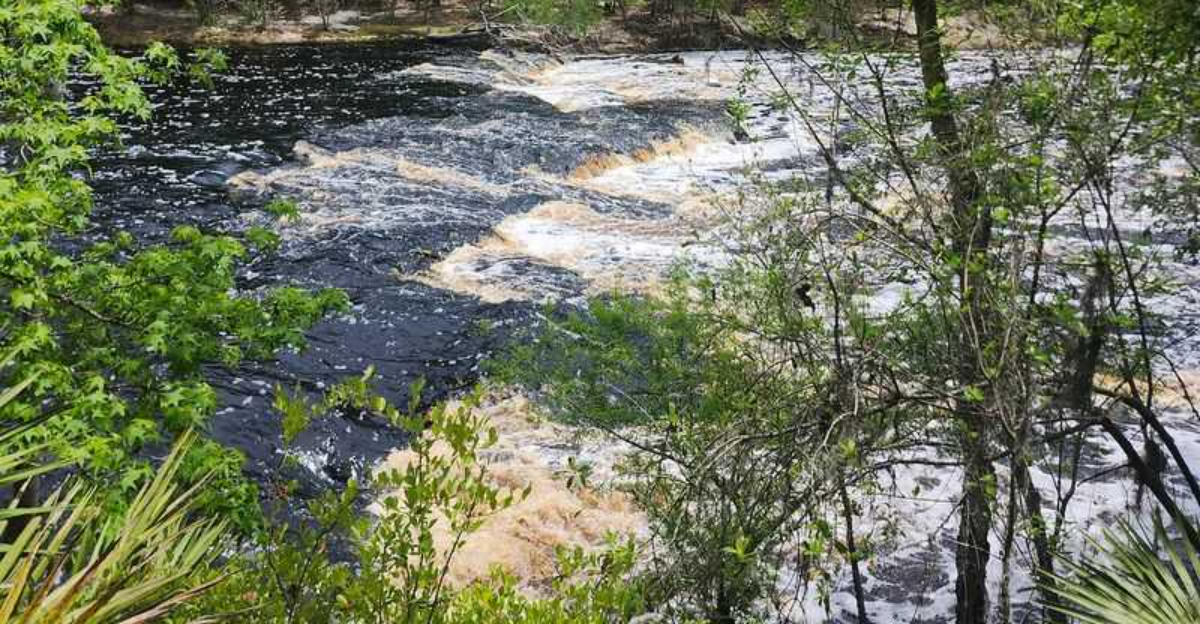
Most people think you need to head to the mountains out west or up north to experience real whitewater rapids. But hidden in the forests of North Florida, the Suwannee River crashes through limestone formations creating the only Class III whitewater rapids in the entire state. Big Shoals State Park near White Springs offers an adventure that feels more like Tennessee than the Sunshine State, with rushing water, dramatic bluffs, and trails that wind through some of Florida’s most unexpected terrain.
1. The Rapids That Shouldn’t Exist in Florida
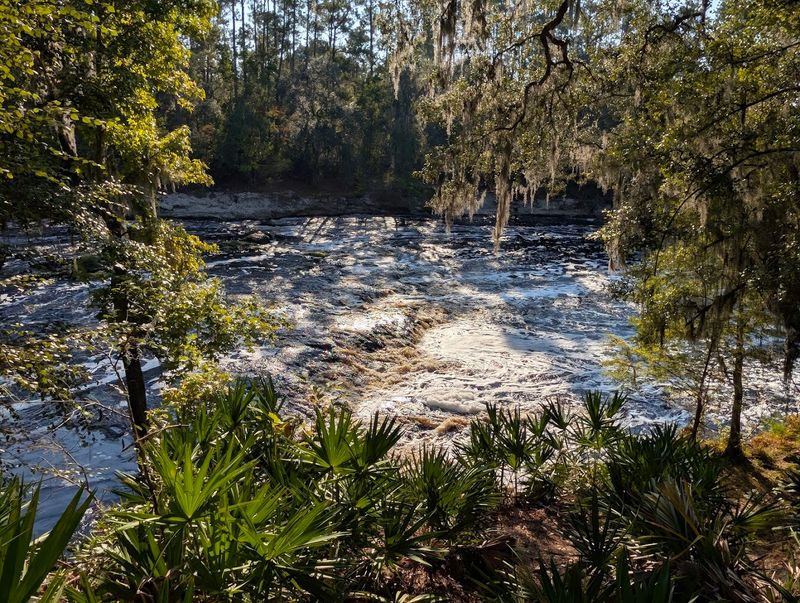
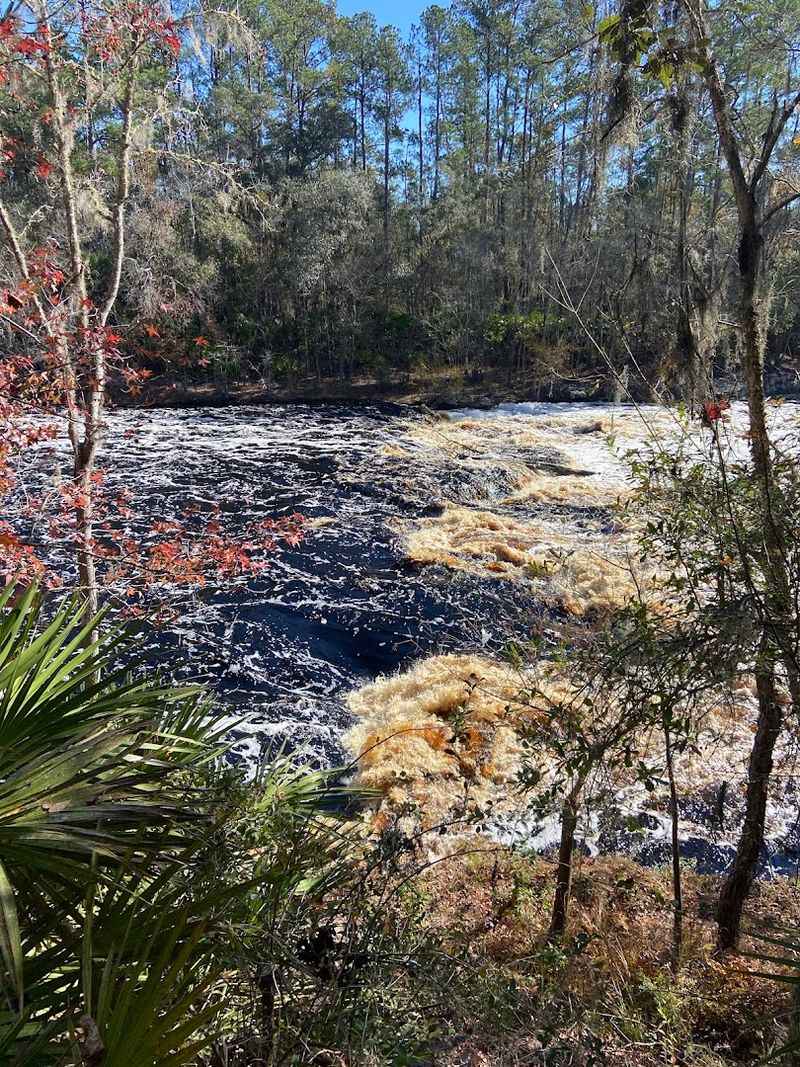
When you picture Florida, whitewater rapids probably aren’t the first thing that comes to mind. Yet here at Big Shoals, the Suwannee River drops dramatically over ancient limestone shelves, creating genuine Class III rapids that kayakers and rafters travel from across the state to experience.
The rapids stretch for about a quarter mile and create a roaring sound you can hear from the trails above. During high water periods, the rapids become even more intense, with waves reaching several feet high as thousands of gallons of water squeeze through the rocky channel.
What makes this spot so unique is the geology underneath. Unlike most of Florida’s flat, sandy terrain, this area features exposed limestone bedrock that creates the perfect conditions for rapids. The river has carved through this rock for thousands of years, forming the dramatic shoals you see today.
Standing on the overlook and watching the water crash through is mesmerizing. The mist rises up from the churning water, and you might even spot adventurous paddlers navigating through the chaos below, making this Florida’s most unexpected natural wonder.
2. Trails That Feel Like a Different State
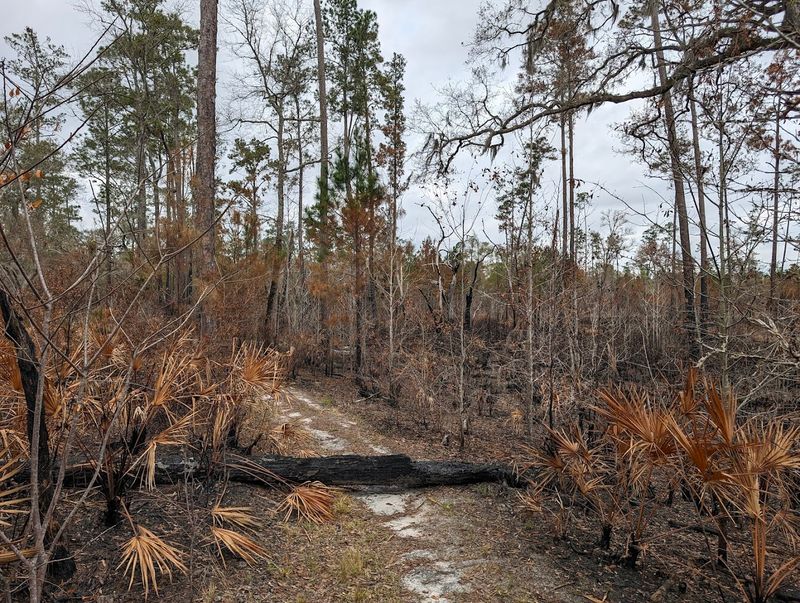
Forget flat boardwalks through swamps. The trails at Big Shoals offer something completely different for Florida, with elevation changes, rocky terrain, and challenging sections that’ll make your legs remember the workout. The main Big Shoals Trail runs about two miles round trip and takes you right to the best viewpoints of the rapids.
Reviewers consistently mention the roots and rocks that cover the trail. You’ll need to watch your footing constantly, especially on the return journey when you’re climbing back up the inclines. Good hiking shoes aren’t optional here, they’re essential for navigating the uneven terrain safely.
The trails wind through beautiful hardwood forests that feel more like North Georgia than North Florida. You’ll pass towering trees, see interesting plant life, and might spot wildlife like turtles, lizards, and various bird species along the way.
Trail markers keep you on track, and informative signs share details about the area’s natural and cultural history. The park offers 28 miles of trails total if you want to explore beyond just the shoals, giving you plenty of options for different skill levels and time commitments.
3. Those Towering Limestone Bluffs
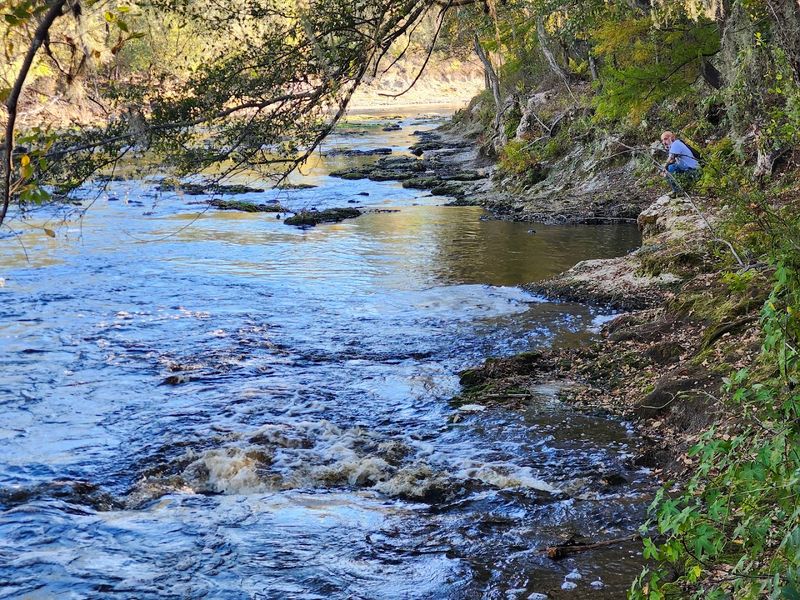
Rising 80 feet above the Suwannee River, the limestone bluffs at Big Shoals create some of the most dramatic scenery in all of Florida. These ancient rock formations tower over the water, offering spectacular views for hikers willing to make the trek.
The bluffs formed over millions of years as the area was covered by prehistoric seas. Layers of shells, coral, and marine sediments compressed into the limestone you see today, and the river has been slowly carving through this rock ever since, creating the cliffs and shoals.
From the top of the bluffs, you get incredible panoramic views of the river, the rapids, and the surrounding forest. It’s one of the few places in Florida where you can truly experience elevation and perspective, looking down on a wild river instead of across a flat landscape.
The combination of height, rushing water below, and dense forest creates a scene that photographs beautifully. Many visitors say this is the most “un-Florida” place they’ve ever visited in the state, and the bluffs are a big reason why the landscape feels so different from typical Florida parks.
4. Kayaking and Rafting Adventures
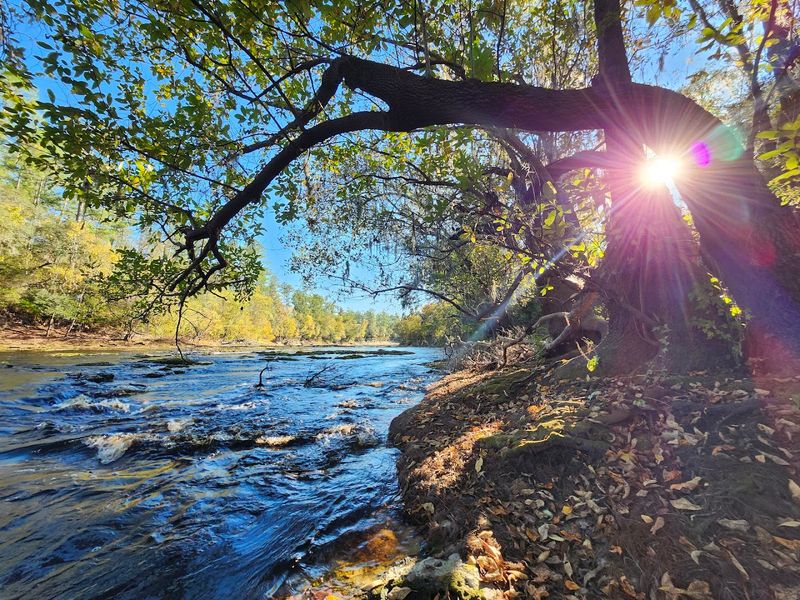
If you’re an experienced paddler looking for a real challenge, Big Shoals offers the most intense whitewater experience Florida has to offer. These Class III rapids aren’t for beginners, and the park recommends only skilled kayakers and rafters attempt to run the shoals.
Several outfitters in the area offer guided trips and equipment rentals for those who want to experience the rapids from water level. Going with a guide is smart if you’re not familiar with reading whitewater or haven’t run rapids before, as the shoals can be dangerous during high water.
The rapids are runnable most of the year, but water levels make a huge difference in the experience. Higher water creates bigger waves and stronger currents, while lower water exposes more rocks and requires more technical maneuvering to avoid obstacles.
Even if you don’t paddle the shoals yourself, watching others navigate through the churning water is entertaining. You’ll see everything from experienced kayakers making it look easy to rafters bouncing through with screams of excitement, all tackling Florida’s wildest water.
5. Wildlife Watching Opportunities
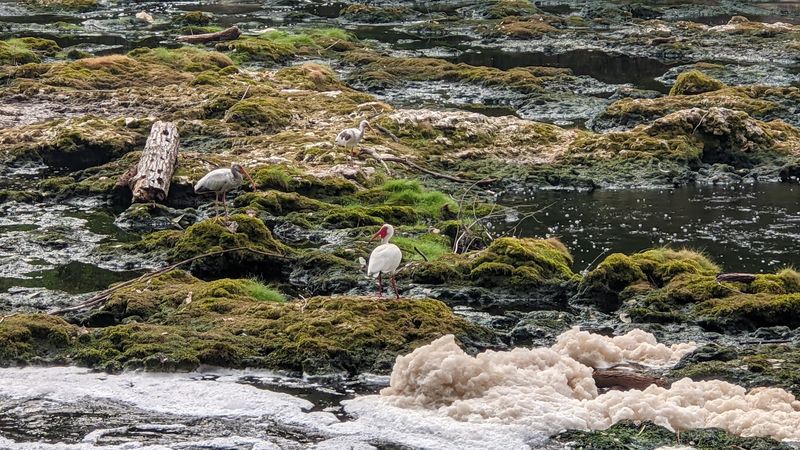
Big Shoals isn’t just about the rapids and trails. The 28,000-acre wildlife management area surrounding the park provides habitat for an impressive variety of Florida animals, making every hike a potential wildlife encounter.
Bird watchers will find plenty to see here, with species ranging from wading birds along the river to forest birds in the canopy above. Bring binoculars and keep your eyes up to spot different species throughout your visit.
Reviewers frequently mention seeing turtles sunning themselves on logs in the river, lizards scurrying across the trail, and various other reptiles. While alligators are less common here than in other Florida waterways due to the river’s current and cooler temperatures, they can occasionally be spotted in calmer sections.
Larger mammals like deer, wild hogs, and even black bears inhabit the surrounding forest, though you’re more likely to see their tracks and signs than the animals themselves. Early morning and late afternoon offer the best chances for wildlife sightings when animals are most active.
Remember this is their home, so keep a respectful distance and never feed wildlife, no matter how tame they might seem.
6. The Road Less Traveled to Get There
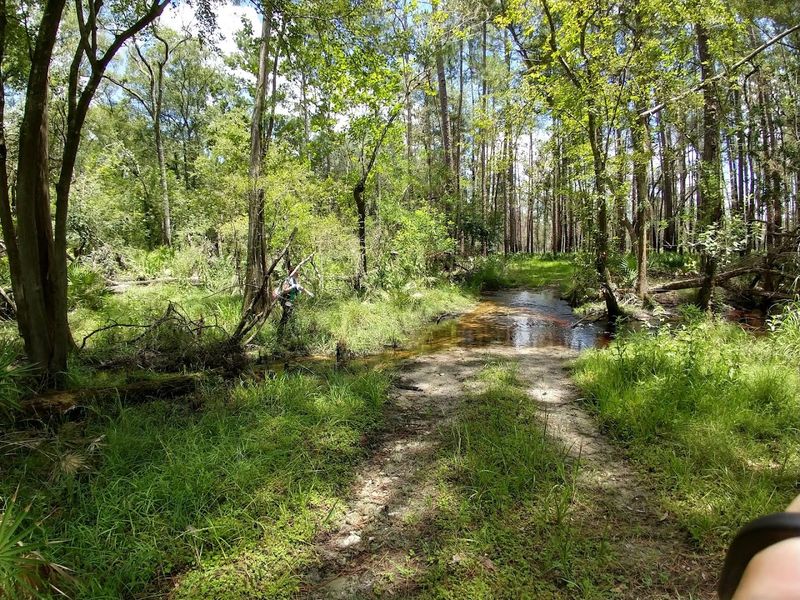
Getting to Big Shoals requires driving on a dirt road, which sounds intimidating but is actually one of the nicer unpaved roads you’ll find in Florida. Multiple reviewers specifically mention how smooth and well-maintained the dirt access road is compared to other Florida parks.
The road stretches for a bit through the forest before you reach the parking area, but it’s flat without the jarring bumps and potholes that plague many backcountry roads. Regular cars can handle it just fine in normal weather conditions, though a heavy rain might make you wish for four-wheel drive.
This dirt road approach adds to the feeling of adventure and remoteness. You’re leaving civilization behind and heading into genuine wilderness, even though you’re only a short drive from the small town of White Springs.
The journey on the dirt road also serves as a transition zone, allowing you to mentally shift from everyday life to nature mode. By the time you reach the parking area, you’ll feel like you’ve traveled much farther than you actually have, which is part of the magic of visiting this hidden gem.
7. Planning Your Visit Wisely
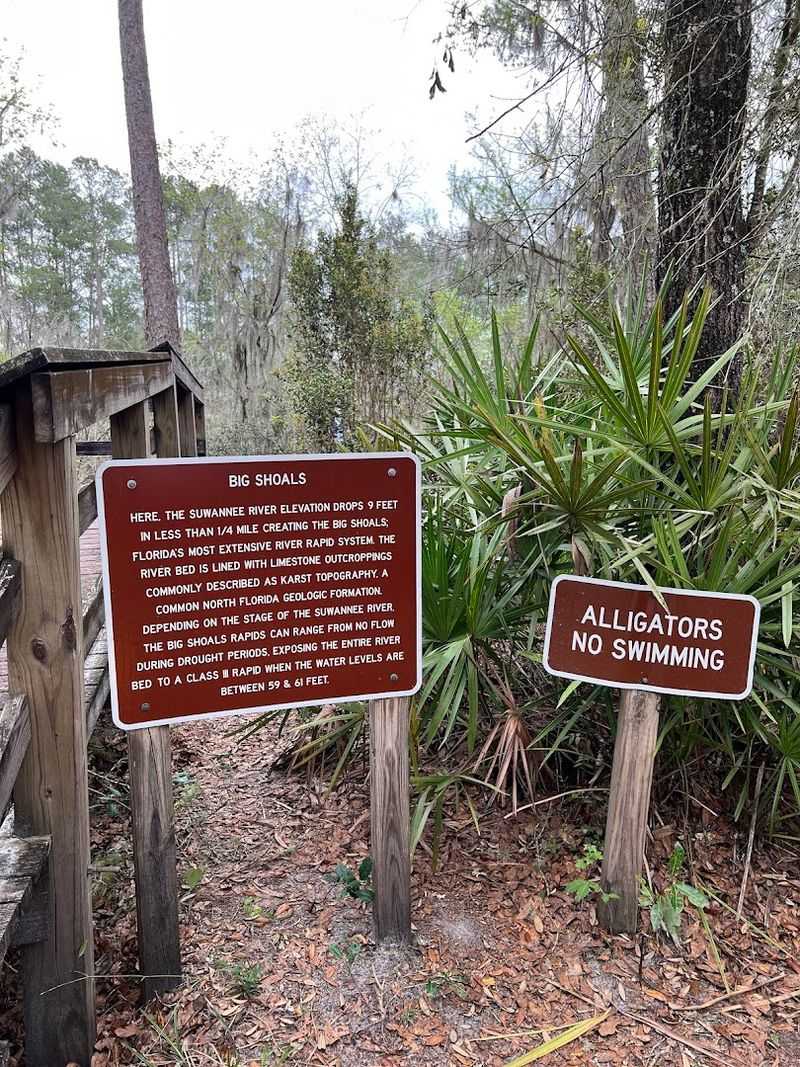
Big Shoals State Park is open daily from 8 AM to 5:30 PM, giving you plenty of daylight hours to explore. Arriving early is smart, especially on weekends, as the small parking area can fill up when the park gets busy.
Bring plenty of water because there aren’t facilities or water fountains along the trails. The hike can be more strenuous than you expect, particularly in Florida’s heat and humidity, so staying hydrated is crucial for an enjoyable experience.
Wear sturdy hiking shoes or boots with good tread. Multiple visitors emphasize this point because the trails are covered with roots and rocks that can easily trip you up or turn an ankle if you’re wearing flimsy footwear.
Bug spray and sunscreen are essential Florida hiking supplies that you’ll definitely need here. While the forest provides shade in many areas, you’ll have exposed sections, and the bugs can be aggressive, especially during warmer months.
If you have mobility issues, be honest about your abilities before attempting the Big Shoals Trail. The inclines on the return trip and uneven terrain make this trail challenging for anyone with limited mobility or balance concerns.
8. Why Almost Nobody Knows About This Place
Despite being Florida’s only significant whitewater rapids, Big Shoals remains relatively unknown even among Florida residents. Its location in the far northern part of the state, nearly to the Georgia border, puts it off the typical tourist path that runs down the center and along the coasts.
White Springs itself is a tiny town that most people drive past without stopping. Unlike Florida’s famous springs and beaches that get constant promotion, Big Shoals doesn’t have the same marketing machine behind it, which actually works in favor of visitors who appreciate quieter natural areas.
The park’s focus on serious outdoor recreation rather than easy accessibility also limits its appeal to casual visitors. There aren’t picnic pavilions, playgrounds, or the amenities that draw families to more developed state parks, which keeps crowds manageable.
This obscurity is honestly part of the charm. When you visit Big Shoals, you’re experiencing something special that most Floridians will never see. You’re part of a smaller group who knows that Florida has way more geographic diversity than its flat reputation suggests, and you’ve made the effort to see it firsthand.