This Florida Beach Is a Hidden Gem for Sea Glass Hunters
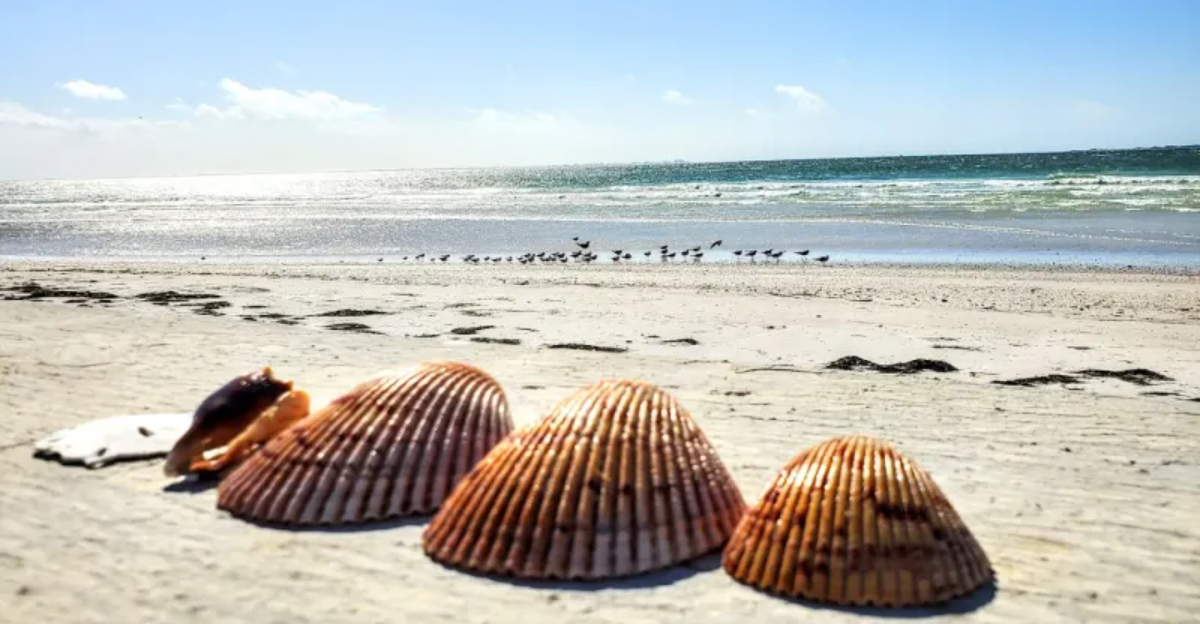
Fort De Soto Park sits on five interconnected islands at the southern tip of St. Petersburg, offering more than just stunning sunsets and calm Gulf waters. While most visitors come for the pristine beaches and historic fort, a dedicated community of sea glass hunters knows this spot holds colorful treasures along its shores. The combination of tidal patterns, protected coves, and decades of wave action creates perfect conditions for discovering these frosted gems that wash up daily, making every beach walk feel like a treasure hunt.
1. North Beach’s Prime Sea Glass Territory
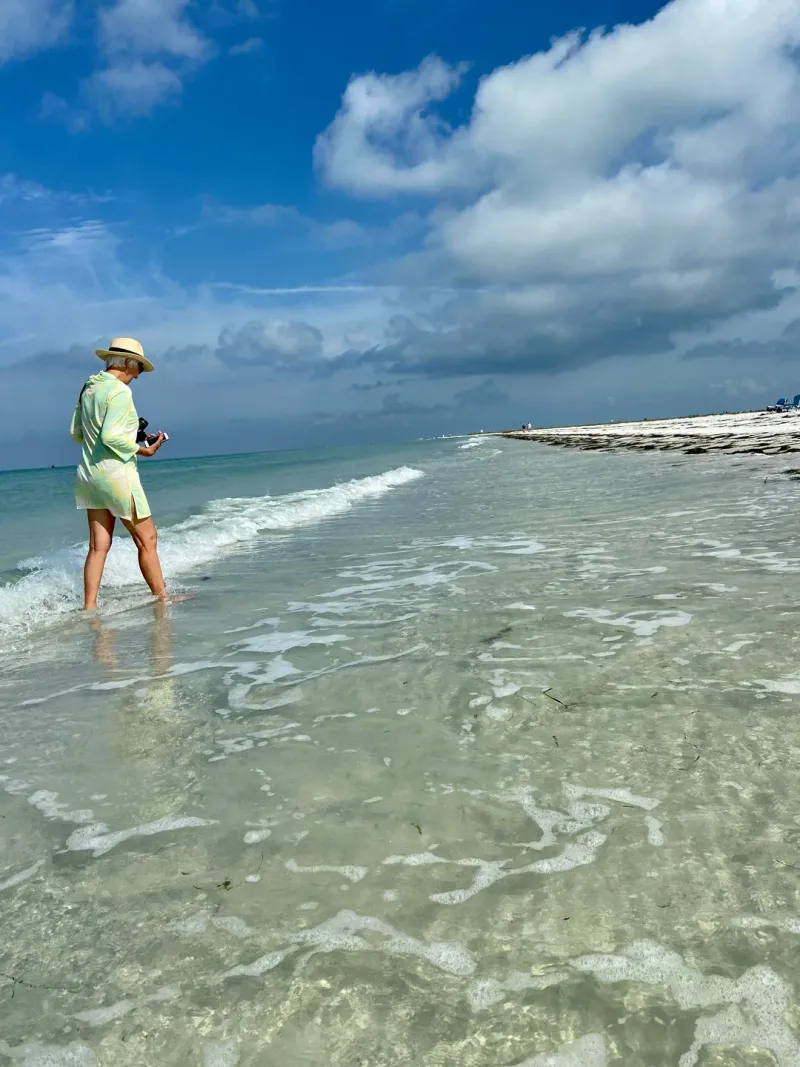
Walking along North Beach at Fort De Soto reveals why serious collectors return here season after season. The beach stretches for nearly a mile with soft white sand that makes spotting colorful glass fragments surprisingly easy. Early morning walks, right after high tide, offer the best chances for fresh finds.
Green and brown pieces appear most frequently, tumbled smooth by years of Gulf currents. White and clear glass comes in second, while blues and rare colors like amber or seafoam create genuine excitement when discovered. The shallow, gradual slope of this beach means waves deposit materials gently rather than scattering them.
Weekday visits typically mean fewer crowds competing for the same treasures. Bring a small mesh bag or container to collect your finds without filling your pockets with wet sand. The parking area sits close to the beach, making it easy to return to your vehicle between searches.
Pay attention to areas where shells accumulate in lines parallel to the shore. Sea glass often settles in these same natural collection zones, mixed among the abundant shell fragments that Fort De Soto is equally famous for among beachcombers.
2. Timing Your Hunt With the Tides
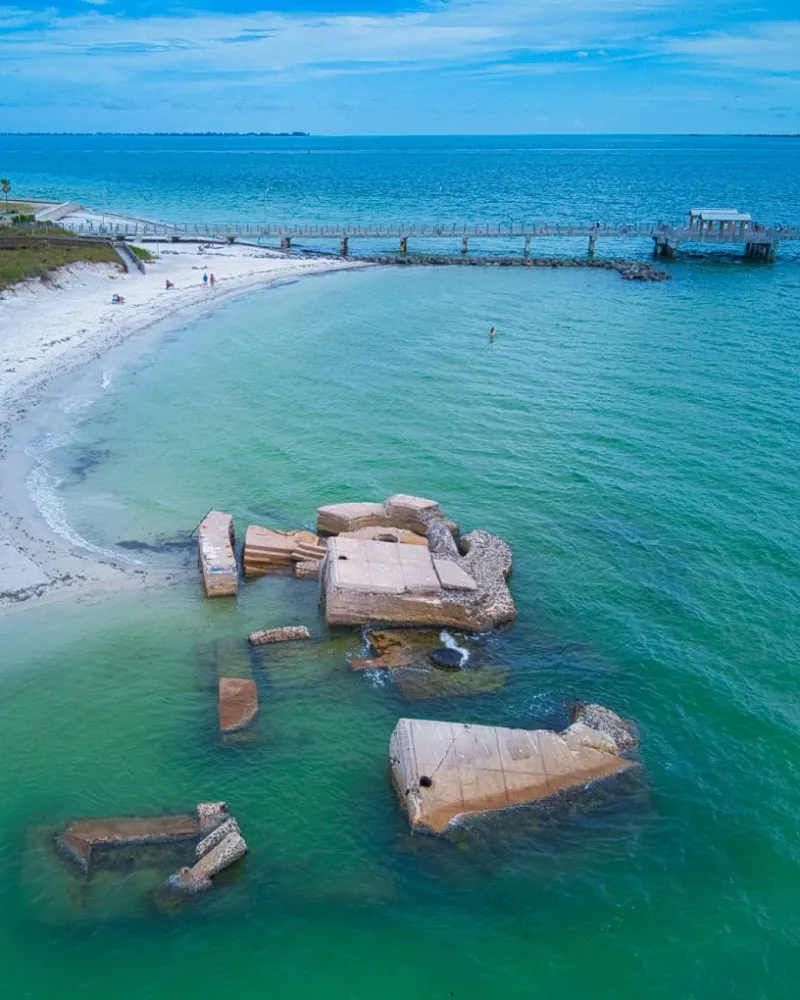
Understanding tidal patterns transforms casual beach walks into productive sea glass expeditions at Fort De Soto. The receding tide exposes fresh sections of beach that were underwater for hours, bringing new glass pieces within reach. Check local tide tables before visiting, aiming to arrive about an hour after high tide peaks.
Spring tides, occurring during full and new moons, create the most dramatic water level changes. These stronger tides churn up materials from deeper water and deposit them on shore. Storm activity anywhere in the Gulf can also shake loose glass from the seafloor, making post-storm visits particularly rewarding.
Winter months bring calmer seas but also expose different beach sections due to seasonal sand shifts. Summer’s afternoon thunderstorms can refresh the hunting grounds multiple times per week. Each season offers unique advantages for dedicated collectors willing to time their visits strategically.
Low tide reveals rocky areas and sandbar edges where heavier glass pieces settle. These zones stay hidden during higher water levels, so exploring during the lowest tides of each month can yield special finds that other hunters miss entirely.
3. East Beach’s Hidden Collecting Spots
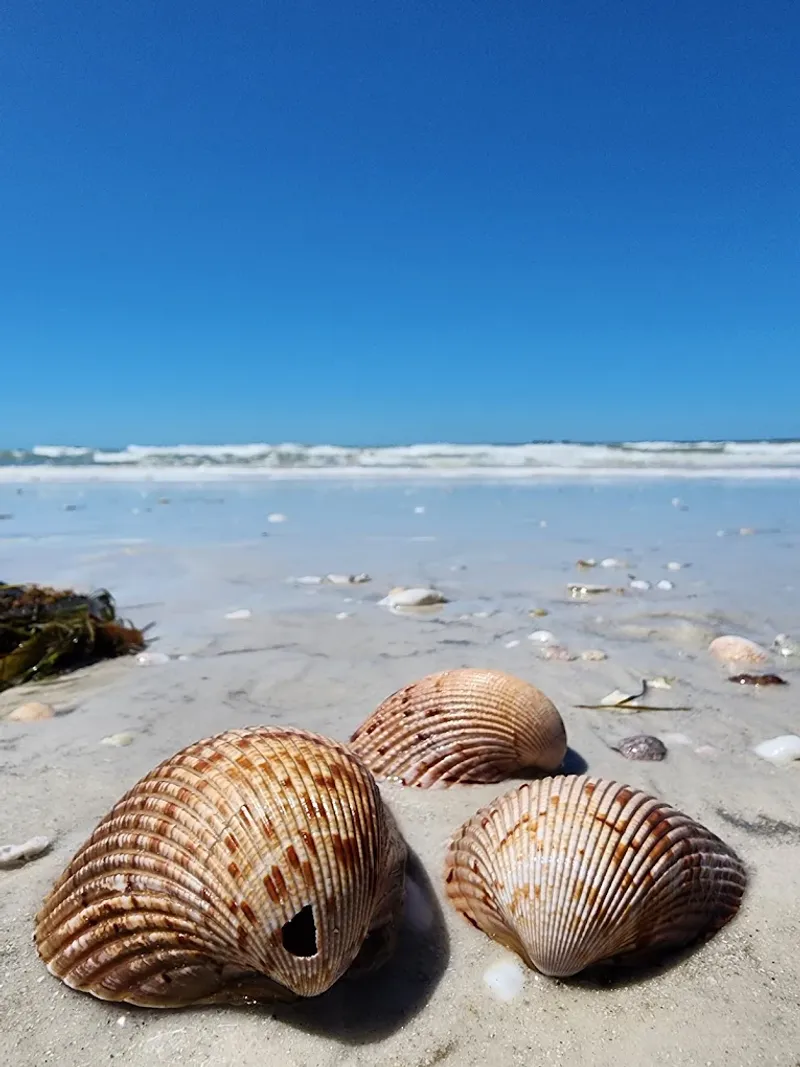
East Beach offers a quieter alternative to the more popular North Beach, with equally impressive sea glass potential for those willing to explore. The beach curves around protected waters where currents slow down, allowing glass to settle rather than being swept away. This creates concentrated pockets of finds in certain areas.
Rocky outcroppings along portions of East Beach act as natural traps for sea glass. Water flows around these formations, depositing heavier materials in the calmer zones behind them. Check both sides of any rock clusters you encounter, as glass accumulates differently depending on current direction.
The eastern exposure means morning sun illuminates the beach perfectly for spotting glass fragments. Afternoon shade from Australian pines makes summer hunts more comfortable but slightly more challenging for visibility. Bring polarized sunglasses to reduce glare and help colorful pieces stand out against the sand.
Fewer beachgoers on East Beach means less competition, but it also means you’re more likely to be the first person walking a section after the tide goes out. This advantage alone makes the slightly longer walk from parking areas worthwhile for serious collectors.
4. What Makes Fort De Soto Glass Special
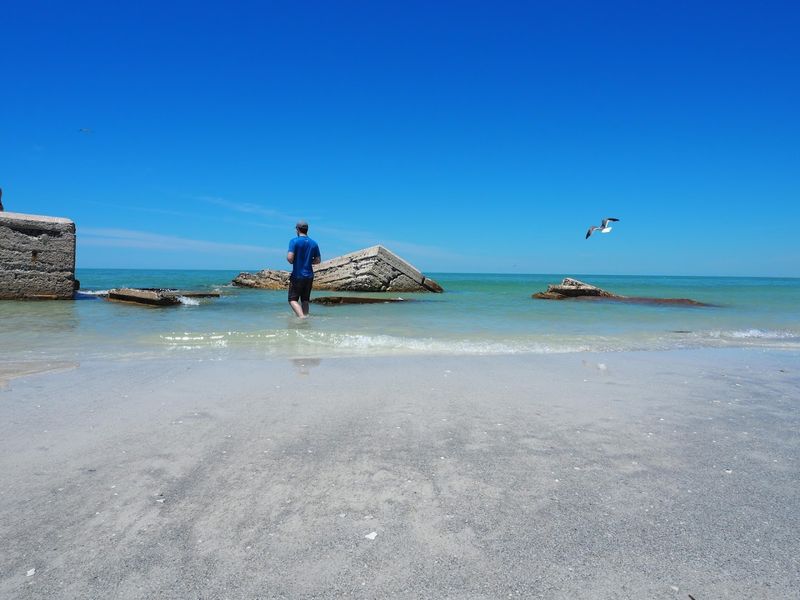
Fort De Soto’s sea glass carries stories from decades of maritime history in Tampa Bay. Glass bottles from old fishing vessels, vintage soda containers, and even pieces from the Spanish-American War era occasionally surface. The age of many fragments means they’ve been tumbled for years, creating that perfectly frosted appearance collectors prize.
The variety of colors found here exceeds what many Florida beaches offer. Standard greens and browns mix with aqua from vintage Mason jars, cobalt blue from medicine bottles, and occasional purple pieces from old glass that changed color through sun exposure and manganese content. Each piece represents a small mystery about its origin.
Size ranges from tiny fragments perfect for jewelry making to palm-sized chunks that work beautifully in home decor. The Gulf’s relatively gentle wave action compared to Atlantic beaches means pieces retain more of their original shape. You might find bottle necks, bases with embossed lettering, or curved fragments that hint at their former containers.
Local artists often incorporate Fort De Soto sea glass into their work, creating a small but passionate community around these coastal treasures. Some collectors focus on specific colors while others simply enjoy the meditative process of searching.
5. Essential Gear for Successful Hunting
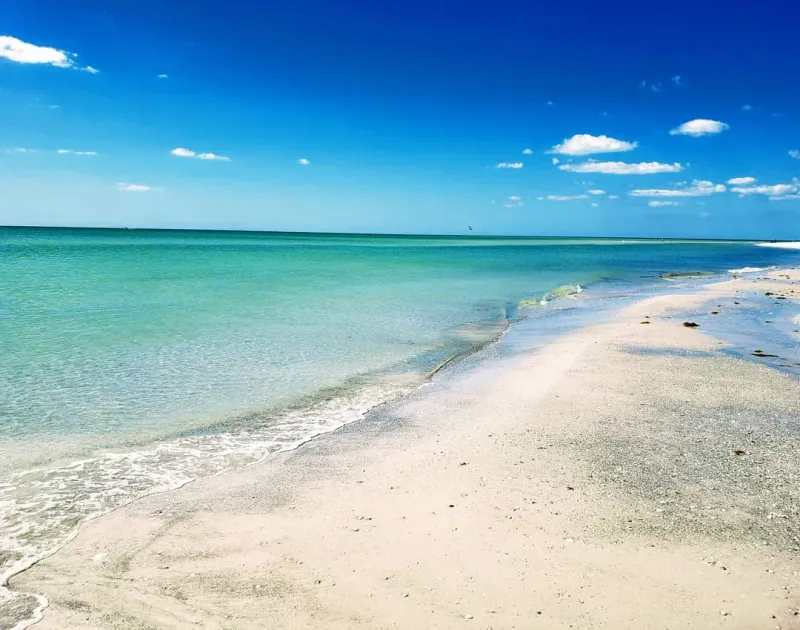
Proper equipment makes sea glass hunting at Fort De Soto more productive and enjoyable. Start with a small mesh bag or perforated container that lets sand and water drain while keeping your finds secure. Zippered pockets work but get heavy and uncomfortable when wet.
Some hunters prefer clear containers to sort colors as they go.
Polarized sunglasses are game-changers for spotting glass fragments. They cut through surface glare on wet sand and shallow water, making colorful pieces pop visually. Choose wraparound styles that block side light for maximum effectiveness.
A wide-brimmed hat provides additional shade and reduces eye strain during long searches.
Comfortable water shoes protect your feet while allowing you to wade into shallow areas where glass often accumulates. Flip-flops work but can be cumbersome when walking long distances or moving quickly. Some collectors swear by sand scoops or small rakes for sifting through shell piles, though these aren’t necessary for casual hunting.
Don’t forget sun protection, drinking water, and a small towel. The six-dollar parking fee is cash or card at the entrance, so come prepared. A phone with a tide app helps you track optimal hunting times throughout your visit.
6. The Historic Fort Area’s Unique Finds
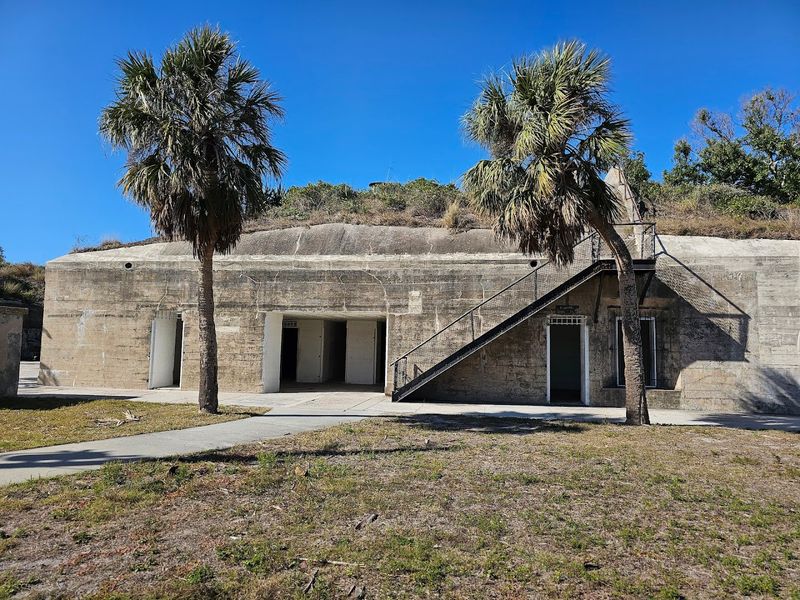
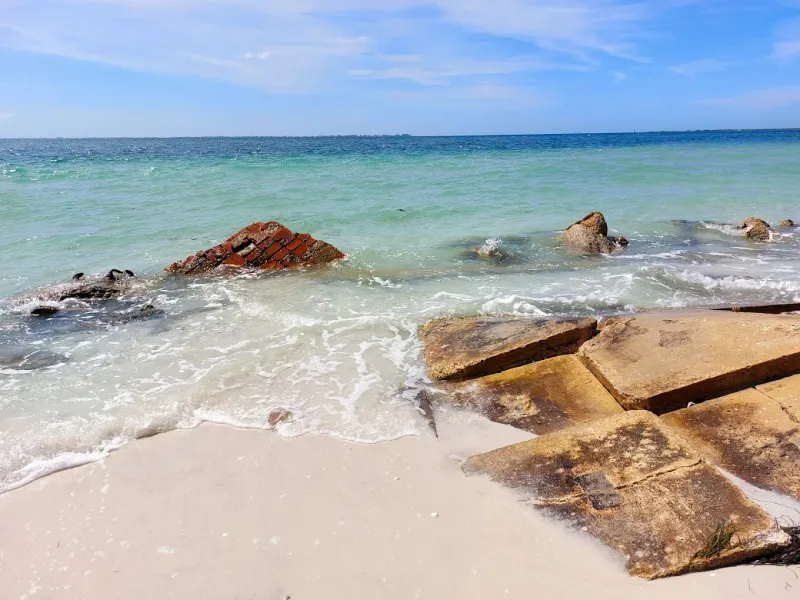
The beach areas surrounding the historic fort structure offer a fascinating twist on traditional sea glass hunting. This section of Fort De Soto combines military history with beachcombing, as the fort dates back to the Spanish-American War era. Glass fragments found near these historic structures might have origins in century-old bottles used by soldiers stationed here.
Waves and currents interact differently with the fort’s seawalls and beach structures, creating unique deposition patterns. Glass tends to collect in corners where walls meet sand, and along the base of the old fortifications. These man-made features essentially function as large-scale versions of the natural rock formations that trap sea glass elsewhere in the park.
After exploring the fort itself, walk the adjacent beaches while keeping an eye out for older, more historically significant pieces. Some collectors have found glass with embossed military insignias or pharmaceutical markings from the early 1900s. While most finds are more recent, the possibility of discovering something with genuine historical connection adds extra excitement.
The fort area includes convenient facilities like restrooms and a small gift shop, making it easy to take breaks during extended hunting sessions. Shaded picnic areas nearby provide perfect spots to examine and sort your collection.
7. Respecting the Park and Fellow Hunters
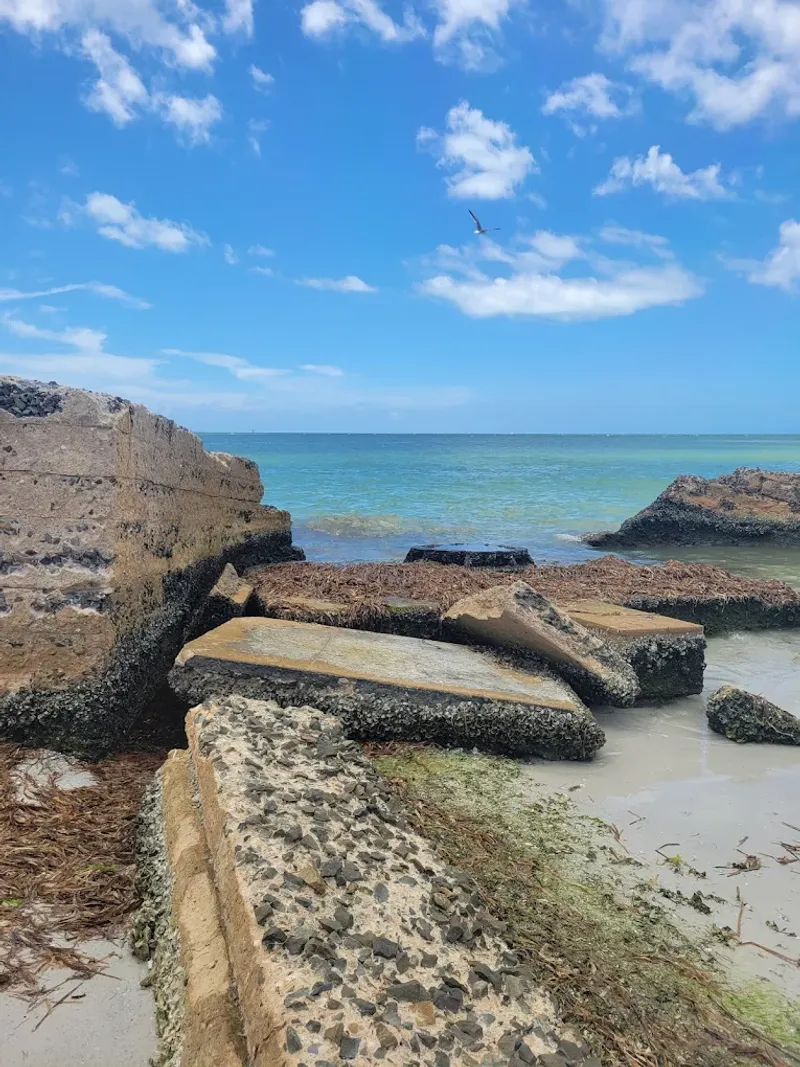
Fort De Soto Park maintains its beauty through careful conservation and visitor respect. Sea glass hunting falls under the category of shell collecting, which is permitted, but take only what you’ll genuinely use or treasure. The park’s ecosystem depends on maintaining natural balances, so avoid disturbing vegetation, nesting birds, or wildlife while searching.
Certain beach areas close seasonally to protect nesting shorebirds and sea turtles. Respect all posted signs and barriers, even if you spot promising glass beyond them. These restrictions help preserve the very natural environment that makes Fort De Soto special.
Your patience ensures future generations can enjoy both the wildlife and the sea glass hunting.
When encountering other collectors, maintain friendly spacing and avoid crowding productive areas. The beach offers plenty of room for everyone, and the communal aspect of sharing tips or admiring finds enhances the experience. Many regular visitors form casual friendships through their shared hobby.
Pack out everything you bring in, and consider picking up any trash you encounter even if it’s not yours. Plastic bottle caps, fishing line, and other debris harm wildlife and detract from the park’s natural beauty. Leave each beach section cleaner than you found it.
8. Turning Your Finds Into Treasures
Once you’ve collected sea glass from Fort De Soto, the creative possibilities are endless. Many hunters enjoy the search itself, but transforming finds into keepsakes or gifts adds another dimension to the hobby. Simple projects like filling clear vases or jars with sorted colors create beautiful home decor that reminds you of successful beach days.
Jewelry making represents the most popular use for quality sea glass pieces. Drill small holes for wire wrapping, or use jewelry glue and bail findings to create pendants. Green and brown pieces work beautifully in earthy designs, while rare blues become statement pieces.
Local craft stores carry all necessary supplies, and online tutorials make learning basic techniques straightforward.
Picture frames, candle holders, and mosaic projects offer ways to use smaller fragments and less perfectly shaped pieces. Mix Fort De Soto sea glass with shells from the same beach for cohesive coastal themes. Some crafters create shadow boxes documenting their finds by date or location, building a visual diary of their collecting adventures.
Before starting any project, clean your sea glass thoroughly with soap and water. A soft brush removes stubborn sand from crevices. Dry pieces completely before storing or crafting to prevent mildew in humid Florida climate.