Most Florida Locals Have Never Been to These 12 Stunning Spots
Florida is famous for its beaches and theme parks, but some of the state’s most incredible places remain nearly invisible to the people who actually live here. These aren’t your typical tourist traps or crowded hotspots. They’re wild, weird, and wonderfully off the beaten path—places that feel more like secrets than destinations.
Whether you’ve lived in Florida your whole life or just a few years, chances are you’ve never set foot in most of these stunning spots.
1. Price’s Scrub State Park
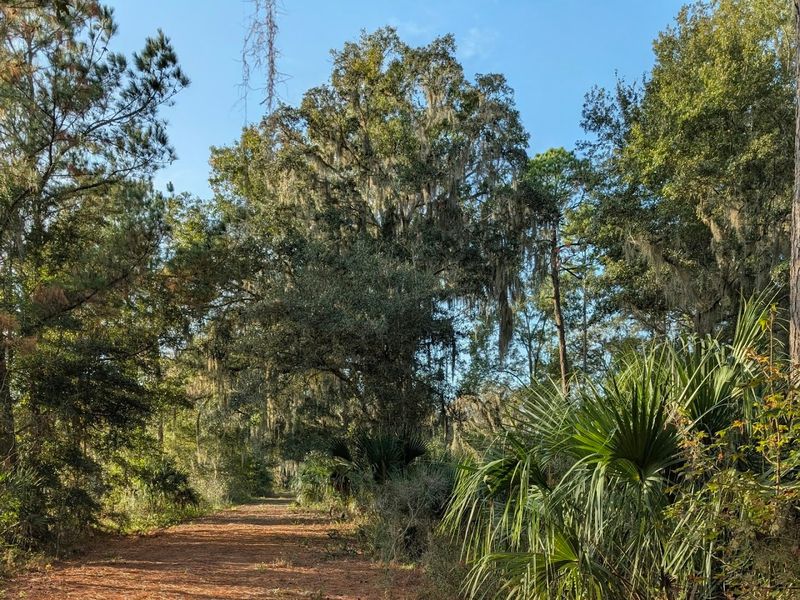
Tucked away in the Ocala area, this park feels like stepping into a time machine. The sandy trails wind through one of Florida’s oldest and most threatened ecosystems, where scrub jays dart between stunted oaks and the air smells like warm pine.
There’s no gift shop, no food truck, and hardly any people. That’s the whole point. Price’s Scrub is a biodiversity hotspot that most folks drive right past on their way to Silver Springs or the National Forest.
The terrain here is surprisingly rugged for Florida—soft white sand that makes your calves work, open skies, and a kind of quiet that feels almost extinct. You might see gopher tortoises, hear the raspy call of a scrub jay, or just enjoy the fact that you’re surrounded by something genuinely rare.
If you’re tired of selfie crowds and want to experience what Florida looked like before the condos, this is your spot. Just bring water, sunscreen, and a sense of curiosity.
2. Fakahatchee Strand Preserve State Park
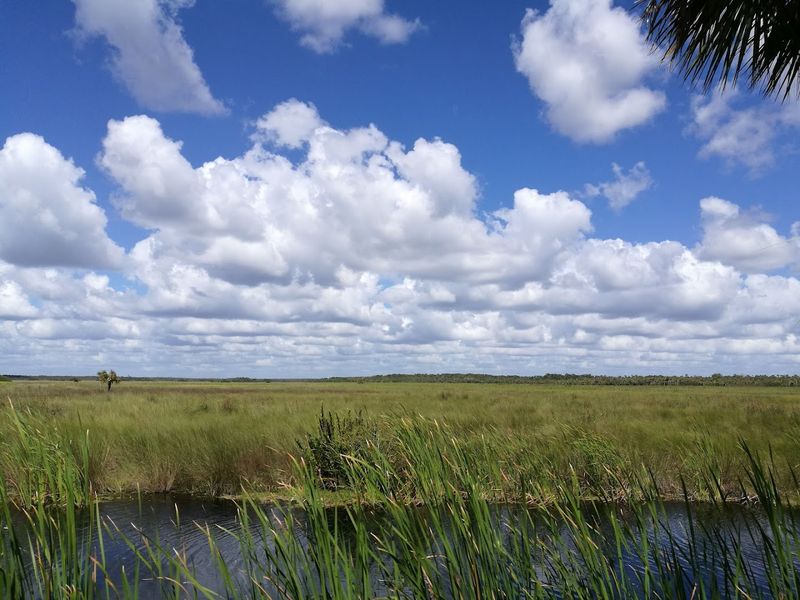
Welcome to Florida’s largest state park—and arguably its wildest. Fakahatchee Strand sits on the edge of the Everglades and feels more like a lost world than a day trip destination.
This place is famous among botanists for its rare ghost orchids and royal palms, but most locals have never even heard of it. The swamp trails here are deep, muddy, and alive with wildlife. You’re not just walking through nature—you’re wading into it.
The boardwalk at Big Cypress Bend is the easiest entry point, but the real magic happens when you venture deeper. Alligators sun themselves on logs, wading birds stalk through the shallows, and the air hums with insects and life.
It’s not Instagram-pretty in the traditional sense. It’s raw, humid, and unpolished. But if you want to see what Florida looked like before roads and drainage canals carved it up, Fakahatchee is as close as you’ll get without a time machine.
3. Hontoon Island State Park
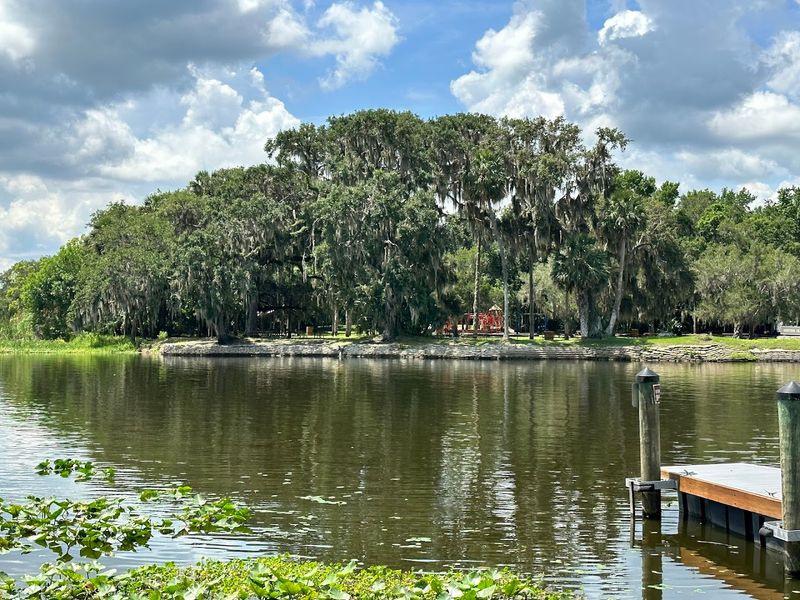
Most people zoom past this place on Highway 44 without a second thought. That’s because Hontoon Island isn’t accessible by car—you need a boat or the park’s little ferry to reach it.
Once you arrive, you’ve got over 1,600 acres of secluded island wilderness all to yourself. There are trails through oak hammocks, a historic Native American site, and riverfront views that feel almost prehistoric. The St. Johns River winds lazily around the island, and the only sounds are birds, wind, and water.
It’s the kind of place where you can camp under the stars and not hear a single car horn. Paddlers love it. Anglers love it.
Anyone who craves solitude loves it.
The ferry runs on a schedule, so plan ahead. But once you’re there, time slows down in the best way. No crowds, no noise, just pure old Florida vibes wrapped in Spanish moss and river breeze.
4. Cedar Key Scrub State Reserve
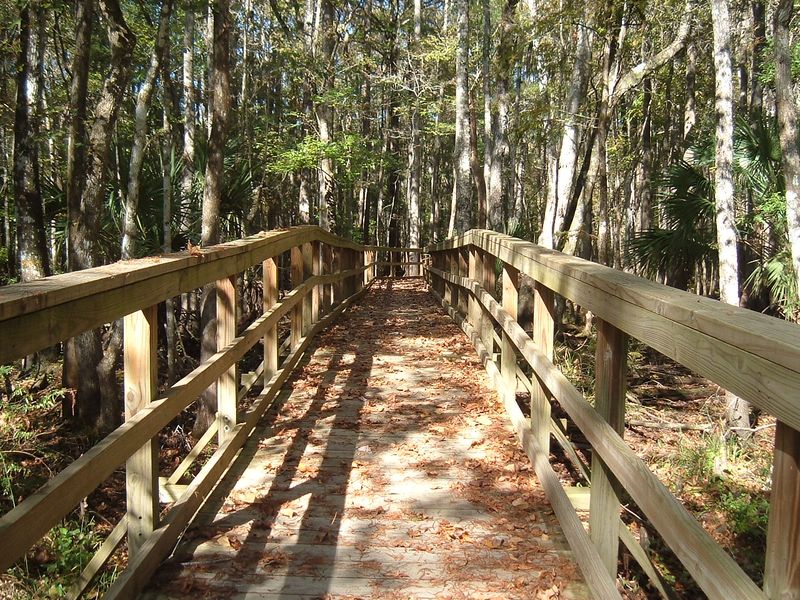
Forget what you think Florida looks like. Cedar Key Scrub feels more like the Southwest than the Sunshine State—white sugar sand ridges, scrubby vegetation, and a landscape so rare it’s almost eerie.
This reserve protects one of the most endangered ecosystems in North America. It’s not flashy. There are no waterfalls or overlooks.
Just miles of sandy trails, blazing sun, and the kind of quiet that makes you hear your own heartbeat.
The sand here is so fine it squeaks under your boots. The plants are tough, twisted, and adapted to survive in what’s essentially a desert by the sea. You might spot a gopher tortoise, a scrub lizard, or if you’re very lucky, a Florida scrub jay.
Most people visit Cedar Key for the quirky downtown and seafood shacks, then leave. But if you take the time to explore the scrub reserve, you’ll see a side of Florida that feels completely alien—and absolutely worth protecting.
5. Lake June-in-Winter Scrub Preserve
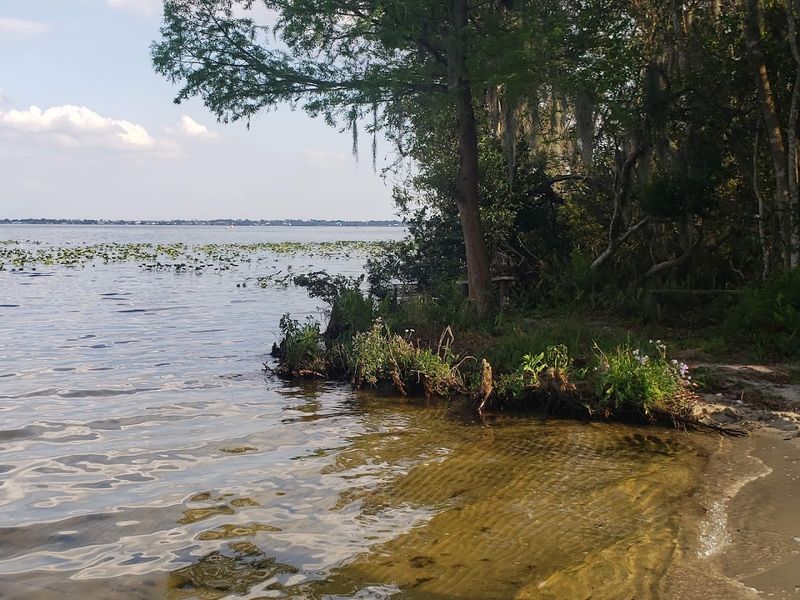
The name alone sounds made-up, but Lake June-in-Winter is very real—and very overlooked. This preserve sits in central Florida and protects a bird-heavy ecosystem that’s home to several endangered species.
It’s quiet, remote, and wonderfully weird. The landscape doesn’t scream “Florida” in the typical palm-tree-and-beach way. Instead, you get sandy ridges, scrub oaks, and a sense that you’ve wandered into a different state entirely.
Birders flock here (pun intended) for rare sightings, but even casual hikers will appreciate the solitude. The trails are soft underfoot, the skies are wide open, and the only soundtrack is wind and birdsong.
There’s something meditative about walking through a landscape that most people ignore. Lake June-in-Winter doesn’t try to impress you with waterfalls or dramatic vistas. It just exists, quietly doing its thing, and invites you to slow down and notice.
If you’re tired of crowded state parks and want something truly off the radar, this is your spot.
6. Torreya State Park
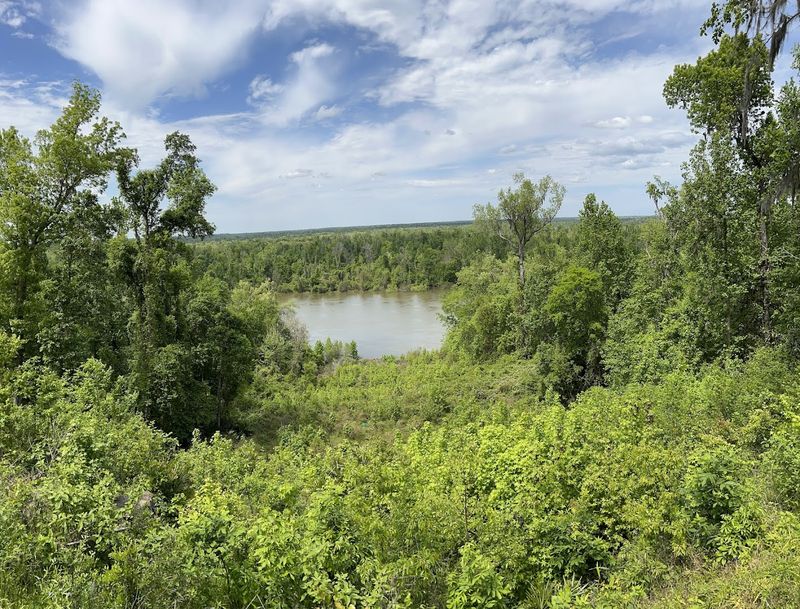
Cliffs in Florida? Yep, they exist—and they’re spectacular. Torreya State Park sits in the Panhandle and offers something most Floridians have never seen: massive bluffs overlooking the Apalachicola River.
The park is also home to one of the rarest tree species in the United States—the Torreya tree, which is teetering on the edge of extinction. Walking these trails feels like exploring a forgotten corner of Appalachia, not the flatlands of Florida.
The views from the bluffs are stunning, especially in the cooler months when the air is crisp and the river shimmers below. There’s also a historic plantation home and miles of trails that wind through ravines and hardwood forests.
Because it’s so far north and off the typical tourist path, Torreya stays blissfully uncrowded. You can hike for hours without seeing another soul. It’s rugged, beautiful, and proof that Florida has way more geographical diversity than most people realize.
7. Egmont Key State Park
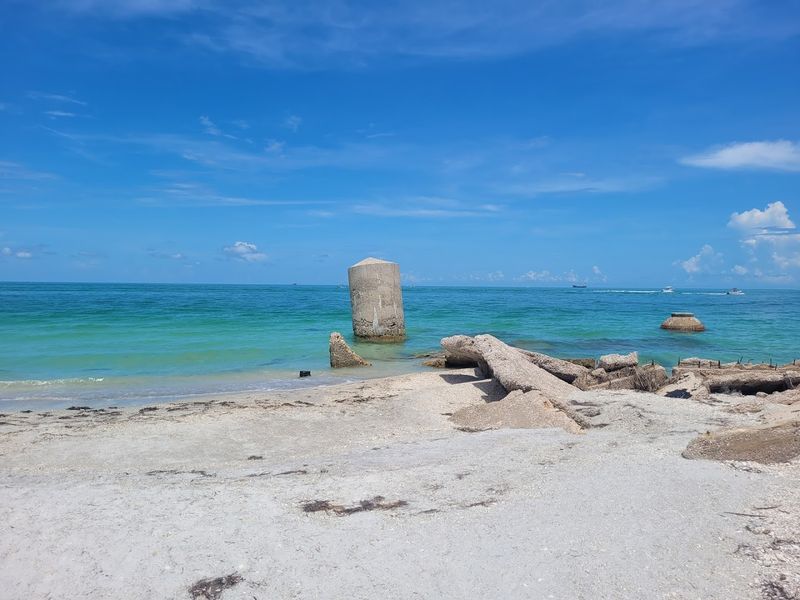
Egmont Key is one of those places locals have heard about but rarely visit. You can only reach it by boat, which immediately filters out the casual crowd.
The island is home to historic ruins from an old fort, a lighthouse, and beaches that feel almost deserted. Gopher tortoises roam freely, and the snorkeling offshore is surprisingly good. It’s like a mini adventure just offshore from one of Florida’s busiest metro areas.
There’s something surreal about standing on an island you can walk across in twenty minutes, surrounded by open water and history. The fort ruins are slowly being reclaimed by nature, and the whole place has a quiet, forgotten vibe.
Most Tampa Bay residents have never made the trip, even though it’s just a short boat ride away. If you’ve got access to a boat—or can book a charter—Egmont Key is worth the effort. Pack a cooler, bring some snorkel gear, and enjoy having a near-private island for the day.
8. Paynes Creek Historic State Park
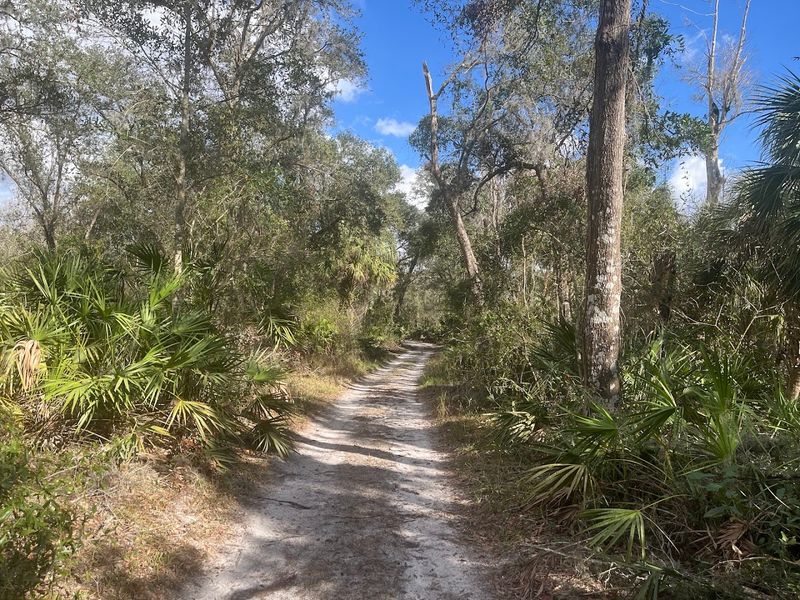
Paynes Creek feels like a place time forgot. This small historic park in central Florida preserves the site of an old trading post and the memory of Florida’s frontier days.
The trails here are deep, shaded, and eerily quiet. You won’t find crowds or Instagram backdrops—just moss-draped oaks, the remnants of a forgotten settlement, and the kind of solitude that makes you think.
There’s a small museum and some interpretive signs, but the real draw is the atmosphere. Walking these trails feels like stepping into a different era, when Florida was wild, untamed, and dangerous. It’s a great spot for history buffs or anyone who wants to escape the modern world for a few hours.
Paynes Creek isn’t flashy, and it doesn’t try to be. It’s a quiet, contemplative place that rewards visitors who appreciate subtlety over spectacle. Bring a book, pack a lunch, and enjoy the rare gift of true peace and quiet.
9. Marjorie Kinnan Rawlings Historic State Park
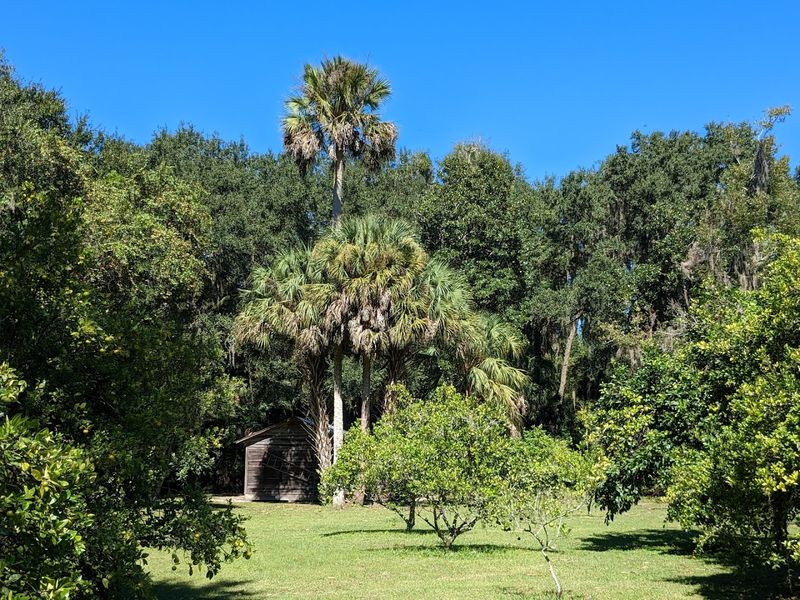
Ever read “The Yearling”? This is where it was born. Marjorie Kinnan Rawlings was a Pulitzer Prize-winning author who lived in this Cross Creek homestead in the 1930s, and the state has preserved it beautifully.
Walking through her home and yard feels like stepping into a novel. The old farmhouse, the citrus groves, the chickens wandering around—it’s all oddly immersive and deeply peaceful. You can almost hear the typewriter clacking on the porch.
This isn’t a place most people stumble upon by accident. It’s niche, literary, and appeals to a specific kind of traveler—the kind who loves stories, history, and quiet reflection. The tours are informative without being stuffy, and the grounds are perfect for a slow, thoughtful stroll.
If you’ve got a literary streak or just want to see a slice of old Florida that’s been lovingly preserved, Rawlings’ homestead is a hidden gem. It’s not about thrills—it’s about connection, memory, and place.
10. Big Cypress Backcountry
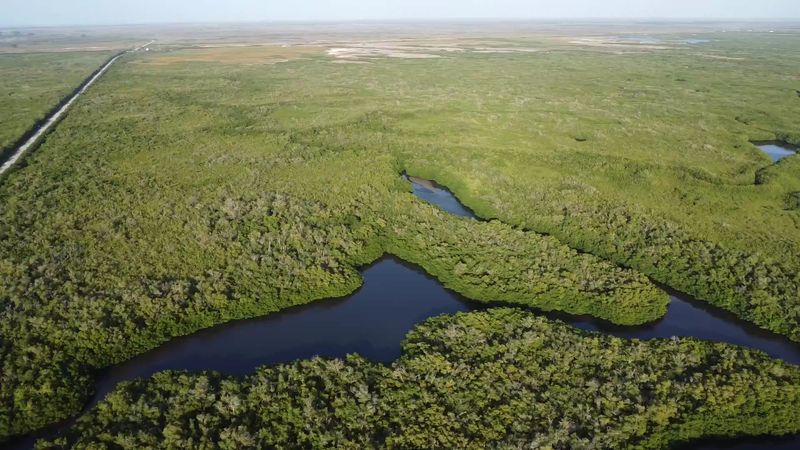
Most visitors to Big Cypress never leave their cars. They pull over at the roadside stops, snap a photo, and keep driving. But the real magic happens when you venture deeper into the backcountry.
We’re talking about over 700,000 acres of raw swamp wilderness—gators, panthers, endless sawgrass, and water as far as you can see. It’s not easy to explore. You need a canoe, a kayak, or serious hiking boots and a tolerance for mud.
But if you’re willing to put in the effort, the backcountry rewards you with solitude and wildness that’s increasingly rare in Florida. You can paddle for hours without seeing another human. You can camp on chickees under a sky so dark the stars feel close enough to touch.
This isn’t a place for casual tourists. It’s for adventurers, nature lovers, and anyone who wants to experience Florida the way it existed before roads and development carved it up. Just respect the wilderness—and the wildlife.
11. Dry Tortugas
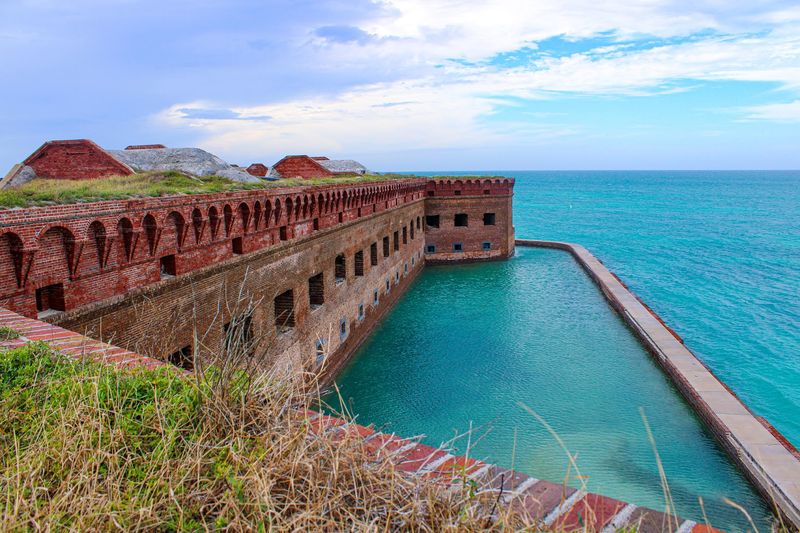
Yes, Dry Tortugas is technically famous—but how many Florida locals have actually been there? Very few. The effort required to reach this remote island park keeps most people away.
You need to take a boat or seaplane to get there, and the trip isn’t cheap. But once you arrive, you’re rewarded with crystal-clear water, historic Fort Jefferson, and some of the best snorkeling in the state. It’s like stepping into a postcard that’s somehow still real.
The fort itself is massive and hauntingly beautiful. The water is so clear you can see fish darting around your feet. And because visitor numbers are limited, the experience feels exclusive without being pretentious.
Most Floridians talk about wanting to visit Dry Tortugas someday. But someday never comes for most people. If you’re serious about exploring your own state, make this trip a priority.
It’s one of those bucket-list spots that actually lives up to the hype.
12. The Florida Scrub Ecosystem
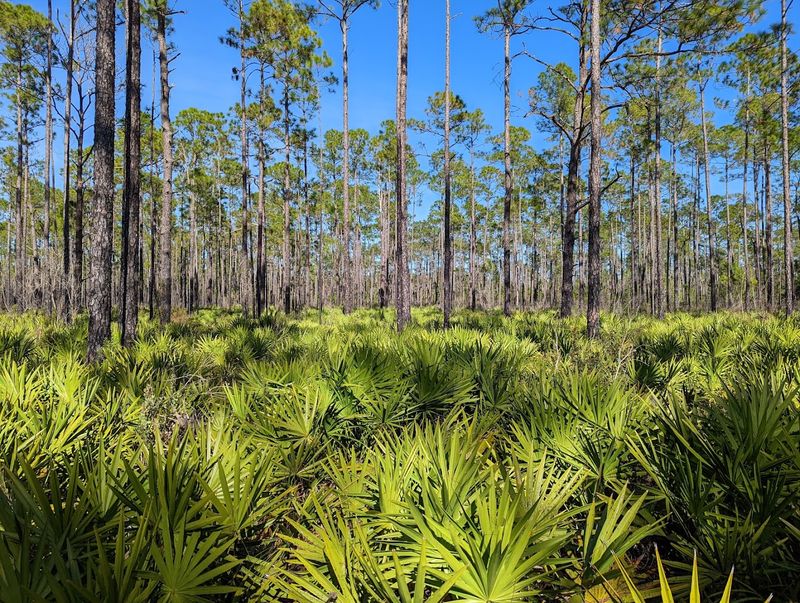
This isn’t a single place—it’s an entire ecosystem, and one of the most endangered in the entire state. Florida scrub habitat once covered huge swaths of the peninsula, but now it’s scattered across small preserves that most people ignore.
Places like Goethe State Forest and other connected preserves protect these rare landscapes, which are home to species found nowhere else on Earth. The terrain is sandy, dry, and almost desert-like, with twisted oaks and palmettos that look like they belong in a different state.
Walking through scrub habitat feels otherworldly. It’s quiet, stark, and weirdly beautiful. You won’t see waterfalls or dramatic vistas, but you’ll see something far rarer—an ecosystem on the brink, still fighting to survive.
Tourists ignore it completely. Even most locals have no idea it exists. But if you care about Florida’s natural heritage, spending time in scrub preserves is one of the most meaningful ways to connect with the state’s ecological past—and uncertain future.