This Florida State Park Glows With Fireflies Each Spring And It Feels Almost Unreal
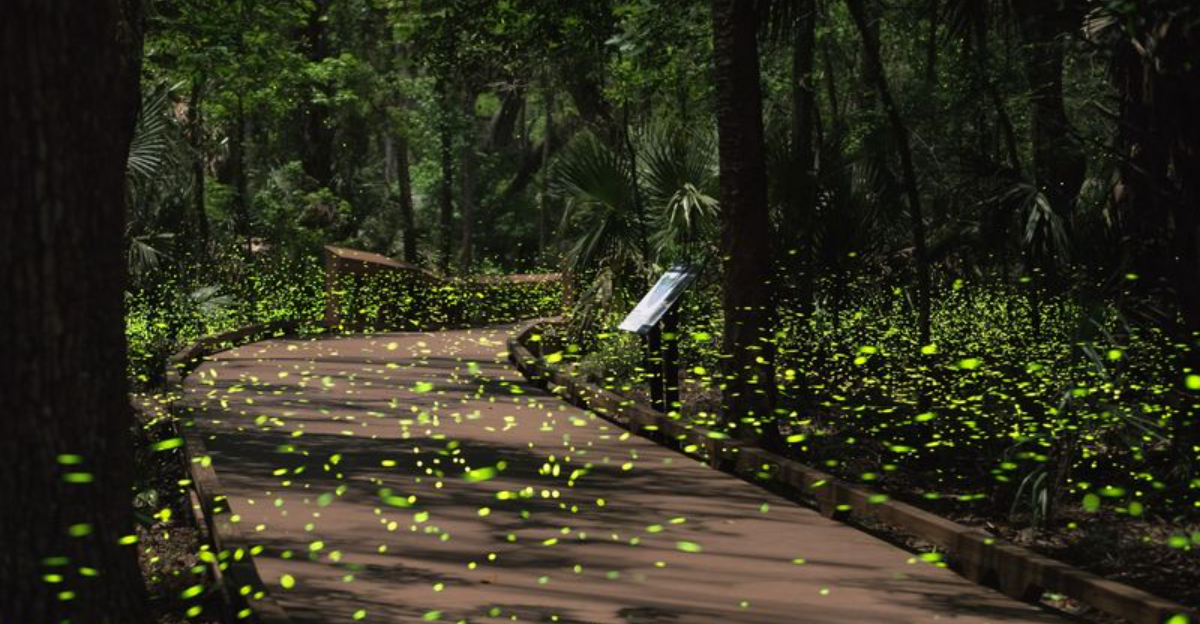
Every spring, Blue Spring State Park transforms into something straight out of a fairy tale. From mid-March through early April, hundreds of fireflies light up the forest floor and dance beneath the tree canopy along the boardwalk, creating a magical display that feels almost impossible to believe. This stunning natural event happens alongside the park’s famous crystal-clear springs and wildlife encounters, making it one of Florida’s most enchanting seasonal spectacles that you absolutely need to experience in person.
1. Firefly Nights Event Runs March Through April
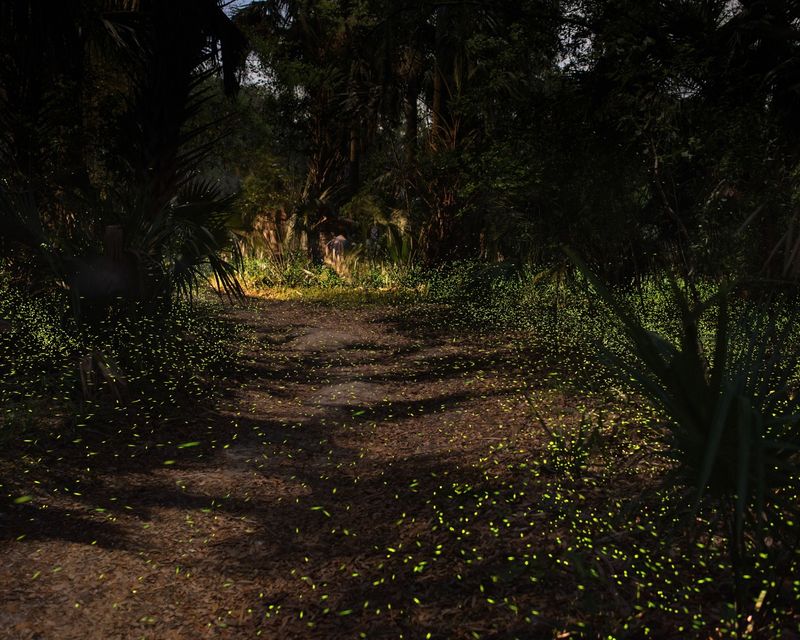
Mark your calendar because Firefly Nights officially kicks off on March 13 and runs through April 12 each year. This isn’t some random occurrence you might stumble upon—it’s a predictable annual event that the park celebrates and shares with visitors who want to witness nature’s light show.
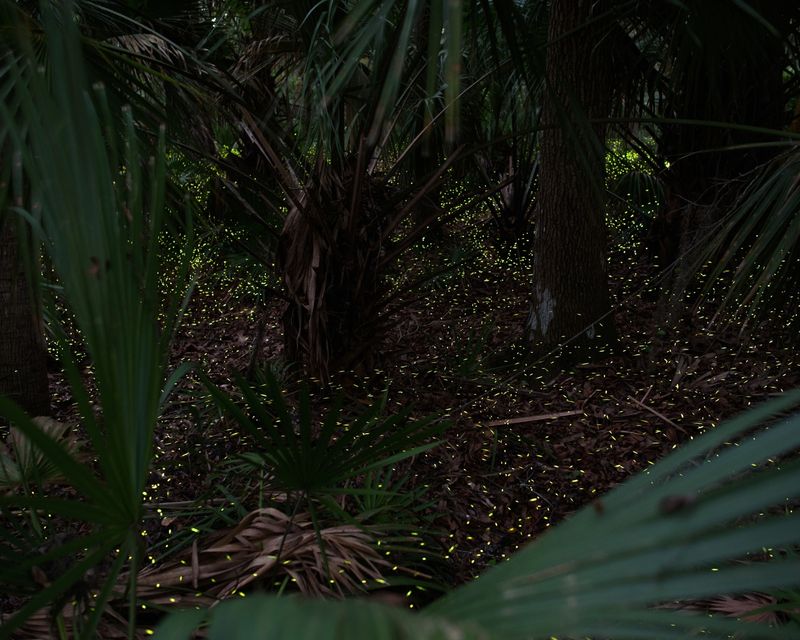
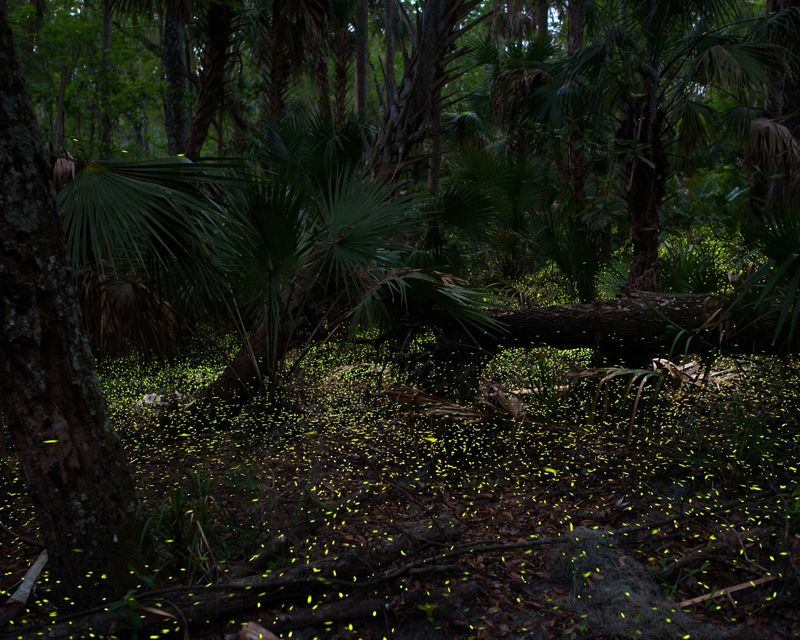
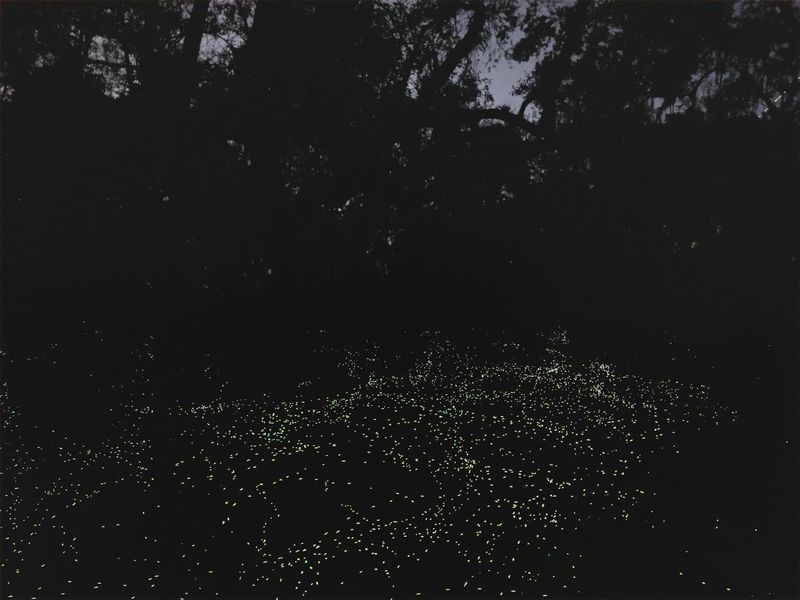
The fireflies begin their evening performance as darkness settles over the forest. They rise from the ground in waves, creating patterns of blinking lights that look almost choreographed. The effect is absolutely mesmerizing, especially when hundreds of them are flashing in rhythm.
Evening visits during this window give you front-row seats to one of Florida’s most underrated natural wonders. The park’s boardwalk provides perfect viewing access without disturbing the insects or their habitat. Many visitors say photos don’t do it justice—you really need to see the synchronized flashing with your own eyes.
Timing your visit during peak activity hours, typically just after sunset, maximizes your chances of seeing the fullest display. Rangers recommend arriving early to secure parking since word has spread about this incredible spectacle.
2. Crystal Clear Springs Create Perfect Backdrop
Blue Spring’s namesake feature is the stunning 72-degree spring that pumps out 104 million gallons of water daily. The water is so clear you can see straight to the bottom, creating an almost surreal turquoise glow that looks photoshopped but is completely natural. This clarity makes it one of Florida’s most photographed springs.
The constant temperature provides a perfect refuge for manatees in winter and a refreshing swimming spot for humans in summer. During firefly season, the spring becomes an enchanting backdrop as the glowing insects reflect off the water’s surface. The combination of natural blue light from below and yellow firefly light from above creates an otherworldly atmosphere.
Visitors rave about how the spring maintains its pristine condition thanks to careful park management. The sandy bottom and lack of murky sediment mean you can spot fish, turtles, and other aquatic life with ease. Swimming is allowed during warmer months when manatees aren’t present.
The spring feeds into the St. Johns River, creating diverse ecosystems along the way. This unique hydrology supports the firefly population and countless other species that call the park home.
3. Boardwalk Trail Offers Prime Viewing Access
The park’s boardwalk stretches along the spring run and into the forest where fireflies congregate most heavily. This elevated wooden pathway keeps you off the fragile forest floor while giving you an intimate view of the light show happening all around. It’s completely wheelchair accessible, making the magic available to everyone.
Multiple viewing platforms dot the boardwalk route, providing perfect stopping points to watch the fireflies without blocking other visitors. The trail is well-maintained and safe for evening walks, with just enough ambient lighting to see your footing without washing out the firefly display. Handrails run the entire length for added security.
Walking the boardwalk during firefly season feels like stepping into a nature documentary. The trees create a natural canopy overhead where fireflies gather in greater concentrations. Some visitors report seeing so many glowing insects that the forest appears to shimmer and pulse with light.
The trail also passes by excellent manatee viewing areas, historic structures, and connects to longer hiking paths if you want to explore further during daylight hours before the evening show begins.
4. Manatee Capital Of Florida Year-Round
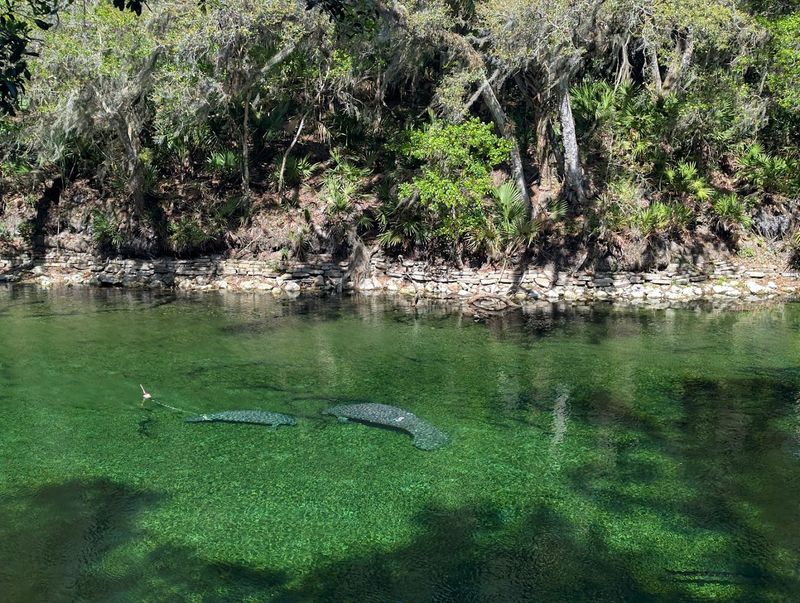
While fireflies steal the spotlight in spring, Blue Spring holds the title as Florida’s premier manatee sanctuary. During winter months, over 600 manatees—sometimes even 900—gather in the warm spring waters to escape cold river temperatures. These gentle giants return year after year, and researchers have named many of the regular visitors.
The University of Florida monitors and counts the manatee population daily during peak season. You can check current numbers on the Friends of Blue Spring State Park Facebook page before planning your visit. Viewing platforms along the spring run provide incredible close-up encounters with these endangered marine mammals.
Many manatees bear scars from boat propellers, serving as powerful reminders about conservation needs. Park rangers give educational presentations about manatee biology, threats, and protection efforts. Watching mothers swim alongside their calves is particularly touching and makes for unforgettable photos.
Swimming and boating activities are restricted in the main spring run during manatee season to protect the animals. This means winter visitors focus on observation rather than water activities, but the trade-off is absolutely worth it for the wildlife spectacle.
5. Affordable Entry Fee And Excellent Amenities
Getting into Blue Spring costs just six dollars per vehicle carrying up to eight people. That’s an incredible bargain for the experiences waiting inside—from firefly displays to manatee encounters to pristine swimming holes. Florida State Parks consistently deliver outstanding value, and Blue Spring exemplifies this perfectly.
The park includes clean restrooms throughout the grounds, a well-stocked gift shop, and a cafe serving snacks and light meals. Picnic tables and shaded areas provide comfortable spots to relax between activities. A playground keeps younger kids entertained, making this a genuinely family-friendly destination.
Camping facilities feature spacious sites with good privacy between neighbors. Reviewers consistently praise the cleanliness of the bathhouses and the friendliness of park staff. Sites fill up quickly during peak seasons, so reservations are strongly recommended if you want to stay overnight.
The historic Thursby House sits on the property with interpretive displays explaining the area’s steamboat era history. Free ranger-led programs and presentations add educational value without extra cost. Everything feels well-organized and thoughtfully maintained, from parking areas to trail markers.
6. Kayaking And River Adventures Available
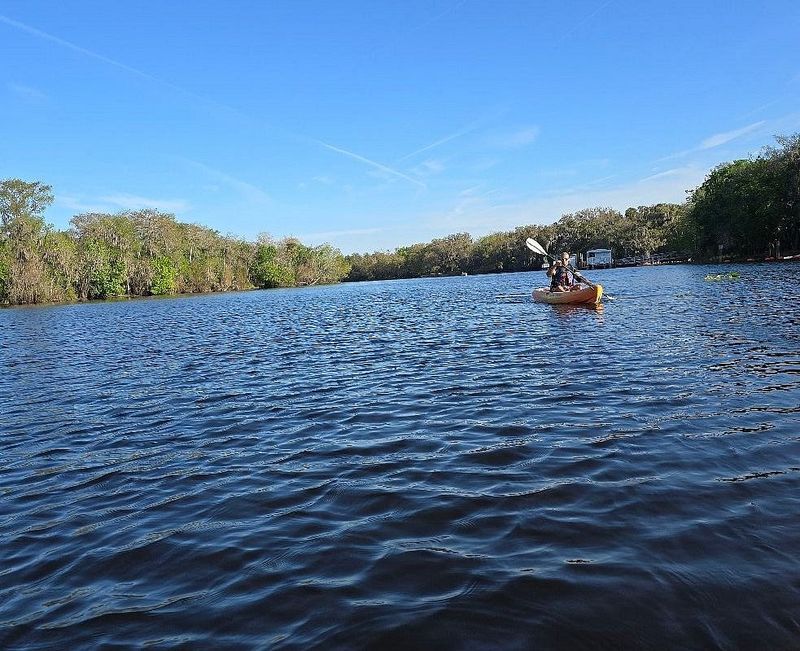
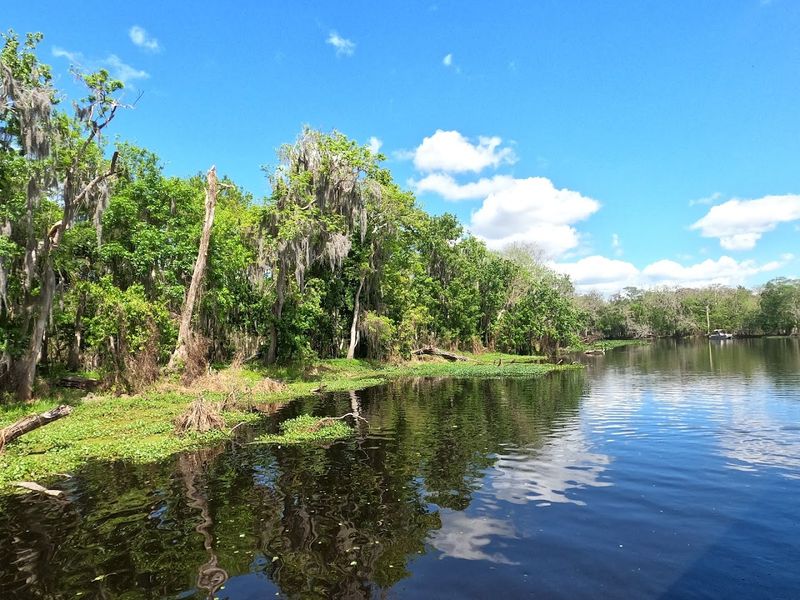
Blue Spring Adventures operates nature cruises from the park dock, offering one and two-hour tours along the St. Johns River. Guides share extensive knowledge about local wildlife, history, and ecosystems while navigating through some of Florida’s most beautiful waterways. Advance booking is recommended since tours fill up fast, especially on weekends.
Kayak and canoe rentals let you explore at your own pace. Paddlers regularly spot alligators, diverse bird species, turtles, and sometimes manatees depending on the season. The calm waters make this suitable for beginners, though you’ll want some basic paddling skills for longer excursions.
A six-mile loop around Pine Island provides a more challenging adventure for experienced kayakers.
During manatee season, certain areas are off-limits to protect the animals, but plenty of waterways remain open for exploration. Summer months offer unrestricted access to the spring run itself, where you can paddle through that impossibly clear water and peer down at fish swimming beneath your boat.
Tubing is another popular warm-weather activity, letting you float lazily along the spring run. Just remember that water activities wind down before firefly viewing begins in the evening.
7. Arrive Early To Beat The Crowds
Blue Spring’s popularity means the park reaches capacity regularly, especially during manatee season and now increasingly during firefly events. Once the parking lot fills, rangers stop admitting vehicles until others leave. Wait times can stretch to 30 minutes or even an hour during peak periods, though most visitors say the experience makes any delay worthwhile.
Locals strongly recommend arriving by 7:30 or 7:45 in the morning if you’re visiting on weekends or holidays. The park opens at 8:00 AM, and being near the front of the line guarantees entry without frustrating waits. Weekday visits typically involve shorter delays but still benefit from early arrival.
For firefly viewing specifically, you’ll want to scope out the park during daylight hours first if possible. This lets you familiarize yourself with boardwalk locations and facilities before darkness falls. Then you can return in the evening already knowing where to position yourself for optimal viewing.
Summer visits on warm days require the earliest possible arrival since swimming and water activities draw massive crowds. February through March brings the biggest manatee numbers and corresponding visitor surges. Planning around these patterns helps ensure smooth park access.
8. Wildlife Viewing Beyond Fireflies And Manatees

Blue Spring’s biodiversity extends far beyond its famous fireflies and manatees. Birdwatchers regularly spot herons, egrets, wood storks, and even rare species that make this area part of their migration routes. The combination of spring-fed waters, river access, and forested uplands creates habitat for an impressive variety of wildlife.
Alligators are common sightings along the river and in quieter coves. While they generally avoid humans, their presence adds an authentic Florida wilderness feeling to your visit. Turtles sunbathe on logs, fish jump in the clear water, and if you’re lucky, you might even spot river otters playing near the banks.
Bear droppings appear along some trails, indicating that black bears move through the area, though sightings are relatively rare. Raccoons are bold and numerous, especially in camping areas where they’ve learned that humans sometimes leave food accessible. Secure everything in your vehicle or bear-proof containers.
The variety of ecosystems—spring, river, hardwood hammock, and pine flatwoods—supports different species in each zone. Serious nature enthusiasts could easily spend multiple days cataloging the biodiversity found throughout the park’s trails and waterways.