10 Under-the-Radar Florida Islands and Beaches to Visit in 2026
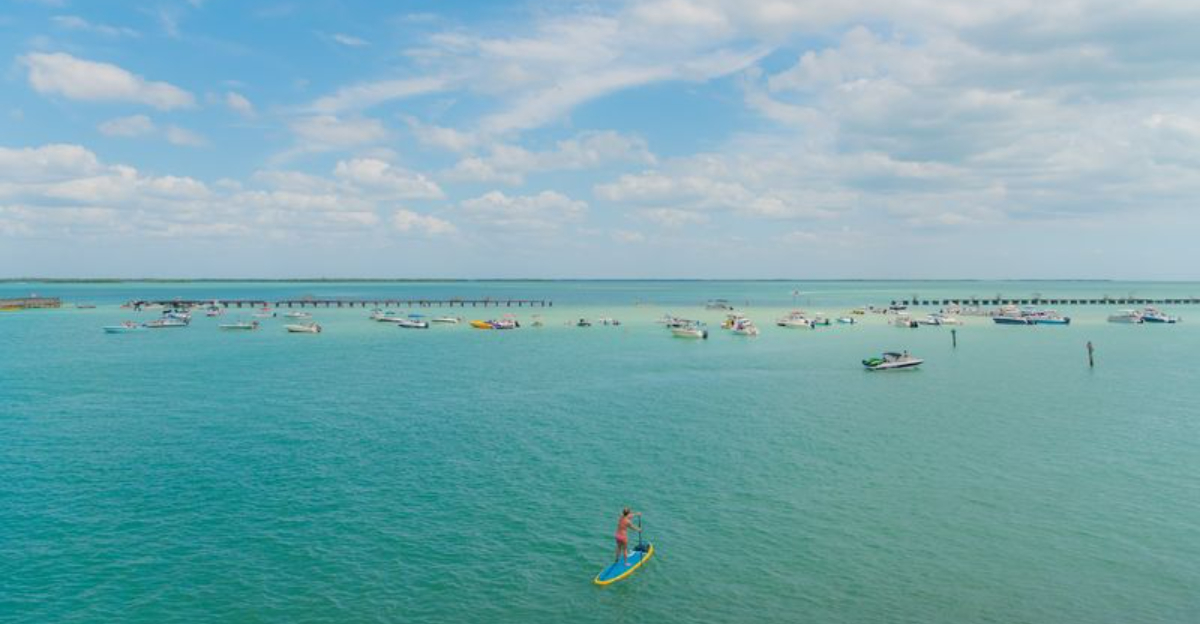
Florida beaches get millions of visitors every year, but most people stick to the same handful of famous spots. That means you’re missing out on some truly amazing islands and stretches of sand that feel more like secret hideaways than tourist magnets. Whether you want a place you can only reach by boat, a beach with almost nobody around, or just somewhere that doesn’t feel like a resort parking lot, these ten picks offer something genuinely different for your 2026 beach plans.
1. Caladesi Island State Park
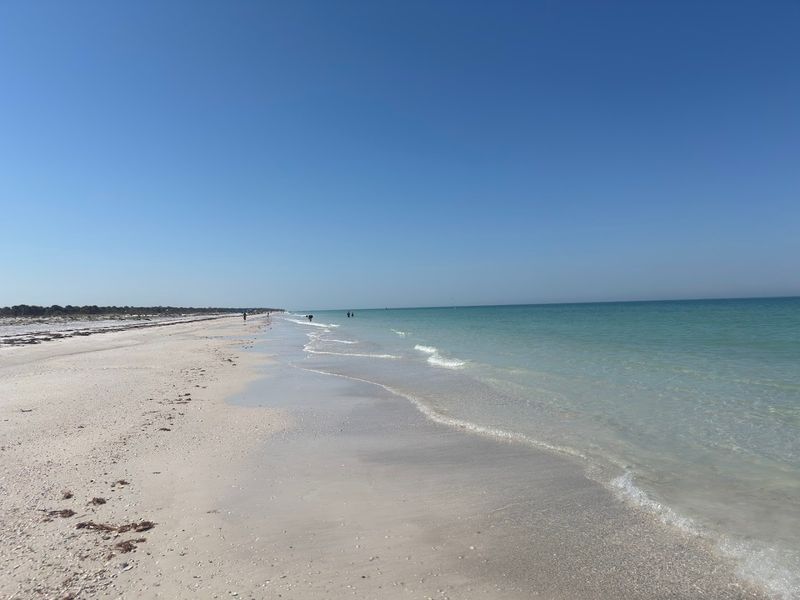
Getting to Caladesi requires a ferry ride or your own boat, which immediately filters out the drive-up crowd you’ll find at most Gulf Coast beaches. That boat-only access keeps the sand feeling genuinely untouched, even during busy Florida winter months when other beaches turn into parking nightmares.
Once you arrive, you’ll find three miles of soft white sand that regularly ranks among the best beaches in the country. The water stays calm and clear most days, making it ideal for swimming without fighting big waves or worrying about strong currents.
Kayaking through the mangrove trails on the bay side is one of the best ways to spend an afternoon here. You’ll paddle through narrow channels where herons and egrets fish in the shallows, and if you’re quiet, you might spot dolphins cruising past.
The park has picnic shelters, restrooms, and a small café, so you can spend a full day without needing to pack everything. Just remember that the last ferry back leaves in late afternoon, so plan your timing carefully or you’ll be swimming home.
2. Cayo Costa State Park
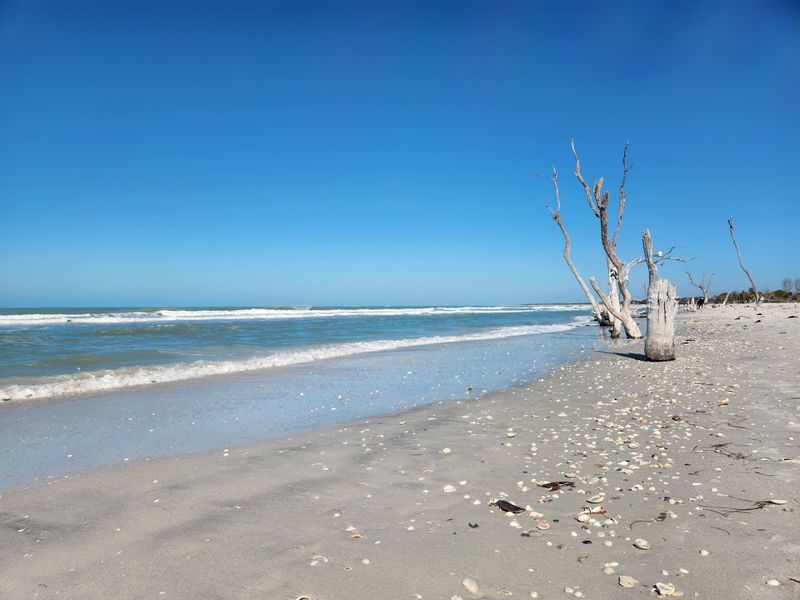
Cayo Costa is what Florida beaches looked like before anyone built a single condo. Nine miles of shell-covered sand stretch along this barrier island, with no bridge, no paved roads, and no crowds fighting for the best spot to lay a towel.
You’ll need your own boat to visit in 2026 because the state park ferry service and cabins remain closed for now. That makes it even more of an adventure and keeps visitor numbers way down compared to drive-up beaches.
Shelling here is exceptional, especially after a storm when the Gulf washes up lightning whelks, sand dollars, and fighting conchs by the hundreds. Bring a mesh bag and prepare to spend hours bent over scanning the tide line.
Snorkeling near the rocks and grass flats can turn up sea stars, urchins, and small fish, though the water clarity depends heavily on recent weather and tides. The island also offers excellent birding, with ospreys, pelicans, and roseate spoonbills all common sights.
Pack everything you need for the day, including plenty of water and sun protection, because there are no shops or cafés waiting to bail you out if you forget something important.
3. Dry Tortugas National Park
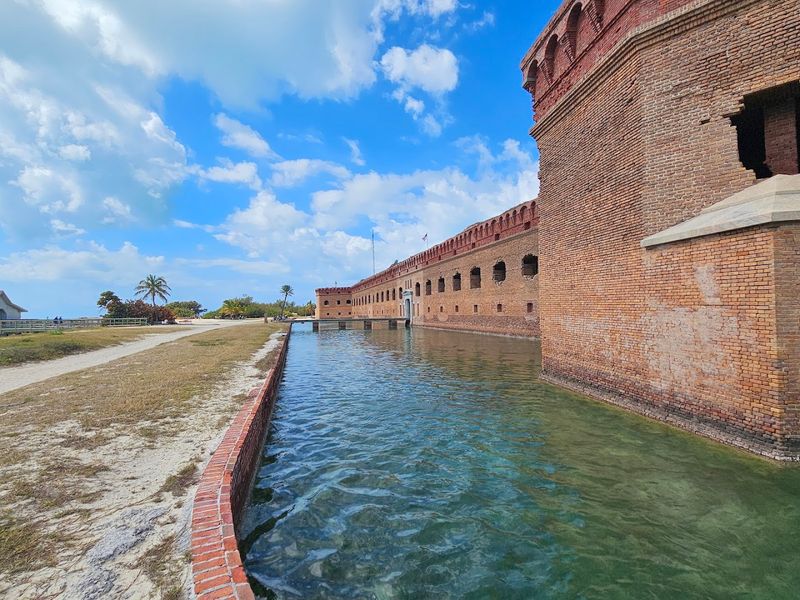
Seventy miles west of Key West sits a cluster of seven tiny islands that most Florida visitors never bother to reach. Getting there requires either a two-hour ferry ride or a seaplane flight, which means you’re automatically in more exclusive company than at any beach you can drive to.
Fort Jefferson dominates Garden Key, a massive brick fortress that looks like it belongs in the Caribbean rather than off the Florida coast. Snorkeling around the fort’s moat walls reveals schools of tropical fish, and the surrounding reefs offer some of the clearest water you’ll find anywhere in the state.
Camping is available if you reserve well ahead and don’t mind hauling all your gear across open water. Overnight stays let you watch sea turtles nest on the beach and experience the park after day-trippers leave on the afternoon ferry.
Bird Island earns its name during migration season when thousands of sooty terns and brown noddies nest in dense colonies. The noise and activity can be overwhelming in the best possible way if you’re into wildlife spectacles.
Plan for sun exposure that feels more intense than mainland Florida, limited shade, and no food service beyond what the ferry concession offers.
4. St. George Island
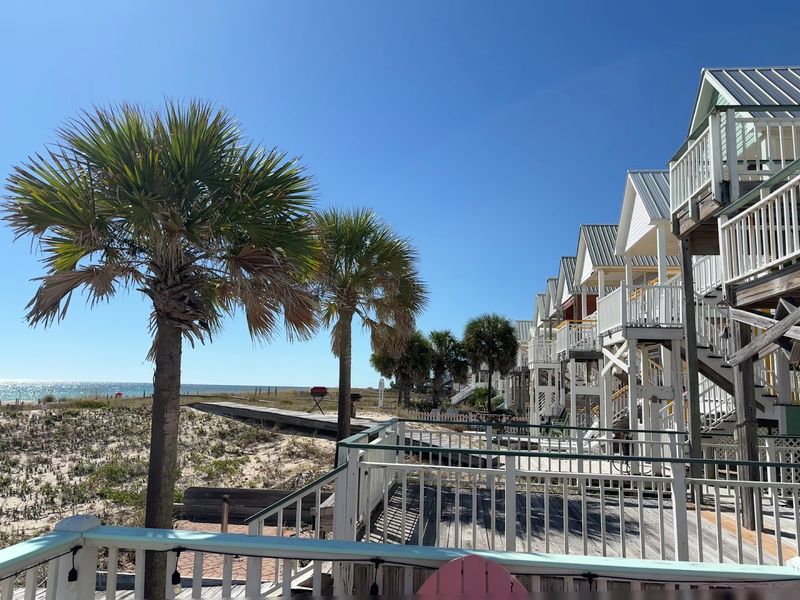
St. George Island delivers that classic Panhandle combination of sugar-white sand and emerald water without the high-rise hotels and spring break chaos you’ll find in Destin or Panama City Beach. The island stretches 28 miles long but stays only a mile wide at most points, giving it a narrow, remote feel even though a bridge connects it to the mainland.
Franklin County has invested in beach park improvements and dune restoration recently, which means better facilities without losing the low-key vibe that keeps this place feeling more neighborhood than resort. You’ll find pavilions, boardwalks, and clean restrooms at the main public access points.
The state park on the eastern end of the island offers nine miles of undeveloped beachfront plus bay access for kayaking and fishing. Camping here puts you steps from the water with minimal light pollution for excellent stargazing.
Shelling is productive year-round, and the fishing from the beach or nearby piers can yield pompano, redfish, and Spanish mackerel depending on the season. The small town of St. George Island has enough restaurants and shops to keep you fed and supplied without feeling touristy or overpriced.
5. Bean Point, Anna Maria Island
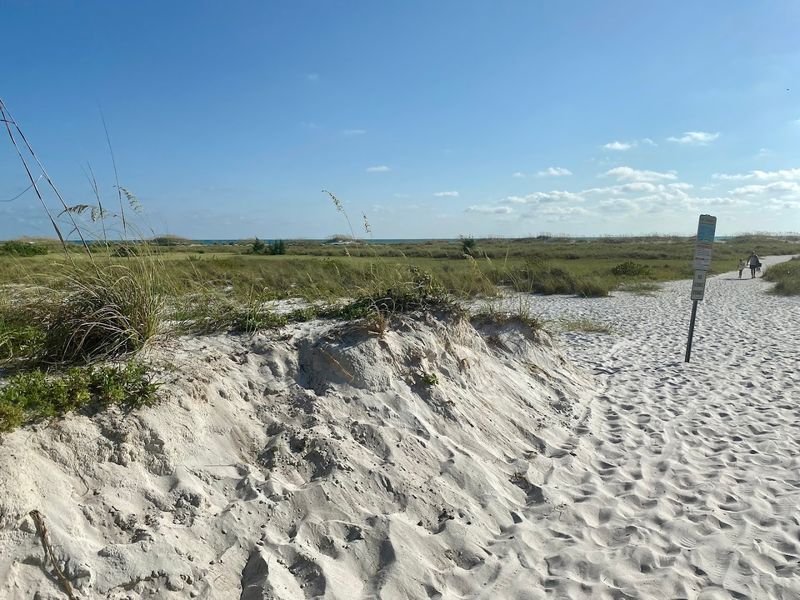
Anna Maria Island gets plenty of visitors, but most of them never make it all the way to Bean Point at the northern tip. Limited parking and strict enforcement keep the crowds manageable, which means you can actually find a quiet spot even on weekends when the rest of the island feels packed.
The beach here wraps around the point where Tampa Bay meets the Gulf of Mexico, creating interesting currents and great conditions for spotting dolphins and manatees. The water stays shallow for a long way out, making it perfect for wading and safe for kids.
Sunsets from Bean Point rank among the best in Florida because you get unobstructed western views across open water with the Sunshine Skyway Bridge visible in the distance. Bring a blanket and plan to stay through the golden hour for photos that don’t need any filters.
The vibe stays intentionally low-key, with no shops, no restrooms, and no concessions at the point itself. You’ll need to bring everything with you and be prepared to walk a bit from wherever you manage to snag parking.
Respect the residential neighborhood surrounding the beach access, keep noise down, and pack out everything you bring in to help preserve the quiet atmosphere that makes this spot special.
6. Gasparilla Island / Boca Grande
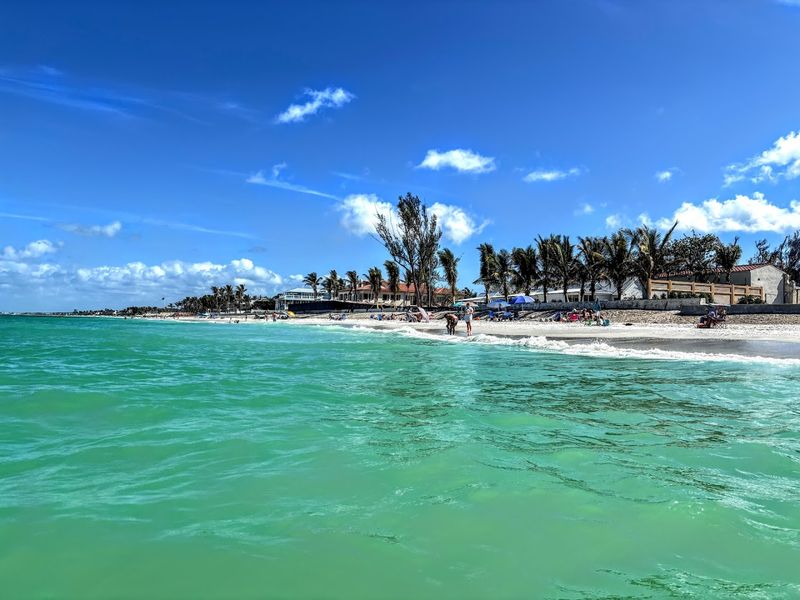
Boca Grande on Gasparilla Island feels like stepping back to a more refined version of old Florida, where beach towns had charm instead of neon signs and T-shirt shops. The state park at the southern end offers some of the most beautiful Gulf water you’ll see anywhere, with that distinctive blue-green clarity that makes you want to jump in immediately.
Several public beach access points dot the island, but parking stays intentionally limited to prevent overcrowding. That means you might circle a bit during peak season, but it also means the beach never feels like a sardine can.
The historic lighthouse and surrounding park make for excellent exploring between beach sessions. You can climb the lighthouse for views across the island and out over the Gulf, then walk the nature trails that wind through coastal hammock.
Tarpon fishing made Boca Grande famous among anglers, and you’ll still see serious fishermen working Boca Grande Pass during migration season. Even if you don’t fish, watching hundred-pound silver kings roll and jump near the beach is pretty spectacular.
The town itself maintains a polished, upscale feel without being snooty or pretentious. You’ll find good restaurants, cute shops, and comfortable accommodations, but nothing that screams tourist trap or spring break destination.
7. Little Gasparilla Island
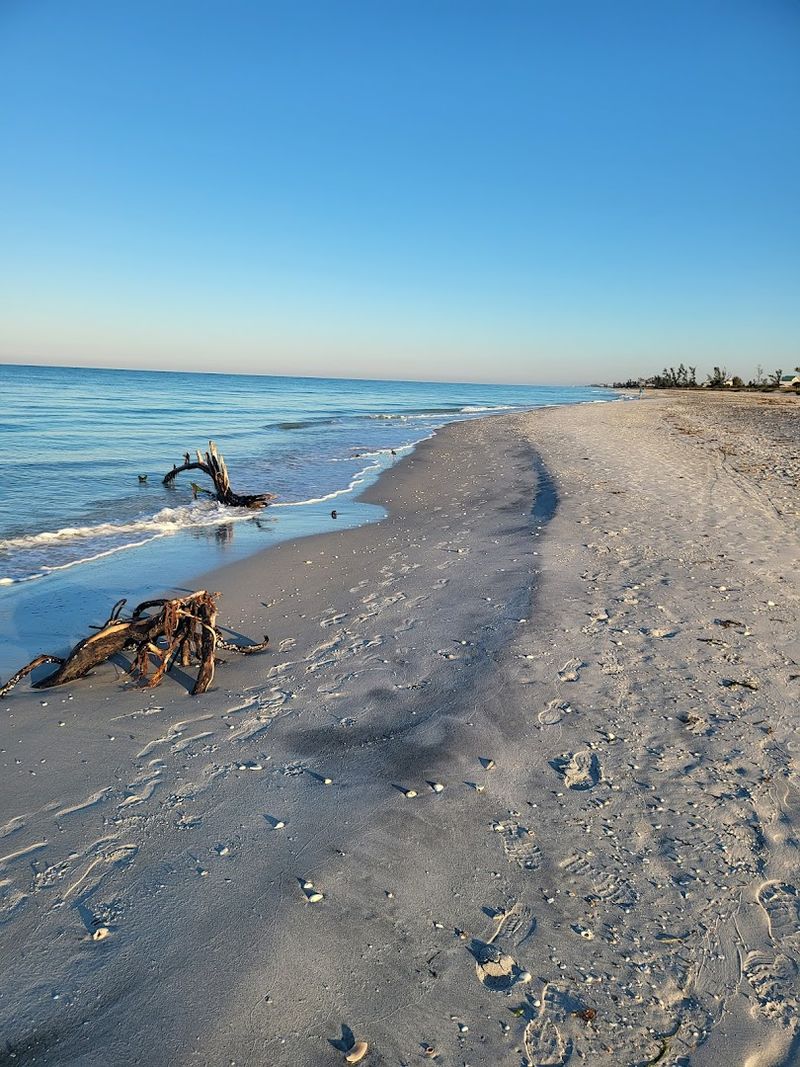
If Gasparilla Island feels too civilized for you, Little Gasparilla takes the remote-island concept even further. No bridge connects it to the mainland, no paved roads cross it, and most visitors arrive by private boat or water taxi.
This setup filters out anyone looking for convenience or nightlife, which is exactly the point. What you get instead is a genuinely quiet barrier island where the loudest sounds come from waves, wind, and seabirds.
Beach houses on stilts line parts of the island, but development stays sparse and low-key. You won’t find hotels, restaurants, or shops, so plan to bring all your food, drinks, and supplies with you.
The beach itself stretches for miles with soft sand and good shelling, especially after storms or during low tides when more of the bottom gets exposed. Swimming conditions stay generally calm, though always check current forecasts and tide charts before committing to a full day.
Kayaking around the island’s bay side takes you through mangrove tunnels and past oyster bars where herons and egrets hunt. The shallow flats also offer excellent opportunities for spotting rays, small sharks, and horseshoe crabs.
This is absolutely not the right choice if you want beach bars, jet ski rentals, or easy access to restaurants. But for pure seclusion and a genuine getaway feeling, Little Gasparilla delivers better than almost anywhere else in Florida.
8. Cape San Blas / T.H. Stone Memorial St. Joseph Peninsula State Park
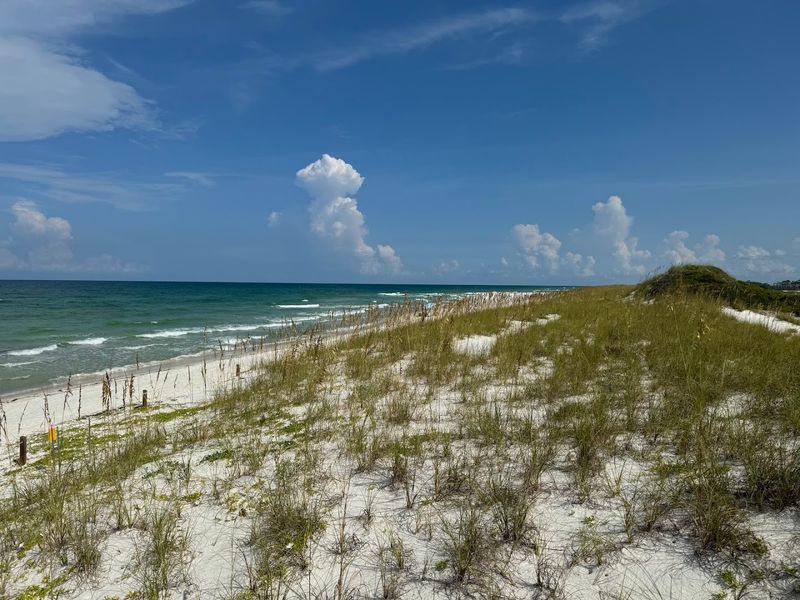
Cape San Blas juts out into the Gulf like Florida’s best-kept Panhandle secret, offering 20 miles of beach that still feels genuinely wild. The peninsula’s unusual shape creates both Gulf-side and bay-side beaches, giving you options depending on wind, waves, and what kind of water conditions you’re after.
T.H. Stone Memorial St. Joseph Peninsula State Park protects much of the northern section with tall dunes, coastal scrub, and beach access that requires a short walk from parking areas. That walk keeps the crowds manageable and the beach feeling more pristine than spots where you can drive right up to the sand.
Wildlife sightings here can include sea turtles nesting in summer, ghost crabs scuttling across the sand at dusk, and occasionally even black bears wandering the interior trails. The park’s wilderness cabin offers a unique overnight option if you book far enough ahead.
The southern end near the Cape San Blas community allows day-use beach access, with several public entry points maintained by Gulf County. Development stays relatively light compared to other Panhandle beaches, preserving that uncrowded, natural atmosphere.
Fishing from the beach or nearby piers produces pompano, whiting, and redfish, while the bay side offers calmer conditions for kayaking and paddleboarding through seagrass flats where you might spot scallops in season.
9. Navarre Beach
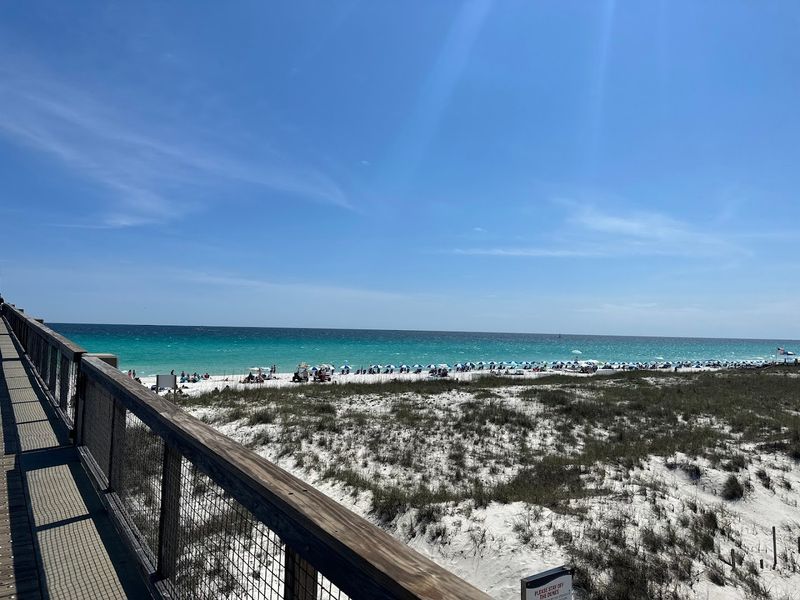
Navarre sits between Pensacola and Destin but somehow avoids the massive resort development that turned those neighbors into spring break central. Santa Rosa County has focused on maintaining beach park infrastructure and natural dune systems rather than encouraging high-rise hotels, which keeps the whole area feeling more relaxed.
The beach itself delivers that classic Panhandle combination of brilliantly white sand and water that shifts from emerald to turquoise depending on the light. Swimming conditions stay generally calm, and the gradual slope makes it family-friendly without the steep drop-offs you find at some beaches.
Beach pavilions, restrooms, and outdoor shower facilities at the main public access points provide the amenities you need without the commercial sprawl. You can actually park, walk to the beach, and set up your spot without navigating a maze of souvenir shops and timeshare pitches.
The Navarre Beach Fishing Pier extends 1,545 feet into the Gulf, making it one of the longest piers in Florida and a great spot for catching pompano, king mackerel, and Spanish mackerel depending on the season. Even if you don’t fish, walking the pier at sunrise or sunset offers excellent views and photo opportunities.
Restaurants and accommodations in the area tend toward local ownership rather than national chains, giving the whole beach town a more authentic feel than heavily commercialized alternatives.
10. Canaveral National Seashore (Apollo or Playalinda)
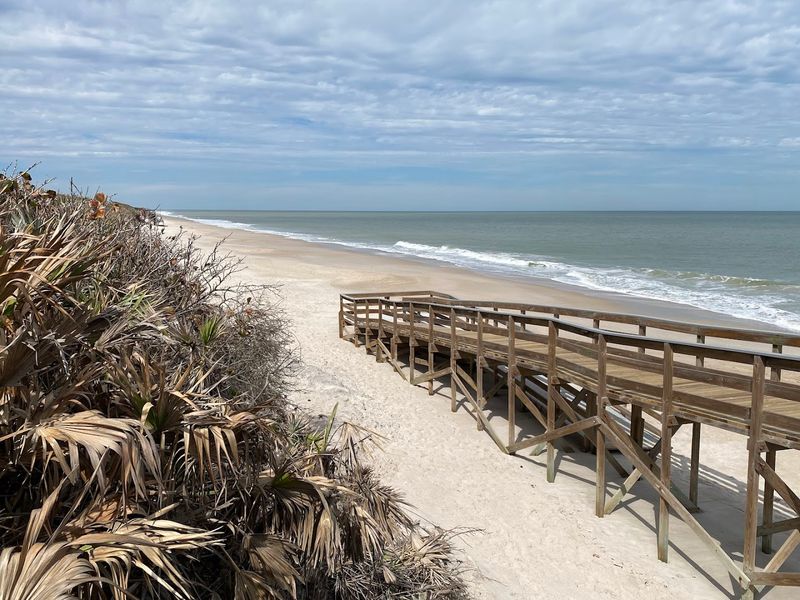
Most Florida beach lists focus entirely on the Gulf Coast, but Canaveral National Seashore on the Atlantic side offers something completely different. This protected stretch of coastline stays intentionally undeveloped, with 24 miles of beach that look much like they did before Europeans arrived.
Access comes through either Apollo Beach on the north end or Playalinda Beach on the south, both requiring drives through protected lands where you might spot alligators, wild boars, or bald eagles before even reaching the sand. That approach reinforces the wilderness feel and sets expectations properly.
The beach itself stays wide and wild, with powerful Atlantic surf that creates better wave conditions than you’ll find on most Gulf beaches. Sea turtle nesting happens throughout summer, and the park takes protection seriously with marked nests and seasonal restrictions.
One important 2026 consideration involves NASA operations at nearby Kennedy Space Center. Playalinda Beach can close temporarily for launch support activities, including extended closures for major missions like Artemis II preparations. Always check current status before driving out to avoid disappointment.
Facilities stay minimal by design, with portable restrooms and limited parking the only real amenities. Bring everything you need and be prepared for a more rugged beach experience than at developed resort areas, but that’s exactly why this place feels so special and uncrowded.