This Florida Waterfront Camping Escape Deserves a Place on Your Bucket List
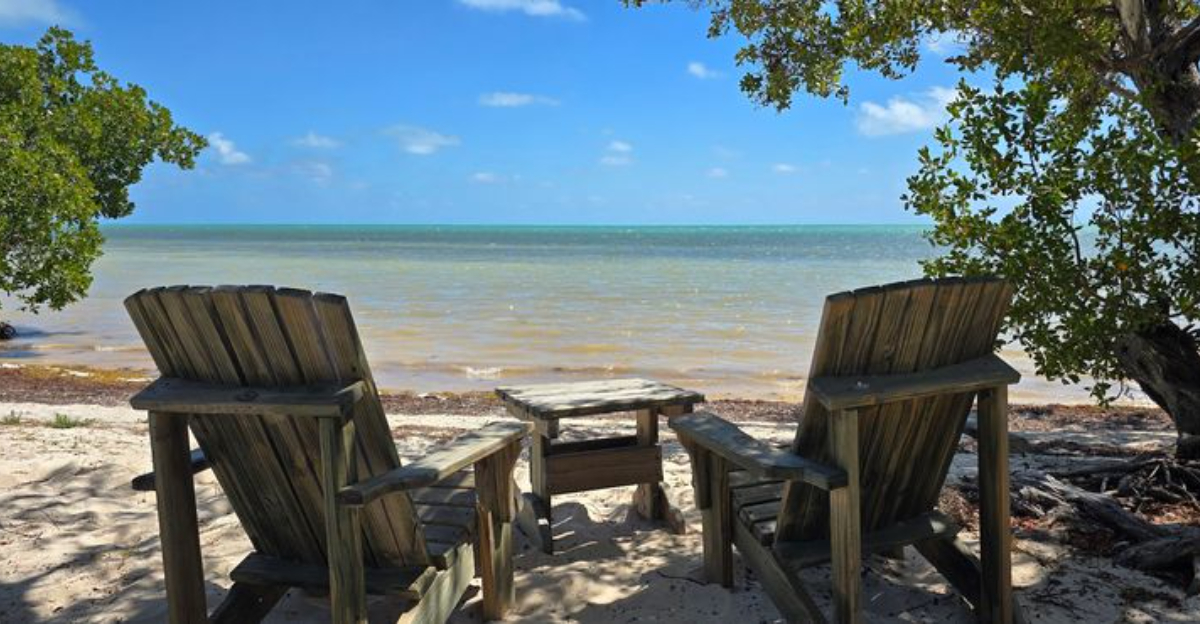
Long Key State Park sits right along the Overseas Highway in the Florida Keys, offering one of the most unique camping experiences in the state. With ocean views on both sides, nature trails winding through mangroves, and incredible wildlife at every turn, this park delivers the perfect blend of adventure and relaxation. Whether you’re pitching a tent under the stars or spending the day exploring coastal trails, Long Key gives you that authentic Keys feeling without the crowds and chaos of the tourist hotspots.
1. Waterfront Camping With Million-Dollar Views
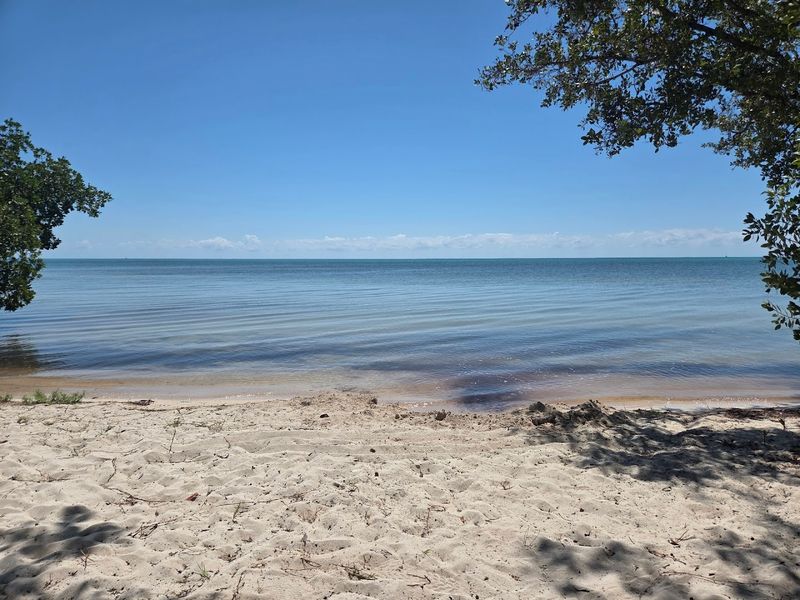
Camping here means waking up to sunrise over the Atlantic and watching the sun dip into the Gulf at night. The primitive camping spots sit just steps from the water, giving you front-row seats to some of the best natural light shows in Florida. You’ll need to bring your own gear since these are basic sites, but that’s part of the charm.
Rangers recommend bringing a wagon to haul your stuff from the parking area to your campsite. The walk isn’t far, but having wheels makes life easier when you’re loaded down with coolers and tents. Clean bathrooms and showers are a short stroll away, which is a nice touch for primitive camping.
Summer campers should pack a small fan and bug spray, especially Thermacell devices that actually work. The trade-off for fewer crowds in warm months is dealing with mosquitoes and humidity. Earplugs also help since you’re camping right off the highway, though most visitors say the ocean sounds balance out the traffic noise pretty well once you settle in for the night.
2. Golden Orb Trail Through Four Different Ecosystems
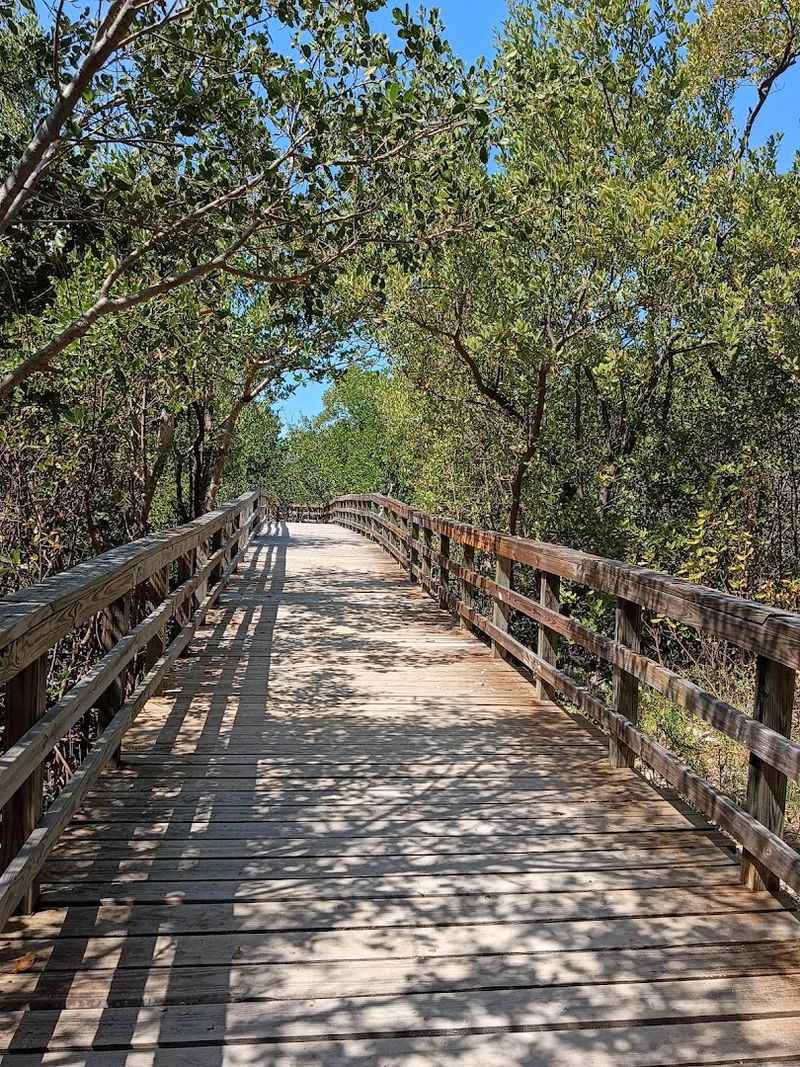
The 1.1-mile Golden Orb Trail takes you through mangroves, coastal berm, salt pans, and hardwood hammock all in one loop. It’s short enough for kids but interesting enough to keep adults engaged with the constantly changing scenery. Wooden boardwalks cover the trickier sections, though parts of the salt pan area might be flooded depending on tides.
Wildlife spotting is excellent here. Expect to see mangrove tree crabs scuttling everywhere, iguanas sunbathing on branches, and dozens of bird species if you’re paying attention. Lizards dart across the path constantly, and if you’re quiet, you might catch raccoons exploring near dawn or dusk.
The park provides five-gallon buckets with trash pickup tools along the trails so visitors can help collect washed-up debris while hiking. It’s a thoughtful touch that keeps the park beautiful. Just remember to bring bug repellent for the mangrove sections where mosquitoes hang out, and wear proper shoes since some shoreline areas are surprisingly squishy and can swallow your foot up to the ankle if you’re not careful.
3. Shallow-Water Kayaking Through Mangrove Lagoons
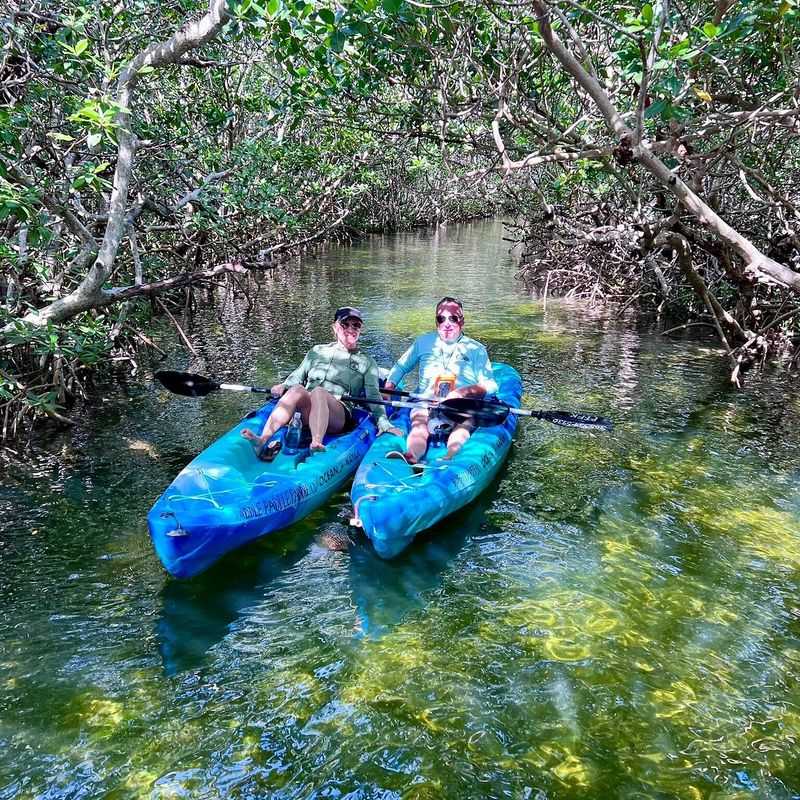
The park’s series of lagoons creates perfect conditions for kayaking, especially during high tide when you have more room to navigate. The water stays incredibly shallow in most areas, which makes it safe for beginners but means you’ll want to time your trip right. Rangers at the gate can tell you the best times to launch based on current conditions.
Paddling here gives you a different perspective on the mangrove ecosystem. You’ll glide past fish darting under your kayak, spot birds fishing from low branches, and maybe even see a bonito cruising through deeper channels. The park has designated launch areas with easy water access, though you’ll need to bring your own kayak since rentals aren’t available on-site.
Some adventurous paddlers make the trip over to nearby Layton, though rangers suggest this route for experienced kayakers only. The shallow flats and winding channels can get confusing, and low tide makes navigation tricky. Stick closer to the park if you’re new to kayaking or unfamiliar with reading tidal patterns in the Keys.
4. Bonefishing and Flats Fishing Paradise
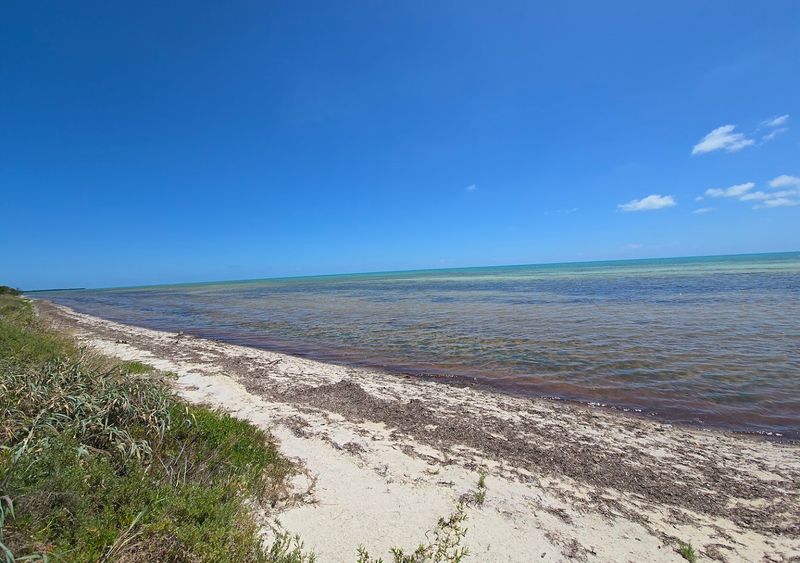
Long Key State Park has earned a solid reputation among flats fishermen, particularly those chasing bonefish in the shallow waters surrounding the park. The mix of grass flats, sandy bottom, and mangrove-lined shores creates ideal habitat for these silvery speedsters. You’ll see serious anglers wading carefully through knee-deep water, eyes scanning for the telltale shadows and nervous water that signal feeding fish.
The park’s location along the Atlantic side gives you access to both oceanside flats and protected backcountry areas. Mornings and evenings produce the best action when bonefish move into the shallows to feed on crabs and shrimp. You’ll need a Florida saltwater fishing license and should know how to handle catch-and-release properly since most anglers here practice conservation.
Aqua socks or flats boots are essential since you’ll be walking on rocky, uneven bottom with occasional sea urchins hiding in the grass. The rangers know the productive spots and often share advice with visiting anglers who ask nicely at the entrance station.
5. Beach Areas With That Authentic Keys Character
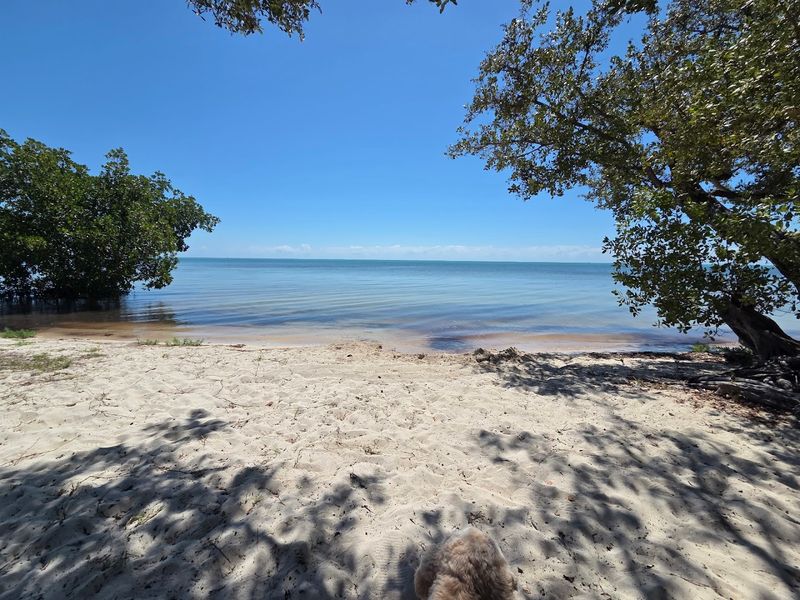
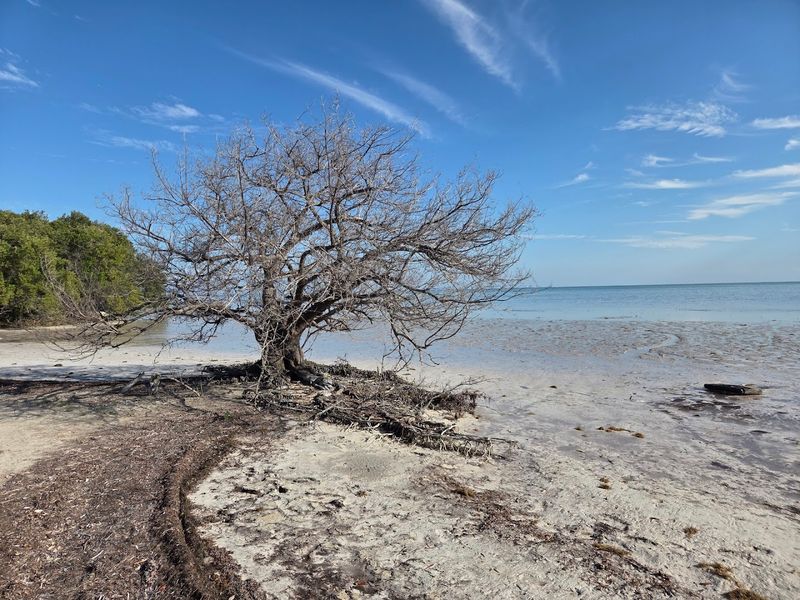
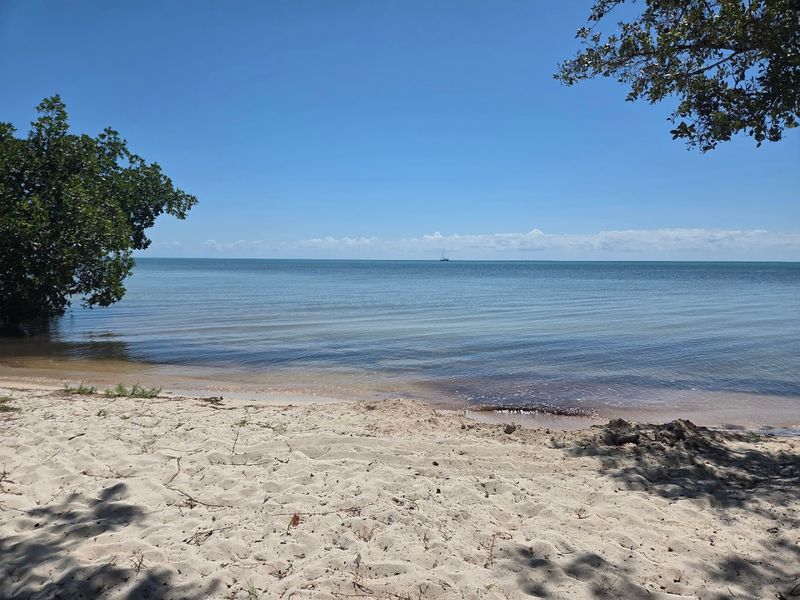
Don’t expect white sand and beach volleyball nets here. Long Key’s beaches are natural and wild, often covered with seagrass that washes up with the tides. That seagrass might look messy to some visitors, but it’s actually a sign of healthy marine ecosystems and creates fantastic bird-watching opportunities as shorebirds pick through it looking for food.
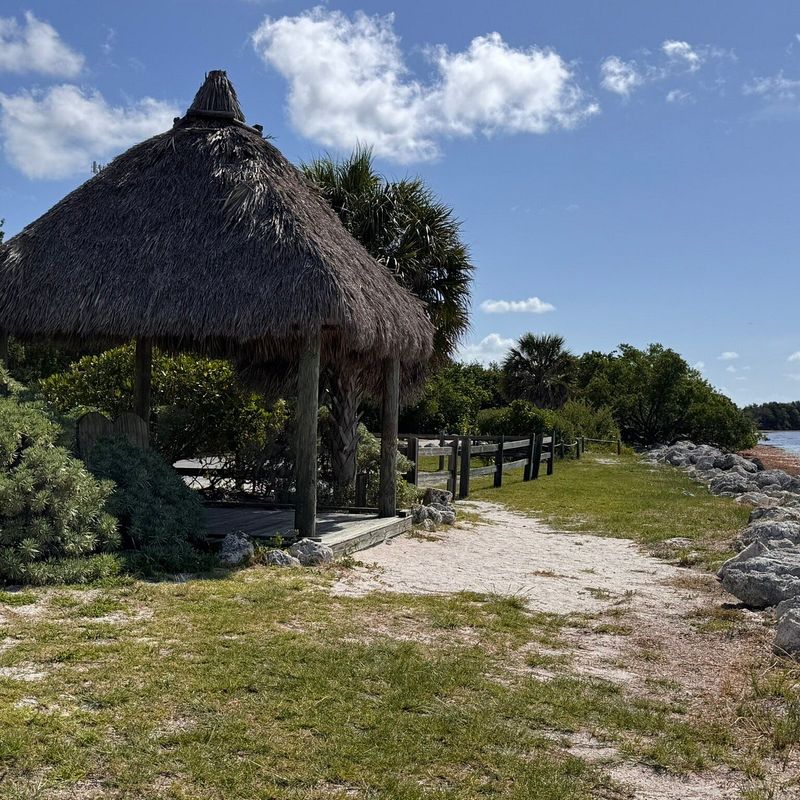
The accessible beach area includes a massive wooden lounge chair that’s become an Instagram favorite, plus picnic tables scattered under shady trees. Parking is easy, and covered pavilions provide relief from the midday sun. You can definitely swim here, but wear water shoes since the bottom is rocky and the water stays shallow for a long way out.
Some sections of beach near the old campground area offer longer stretches of sand, though access depends on which parts are open. Hurricane damage closed certain areas, but the park continues restoring sections over time. The beach vibe here is pure Keys relaxation without the commercial development, giving you that laid-back feeling locals love about island life before tourism took over everywhere else.
6. Incredibly Helpful and Knowledgeable Rangers
Visitors consistently rave about the rangers at Long Key, with many reviews specifically mentioning staff members by name. Josh at the information center gets called out frequently for being both hilarious and incredibly knowledgeable about the park. Rangers here don’t just collect entrance fees; they actively help visitors plan their time, suggest the best snorkeling spots, and check in on campers throughout their stay.
One ranger even helped a solo camper carry gear to her car, which speaks to the personal attention you’ll find here. They’ll give you honest advice about bug prevention, recommend the best times for kayaking based on tides, and share insider tips about where wildlife tends to gather. The lady working the gate booth earns praise for being exceptionally friendly and welcoming.
Before your visit, consider calling ahead with questions. Multiple reviewers mention phoning the park beforehand and getting detailed, helpful information from whichever ranger answered. That level of service makes a huge difference, especially for first-time visitors trying to plan activities or figure out what gear to bring for primitive camping in the Keys.
7. Hammock Spots and Picnic Areas Under Shady Trees
The park designates specific areas for hanging hammocks, complete with sturdy trees perfectly spaced for stringing up your gear. These shaded spots give you the perfect setup for an afternoon of reading, napping, or just watching the water while the breeze keeps you cool. Some primitive camping spots even include hammock stands, which is a nice touch for campers who prefer sleeping above ground.
Picnic areas are scattered throughout the park, most positioned under big shade trees that provide relief from the intense Florida sun. You’ll find BBQ grills at various locations, making it easy to cook out while enjoying ocean views. The covered pavilions work great for group gatherings or just claiming a home base for the day.
Chairs are spread around in scenic spots, which means you don’t necessarily have to haul your own seating if you’re just visiting for the day. The park clearly wants visitors to slow down and soak in the environment. Combined with the easy parking and clean facilities, these thoughtful amenities make Long Key feel more welcoming than many other natural areas where you’re completely on your own.
8. Affordable Entry Fee and Support for State Parks
At just $4.50 for one person or $6 for two, Long Key State Park offers incredible value compared to commercial attractions in the Keys. That small fee covers your entire day of hiking, beach access, picnic facilities, and wildlife watching. Annual passes are available too if you plan to visit Florida State Parks regularly throughout the year.
Your entrance fee directly supports park maintenance, ranger salaries, trail upkeep, and restoration efforts following hurricane damage. One thoughtful reviewer emphasized how even small contributions help keep these parks beautiful and well-maintained for future visitors. After experiencing the clean bathrooms, well-marked trails, and helpful staff, you’ll understand where that money goes.
The park accepts cash and cards at the entrance booth, making payment easy. Hours run from 8 AM to 8:15 PM daily, giving you plenty of time for activities whether you’re an early riser chasing sunrise photos or prefer lazy afternoon beach sessions. Given everything you get access to for six bucks, Long Key ranks among the best bargains in the Florida Keys for nature lovers and outdoor enthusiasts.