9 Unbeatable Florida Cities That Show Why the Sunshine State Is Perfect for Retirees
Florida has earned its reputation as the retirement capital of America, and for good reason. With no state income tax, year-round sunshine, and a healthcare infrastructure built around older adults, the Sunshine State checks nearly every box on a retiree’s wishlist. Whether you want Gulf Coast sunsets, world-class medical centers, or a walkable downtown filled with galleries and cafes, Florida delivers options that fit almost any lifestyle and budget.
1. Sarasota
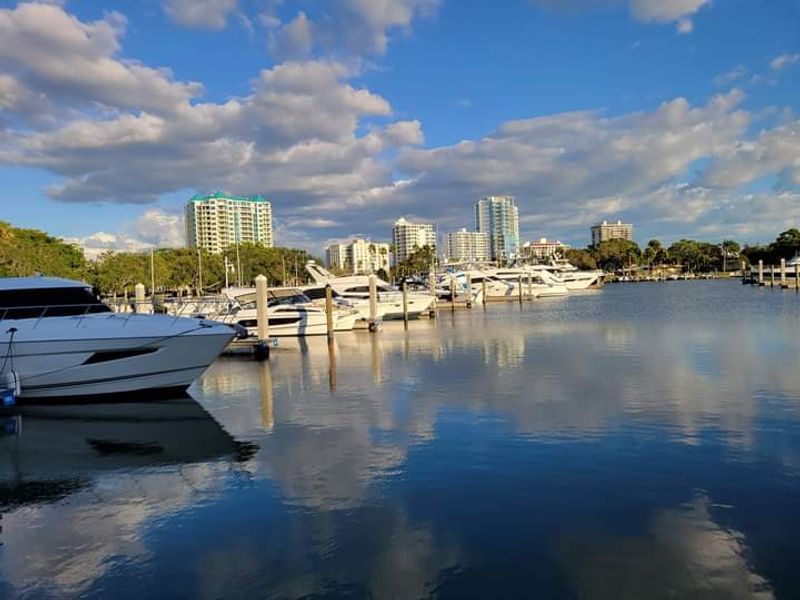
Sarasota has mastered the art of blending culture, coast, and care into one retirement-friendly package. Nearly three out of ten residents here are 65 or older, which means the city knows how to cater to retirees without feeling like a gated compound.
The beaches are postcard-perfect, the arts scene rivals much bigger cities, and Sarasota Memorial operates an 839-bed regional medical center that covers everything from routine checkups to specialized surgery. You get the best of both worlds: laid-back Gulf Coast living with the infrastructure of a full-service health system close by.
Downtown Sarasota feels alive without being overwhelming. You can catch a show at the opera house, browse galleries on Palm Avenue, or grab dinner at a waterfront bistro, all within a few blocks. The Ringling Museum adds a dose of world-class art and history, and the barrier islands offer quieter escapes when you need them.
Housing costs sit somewhere in the middle for Florida beach cities—not Naples expensive, but not bargain-basement either. Still, many retirees find the price worthwhile given the mix of amenities, healthcare access, and that easy Gulf Coast vibe that makes every day feel like a Saturday.
2. Naples
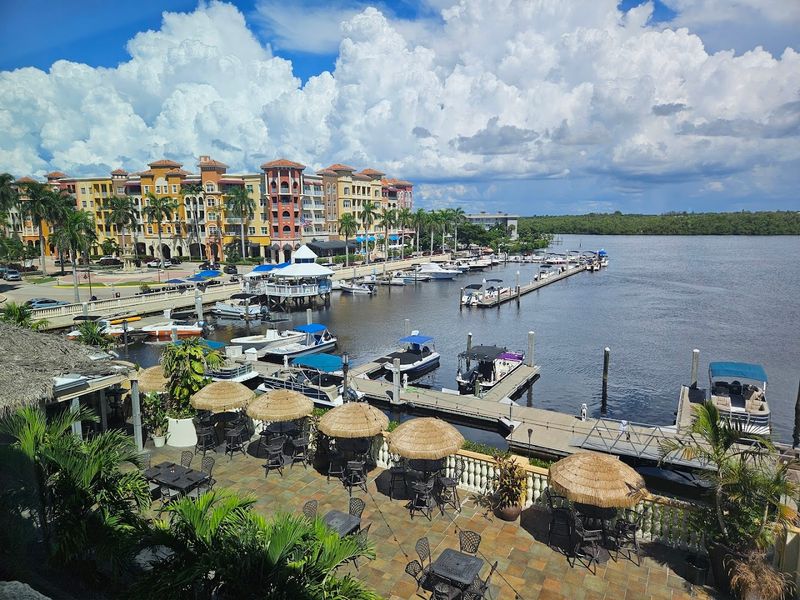
If you picture retirement as white-sand beaches, designer boutiques, and golf courses that look like oil paintings, Naples delivers exactly that. More than half the population here is 65 or older, making it one of the most retirement-dense cities in the entire country.
Naples Comprehensive Health has earned recognition as one of America’s Top 50 Hospitals, so you’re not sacrificing quality care for coastal elegance. The tradeoff? Census data puts the median home value above $1.5 million, which means Naples caters to retirees with deeper pockets and a taste for the finer things.
Fifth Avenue South and Third Street South offer high-end shopping and dining that rival any resort town, while the beaches remain surprisingly serene even during peak season. The nearby Everglades give you a dose of wild Florida, and the arts district brings in theater, symphony, and gallery shows year-round.
Naples isn’t trying to be quirky or edgy—it’s polished, comfortable, and unapologetically upscale. If you’ve worked hard and want a retirement that feels like a permanent vacation in a place where everything just works, Naples makes a strong case. Just be ready to pay for the privilege.
3. St. Petersburg
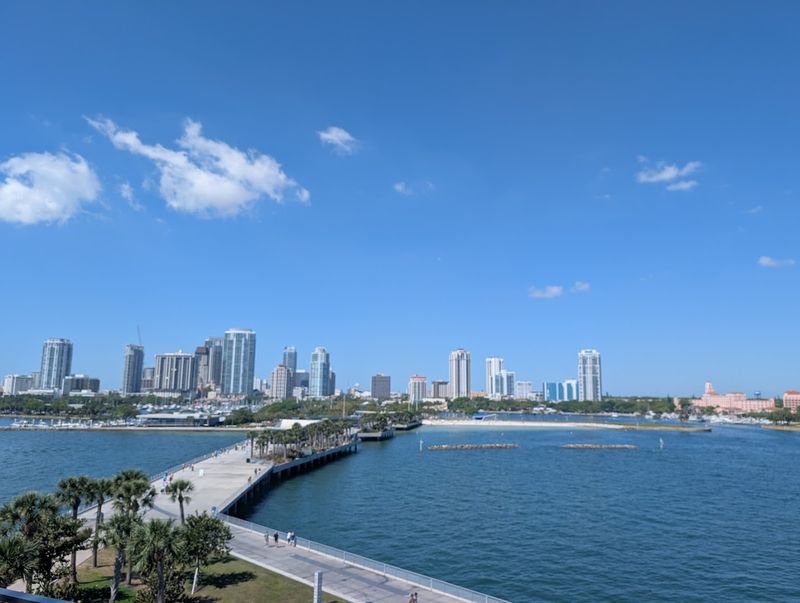
St. Pete gives you waterfront living with a pulse. Unlike some Florida retirement towns that go quiet after dinner, this city keeps its energy up with a walkable downtown, a thriving arts scene, and easy access to everything Tampa Bay has to offer.
The downtown core feels more like a urban neighborhood than a resort strip. You can stroll the waterfront, hit a museum, grab craft coffee, and catch live music without ever getting in your car. The Dali Museum and the Chihuly Collection bring world-class art to your backyard, and the weekly farmers market turns into a social hub for locals.
Florida’s tax structure and large senior population make the state a natural retirement magnet, and St. Pete capitalizes on that while keeping things lively. The weather stays warm, the beaches stay accessible, and the city stays interesting—no small feat for a place that attracts retirees by the thousands.
Housing costs here run lower than Naples or Sarasota but higher than smaller Gulf towns, which feels fair given what you get. St. Pete works especially well if you want the retirement perks Florida is known for without giving up the buzz of city life. It’s the rare spot where you can have both.
4. Fort Myers
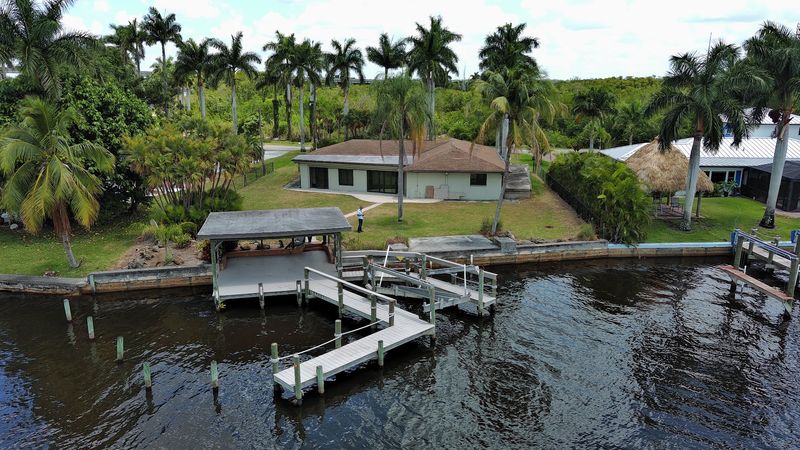
Fort Myers sits in that sweet spot where you get Gulf access, warm weather, and a retirement-heavy region without the country-club price tags that come with Naples. About 22 percent of residents here are 65 or older, and the city has built its identity around making retirees comfortable.
Lee Health is expanding its advanced care footprint with a new major campus in Fort Myers, which means the healthcare infrastructure is only getting stronger. That’s a big deal when you’re planning a long-term move and want peace of mind about medical access down the road.
The beaches here—Fort Myers Beach, Sanibel, Captiva—are classic Florida Gulf Coast: soft sand, calm water, and sunsets that look photoshopped. Downtown Fort Myers has come alive in recent years with the River District offering restaurants, galleries, and a farmers market that draws crowds every week.
Housing costs stay more approachable than Naples, though they’ve climbed as more people discover the area. Still, you get a lot for your money: proximity to the coast, a solid healthcare system, and a slower pace that feels genuinely relaxed. Fort Myers doesn’t try to impress you with flash—it just delivers the essentials really well.
5. Boca Raton
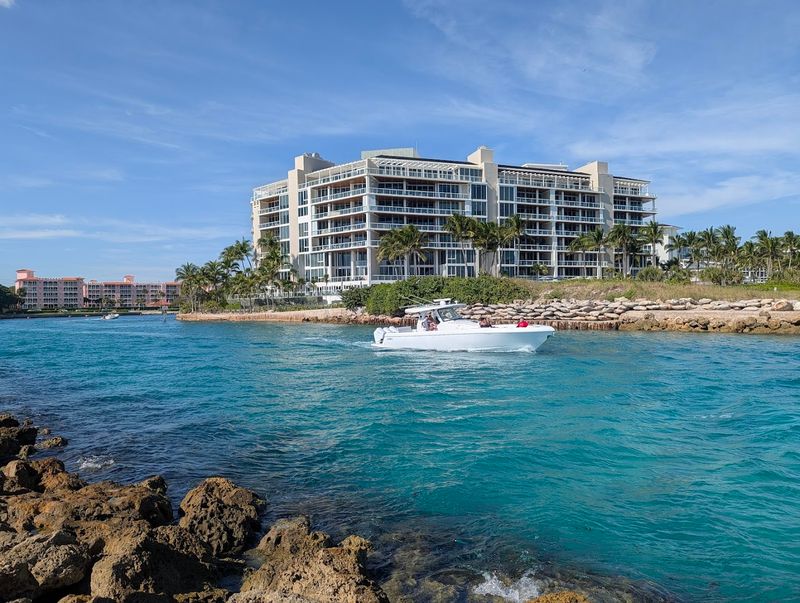
Boca Raton has earned a reputation as one of South Florida’s most polished suburbs, and for retirees who want strong services, easy access, and a well-run community, it checks every box. Florida Realtors has highlighted Boca for leading health and well-being measures, including strong healthcare access and high life expectancy, which matters when you’re planning your next chapter.
The city feels orderly and efficient in the best way possible. Parks stay clean, roads stay smooth, and you’re never far from a grocery store, doctor’s office, or beach. The Atlantic coastline here is gorgeous, and the dining scene rivals much bigger cities, with everything from casual cafes to white-tablecloth spots.
Boca also benefits from its location. You’re close enough to Miami and Fort Lauderdale for airport access and big-city amenities, but far enough away to avoid the traffic and chaos. The cultural calendar stays full with theater, concerts, and events, and the shopping options range from boutique to high-end mall.
Housing costs run higher than many Florida cities, but retirees who choose Boca usually prioritize quality of life over bargain hunting. It’s a place where everything works, the services are top-tier, and you can settle in knowing the infrastructure is built around making life easier.
6. Jacksonville
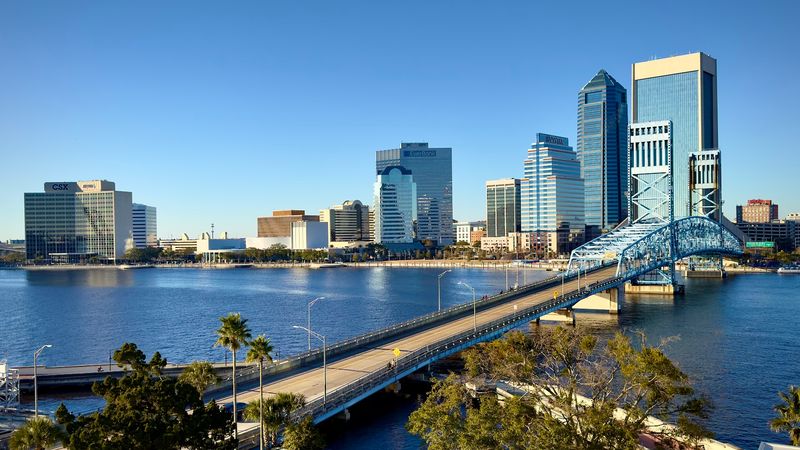
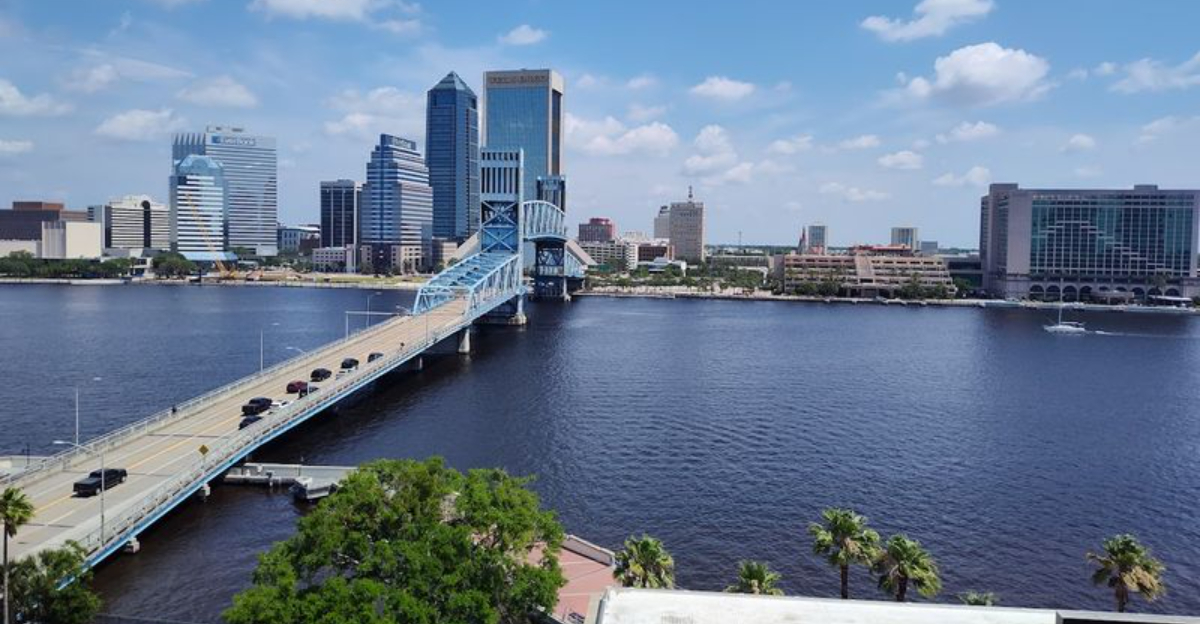
Needless to say, Jacksonville gives you major-metro benefits without Miami-level intensity, and for retirees who prioritize healthcare access, it’s hard to beat. Mayo Clinic’s Florida campus holds the most top-ranked specialties in the state in the 2025–2026 U.S. News cycle, which translates to real peace of mind when you’re thinking long-term about medical care.
The city sprawls across a huge footprint, so you can choose your vibe—beachy neighborhoods near the Atlantic, historic districts downtown, or quieter suburban pockets inland. The St. Johns River cuts through the city and gives Jacksonville a water-oriented feel even when you’re miles from the coast.
Cost of living stays reasonable compared to South Florida, and the lack of state income tax means your retirement dollars stretch further. The weather stays warm most of the year, though you’re far enough north to get actual seasons, which some retirees appreciate after decades in colder climates.
Jacksonville doesn’t have the flash of Miami or the resort-town polish of Naples, but it delivers substance. You get a strong job market if you want part-time work, solid infrastructure, and that Mayo Clinic edge that makes healthcare worries fade into the background. It’s a smart, practical choice for retirees who value function over scenery.
7. Gainesville
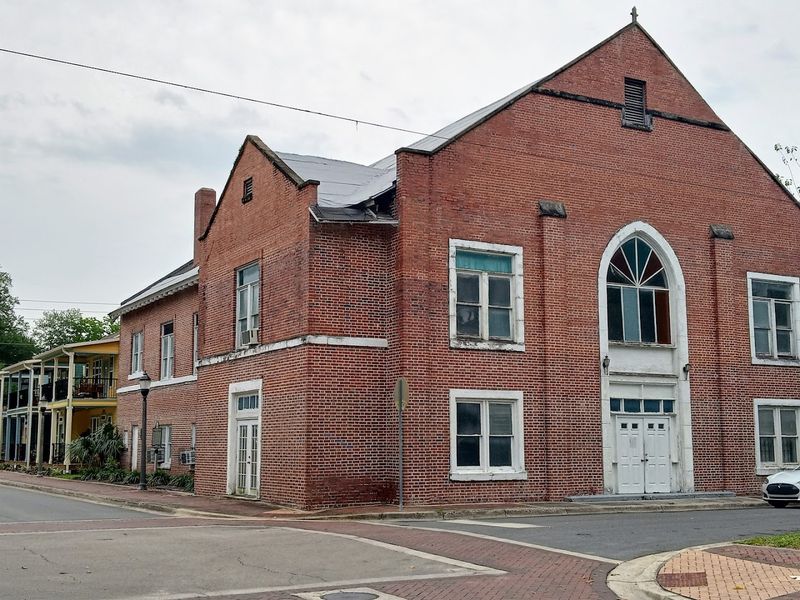
Gainesville brings a college-town energy that keeps things lively without tipping into chaos, and for retirees who want lower housing costs paired with top-tier medical access, it’s a standout. UF says patients travel here for specialized care, which gives you big-city healthcare quality in a smaller, more manageable setting.
Census QuickFacts lists the median owner-occupied home value at $247,500, which is a fraction of what you’d pay in Naples or Sarasota. That affordability opens doors for retirees on fixed incomes who still want access to culture, healthcare, and a strong sense of community.
The University of Florida campus keeps the town young and active, with lectures, performances, and sporting events filling the calendar year-round. Downtown Gainesville offers local restaurants, indie shops, and a farmers market that feels authentic rather than touristy. The surrounding area stays green and forested, giving you a break from the beach-and-condo landscape that dominates much of coastal Florida.
Gainesville won’t give you Gulf sunsets or Atlantic breezes, but it delivers something else: a college-town vibe with world-class medical care and housing costs that let you actually enjoy retirement. If you care more about substance than scenery, Gainesville deserves a serious look.
8. Pensacola
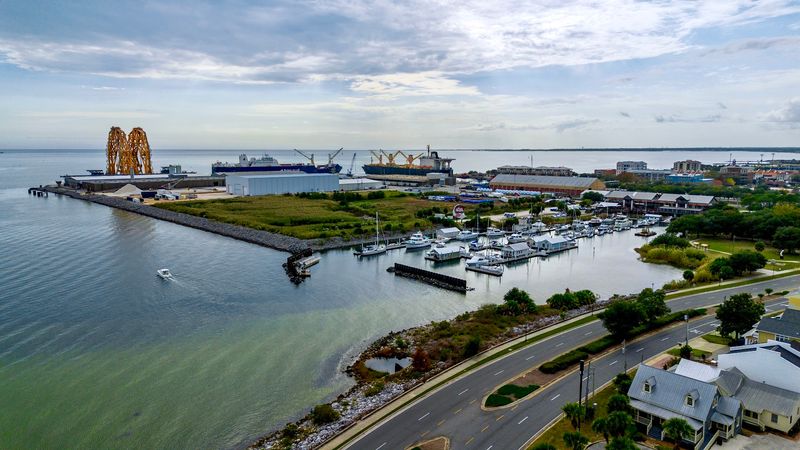
Pensacola delivers Gulf Coast scenery without the sticker shock that comes with many southern Florida beach cities. Census QuickFacts lists a median owner-occupied home value of $314,400, with 21.3 percent of residents 65 or older, which signals a retirement-friendly community that hasn’t been priced out of reach.
The beaches here rank among Florida’s best—Pensacola Beach and Perdido Key offer sugar-white sand and emerald water that rival anything farther south. Downtown Pensacola has come back to life in recent years, with Palafox Street turning into a hub for dining, galleries, and weekend events.
The city sits in the Panhandle, which means you get a slightly different Florida experience. The weather stays warm but not scorching, and you’re close enough to Alabama and Mississippi for road trips that feel fresh. The military presence from Naval Air Station Pensacola adds stability to the local economy and brings in resources that benefit the whole community.
Pensacola works especially well for retirees who want beach access without Naples pricing. You get the Gulf lifestyle—sunsets, seafood, sand—at a cost that lets you actually relax about your budget. It’s Florida retirement done right, with fewer compromises than you might expect.
9. Ocala
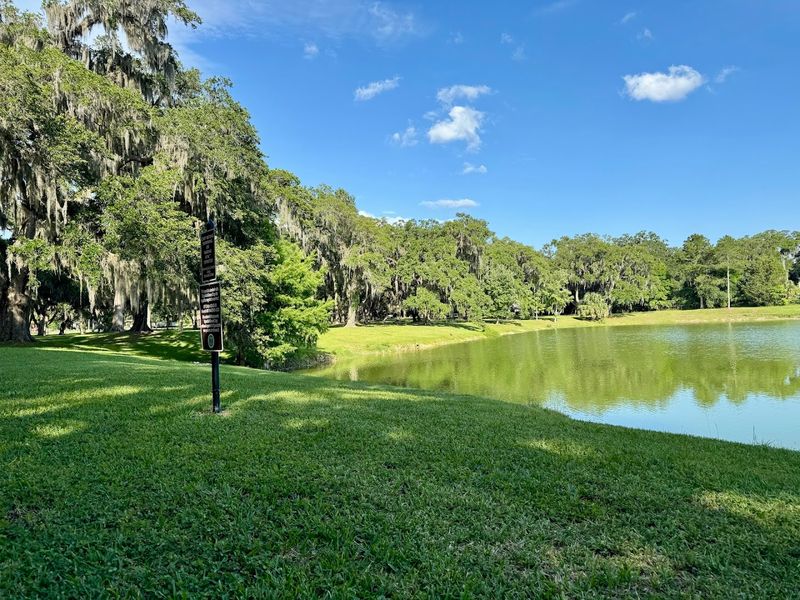
Safe and easy on the eye, Ocala offers a completely different retirement path for people who care more about value, quieter living, and a walkable small downtown than beachfront prestige. Census QuickFacts lists a median owner-occupied home value of $241,400, which makes it one of the most affordable options on this list while still delivering quality of life.
The city sits inland, surrounded by horse farms and rolling hills that give Central Florida a surprising dose of rural charm. Ocala’s historic downtown square has become a genuine gathering spot, with dining, events, and nightlife that Ocala/Marion tourism highlights as a walkable hub. It’s not trying to compete with beach towns—it’s offering something different.
The slower pace here appeals to retirees who’ve had enough of traffic, crowds, and the hustle that comes with coastal living. You’re still close enough to the coast for day trips, and Orlando sits less than 90 minutes away when you need big-city amenities or an airport.
Ocala won’t give you ocean views or resort-style living, but it delivers affordability, community, and a pace that actually feels like retirement. If you’ve spent decades chasing deadlines and want a place where life slows down without shutting down, Ocala makes a compelling case for inland Florida living.