This Underrated Florida State Park Feels Like Pure Magic Without the Crowds
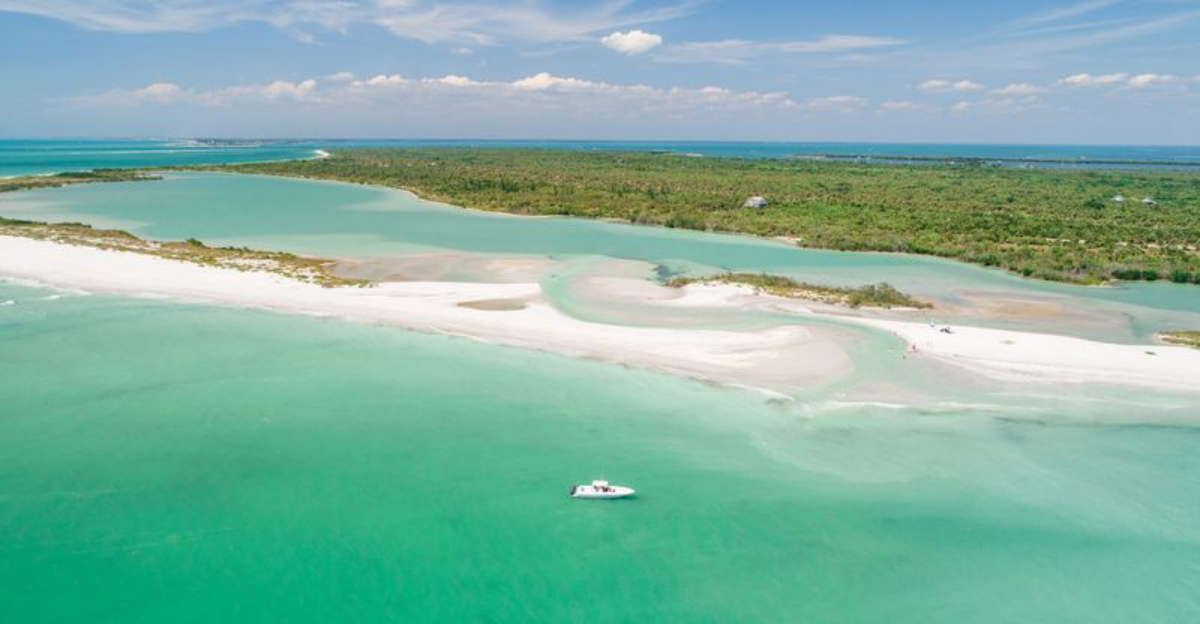
Tucked away on a barrier island off Florida’s Gulf Coast, Cayo Costa State Park is one of those rare places that feels completely untouched by modern life. You won’t find any bridges leading here—just boats, ferries, and the promise of nine miles of pristine shoreline that most tourists never discover. While everyone else crowds onto the busy beaches of Fort Myers and Sanibel, this hidden gem offers something truly special: the chance to experience Old Florida exactly as nature intended, with nothing but sand, sea, and sky stretching out before you.
1. Getting There Is Half the Adventure
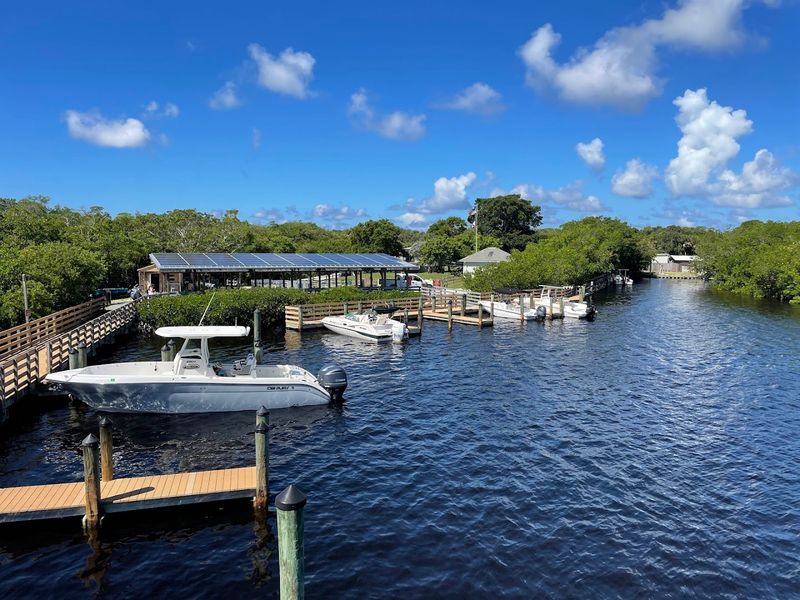
Reaching Cayo Costa requires a little effort, which is exactly why it stays so blissfully empty. Since Hurricane Ian took out the regular ferry service, you’ll need to arrange a private boat or book a charter to make the crossing. Several companies in the Captiva and Pine Island area offer day trips and drop-off services, turning the journey into part of the experience rather than just transportation.
The boat ride itself gives you a front-row seat to Southwest Florida’s coastal beauty. Dolphins frequently swim alongside vessels, and you might spot manatees, rays, or sea turtles in the shallow waters. The anticipation builds as the island’s palm-lined shore comes into view, knowing you’re heading somewhere genuinely remote.
Plan your trip around the park’s 8 AM to 5 PM operating hours, and bring everything you need for the day. There’s a small store near the dock, but it carries limited supplies. Most visitors pack coolers with food, plenty of water, sunscreen, and shade equipment since you’ll be mostly on your own once you arrive.
2. Nine Miles of Uncrowded Beach Perfection
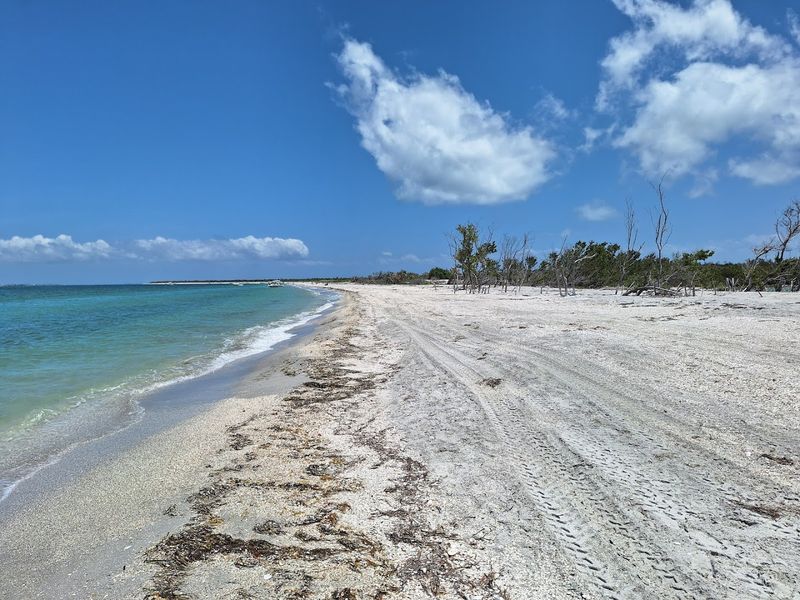
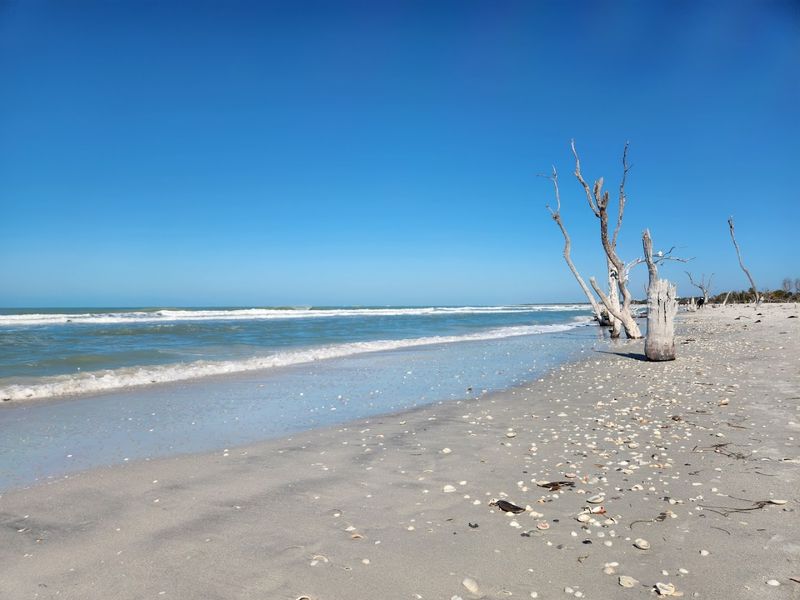
Walking onto Cayo Costa’s Gulf-side beach feels like stepping into a postcard from decades past. The sand stretches endlessly in both directions, so white it almost glows under the Florida sun. Unlike the packed tourist beaches just a few miles away, you can actually walk for hours here without dodging umbrellas or tripping over beach chairs.
The beach consistently ranks among Florida’s most beautiful, and once you see it, you’ll understand why campers rave about it. Crystal-clear water laps gently at the shore, perfect for swimming without the worry of strong currents. The gradual slope makes it ideal for wading out and floating in the warm Gulf waters.
What makes this beach truly magical is the space. Even on weekends, you can stake out your own private stretch of paradise. Bring a beach umbrella or pop-up tent for shade since natural cover is limited on the open sand.
The walk from the dock takes about 15 minutes on well-maintained sandy paths, or you can catch the park tram if you’re hauling gear.
3. Shell Collector’s Dream Come True
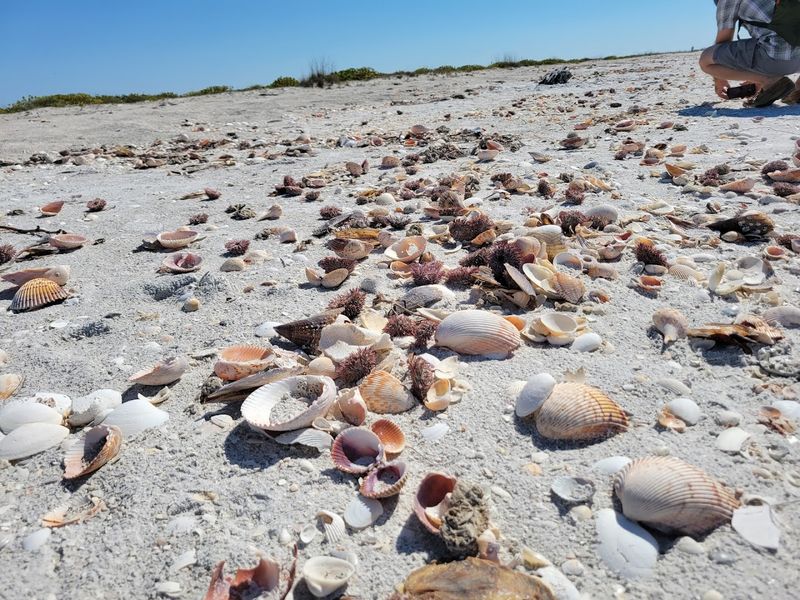
Serious shellers consider Cayo Costa one of Florida’s top spots for finding exceptional specimens. The island’s position as a barrier island means shells wash up constantly from the Gulf, creating a treasure hunt that changes with every tide. You’ll find everything from delicate scallops to large lightning whelks, sand dollars to colorful coquinas.
Early morning offers the best shelling opportunities, right after high tide recedes. That’s when the freshest shells appear, still glistening with seawater and often in pristine condition. Unlike more accessible beaches where collectors snatch up everything immediately, Cayo Costa’s relative isolation means shells stick around longer.
Bring a mesh bag or bucket for your finds, and remember Florida’s shelling rules—no live shells allowed. The variety here impresses even experienced collectors who’ve scoured beaches across the state. Some visitors report finding rare specimens they’ve never encountered elsewhere.
Walking the shoreline becomes addictive as each wave potentially reveals something spectacular. The combination of limited crowds and constant shell replenishment makes every visit feel like hitting the jackpot.
4. Primitive Camping Under the Stars
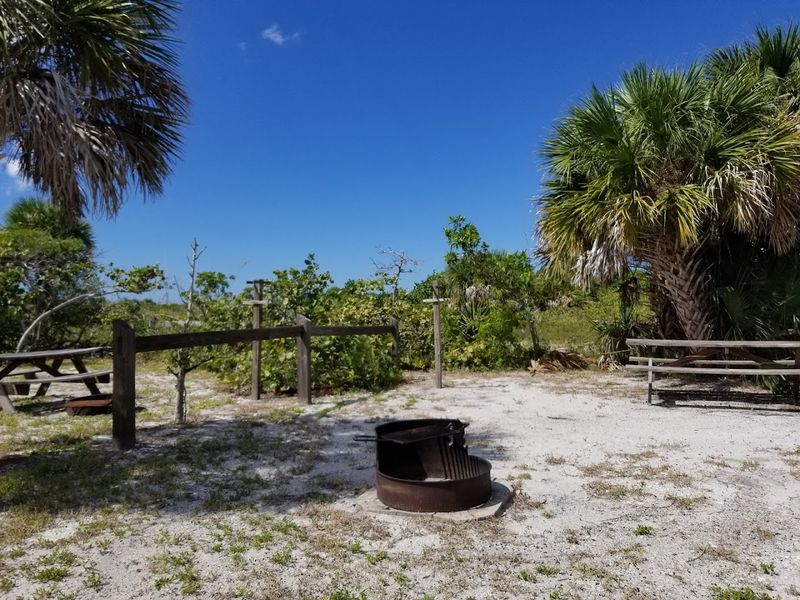
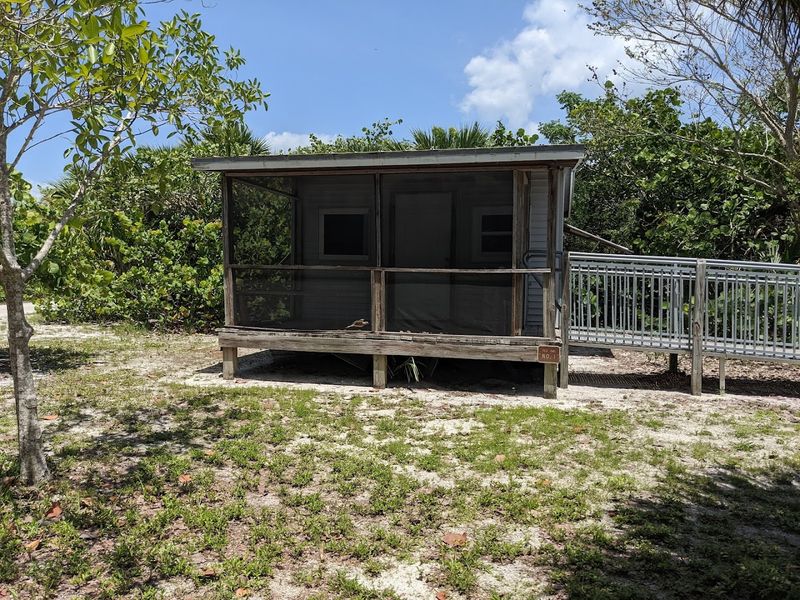
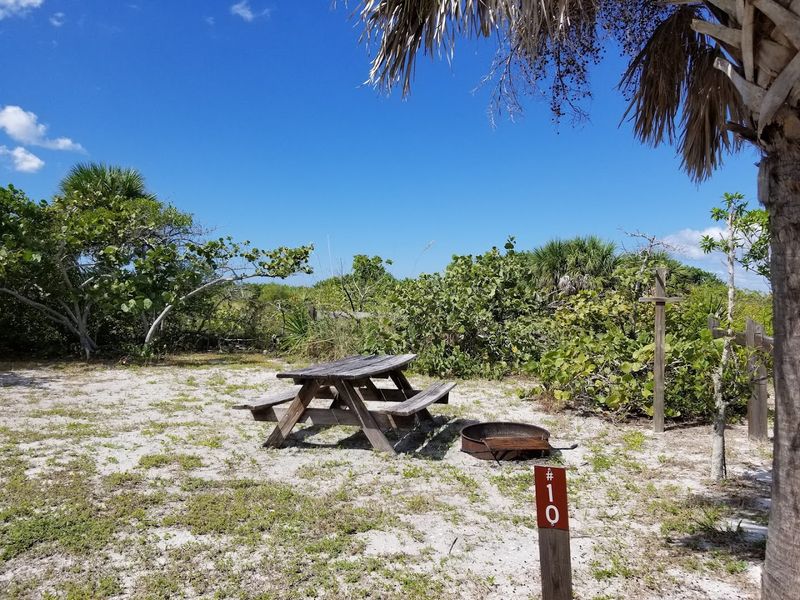
Camping at Cayo Costa takes you back to basics in the best possible way. The park offers both primitive tent sites and small cabins, though facilities remain minimal by design. There’s no electricity at campsites, no air conditioning, and no modern conveniences—just you, nature, and the sound of waves in the distance.
The cabins provide four walls and a roof but not much else. They’re perfect for campers who want some structure without the full tent experience. Tent sites nestle among palm trees that provide some shade and create that quintessential tropical camping atmosphere.
Both options put you close enough to the beach to hear the surf at night.
Come prepared for a true wilderness experience. Pack everything you’ll need including food, cooking equipment, lanterns, and bug spray—lots of bug spray. The no-see-ums here are legendary, especially during summer months.
Ice and firewood are available at the ranger station. Restrooms with running water are maintained throughout the camping area. After Hurricane Ian, check current availability since some facilities are still being restored.
The reward for roughing it? Incredible sunsets and night skies so dark you can see the Milky Way.
5. Wildlife Watching at Every Turn
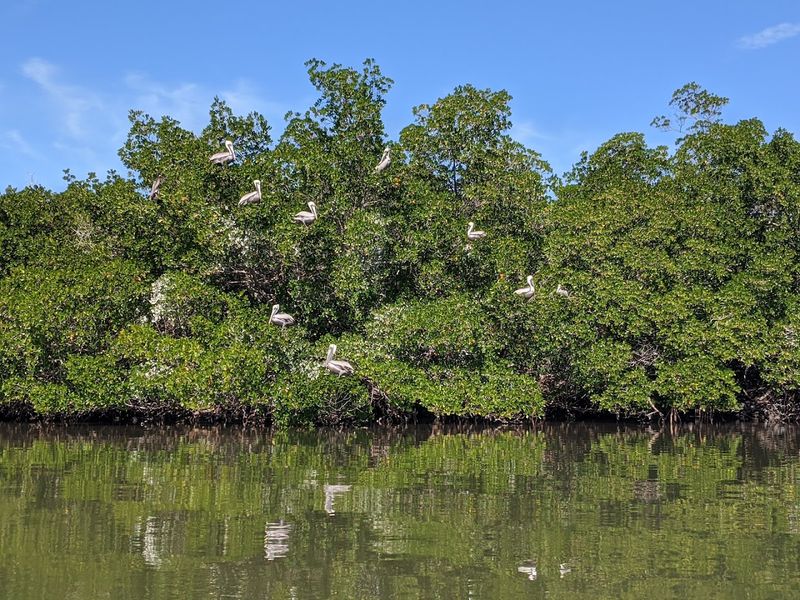
Cayo Costa’s undeveloped landscape creates perfect habitat for wildlife that’s largely disappeared from more populated areas. Dolphins are practically guaranteed sightings, often swimming close to shore or playing in the boat channels. Some lucky visitors have even swum near them in the shallows, though you should never chase or approach wildlife intentionally.
The island supports a surprising diversity of birds, from ospreys and pelicans to rare shorebirds that nest in the dunes. Bring binoculars if you’re into birding—you’ll spot species that serious enthusiasts travel far to see. Gopher tortoises lumber through the interior trails, and you might encounter raccoons near the campsites after dark.
Manatees and sea turtles frequent the waters around the island, especially in warmer months. During nesting season, sea turtle tracks crisscross the beach where mothers came ashore to lay eggs. The park staff marks active nests to protect them.
Rays glide through shallow water near shore, and small fish dart around your feet while you wade. The combination of marine and terrestrial ecosystems creates wildlife viewing opportunities that change throughout the day and across seasons.
6. Exploring Interior Trails and Bay Side
Most visitors head straight for the Gulf beach, but Cayo Costa’s interior trails reveal a completely different side of the island. Miles of paths wind through maritime forests thick with palm trees, saw palmettos, and coastal vegetation. The shade provides welcome relief from the beach sun, and the cooler microclimate feels refreshing on hot days.
Bikes make exploring easier—the park rents them by the hour at reasonable rates, though overnight rentals aren’t available to campers. The relatively flat terrain makes cycling accessible for most skill levels. You can cover significantly more ground on two wheels than on foot, discovering hidden corners of the island most day-trippers never see.
The bay side presents a stark contrast to the Gulf beach. Instead of open sand and waves, you’ll find mangrove-lined shores and calm, shallow water perfect for kayaking. The ecosystem here supports different wildlife, and the peaceful atmosphere feels even more remote.
Some areas feature sandbars that emerge at low tide, creating temporary islands. A free tram runs hourly between the dock and various island locations, helpful when you’re ready to move between areas without the walk.
7. Day Trip Essentials and Insider Tips
Smart packing makes the difference between a good day and a great day at Cayo Costa. Start with more water than you think you’ll need—the combination of sun, heat, and salt air dehydrates you faster than you realize. A large cooler with ice keeps drinks cold and stores any food you bring since there’s nowhere to buy lunch on the island.
Sun protection goes beyond just sunscreen. Pack a beach umbrella or pop-up tent because natural shade is scarce on the Gulf beach. Long-sleeve UV shirts, hats, and sunglasses protect you during extended outdoor time.
Reusable water bottles reduce waste and keep you hydrated throughout the day.
Bug spray is absolutely non-negotiable, especially if you’re visiting between May and October. The no-see-ums don’t care what brand you use—just apply it liberally and often. A small first-aid kit, waterproof bags for electronics, and extra towels round out the essentials.
Arrive early to snag good dock space if you’re bringing your own boat. The rangers are incredibly helpful and friendly, so don’t hesitate to ask questions. Check the weather forecast carefully since you’ll be exposed to elements with limited shelter options.
8. Why This Park Stays Wonderfully Empty
Cayo Costa’s magic lies in what it doesn’t have. There are no hotels, no restaurants, no beach bars blasting music, and no souvenir shops. The boat-access-only requirement filters out casual beachgoers who want convenience over experience.
This natural barrier keeps crowds manageable even during peak Florida tourist season when nearby beaches become parking lot nightmares.
The primitive camping situation also limits visitors to those willing to embrace rustic conditions. People seeking resort amenities head elsewhere, leaving Cayo Costa to adventurers who appreciate unspoiled nature. Hurricane Ian’s impact on the ferry service further reduced visitor numbers, though that also means more solitude for those who make the effort.
This park represents what much of Florida’s coast looked like before development took over. No high-rises block the horizon, no jet skis disturb the peace, and artificial lighting doesn’t wash out the stars. The experience feels authentic and timeless.
While some might see the lack of amenities as a drawback, that’s precisely what makes Cayo Costa special. It rewards visitors who value natural beauty over convenience, offering something increasingly rare—a genuine escape from modern life’s constant noise and crowds.