10 Walkable Florida Towns You’ll Fall in Love With in 2026
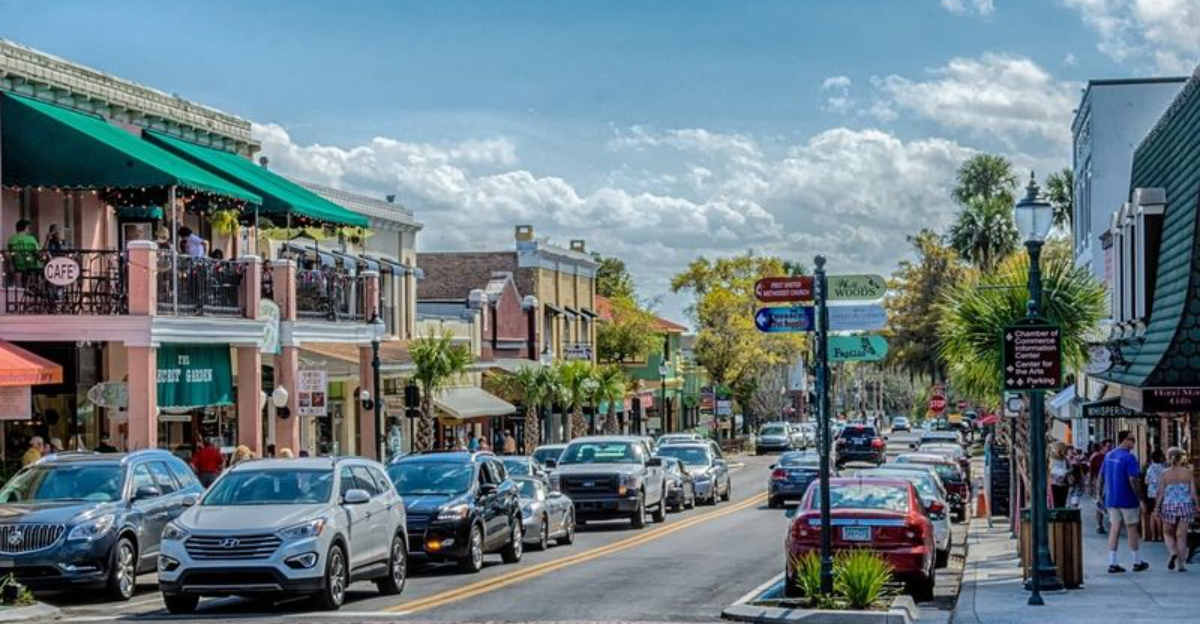
Florida is known for beaches and theme parks, but some of its best experiences happen on foot in charming small towns. These walkable destinations let you slow down, explore at your own pace, and discover local shops, cafes, and hidden corners without ever starting your car. Whether you’re craving historic streets, waterfront views, or vibrant downtown energy, these ten towns offer the perfect blend of charm and strollability that’ll make you want to lace up your sneakers and wander.
1. St. Augustine
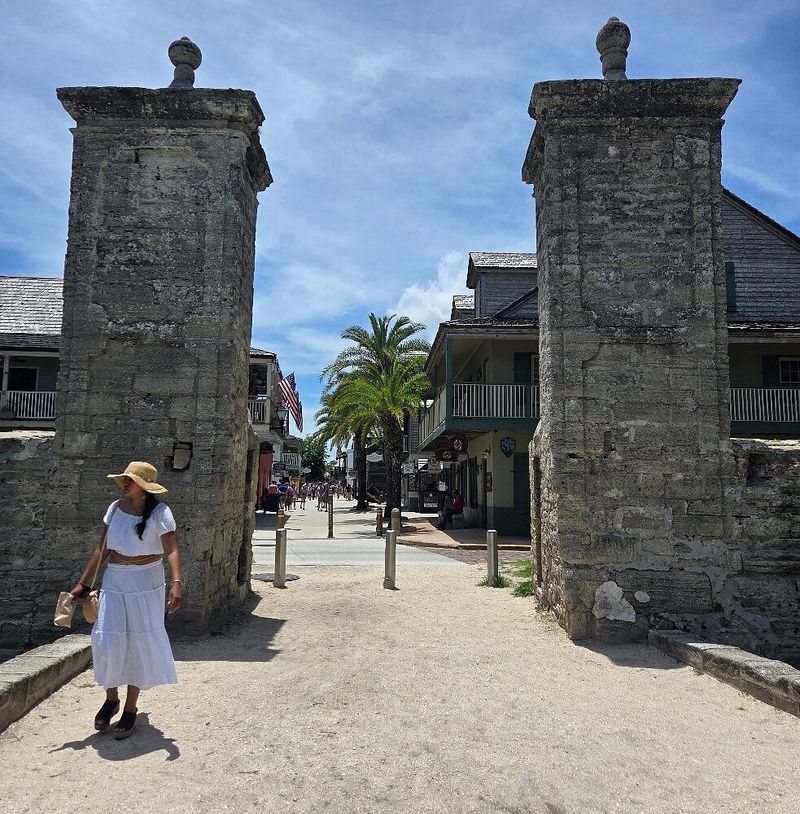
Walking through America’s oldest city feels like stepping into a living history book, except with better coffee shops and way more ice cream. St. George Street cuts right through the heart of downtown as a car-free zone where colonial-era buildings house quirky boutiques, art galleries, and restaurants serving everything from fresh seafood to old-world Spanish tapas.
The entire historic district spans about 144 blocks, but the core walkable area is totally manageable in a day. You’ll pass courtyards with fountains, museums tucked into centuries-old structures, and enough photo ops to fill your camera roll twice over. Street performers, horse-drawn carriages, and the occasional ghost tour guide add to the atmosphere.
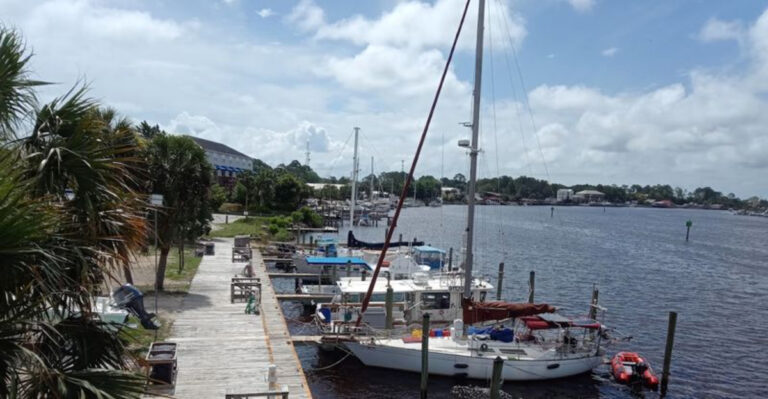
Beyond St. George Street, the Matanzas River waterfront offers breezy walks with sailboat views and waterfront dining. The compact layout means you can hit the Castillo de San Marcos, grab lunch on a patio, browse local shops, and still have energy left for sunset strolls along the seawall. Parking once and exploring on foot is not just possible here—it’s the whole point.
2. Mount Dora
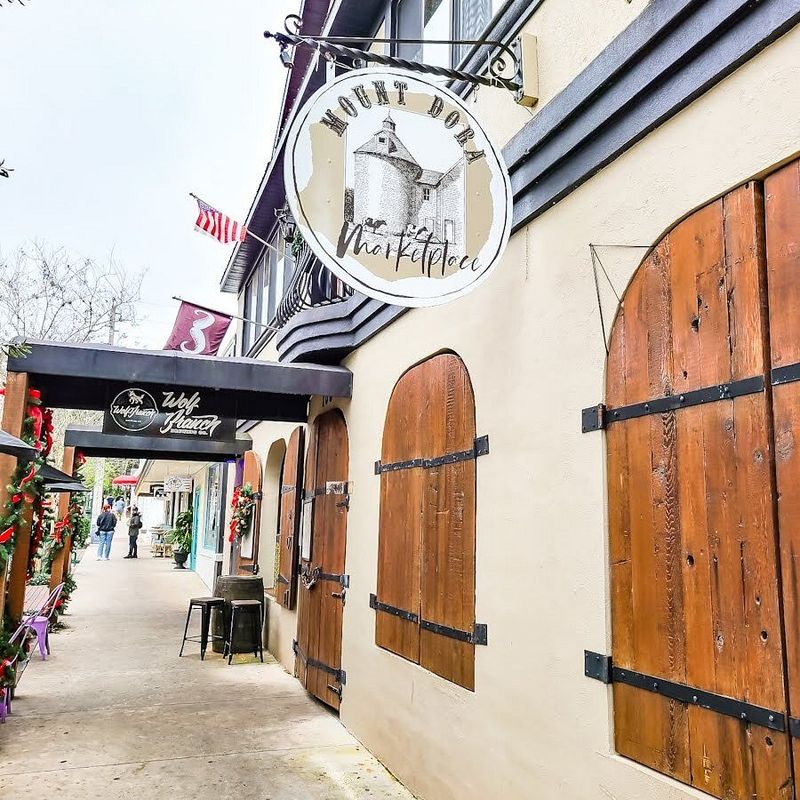
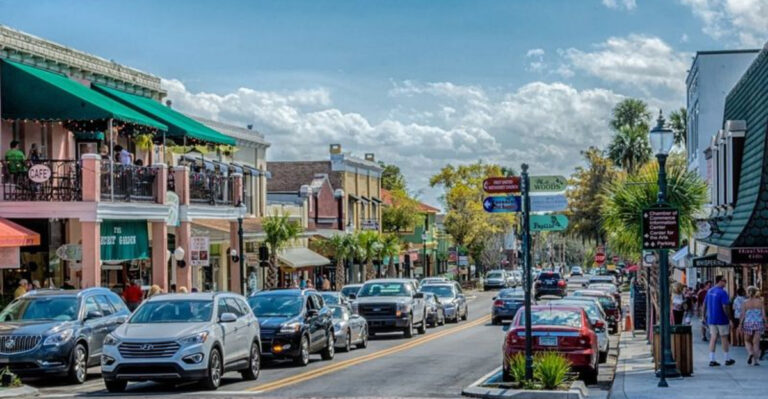
Perched on rolling hills overlooking Lake Dora, this small town punches way above its weight in walkability and charm. Downtown Mount Dora clusters around a bustling core filled with antique shops, indie boutiques, cafes, and restaurants that spill onto sidewalks shaded by old oaks. The lakefront anchors everything, with parks, a marina, and event spaces that host festivals nearly every weekend.
What makes Mount Dora special is how everything connects naturally. You can start with coffee at a downtown cafe, wander through art galleries and vintage stores, then end up at the waterfront watching boats drift by—all within a few pleasant blocks. The town embraces its walkable identity with benches, wide sidewalks, and a genuine small-town vibe that never feels forced or touristy.
Seasonal events like art festivals and classic car shows bring extra energy, but even on quiet weekdays, downtown hums with locals and visitors exploring on foot. The compact size means you won’t exhaust yourself, and the variety of shops and eateries means you won’t get bored. It’s the kind of place where a quick errand turns into a two-hour stroll, and nobody minds one bit.
3. Winter Garden
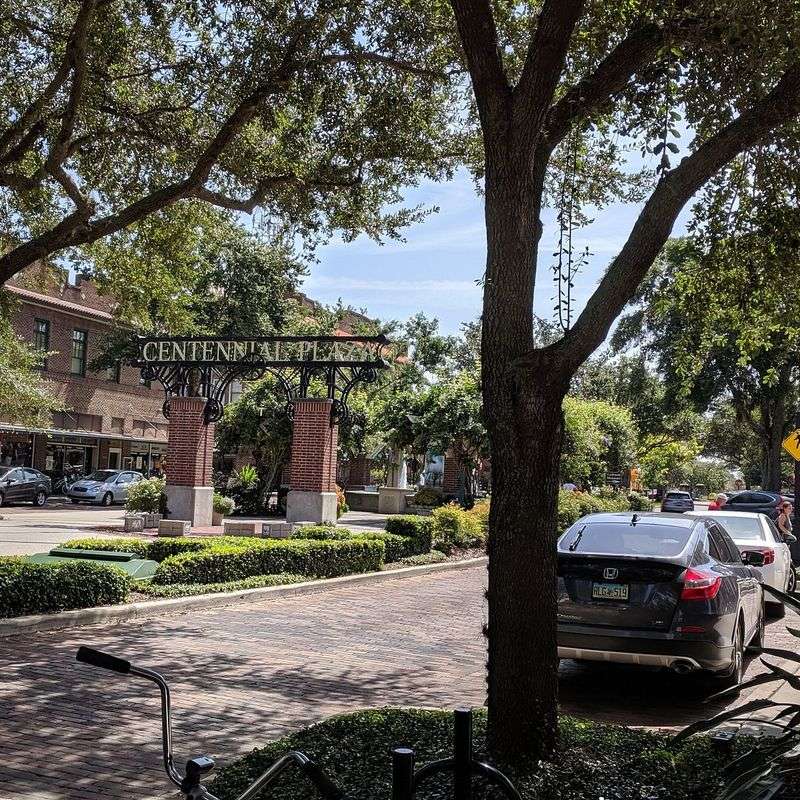
Winter Garden transformed from a sleepy railroad town into one of Central Florida’s most impressive walkable destinations, and the West Orange Trail running right down Plant Street is a big reason why. This paved trail attracts cyclists, joggers, and walkers who flow seamlessly into the downtown district, creating constant foot traffic and energy that feels vibrant without being overwhelming.
The historic downtown stretches along Plant Street with beautifully restored brick buildings housing farm-to-table restaurants, craft breweries, coffee roasters, and local boutiques. Public spaces like the amphitheater and splash pad give families gathering spots, while covered sidewalks and shaded benches make strolling comfortable even on warm afternoons. Everything feels intentionally designed for people, not cars.
On weekends, the farmers market draws crowds, and outdoor events fill the streets with live music and food vendors. But weekdays have their own appeal—quieter sidewalks, easier parking, and the chance to chat with shop owners who genuinely love their town. The whole downtown can be covered in an hour if you’re rushing, but most visitors linger longer, grabbing a beer at a brewery patio or catching live music at sunset.
It’s modern Florida done right.
4. Dunedin
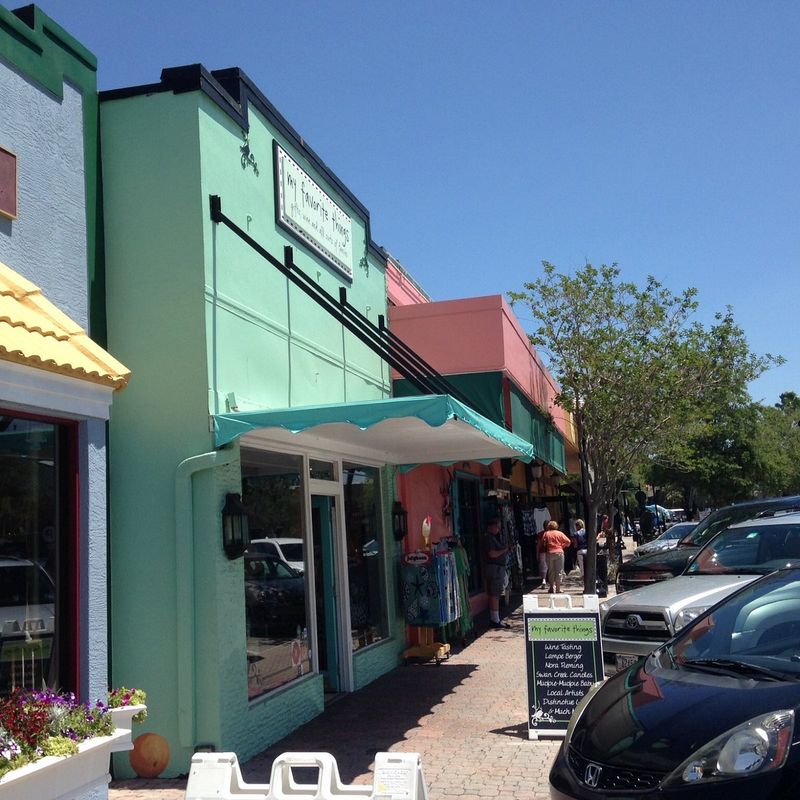
Dunedin built its reputation on two things: walkability and beer. The Pinellas Trail cuts straight through downtown, bringing a steady stream of cyclists and walkers who stop to explore the lively Main Street district packed with breweries, cafes, galleries, and shops. The Scottish heritage adds quirky charm—bagpipe music during festivals, Celtic-themed murals, and pub names that nod to the town’s roots.
Main Street itself is a pedestrian’s dream, with wide sidewalks, outdoor seating everywhere, and a relaxed vibe that encourages slow exploration. You can hop between craft breweries sampling local IPAs, duck into vintage shops and art studios, then wander down to the marina for waterfront views and fresh seafood. The whole downtown core is compact enough to cover easily on foot.
Beyond downtown, the waterfront offers parks, a causeway with beach access, and connections to the Jolley Trolley and ferry service to Honeymoon Island. Locals love the car-light lifestyle here—many residents bike or walk for errands, groceries, and nights out. Visitors quickly catch on, parking once and spending entire afternoons strolling between breweries, parks, and waterfront spots.
Dunedin proves Florida doesn’t have to be car-dependent to be fun.
5. Fernandina Beach
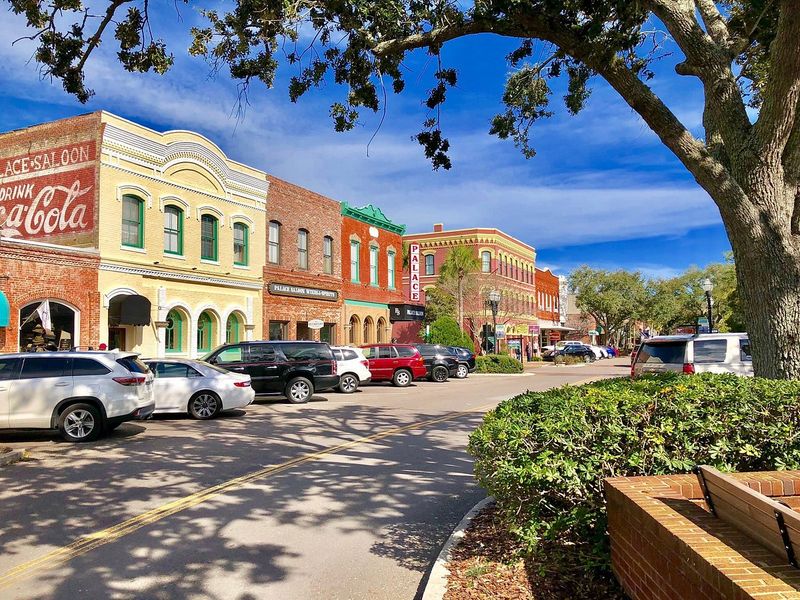
Amelia Island’s historic heart beats strongest in downtown Fernandina Beach, where Victorian-era buildings line Centre Street in a compact, walkable grid that feels frozen in a much gentler era. The entire downtown stretches only about six blocks, but those blocks pack in art galleries, bookstores, seafood restaurants, historic inns, and shops selling everything from local honey to handmade jewelry.
What sets Fernandina apart is the preservation—this isn’t a recreated historic district, but the real deal, with 50-block historic neighborhoods surrounding downtown that reward aimless wandering. Moss-draped oaks shade sidewalks, front porches overflow with ferns, and corner cafes serve shrimp and grits to locals and visitors who mingle easily. The waterfront is steps away, with marina views and harbor breezes.
Walking tours highlight the town’s shipbuilding past and pirate legends, but you don’t need a guide to appreciate the atmosphere. Stroll Centre Street browsing shops, detour down side streets admiring Victorian architecture, then end up at the marina watching shrimp boats unload their catch. The whole experience feels unhurried and authentic, like you’ve discovered a secret corner of Florida that hasn’t been overtaken by development.
Because you kind of have.
6. Delray Beach
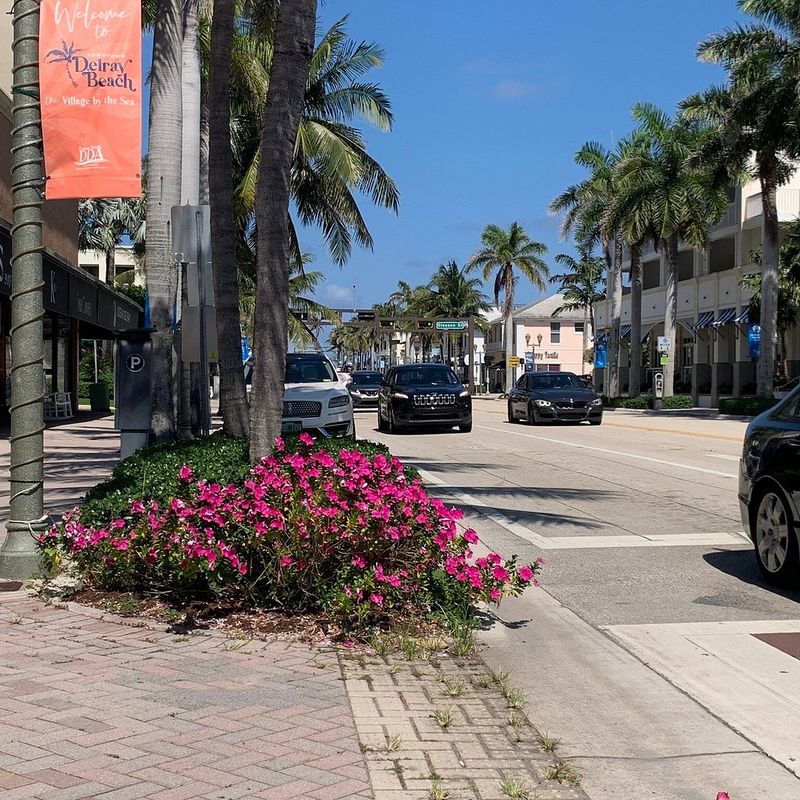
Atlantic Avenue runs through downtown Delray like a artery pumping art, food, and beach-town energy into a walkable corridor that stretches from the Intracoastal to the ocean. This mile-long stretch packs in sidewalk cafes, galleries, boutiques, and nightlife spots that stay busy from morning coffee runs to late-night cocktails. The nearby Pineapple Grove Arts District adds another layer of walkable exploring with murals, studios, and creative spaces.
Delray nails the balance between polished and approachable. You’ll find upscale dining next to casual taco joints, high-end galleries beside surf shops, and everyone seems equally welcome. Wide sidewalks, frequent crosswalks, and shaded seating areas make strolling comfortable, and the beach is close enough that many visitors walk there in flip-flops and swimsuits.
Weekends bring street performers, farmers markets, and packed restaurant patios, but weekday mornings offer a quieter side of Delray—yoga studios opening, coffee shops filling with locals, and galleries unlocking their doors. The whole downtown encourages lingering, whether that’s people-watching from a cafe patio, browsing art galleries, or catching live music at an outdoor venue. It’s walkable, vibrant, and proof that Florida beach towns can have substance beyond sunscreen and souvenir shops.
7. Safety Harbor
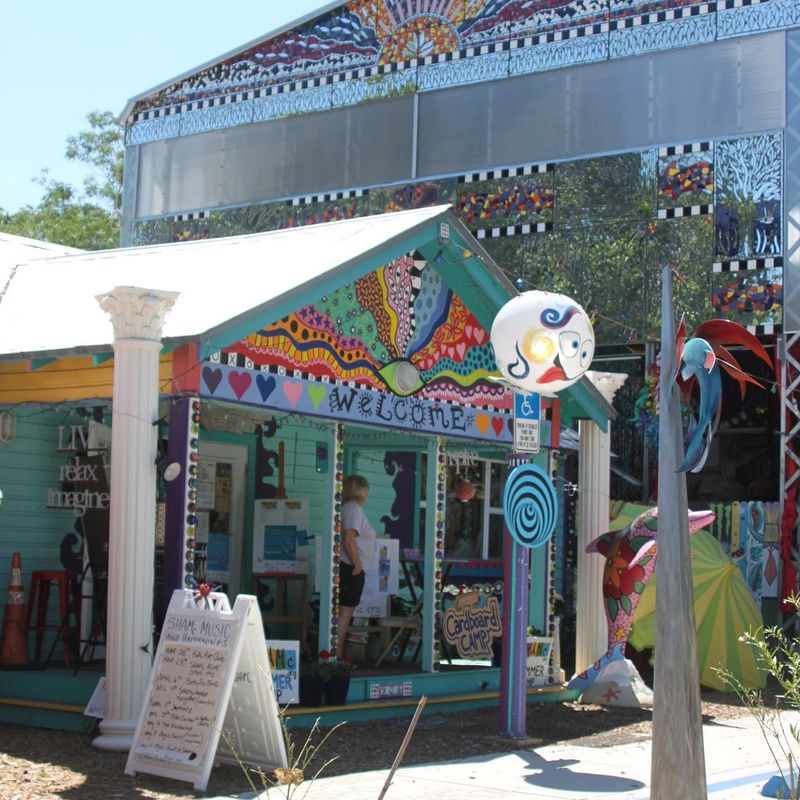
Tucked along Tampa Bay’s shoreline, Safety Harbor offers one of Florida’s most pleasant small-town strolls without the crowds or hype of bigger destinations. Main Street runs through downtown with locally owned galleries, cafes, yoga studios, and shops that feel genuinely neighborhood-focused rather than tourist-driven. The bayfront is steps away, with parks, a fishing pier, and water views that add to the easygoing atmosphere.
Everything in Safety Harbor feels human-scaled and approachable. You can grab breakfast at a corner cafe, browse art galleries showcasing local artists, pick up fresh produce at the weekly market, then walk to the waterfront for sunset views—all within a few relaxed blocks. The town embraces its walkability with benches, shade trees, and a genuine sense of community that visitors notice immediately.
The historic Safety Harbor Resort & Spa anchors one end of downtown, adding a wellness vibe that permeates the whole area. Yoga studios, juice bars, and meditation centers mix with traditional shops and restaurants, creating an eclectic but cohesive atmosphere. It’s not flashy or resort-like, just a genuinely pleasant place to spend a morning or afternoon wandering on foot, chatting with friendly shop owners, and soaking up Old Florida charm with a modern, health-conscious twist.
8. Venice
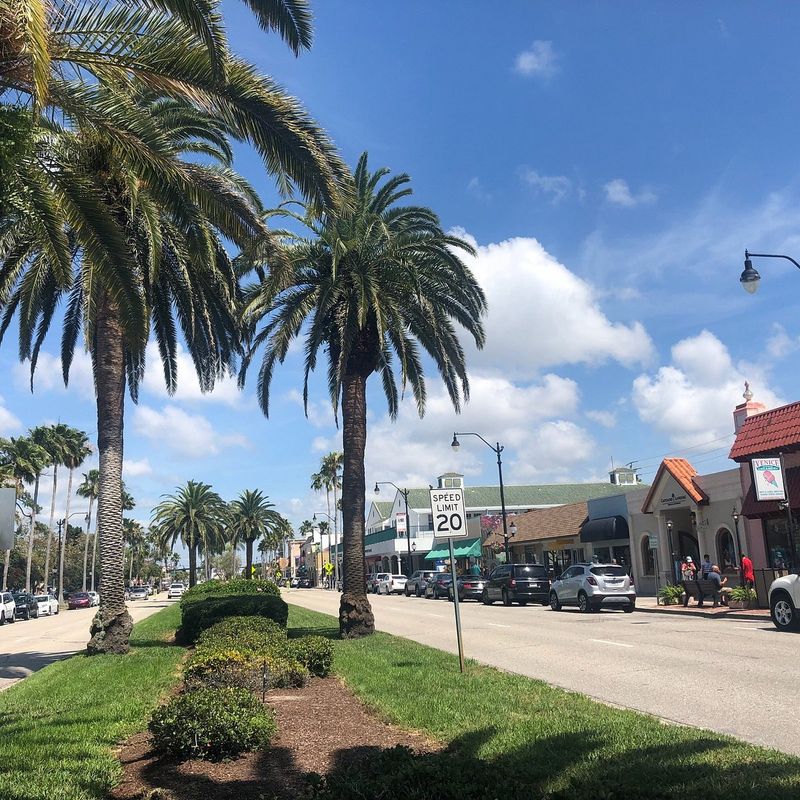
Venice’s 1920s downtown feels like it was designed specifically for leisurely strolls, with Spanish-style architecture, wide sidewalks, palm-lined streets, and a grid layout that makes navigation effortless. The historic district centers around West Venice Avenue, where shops, restaurants, galleries, and the Venice Theatre create a cultural hub that’s compact enough to explore easily on foot. Free parking throughout downtown removes the usual stress of finding a spot.
What makes Venice especially pleasant is the intentional preservation of its historic character. Buildings maintain their Mediterranean Revival architecture, storefronts keep a consistent aesthetic, and the overall vibe feels cohesive and thoughtfully maintained. Walking tours highlight the town’s planned community roots and architectural details, but you can appreciate the charm just by wandering and window shopping.
Beyond downtown, nearby beaches are accessible on foot or by bike, and the Legacy Trail offers paved paths for longer walks or rides. But the downtown core itself rewards slow exploration—ducking into air-conditioned galleries on hot afternoons, grabbing gelato from a corner shop, catching a matinee at the historic theater. Locals and visitors mix easily here, and the pace stays relaxed even during busy winter months.
It’s Florida walkability with a touch of old-world elegance.
9. Seaside
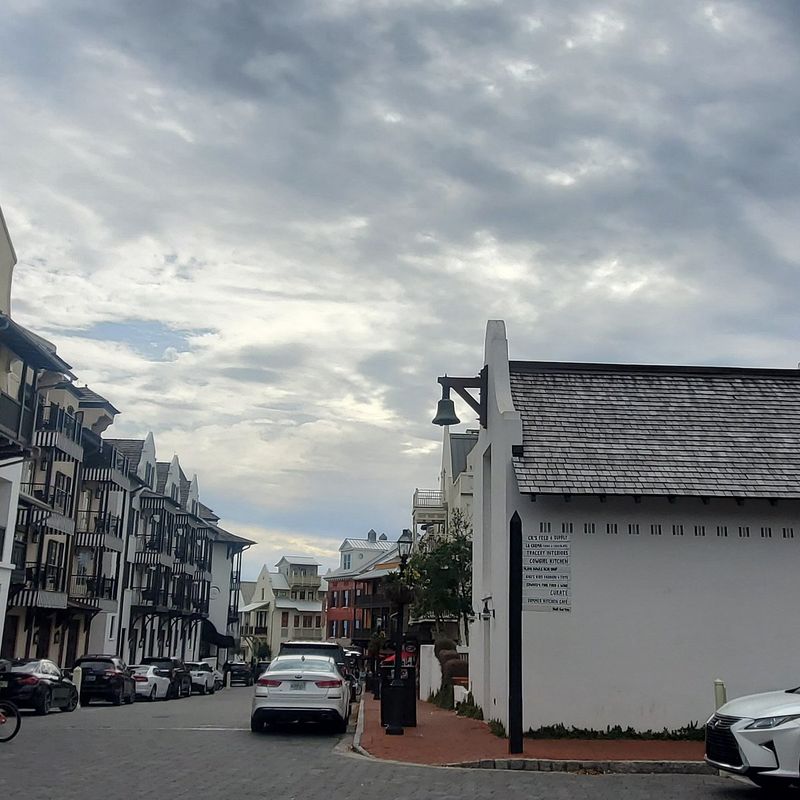
Seaside practically invented the modern walkable beach town when it was developed in the 1980s, and its compact, pedestrian-first design still feels fresh and functional decades later. The entire town center clusters around a central square with shops, restaurants, and gathering spaces, all connected by brick pathways and boardwalks that lead to sugar-white beaches. Cars take a backseat here—literally parked on the outskirts while everyone walks or bikes everywhere.
The New Urbanist design means everything sits close together: beach access, dining, shopping, and accommodations all within a five-minute stroll. Pastel-colored cottages with white picket fences line narrow streets designed for walking, and public spaces like amphitheaters and parks encourage community gathering. It’s intentionally charming, but the charm works because the infrastructure supports it.
Seaside hosts events like outdoor movies, farmers markets, and concerts that bring residents and visitors together in walkable public spaces. The town’s small size means you can explore it thoroughly in an afternoon, but most people linger longer, returning to favorite cafes or beach access points multiple times during their stay. It’s not a traditional Florida town, but it captures what makes walkable communities appealing: convenience, beauty, and the simple pleasure of exploring on foot without needing a car.
10. Anna Maria Island
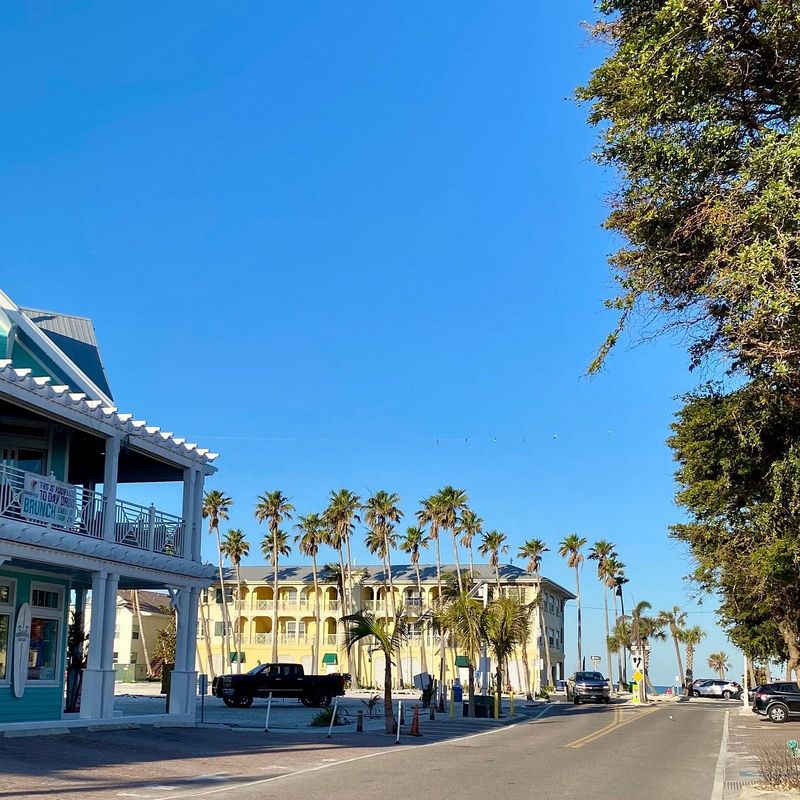
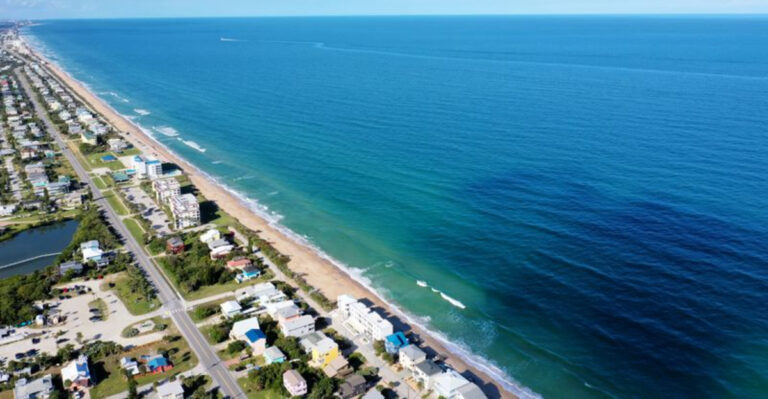
Anna Maria Island operates less like a single downtown and more like a collection of walkable beach villages where cars feel optional thanks to the free island trolley connecting key spots. The island’s Old Florida vibe—no high-rises, no chains, just mom-and-pop shops and beach cottages—makes walking feel natural and rewarding. Pine Avenue in Anna Maria, Bridge Street in Bradenton Beach, and various waterfront areas offer concentrated pockets of shops, cafes, and beach access.
The trolley system changes the game here, running continuously and stopping near beaches, restaurants, shops, and public piers. Many visitors park once at their rental and rely entirely on walking and the trolley for the entire trip. The flat terrain, short distances between destinations, and laid-back island pace make this approach not just feasible but genuinely enjoyable.
Each village has its own personality—Anna Maria feels residential and quiet, Bradenton Beach offers more dining and nightlife, Holmes Beach sits somewhere in between—but all share the same walkable, bike-friendly infrastructure. Beach access points, waterfront parks, and the historic Rod and Reel Pier provide destinations beyond shopping and dining. It’s not walkable in the traditional downtown sense, but the car-light lifestyle works beautifully here, proving that walkability comes in different forms across Florida’s best small towns.