11 Florida Spots That Sound Totally Made Up, But Are Actually Real
Florida is full of surprises, and some of the strangest ones are right there on the map. Across the state, you’ll find towns and communities with names so weird they sound like someone made them up as a joke. But these places are completely real, with histories and stories just as quirky as their names.
From tiny crossroads to coastal hideaways, these spots prove that truth really is stranger than fiction.
1. Two Egg
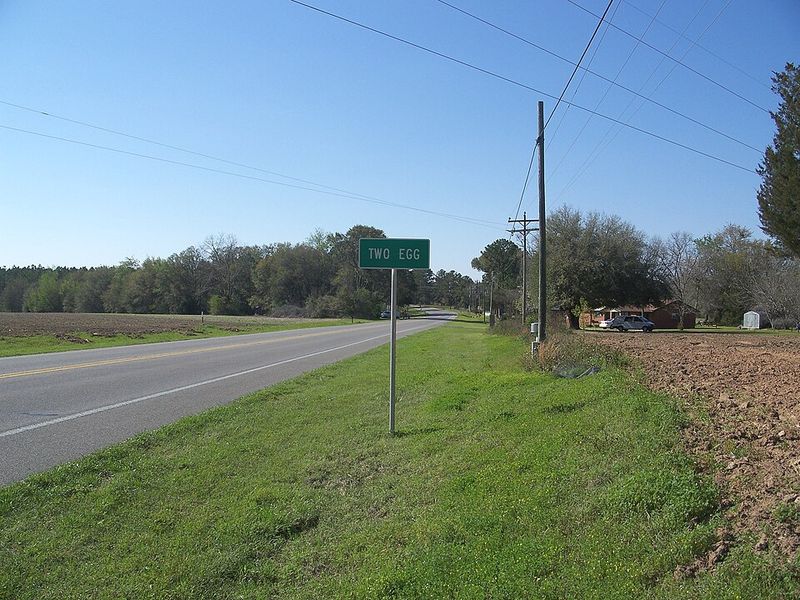
Believe it or not, Two Egg is an actual place you can visit in Jackson County. The name has sparked countless theories and local legends over the years. Some say it came from two boys who traded eggs for candy at a country store during the Depression.
Others claim it was named after a pair of chicken eggs painted on a store sign. Whatever the truth, the name stuck, and now it’s one of Florida’s most talked-about tiny communities. There’s not much there in terms of population or infrastructure, but that’s part of the charm.
Visitors often stop by just to snap a photo with the road sign. It’s become a quirky roadside attraction in its own right. The surrounding area is rural and peaceful, dotted with farmland and old-timey country roads.
Two Egg may not have a bustling downtown, but it has something better: a name that makes people smile. It’s proof that even the smallest places can leave a big impression. If you’re ever driving through the Panhandle, it’s worth the detour just to say you’ve been.
2. Yeehaw Junction
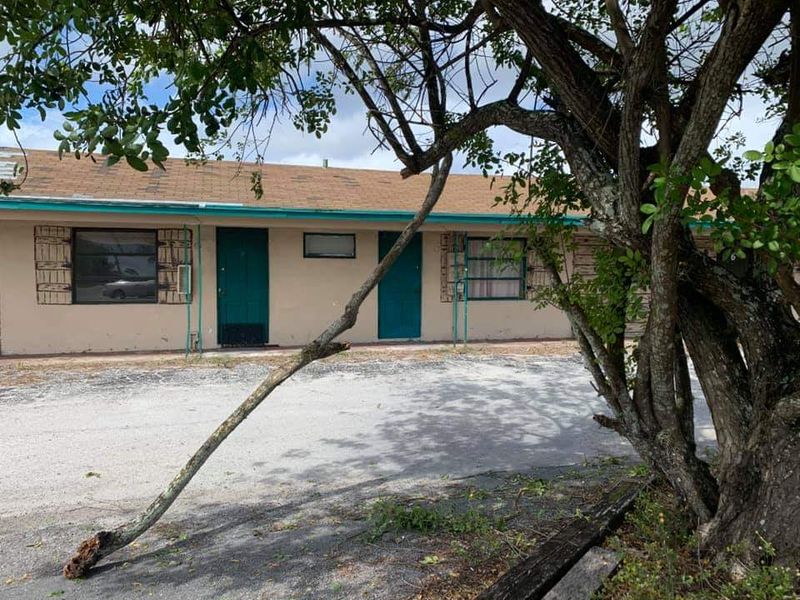
Yeehaw Junction sounds like something out of a cartoon, but it’s a real spot where highways meet in the middle of nowhere. Located in Osceola County, this tiny community sits at the crossroads of U.S. Route 441 and Florida’s Turnpike.
It’s basically a blink-and-you-miss-it kind of place.
The name alone makes it legendary. People assume it’s a joke or a nickname, but nope—it’s official. The area was historically a cattle ranching hub, which might explain the Wild West vibe of the name.
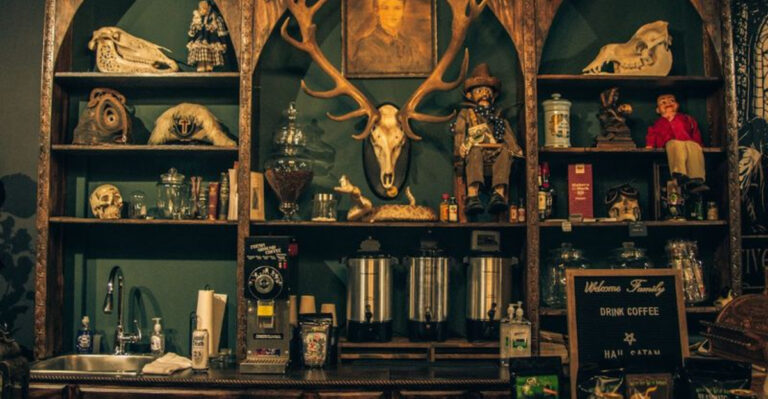
There’s a famous old roadside stop here called the Desert Inn, which has been serving travelers since the 1800s. It’s got that vintage Florida frontier feel, complete with taxidermy and wooden floors. The whole place feels frozen in time.
Most folks only know Yeehaw Junction from highway signs or road trip stories. But if you pull off the road, you’ll find a slice of old Florida that’s hard to come by these days. It’s quirky, remote, and unapologetically weird.
Whether you stop for gas, a meal, or just a selfie, Yeehaw Junction delivers on its promise of oddball charm.
3. Christmas
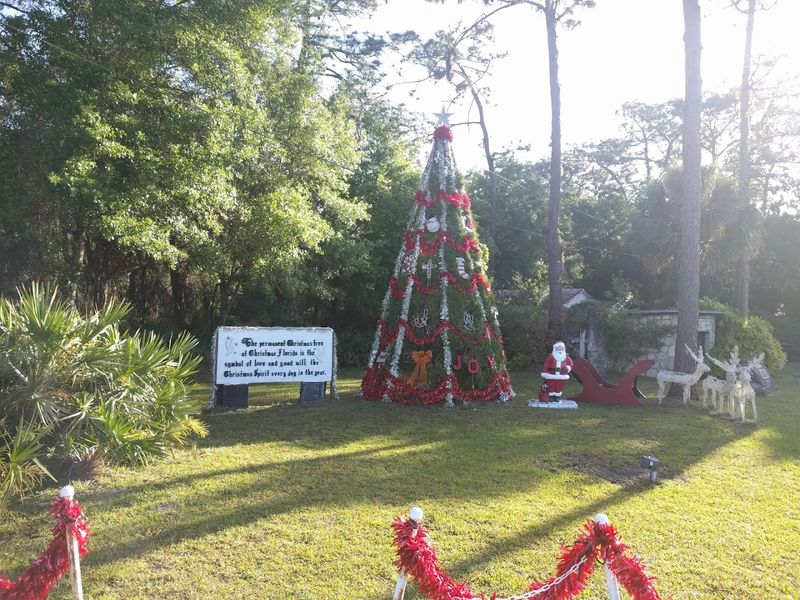
Christmas, Florida is a real place, and yes, people mail their holiday cards from here every December. Situated in Orange County just east of Orlando, this census-designated community has become a seasonal sensation. The post office gets flooded with requests for special postmarks during the holidays.
The town was named back in the 1800s when Fort Christmas was built during the Second Seminole War on Christmas Day. That military outpost is long gone, but the name lives on. Now it’s mostly a residential area with a few parks and historical markers.
What makes Christmas extra fun is how seriously locals lean into the theme. Street names include things like Snowflake Lane and Rudolph Way. There’s even a Christmas tree visible from the main road year-round.
Tourists love visiting around the holidays to snap photos and mail cards with that iconic postmark. It’s become a quirky tradition for families across the country. The vibe is quiet and suburban most of the year, but festive energy kicks in every winter.
Christmas may not be a bustling metropolis, but it’s got heart—and a name that never stops giving.
4. Howey-in-the-Hills
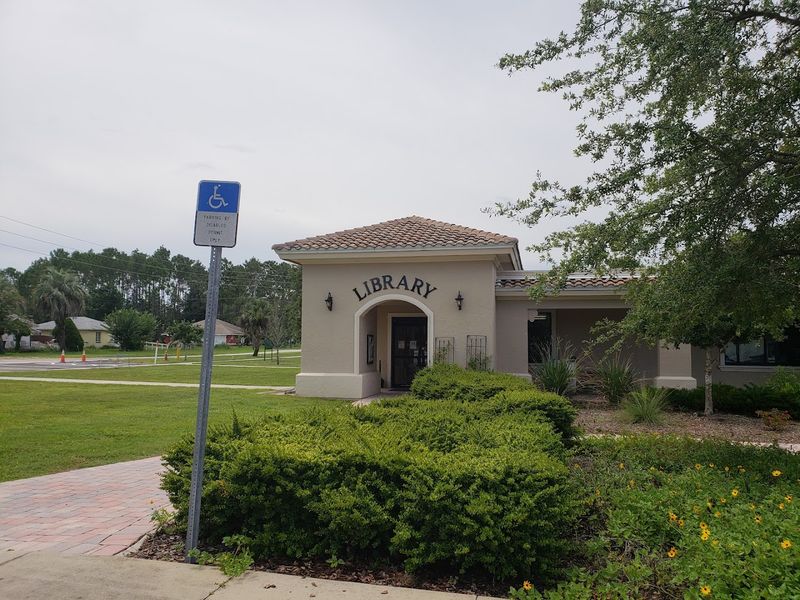
Howey-in-the-Hills sounds like it belongs in a storybook, but it’s a real town tucked into the rolling landscape of Lake County. The name was officially adopted in 1927, and it perfectly captures the town’s elevated, hilly terrain—a rarity in flat Florida. It was named after William J.
Howey, a citrus magnate who developed the area.
The town sits higher than most of Central Florida, giving it a slightly different climate and feel. It’s known for its historic Mission Inn Resort, a Mediterranean-style landmark that dates back to the 1920s. The architecture alone makes it worth a visit.
Driving through Howey-in-the-Hills feels like stepping back in time. Tree-lined streets, brick buildings, and lakeside views give it an old-world charm. It’s a popular spot for weddings, golf outings, and quiet weekend getaways.
Despite its fairy-tale name, the town is very much grounded in real Florida history. Citrus groves once dominated the landscape, and traces of that heritage remain. Today, it’s a peaceful residential community with a strong sense of identity.
Howey-in-the-Hills may be small, but it’s big on character and charm.
5. Frostproof
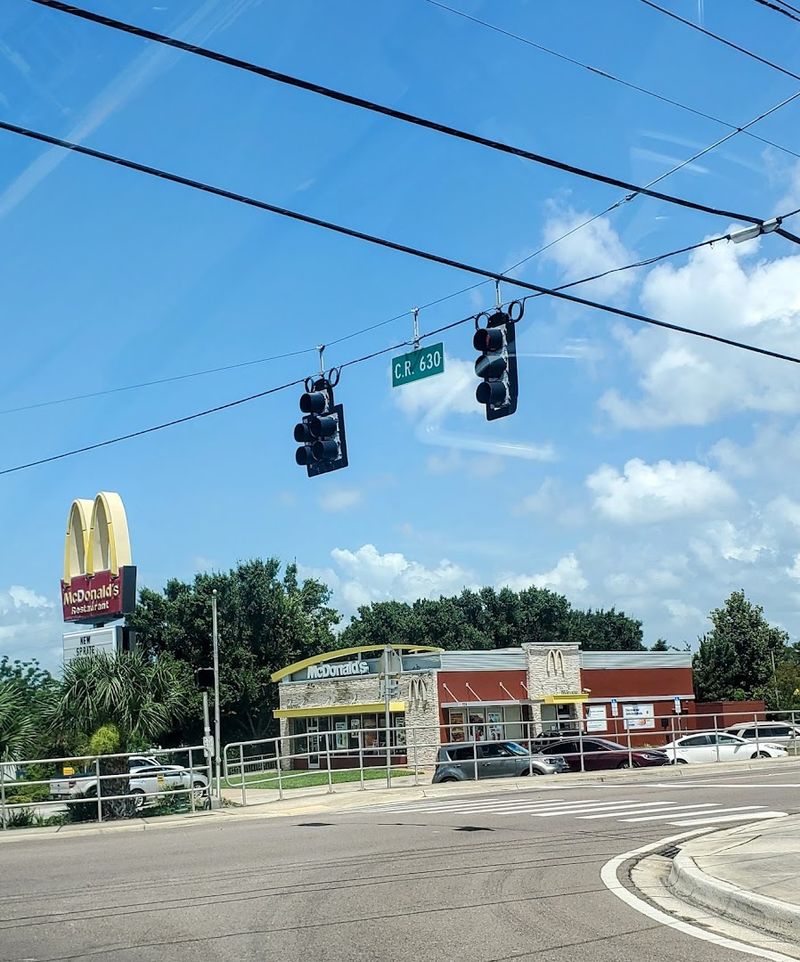
Frostproof is a real city in Polk County, and the name is hilariously ironic. Despite the confident branding, Frostproof absolutely gets frost—especially during cold snaps in winter. The name was chosen by early developers hoping to attract citrus growers who wanted protection from freezing temperatures.
Spoiler alert: it didn’t work. Frostproof has experienced damaging frosts just like the rest of Central Florida. But the name stuck anyway, becoming a source of local pride and plenty of jokes.
The town sits in the heart of Florida’s citrus belt, surrounded by orange groves and rural farmland. It’s a quiet, working-class community with a strong agricultural heritage. Main Street has that classic small-town Florida vibe, with mom-and-pop shops and old brick buildings.
Frostproof also hosts an annual Orange Festival, celebrating the crop that put the area on the map. It’s a fun, family-friendly event with parades, crafts, and plenty of citrus treats. The festival brings the whole community together and draws visitors from surrounding counties.
Whether the name delivers on its promise or not, Frostproof has carved out its own unique identity. It’s proof that even a misleading name can become legendary.
6. Sopchoppy
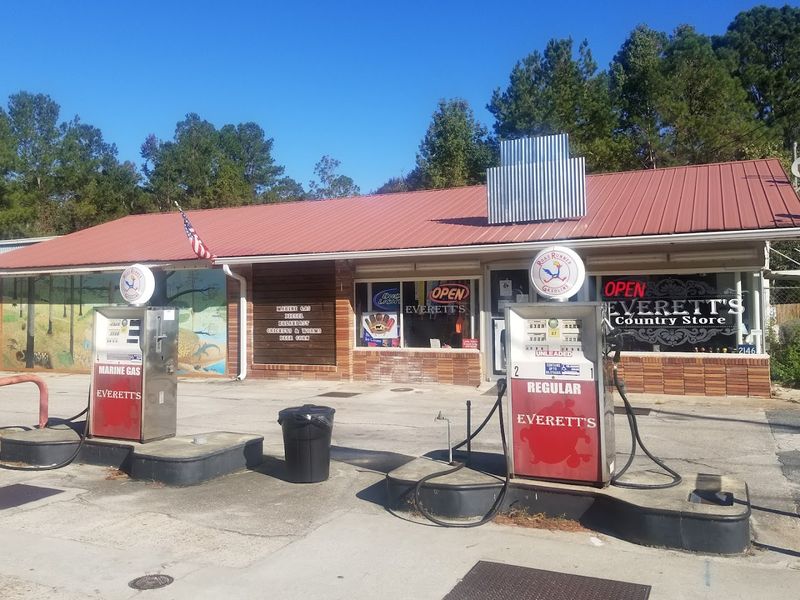
Sopchoppy is one of those names that makes you do a double-take. Located in Wakulla County, this small city has a name that sounds more like a tongue twister than a real place. The word comes from a Muskogean language term meaning “twisted” or “long and winding,” likely referring to the nearby Sopchoppy River.
The town itself is tiny, with a population that hovers around 500 people. But what it lacks in size, it makes up for in personality. Sopchoppy is best known for its annual Worm Gruntin’ Festival, a celebration of an old-timey method of collecting earthworms by vibrating the ground.
Yes, you read that right—worm gruntin’ is a real thing. Locals drive stakes into the soil and rub them to create vibrations that bring worms to the surface. It’s weird, it’s wonderful, and it’s totally Sopchoppy.
The town has a laid-back, rural vibe with plenty of natural beauty nearby. Forests, rivers, and wildlife make it a great spot for outdoor lovers. It’s the kind of place where everybody knows everybody.
Sopchoppy may be small and strange, but that’s exactly why people love it.
7. Bagdad
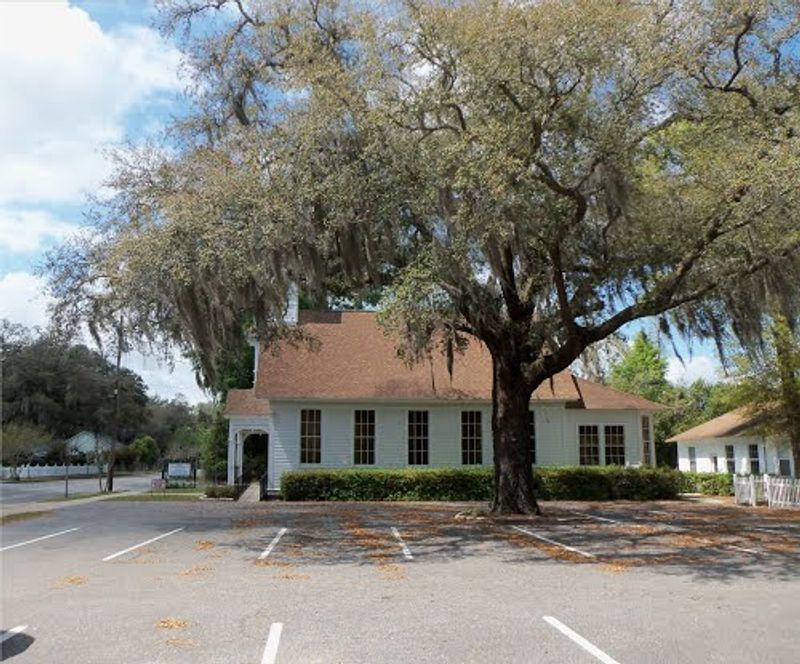
Bagdad, Florida is a real place, and no, it’s not a typo. This census-designated community in Santa Rosa County has roots that go back to the 1800s when it was a thriving lumber mill town. The name supposedly came from the dense forests that reminded early settlers of the Arabian Nights tales.
The town sits along the Blackwater River in the Florida Panhandle. During its heyday, Bagdad was a bustling hub of timber production and trade. Lumber from here was shipped all over the country and even abroad.
Today, Bagdad is much quieter, but it still retains plenty of historic charm. Old homes, tree-lined streets, and riverside views give it a timeless feel. The Bagdad Mill Site Park commemorates the area’s industrial past with interpretive signs and scenic trails.
It’s a popular spot for kayaking, fishing, and enjoying the natural beauty of Northwest Florida. The Blackwater River is known for its clear, dark water and sandy banks. Locals treasure the area for its peace and natural resources.
Bagdad may sound exotic, but it’s pure Panhandle through and through. It’s a reminder that Florida history is full of unexpected twists and colorful characters.
8. Panacea
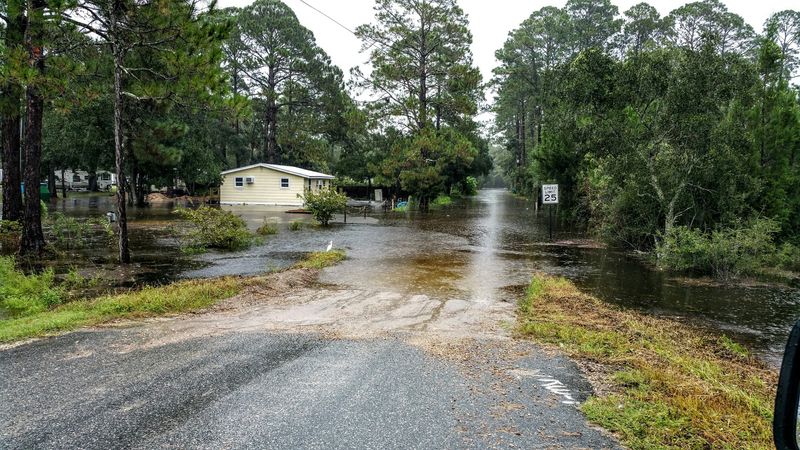
Panacea is a real coastal community in Wakulla County, and the name couldn’t be more fitting—or more ironic. The word “panacea” means a cure-all or remedy for everything, which makes it sound more like a potion from a fantasy novel than a Florida fishing village. But here it is, right on the Gulf Coast.
The town was named in the early 1900s when developers hoped the area’s natural mineral springs would attract health-seekers. They believed the springs had healing properties that could cure ailments. Whether or not that was true, the name stuck around long after the health craze faded.
Today, Panacea is known more for seafood than springs. It’s a working waterfront community where commercial fishing and oystering are still part of daily life. The vibe is laid-back and unpretentious, with seafood shacks and boat docks lining the water.
Visitors come for the fresh Gulf oysters, quiet beaches, and access to great fishing spots. It’s also a gateway to the nearby St. Marks National Wildlife Refuge, a paradise for birdwatchers and nature lovers.
Panacea may not cure what ails you, but it sure offers a relaxing escape from the everyday grind.
9. Chokoloskee
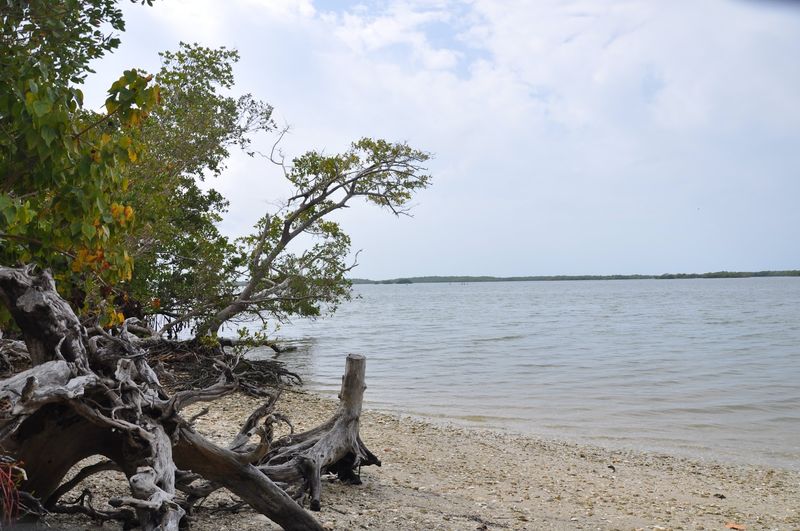
Chokoloskee is one of the most unbelievable names on any Florida map, but it’s absolutely real. Located on the edge of the Ten Thousand Islands in Collier County, this tiny island community is as remote as it sounds. The name comes from the Seminole word meaning “old house” or “old place,” a nod to the area’s deep indigenous history.
Chokoloskee is literally built on a shell mound created by the Calusa people over centuries. The island rises just a few feet above sea level and is connected to the mainland by a single causeway. It’s a place where nature dominates and modern life takes a backseat.
The population is small, and the pace is slow. Fishing, kayaking, and exploring the Everglades are the main draws here. The surrounding waters are filled with mangroves, dolphins, and endless winding channels.
Chokoloskee is also steeped in frontier lore and old Florida stories. It was once a hideout for outlaws and a hub for commercial fishing. Today, it’s a quiet refuge for those who love solitude and wild beauty.
The name may be hard to pronounce, but the experience of visiting Chokoloskee is unforgettable.
10. Lorida
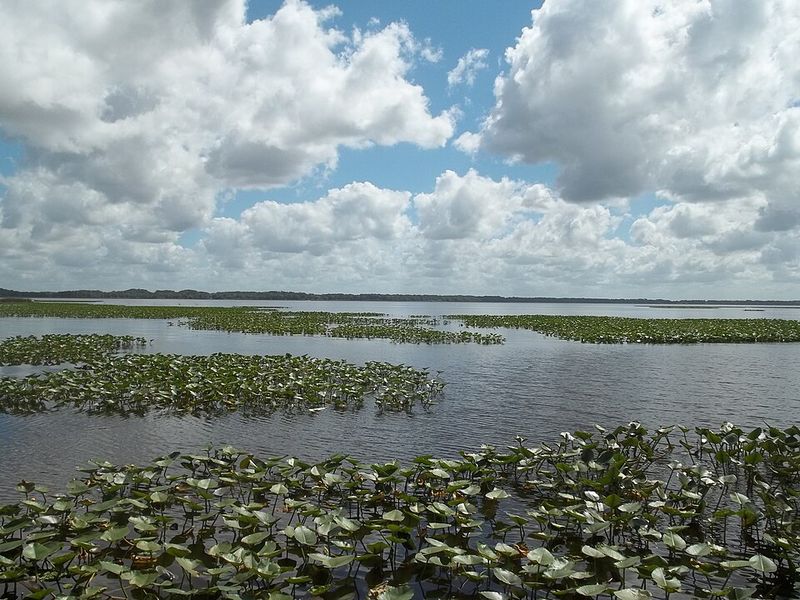
Lorida sounds like someone mispronounced “Florida,” but it’s actually its own unincorporated community in Highlands County. The name is quirky and confusing, which makes it perfect for this list. Some say it was named by combining parts of other place names, while others think it was just a creative twist on the state itself.
Either way, Lorida is real, and it’s tucked into the rural heart of Central Florida. The area is mostly agricultural, with cattle ranches, citrus groves, and open pastures stretching in every direction. It’s the kind of place where you can drive for miles without seeing much more than cows and clouds.
There’s not a lot of commercial activity here—no shopping centers or tourist traps. Lorida is quiet, slow-paced, and deeply connected to the land. It’s a working community where farming and ranching are still a way of life.
For visitors, Lorida offers a glimpse of old Florida that’s increasingly hard to find. Wide-open spaces, big skies, and a sense of timelessness define the area. It’s not flashy, but it’s authentic.
Lorida may not be on many tourist maps, but it’s very much a part of Florida’s story.
11. Boca Grande
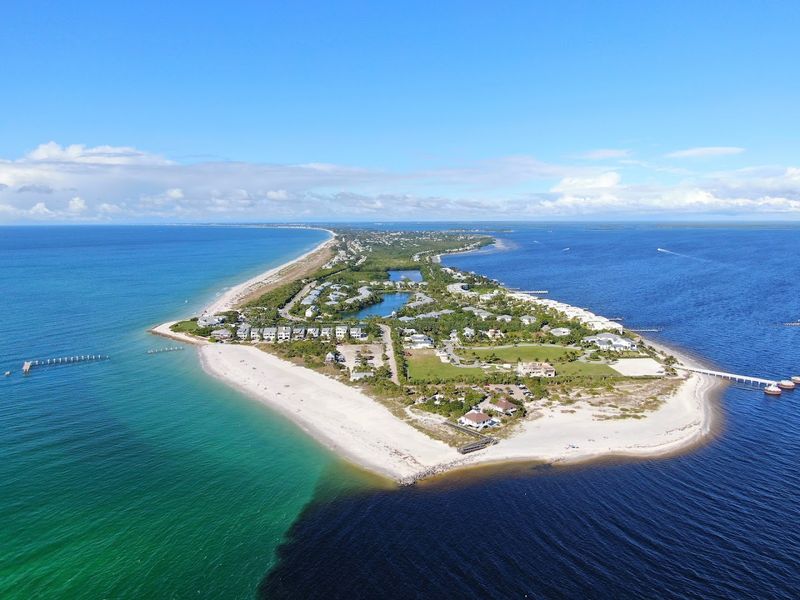
Boca Grande sounds like a dramatic name from a pirate novel, but it’s a real community on Gasparilla Island in southwest Florida. The name translates to “big mouth” in Spanish, referring to the wide pass that connects Charlotte Harbor to the Gulf of Mexico. It’s been a landmark for sailors and fishermen for centuries.
The island itself is stunning, with sugar-white beaches, turquoise water, and a historic lighthouse that’s become an icon. Boca Grande has a reputation as an upscale, low-key getaway favored by anglers and families alike. Tarpon fishing here is world-famous, drawing sportfishing enthusiasts from all over.
The town has a charming, old-Florida feel with colorful cottages, boutique shops, and bike-friendly streets. There are no high-rises or chain restaurants cluttering the landscape. Instead, you’ll find locally owned cafes, art galleries, and a strong sense of community pride.
Boca Grande also has a rich history tied to phosphate shipping and early tourism. The old railroad depot and port remnants still stand as reminders of the island’s industrial past. Today, it’s all about relaxation and natural beauty.
Boca Grande may sound too good to be true, but it’s very much the real deal.